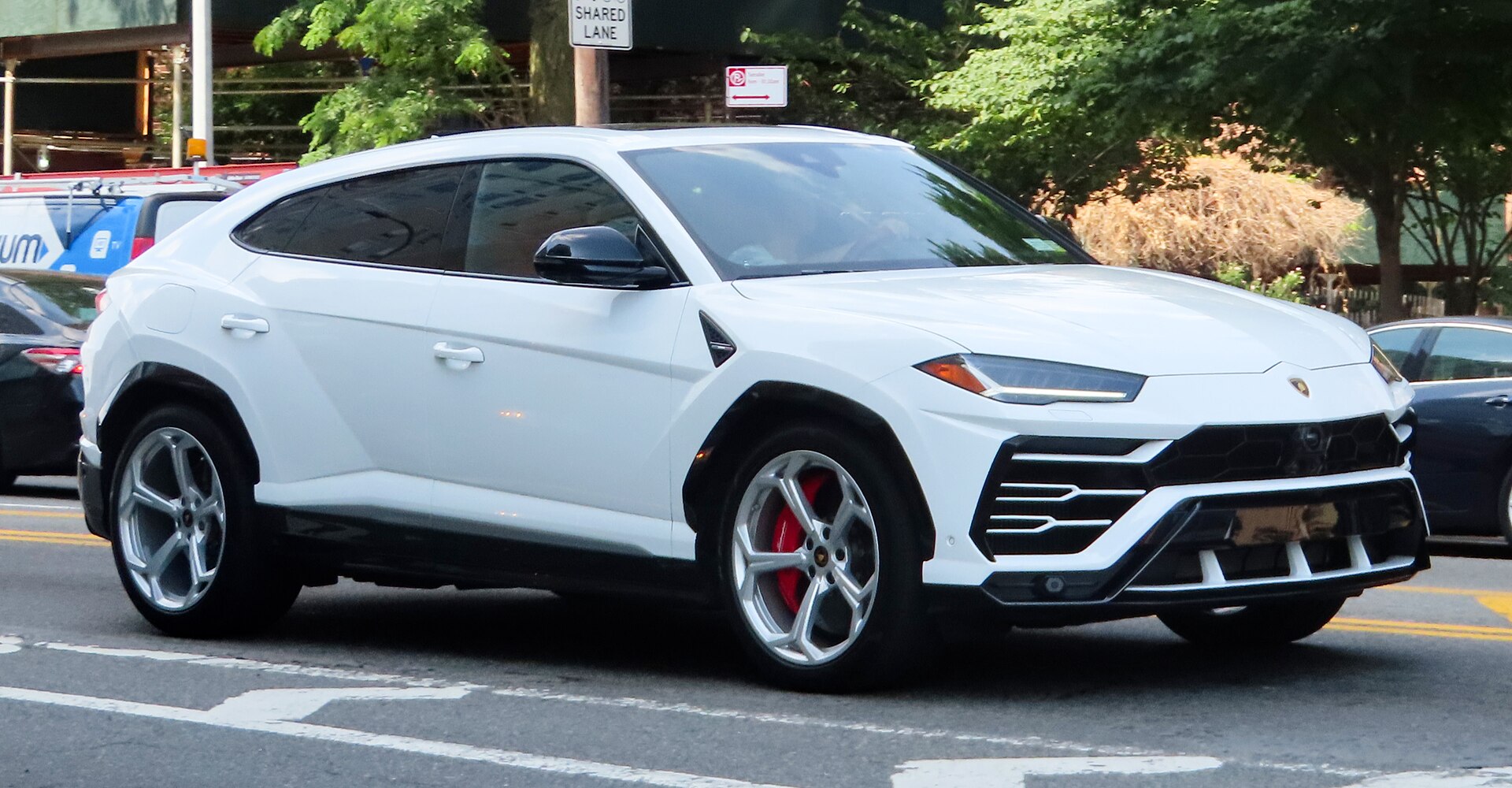
What is the Best Year to Buy a Lamborghini Urus?
The Lamborghini Urus has evolved dramatically since its 2018 debut. From the original twin-turbo launch model to the 2024 hybrid SE, each model year brings different capabilities, costs, and value propositions. Here's everything you need to know to choose the right year.
The Urus Evolution: From Supercar SUV Novelty to Refined Performance Icon
When Lamborghini introduced the Urus in 2018, it was a controversial gamble. A 641-horsepower, twin-turbo V8 SUV from a brand built on mid-engine supercars felt like betrayal to purists. Seven years later, the Urus has become one of Lamborghini's most important revenue drivers, with constant refinement proving the concept wasn't a flash of marketing genius—it was the beginning of something genuinely significant.
The best year to buy a Lamborghini Urus depends entirely on your priorities: budget, performance, technology, or investment potential. An early 2019 model will save you $80,000 compared to a 2024 Performante. A 2020–2021 Urus represents the sweet spot for value and reliability. A 2024 Urus SE plug-in hybrid offers 789 horsepower and electric-only driving for urban commutes. And a 2022 Performante is the purest performance version that money can buy.
This guide breaks down every model year from 2018 through 2025, covering what changed, what went wrong, what went right, and which year makes sense for your situation. Whether you're looking at early models with known teething issues or the latest generation hybrids, we'll help you navigate the Urus market with the insight you can only get from buying specialists who work with these cars daily through Automonitor's concierge buying service.
Quick Year-by-Year Snapshot
| Model Year | Key Changes | Horsepower | Est. Used Price | Best For |
|---|---|---|---|---|
| 2018 Launch | Original debut; infotainment issues | 641 hp | $140K–$160K | Budget buyers (if issues sorted) |
| 2019 | Minor tweaks; air suspension problems early | 641 hp | $145K–$165K | Avoid early builds; 2019.5+ better |
| 2020–2021 | Reliability improves; software matured | 641 hp | $160K–$185K | Sweet spot for value and stability |
| 2022 Performante | 657 hp; revised styling; limited run | 657 hp | $210K–$240K | Performance enthusiasts; rarity |
| 2022 Urus S | Refined 641 hp; new visual design | 641 hp | $185K–$210K | Balanced performance and luxury |
| 2023–2024 | Continued refinement; reliability peak | 641 hp | $190K–$220K | Latest conventional V8 technology |
| 2024 SE | Plug-in hybrid debut; 789 hp combined | 789 hp | $240K–$280K | Future-proof; hybrid technology |
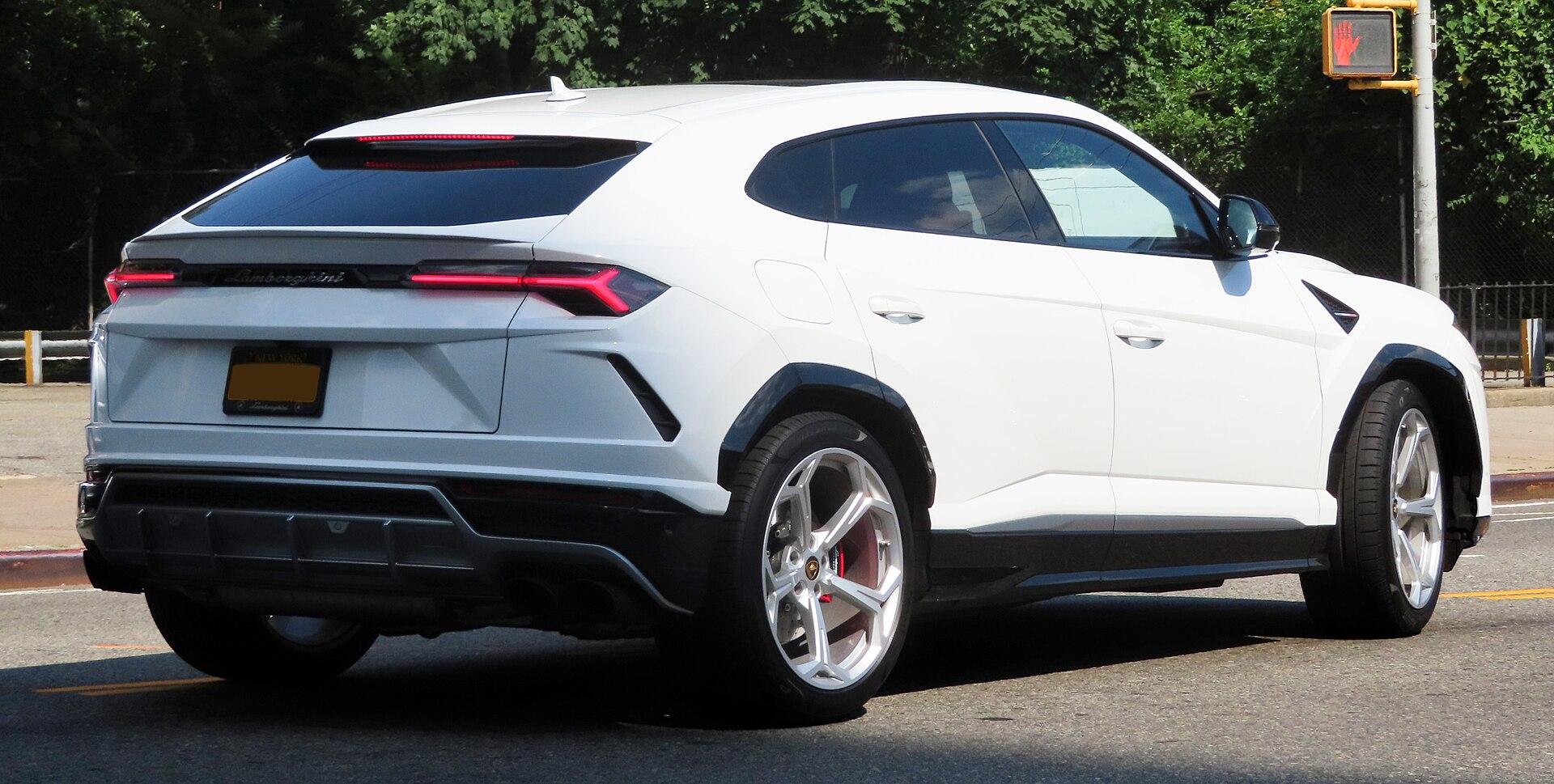
2018: The Launch Year — Controversial But Important
The original Urus arrived with 641 horsepower from a 4.0-liter twin-turbo V8 derived from Audi engineering. Zero to 60 came in 3.6 seconds. Top speed hit 189 mph. It was genuinely fast for an SUV, and it looked every bit the Lamborghini performance machine despite carrying three rows of seats.
The 2018 model remains the most affordable Urus you can buy today, typically ranging from $140,000 to $160,000 on the used market. That price advantage comes with risk. Early builds suffered from infotainment glitches—touchscreen freezes, navigation failures, and Bluetooth connectivity issues were common complaints. Some owners reported air suspension actuators developing slow leaks. These were teething problems, not fundamental flaws, but they required warranty work or dealer intervention to resolve.
The 2018 Urus is worth considering only if you can have it thoroughly inspected by a Lamborghini specialist. Look for complete service records showing any infotainment software updates and air suspension servicing. If the car has been properly maintained and updated, the 2018 is a legitimate bargain entry point into Urus ownership. If it hasn't, you'll be spending your savings on repairs.
2019: Early Refinement — Still Some Rough Edges
Lamborghini made minor updates for 2019, addressing some of the 2018 issues. Infotainment software received updates. Air suspension components were refined. Horsepower remained at 641.
Here's the problem: 2019 was a split year. Early 2019 models (built January–June) continued suffering from the same air suspension and infotainment gremlins as late 2018 cars. Mid-2019 models (built July onward) showed significant improvement. By fall 2019, the Urus was genuinely dependable.
Current market pricing for 2019 ranges from $145,000 to $165,000. That's only $10,000 more than early 2018s, which makes late 2019 models potentially the best value in the used Urus market if you can verify the build date and service history. Ask the seller for the production date. If it's August 2019 or later, that's a green light. If it's March 2019 or earlier, proceed with extreme caution and demand a comprehensive pre-purchase inspection by Automonitor's inspection network.

2020–2021: The Sweet Spot — Reliability Meets Value
By 2020, Lamborghini had completely sorted the Urus. Infotainment software was mature and stable. Air suspension components had been redesigned and thoroughly tested. The platform had accumulated enough real-world data that engineers understood every quirk and weakness. Most importantly, owners now had a community of detailed service records and known issues to reference.
The 2020–2021 Urus represents the best value proposition in the entire lineup. You're buying a fully matured platform with established reliability, modern enough that you're not looking at aging technology, yet depreciated enough that pricing makes sense. Current market range: $160,000 to $185,000.
These model years also benefit from the COVID-era market. Many 2020–2021 cars were purchased by buyers who later sold them as driving conditions changed or financial priorities shifted. This creates a deep pool of well-maintained examples with relatively low mileage (10,000–20,000 miles is common). The cars had every system update applied during ownership, so you're getting essentially the 2021 tech package even if you're buying a 2020.
If your primary goal is value, reliability, and practical transportation in SUV form, the 2020–2021 Urus is where we recommend most buyers focus their search. The complete Urus buying guide covers maintenance cost expectations for these years in detail.
2022 Performante: The Driver's Urus
Everything changed in 2022 when Lamborghini introduced the Performante variant. This wasn't a minor facelift—it represented a fundamental reimagining of what an Urus could be.
The Performante added 16 horsepower (up to 657 hp from 641), revised aerodynamics with an aggressive front fascia and rear wing, a completely reworked suspension tuned for performance over comfort, and improved brake cooling. Lamborghini also restyled the interior with updated leather and carbon fiber accents.
Critically, the 2022 refresh involved a complete electrical system redesign and software overhaul. Any remaining infotainment quirks from the earlier models were eliminated. The air suspension, now in its third generation, was bulletproof.
The trade-off: the Performante is firm. Ride quality is noticeably stiffer than earlier Urus models. Comfort becomes secondary to engagement. For drivers who plan to use the Urus on track, on winding roads, or simply enjoy pushing a 5,000-pound SUV harder than most humans should, the Performante is transformative. For buyers wanting a civilized daily driver, the Performante's suspension will feel harsh on poor roads.
Current market pricing: $210,000 to $240,000. That's a $50,000 premium over 2020–2021 models, which reflects both the performance upgrade and the limited production run (only approximately 1,800 Performante examples were built). The Performante is the rarest, most driver-focused Urus, making it the variant most likely to appreciate in value over time. If you plan to keep an Urus long-term and value performance above all else, the Performante deserves serious consideration.
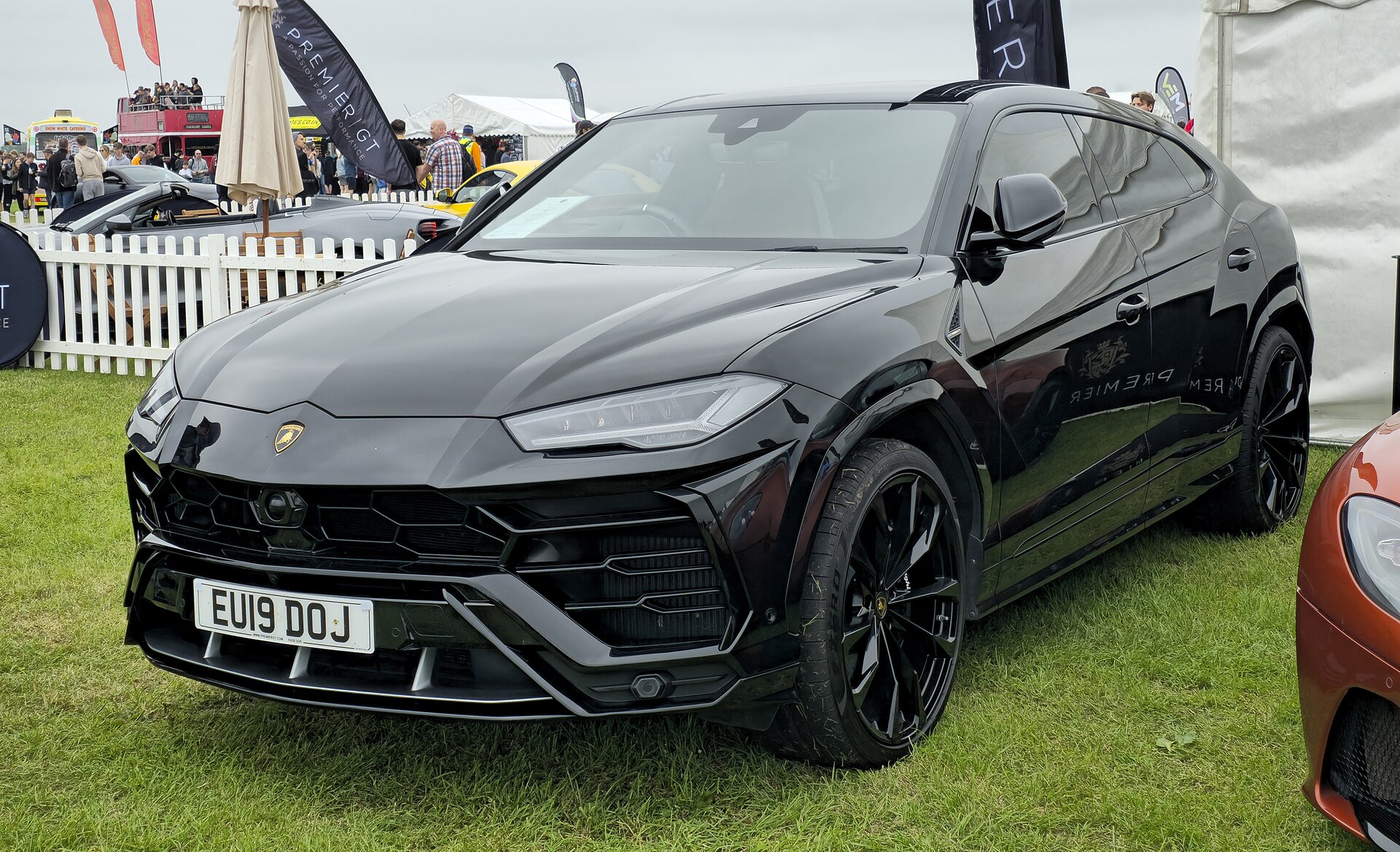
2022 Urus S: The Refined Standard
Running parallel to the Performante, Lamborghini introduced the Urus S in 2022. Same 641 horsepower as pre-2022 models, but with the new styling, the refined suspension tuning, and the updated electrical systems that made the Performante possible.
Think of the Urus S as the "just right" option—it gets the 2022 improvements and new design language without the suspension stiffness or the premium pricing of the Performante. For buyers wanting a modern, refined Urus that's still comfortable on daily roads, the S is the pick.
Used pricing: $185,000 to $210,000. That's $25,000 less than a Performante but only $15,000–$25,000 more than a comparable 2021 base model. Given the added refinement and future-proof styling, the Urus S is arguably better value than either option. It's the 2022 model year we most frequently recommend to buyers seeking current technology with reasonable pricing.
2023–2024: Reliability Peak — The Best Conventional Urus Technology
From 2023 onward, Lamborghini made the Urus S the standard offering with the Performante as the high-performance variant. Both now represented the absolute peak of conventional gasoline Urus engineering.
These model years incorporate three generations of refinement. Infotainment is bulletproof. Air suspension is perfected. Engine management is optimized. Electrical systems have proven themselves across hundreds of thousands of real-world miles across earlier model years. Every known issue has been addressed. Warranty coverage remains strong on younger examples.
The trade-off: these are the most expensive conventional Urus models (excluding the hybrid). Pricing ranges from $190,000 to $220,000 for standard models and $220,000+ for Performante variants. You're paying for peak technology and perfection, but you're also absorbing the steepest depreciation because the 2024 SE hybrid is now available, making gasoline-only models feel dated for some buyers.
Buy a 2023–2024 Urus if you want the absolute best conventional performance, lowest maintenance risk, and longest warranty coverage. Buy a 2020–2021 if you want value. The middle ground is thin, but the 2023–2024s do make sense if you keep cars long-term and plan to drive yours extensively despite high initial cost.
2024 SE Hybrid: The Future Is Here
The 2024 Urus SE plug-in hybrid is the game-changer. While the base Urus still runs a 641 hp V8, the SE combines that engine with an electric motor for 789 horsepower combined output. More significantly, the SE can drive on battery power alone for approximately 30–40 miles, making it genuinely practical for zero-emission urban commuting.
The plug-in hybrid architecture also means regenerative braking, lower fuel consumption (estimated 20+ mpg combined vs. 13–16 for V8-only models), and tax incentives in some states. For California buyers, the plug-in hybrid opens up HOV lane access even with a single occupant—a genuinely transformative quality-of-life feature for long-commute owners.
Pricing is steep: $240,000 to $280,000. That's a $50,000+ premium over a 2024 Urus S. But if you drive a lot—especially mixed urban and highway—the hybrid pays for itself through fuel savings over 100,000 miles. And psychologically, driving an electric-powered Lamborghini SUV through your neighborhood without a whisper feels like the future.
The catch: the SE is brand new. There's no used market yet. Battery durability data spans only months, not years. Long-term plug-in hybrid reliability in the Urus segment remains unproven. If you're buying an SE, you're essentially making a bet on Lamborghini's engineering and accepting technology risk in exchange for performance and efficiency.
For most buyers, buying a used 2024 Urus S with mature V8 technology is smarter than gambling on SE battery longevity. But if you drive heavy annual mileage in a state with PHEV incentives and value zero-emission capability, the SE is the Urus of the future—today.
Known Issues by Model Year
2018–2019 Air Suspension Problems
Early models occasionally developed slow leaks in air suspension actuators, causing the vehicle to sag slightly overnight. Not dangerous, but annoying and expensive to repair ($3,000–$6,000 per actuator). Later model years and updated components resolved this entirely. Pre-purchase inspection must include an air suspension pressure test.
2018–2019 Infotainment Glitches
Touchscreen freezes, GPS navigation dropouts, and Bluetooth disconnections plagued early cars. Software updates resolved nearly all issues by mid-2019. Verify that any early model has received all available infotainment updates at a Lamborghini dealership.
2020–Present Brake Dust Accumulation
Not a defect, but an annoyance: ceramic brake pads generate significant dust that coats wheels rapidly. Weekly washing becomes necessary to prevent wheel damage. Standard maintenance, not a warranty issue, but budget accordingly if you value clean wheels.
Rare Cooling System Leaks (All Years)
Occasionally, radiator hose connections develop small leaks on high-mileage examples. More common on vehicles that see track use or live in extremely hot climates. Pre-purchase inspection should include coolant system pressure testing.
Pricing Breakdown by Year and Condition
Current used market pricing reflects depreciation from MSRP ($140,000 for 2018 base models, $260,000+ for 2024 Performante). Condition, mileage, and service history create $15,000–$30,000 variance around these ranges:
- 2018 Models: $140K–$160K (basic condition to excellent; verify service records and infotainment updates)
- 2019 Models: $145K–$170K (late 2019 builds significantly more desirable than early; build date verification critical)
- 2020–2021 Models: $160K–$190K (sweet spot; most stable pricing; deepest selection of available examples)
- 2022 Urus S: $185K–$210K (modern styling; refined platform; excellent value relative to newer years)
- 2022–2023 Performante: $210K–$250K (rarity premium; track-capable; appreciation potential)
- 2023–2024 Standard S: $190K–$225K (latest tech; longest warranty; steepest depreciation from new)
- 2024 SE Hybrid: $240K–$280K (newest technology; unknown long-term reliability; HOV lane access in some states)
For detailed Urus pricing information updated monthly, consult market data directly. Automonitor's Urus sourcing guide covers where to find the best selection and pricing.
Choosing the Right Year for Your Specific Needs
If You Want Maximum Budget Savings: 2019–2020
A 2019 model year Urus (preferably mid-year or later build) or a 2020 example delivers 95% of the Urus experience at 15–20% off 2024 pricing. Depreciation has hit hard enough that you can buy an excellent example for under $170,000. Reliability is proven. Known issues are documented and fixable. This is the recommendation for buyers prioritizing value.
If You Want Performance: 2022 Performante
The only Urus variant designed specifically for driver engagement rather than daily comfort. 657 horsepower, revised aerodynamics, track-capable chassis. Limited production makes it rarer than nearly every other model year. Pricing ($210K–$250K) reflects both performance and scarcity. See our complete Performante buying guide for variant-specific details.
If You Want the Latest Technology: 2024 Urus S
Peak conventional Urus engineering, newest styling, longest factory warranty coverage. $190K–$225K pricing is steep, but you're buying the most refined version of the V8 platform ever built. If you plan to keep the car long-term and drive it frequently, the newer model's advanced infotainment and updated engine management justify the cost.
If You Want to Drive Electric: 2024 SE Hybrid
The only Urus you can drive 30+ miles on electric power alone. Best for buyers with home charging, heavy annual mileage, and access to state/federal PHEV incentives. Battery durability unknown, but performance and efficiency are undeniable. See our hybrid performance guide for technical specifications and real-world testing data.
Investment Potential and Resale Value
Unlike the Huracan, which production ended in 2024 and is appreciating, the Urus is actively in production with new models arriving annually. This means appreciation is unlikely—depreciation is the natural pattern.
That said, certain years hold value better than others. The 2022 Performante, with only 1,800 built globally, commands stronger resale value because of rarity. Well-optioned examples in desirable colors (Giallo Inti, Rosso Mars, Blu Aether) hold better than generic black or white cars. Single-owner cars with full service records appreciate relative to fleet vehicles or cars with questionable maintenance.
For most buyers, buy the Urus you want to drive rather than the year you think will appreciate. The differences in resale depreciation between a 2023 and 2024 are marginal compared to the difference in driving experience. Use the Urus selling guide to understand resale process and timing when you're eventually ready to sell.
The Smart Buying Process
Buying the right Urus year means starting with data, not emotion. Here's the approach we recommend:
Step 1: Define your budget and use case. Will you drive this car regularly or occasionally? Do you want performance or comfort? Is technology critical? Budget 18–24 months of running costs ($15,000–$25,000 annually) on top of purchase price.
Step 2: Narrow your year range. Based on this guide and your specific needs, identify 3–4 model years that fit. If budget is primary, focus on 2019–2020. If performance matters, add 2022 Performante to your search. If technology is essential, prioritize 2023–2024.
Step 3: Search broadly. Don't limit yourself to local dealers. Check Cars and Bids, Bring a Trailer, Lamborghini dealers, and independent exotic brokers. Pricing varies dramatically by market.
Step 4: Get a thorough pre-purchase inspection. Hire a Lamborghini-trained technician to inspect any car before purchase. For years with known issues (2018–2019), inspection is non-negotiable. For newer years, it's still smart insurance.
Step 5: Negotiate from market data, not asking price. Know what comparable cars have sold for. Factor in deferred maintenance. If air suspension work or brake service is coming due, that comes off the offer price. Automonitor's buying service handles this research and negotiation for you.
Our Final Recommendation
If we could only recommend one model year to the greatest number of buyers, it would be the 2020–2021 Urus. The platform is mature and proven. Pricing reflects appropriate depreciation without feeling cheap. The 641 hp V8 is genuinely potent. Interior technology is modern without being bleeding-edge. And the deep used market means you'll have excellent selection in this model year range with documented service history across thousands of examples.
The 2022 Performante deserves consideration if you can justify the performance and rarity premium. The 2024 SE makes sense if you have specific technical needs (electric commuting, HOV access) that align with hybrid capability. And the early 2019 models merit exploration if you're willing to accept some risk in exchange for maximum savings and can verify complete service history.
Whatever year you choose, don't compromise on inspection or documentation. The difference between a well-maintained Urus and a neglected one is tens of thousands of dollars and potentially hundreds of thousands of miles of reliability. Buy smart, drive confidently, and enjoy one of the most interesting performance SUVs ever produced.
Find Your Perfect Urus Model Year
Automonitor connects you with verified sellers, handles inspections, and provides market data so you find exactly the right year and build at the right price.
Start Your Urus Search →