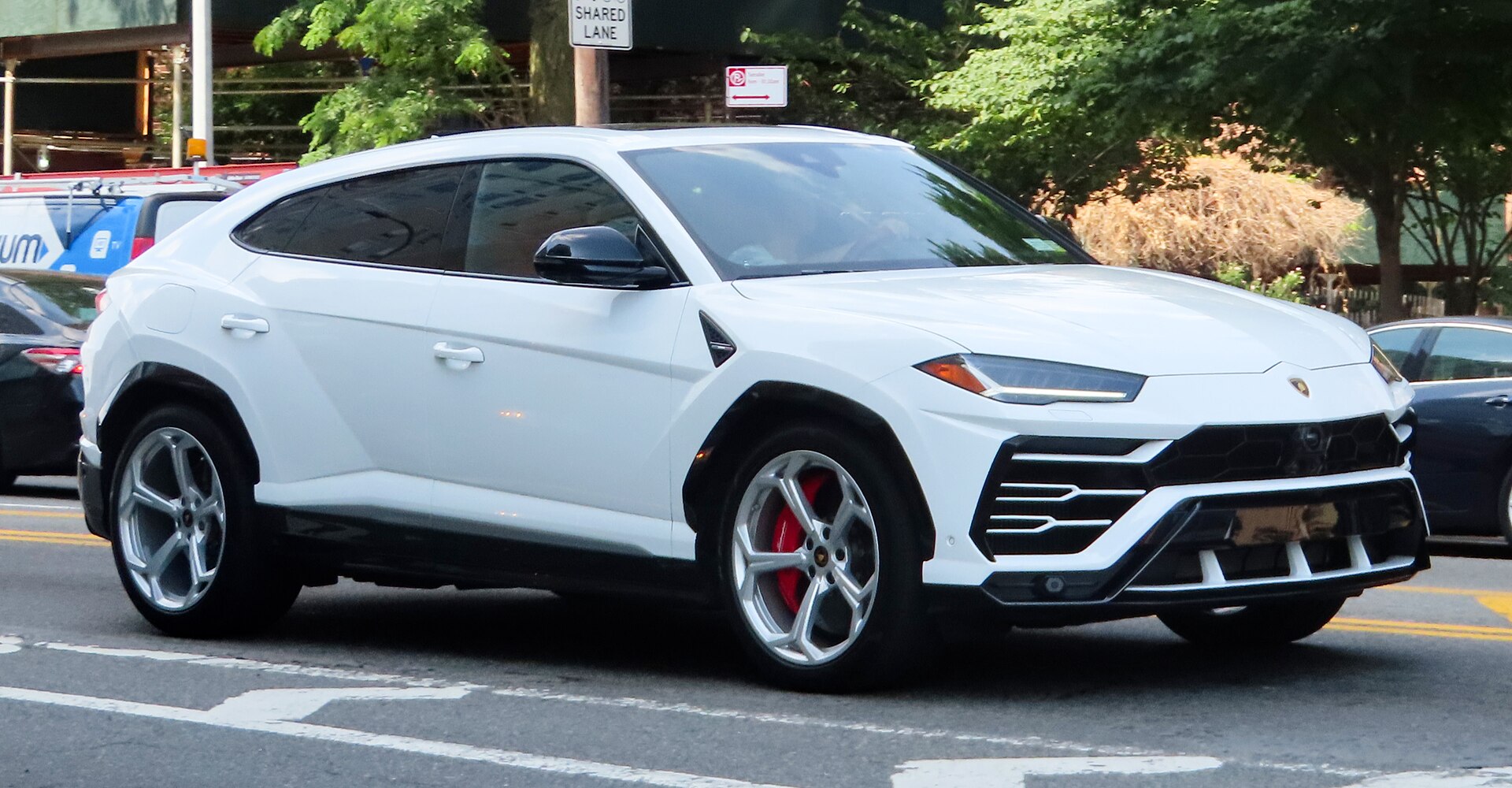
Where Can I Buy a Lamborghini Urus?
The Lamborghini Urus isn't a typical supercar buying decision. Whether you're pursuing a new allocation, hunting used inventory, or navigating dealer markups, you need a map. Here's where to find it — and how to actually win the negotiation.
The Three Channels for Buying a Urus: New, CPO, and Used
The Lamborghini Urus sits in a unique position in the luxury market. Unlike the Huracan, which has ended production, the Urus is still in production with the new SE variant arriving in 2026. That matters because it means you have three distinct buying paths: authorized dealer allocation for new cars, Certified Pre-Owned programs, and the robust used market that's emerged as Urus inventory has matured. Each path has different economics, timelines, and negotiating leverage. Understanding which one fits your situation is the first decision you need to make.
The Urus has moved more units than nearly any exotic SUV in history — Lamborghini sold over 24,000 Urus vehicles since its 2018 launch through 2025. That supply matters. Unlike ultra-limited Performante variants, Urus inventory is relatively accessible if you know where to look. But that also means dealer markups are lower, and negotiation room is tighter, because buyers have options.
The Urus buyer's advantage is not limited supply. It's market knowledge. Know where to look and you'll find better pricing than the buyer who just walks into the nearest showroom.
The Authorized Lamborghini Dealer Network: Where New Allocations Come From
Buying a new Lamborghini Urus requires navigating the dealer allocation system. This is not a car you can simply order and take home in six weeks. Lamborghini controls production through quarterly allocation windows, and each dealership receives a limited number of allocations per year based on historical sales volume, market size, and brand relationship. For the Urus, expect a 12-18 month wait for a new allocation on most configurations, particularly if you're specifying a non-standard color or interior combination.
The major Lamborghini dealers in the United States are concentrated in affluent metropolitan areas. These dealers are not interchangeable. Some aggressively add market-driven markup (ADM). Others hold firm on MSRP. Some have better inventory availability than others, and some dealers have stronger allocation pipelines for the new Urus SE entering production.
Top US Lamborghini Dealers
Lamborghini Beverly Hills (Los Angeles, California) is one of the highest-volume dealers in North America, with strong allocation access and multiple units on the lot at any given time. However, Beverly Hills commands the highest average markups on the West Coast — expect 5-15% ADM on standard configurations, potentially higher on desirable Urus SE pre-orders. They're known for aggressive pricing but also for efficient transaction handling if you're willing to pay market rate. Their dealership also serves as Lamborghini's West Coast flagship, which means they prioritize moving volume.
Lamborghini Miami (Miami, Florida) operates in Florida's ultra-high-net-worth market and typically maintains 8-12 Urus units in inventory. Miami's allocation is strong because Florida represents the largest market segment for exotic vehicle sales. Their ADM tends to be 3-8% on used inventory and 0-5% on new orders, making them one of the more reasonably priced allocation sources in the country. If you're flexible on timing and can fly to Miami for delivery, they often have immediate inventory at fair pricing.
Lamborghini Dallas (Dallas, Texas) serves the Texas market and has maintained strong inventory levels thanks to high local demand. Dallas typically runs lower ADM than coastal dealers — usually 2-6% on new orders — and their allocation pipeline for the Urus SE is competitive. Their used Urus inventory turns quickly, so you may want to call ahead to check what's currently available before making the trip.
Lamborghini Chicago (Illinois) handles the Midwest and has consistent allocation. Chicago is known for professional, low-pressure dealership operations and typically charges minimal ADM. If you're in the Midwest or Rust Belt, this should be your first call. They also have strong relationships with exotic lenders like JJ Best Banc.
Lamborghini Scottsdale (Arizona) serves the Phoenix market and has become increasingly active in recent years, with better allocation access than they had in prior years. Scottsdale typically maintains 4-6 Urus units in stock and charges reasonable ADM (2-4% typically).
For a comprehensive list of all authorized Lamborghini dealers, visit Lamborghini's official dealer locator.
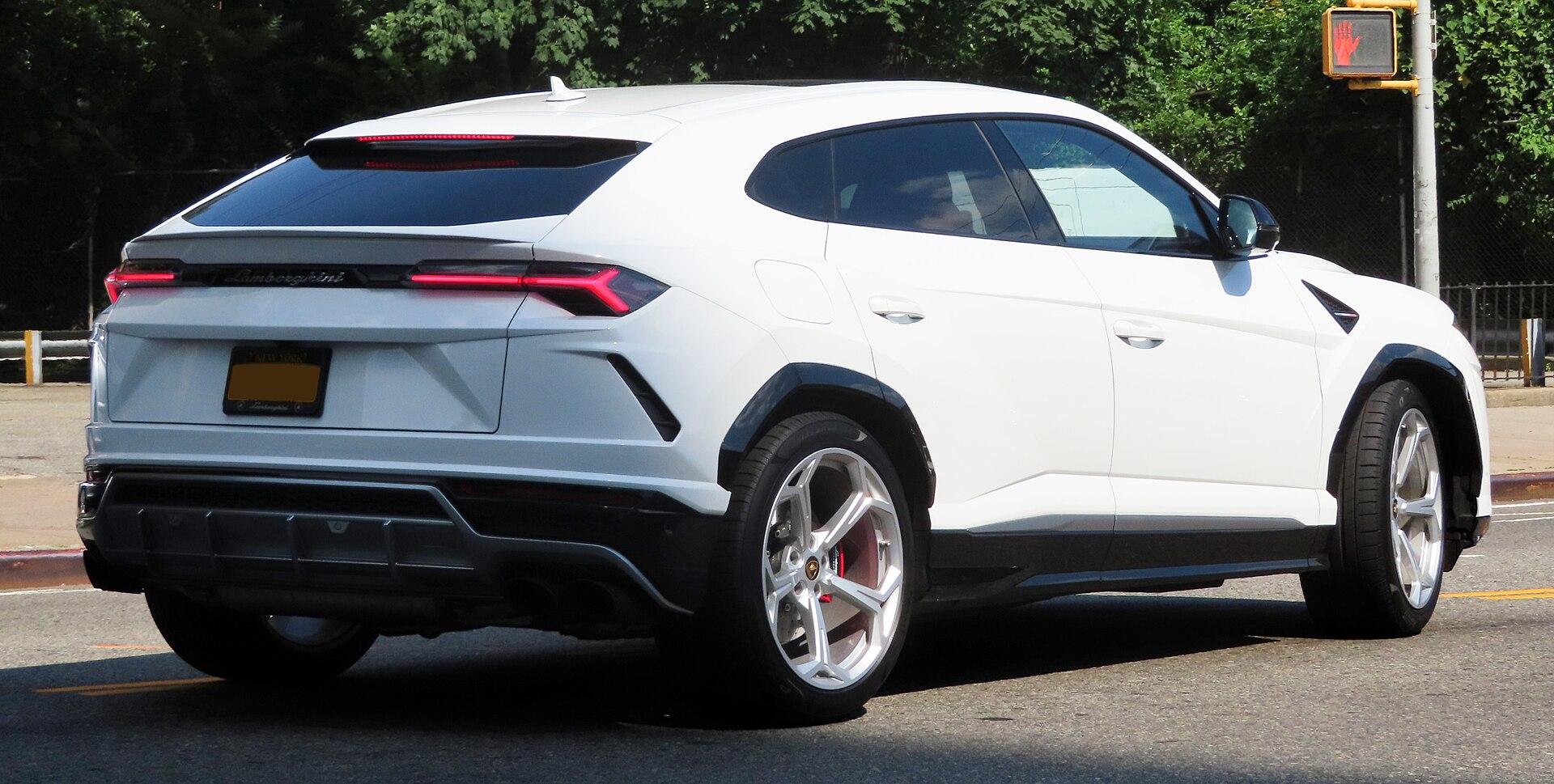
New vs. CPO: Understanding Allocation Waitlists and Dealer Markup Games
The new Urus SE is coming to market with a base MSRP around $235,000, a jump from the outgoing standard Urus MSRP of $217,000. In theory, MSRP is the price. In practice, most dealers will ask for ADM — additional markup ranging from 0% to 25% depending on demand, model variant, and dealer inventory position. On the Urus, expect 3-10% ADM at mainstream dealers, with premium locations and guaranteed delivery models commanding higher premiums.
The question is whether a new car with ADM makes sense versus hunting for a CPO unit. Here's the math: A new 2026 Urus SE at $235,000 with 8% ADM ($18,800) comes to $253,800. A 2023-2024 Urus S with low mileage (8,000-12,000 miles) will cost $195,000-$215,000. That's a $38,000-$58,000 gap. If you keep the new car for 5 years, depreciation will likely reduce that gap, but a CPO Urus is immediately available, certified, and requires no ADM negotiation. For most buyers, the CPO argument wins on pure economics.
New cars make sense if you want the latest engine technology (the SE is rumored to have an updated twin-turbo V8 with better efficiency), specific color combinations that are impossible to find used, or if you simply can't find a CPO unit in your market within your timeline. At Automonitor, we typically recommend buyers explore used inventory before pursuing new allocation, unless they have a specific color requirement that justifies the $40,000+ premium.
Where to Actually Buy Used: BaT, Cars and Bids, AutoTrader, DuPont Registry, Hemmings
If you're hunting for a used Urus, online platforms have revolutionized the game. Gone are the days when you had to check dealer lots locally. The best-priced Urus units in the country are accessible from anywhere, with professional photography, detailed inspection reports, and competitive bidding.
Bring a Trailer (bringatrailer.com) is the primary auction platform for specialty vehicles, including the Urus. BaT's auction model creates price discovery through competitive bidding. The advantage: transparent, market-clearing pricing. The disadvantage: you're in a bidding war and prices can exceed dealer retail quickly. Urus units on BaT typically sell for $180,000-$245,000 depending on variant, year, and mileage. BaT's inspection reports are detailed and professional — a genuine asset.
Cars and Bids (carsandbids.com) is BaT's sister platform with a slightly different buyer demographic. Pricing here tends to be 5-10% lower than BaT, making it worth checking. Cars and Bids also has a "no reserve" option, which can yield genuine deals on inventory that doesn't meet seller expectations. The Urus is less common on C&B than on BaT, but inventory rotates regularly.
AutoTrader (autotrader.com) aggregates inventory from independent dealers and franchises across the country. You can filter by Urus, year, and price. The advantage is that you're buying from actual dealers who typically have warranty backing and return windows. The disadvantage is wider price variance — some dealers price aggressively, others aggressively. Autotrader listings require negotiation (unlike BaT's fixed prices), so use this as your starting point for research and dealer comparison.
DuPont Registry (dupontregistry.com) specializes in the ultra-luxury and exotic market. Urus inventory here skews toward lower-mileage, highly specified examples from boutique dealers and private sellers. Pricing is typically at or above market value, but selection quality is high. DuPont's buyer protection services are strong.
Hemmings (hemmings.com) aggregates classic and specialty cars. Urus presence is lighter here, but occasionally you'll find independent dealers with sharp examples and reasonable pricing. Check Hemmings weekly if you're patient.
At Automonitor, we recommend starting your search across all five platforms simultaneously. Set up saved searches and alerts on each. The Urus market moves quickly — the best-priced examples sell within days. Speed matters more than perfect negotiation.

Pricing Variance by Channel: Where You'll Pay More, Where You'll Save
The same 2023 Urus S with 10,000 miles will be priced differently across channels. Understanding these dynamics helps you anchor your expectations and negotiate from a position of knowledge.
| Channel | Typical Price Range (2023 Urus S) | ADM | Warranty | Return Policy |
|---|---|---|---|---|
| Lamborghini Dealer (CPO) | $210K–$235K | 0–5% | Remaining Factory + 1yr | 7-day inspection right |
| Franchised Exotic Dealer | $195K–$215K | 0–3% | 3–6 months optional | 14–30 days typically |
| Independent Dealer | $185K–$205K | 0–2% | As-is unless extended purchased | No guaranteed return |
| BaT Auction | $200K–$235K | Variable (bidding) | As-is, buyer inspection | No returns |
| Private Seller | $180K–$205K | N/A | None | No returns |
The Lamborghini dealer CPO option is the safest but often not the cheapest. You're paying for warranty backing and brand assurance. A franchised exotic dealer (not Lamborghini-branded) will be 5-8% cheaper, with reasonable warranty and return options. Independent dealers and private sellers offer the lowest prices but require more due diligence — and you're accepting higher risk. The BaT auction sits in the middle on price, with the risk that auction bidding can inflate prices above dealer retail on popular colors or sought-after specifications.
Private Sales and Direct Purchase: When it Makes Sense
Buying a Urus directly from a private seller eliminates dealer markup and potentially saves you $15,000-$30,000. The tradeoff is risk and logistics. You're responsible for all inspection, transportation, registration, and financing. There's no warranty, no return period, and no dealer accountability if something goes wrong after purchase.
Private Urus sales occur primarily through peer networks, local Facebook groups, and occasionally Cars and Bids' private sale listings. Urus owners tend to be wealthy, educated buyers who maintain their cars meticulously. That's a positive signal. But you still need a pre-purchase inspection from an independent exotic specialist — non-negotiable, even with a private seller. A PPI will run $800-$1,500 but will save you from buying a car with undisclosed damage or deferred maintenance.
Private sales also require navigating transportation across state lines if necessary, arranging your own financing (which may be harder for private sales than dealer sales), and ensuring proper title transfer. If you're confident in your mechanical knowledge and comfortable with logistics, private sales can be the best deal. For most buyers, dealer sales are worth the premium simply for the structured process and recourse.
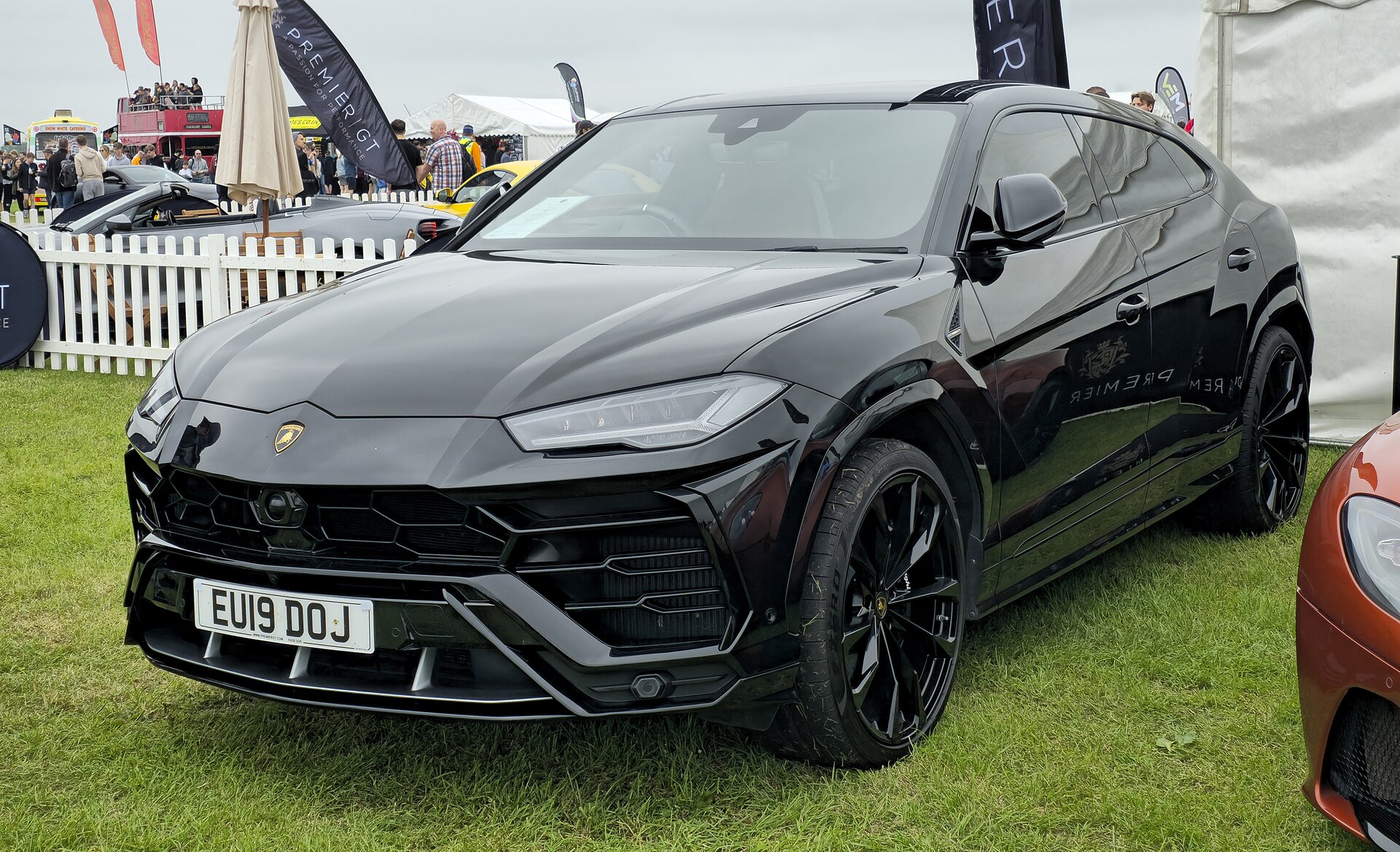
Automonitor's Concierge Buying Service: The Smarter Way to Find Your Urus
At Automonitor, we handle the entire Urus buying process for you. We search across all channels — dealer lots, auctions, private inventory, and dealer networks you don't have access to — and we negotiate from position of knowledge. Our team knows the Urus market inside and out. We know which dealers have inventory, which are motivated to move cars, and what realistic pricing looks like by variant and specification. We coordinate pre-purchase inspections with certified exotic specialists. We arrange financing through exotic lenders at competitive rates. We handle title transfer, registration, and delivery logistics. You get the car you want at the right price, delivered to your door, ready to drive.
For Urus buyers, this service eliminates months of research and negotiation. Start your Urus search with Automonitor and let our team find the right car while you focus on your life.
Out-of-State Purchases: Logistics and Tax Considerations
Many Urus purchases involve buying out of state. A Urus in Miami might be $8,000 cheaper than the same car in Chicago, and the delivery logistics are straightforward. However, you need to understand state tax implications.
Sales tax is owed where the car is registered, not where it's purchased. If you live in California (8.625% sales tax) and buy a Urus in Nevada (6.85% sales tax), you still owe California tax on registration. The only way to avoid state sales tax is through use-tax exemptions in states like Oregon, Montana, and Delaware, but these require residency or business presence. Most buyers can't avoid this, so don't assume buying in a "low tax" state saves you money.
More relevant: out-of-state dealers often charge lower prices precisely because they're trying to move inventory to distant buyers. These deals are real. Factor in transportation costs ($1,500-$3,000 if you're shipping cross-country) and any travel costs for taking delivery, and you can still come out ahead of buying locally. The math usually favors out-of-state purchase if you find the right car at the right price.
International Options: Importing a Urus from Europe
Lamborghini prices in Europe can be 15-25% lower than US MSRP due to VAT inclusion and currency dynamics. Importing a European Urus to the US is legally possible — the Urus is EPA-compliant and meets DOT safety standards. However, import logistics are complex. You need to handle shipping (typically $4,000-$6,000), import duties and taxes, EPA documentation, title transfer, and potentially finding a US mechanic willing to service a car without factory documentation in their system.
Import specialists can guide you through this process, but most Automonitor clients find that by the time you add logistics costs, currency conversion, and insurance complications, the arbitrage advantage disappears. Additionally, warranty coverage becomes problematic — Lamborghini's US warranty is non-transferable for imported vehicles. Unless you find an exceptional deal in Europe and have strong import logistics connections, the US market is simpler.
Red Flags Specific to the Urus: What Dealers Don't Tell You
The Urus is positioned as an all-terrain SUV, and some buyers actually use it that way. Others track it. These use cases leave damage that isn't always disclosed.
Off-road and undercarriage damage: Check the undercarriage thoroughly. Look for cracked skid plates, bent suspension components, or damaged control arms. A Urus that's been taken off-road without proper protection shows scuffs, dents, and bent parts. These are expensive to repair. On the inspection report, specifically ask the inspector about undercarriage condition and photograph everything.
Towing damage: Many Urus owners use the integrated tow package (3,500 lbs capacity). Repeated towing stresses the transmission, suspension, and rear differential. Ask directly: has this car been used for towing? Check the tow hitch for wear. Ask for service records showing transmission fluid changes if towing was used. This is critical to transmission longevity.
ADM Scams: Some dealers quote prices without disclosing ADM, then add $15,000-$20,000 at signing. Always ask in writing: "Is this the final out-the-door price including all markup?" Legitimate dealers will answer clearly. Deceptive dealers will dodge the question.
Aftermarket modifications: Some Urus units have non-OEM parts, tunes, or suspension modifications. These void Lamborghini warranty and can create issues with resale. If a car has modifications, the price should reflect massive discount or you should walk away.
Service interval neglect: The Urus requires $2,000-$3,500 annual service. Ask for complete service records. If a high-mileage Urus (50,000+ miles) doesn't have documented service every 10,000 miles, that's a red flag. You're likely buying someone else's deferred maintenance problem.
Negotiation Tactics Specific to the Urus: Less Room Than a Huracan
The Urus is a volume model. Lamborghini sold thousands annually at peak production. That means dealer negotiating room is thinner than it would be for a Performante or STO. Dealers know other buyers are shopping — you have less leverage than a Huracan buyer would have.
Your negotiation angle isn't on the base price. It's on conditioning. Ask about warranty coverage extensions. Ask about maintenance packages. Ask about detailing and pre-delivery inspection quality. Ask about transparent transaction documentation. The $1,000-$5,000 you might negotiate off the purchase price is rarely worth the aggravation. Instead, negotiate for value-adds: better warranty terms, higher trade-in credit if applicable, or inclusion of custom maintenance coverage.
The second angle is on CPO units specifically. If you're buying a CPO Urus, you have legitimate room to negotiate if service records are incomplete or if there are outstanding recalls. "This car has 25,000 miles with no documented transmission service. I'll take it, but I need a $3,000 service credit." Dealers often accept this rather than perform expensive service themselves.
Pre-Purchase Inspections: Non-Negotiable for the Urus
A Urus PPI is critical because this car might be used hard. You need an exotic specialist who understands Lamborghini's twin-turbo V8 engine, the all-wheel-drive system, and the complex transmission. A generic "luxury car" mechanic won't catch Urus-specific issues.
Your inspection should cover: complete transmission service history and current fluid condition, undercarriage and suspension integrity, all electronic systems and infotainment function, air suspension component integrity (air suspension leaks are common on older Urus units), brake condition and thickness measurement, tire quality and tread depth, engine compression test, full diagnostic scan covering all modules, and documentation of any accident history (even if not obvious).
A proper Urus PPI will run $1,000-$1,500 from a qualified shop. This is non-negotiable cost. If you're not willing to invest in inspection, you're not ready to buy a $200,000 vehicle.
Find Your Urus with Confidence
Automonitor coordinates pre-purchase inspections with certified exotic specialists and handles the entire buying process. You get the right car at the right price, fully inspected and ready to drive.
Start Your Urus Search →Financing Your Urus: Lenders, Terms, and Rate Management
Traditional banks typically won't finance exotic vehicles older than 8 years or with mileage over 100,000. You'll need a specialist exotic lender. The primary options are JJ Best Banc, Woodside Credit Union, and AutoFund. These lenders understand exotic vehicles and will finance 2016+ Urus units with reasonable mileage.
Expect to put down 20-30% and finance the remainder. Interest rates typically range from 5.5-8.5% depending on your credit profile, the car's age and mileage, and current market conditions. A $200,000 Urus with $50,000 down at 6.99% for 72 months comes to roughly $2,400/month in payments. Add insurance ($4,000-$8,000 annually), maintenance ($2,500-$4,000 annually), and fuel ($3,000-$5,000 annually), and your total monthly carrying cost lands in the $3,200-$4,000 range depending on utilization.
The Bottom Line: Where to Buy Your Urus
Here's the honest path: First, search online platforms (BaT, Cars and Bids, AutoTrader) for 2023-2025 Urus S and Urus S Plus models with 8,000-20,000 miles. You're looking for $195,000-$215,000 pricing. These units are CPO-equivalent quality without dealer markup. Second, get a pre-purchase inspection from an exotic specialist. Third, arrange financing through JJ Best or Woodside. Fourth, arrange transportation to your location. Total timeline: 2-4 weeks from search to delivery.
If you can't find the right car through online search, then explore authorized dealer allocation for the new Urus SE. Be prepared to accept 5-8% ADM and 12-18 month delivery. Allocations from Lamborghini Miami and Lamborghini Dallas tend to be more favorably priced than West Coast dealers.
Alternatively, let Automonitor handle the entire process. We'll search all channels, coordinate inspection, negotiate pricing, arrange financing, and deliver your Urus ready to drive. Most Automonitor clients buy their Urus within 3-4 weeks and save $8,000-$15,000 versus dealer MSRP. That's worth the conversation.
The Urus market is efficient but not optimized — most buyers overpay simply because they don't know the right channels to search. You now do. Use this knowledge, stay patient, and you'll find the right Urus at the right price.
Ready to Buy Your Urus?
Automonitor connects you with the best inventory across all channels, handles negotiations, and coordinates inspections so you can buy with total confidence.
Find Your Urus Now →