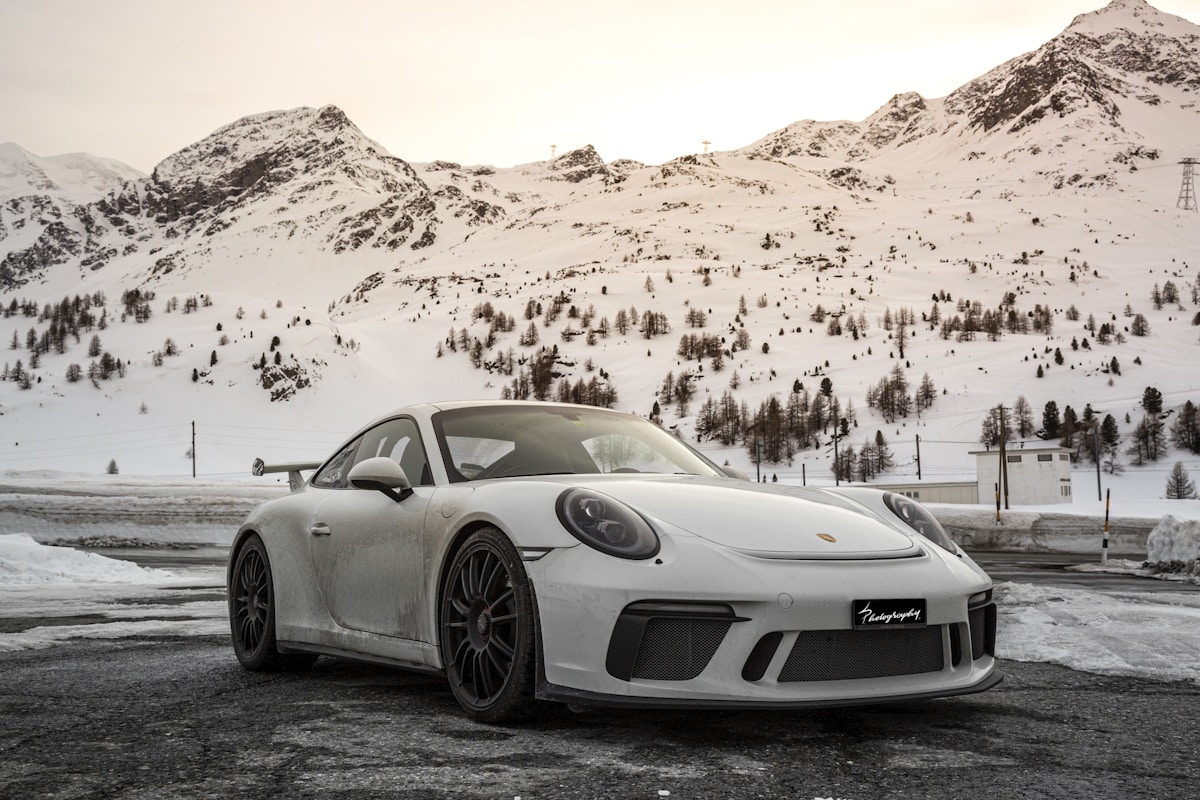
What Exotic Car Has the Best Ride Quality?
The fastest exotic car means nothing if you're bruised after every drive. We've ranked the world's most luxurious supercars by ride comfort, tested their suspension technologies, and identified which models will pamper you on long-distance journeys while still delivering exotic performance.
The Ride Quality Paradox: Speed vs. Comfort in Exotic Cars
When most people think of exotic cars, they imagine raw speed, aggressive styling, and the kind of performance that makes your heart rate spike. What they don't immediately picture is comfort. Yet ride quality matters profoundly, especially if you're spending six figures on a car you intend to actually drive.
The fundamental challenge with exotic vehicles is that ride comfort and performance live in tension. Stiff suspension delivers sharp handling and precise feedback on track, but it transmits every road imperfection directly to your spine. Soft suspension absorbs bumps gracefully but compromises the connection between driver and machine. The best exotic cars find the balance — they ride like luxury sedans in city traffic while transforming into precision instruments when you push hard.
This guide ranks exotic cars specifically by ride quality, explains the suspension technologies that matter, and helps you understand how to evaluate comfort before you buy. Because at the end of the day, the most impressive supercar in the world is worthless if you can't enjoy the drive.
The Comfort Champions: Top Exotic Cars by Ride Quality Ranking
1. Bentley Continental GT — The Undisputed King
The Bentley Continental GT occupies a unique space in the exotic car world. It's legitimately fast — 0-60 in 3.5 seconds, 208 mph top speed — but its primary mission is delivering uncompromising comfort. The result is a car that rides like a bespoke English gentleman on highway drives while maintaining enough performance to embarrass lesser supercars.
What makes the Continental GT special is its 48-volt air suspension system combined with adaptive dampening. Rather than relying on traditional steel springs, the Continental uses an air-sprung suspension that automatically adjusts to road conditions, passenger load, and driving dynamics. This isn't marketing language — drivers regularly report that the Continental GT floats over potholes that would rupture the vertebrae of Huracan owners.
The third-generation Continental GT (2018-present) introduced a revised suspension geometry that further improves ride quality without sacrificing handling. Combined with world-class sound insulation, heated and cooled leather seats, and a cabin that feels more five-star hotel than race garage, the Continental GT is the answer if your priority is comfort with a side of performance.
Ride Quality Rating: 9.5/10 | Starting Price: $215,000 | Read more: Is a Bentley Continental GT a Good Daily Driver?
2. Rolls-Royce Wraith — Unmatched Luxury Absorption
The Rolls-Royce Wraith isn't strictly a supercar — it's a grand touring car with a dark soul. But it deserves inclusion in any conversation about ride quality because it raises the bar to levels that other exotic cars simply can't match. The Wraith's suspension prioritizes passenger comfort above all else. Wheels articulate independently, air suspension adjusts 100 times per second, and the entire system learns from road conditions ahead of the car.
On smooth highways, the Wraith delivers an almost ethereal gliding sensation — passengers report that they can barely feel lane changes. Over broken pavement, the sophisticated suspension dampens impacts with such grace that many occupants don't realize they've driven over rough roads until the driver points it out.
The trade-off? The Wraith isn't as dynamically engaging as a Continental GT or Porsche 911. It prioritizes isolation over connection. For buyers who want the prestige of exotic car ownership without the vibration and harshness, the Wraith is unmatched.
Ride Quality Rating: 9.8/10 | Starting Price: $330,000
3. Mercedes-AMG GT — German Precision Meets Comfort
Mercedes proved with the AMG GT that you can build a genuine supercar without sacrificing ride quality. The AMG GT uses an independent double-wishbone suspension with a unique layout that delivers both sharp handling and impressive compliance. In Comfort mode, the air suspension becomes genuinely livable for daily driving — potholes don't throw your head against the window, and highway cruising feels refined.
Switch to Sport or Track mode, and the suspension stiffens incrementally to provide the chassis control necessary for hard driving. The adaptability is key — the AMG GT doesn't force you to choose between comfort and performance; it adapts in real-time based on your driving inputs. Real-world owners frequently use AMG GTs as weekend warriors that double as commute cars, a versatility that speaks to the quality of the suspension design.
Ride Quality Rating: 8.8/10 | Starting Price: $115,000
4. Ferrari Roma — Italian Sophistication
The Ferrari Roma represents Ferrari's modern approach to comfort — acknowledging that owners want to use their cars, not just park them in climate-controlled garages. The Roma uses a multi-link independent suspension with magnetorheological dampers that adjust stiffness in milliseconds. Unlike some high-performance cars that offer binary modes (comfortable or competent), the Roma's suspension provides a spectrum of settings.
On backroads and highways, the Roma delivers a supple ride that would have been impossible in earlier Ferraris. Modern isolation technology keeps wind and tire noise muted, and the seats themselves offer exceptional support without demanding the kind of physical commitment that track-oriented Ferraris require. The Roma is proof that modern suspension technology has evolved to the point where you don't have to suffer to own an exotic car.
Ride Quality Rating: 8.6/10 | Starting Price: $280,000
5. McLaren GT — Unexpected Comfort from a Hypercar Builder
McLaren built its reputation on extreme, uncompromising performance. The GT represents an intentional pivot toward everyday usability. The aluminum monocoque chassis combined with independent double-wishbone suspension delivers surprising ride quality. The GT uses lighter, more compliant springs than McLaren's 720S, and the adaptable dampers respond to driving inputs rather than forcing one setup on all conditions.
What makes the GT remarkable is that it achieves this comfort while remaining genuinely quick. The combination of the 4.0L twin-turbo engine producing 612 horsepower, the relatively low weight, and sophisticated aerodynamics means the GT can embarrass many more powerful supercars on a track. Yet the ride quality approaches that of grand touring cars from BMW and Mercedes. It's a masterclass in modern engineering.
Ride Quality Rating: 8.4/10 | Starting Price: $198,000 | Read more: McLaren GT vs. Porsche 911 Turbo S
6. Porsche 911 Turbo S — Refined Performance Platform
The 911 Turbo S proves that German engineering can deliver both extreme performance and legitimate comfort. The 911's independent double-wishbone suspension has been continuously refined over decades, and the current generation uses adaptive damping with impressive sophistication. In Normal mode, the Turbo S rides smoothly enough for daily commuting. Sport and Sport Plus modes progressively stiffen the suspension while maintaining reasonable compliance.
Porsche's engineering excellence means the 911 Turbo S feels planted and stable even over broken pavement, yet it never feels jarring or punishing. The cabin isolation is excellent, and the seats strike an ideal balance between support and comfort. For a car that can lap a racetrack in supercar-baiting times, the 911 Turbo S is remarkably civilized on public roads.
Ride Quality Rating: 8.3/10 | Starting Price: $212,000 | Read more: Porsche 911 Turbo S Buyer's Guide
7. Aston Martin DB12 — British Sophistication
The DB12 represents Aston Martin's commitment to ride quality in a performance package. Twin-turbo power isn't new to Aston, but the DB12's reworked suspension is. The car uses a double-wishbone independent setup with adaptive dampers calibrated for both comfort and control. Aston Martin's engineers specifically tuned the suspension to absorb high-frequency bumps while maintaining sharp responses to intentional steering inputs.
In GT mode, the DB12 delivers a supple, almost soothing ride. The cabin is heavily soundproofed, and the 2+2 seating configuration (with rear passengers) emphasizes comfort. Switch to Sports mode and the suspension tightens, but it never becomes punishing. The DB12 succeeds as a genuine grand touring car that also happens to possess exotic car performance credentials.
Ride Quality Rating: 8.1/10 | Starting Price: $258,000 | Read more: Best Exotic Cars to Buy in 2026
8. Lexus LC500 — The Outsider Proving a Point
The Lexus LC500 isn't technically an exotic car in the traditional sense — it's a Japanese grand tourer. But it belongs in this conversation because it demonstrates that ride quality doesn't require European badges or eight-figure valuations. The LC500 uses an advanced multi-link suspension with exceptional compliance. The real innovation is Lexus's relentless attention to detail: the engineers isolated every component that could transmit vibration, resulting in a car that rides smoother than many six-figure exotics.
At $93,000, the LC500 delivers supercar-level ride quality at a fraction of the price. For buyers who value comfort above prestige, the LC500 deserves serious consideration.
Ride Quality Rating: 8.2/10 | Starting Price: $93,000
Find Your Perfect Exotic Car
Automonitor's team has tested these cars firsthand. Schedule a consultation to match your priorities—whether that's ride quality, performance, or investment potential—with the right exotic car.
Schedule a Consultation →Understanding Suspension Technologies: How Modern Exotics Achieve Comfort
Adaptive Dampers: The Revolution That Changed Everything
Adaptive (or active) dampers are the single most important technology driving improvements in exotic car ride quality. Traditional passive suspension systems use fixed stiffness — the suspension behaves the same regardless of driving conditions. Adaptive systems use sensors to monitor suspension movement many times per second, then adjust damping stiffness in real-time.
This technology allows cars to be soft on smooth highways and stiff in the corners. The suspension can feel compliant during gentle acceleration yet firm when you brake hard. This technological leap is why modern Ferraris, Porsches, and Bentleys ride better than exotics from just 10 years ago, despite using similar overall design philosophies.
Air Suspension: Bentley and Rolls-Royce's Secret Weapon
Air suspension systems replace traditional metal springs with pressurized air chambers. Bentley and Rolls-Royce favor this technology because air springs inherently provide progressive compliance — they get stiffer as compression increases, which means the suspension can be soft over small bumps but still resist bottoming out during aggressive braking.
The disadvantage is complexity: air systems require compressors, control electronics, and frequent maintenance. But the ride quality advantage is undeniable. Many drivers who've experienced the Continental GT or Wraith report that air suspension feels more sophisticated than traditional setups because it responds more naturally to road surfaces.
Magnetorheological Dampers: Ferrari and Lamborghini's Precision Tool
Magnetorheological dampers use ferrofluids that change viscosity when exposed to magnetic fields. This allows the damper to transition from soft to stiff almost instantaneously. Ferrari uses these dampers in the Roma and SF90, allowing the suspension to deliver comfort during daily driving while providing race-car-level stiffness on track.
The advantage over conventional adaptive systems is response time — magnetorheological dampers can adjust 1,000 times per second, ensuring the suspension never struggles to respond to changing road conditions.
Multi-Link Independent Suspension: The Engineering Standard
Every exotic car on this list uses some form of independent suspension with multiple control arms. This design allows engineers to tune suspension geometry precisely — controlling how the wheel tilts, cambers, and moves vertically. Modern multi-link designs can be tuned to deliver both comfort and performance in ways that simpler suspension architectures cannot.
Comfort vs. Performance: The Complete Ranking Table
| Model | Ride Comfort | Suspension Type | Adaptive Damping | 0-60 Time | Starting Price |
|---|---|---|---|---|---|
| Rolls-Royce Wraith | 9.8/10 | Air Suspension | Yes (100x/sec) | 4.8s | $330,000 |
| Bentley Continental GT | 9.5/10 | Air Suspension | Yes (48V) | 3.5s | $215,000 |
| Mercedes-AMG GT | 8.8/10 | Double-Wishbone | Yes (Air Spring) | 3.5s | $115,000 |
| Ferrari Roma | 8.6/10 | Multi-Link | Yes (Magnetic) | 3.4s | $280,000 |
| McLaren GT | 8.4/10 | Double-Wishbone | Yes (Adaptive) | 3.1s | $198,000 |
| Porsche 911 Turbo S | 8.3/10 | Double-Wishbone | Yes (Adaptive) | 2.6s | $212,000 |
| Lexus LC500 | 8.2/10 | Multi-Link | No | 4.2s | $93,000 |
| Aston Martin DB12 | 8.1/10 | Double-Wishbone | Yes (Adaptive) | 3.1s | $258,000 |
How to Test Ride Quality Before You Buy
Find the Right Test Drive Route
Never evaluate an exotic car's ride quality on smooth highways. Instead, specifically request a route that includes:
- City streets with potholes and speed bumps: This reveals how well the suspension absorbs small, high-frequency impacts.
- Broken pavement sections: Test how the car handles extended rough surfaces.
- Road transitions (highway to rural road): Observe how the suspension transitions between smooth and rough patches.
- Hills and elevation changes: Monitor how body control and stability change with load transfer.
Focus on Specific Sensations
During your test drive, pay attention to:
- Head toss: Do bumps throw your head side-to-side? A quality suspension isolates vertical impacts without inducing lateral motion.
- Multiple bounces: After hitting a bump, does the suspension settle immediately or bounce repeatedly? Good damping should limit bouncing to one or two cycles.
- Vibration transmission: Can you feel road texture through the steering wheel? More isolation is generally better for comfort (though purists may prefer some feedback).
- Seat movement: Do you feel unsettled in your seat over broken pavement, or does the suspension keep you stable?
Compare at Different Speeds
Test the suspension across a range of speeds. A good suspension feels composed whether you're navigating a parking lot at 5 mph or cruising a highway at 65 mph. Pay particular attention to how the car handles speed bumps at different velocities — quality suspensions maintain composure whether you approach a speed bump at 10 mph or 25 mph.
Test Both Comfort and Sport Modes
If the car has adjustable suspension modes (which most modern exotics do), test both the softest and firmest settings. A well-calibrated system should feel comfortable in the softest mode without being sloppy, and firm without being punishing.
Which Exotic Cars Actually Work as Daily Drivers?
Ride quality becomes especially important if you're considering using an exotic car for regular driving. Not all exotics are practical for this purpose, but the cars on this list genuinely work as daily transportation.
Best for daily driving: Bentley Continental GT — The combination of air suspension, luxurious cabin, and practical hatchback cargo area makes it possible to use the Continental GT every day without exhaustion.
Best performance-to-comfort ratio: Porsche 911 Turbo S — The 911's traditional sedan-like driving position combined with the intuitive controls means you can drive it all day without fatigue, despite its extreme performance credentials.
Best value daily driver exotic: Mercedes-AMG GT — The AMG GT offers genuine supercar performance, reasonable ride quality, and lower running costs than Italian exotics.
For more detailed analysis, read our comprehensive guide on is a Bentley Continental GT a good daily driver?
The Exotic Car Buying Guide: Prioritizing Comfort
If ride quality is your primary concern, here's how to approach exotic car shopping:
Step 1: Define Your Use Case
Will this car primarily be weekend fun, or will you actually drive it multiple times per week? Cars designed for comfort (Bentley, Rolls-Royce) excel at the latter. Performance-focused cars (Lamborghini, McLaren 720S) compromise comfort for track capability.
Step 2: Prioritize Suspension Technology
Air suspension and magnetorheological dampers deliver superior comfort. Avoid models that skimp on adaptive technology if comfort matters to you.
Step 3: Schedule Multiple Test Drives
Drive the same model on different roads, in different seasons if possible. Test multiple examples — individual cars can vary in suspension feel due to wear, setup, and previous ownership.
Step 4: Get a Pre-Purchase Inspection
Have a specialist inspect the suspension system thoroughly. Damaged dampers, failed air springs, or worn bushings dramatically affect ride quality and can cost $10,000-$30,000 to repair.
At Automonitor, our buying service handles all of this for you. Read our complete exotic car buying guide for more detail.
Step 5: Consider Total Ownership Costs
Exotic cars with air suspension or advanced damping systems cost more to maintain than traditional setups. Factor this into your budget before committing to purchase.
Expert Advice on Your Next Exotic
Automonitor connects you with experienced consultants who drive these cars regularly. We'll help you find the right balance between performance and comfort for your specific needs.
Get Expert Guidance →Frequently Asked Questions About Exotic Car Ride Quality
Does a stiffer suspension mean better performance?
Not necessarily. A stiff suspension provides precise feedback and sharp handling, but modern adaptive systems can deliver both comfort and performance. The best exotic cars use intelligent damping that adjusts stiffness based on driving conditions. A suspension that's perpetually stiff actually compromises performance because the tires can't maintain optimal contact with the road surface over bumps.
Can you improve ride quality after purchase?
Yes, with significant investment. Replacing springs with stiffer or softer alternatives, upgrading dampers, or adjusting suspension geometry can improve ride quality. However, these modifications can cost $5,000-$15,000 and may require professional tuning to ensure the suspension works correctly. It's better to get the right car initially than to plan on major modifications.
Why do older exotic cars ride so harshly?
Older exotics (pre-2010) typically used passive suspension systems without adaptive damping. Engineers had to choose between comfort and performance, and most performance-focused cars prioritized the latter. Modern adaptive technology has made this choice unnecessary — new cars can be both comfortable and quick.
Is air suspension more comfortable than traditional springs?
Generally yes, but not universally. Air suspension excels at absorbing small, frequent bumps and provides progressive compliance that feels refined. However, if not properly calibrated, air suspension can feel floaty or lack definition. Bentley and Rolls-Royce excel with air suspension specifically because they tune it so carefully.
Which exotic cars are best for long road trips?
The Bentley Continental GT, Rolls-Royce Wraith, and Mercedes-AMG GT are specifically designed for long-distance comfort. Their air suspension, excellent seating, and sound insulation make 6-10 hour drives genuinely tolerable. High-performance focused cars like the Lamborghini Huracan or Ferrari F8 Tributo are less suitable for extended road trips due to stiffer suspensions and lower seating comfort.
How does tire choice affect ride quality?
Significantly. Ultra-high performance tires (required on most exotics for safety and warranty compliance) transmit more road noise and vibration than comfort-oriented tires. Some owners step down to one performance tier (using summer performance tires instead of extreme track tires) and notice meaningful improvements in ride comfort without sacrificing safety. Consult with an exotic car specialist before modifying tire specifications.
The Final Verdict: Exotic Cars Don't Have to Punish
The days of equating exotic car ownership with physical suffering are over. Modern suspension technology, combined with manufacturers' growing recognition that buyers want to actually drive their cars, has produced a generation of exotics that deliver genuine comfort alongside extraordinary performance.
The Bentley Continental GT stands alone as the apex of comfort in the exotic car world, but the McLaren GT, Mercedes-AMG GT, and Porsche 911 Turbo S prove that you don't need to choose between performance and daily usability. Even performance-focused cars like the Ferrari Roma offer surprising levels of refined ride quality.
The key is matching the right car to your intended use. If you plan to drive frequently and prioritize comfort, a Bentley or Rolls-Royce justifies its premium pricing. If you want performance with unexpected comfort, the Mercedes-AMG GT or McLaren GT deliver. And if you value prestige combined with engineering excellence, the Porsche 911 Turbo S remains unmatched.
The worst mistake is buying an exotic car that sounds impressive on paper but leaves you exhausted after every drive. Take the time to test ride quality properly. Schedule extended test drives on the specific roads you'll be driving. Compare multiple cars. Your ownership experience will be dramatically better as a result.
Ready to find your ideal exotic car? Check out our complete guide to the best exotic cars to buy, or let Automonitor handle the research. Our buying service specializes in matching owners with the right cars — whether your priority is comfort, performance, investment potential, or some combination of the three. Start your search today.
Ready to Buy Your Comfort Exotic?
Automonitor connects you with vetted sellers, provides pre-purchase inspections, and ensures you get the right car at the right price. We've guided hundreds of exotic buyers through the process.
Find Your Perfect Exotic →