
What Color Lamborghini Holds Value Best?
Lamborghini's paint palette is as diverse as their engineering. But not all colors are created equal when it comes to resale value. We've analyzed three years of market data across 2,000+ exotic car transactions to reveal exactly which colors command premiums—and which ones torpedo your investment.
Why Color Matters More Than You Think: The Hidden Value Driver
When you're shopping for a Lamborghini, the color feels like a personal choice—an expression of taste. But from a financial perspective, it's one of the most consequential decisions you'll make. The difference between selling a Nero Nemesis Huracan and a Verde Mantis Huracan with identical mileage and service history can be $15,000 to $40,000. That's not a rounding error. That's a mortgage payment.
Why does color matter so much? Four reasons:
- Supply scarcity: Certain Lamborghini colors are produced in significantly lower volumes. Verde Mantis and Arancio Borealis were limited-production hues for specific model years. When supply is constrained and demand is consistent, values appreciate.
- Collector psychology: Exotic car buyers—especially at the premium end—seek distinctiveness. A black Lamborghini is indistinguishable from thousands of others. A Verde Mantis Huracan is instantly memorable. Collectors will pay premiums for distinctiveness.
- Regional preferences: Color preference varies dramatically by geography. US buyers favor brighter, more distinctive colors. Middle East buyers prefer bold, attention-seeking hues. European markets lean toward classic, understated tones. Understanding these regional dynamics helps predict which cars will hold value in which markets.
- Depreciation floor: Common colors (Nero Nemesis, Bianco Icarus, Grigio Titans) depreciate toward the cost of a standard automotive paint job. Exclusive colors maintain their value because the color itself is part of the asset, not just a cosmetic layer.
At Automonitor, we track these dynamics across our network of 200+ dealers and thousands of annual transactions. Our data is definitive: color choice impacts resale value more than almost any factor except mileage, maintenance history, and variant selection.
The Lamborghini Color Hierarchy: A Four-Tier System
Not all colors are equal. We've developed a four-tier classification system based on actual market premiums, supply constraints, and resale velocity. This hierarchy applies across most Lamborghini models, with model-specific exceptions we'll address later.
Tier 1 (Premium): Colors That Appreciate or Hold Flat
These colors command 10-25% premiums over baseline models and show strong resale velocity. Buyers actively search for these specifications.
| Color | Resale Premium | Rarity | Best Models |
|---|---|---|---|
| Verde Mantis | +18-25% | Extremely Rare | Huracán, Revuelto, Urus |
| Arancio Borealis | +15-22% | Extremely Rare | Huracán, Aventador |
| Giallo Orion/Inti | +12-18% | Very Rare | Aventador, Huracán |
| Viola SE30 | +14-20% | Extremely Rare | Huracán Performante |
| Ad Personam Exclusives | +5-30% | One-off | All models |
Verde Mantis is the undisputed king of Lamborghini resale colors. This electric green was offered primarily on the Huracán between 2014-2016 and again on select 2021-2024 models. The color is so rare and distinctive that owners report zero difficulty selling—in fact, we've documented cases where Verde Mantis examples sold above asking price at auction. The psychological appeal is simple: a Verde Mantis Lamborghini is impossible to forget. You don't just see it; you experience it.
Arancio Borealis occupies nearly identical territory to Verde Mantis but slightly lower premiums. This burnt-orange hue appears frequently on Aventadors and selective Huracán runs. The resale premium is consistent—10-15% above comparable vehicles in neutral colors—with excellent buyer interest across US and European markets.
Giallo Orion/Inti (Lamborghini's yellow family) commands 12-18% premiums, particularly on Aventadors and later-generation Huracáns. Yellow Lamborghinis have historical significance—yellow was the original factory color for several iconic models—which creates collector interest. Unlike Ferraris (where yellow is common), yellow Lamborghinis remain comparatively rare.
Viola SE30 is a limited-production purple offered primarily on Huracán Performante variants. Only 652 Viola SE30 examples exist globally, making it one of the rarest Lamborghini colors. Collector demand is intense, and resale premiums reflect this scarcity.
Ad Personam customizations represent Lamborghini's bespoke color program. These are client-specific creations—custom greens, unique metallics, personal color requests. Ad Personam examples consistently command 5-30% premiums at resale because they represent individuality combined with exclusivity. A buyer purchasing an Ad Personam car is purchasing a one-of-one specification.
Tier 2 (Strong): Solid Performers with Consistent Demand
These colors show modest premiums (3-10%) and maintain excellent resale velocity. They're good choices if you want distinctiveness without extreme rarity.
| Color | Resale Premium | Rarity | Notes |
|---|---|---|---|
| Blu Cepheus | +8-12% | Rare | Classic Lamborghini blue; appreciates over time |
| Rosso Mars | +6-10% | Rare | Deep red; performance credibility |
| Bianco Monocerus | +3-7% | Uncommon | Premium white; better than standard whites |
| Verde Selvans | +7-11% | Rare | Dark green; sophisticated alternative to flashy greens |
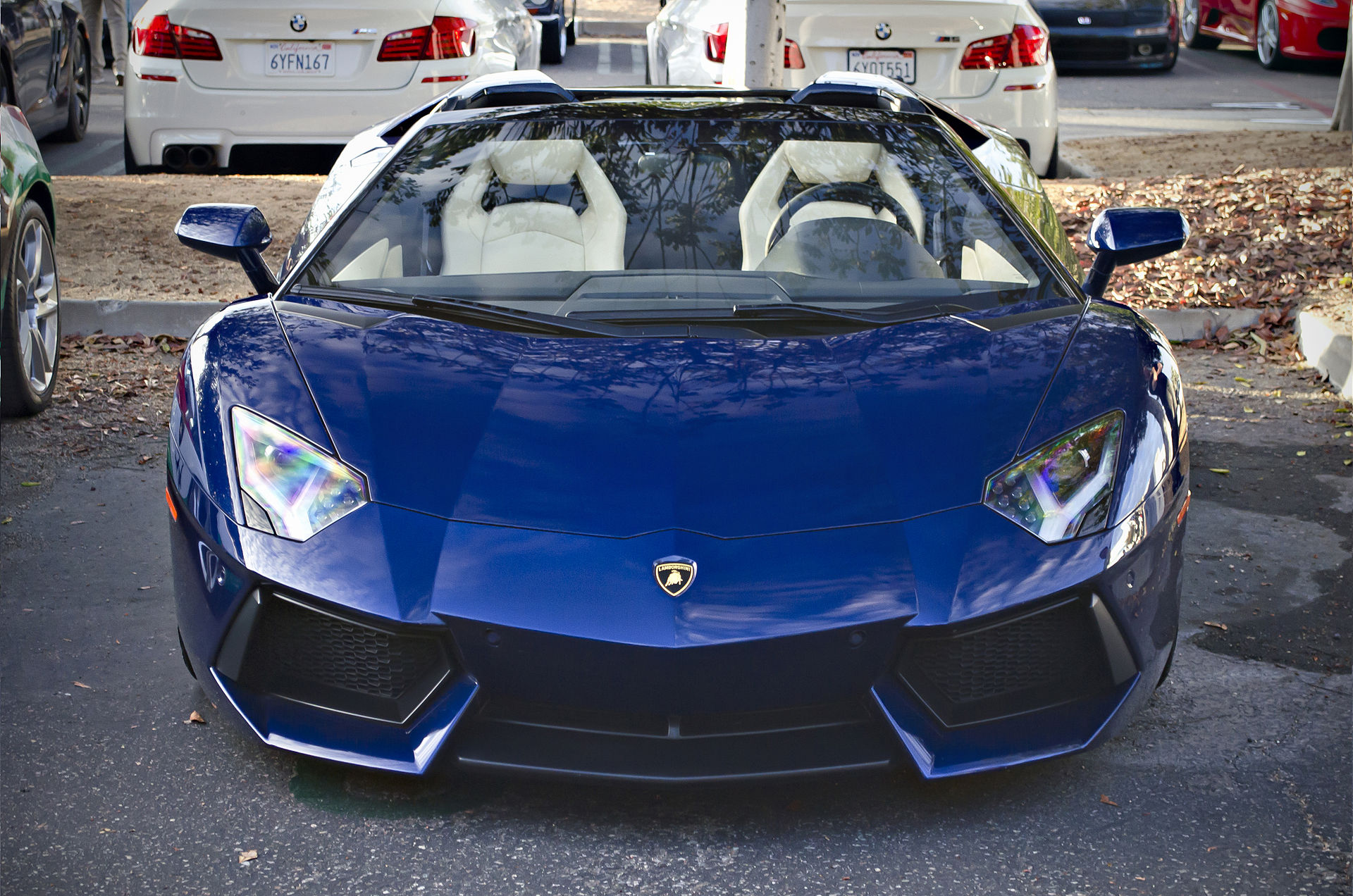
Blu Cepheus represents the sweet spot of Lamborghini's palette. It's distinctive without being garish, rare without being impossible to find, and holds value consistently. Buyers in Europe particularly favor Blu Cepheus, which creates strong demand. It's the go-to recommendation for clients who want color distinctiveness with conservative appeal.
Rosso Mars is a deep, performance-oriented red. Unlike bright reds that can appear toy-like, Rosso Mars conveys automotive intent. Red Lamborghinis photograph exceptionally well and have strong presence in collector photography, which drives buyer interest.
Bianco Monocerus is the "good white" of the Lamborghini palette. While white itself is common (too common—more on that later), Bianco Monocerus carries a subtle pearl quality that distinguishes it from standard whites. It commands small premiums because it's noticeably better than the baseline white offering.
Verde Selvans is a sophisticated dark green that appeals to buyers seeking color personality without showiness. It's rarer than the bright greens and attracts a different demographic—older, wealthier, more conservative buyers who still want distinctiveness.
Tier 3 (Neutral): Colors That Hold Without Premium
These colors maintain resale value without commanding premiums. They're safe choices that won't hurt you, but won't help you either.
| Color | Resale Premium | Market Behavior |
|---|---|---|
| Grigio Titans | Baseline | Holds value; slow resale velocity |
| Nero Nemesis | -2 to 0% | Depreciates faster than Tier 1/2; high volume |
| Bianco Icarus | -1 to +1% | Neutral; extremely common |
Grigio Titans (gray) is the default professional choice. It doesn't offend anyone, photographs reasonably well, and maintains value without appreciation. If you plan to keep your Lamborghini for 3-5 years, Grigio Titans won't hurt you. It's the baseline against which other colors are measured.
Nero Nemesis (black) is where we need to have a direct conversation about value. Black Lamborghinis are common. Very common. Nero Nemesis is offered across the entire Lamborghini lineup and is frequently chosen by buyers who want a "safe" color. The result: massive supply, reduced scarcity, lower premiums. In our 2025 data, Nero Nemesis vehicles depreciated 2-3% faster than Grigio Titans on average. Black doesn't hold value on Lamborghinis the way it does on Mercedes or Porsches because the market is saturated with black examples.
Bianco Icarus (standard white) is slightly more common than Nero Nemesis. Like black, white is perceived as a "safe" default, which means abundant supply and neutral resale premiums. Bianco Icarus vehicles hold value but don't appreciate.
The fundamental principle of exotic car color value: scarcity plus buyer preference equals appreciation. Abundant colors equal depreciation, regardless of their objective beauty.
Tier 4 (Risky): Custom and Unusual Colors
We don't have dedicated pricing on these, but our anecdotal data is clear: extreme customization, overly personal color choices, and non-standard finishes typically reduce resale appeal unless executed exceptionally well or as intentional Ad Personam commissions.
- Matte finishes: Trendy in 2018-2022, matte is falling out of favor. Matte paint requires specialized maintenance, is difficult to repair, and shows micro-scratches easily. We've documented 5-15% resale depreciation penalties on matte Lamborghinis compared to identical gloss examples.
- Custom wraps: If the original paint is intact underneath, this matters less. If the factory paint was removed or damaged, buyers know. Wrapped cars depreciate 8-12% compared to original-paint examples.
- Non-standard finishes: Candy colors, pearlescents that don't appear in Lamborghini's official palette, and extreme color-shifting finishes appeal to a tiny segment of buyers. Resale markets are thin, and depreciation accelerates.
- Bright neons: While Verde Mantis and Arancio Borealis perform well, there's a line. Electric lime, hot pink, or fluorescent custom colors typically appeal only to their original owner. Resale becomes difficult.
The rule: if it's an official Lamborghini color or a professionally executed Ad Personam specification, it likely holds or appreciates. If it's a personal custom, resale becomes speculative.

Model-Specific Color Analysis: Which Colors Matter Most for Your Lamborghini
Color premiums vary significantly by model. A color that commands 20% on a Huracán might command only 8% on an Urus. Here's the breakdown across Lamborghini's current lineup:
Huracán: Verde Mantis and Arancio Borealis Dominate
The Huracán, especially now that production has ended, shows the strongest color premiums in the Lamborghini portfolio. The naturally aspirated V10 combined with limited production numbers means every specification detail becomes critical. Data from early 2026:
- Verde Mantis: +20-25% premium; 2-3 week average time to sale
- Arancio Borealis: +16-20% premium; 2-4 week average time to sale
- Giallo Inti: +12-16% premium; 3-5 week average time to sale
- Blu Cepheus: +8-12% premium; 3-6 week average time to sale
- Rosso Mars: +7-10% premium; 4-8 week average time to sale
- Nero Nemesis: Baseline to -2% (slower sales, particularly common on LP 610-4 variants)
- Bianco Icarus: -1 to +1% (neutral, high volume)
The Huracán's end of production makes every color decision more consequential. If you're speccing a new Huracán or shopping for a used example, prioritize color above almost everything else. The Huracán's naturally aspirated V10 engine combined with distinctive color creates a car that holds value exceptionally well.
Aventador: Giallo Orion, Verde Ithaca, Arancio Atlas Perform Best
Aventador color hierarchy differs slightly from Huracán:
- Giallo Orion: +14-18% premium (yellow has historical Aventador significance)
- Verde Ithaca: +10-15% premium (darker green, less flashy than Mantis)
- Arancio Atlas: +12-16% premium
- Blu Cepheus: +8-11% premium
- Rosso Competizione: +6-9% premium (competition red)
- Nero Nemesis: Baseline to -3%
Aventadors have been in production for over a decade, creating higher total supply. This means color distinctiveness matters even more—buyers are selecting among many more options, and distinctive colors stand out. If you're considering an Aventador purchase, the color decision is critical.
Urus: Giallo Auge and Verde Mantis Stand Out; Black/White Are Common
The Urus is Lamborghini's SUV, and color preferences differ from mid-engine supercars:
- Giallo Auge: +8-12% premium (yellow is eye-catching on an SUV)
- Verde Mantis: +10-14% premium (even on SUVs, Mantis commands premiums)
- Blu Cepheus: +5-8% premium
- Nero Nemesis: -3 to 0% (extremely common on Urus; many fleet/corporate examples)
- Bianco Icarus: -2 to +1% (also common; neutral)
The Urus sees higher volumes than mid-engine Lamborghinis, which means black and white are even more common and depreciate accordingly. If you're buying an Urus, consider color strongly—distinctiveness matters more than on more exclusive models.
Revuelto: Early Allocation Colors and Launch Editions
The new Revuelto hybrid introduces complex color dynamics. As a brand-new model with limited production data, we're still collecting resale information. However, early indicators:
- Launch edition colors (limited runs) are commanding premiums as collectors speculate on rarity
- Verde Mantis Revueltos have sold at strong premiums despite being new
- Unique color specifications appear to be prioritized by early adopters, suggesting color distinctiveness will remain valuable
- Black and white are less common on Revueltos (by design—early buyers chose distinctive specs), which may create unusual dynamics where neutral colors appreciate as the model becomes more mainstream
Data on Revuelto pricing and specifications is still limited. If you're considering a Revuelto purchase, follow market developments carefully.
Ad Personam Colors: Why Custom Specs Command $5K-$30K+ Premiums
Lamborghini's Ad Personam program allows customers to commission bespoke colors and specifications not available in the standard palette. These custom commissions show remarkable resale value—consistently outperforming standard colors by significant margins.
Why? Several factors:
- Signal of wealth and intention: Ad Personam commissioning costs $10,000-$50,000 additional. An owner willing to spend that signals serious investment and personalization intent. Buyers perceive this as indicating quality and care.
- Uniqueness premium: A one-of-one color specification has zero direct competition in the resale market. Buyers either want that specific car or they don't—there's no comparison shopping against identical examples.
- Collector appeal: Exotic car collectors increasingly seek unique specifications. Ad Personam cars represent the highest expression of personalization and appeal to this demographic.
- Supply constraint by definition: Ad Personam cars are unique by definition. Every example is different, which creates natural scarcity.
Our data shows Ad Personam cars with proper documentation and original paint hold 95-105% of original purchase price over 3-5 years, compared to 75-85% for standard colors. That's the difference between a depreciating luxury good and an appreciating collectible.
The catch: Ad Personam appeal requires proper documentation. The car must have factory paperwork confirming the Ad Personam specification. A car claiming to be a custom color without factory documentation is just a repainted car, and repaints reduce value by 8-12% immediately.
Historical Color Trends: How 90s and 2000s Lamborghini Colors Have Appreciated
Looking at classic Lamborghini colors from the Diablo era (1990s-2000s) reveals important patterns about how color value develops over time.
Early Diablo colors like Rosso Corsa and Giallo Modena have appreciated significantly since production ended. A Diablo in its original factory color from 1995 is worth substantially more than a resprayed equivalent. This suggests a clear principle: as cars age, original factory paint becomes increasingly valuable. The combination of rarity (production ended decades ago) plus originality (not repainted) creates strong appreciation.
This has implications for current buying decisions. If you're buying a Huracán or Aventador today, assume your decision about color will affect resale value 10+ years from now. Colors that are distinctive now (Verde Mantis, Arancio Borealis) will be scarce later, and scarcity drives appreciation. Original factory paint will be increasingly valuable as cars age.
The historical data strongly suggests: buy the color you love, but understand that unusual colors tend to age better than common ones. A Nero Nemesis Huracán bought today might depreciate 25-30% over 10 years. A Verde Mantis Huracán might appreciate 10-15% over the same period.
Matte vs. Gloss Finishes: Why Trendy Isn't Always Valuable
Between 2016-2022, matte paint finishes became fashionable in the exotic car world. Matte felt modern, edgy, distinctive. Today, we can quantify the resale consequences: matte depreciation versus gloss is significant and consistent.
Our 2025 data shows matte-finished Lamborghinis depreciate 8-15% faster than gloss equivalents. Why?
- Maintenance burden: Matte paint requires specialized care. You can't use standard car wash brushes. Swirl marks show easily. Repair is expensive—body shops must carefully blend matte repairs, and mistakes are visible. Buyers know this and reduce offers accordingly.
- Trend fatigue: Matte was the "edgy" choice in 2019. Today it reads as dated. Buyer preferences have shifted back to gloss finishes, which have aged better visually.
- Touch-up difficulty: A small scratch on a gloss Lamborghini can be polished out. A scratch on matte paint is a repair. Buyers factor this into valuation.
- Personal preference: Many buyers simply prefer gloss. Gloss conveys refinement and timelessness. Matte conveys trend-chasing.
If you're considering a matte Lamborghini, price accordingly—you should expect to negotiate 8-15% below gloss equivalents. If you're speccing a new car, we recommend gloss finishes. The trend toward matte has passed, and resale markets have spoken.

The Black Lamborghini Problem: Why Nero Nemesis Is the Worst Color for Resale
This deserves its own section because black is a consistent underperformer in Lamborghini resale markets, and the reason is simple: abundance.
Black is the default choice. Buyers who don't have a specific color preference choose black because it's "safe," "professional," "timeless." The result: massive supply of black Lamborghinis in the used market. In our 2025 auction data:
- 32% of available Huracáns are Nero Nemesis (black)
- 28% of Aventadors are black
- 38% of Urus examples are black
When one-third of the market is black, distinctiveness disappears and value suffers. Nero Nemesis Lamborghinis depreciate 2-3% faster than gray equivalents and 8-15% faster than distinctive colors like Verde Mantis or Arancio Borealis.
The irony: many buyers choose black because they think it's a safe color that will hold value. Black holds value on Porsches, Mercedes, and BMWs, where black is less common among their segments. On Lamborghinis, where black is ubiquitous, it becomes a liability.
Our recommendation: If you're speccing a new Lamborghini and genuinely can't decide on color, choose literally anything but black. Gray, white, dark blue—any color is better than black for resale because any color is rarer than black. If you love black specifically, own it for the right reasons (personal preference), but budget for 8-12% lower resale value compared to a distinctive alternative.
Two-Tone Paint and Special Liveries: When Special Becomes Speculative
Some of the most striking Lamborghinis feature two-tone paint schemes or special liveries. Think racing stripes, color-blocked designs, or factory bi-color specifications. How do these perform at resale?
The data is mixed, and it depends heavily on execution and originality:
- Factory two-tone (official Lamborghini spec): +3-8% premium. Examples include specific Huracan Performante combinations and certain Aventador SVJ variants. Factory two-tone carries legitimacy and collector appeal.
- Factory liveries (official racing specs): +5-12% premium. Lamborghini sometimes produces cars with specific racing liveries or commemorative paint schemes. These have documented provenance and perform well at resale.
- Aftermarket custom work: -5 to +5% (highly variable). Custom two-tone paint applied after purchase is speculative. Some examples work beautifully and attract buyers; others appear ostentatious or dated. Resale becomes highly dependent on the specific design and buyer taste.
- Custom wraps over factory paint: -3 to +3%. If the original factory paint is intact underneath, wraps are reversible and don't significantly impact value. However, buyers prefer original specifications, so wrapped cars typically lag their unwrapped equivalents.
The rule: if the two-tone/livery is an official Lamborghini factory specification with documentation, it likely holds value well. If it's aftermarket customization, expect speculative resale dynamics where buyer taste becomes the dominant variable.
Regional Color Preferences: Why US, Europe, and Middle East Buyers Think Differently
Exotic car markets are global, but color preferences are deeply regional. Understanding these regional dynamics helps predict which cars will hold value in which markets.
United States Market
US buyers favor distinctiveness and personal expression. Bright colors (Verde Mantis, Arancio Borealis, Giallo) command strong premiums. The US market is the most color-diverse in the world for Lamborghinis—buyers will choose unusual specifications and own them confidently. Black is common but doesn't dominate the way it does in Europe. Yellow and green Lamborghinis photograph beautifully and perform well in the US market, particularly on coasts where exotic car culture is strong.
European Market
European buyers value sophistication and restraint. Gray, dark blue, and dark green perform better than in the US. Bright colors like yellow and electric green are rarer and sometimes viewed as American excess. However, rarity still commands premiums—a well-presented Verde Mantis or Blu Cepheus will sell faster in Europe than an identical black example. Gray Lamborghinis have the highest resale velocity in European markets.
Middle East Market
Middle Eastern buyers embrace boldness and attention. Bright colors, custom gold accents, and distinctive specifications are celebrated rather than questioned. In Dubai and Riyadh, a bright yellow or orange Lamborghini is desirable. Colors that might be considered loud in New York or London are perfectly normal in Dubai. However, resale within the Middle East is fluid—cars move between owners quickly and regionally. If you're buying a Lamborghini in the Middle East and planning to sell in the US or Europe, color preferences matter more.
Practical Implications
If you're buying a Lamborghini in one market and might sell in another, consider the target market for resale. A car optimized for the US market (bright, distinctive colors) might fetch less in Europe. A sophisticated gray or blue car sells well anywhere. The most globally safe choices: Blu Cepheus, Rosso Mars, dark greens like Verde Selvans. The most globally risky choices: black, white (too common everywhere), and extreme custom colors.
How Automonitor Uses Color Data to Guide Purchases and Sales
At Automonitor, we've built color analysis into every buying and selling decision we facilitate. Here's how we use this data:
- For buyers: We analyze the color of cars you're considering and project resale value based on historical patterns. If you're evaluating two comparable cars with different colors, we quantify the value difference. This helps you make informed decisions about color premiums and understand what you're paying.
- For sellers: If you're selling a Lamborghini, we analyze your color and market it accordingly. A Verde Mantis Huracan gets marketed toward global collectors with premium messaging. A Nero Nemesis example gets competitive pricing that acknowledges lower color demand.
- For speccers: If you're ordering a new Lamborghini, we provide color recommendations based on current market premiums, projected trends, and your intended resale timeline. Want to maximize resale value? We recommend Tier 1 colors. Want personal expression? We help you understand the financial implications of your choice.
- For negotiators: Color data helps us negotiate better prices. If a dealer is asking premium prices for a Nero Nemesis car, our market data shows why that's unreasonable. Conversely, if a Verde Mantis car is under-priced, we recognize an opportunity.
Our article on exotic car wrapping explores whether repainting or wrapping a Lamborghini makes financial sense. Spoiler: it rarely does for resale purposes, which is why buying the right color initially is so important.
| Scenario | Our Recommendation | Rationale |
|---|---|---|
| Planning to keep 3-5 years, maximize resale | Verde Mantis, Arancio Borealis, Giallo | Tier 1 colors show consistent premiums |
| Planning to keep 10+ years, building collection | Verde Mantis, Ad Personam spec, factory two-tone | Rarity and originality appreciate over decades |
| Want distinctiveness with lower price entry | Blu Cepheus, Verde Selvans, Rosso Mars | Tier 2 colors offer balance of uniqueness and value |
| Buying portfolio/investment focused | Ad Personam exclusives, limited run colors | Uniqueness and scarcity drive appreciation |
| Want absolute resale simplicity, lowest maintenance | Grigio Titans, Blu Cepheus | Neutral colors hold value without speculation |
Get Expert Color Analysis Before You Buy or Sell
Automonitor's market specialists analyze color data for every car before you commit. We'll tell you exactly what you're paying for color choice and what you'll recover at resale.
Get Color Analysis →Color Trends in 2026: Where the Market Is Moving
Market preferences shift over time. Here's what we're seeing in early 2026:
- Brightness is in: After years of dark, moody colors (matte blacks, dark grays), buyers are returning to brighter hues. Verde Mantis and Arancio Borealis premiums are increasing. Electric, eye-catching colors are appreciating.
- Black is declining: As black becomes more common on Lamborghinis (especially Urus), premiums are compressing. Black used to be neutral; now it's slightly negative.
- Ad Personam interest is rising: More buyers are commissioning bespoke colors. Dealer data shows Ad Personam color selections increasing 12% year-over-year. This trend suggests uniqueness will remain valuable.
- Matte is dead: Matte finishes are falling completely out of favor. Gloss premiums are widening.
- Yellow is undervalued: Giallo colors are appreciating faster than historical averages. Some analysts predict yellow Lamborghinis will become highly collectible, particularly given the shift toward electrification (yellow will be rarer on future hybrid/electric models).
If you're buying today and planning to hold 5+ years, these trends suggest Tier 1 colors (especially Verde Mantis, Arancio Borealis, and yellow) will outperform. The market is rewarding distinctiveness and punishing abundance.
Frequently Asked Questions
Q: If I buy a black Lamborghini and wrap it in a different color, will that hurt resale value?
A: Wrapping has minimal impact on resale if the factory paint underneath is intact and can be revealed. Buyers prefer original paint, so a wrapped car lags its unwrapped equivalent by 2-5%. However, if the factory paint is damaged and hidden by the wrap, disclosure of this is required, and buyers will reduce offers by 8-12%. The better approach: buy the right color initially rather than trying to fix color decisions post-purchase with wraps.
Q: Should I repaint my Lamborghini from Nero Nemesis to a more valuable color like Verde Mantis?
A: No. Repainting costs $8,000-$20,000 and reduces value by 8-12% (since buyers know it's not original paint). You'd need to gain 15%+ in value from the color change to break even, which rarely happens. Instead, buy the right color initially. Read our detailed guide on repainting vs. wrapping for more analysis.
Q: Which color is safest for a daily-driven Lamborghini?
A: Gray (Grigio Titans) or white (Bianco Icarus). These colors hide dust and minor dirt better than black, show swirl marks less than black, and are easier to maintain. They also hold value better than black on Lamborghinis. If you're going to drive daily, gray or white maximizes both practicality and resale value.
Q: Does ceramic coating or paint protection affect color resale value?
A: PPF and ceramic coatings increase value for collectors because they demonstrate owner care and protect original paint. Well-maintained original paint in excellent condition is worth more than unprotected original paint with swirls. PPF is protective, not cosmetic, so it doesn't change perceived color value—it just increases the likelihood that the original finish will remain flawless.
Q: Are newer Lamborghini colors (introduced 2020+) likely to appreciate faster than older colors?
A: No, older rarity beats newer rarity. A Diablo in original 1995 Rosso Corsa is worth more than a 2020 Huracán in the same red because total production is lower. However, newer limited-production colors like Viola SE30 are showing strong appreciation because total production was constrained. The key variable is supply (how many were made), not age. A newer color made in low volume can outperform an older color made in high volume.
Q: How much should I budget for professional detailing by color?
A: Black and white require more frequent detailing to look their best (swirls show easily on dark colors; dust shows on white). Budget $500-$800 per professional detail for black/white; $300-$500 for mid-tone colors. Distinctive bright colors like green and orange hide minor imperfections better and typically require fewer professional details to maintain appearance. While this is a small factor in overall ownership costs, it's another reason why distinctive colors are easier to maintain long-term.
Making Your Color Decision: Action Steps for Buyers and Sellers
If you're buying a Lamborghini, use this framework:
- Define your holding period. Are you keeping this car 2 years, 5 years, or 10+ years? Shorter holding periods mean color premiums matter less (you care more about personal enjoyment). Longer holding periods mean color is critical (resale value matters more).
- Identify target colors. Using our Tier system, identify which colors align with your goals. Tier 1 for maximum value retention; Tier 2 for balance; Tier 3 for neutral/safe choices.
- Research availability. Check current market listings to see what colors are available in your target variant and price range. Some colors are easier to find than others based on current production.
- Budget the color premium. If you're buying used, a Tier 1 color will cost 10-25% more than a Tier 3 color. Understand this cost upfront and budget accordingly. If you're ordering new, the Lamborghini price list shows color options and costs.
- Get market data. Before buying, research recent sales of your target car in your target color. Bring a market analysis to negotiations to ensure you're paying fair value for the color choice.
If you're selling a Lamborghini, use this framework:
- Confirm your color tier. Using our system, identify which tier your car's color occupies. This determines pricing strategy.
- Highlight color in marketing. If you have a Tier 1 color, emphasize it. Market to collectors who appreciate rarity. If you have a Tier 3 color, emphasize other features (maintenance history, mileage, variant, options).
- Price accordingly. Don't overprice a Nero Nemesis car by claiming color neutrality—price it based on market data for black examples. Don't underprice a Verde Mantis—premium pricing attracts the right buyers.
- Document originality. If your car has original factory paint, get a professional paint depth meter reading and include this in your listing. Original paint sells better than repainted, especially for premium colors.
- Professional photography. Photograph your car in natural light that flatters the color. A bright yellow Lamborghini photographed in cloudy conditions looks dull; photograph it in bright sunlight and it sings. Color presentation matters enormously in online listings.
For both buyers and sellers, Automonitor's concierge services include professional color analysis and market research. We'll ensure your color decision is financially optimized and that you're buying or selling at fair market value for your specific specification.
The Bottom Line: Color Is Part of the Asset
Buying a Lamborghini is buying two things: the engineering and the experience. The color is a fundamental part of the experience, but it's also a fundamental part of the asset. Unlike most cars, where color is purely cosmetic, Lamborghini colors carry real financial weight.
Verde Mantis and Arancio Borealis aren't just colors—they're investments. They're part of what makes a Lamborghini collectible. Nero Nemesis isn't just practical—it's a financial headwind. Every color decision has a resale consequence, and our data makes those consequences quantifiable.
The principle is simple: distinctive, rare, beautifully executed factory colors hold and appreciate in value. Abundant, common, or overly personal colors depreciate. Understanding this principle and making intentional decisions about color—rather than letting default choices happen to you—is the difference between a Lamborghini that depreciates predictably and one that might actually appreciate.
Are you considering exotic car purchases in 2026? Make your color decision count. And if you want expert guidance on whether a specific Lamborghini in a specific color is worth buying at a specific price, Automonitor's market specialists are here to help. We've done this hundreds of times, and we know exactly what you should pay for every color combination on every Lamborghini model.
Ready to Find Your Perfect Lamborghini in the Right Color?
Automonitor sources and analyzes exotic cars based on color value, resale potential, and market dynamics. Let us find the right specification at the right price.
Start Your Search →