
Is a Porsche Cayenne Turbo GT Worth Buying?
The Cayenne Turbo GT breaks the mold between practical SUV and track-capable supercar. With 631 horsepower, a 7:38.9 Nürburgring lap time, and everyday usability, is this three-row performance machine worth the premium price tag? Here's our unfiltered analysis.
The Short Answer: Yes, If You Can Afford the Total Cost of Ownership
The Porsche Cayenne Turbo GT is worth buying. It's a remarkable achievement in automotive engineering — a performance SUV that delivers legitimate track-day credibility while remaining practically usable as a family vehicle. At a base price of $125,000, it undercuts many competitors while offering the widest performance envelope of any three-row SUV in production. However, "worth it" depends entirely on understanding what you're buying: a car with significant running costs, limited cargo space due to the coupe roof, and a demanding driving experience that won't suit everyone.
The Cayenne Turbo GT represents Porsche's answer to the performance SUV arms race. It competes directly with the Lamborghini Urus, BMW XM Label Red, Mercedes-AMG GLE 63 S, and Aston Martin DBX707. In that context, the Porsche offers the best combination of everyday practicality and race-track capability. But it requires commitment — financial, mechanical, and psychological — that you need to evaluate honestly before writing the check.
We've helped dozens of buyers through the Cayenne Turbo GT purchase process at Automonitor, and we've learned what separates the buyers who love their cars from the ones who regret the decision. This guide will help you make sure you're in the first group.
What Makes the Cayenne Turbo GT Special: Sports Car Dynamics on Stilts
Porsche built the Cayenne Turbo GT as an explicit statement: a performance SUV doesn't have to compromise its supercar credentials. The result is a vehicle with a 4.0-liter twin-turbo V8 producing 631 horsepower and 627 pound-feet of torque, capable of 0-60 mph in 3.4 seconds and a top speed of 186 mph.
More impressively, the Cayenne Turbo GT holds the production SUV lap record around the Nürburgring Nordschleife: 7:38.9. To put that in context, that time is faster than most sports cars. The lap was set by Porsche test driver Lars Kern on street tires, meaning it's a realistic benchmark for customer cars driven by skilled drivers. The previous record was held by the Lamborghini Urus at 8:05.5 — nearly 30 seconds slower.
This performance comes from a relentless focus on lightweight engineering combined with race-proven suspension technology. The Cayenne Turbo GT uses a coupe-only body style with a sloped roofline that's more aggressive than the standard Cayenne. The suspension features Porsche's active anti-roll bar system, electronically controlled dampers, and an active aerodynamics package with an adjustable wing and under-body panels that modify downforce in real time.
The result isn't just raw horsepower — it's a complete chassis designed around track performance. The steering is direct and weighted for feedback. The brakes are carbon ceramic units with 5-piston calipers. The transmission is a 8-speed Tiptronic with launch control and a seven-speed sport sequential mode. Every major system on this vehicle is optimized for performance.

The Driving Experience: Where the Nürburgring Record Comes Alive
On the road, the Cayenne Turbo GT is fundamentally different from a standard performance SUV. Turn it on and the V8 produces a characteristically turbocharged burble through the titanium exhaust. Unlike naturally aspirated engines, there's minimal lag — the twin turbos spool instantly, delivering linear power delivery that builds from 2,000 rpm all the way to the 6,600 rpm redline.
In Comfort mode, the air suspension softens, the steering lightens, and the active roll bar reduces body motion. The Cayenne Turbo GT is legitimately comfortable on highways. The cabin is quiet, the suspension soaks up imperfections, and visibility is excellent thanks to the upright driving position. It genuinely works as a daily driver — something that can't be said about many track-focused SUVs.
Switch to Sport mode, and the character changes entirely. The suspension firms up substantially, the steering weight increases, and the active roll bar tightens the chassis. The engine sound heightens through the exhaust, and the transmission becomes more aggressive with downshift blips and a tighter lock-up strategy. It transforms from a comfortable family hauler into something that feels like a sports car that happens to be an SUV.
Engage Track mode, and the Porsche becomes a different animal entirely. The dampers reach maximum stiffness. The anti-roll bar fully engages. The adaptive suspension maintains maximum ground clearance. The engine runs at peak aggression. The steering is weighted for track feedback. The all-wheel drive system shifts power rear-biased to enhance cornering balance. This is the setup that delivered the 7:38.9 lap time.
What's remarkable is how usable this performance is. The Cayenne Turbo GT's all-wheel drive system means you can exploit nearly all 631 horsepower even in less-than-perfect conditions. The suspension geometry is so well tuned that even non-professional drivers feel confident pushing hard. The brakes inspire confidence with linear modulation and fade-free performance even after repeated hard applications.
The Cayenne Turbo GT proves that a practical family vehicle and a track-capable performance machine aren't mutually exclusive. Porsche figured out the formula that everyone else has been chasing.
Practicality: When Performance Meets Family Needs
Unlike some performance SUVs that sacrificed usefulness for speed, the Cayenne Turbo GT retains legitimate three-row capability. It seats five adults comfortably. The second row provides genuine legroom and headroom. The cargo area, while reduced from standard Cayenne models due to the coupe roof, still offers 21.8 cubic feet behind the rear seats and 66 cubic feet with the rear seats folded.
For context, that's less than a standard Cayenne's 34.8 cubic feet, but competitive with performance-oriented SUVs like the Lamborghini Urus. The trade-off is visible: the sloped roofline that makes the car so visually aggressive also restricts rear cargo space. If you're hauling large objects regularly, a standard Cayenne makes more sense. If you're using the SUV for trips with luggage and the occasional large purchase, the Turbo GT works fine.
The all-wheel drive system means the Cayenne Turbo GT works in all weather conditions. Porsche's traction control is sophisticated enough that you can drive aggressively in snow or rain without excessive intervention. The ground clearance of 8.5 inches is adequate for most roads, though it's lower than the standard Cayenne and significantly lower than traditional SUVs. Speed bumps require caution, and very rough unpaved roads should be avoided.
Interior quality is pure Porsche. The materials are excellent, with standard leather, wood trim accents, and optional carbon fiber details. The infotainment system is responsive and intuitive. The cabin feels like a luxury car, not a compromise between performance and practicality.
Visibility is surprisingly good for such an aggressive vehicle. The sloped roofline does restrict rear headroom slightly, but the windows are large enough that you feel spatially aware. The optional surround-view camera system makes parking and maneuvering significantly easier despite the wider track.

The Cost of Ownership: Beyond the Purchase Price
The Cayenne Turbo GT starts at $125,000. That's competitive within the performance SUV segment. However, options add quickly. The coupe-exclusive body means you can't spec a standard Cayenne for the same price. A fully optioned example can exceed $145,000 once you add the adaptive suspension upgrade, premium audio, carbon ceramic brakes, and interior options.
On the used market in early 2026, Cayenne Turbo GT examples with reasonable mileage (2,000-8,000 miles) are selling for $95,000-$110,000 depending on specification, color, and service history. The depreciation from new is steep in the first two years, which actually makes used examples excellent value for buyers who don't need a factory-warranty car.
Beyond purchase price, annual ownership costs are substantial:
| Expense Category | Annual Cost | Notes |
|---|---|---|
| Insurance | $2,800–$4,500 | Performance SUV rates; varies by location and driving record |
| Routine Maintenance | $1,500–$2,500 | Oil, filter, fluid service under Porsche Care |
| Fuel | $2,400–$3,600 | 14 city / 19 highway / 16 combined; 91+ octane required |
| Tires (amortized) | $1,200–$1,800 | Performance tires; replacement every 25K-30K miles |
| Brakes (amortized) | $400–$600 | Carbon ceramics; pad replacement every 40K+ miles |
| Registration & Taxes | $600–$1,200 | State-dependent; performance vehicle classification |
| Total Annual Cost | $8,900–$14,200 | Excludes depreciation and major repairs |
That's roughly $740-$1,180 per month in running costs, which is actually reasonable for a performance SUV of this caliber. Insurance is significantly lower than comparable supercars because the Cayenne is still categorized as an SUV. Fuel economy is decent considering the power and weight. Maintenance costs are manageable because Porsche designed reliability into the engineering.
For comparison, a Lamborghini Urus or BMW XM runs substantially higher maintenance costs due to more exotic engineering and higher parts costs. The Aston Martin DBX707 is comparable. The Cayenne Turbo GT actually represents one of the more affordable total cost of ownership numbers in the performance SUV segment.
Reliability and Known Issues: German Engineering with Performance Implications
The Cayenne Turbo GT, being a new variant (2024 model year), has limited long-term reliability data. However, it's built on the Porsche PL82 platform used in the standard Cayenne, which has a solid track record. The 4.0L twin-turbo V8 is shared with other Porsche models and has proven reliable in thousands of examples.
Known areas to monitor based on broader Porsche Cayenne experience:
- Twin-Turbo Seal Leaks: Over time and high mileage, turbo seals can develop slow leaks. This typically appears as oil seepage around the turbo housings. Replacement costs $2,500-$4,000 per turbo. Modern examples should be fine, but something to inspect on higher-mileage used cars.
- Carbon Buildup: Direct injection engines can develop carbon deposits on intake valves over 60,000+ miles. Preventive fuel system cleaning ($500-$800) is recommended every 50,000 miles if driven aggressively or in city traffic.
- Air Suspension Components: The air suspension, while sophisticated, can develop compressor issues around 100,000 miles. Replacement is $1,500-$2,500. Service intervals are straightforward, and the system is reliable if maintained.
- All-Wheel Drive Coupling: The electronically controlled all-wheel drive coupling is complex but generally reliable. Most issues manifest at very high mileage and are preventable with proper maintenance.
Overall, the Cayenne Turbo GT should be reliable by performance vehicle standards. The Porsche engineering is mature, the parts are robust, and service is straightforward at any Porsche dealer. Pre-purchase inspection is still essential for used cars, focusing on compression testing, turbo condition, and suspension fluid status.
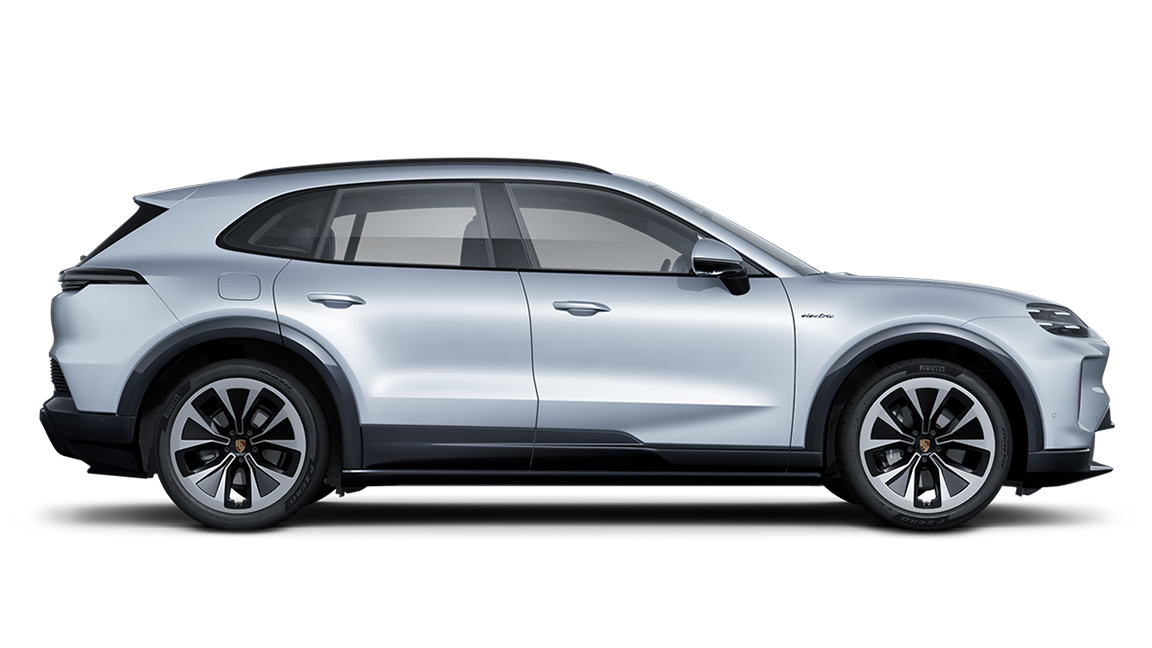
How It Compares: Cayenne Turbo GT vs. Lamborghini Urus vs. BMW XM vs. Mercedes-AMG GLE 63 S vs. Aston Martin DBX707
| Category | Cayenne Turbo GT | Lamborghini Urus | BMW XM Label Red | Mercedes-AMG GLE 63 S | Aston Martin DBX707 |
|---|---|---|---|---|---|
| Engine | 4.0L Twin-Turbo V8 | 4.0L Twin-Turbo V8 | 4.4L Twin-Turbo V8 + Hybrid | 4.0L Twin-Turbo V8 | 4.0L Twin-Turbo V8 |
| Horsepower | 631 hp | 657 hp | 653 hp | 603 hp | 707 hp |
| 0–60 mph | 3.4s | 3.5s | 3.4s | 3.6s | 3.3s |
| Nürburgring Lap | 7:38.9 | 8:05.5 | 8:15.0 | 8:21.0 | 8:03.0 |
| MSRP | $125,000 | $233,000 | $162,000 | $115,000 | $192,500 |
| Weight | 5,120 lbs | 4,641 lbs | 5,588 lbs | 5,291 lbs | 4,861 lbs |
| Cargo Space (behind 2nd row) | 21.8 cu ft | 22.0 cu ft | 28.0 cu ft | 24.6 cu ft | 20.8 cu ft |
| Annual Maintenance | $1,500–$2,500 | $2,500–$4,000 | $2,000–$3,500 | $2,000–$3,000 | $2,800–$4,000 |
| Driving Dynamics | Sports Car Precise | Raw and Aggressive | Refined and Smooth | Well-Balanced | Track-Focused |
| Practicality | Good with Coupe Constraints | Good | Best in Class | Excellent | Limited |
The Cayenne Turbo GT emerges as the performance leader with the fastest lap time and the most affordable entry price. The Lamborghini Urus is more exclusive and dramatic but slower and significantly more expensive. The BMW XM Label Red is more refined and offers hybrid efficiency benefits, but carries a slightly higher price. The Mercedes-AMG GLE 63 S is more affordable and more practical, but less performance-focused. The Aston Martin DBX707 is the most powerful and most exotic, but the least practical and the least proven in long-term reliability.
For buyers prioritizing performance, value, and everyday usability, the Cayenne Turbo GT is the clear winner. For buyers prioritizing luxury refinement and practicality, the Mercedes or BMW make more sense. For buyers prioritizing exclusivity and aggression, the Lamborghini is the choice despite the cost premium.
Who Should Buy the Cayenne Turbo GT? The Ideal Buyer Profile
The perfect Cayenne Turbo GT buyer is someone who:
- Values performance over badge prestige. Porsche is prestigious, but the Cayenne doesn't carry the exotic exclusivity of a Lamborghini or Aston. Buyers who care deeply about others' perception should look at the Urus instead.
- Actually drives their performance vehicles. This car has a 7:38.9 lap time. It's begging to be driven hard. If you're buying it as a garage queen, you're wasting its potential.
- Needs everyday practicality with occasional performance experiences. This vehicle works as a family hauler Monday through Friday and a track day car on weekends. Most competitors force you to choose between one or the other.
- Can afford the total cost of ownership without financial stress. The $125,000 purchase price is the smallest cost in the equation. Insurance, maintenance, fuel, and potential repairs add another $9,000-$14,000 annually. If that hurts your finances, wait.
- Appreciates German engineering and tuning culture. Porsche owners tend to understand suspension geometry, power delivery, and refinement in ways that appeal to more visceral buyers. If you value "feel" over raw horsepower, the Porsche resonates.
- Doesn't need three rows regularly. The coupe roofline eliminates true third-row usability. If you carry three kids and need the space, a standard Cayenne or a Mercedes-AMG GLE is better.
The buyer who shouldn't buy: someone stretching financially, someone who wants the exclusivity of a Lamborghini or Aston, someone who needs maximum practicality, or someone looking for the lowest annual costs in the performance SUV segment.
Depreciation and Value Retention: The Market Reality
The Cayenne Turbo GT is new enough that we don't have five-year depreciation data. However, based on Porsche Cayenne historical trends and broader performance SUV market patterns, we can make educated projections.
Standard Cayennes depreciate approximately 35-45% over five years. Performance variants like the Turbo GT historically depreciate less steeply, typically 30-40%, because the buyer pool for performance versions remains stronger long-term. A $125,000 Cayenne Turbo GT purchased today might be worth $75,000-$87,500 in five years, assuming average mileage (10,000-12,000 miles annually) and proper maintenance.
The coupe-only body style actually helps with value retention because it's more distinctive and production is more limited. The 7:38.9 Nürburgring record will likely become a marketing advantage as the model ages, attracting enthusiasts who want a proven track performer.
However, condition and mileage matter enormously. A well-maintained example with under 30,000 miles might retain 60-65% of its value. A high-mileage example (40,000+ miles) might depreciate to 50% of original price. Regular maintenance, clean service records, and accident-free history are critical for resale value.
The Smart Way to Buy: Steps to Ownership Without Regret
Step 1: Define your total budget. Don't just budget the purchase price. Add two years of running costs ($17,800-$28,400 at the rates we outlined). If that total makes you uncomfortable, wait or look at less expensive performance SUVs.
Step 2: Decide new vs. used. New Cayenne Turbo GTs come with Porsche's warranty and certainty about specification. Used examples from reputable dealers offer better value if you're comfortable with slight mileage. The depreciation hit is steepest in years 1-2, so buying a 2024 with 5,000 miles saves meaningful money versus buying new.
Step 3: Choose your specification carefully. Color matters for resale. Black, white, and silver are most common and depreciate fastest. Unique colors like Ruby Red, Mahogany Metallic, or Abyss Black Pearl command 5-10% premiums on the used market. Interior color (black leather is most popular; tan is second) affects desirability. Carbon fiber and sport packages add value for performance buyers but limit the buyer pool.
Step 4: Get a thorough pre-purchase inspection. For any used Cayenne Turbo GT, inspection by an independent Porsche specialist is essential. Cost: $300-$600. What it can save you: $10,000+. The inspection should cover compression testing, turbo condition analysis, all-wheel drive system diagnostics, and suspension fluid inspection.
Step 5: Negotiate from data. Use completed Autotrader listings, Bring a Trailer auction results, and dealer pricing to establish realistic market value. Don't fall in love with the car before knowing its true worth. Performance SUVs depreciate at predictable rates; use that to your advantage.
Step 6: Secure financing strategically. Standard auto lenders will finance a Cayenne Turbo GT, but exotic car specialists like JJ Best Banc often offer better rates (6-8% vs. 7-10% at traditional banks). Budget 20% down if buying from a dealer, 25% if buying from a private seller to account for unknown maintenance history.
Step 7: Establish a maintenance plan. Porsche Care plans are available for extended coverage. For used cars without remaining factory warranty, establish a relationship with a Porsche specialist and budget for regular service. Don't skip anything — performance vehicles punish deferred maintenance.
A detailed performance SUV buying guide is available for more specifics on the process. Automonitor's concierge service handles the entire search, inspection, and negotiation process if you prefer professional guidance.
Maintenance Reality: What You'll Actually Spend on Upkeep
The Cayenne Turbo GT follows Porsche's recommended service intervals: oil and filter change every 12 months or 15,000 miles (whichever comes first), comprehensive fluid check every 24 months, and full transmission service every 40,000 miles. Real-world costs:
Annual service (oil, filters, fluids): $800-$1,200. Every 40,000 miles (roughly 4 years for average drivers): transmission service ($600), air filter replacement ($150), cabin filter replacement ($100), spark plug inspection ($300). Every 80,000 miles: major service including suspension inspection ($1,500-$2,000), brake fluid replacement ($200), coolant inspection ($300).
These aren't shocking numbers — they're actually reasonable for a performance vehicle. A Lamborghini Urus runs 40-50% higher maintenance costs. An Aston Martin DBX707 is comparable or slightly higher. The Mercedes-AMG GLE 63 S is actually cheaper for routine maintenance.
The variable is unexpected repairs. A seized turbo compressor would cost $2,500-$4,000. A suspension rebuild would run $3,000-$5,000. These are rare on modern Porsches, but they happen. Budget for this possibility in your financial planning.
The Final Verdict
The Porsche Cayenne Turbo GT is worth buying if you can honestly answer "yes" to all of these questions: Can I afford the total ownership cost without financial stress? Do I actually want to drive this car hard, regularly? Do I value performance over badge prestige? Can I maintain a high-mileage performance vehicle responsibly? Am I comfortable with the coupe-only practicality trade-offs?
If you answered yes to all five, the Cayenne Turbo GT is one of the best decisions you can make in the performance SUV segment. It offers the fastest lap times, the most aggressive pricing, and perhaps the most satisfying day-to-day driving experience of any production SUV. The V8 sounds incredible, the chassis is beautifully engineered, and the flexibility to work as both a family hauler and a track day competitor is genuinely valuable.
If you hedged on even one question, consider alternatives. The Mercedes-AMG GLE 63 S is nearly as fast for significantly less money. The Lamborghini Urus is more exclusive if that's your priority. The BMW XM is more refined if you value comfort over track time. The Aston Martin DBX707 is more dramatic if you want exclusivity and ultimate performance.
But if you want the best all-around performance SUV that works in the real world, the Cayenne Turbo GT is difficult to beat. It breaks the false choice between practicality and performance, proving that Porsche's engineering still leads the segment.
Ready to find your Cayenne Turbo GT? Automonitor connects you with verified sellers, handles pre-purchase inspections, and provides real market data. We've helped buyers through this process before. We'll make sure you end up in the right car at the right price.
Ready to Find Your Cayenne Turbo GT?
Automonitor connects you with vetted sellers, handles pre-purchase inspections, and provides real market data so you can buy with total confidence.
Start Your Search →