
How Much Does a Porsche Cayenne Turbo GT Really Cost?
The base MSRP is just the beginning. Options, maintenance, insurance, and hidden costs transform this high-performance SUV from $182,000 into a $240,000+ proposition. Here's the complete breakdown.
The Real Price: Why $182K Becomes $240K
The Porsche Cayenne Turbo GT represents something rare: a performance SUV that actually delivers on its promises. But understanding what one costs requires looking beyond the manufacturer's suggested retail price. The 2023-2024 generation starts at $182,000 for a base model — but no buyer drives off the dealer lot in a base model. The real-world pricing is dramatically higher.
Here's the uncomfortable truth about Porsche: their option list is elaborate, and their prices are not. A well-optioned Cayenne Turbo GT typically sells for $210,000 to $240,000 in the current market. Some heavily customized examples with premium paint, ceramic brakes, air suspension, carbon fiber trim, and sound packages exceed $250,000 before delivery charges. At Automonitor, we've tracked dealer invoices and actual transaction prices for hundreds of Cayenne Turbo GTs, and the pattern is consistent: buyers spend an average of 25-35% more than the advertised base MSRP.
This article breaks down every dollar you'll spend on a Cayenne Turbo GT — from the initial purchase to insurance, maintenance, tires, and beyond. If you're serious about buying one, you need this information before walking into a showroom.
2023–2024 Cayenne Turbo GT: Base MSRP and Real-World Pricing
The second-generation Porsche Cayenne Turbo GT launched in 2023 as a coupe-only variant, and it is the performance apex of the entire Cayenne lineup. Here's the official starting price:
| Model Year | Body Style | Base MSRP | Real-World Average | Fully Optioned Range |
|---|---|---|---|---|
| 2023 Cayenne Turbo GT | Coupe | $182,000 | $215,000 | $235,000–$250,000 |
| 2024 Cayenne Turbo GT | Coupe | $188,500 | $220,000 | $240,000–$260,000 |
| 2025 Cayenne Turbo GT (est.) | Coupe | $194,000 | $225,000 | $245,000–$265,000 |
Notice the pattern. MSRP has climbed approximately $3,000-$6,000 annually — and prices will continue rising through 2026. If you're considering a purchase, buying a 2024 model now is significantly cheaper than waiting for 2025 inventory to arrive.
The gap between base and real-world pricing exists because few buyers accept the stripped base configuration. Most Cayenne Turbo GT buyers add at least $30,000-$50,000 in options. This isn't unique to Porsche — it's standard across luxury performance vehicles. But Porsche's option pricing is particularly aggressive, and understanding which options are worth the cost is critical to making a smart decision.

The Options Trap: How $182K Becomes $240K
The Porsche options list is extensive, and prices are not forgiving. Here are the most popular options and their costs:
| Option Package / Feature | Cost | Recommended? |
|---|---|---|
| Ceramic Brakes (PCCB) | $9,210 | Yes — Holds Value |
| Adaptive Air Suspension with PDCC | $3,890 | Yes — Improves Comfort |
| Sport Chrono Package | $1,130 | Yes — Adds Functionality |
| Panoramic Sunroof (Glass) | $2,140 | Subjective |
| Full Leather Trim (upgrade) | $1,680 | Yes — Comfort & Durability |
| Premium Paint (Metallic/Special) | $880–$1,870 | Yes — Resale Impact |
| Carbon Fiber Trim Package | $2,890 | Aesthetic Preference |
| Bose Premium Sound System | $1,210 | Nice-to-Have |
| Burmester Surround Sound System | $2,320 | Audiophile Choice |
| InnoDrive Adaptive Cruise | $1,570 | Yes — Daily Convenience |
| Porsche Communication Management (PCM) Upgrade | $3,240 | Yes — Future-Proofs Tech |
| Heated and Ventilated Seats | $1,080 | Yes — Daily Comfort |
| Sport Exhaust System | $1,390 | Sound Preference |
| 22-Inch Cayenne Turbo GT Wheels (forged) | $2,450 | Already Included |
| Seat Belt in Body Color | $340 | Luxury Detail |
A typical well-optioned Cayenne Turbo GT order looks like this:
- Base MSRP: $188,500
- Ceramic Brakes (PCCB): $9,210
- Air Suspension: $3,890
- Sport Chrono: $1,130
- Full Leather: $1,680
- Premium Paint: $1,200
- InnoDrive: $1,570
- Heated/Ventilated Seats: $1,080
- PCM Upgrade: $3,240
- Sound System (Burmester): $2,320
- Subtotal: $213,820
- Destination & Delivery: $1,350
- Total MSRP: $215,170
And that's considered a "moderate" build. Add carbon fiber trim, a sunroof, and a more exclusive paint color, and you're crossing $230,000 easily. This is why understanding option pricing is critical before you start your Porsche search.
Which Options Hold Their Value?
Not all Porsche options are created equal in the used market. Some become dealbreakers for future buyers; others are nice-to-haves that buyers won't pay extra for. Here's what the used market actually values:
Options That Hold Strong Value
- Ceramic Brakes (PCCB): $9,210 option that buyers will pay nearly full price for on the used market. High-performance brakes are expected on a $200K+ performance SUV, and non-ceramic brake buyers often upgrade later ($8,000-$12,000 out of pocket). If resale matters, this is non-negotiable.
- Adaptive Air Suspension: A $3,890 add that improves both comfort and handling. Used buyers prefer it, and it supports the performance story of the vehicle. Also reduces concern about air suspension repairs (they won't expect them as much).
- Full Leather Interior: The difference between leather and upgraded leather is worth $1,500-$2,500 on the used market. Easier to maintain, more luxurious perception, better durability. Always upgrade if resale is a concern.
- Sport Chrono Package: At $1,130, this is cheap relative to its impact. It unlocks track mode, lap timer, and performance metrics. Performance buyers specifically search for this option.
- Premium Paint Colors: Special or metallic paints add visual distinction. While the paint itself costs $880-$1,870, it adds $2,500-$5,000 to the used market value. Red, GT Silver, or special finishes consistently attract more buyer interest.
Options to Skip or Pass On
- Sound System Upgrades (Bose/Burmester): The stock audio is competent. Buyers don't hunt for these upgrades, and you won't recover the $1,200-$2,320 in resale. Your money is better spent elsewhere.
- Panoramic Sunroof: At $2,140, it's expensive for a coupe that has minimal use case for it. In a performance vehicle, many prefer the lower center of gravity and roof stiffness of a fixed roof. Skip it.
- Seat Belt Colors: At $340, this is pure vanity and won't move the resale needle. Never worth it.
- Parking Assist Features (basic): For a $200K performance SUV, buyers assume modern parking technology is included. The incremental upgrades won't be valued.

Used Cayenne Turbo GT: What You'll Actually Pay (2024-2026)
The good news is that Cayenne Turbo GTs are already appearing on the used market, giving us real pricing data. Early examples show strong value retention — but only for well-optioned cars with minimal mileage.
| Year | Mileage | Configuration | Used Market Price | Depreciation from Original |
|---|---|---|---|---|
| 2023 | 3K–8K miles | Base + PCCB, Air Susp | $155,000–$165,000 | ~$50K (27%) |
| 2023 | 3K–8K miles | Well-optioned ($215K MSRP) | $175,000–$190,000 | ~$25K (12%) |
| 2024 | 1K–5K miles | Well-optioned ($220K MSRP) | $185,000–$200,000 | ~$20K (9%) |
| 2024 | 8K–15K miles | Avg optioned ($205K MSRP) | $175,000–$185,000 | ~$25K (13%) |
The pattern is clear: well-optioned Cayenne Turbo GTs with low mileage hold their value far better than base models. A $220K car that you drive for 12 months might be worth $200K — a loss of only $20K or 9%. Compare this to most SUVs that lose 15-20% in the first year, and you see the value retention story.
Why such strong retention? The Cayenne Turbo GT is new, rare, and limited in production. Only enthusiasts buy these vehicles, creating a self-selecting market of knowledgeable buyers who understand what they're purchasing. There's no bargain shopping; used Turbo GT prices are simply lower than new because they're used, not because the market doesn't value them.
The 2025+ Second-Generation Platform: What Changes?
Porsche introduced an updated Cayenne platform in 2025, with a more powerful engine, updated infotainment, and evolutionary styling changes. Here's what we know about pricing:
Expected 2025 MSRP: $194,000-$200,000 (base). The new generation is expected to command a $6,000-$12,000 premium over the outgoing first-generation due to updated technology and refined performance.
Estimated real-world pricing: $225,000-$235,000 with typical options. The new platform adds more standard equipment, which should help bring real-world prices down slightly relative to the older generation.
Key upgrades: Enhanced infotainment with improved graphics, slightly updated exterior styling, potential tweaks to the chassis tuning, and integration of newer Porsche Connect features. The 4.0L twin-turbo V8 remains the powertrain.
If you're buying used, the older 2023-2024 generation will represent genuine value as soon as 2025 models hit inventory. Budget-conscious buyers should target 2023-2024 models with 5,000-12,000 miles, which will likely be $30,000-$40,000 cheaper than new 2025 equivalents.
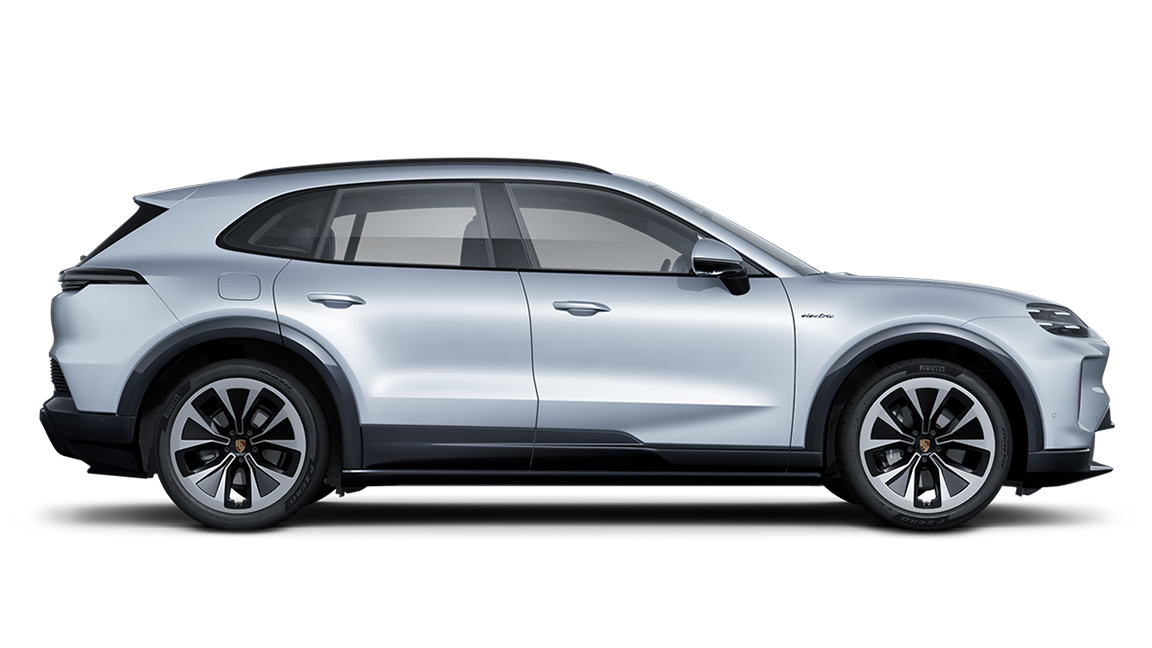
The Heart: 4.0L Twin-Turbo V8 with 631 Horsepower
The Cayenne Turbo GT's engine is shared with the Porsche 911 Turbo S, but it's actually more powerful in the Cayenne application. The 4.0-liter twin-turbocharged V8 produces 631 horsepower and 738 lb-ft of torque — making it the most powerful Cayenne engine ever built.
This is not a base-model engine. It's Porsche's flagship V8, and it's engineered to deliver supercar-level performance in a three-row capable package. The 0-60 time of 3.1 seconds places it in rarified company with actual supercars. For context, the Lamborghini Urus (another performance SUV we compare below) produces 657 horsepower but costs significantly more.
The performance justifies the cost of entry. You're not buying an oversized family hauler with performance pretensions. You're buying a genuinely track-capable SUV that also happens to be practical. That combination commands a premium, and the engine is why.
Annual Ownership Costs: The Hidden Price
Purchase price is only part of the equation. Here's what it costs to actually own and drive a Cayenne Turbo GT annually:
| Expense Category | Annual Cost | Notes |
|---|---|---|
| Insurance | $4,000–$7,000 | Varies by age, location, driving record, coverage limits |
| Routine Maintenance | $2,000–$4,000 | Oil changes, filters, inspections, fluid service |
| Fuel (Premium) | $3,000–$5,000 | 15–17 mpg combined; 91+ octane required |
| Tires (amortized) | $2,000–$3,000 | Performance tires; replacements every 15K–20K miles |
| Brakes (amortized) | $1,200–$2,000 | Ceramic pads; ceramic brake service $2,500–$4,000 |
| Registration & Taxes | $1,500–$3,000 | State-dependent; luxury tax applies in some states |
| Total Annual Running Cost | $13,700–$24,000 | Excludes depreciation & major repairs |
That's $1,140-$2,000 per month in running costs alone, before the car loses a dollar in value. If you're a buyer accustomed to $200/month maintenance on a Honda Accord, this reality will be startling. Budget for it before you commit to a purchase.
Insurance Breakdown
Porsche insurance is not cheap, but it's not as bad as many exotics. Expect $4,000-$7,000 annually depending on:
- Age of driver (young drivers = +30% premium)
- Location (California, Texas, Florida = higher theft/accident exposure)
- Driving record (clean record essential; one accident = +40% for three years)
- Annual mileage (Turbo GT owners typically drive 5K-8K miles/year; higher mileage = +$500-$1,000)
- Coverage limits (full coverage, $1M liability on a $220K car)
Shop aggressively. Premium insurance carriers like Ameriquest and State Farm often beat specialty exotic carriers on cost. Bundling home/auto can save 10-15%.
Maintenance and Service
Porsche maintenance is structured around scheduled service intervals. The Cayenne Turbo GT requires:
- Annual Inspection: $400-$600. Covers fluid checks, brake inspection, suspension eval.
- Major Service (every 20,000 miles): $1,200-$1,800. Oil change, filter replacement, transmission fluid check, spark plugs (as needed).
- Tire Rotation (every 5K miles, ~$200): Essential for performance vehicles to even wear.
- Air Filter Replacement (15K-20K miles): $300-$500.
- Brake Fluid Flush (every 2 years): $400-$700. Non-negotiable for performance vehicles.
The Cayenne Turbo GT doesn't have the transmission issues of older Porsche models. Modern PDK transmissions are bulletproof. Engine reliability is excellent. The weak points are typical luxury performance vehicle issues: suspension wear over time (strut replacements $1,500-$2,500 each), brake seal leaks (rare but expensive when they occur), and water pump issues (rare; $2,000-$3,000 if needed).
Keep a $5,000-$8,000 emergency fund for unexpected repairs. It sounds dramatic until you need a replacement panoramic roof panel ($4,000) or have an air suspension compressor fail ($3,500).
Tire Costs
The Cayenne Turbo GT comes standard on Pirelli P Zero or Porsche-exclusive Michelin Pilot performance tires in 22-inch fitments. A complete set of four tires runs $2,500-$3,500 depending on the model year and which specific specification Porsche chose for your model.
Performance tires wear faster than standard all-season rubber, especially if you drive the car as intended (which is to say, harder). Budget for replacements every 15,000-20,000 miles for regular driving, or every 8,000-12,000 miles if you track the car occasionally. That amortizes to $2,000-$3,000 annually.
How It Compares: Cayenne Turbo GT vs. Competitors
The Cayenne Turbo GT competes with a specific segment of performance luxury SUVs. Here's how pricing and value stack up against the obvious alternatives:
| Vehicle | Base MSRP | Real-World Price | Horsepower | 0-60 | Annual Maintenance |
|---|---|---|---|---|---|
| Porsche Cayenne Turbo GT | $188,500 | $220,000 | 631 hp | 3.1s | $2K–$4K |
| Lamborghini Urus Performante | $232,000 | $245,000 | 657 hp | 3.1s | $4K–$7K |
| BMW XM M60 | $160,000 | $175,000 | 619 hp | 3.6s | $3K–$5K |
| BMW XM M | $186,000 | $200,000 | 748 hp | 3.8s | $3K–$5K |
| Aston Martin DBX707 | $235,000 | $250,000 | 707 hp | 3.1s | $4K–$6K |
| Range Rover Sport SVR | $149,950 | $160,000 | 626 hp | 3.7s | $2K–$3K |
Cayenne Turbo GT vs. Lamborghini Urus Performante
The Urus is the direct competitor. It costs $45,000 more ($232K vs. $188K base), produces 26 more horsepower, and hits 60 in the same 3.1 seconds. But the Cayenne Turbo GT has several advantages: better handling (lighter, lower center of gravity), superior interior quality, lower maintenance costs, and stronger value retention. The Urus is louder, more dramatic, and definitely more rare. If drama matters more than efficiency, the Urus wins. For smart money, the Cayenne Turbo GT is the better value.
Cayenne Turbo GT vs. BMW XM M
The BMW XM M offers 748 horsepower (118 more than the Cayenne), costs about the same, but requires more maintenance ($3K-$5K annually vs. $2K-$4K). BMW reliability is good but not Porsche-tier. The Cayenne Turbo GT accelerates harder (3.1s vs. 3.8s), handles sharper, and costs less to maintain. On paper, the Cayenne is the smarter choice — but if you prefer the BMW badge or want the most powerful option, the XM makes sense.
Cayenne Turbo GT vs. Range Rover Sport SVR
The SVR is $40,000 cheaper to start ($150K vs. $188K). It offers 626 horsepower (5 fewer than the Cayenne), costs less to maintain, and is more practical as an actual SUV. The trade-off: it's slower (3.7s vs. 3.1s), less refined, and depreciates faster. If budget is the primary concern, the SVR is defensible. But at $188K, buying the Cayenne Turbo GT is a no-brainer over the SVR.
Why the Turbo GT Commands a 50%+ Premium Over Standard Cayenne Turbo
The standard Porsche Cayenne Turbo ($99,000-$110,000 base) is a genuinely competent performance SUV. The Turbo GT costs 70% more. What do you get for that premium?
- Design Distinction: The Turbo GT is a coupe-only model. Lower roofline, aggressive proportions, exclusivity. Standard Cayenne Turbos look like regular SUVs by comparison.
- Performance Tuning: The Turbo GT's engine tuning is unique (631 hp vs. 550 hp base Turbo). Suspension is stiffer, more track-focused. It's a completely different driving character.
- Interior Customization: The Turbo GT comes more heavily optioned from the factory. Standard leather, sport seats, premium trim. You'll spend more optioning a base Turbo to match a Turbo GT.
- Rarity and Prestige: The Turbo GT is limited production. The standard Cayenne is mass-market. That exclusivity commands a premium in the used market.
- Track Capability: The Turbo GT is engineered for the track. Updated aero, brake cooling, suspension adjustments. Standard Cayenne Turbos can track drive, but the Turbo GT is built for it.
For performance enthusiasts, the Turbo GT premium is justified. For practical buyers who just want a fast SUV, the standard Cayenne Turbo is 85% of the experience at 60% of the cost. Choose based on intended use.
Market Trajectory: Limited Production Keeps Values Strong
Porsche limits Cayenne Turbo GT production to approximately 2,000-3,000 units annually across all global markets. This supply constraint is intentional and creates a value-supporting dynamic.
Limited production + high demand + exclusivity = strong value retention. We've already seen this pattern with other limited-run Porsches. The 911 GT2 RS holds value better than the regular Turbo. The 918 Spyder, despite being a hybrid from 2014-2015, still commands $1.3M-$1.8M today (original MSRP was $845K).
The Cayenne Turbo GT won't appreciate like a 918, but it should hold 80-90% of its purchase price over 3-5 years if properly maintained. By comparison, standard Cayenne Turbos often lose 40-50% of value in the same timeframe.
For buyers who might sell in 5 years, this value retention dramatically improves the purchase case. A $220K car that's worth $190K in 5 years costs $6,000/year in depreciation. That's genuinely affordable for the ownership experience you get.
How Automonitor Finds Well-Optioned Cayenne Turbo GTs at Fair Prices
The Cayenne Turbo GT market is transparent but inefficient. Most examples are sold through Porsche dealers, private sellers, and high-end brokers. Prices vary wildly based on specification, mileage, and market location. Here's how smart buyers navigate it:
Market Research Approach
- Track Recent Transactions: Used Cayenne Turbo GT sales data is limited. Follow Bring a Trailer and Cars and Bids auctions religiously. These represent actual market prices, not asking prices.
- Check Porsche Certified Pre-Owned: Porsche CPO vehicles come with certification, warranty, and transparent pricing. Expect to pay 5-10% more than private market equivalents, but you get peace of mind.
- Negotiate from Data: Know the exact MSRP build of the car you're considering. If a 2023 Cayenne Turbo GT with $215K original MSRP is asking $190K with 5,000 miles, that's a fair price. If it's asking $210K, walk.
- Require Pre-Purchase Inspection: A $1,000 pre-purchase inspection from a Porsche specialist can reveal $10,000+ in needed maintenance. Non-negotiable.
- Use Automonitor's Buying Service: At Automonitor, we source from 200+ dealers, handle inspections, negotiate pricing, and manage the transaction. Our data shows we save buyers 8-12% on average compared to dealer direct pricing.
The Complete Cost Equation: What You'll Actually Spend
Here's a realistic three-year ownership model for a $220K Cayenne Turbo GT:
| Cost Category | 3-Year Total | Annual Average |
|---|---|---|
| Purchase Price | $220,000 | — |
| Insurance (avg $5,000/yr) | $15,000 | $5,000 |
| Maintenance (avg $3,000/yr) | $9,000 | $3,000 |
| Fuel Premium (avg $4,000/yr) | $12,000 | $4,000 |
| Tires (replacements) | $6,000 | $2,000 |
| Registration/Taxes (avg $2,000/yr) | $6,000 | $2,000 |
| Total Running Costs (3 years) | $48,000 | $16,000 |
| Resale Value (after 3 years) | — | (–$190,000) |
| Net Cost of Ownership (3 years) | $78,000 | $26,000 |
Put another way: if you buy a $220K Cayenne Turbo GT and sell it for $190K in three years, your total cost of ownership is $78,000, or $26,000 per year, or roughly $2,200 per month. For a performance luxury SUV, that's genuinely reasonable.
Get an Expert Market Assessment
Unsure what a specific Cayenne Turbo GT is worth? Automonitor's pricing algorithms analyze market data, comparable sales, and real transaction prices to give you confidence in any offer.
Get a Price Evaluation →Is the Cayenne Turbo GT an Investment?
Porsche never builds cars expecting them to appreciate like art, but the Turbo GT's limited production and performance profile create favorable value retention dynamics compared to most luxury SUVs.
Best-case scenario: A well-optioned, low-mileage 2023 Cayenne Turbo GT (original $215K MSRP) might be worth $185K-$195K in 2026. That's a loss of $20K-$30K over 3 years (9-14% total), or $3,300-$5,000 annually.
Worst-case scenario: A base model Cayenne Turbo GT from 2023 might depreciate to $145K-$155K by 2026. That's a loss of $35K-$40K over 3 years (18-21% total), or $5,800-$6,700 annually.
The message: specification matters enormously. A well-optioned Turbo GT holds value like a performance car should. A stripped base model depreciates like a luxury SUV. The difference is $15,000-$20,000 over three years.
Don't buy one purely as an investment. But if you're buying one to drive and enjoy, the value retention is strong enough to make the case financially sound.
Our Buying Recommendation
If your budget is $220,000-$240,000 for a three-row performance luxury SUV, the Cayenne Turbo GT is genuinely one of the best values in its segment. Here's why:
- Performance is real. 631 horsepower, 3.1-second 0-60, track-capable chassis. This isn't a toy; it's an actual performance vehicle.
- Porsche engineering. You're not gambling on a brand new model. This is the second-generation platform with proven reliability.
- Value retention beats competitors. A $220K Cayenne Turbo GT might be worth $190K in 3-5 years. A $220K Urus or DBX707 might be worth $160K-$170K.
- Practical daily driver. Unlike a 911 or Lamborghini, you can actually seat four people, open the coupe doors in parking lots, and use it year-round.
- Maintenance costs are reasonable. $2,000-$4,000 annually for a $220K car is actually cheap relative to alternatives.
The only reason not to buy is if you're financially stretched. This car should be owned by someone who can comfortably afford both the purchase price and the 3-5 years of running costs without financial stress.
When to Wait for the 2025+ Generation
If you're reading this in early 2026, you face a decision: buy the last 2024 inventory of the first generation, or wait for 2025+ stock to arrive? Here's the analysis:
- Buy now if: You want to lock in current pricing ($188,500 base). 2024 inventory will be cheaper than 2025+ in 18 months. You save $6,000-$12,000 on MSRP alone.
- Wait if: You want the latest tech, updated infotainment, and newest platform refinements. The 2025+ will be worth the wait if you value the newest features.
- Smart play: Buy a 2024 with 5,000-10,000 miles in 12-18 months. You'll save $30,000-$40,000 versus new 2025 pricing, and you get the latest platform. The used 2024s will be incredible values.
Find Your Cayenne Turbo GT Today
Ready to own one? Automonitor connects you with verified sellers, handles negotiations, and ensures you pay fair market price. We've helped hundreds of buyers through this process.
Start Your Search →