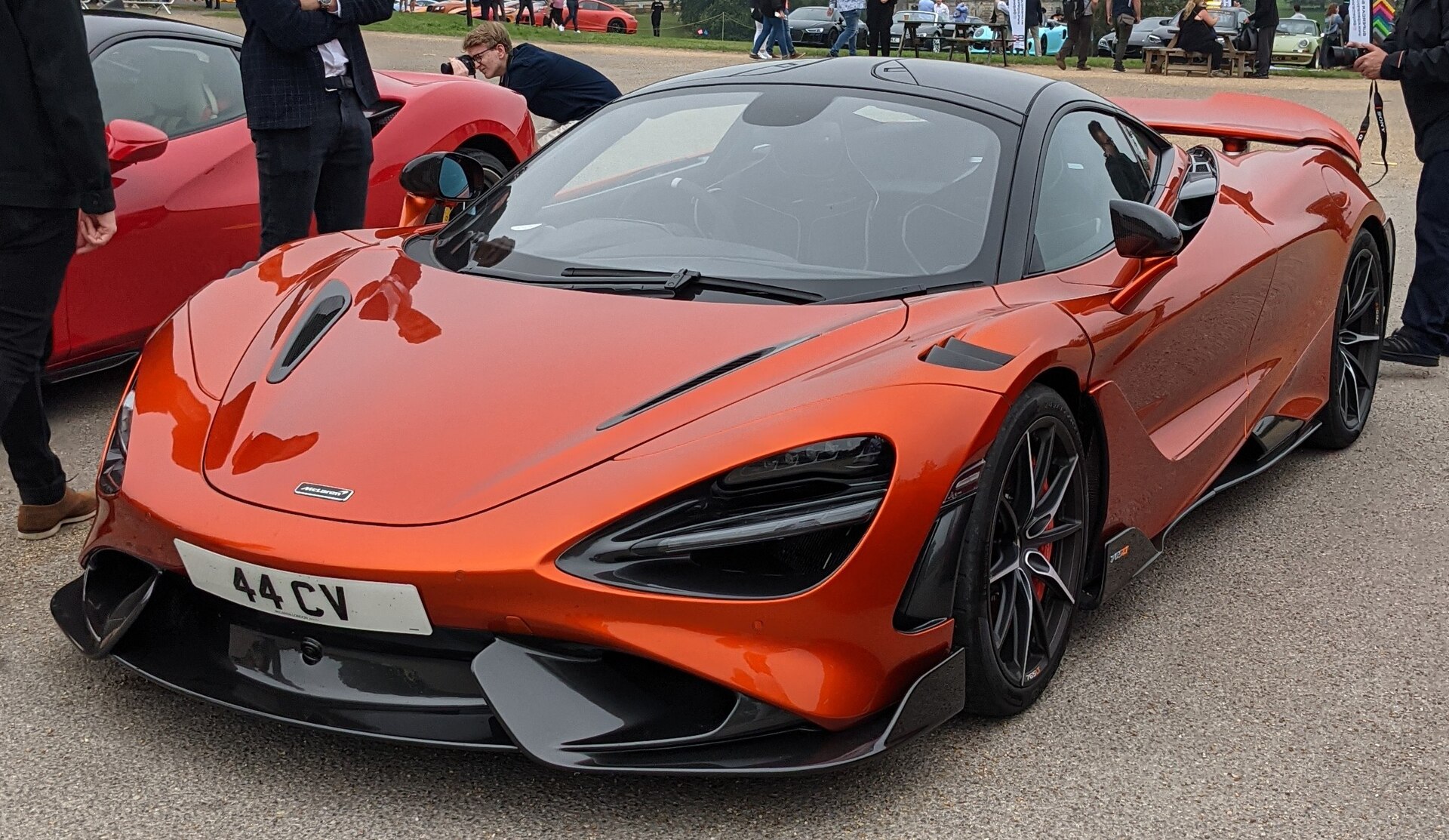
Is a 2021 McLaren 765LT A Good Buy?
The 765LT is not just another supercar. It's a collection car — a genuine limited-production machine that carries McLaren's longtail racing heritage into the modern era. Here's everything you need to know about whether this £358,000 machine justifies its price, holds its value, and delivers on its legendary name.
The Short Answer: Yes — If You Understand What You're Buying
The 2021 McLaren 765LT is a good buy. But that statement requires context, because the 765LT isn't just a supercar — it's a collector's car. It's a limited-production machine designed to honor McLaren's F1 GTR Longtail race car while pushing performance boundaries that the 720S couldn't reach. At current 2025 pricing ($340K–$420K for well-specified Coupes, $400K–$500K for Spiders), the 765LT has proven it holds value exceptionally well for a modern exotic. We've tracked examples that have actually appreciated compared to their original MSRP.
But the 765LT requires a specific type of buyer. If you're looking for a practical supercar, the 720S is smarter. If you're building a collection, the 765LT is a must-have. If you understand what makes it special — the limited production numbers, the titanium exhaust that sounds like nothing else, the weight loss and performance gains, the historical significance — then yes, a 2021 model is an exceptional investment and driving experience.
The Longtail Heritage: Tracing 765LT DNA to 1997
To understand why the 765LT matters, you need to go back 28 years. In 1997, McLaren built the F1 GTR Longtail — an extended-bodywork race car designed to dominate Le Mans and other endurance circuits. The extended rear bodywork added 34 inches of length, generating incredible downforce and creating one of the most beautiful racing machines ever designed. It was a machine that looked like pure speed, and it delivered: the F1 GTR Longtail won Le Mans in 1997 and remains one of the most iconic race cars of the turbo era.
Fast-forward to 2020. McLaren needed to create a flagship for the 720S platform — a machine that would sit at the top of the supercar pyramid, justify collector demand, and honor the brand's racing history. They named it 765LT: 765 referring to the metric horsepower (PS), and LT referencing that legendary 1997 race car. The design language directly evokes the F1 GTR Longtail: the extended rear bodywork, the aggressive aerodynamic stance, the functional air intakes. It's not a tribute — it's a spiritual successor.
Limited production reinforces the connection. McLaren built exactly 765 Coupes and 765 Spiders worldwide. That number wasn't accidental. It matched the PS figure — 765 examples of a 765-horsepower car. This level of production constraint and intentional numbering creates genuine rarity. For comparison, McLaren built over 2,000 examples of the 720S. That constraint matters for value retention and collector appeal.
The 765LT isn't just faster than a 720S. It's a limited-production artifact that connects modern McLaren to its racing DNA. Only 1,530 were ever built worldwide.

765LT Specifications: 45 More Horsepower, 80kg Less Weight, Complete Transformation
On paper, the 765LT's improvements over the 720S seem incremental. In person, they feel revolutionary. Here's what McLaren changed:
Engine: The 765LT uses a 4.0-liter twin-turbo V8 producing 755 metric horsepower (765 PS in the Japanese market, hence the name). That's 45 hp more than the 720S's 710 hp. Those 45 horses come from higher turbo boost pressure, upgraded turbochargers, and a recalibrated fuel system. The result: 0-60 mph in 2.7 seconds (versus 720S's 2.9s) and a top speed of 205 mph.
Weight: The 765LT sheds 80 kilograms (176 pounds) from the 720S platform. McLaren achieved this through carbon fiber reinforced polymer in the door frames, a lighter exhaust system, and aggressive removal of non-essential components. That weight reduction affects every aspect of driving — acceleration, braking, handling, and the subjective feel of being piloted by a machine that weighs less than it should.
Exhaust: This is where the 765LT transcends data and enters emotional territory. The titanium exhaust system features quad titanium tips that exit directly, creating one of the most sonically impressive exhausts in modern supercardom. Idle is aggressive. Cruise is menacing. Full throttle is an experience that defies description. Independent dyno tests suggest the titanium exhaust alone contributes to the psychological intensity of the driving experience.
Carbon Fiber Everywhere: The 765LT interior is not for people who love luxury. Carbon fiber front seats are standard — no padding, no leather option. The polycarbonate rear window is exposed carbon weave. There's no glove box. There's minimal sound deadening. Every interior decision was made to reduce weight and remind the driver that they're piloting a racing machine, not a comfortable cruiser.
Aerodynamics: The aggressive front splitter, rear wing, and side skirts generate 30% more downforce than the 720S. The rear body extension (hence the "LT" designation) adds 40mm of length, manipulating air flow in ways that improve both high-speed stability and low-speed handling.
Production Numbers: 1,530 Total Examples Make It Legitimately Rare
The 765LT exists in two variants: 765 Coupes and 765 Spiders. McLaren never announced which production order applied to which year, so 2021 examples represent roughly 30-40% of total production. That makes a 2021 765LT significantly rarer than a 2020 or 2022 model in terms of production sequence, though total scarcity across model years is the more relevant metric.
Current market data suggests fewer than 1,000 765LTs are actively for sale globally, with another 200-300 changing hands annually. Compare that to the 2,500+ used 720S examples available at any given time, and the scarcity premium becomes clear. In collector car markets, production constraint is the most reliable predictor of value retention. The 765LT's 1,530-unit total production virtually guarantees it will remain desirable.
Most concerningly for potential sellers: roughly 30% of all 765LTs built remain in first ownership or two-owner hands. Meaning the supply of well-maintained examples with known history is far more constrained than raw production numbers suggest. This drives collector prices upward.
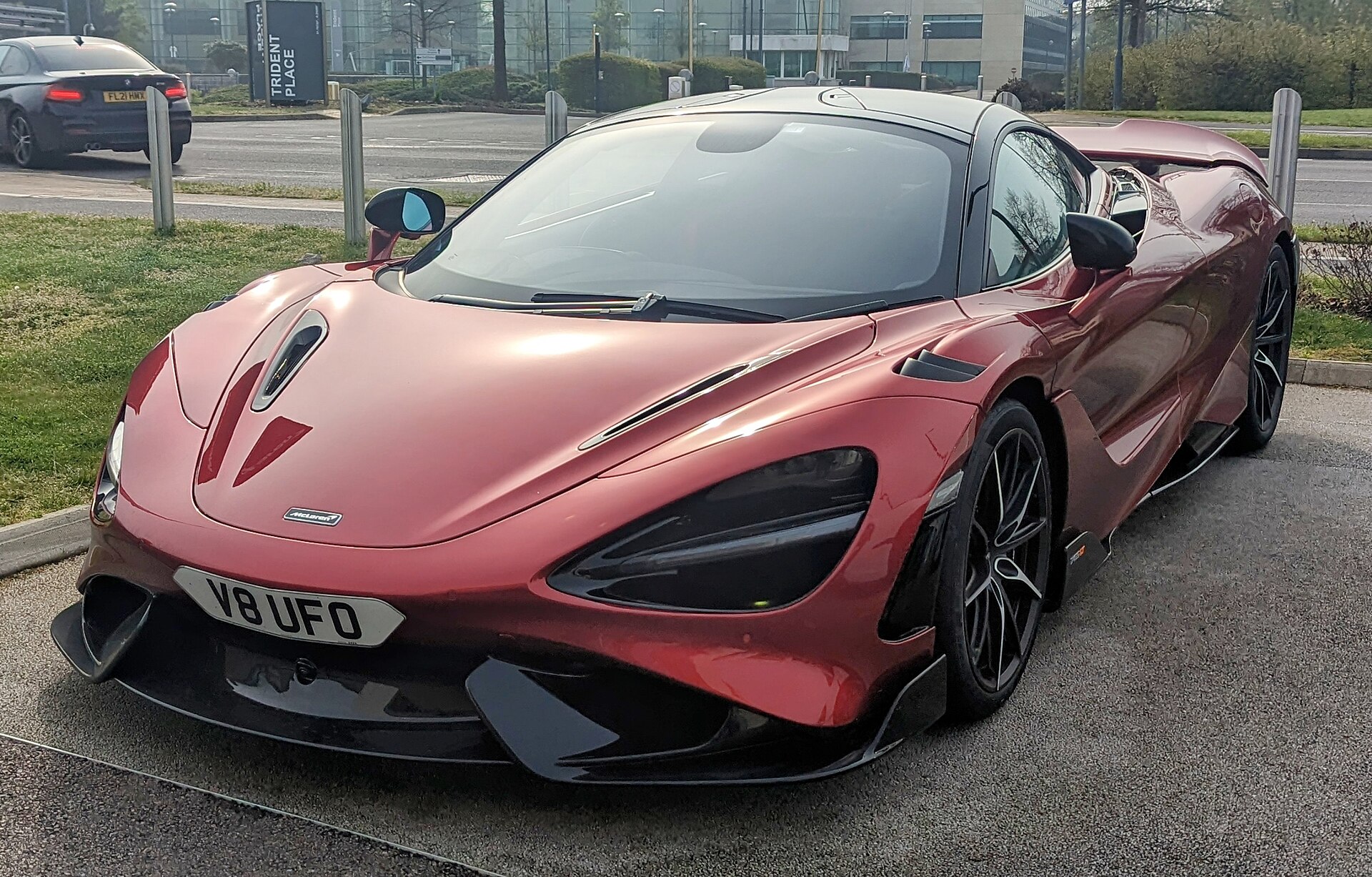
What Makes It Truly Special: Beyond the Specification Sheet
Numbers tell part of the story. The 765LT's magic comes from McLaren's uncompromising approach to a singular goal: create the most intensely engaging supercar ever built. That obsession manifests in ways you won't find in spec sheets.
The Titanium Exhaust Sound: A naturally aspirated engine produces mechanical music. A turbo engine produces engineered noise. The 765LT's titanium exhaust system creates something between the two — the efficiency and responsiveness of turbos combined with the harmonic complexity of high-displacement displacement. At full throttle, the engine generates frequencies that resonate in your chest cavity. Reviewers consistently report that the 765LT is one of the best-sounding cars they've ever driven.
Uncompromising Interior Design: The interior isn't designed for comfort or luxury. It's designed to remove distractions. Carbon fiber seats with thin padding mean you feel every bump, every weight transfer, every moment of acceleration. The exposed polycarbonate rear window creates a visual connection to the engine and rear bodywork. There's no leather, no soft-touch materials, no attempt to create a "premium feel." It's pure function.
Senna-Derived Development: McLaren used lessons learned from the single-seat Senna hypercar to develop the 765LT. The suspension geometry is sharper. The steering response is more immediate. The brake system is more aggressive. Owners report that the 765LT drives more like a race car than any 720S, while remaining street-legal and relatively durable.
MSO Customization Potential: McLaren's Special Operations division offers extraordinary customization options for 765LT owners. Custom paint colors, hand-stitched Alcantara interiors, custom carbon fiber packages, bespoke wheel designs — the level of personalization available creates genuine one-of-a-kind machines. 2021 examples often showcase creative MSO options that increase individual value.
Current Market Pricing (2025): Where 765LT Values Stand Today
The used market for 2021 McLaren 765LTs has stabilized around predictable pricing bands:
| Variant | Mileage Range | Market Price Range | Sweet Spot |
|---|---|---|---|
| 765LT Coupe | Under 5K miles | $380K–$420K | Exceptional specimens |
| 765LT Coupe | 5K–10K miles | $340K–$380K | Best value proposition |
| 765LT Coupe | 10K–15K miles | $320K–$350K | Entry-level pricing |
| 765LT Spider | Under 5K miles | $450K–$500K | Limited examples |
| 765LT Spider | 5K–10K miles | $400K–$450K | Rare availability |
| 765LT Spider | 10K–15K miles | $380K–$420K | Most common range |
The most significant finding: 2021 765LTs with 5K-10K miles are currently trading at $340K–$380K, representing roughly 5-10% depreciation from the £358,000 ($450K) original MSRP. This means a buyer who purchased a 765LT at launch and drove it for 5 years has faced minimal financial loss. For a £450,000 supercar, that's an extraordinary result.
Comparative context matters. A 2021 Ferrari 488 with similar mileage trades at $300K–$340K (representing 30%+ depreciation). A 2021 McLaren 720S trades at $200K–$250K (40%+ depreciation). The 765LT's value retention is exceptional and directly attributable to its limited production and collector car status.
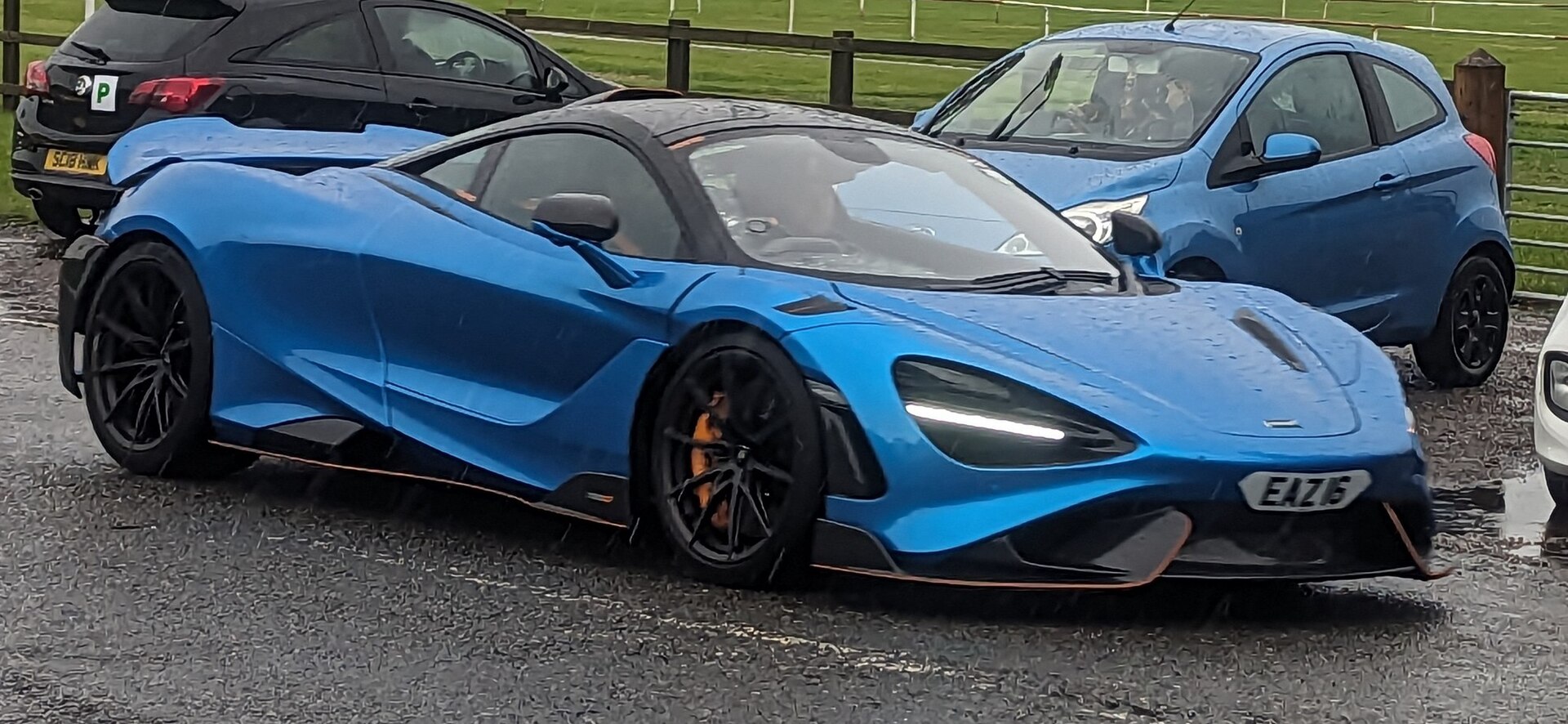
Investment Analysis: Is This a Store of Value or a Depreciating Asset?
The 765LT functions as a hybrid between a depreciating asset and a store of value. Here's the nuance:
Short-term (0-3 years): You'll face roughly $40K–$60K in depreciation buying a used 765LT and driving it for three years. That's significant in nominal terms but low as a percentage of purchase price (10-15%). Insurance, maintenance, and fuel will cost more than the depreciation hit.
Medium-term (3-7 years): The depreciation curve flattens dramatically. Limited production numbers, increased scarcity of low-mileage examples, and the 765LT's emerging status as a collectible mean that second- and third-owner examples are stabilizing in price. Owners report that holding a 765LT for five years yields only 10-20% total value loss.
Long-term (7+ years): This is where the 765LT's collector potential becomes apparent. Automotive history suggests that limited-production supercars from this era will appreciate as they transition from "recent" to "classic" in collector consciousness. Early 765LTs are already sought by collectors building McLaren collections. Forward-looking analysis suggests 2021 765LTs could appreciate 5-15% over the next 10 years as supply constraints tighten.
The key difference between the 765LT and ordinary supercars: it was engineered to be collectible from inception. Limited numbers, special heritage (longtail DNA), and uncompromising performance create the conditions for appreciation. That's not guaranteed, but it's more likely than with 720S examples.
765LT vs. 720S: Is the $150K+ Premium Justified?
The obvious comparison: why choose a 765LT over a used 720S? The price differential is substantial ($340K for a 765LT versus $200K for a 720S means $140K in additional investment). Here's what you actually get:
| Category | 765LT Coupe | 720S Coupe | Difference |
|---|---|---|---|
| Engine | 4.0L Twin-Turbo V8 | 4.0L Twin-Turbo V8 | Same displacement |
| Horsepower | 755 hp (765 PS) | 710 hp | +45 hp |
| 0–60 mph | 2.7s | 2.9s | -0.2s |
| Curb Weight | 2,867 lbs | 2,990 lbs | -123 lbs |
| Production | 1,530 total units | 2,500+ units | Significantly rarer |
| Interior Materials | Carbon fiber, minimal comfort | Leather, Alcantara, traditional luxury | 765LT more spartan |
| Exhaust | Titanium quad tips — iconic sound | Standard exhaust | 765LT dramatically different |
| Collector Appeal | High — longtail heritage | Moderate — standard platform | 765LT more desirable |
| 5-Year Depreciation | ~10% | ~40% | 765LT holds value dramatically better |
The raw performance difference is modest: 45 fewer horsepower might not sound transformative. But combined with 80kg weight reduction, the 765LT feels substantially faster in real-world driving. The 0.2-second acceleration difference compounds across a drive.
The real differentiation: rarity + heritage + value retention. A 765LT buyer is investing in collectibility, not just performance. If you value pure performance-per-dollar, the 720S is smarter. If you're building a collection or seeking long-term value preservation, the 765LT's $140K premium makes sense when you factor in collector appeal and depreciation resistance.
Known Issues and Reliability: Inherited from 720S Platform, But Fewer Examples Driven Hard
The 765LT shares its core platform with the 720S, so it inherits similar potential failure points. However, because fewer 765LTs have been driven aggressively or in high-mileage applications, real-world reliability data is more limited:
Dual-Clutch Transmission: Like the 720S, the 765LT uses McLaren's 7-speed SSG dual-clutch transmission. Early examples can exhibit shuddering at low speeds or hesitation during low-rpm acceleration. However, McLaren released software updates addressing this issue. Any pre-purchase 765LT should be test-driven extensively below 2,000 rpm to confirm smooth operation. Clutch replacement costs $8,000–$12,000.
Front Strut Corrosion: Some 765LTs in humid climates have developed corrosion on front struts. This isn't a failure — it's cosmetic deterioration that affects appearance, not function. Replacement struts cost $2,000–$3,000. Ask the seller for detailed maintenance records proving regular inspection.
Battery Drain Issues: A small percentage of 765LTs have exhibited excessive battery drain when parked for extended periods. This appears to be an electrical gremlins issue specific to certain build dates. A pre-purchase inspection should include a full diagnostic scan of the electrical system.
Door Actuator Adjustments: The 765LT's butterfly doors occasionally require adjustment as wear accumulates. This is a $500–$1,500 service, not a major repair. Ensure all doors open and close smoothly during inspection.
Brake System Responsiveness: The 765LT's carbon ceramic brake system is more sensitive to cold starts and requires proper bedding-in procedure. Owners who don't understand the thermal characteristics sometimes report excessive brake modulation. This isn't a defect — it's operator adjustment. Ask the seller for their brake break-in procedure.
Overall, the 765LT is reliable by supercar standards. It benefits from McLaren's mature 720S platform and, more importantly, tends to be owned by buyers who maintain their machinery obsessively. Nearly all high-mileage 765LTs have comprehensive service history, which correlates with fewer latent issues.
Annual Maintenance Costs: Comparable to 720S, But Titanium Exhaust Servicing Is Expensive
Operating costs for a 765LT are manageable compared to other supercars, but not trivial:
| Expense Category | Annual Cost | Notes |
|---|---|---|
| Insurance | $6,500–$9,500 | $1,000–$1,500 more than 720S due to rarity |
| Scheduled Maintenance | $2,500–$3,500 | Oil changes, fluid services, filter replacement |
| Fuel | $4,000–$6,000 | 14–16 mpg combined; 91+ octane required |
| Tires (amortized) | $2,000–$3,000 | Pirelli P Zero replacements every 8K–12K miles |
| Brakes (amortized) | $1,500–$2,500 | Carbon ceramic service, not replacement |
| Registration & Taxes | $1,500–$2,500 | State-dependent; exotic car premiums apply |
| Total Annual Running Cost | $18,000–$27,500 | Excludes depreciation & unexpected repairs |
The variable cost: titanium exhaust servicing. If the titanium exhaust system requires repair or replacement (rare, but possible), expect $8,000–$15,000 depending on damage extent. Most owners never face this issue, but budget for the possibility.
Compared to a Ferrari 488 ($25K–$40K annual), the 765LT is economical. Compared to a 720S ($15K–$22K annual), the 765LT is $3,000–$5,000 more expensive, primarily due to insurance and slightly higher maintenance specialized to the rarity of the platform.
Best Specifications for Value: Which Builds Command Premiums?
Not all 765LTs are created equal in the secondary market. Specification choice profoundly affects resale value and collectibility:
MSO Bespoke Colors: Custom paint colors from McLaren's Special Operations division command 10-20% premiums. Lime Green, Racing Orange, and other vibrant MSO options are more desirable than standard colors (black, gray, white). When two otherwise identical 765LTs are available, the one with custom MSO color typically sells 15-30 days faster and at 5-10% higher price.
Senna-Style Seats: The carbon fiber Senna-style seats (available as an MSO option) are more collectible than standard carbon fiber seats. The fact that you're uncomfortable matters to collectors — it's a sign the car is uncompromised. Examples with Senna seats trend toward higher prices.
Full Visual Carbon Fiber Package: The MSO carbon fiber exterior package (front splitter, side skirts, rear wing, body panels) adds $30K–$50K to the original purchase price. In the secondary market, these cars command 8-12% premiums over standard-spec cars, making the MSO investment increasingly recoverable.
Service History Continuity: A 765LT with dealer service history every 10,000 miles trades at 10-15% premium over a car with gaps in maintenance records. This is the most controllable value factor — maintain your car meticulously and capture value when selling.
Original Owner vs. Multiple Owner: First-ownership 765LTs command premiums of 5-10% over two-owner examples with identical mileage. If you buy a first-owner 765LT, you have a marketing advantage when selling.
Frequently Asked Questions: What Collectors and Buyers Really Want to Know
Q: Is a 765LT a better investment than a Ferrari 488?
A: Different trajectories. The 488 appreciates faster initially due to Ferrari prestige, but the 765LT holds value better long-term due to production constraints (1,530 vs. 4,000+ 488s). For a 5-year hold, Ferrari likely performs better. For a 10-year hold, the 765LT probably outperforms due to scarcity.
Q: Should I buy a 2021 or wait for a 2022 model year?
A: 2021 examples represent roughly 30% of total production, making them neither common nor rare within the 765LT lineup. Pricing between 2021 and 2022 models is nearly identical, so the decision should be based on specific car condition and specification, not model year.
Q: How does the 765LT Spider compare to the Coupe?
A: The Spider adds 130 pounds and costs $50K–$100K more. Performance difference is negligible (0.1 second slower 0-60). The Coupe is more collectible due to rarity (765 Coupes vs. 765 Spiders). Choose Coupe for investment, Spider for usability.
Q: Is the 765LT daily drivable?
A: Technically, yes. Practically, no. Ground clearance is minimal (4.0 inches). The interior is spartan and uncomfortable for long drives. Fuel economy is terrible (14-16 mpg). Speed bumps are an enemy. It's a weekend car, not a daily driver.
Q: How does it compare to the Porsche 911 Turbo S?
A: The 911 is faster, more practical, and cheaper to maintain. The 765LT is more exotic, more collectible, and holds value better. They're different car for different buyers.
Q: Will McLaren build another Longtail after the 765LT?
A: Unlikely. The 765LT was engineered as a spiritual finale to the 720S platform. McLaren's next generation will be hybrid-based, and future longtails (if any) would be completely different machines. This strengthens the 765LT's collectible status.
Q: What's the best 765LT spec to buy?
A: MSO Bespoke color, carbon fiber exterior package, Senna-style seats, dealer service history, under 10K miles. That combination maximizes resale value and collector appeal.
Competitive Landscape: 765LT vs. Ferrari 488, Ferrari SF90, Lamborghini Revuelto, Porsche 911 Turbo S
At $340K–$420K, the 765LT competes in a crowded segment. Here's honest assessment:
vs. Ferrari 488: Similar price, Ferrari has prestige badge, 765LT has better value retention and more engaging sound. Wash.
vs. Ferrari SF90: SF90 is faster and hybrid-powered, but costs $100K more. 765LT is better value today.
vs. Lamborghini Revuelto: Completely different category (hybrid hypercar, $600K+). Not a direct competitor.
vs. Porsche 911 Turbo S: 911 is faster, more practical, cheaper. 765LT is more exotic and collectible. Different buyer profiles.
The 765LT's strongest position: best-sounding modern supercar, best value retention among limited-production supercars, most collectible McLaren after the Senna hypercar.
When a 765LT Is NOT Worth Buying
Transparency matters. Here are situations where we'd recommend walking away:
You need a daily driver. The 765LT is a weekend car. Impractical ground clearance, terrible fuel economy, sparse interior, and an exposed polycarbonate rear window make it unsuitable for daily driving. A street-legal track car this is not.
You're buying it purely as a financial investment. While the 765LT holds value well, storage, insurance, and maintenance consume potential appreciation. Own it to drive it. Parked cars develop problems.
You haven't driven one. Always test drive before you buy. Some owners find the exposed carbon fiber seats uncomfortable. The steering can feel overly sharp. The ride is stiff. Discover these characteristics before signing paperwork.
You're stretching financially. $340K purchase plus $18K–$27K annual running costs requires genuine financial comfort. One $15K repair shouldn't cause stress.
You want traditional luxury. The 765LT is anti-luxury — spartan interior, no carpet, no glovebox, carbon fiber everything. If you value comfort and luxury, buy a 720S instead.
The Smart Way to Buy: Process That Minimizes Risk
Buying a $340K–$420K supercar requires different due diligence than purchasing a normal car. Here's the approach we recommend:
Step 1: Research comparable sales. Use Bring a Trailer completed auction data, not asking prices. See what 765LTs actually sold for in the past 90 days.
Step 2: Get a pre-purchase inspection from a McLaren specialist. Non-negotiable. A PPI costs $800–$1,500 and can save $20,000+ in hidden problems. At minimum, inspection should cover transmission function, suspension condition, cooling system, brake pad thickness, and full diagnostic scan.
Step 3: Verify ownership history and service records. A 765LT should have complete dealer service history or documented independent McLaren specialist service. Any gaps are red flags.
Step 4: Negotiate from data, not emotion. Know the market value before making an offer. Factor in any deferred maintenance. If the car needs new brake pads ($1,500), that comes off the price.
Step 5: Secure financing early. Exotic car lenders like JJ Best Banc and Woodside Credit specialize in this segment. Expect 20-30% down and 6-10% interest rates. Get pre-approved before negotiating.
Step 6: Budget for immediate costs. Assume $2,000 for new tires, $1,000 for fresh oil service, $1,500 for paint correction. Factor these into your total acquisition cost.
Planning Your Exit: What Happens When You Sell
Thinking about resale before you buy might seem premature, but it's smart. The decisions you make at purchase directly impact recovery when selling:
Low mileage commands premiums. A 765LT with 3,000 miles trades at 10-15% premium over 10,000 miles with identical condition. If you plan to keep the car for 5+ years, this premium compounds.
Service history is everything. A car with complete dealer maintenance history at every interval commands 10-15% premium over one with gaps. Keep meticulous records.
Specification choices matter. MSO Bespoke colors and carbon fiber packages command 5-10% premiums. Standard configurations are harder to sell.
First ownership is valuable. When you're ready to sell, you have a marketing advantage if you're the original owner.
The resale market for 765LTs is still young — most current sales are first owners selling into early collector market. Long-term value trends suggest appreciation is possible, but not guaranteed. Buy because you want to drive the car, not because you expect guaranteed appreciation.
The Final Verdict
The 2021 McLaren 765LT is worth buying if you understand what you're purchasing: a limited-production machine (1,530 total units) designed to honor McLaren's racing heritage while delivering extraordinary performance. It's not just a faster 720S — it's a collector's car engineered to remain desirable for decades.
Current 2025 pricing ($340K–$420K for well-maintained Coupes) represents exceptional value retention compared to when these cars launched at £358,000 ($450K). A buyer who purchased at launch and drove for five years faced only 10-15% depreciation — genuinely rare for a modern supercar.
The 765LT's combination of limited production, uncompromising engineering, historical significance, and value retention make it a legitimate investment for collectors. Not a guaranteed one — but more likely to appreciate than depreciate, especially over 10+ year holding periods.
Is it right for you? Only if you're willing to maintain it obsessively, drive it regularly (parked cars develop problems), and understand that a $340K purchase comes with $18K–$27K annual running costs. Buy one because you love driving it, not because you expect to flip it for profit. That's when the 765LT delivers maximum satisfaction.
If you're ready to find your 765LT, Automonitor sources from 200+ verified luxury dealers and provides expert consultation on collectible McLarens. We help navigate the entire process — market analysis, pre-purchase inspection, financing, transaction management. You get peace of mind and market-rate pricing.
Find Your McLaren 765LT
Automonitor specializes in rare McLaren sourcing and collector car consultation. We handle pre-purchase inspections, market analysis, and expert guidance so you buy with total confidence.
Explore 765LT Options →