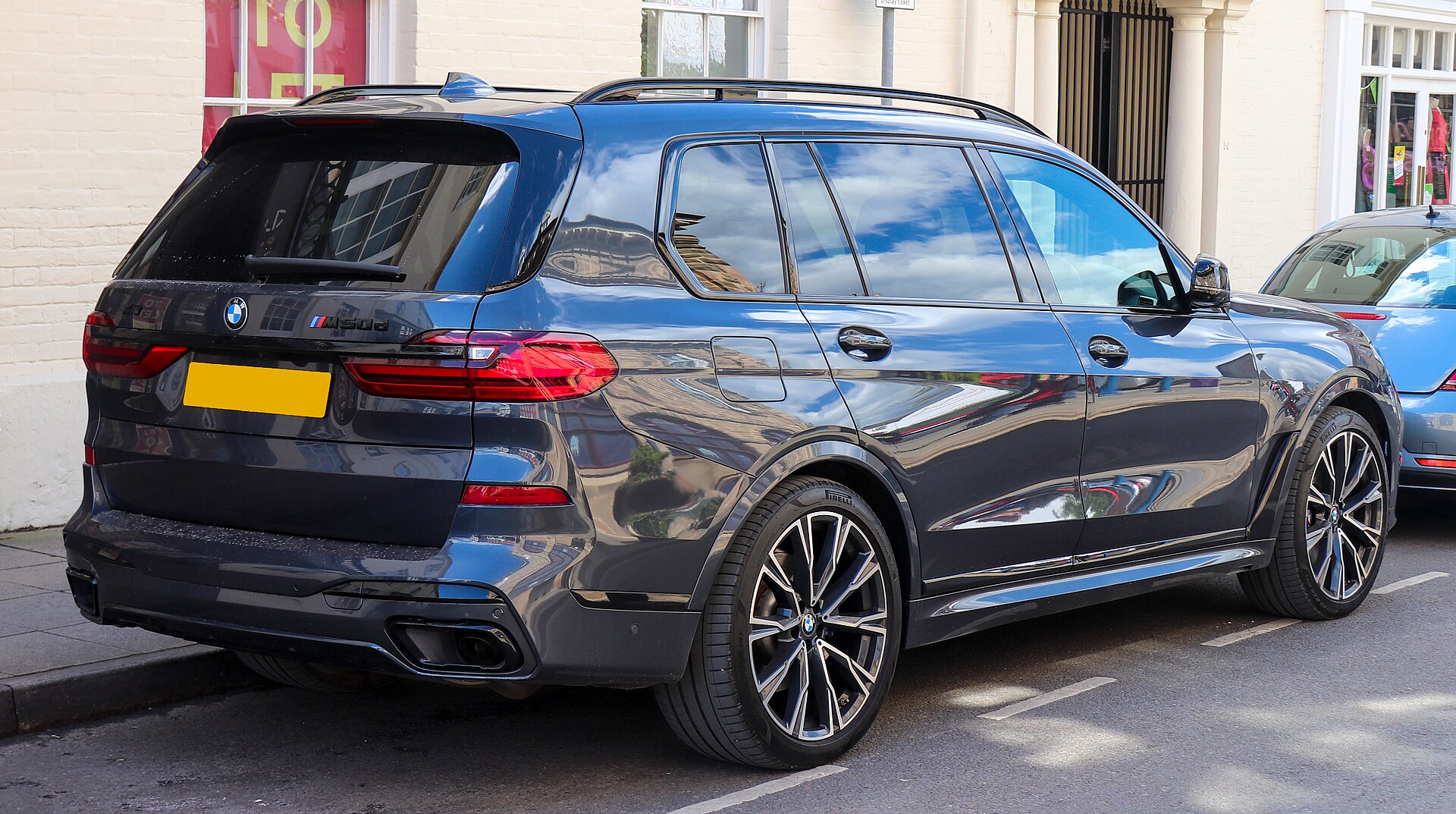
How Much Does a BMW XM Cost? — $160,445 MSRP Breakdown
Every dollar of XM ownership mapped — from the 4.4L Twin-Turbocharged V8 + Electric Motor service bills to insurance premiums.
BMW XM Cost Overview
Understanding the true cost of owning a BMW XM requires looking far beyond the $160,445 MSRP. While purchase price is the largest single expense, ongoing costs — insurance at 2000-2400, maintenance at 1600-2000, fuel, depreciation, and unexpected repairs — determine whether the ownership experience is financially sustainable or a source of constant stress.
Launched in 2023, the XM marks the beginning of BMW's M performance hybrid portfolio, combining traditional turbocharged power with electric innovation to create a new generation of responsible performance.
This guide provides a data-driven breakdown of every cost associated with BMW XM ownership. Whether budgeting for your first BMW or comparing the XM against alternatives like the Mercedes-AMG GLE 53, Porsche Cayenne Turbo S E-Hybrid, Range Rover Sport PHEV, understanding these numbers is essential to making an informed decision that you will not regret.
Total cost of ownership — not purchase price — determines true affordability. A car with a lower sticker price but faster depreciation, higher maintenance costs, and more expensive insurance can cost far more over a five-year period than a seemingly pricier alternative. The XM's 4.4L Twin-Turbocharged V8 + Electric Motor powertrain and SUV configuration create a specific cost profile that this guide fully maps out for you.
Purchase Price Analysis
The BMW XM carries an MSRP of $160,445. Factory options and individual customization can add 20-40% to the base price, with well-configured examples commanding significant premiums both new and on the secondary market. The XM's specification — engine variant, trim level, special editions, option packages — directly determines what you will pay at every stage of ownership.
In the pre-owned market, the XM trades between $70,000 and $110,000. Well-specified examples in desirable colors with complete authorized service records command the top of the range; base-spec cars with higher mileage and independent-only service history sit at the lower end. The specification premium in the German sport luxury segment is real and persistent.
Financing through BMW's captive division, traditional banks, or specialty lenders like Woodside Credit is available at 4.0% to 8.0% depending on credit profile, down payment, and term length. Balloon structures that reduce monthly payments are popular in this segment but create a substantial payment obligation at term end.
Total acquisition cost includes taxes (6-12% of vehicle price depending on state), registration, dealer documentation fees, and extended warranty premiums if elected. For a car priced at $70,000 to $110,000, the tax obligation alone can represent a five-figure sum. Budget for the total out-the-door cost, not just the negotiated vehicle price.
Depreciation Analysis
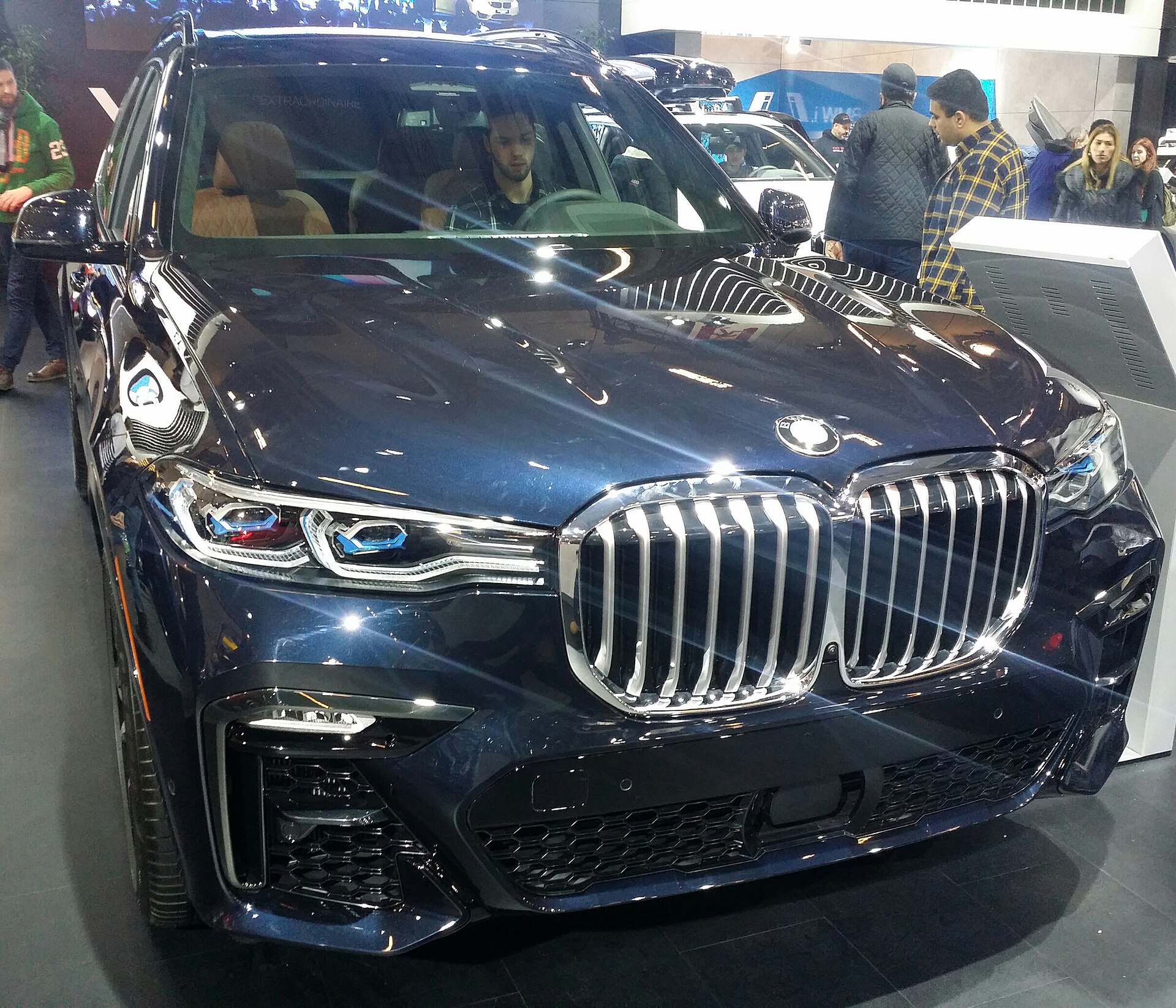
Depreciation is typically the largest single ownership cost, and the BMW XM's trajectory depends on variant, production numbers, specification, and broader market perception. Stable value expected
Limited-production and performance variants tend to depreciate less — and sometimes appreciate. For the XM, factors that accelerate depreciation include: high annual mileage, service history gaps, non-traditional or polarizing specifications, accident history, and aftermarket modifications. Factors that slow depreciation: low annual mileage, complete authorized dealer records, desirable color combinations, limited production numbers, and documented provenance.
A well-maintained XM purchased at current market value ($70,000 to $110,000) can be expected to retain 65-85% of its value over a five-year hold, depending on variant, specification, and market conditions. This makes annual depreciation cost manageable — particularly compared to mainstream luxury vehicles that routinely lose 40-50% over the same period.
The depreciation curve matters as much as the total amount. Most BMW models depreciate most steeply in their first two to three years, then progressively flatten. Buying a XM that has already absorbed the steepest portion of its depreciation — typically at the three to five year mark — significantly reduces your exposure. This "sweet spot" buying strategy is how experienced collectors minimize depreciation cost.
Insurance Costs
Insurance for the BMW XM runs 2000-2400, varying by location, driving record, annual mileage, and coverage selections. The German sport luxury segment commands higher premiums due to repair costs, replacement part pricing, and the overall value at risk, but specialized insurers offer significantly better rates than mainstream carriers for vehicles in this category.
Hagerty, Chubb, PURE, and American Collectors Insurance offer agreed-value policies specifically designed for high-value vehicles. For a 643-horsepower BMW that may hold or appreciate in value, agreed-value coverage is essential — it guarantees a specific payout in a total loss scenario, unlike standard actual-cash-value policies that pay depreciated replacement cost and may leave you significantly underinsured.
Minimize premiums with higher deductibles, annual mileage restrictions, multi-car discounts, and secure garaging requirements. Compare at least three to four specialized insurers — evaluating not just premiums but agreed-value terms, deductible options, geographic restrictions, and track-day exclusions that could void coverage if violated.
Consider an umbrella liability policy as an additional layer of protection. Owning a high-performance vehicle like the XM creates liability exposure beyond standard coverage limits. An umbrella policy providing $1-5 million in additional coverage typically costs $200-$500 annually and provides meaningful financial protection against worst-case scenarios.
Maintenance and Service Costs
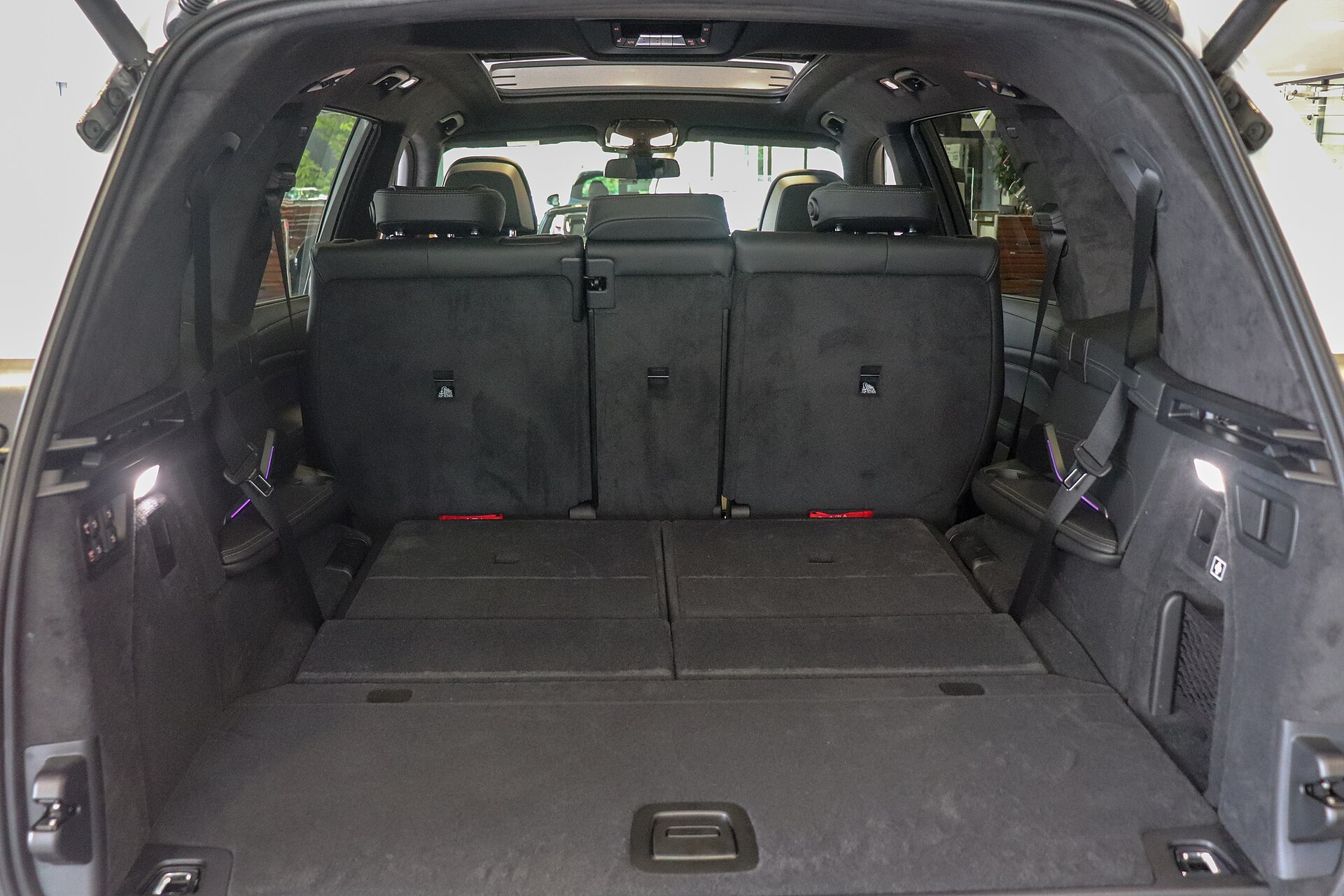
Annual maintenance for the BMW XM runs 1600-2000 at authorized dealers. Standard service includes oil and filter changes, brake fluid service, multi-point inspection, cabin and engine air filter replacement, and electronic diagnostics. The 4.4L Twin-Turbocharged V8 + Electric Motor powertrain has specific service requirements and fluid specifications that BMW-trained technicians understand and follow precisely.
Major service intervals (every 30,000-50,000 miles depending on model) involve transmission fluid replacement, coolant system flush, spark plug replacement, and comprehensive suspension and drivetrain inspection. These major services represent the most significant planned maintenance expenses — potentially $3,000-$8,000 per visit depending on the scope of work required.
Brake maintenance deserves specific attention and budgeting. The XM's braking system, calibrated to reliably scrub speed from 155 mph, requires periodic pad and rotor replacement. Standard iron rotors cost $2,000-$5,000 per axle for parts and labor. Carbon-ceramic brakes last significantly longer but cost $12,000 to $25,000 per set when replacement is eventually needed.
Independent BMW specialists offer 30-50% lower labor rates after the factory warranty expires. The trade-off: independent service records may not carry the same resale premium as authorized dealer stamps. For a car valued at $70,000 to $110,000, this is a meaningful financial consideration — the resale penalty of independent-only records may exceed the maintenance savings over a typical ownership period.
DIY maintenance is possible for basic items — oil changes, air filters, brake pad swaps — if you have mechanical aptitude and the correct tools. However, electronic systems, calibration, and any work involving safety-critical components should be left to qualified BMW technicians. A botched repair on a car at this value level is an expensive mistake.
Common Repairs and Known Issues
The BMW XM has several model-specific concerns that current and prospective owners should budget for. Known issues include: Controversial oversized grille design polarizes buyers. Additionally, very expensive premium over standard x7. Some owners also report that hybrid system adds weight and complexity. Understanding these common failure points helps with both purchase inspection and ownership budgeting.
BMW's factory warranty provides initial protection against manufacturing defects, and extended warranty programs may be available through BMW or third-party providers. For pre-owned examples outside warranty, third-party exotic car coverage from providers like Zurich, Mopar Vehicle Protection, or Endurance can cover major mechanical failures — though terms, exclusions, and deductibles vary significantly between providers. Read contracts carefully.
Maintain a reserve fund of 3-5% of the car's current value annually for unexpected expenses. For a XM valued at the midpoint of its range, that means setting aside several thousand dollars per year as a repair buffer. This reserve absorbs surprises — a failed sensor, an unexpected fluid leak, an electrical gremlin — without disrupting your finances or forcing a premature sale.
Addressing issues early invariably costs less than deferring them. A minor oil seep ignored becomes a major leak requiring gasket replacement and engine-out service. A worn suspension bushing left unattended accelerates tire wear and damages more expensive components. Proactive maintenance is the most cost-effective ownership strategy for any car in this segment.
Fuel and Daily Running Costs
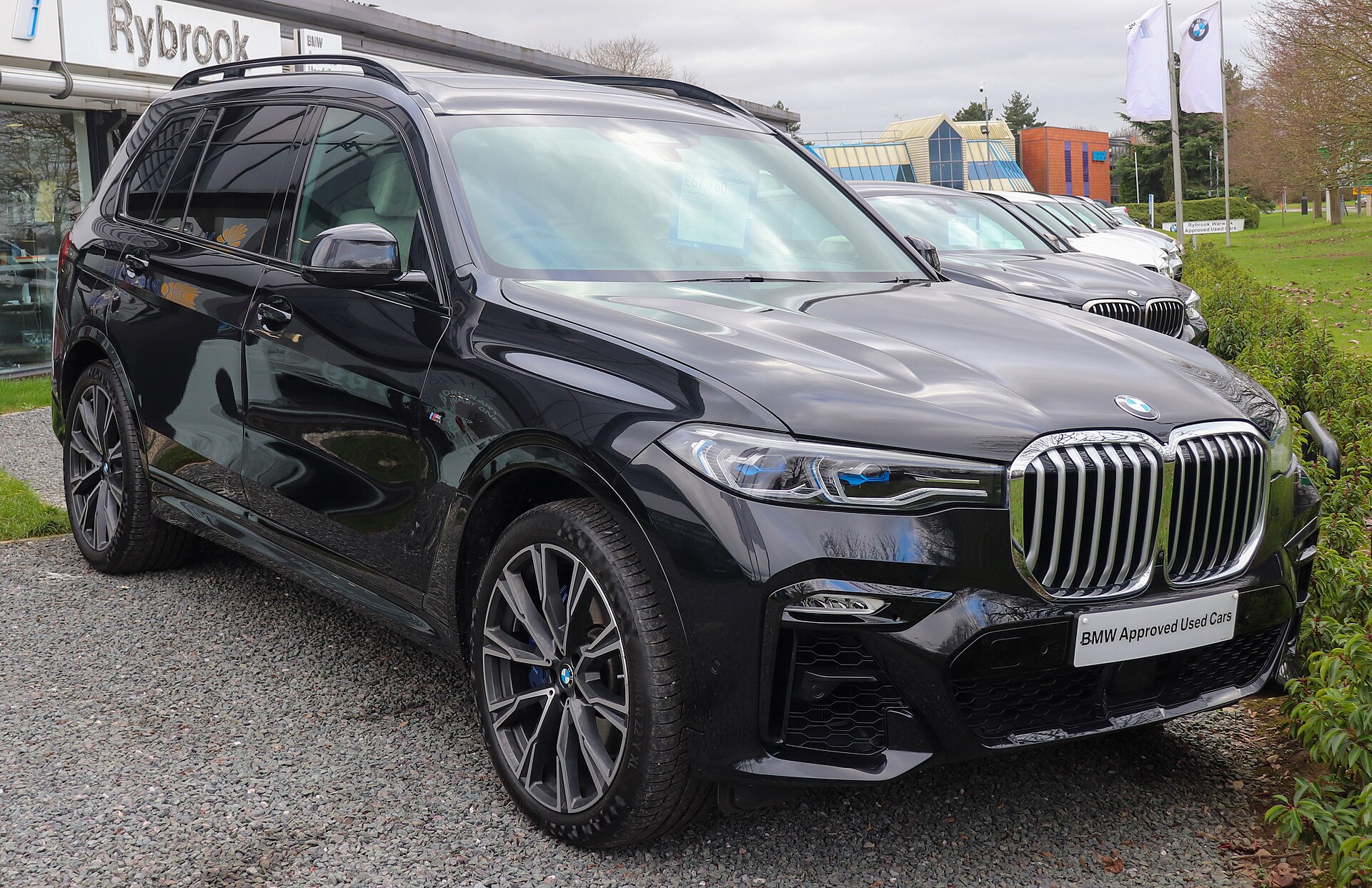
The XM's 4.4L Twin-Turbocharged V8 + Electric Motor requires premium fuel (91+ octane), and consumption reflects its 643-horsepower capabilities. Expect 12-20 mpg depending on driving conditions and style. Highway cruising is significantly more economical than aggressive city driving where the 8-Speed Automatic transmission is constantly downshifting and the engine operates at higher RPM ranges. Budget $3,000-$6,000 annually in fuel costs depending on miles driven.
Registration and property taxes vary significantly by state and can be substantial for a vehicle valued at $70,000 to $110,000. Some states assess annual vehicle property tax based on current market value, potentially adding thousands to annual ownership costs. Research your state's specific requirements before purchase.
Tire replacement is a recurring and significant expense. Performance tires in the sizes the XM requires typically cost $300-$600 per tire installed, and a complete set costs $1,200-$2,400 or more. Depending on driving style and conditions, expect to replace rear tires every 8,000-15,000 miles and fronts every 12,000-20,000 miles. Staggered setups prevent rotation, accelerating this replacement cycle.
Cosmetic maintenance — quarterly professional details ($150-$400 each), paint protection film ($2,000-$7,000 for full front coverage), ceramic coating ($1,000-$2,500) — protects both the car's appearance and its resale value. For a BMW at this price point, these are investments that pay for themselves through preserved condition. Budget $1,500-$3,000 annually for cosmetic upkeep.
Parking and storage costs factor into the equation, particularly in metropolitan areas. Secure indoor parking for a BMW can run $300-$600 per month in major cities. A climate-controlled garage, quality fitted car cover ($300-$500), and battery maintainer ($50-$100) are essential equipment for any extended storage periods to prevent moisture damage, flat spots, and battery degradation.
Total Cost of Ownership Summary
The five-year total cost of BMW XM ownership — combining depreciation, insurance (2000-2400), maintenance (1600-2000), fuel, tires, repairs, and incidentals — represents a significant financial commitment. However, expressed as a per-mile cost against the experience of piloting 643 horsepower through a 8-Speed Automatic gearbox, the XM can represent compelling value within the German sport luxury segment.
Key variables you control: purchase price (buy smart), annual mileage (higher miles accelerate depreciation and consumable costs), maintenance approach (authorized dealer vs. independent), and resale timing (sell before the next depreciation cliff). Each of these decisions meaningfully affects your total ownership cost over a multi-year period.
Compare total cost of ownership — not just purchase price — when evaluating the XM against competitors like the Mercedes-AMG GLE 53, Porsche Cayenne Turbo S E-Hybrid, Range Rover Sport PHEV. A car with lower insurance, slower depreciation, or less expensive maintenance can save thousands annually, potentially offsetting a higher initial purchase price. Automonitor's comparison tools help quantify these differences.
Automonitor provides real-time market data, depreciation analytics, and ownership cost projections for the BMW XM. Whether you are researching a first purchase or optimizing an existing ownership plan, our platform ensures every financial decision is grounded in data, not guesswork or dealer salesmanship.
Hidden and Often-Overlooked Costs
Storage for limited-use XM examples runs $200-$500 per month for climate-controlled facilities in most markets. A fitted car cover, battery maintainer, fuel stabilizer, and regular exercise drives (at least monthly) are all essential for stored vehicles — neglecting these creates problems that cost far more to fix than the prevention.
Modifications and personalization can escalate quickly and unpredictably. Aftermarket wheels, exhaust systems, suspension upgrades, custom wraps — these may enhance the driving experience but can reduce resale value if not executed tastefully or if original parts are not retained. Budget modifications separately from core ownership costs and always retain factory components.
Track day expenses are optional but can add significantly to ownership costs. Entry fees run $200-$600 per event, plus accelerated brake pad and rotor wear, tire consumption, and increased mechanical stress. A single enthusiastic track weekend can consume $1,000-$3,000 in consumables on a high-performance car like the XM. Many owners find track days immensely rewarding but budget accordingly.
Opportunity cost is the hidden expense most owners overlook. Capital tied up in a BMW XM — at $70,000 to $110,000 — could generate returns if invested elsewhere. At even modest investment returns, the annual opportunity cost of tying up this capital in a depreciating asset can be significant. Factor this into your true cost analysis, particularly if financing is not used.
Community and lifestyle costs — owner club memberships ($100-$500/year), rally participation, automotive events and concours, travel to marque events — contribute to the ownership experience but should be budgeted. These discretionary costs round out the total BMW ownership picture and are part of what makes ownership rewarding beyond the driving itself.
Smart Ownership Strategies
Buy right the first time. A well-specified XM with complete service history at fair market value will cost substantially less over a five-year period than a bargain-priced example with deferred maintenance and incomplete records. The cheapest BMW to buy is often the most expensive BMW to own — this is not cliche but mathematical fact.
Maintain proactively and on schedule. Staying ahead of service intervals on the 4.4L Twin-Turbocharged V8 + Electric Motor prevents cascading failures that turn routine maintenance into major repairs. The vast majority of horror-story repair bills involve neglected cars, not properly maintained ones. A dollar spent on preventive maintenance saves five to ten dollars in reactive repair.
Build relationships with your service providers. A trusted BMW specialist or dealer service advisor who knows your specific XM — its history, its quirks, its maintenance patterns — identifies issues early and recommends cost-effective solutions. This relationship is invaluable and can save thousands over a typical ownership period through early intervention.
Plan your exit strategy from day one. Understanding your target hold period, projected market value at sale, and resale preparation requirements helps you make decisions throughout ownership that protect your investment. Maintaining records, preserving condition, and monitoring market trends ensures you sell at the right time for the right price.
Consider the total financial picture. Insurance bundling (multi-car discounts), tax-advantaged ownership structures for business use where applicable, and strategic maintenance scheduling all contribute to optimizing total ownership cost. Automonitor's tools and data provide the foundation for making these decisions with confidence rather than guesswork.
Want Real-Time Bmw Xm Pricing?
Automonitor tracks actual transaction data across our dealer network — not estimates, not asking prices. Whether you're buying or selling, start with the numbers that matter.
See Current Market Data →