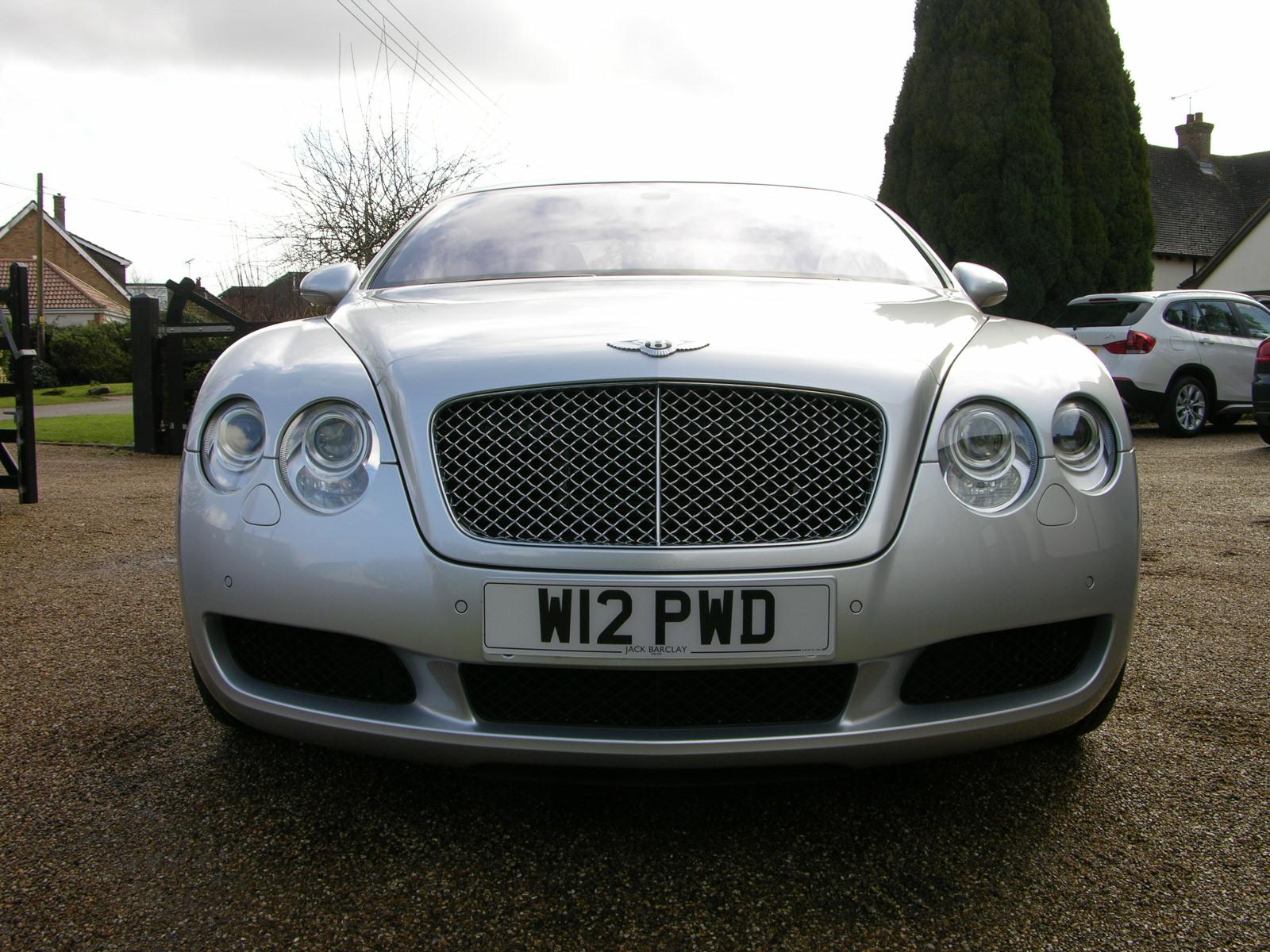
Best Year Bentley Continental GT to Buy: Every Generation Ranked and Compared
The Bentley Continental GT is the ultimate grand tourer — but which generation should you buy? We've analyzed three decades of models, pricing, reliability, and ownership costs to help you find the perfect year.
The Quick Answer: 2016-2018 Gen 2 V8 S Is Best Value
If you want the best Bentley Continental GT for your money, buy a 2016-2018 Generation 2 V8 S model with 30,000-50,000 miles. You'll spend $75,000-$110,000 and get a refined, reliable, mechanically sound grand tourer that can be comfortably serviced at any independent specialist. The V8 engine is smoother than people expect, the handling is genuinely engaging for a 4,600-pound luxury sedan, and the depreciation floor has already been hit.
If you have $130,000-$170,000 and want the newest technology and warranty benefits, buy a 2019-2020 Generation 3 W12 with under 15,000 miles. This is the car Bentley has been perfecting since 2003 — the most advanced, the most powerful, and the most capable Continental GT ever made.
If you're shopping below $55,000, buy a 2008-2010 Generation 1 Speed model, but only if you're prepared for electrical gremlins and air suspension issues that come with age. This is for enthusiasts who want the iconic design, not for people seeking worry-free ownership.
Here's what sets these years apart and why we recommend them.
Generation 1 (2004-2011): The Iconic Original
The first-generation Continental GT defined the modern grand tourer segment. Launched in 2003, it combined a 6.0-liter twin-turbocharged W12 engine with Audi platform engineering and hand-stitched leather that felt like luxury fabric from another era. For eight years, there was nothing quite like it.
Best years to buy: 2008-2010 Speed models
The original Continental GT didn't get major updates until 2008, when Bentley released the Speed variant. This is where the model came of age. The Speed added 28 horsepower (bringing it to 625 hp total), refined the suspension geometry, improved steering feedback, and added wider body panels that made the car look properly aggressive. A 2008-2010 Speed with service records and under 60,000 miles costs $35,000-$55,000 today — making it the most affordable entry into Continental GT ownership.
Typical asking prices:
- 2004-2007 standard: $20,000-$40,000
- 2008-2010 Speed: $35,000-$55,000
- 2010-2011 final year: $40,000-$60,000
Common issues to expect:
- Air suspension failure: The air springs can develop micro-tears after 80,000+ miles, causing the suspension to drop. A replacement costs $8,000-$12,000. Always check for warning lights during test drive.
- Electrical gremlins: Early models suffer from alternator failures, battery drain issues, and occasional ECU problems. Budget $200-$500 for diagnostics before purchase.
- DCT transmission hesitation: The 6-speed dual-clutch transmission can develop shudder at low speeds, particularly in early models. Feel for any jerking between 1st and 2nd gear during test drive.
- Coolant leaks: Rear coolant hose connections can leak, requiring $2,000-$3,000 in repairs. Pressure test the cooling system during inspection.
- Carbon buildup: Direct injection W12 engines accumulate carbon on intake valves. Beyond 100,000 miles, consider a $3,000-$5,000 carbon cleaning.
Maintenance costs: $4,000-$6,000 annually for a well-maintained Gen 1. W12 service is expensive — oil changes run $400-$600 and spark plug service (every 40,000 miles) costs $1,500-$2,000.
Generation 1 Continental GTs are magnificent machines, but they're 15+ years old. Ownership requires acceptance of age-related issues and a willingness to budget for repairs. Buy one only if you love the design and have mechanical patience.
Generation 2 (2012-2018): The Sweet Spot for Value Buyers
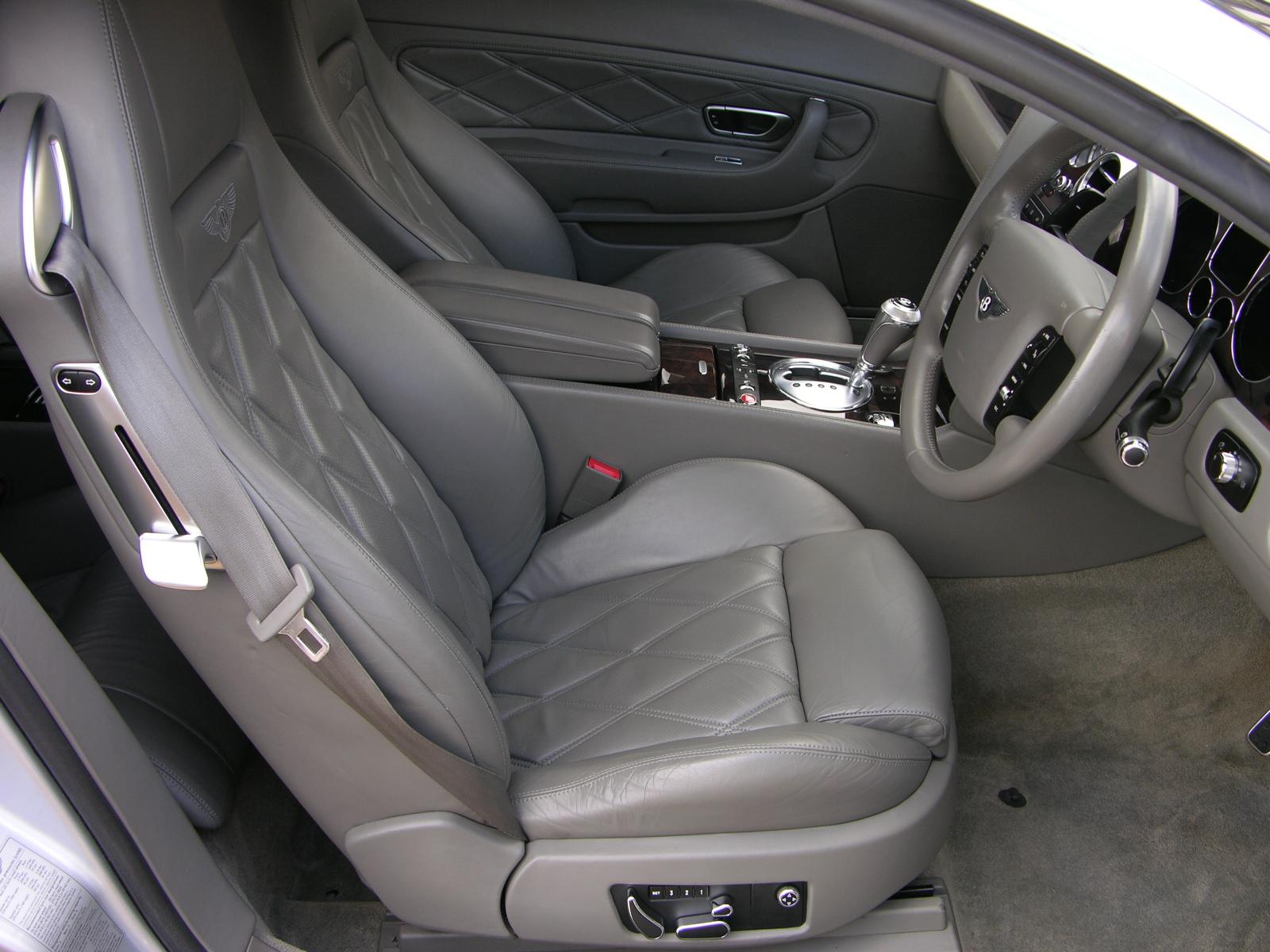
The second-generation Continental GT launched in 2012 with an entirely new platform, new engines, and dramatically improved reliability. Bentley borrowed the MSB platform from Audi and Porsche, which meant access to more mature engineering and better quality control than the original model. This generation is where Continental GT ownership becomes genuinely achievable for buyers without unlimited budgets.
Best years to buy: 2016-2018 V8 S models
The Generation 2 received significant updates in 2016 that refined the formula. The V8 S variant offers the perfect balance — it's £50,000 cheaper than the W12 at purchase and £1,500 cheaper annually to run. The 4.0-liter twin-turbo V8 produces 521 horsepower and can accelerate the Continental GT from 0-60 mph in 4.3 seconds, which is legitimately brisk for a 4,600-pound car. More importantly, it sounds better than the W12 — a refined turbocharged growl rather than a distant mechanical drone.
A 2016-2018 V8 S with 30,000-60,000 miles typically costs $75,000-$110,000. For that money, you're getting a car that will run reliably for another 50,000-100,000 miles with routine maintenance.
Gen 2 pricing by year and engine:
| Year | Engine | Model Variant | Typical Price Range | Mileage Sweet Spot |
|---|---|---|---|---|
| 2012-2013 | W12 | standard | $65,000-$95,000 | 40K-70K miles |
| 2014-2015 | W12 | standard/Speed | $75,000-$105,000 | 30K-60K miles |
| 2016-2018 | V8 | V8 S (best value) | $75,000-$110,000 | 30K-50K miles |
| 2016-2018 | W12 | standard/Speed | $90,000-$130,000 | 20K-50K miles |
| 2018 Final | W12 | Supersports | $110,000-$150,000 | under 10K miles |
Generation 2 reliability profile:
Gen 2 is dramatically more reliable than Gen 1. Multiple owners report 80,000-100,000 miles with zero major issues. The MSB platform shares components with the Audi R8 and Porsche 911, which means Bentley was building on proven architecture rather than inventing new problems.
Known issues (rare):
- Touchscreen glitches: The infotainment system occasionally freezes or needs reboots. This is annoying, not expensive — usually fixed with software updates.
- Carbon buildup: Slightly less common than Gen 1, but still occurs on high-mileage examples. Carbon cleaning on demand costs $2,000-$3,000.
- Door lock actuators: Occasionally fail on high-mileage examples. Replacement is $300-$500 per door.
- Suspension squeaks: Some examples develop minor suspension noises. Usually benign, but worth investigating during inspection.
Maintenance costs: $3,000-$4,500 annually for routine maintenance. This is significantly less than Gen 1 because the V8 is simpler to service and parts availability is better.
The V8 S advantage: The V8 S uses a simpler engine architecture than the W12. Oil changes cost $300-$400 instead of $500-$600. It's less exotic, but it's more practical. For a buyer considering 50,000+ miles of ownership, the V8 S is the intelligent choice.
Generation 3 (2019-Present): The Ultimate Grand Tourer
The third-generation Continental GT, launched in 2019, represents Bentley's most ambitious redesign in the model's 15-year history. It's built on the completely new MSB platform shared with the Porsche Panamera, features a 6.0-liter twin-turbo W12 engine refined to 626 horsepower, and comes with all modern conveniences — Apple CarPlay, adaptive suspension, 48-volt active anti-roll bars, and a 10-inch touchscreen that actually works.
Best years to buy: 2019-2020 W12 with under 15,000 miles
The 2019-2020 model years are clean — Bentley had worked out any teething issues by year two. A 2019 W12 with under 15,000 miles costs $130,000-$170,000 today. This puts you in a car with full factory warranty eligibility if it's certified pre-owned, an entirely new platform, and the most advanced technology Bentley has ever installed.
Why buy Gen 3:
- Warranty coverage (if CPO): Many Gen 3 examples still have warranty coverage, which protects you against catastrophic failures.
- Technology: The touchscreen actually works. Apple CarPlay works smoothly. Wireless charging works. Navigation is modern and responsive.
- Comfort: The adaptive suspension is a revelation — the car rides beautifully at highway speeds and feels planted in corners. It feels like a properly engineered luxury car, not a hand-assembled experiment.
- Performance: 626 hp V10 is... wait, no. It's a 626 hp W12. Either way, it moves. 0-60 in 3.6 seconds is genuinely quick for something this heavy and luxurious.
- Resale: Gen 3 is holding value surprisingly well. Expect 15-20% depreciation over three years, which is excellent for an exotic grand tourer.
Gen 3 pricing:
| Year | Variant | Typical Price | Mileage | Value Assessment |
|---|---|---|---|---|
| 2019 | W12 standard | $120,000-$160,000 | 10K-25K | Good value |
| 2020 | W12 standard | $130,000-$170,000 | 5K-20K | Best value |
| 2021-2022 | W12 Speed | $150,000-$190,000 | under 15K | Premium pricing |
| 2023-2024 | W12 Mulliner | $170,000-$220,000 | under 10K | Specialty model |
Known issues (rare): Gen 3 is new enough that major failures are uncommon. Occasional reports of:
- Air suspension noise: Some cars develop minor creaks from the adaptive suspension. Not a failure, just an annoyance. Usually addressed under warranty.
- Infotainment lag: The touchscreen occasionally lags with large updates. Software patches have mostly resolved this.
- No known engine issues: The W12 is proving bulletproof through year five of production.
Maintenance costs: $3,500-$5,000 annually, similar to Gen 2 because it shares platform components with the Porsche Panamera. Parts are readily available and not dramatically expensive.
Not Sure Which Year Is Right for You?
Automonitor connects you with Bentley specialists who can walk you through the differences and help you find the perfect Continental GT for your needs and budget.
Find Your Continental GT →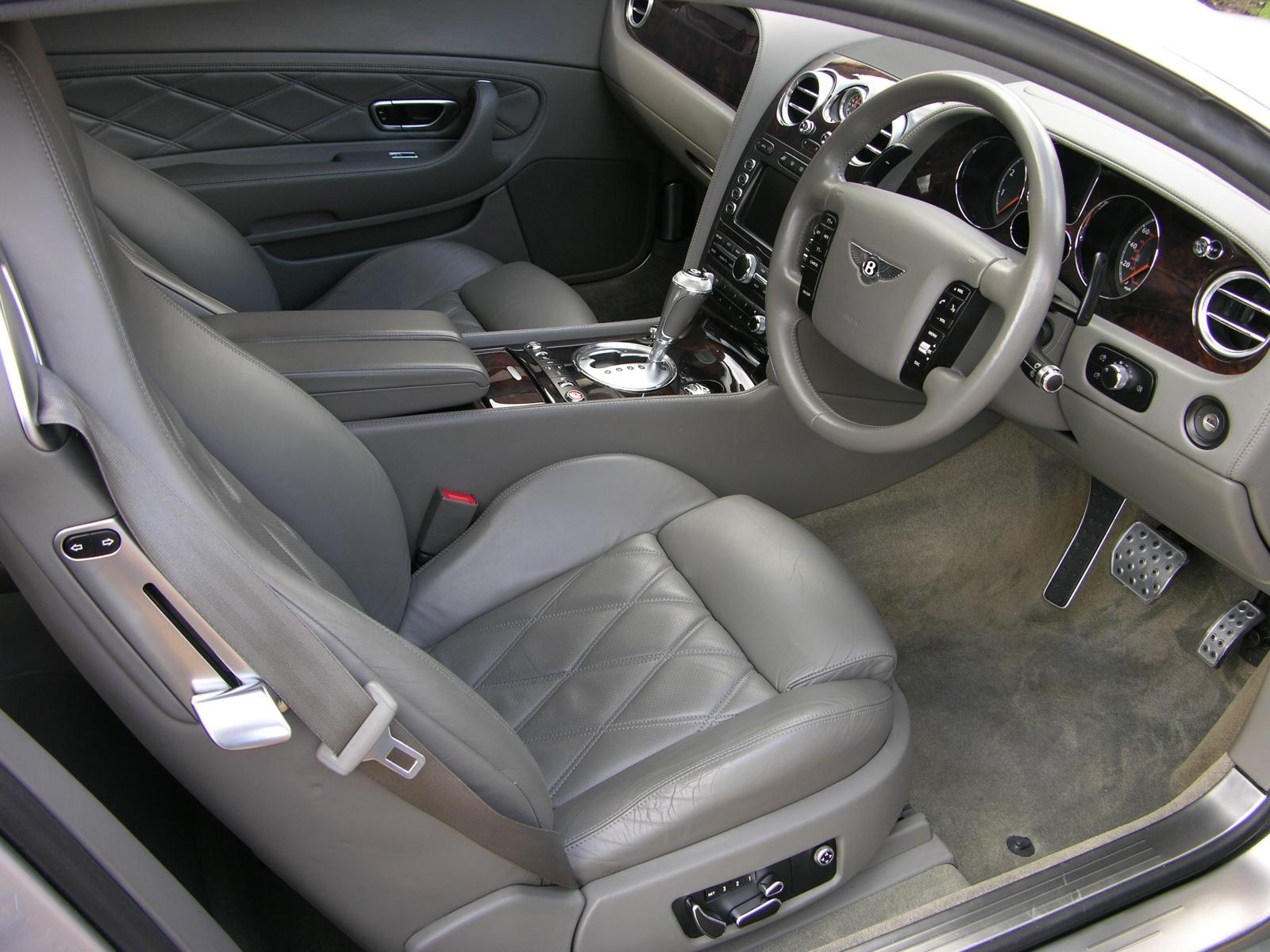
W12 vs V8: Which Engine Should You Actually Buy?
This is the question that stops most Bentley buyers. The W12 is iconic but expensive to run. The V8 is more practical but less exclusive. Here's the reality:
The W12 (6.0L twin-turbo, 608-626 hp): It's a 12-cylinder engine that produces an astonishing amount of power from a relatively compact package. The W configuration is Volkswagen's design — six cylinders arranged in a V-shape, then mirrored to create 12 cylinders. It sounds magnificent and produces thrilling performance. However, it costs 10-15% more to purchase, 15-20% more to service annually, and depreciates slightly faster than the V8 because fewer buyers want to pay for exotic maintenance.
The V8 (4.0L twin-turbo, 521 hp): It's simpler, cheaper, and more reliable. The performance difference is barely noticeable in real driving — the V8 is only 0.3 seconds slower to 60 mph. The turbocharged V8 actually sounds better in my opinion: a refined, purposeful growl rather than the W12's slightly detached roar. Maintenance is dramatically cheaper.
Our recommendation: Buy the V8 S if you plan to keep the car 3-5 years or drive it more than 5,000 miles annually. Buy the W12 if you want exclusivity, plan to keep it 8+ years, or drive it fewer than 3,000 miles annually (where the exotic maintenance is a smaller percentage of total ownership cost).
For most buyers, the V8 is the smarter choice.
Speed Variants vs. Standard Models
Bentley offers "Speed" variants in most generations — slightly more powerful, more aggressive styling, and higher pricing. In Gen 1 and Gen 2, these variants are genuinely different. In Gen 3, the Speed is more subtle.
For used buyers, the Speed command a 5-10% premium. Unless you specifically want the aggressive aesthetic and don't mind paying extra, buy the standard model and pocket the savings.
The GTC Convertible Option
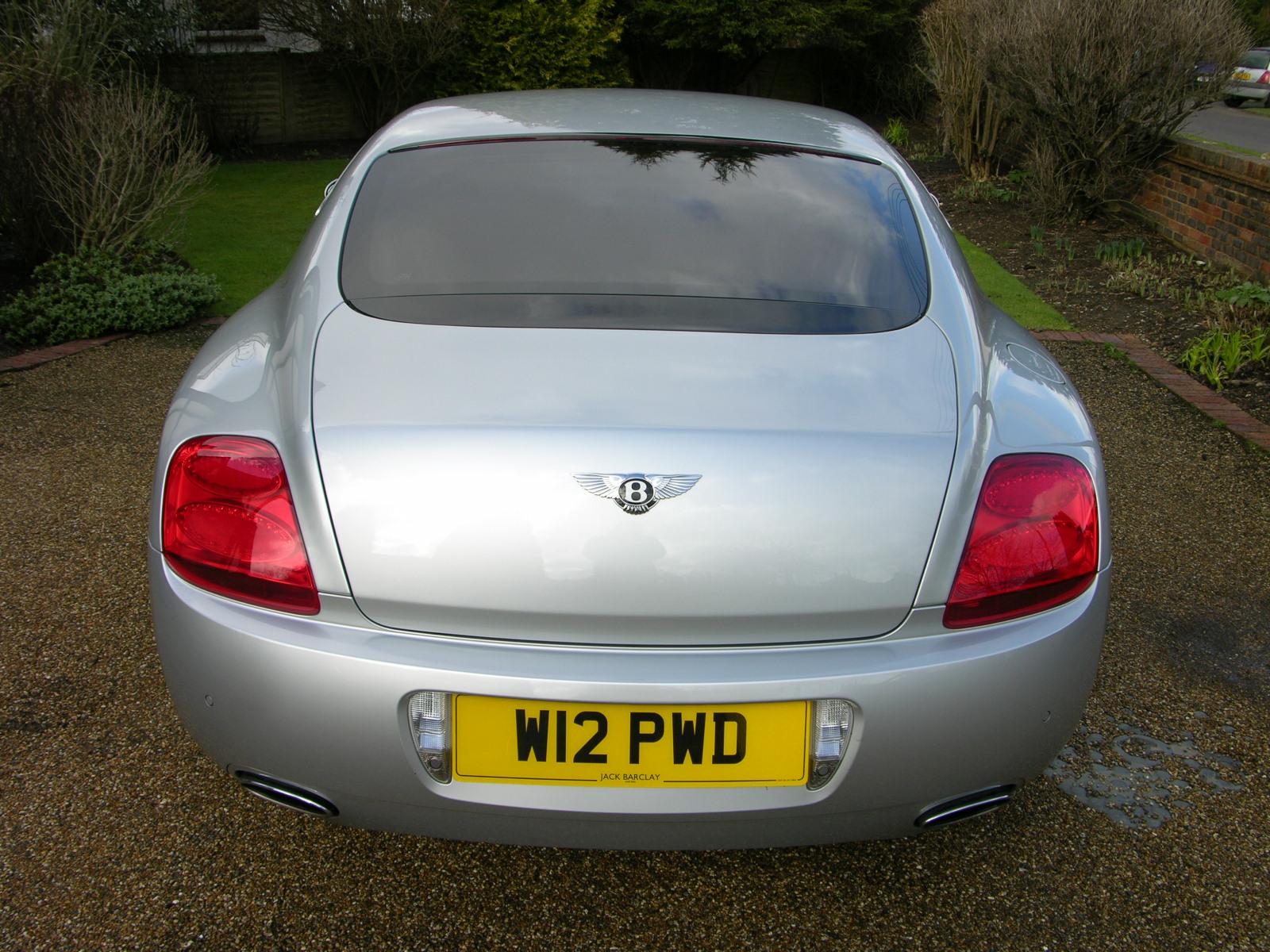
Bentley offers a convertible variant called the Continental GTC. It weighs 300+ pounds more than the coupe, handles slightly worse, and costs 5-10% more. The allure is undeniable — open-air luxury driving in a $130,000+ car.
However, for value buyers, the coupe is smarter. You get better handling, lighter weight, and lower pricing. Save the convertible purchase for when you specifically want the aesthetic experience.
Maintenance Costs Across All Generations
This is where Continental GT ownership gets expensive. Budget conservatively:
| Service Item | Gen 1 W12 | Gen 2 V8 | Gen 2 W12 | Gen 3 W12 |
|---|---|---|---|---|
| Annual Routine Maintenance | $4,500-$6,000 | $3,000-$4,000 | $3,500-$4,500 | $3,500-$5,000 |
| Oil Change (every 10K miles) | $500-$600 | $300-$400 | $400-$500 | $400-$500 |
| Tires (Michelins, every 30K) | $1,600-$2,200 | $1,400-$2,000 | $1,600-$2,200 | $1,600-$2,200 |
| Brakes (ceramic, every 80K) | $6,000-$8,000 | $5,000-$7,000 | $5,500-$7,500 | $5,500-$7,500 |
| Transmission Service (every 40K) | $1,200-$1,800 | $1,000-$1,500 | $1,000-$1,500 | $1,000-$1,500 |
| Water Pump Replacement (as needed) | $2,000-$3,000 | $1,500-$2,500 | $1,500-$2,500 | $1,500-$2,500 |
Gen 1 is the most expensive because the W12 is complex and parts availability is limited. Gen 2 V8 is the cheapest. Gen 3 is in the middle because while it's new, the W12 still requires premium maintenance. Budget $4,000-$6,000 annually no matter which generation you choose.
Best Years Summary by Use Case
Best value (overall): 2016-2018 Gen 2 V8 S, $75,000-$110,000. This is where Continental GT ownership makes financial sense. Reliable, well-engineered, dramatically cheaper to run than W12, and depreciation has bottomed.
Best for investment: 2019-2020 Gen 3 W12, $130,000-$170,000. These early model years are holding value better than any Continental GT in history. If you keep the car 5+ years, you're likely to recover 70-75% of your purchase price.
Best for purists: 2008-2010 Gen 1 Speed, $35,000-$55,000. This is for people who love the design and don't mind spending on maintenance. Expect electrical gremlins, but also expect one of the most beautiful cars ever built.
Best all-arounder (if budget allows): 2021-2022 Gen 3 W12 Speed, $150,000-$190,000. This is where the generation matured. Most issues are resolved, the platform is proven, and you're getting a genuinely world-class grand tourer.
Common Mistakes Buyers Make
Mistake 1: Buying the cheapest available example. A 2004 Continental GT for $18,000 sounds like a steal, but you're buying 20-year-old complex machinery with no warranty and likely deferred maintenance. Spend the extra money for a well-maintained example.
Mistake 2: Choosing the W12 without understanding maintenance. If you're not prepared to spend $3,500+ annually, buy the V8. This isn't an emotional choice; it's a financial one.
Mistake 3: Ignoring pre-purchase inspections. A Continental GT inspection should include suspension diagnosis, engine scope inspection, and comprehensive diagnostics. This costs $600-$1,200 and can save you $20,000 in hidden problems.
Mistake 4: Buying a car with no service history. If the seller can't produce regular maintenance records, walk away. Continental GT ownership requires proof of care.
Frequently Asked Questions
How much does Continental GT ownership cost annually?
Budget $7,000-$12,000 annually in combined insurance, maintenance, fuel, and registration. This assumes you're driving 5,000-8,000 miles per year. Higher mileage drives all costs up proportionally.
Which generation is most reliable?
Generation 2 (2012-2018) and Generation 3 (2019+) are both excellent. Gen 1 requires more patience and budget for age-related issues. If reliability is your priority, buy Gen 2 or Gen 3.
Should I buy a high-mileage cheap example or a low-mileage expensive one?
Generally, buy low-mileage. A 2016 V8 S with 60,000 miles for $85,000 is better than a 2016 V8 S with 120,000 miles for $65,000. Mileage matters less than condition on Bentleys, but expensive maintenance is easier to absorb if you're not immediately facing major service intervals.
What's the difference between standard and Speed variants?
Speed has 20-30 more horsepower, more aggressive styling, and slightly firmer suspension tuning. It's a $10,000-$15,000 premium. Unless you specifically want the aesthetic, the standard model is better value.
Can Continental GTs be daily driven?
Yes, but they shouldn't be. The ride is stiff, fuel economy is terrible (12-15 mpg), and you'll be constantly thinking about the car's value every time you drive in traffic. Use it as a weekend grand tourer, not a commuter.
Is the W12 worth the extra cost over the V8?
If you value exclusivity and don't mind spending an extra $1,500-$2,000 annually, yes. If you view the car primarily as transportation, the V8 is smarter financially.
What's the resale market like?
Continental GTs hold value better than most luxury cars. Gen 2 V8 S models are holding 70-75% of used prices. Gen 3 is retaining 75-80%. Gen 1 is more volatile depending on condition.
Should I buy an extended warranty?
If buying a 2019-2020 Gen 3 under CPO, the manufacturer warranty is sufficient. If buying a Gen 1 or Gen 2 out of warranty, a $2,000-$3,500 extended warranty covering major components is worthwhile.
The Final Recommendation
Buy a 2016-2018 Generation 2 V8 S with 30,000-50,000 miles if you want proven value and don't want to take risks. You'll spend $75,000-$110,000 for a reliable, refined, beautiful car that you can comfortably service anywhere.
Buy a 2019-2020 Generation 3 W12 if you have the budget and want the latest technology and warranty protection. The early model year reliability is proven, and resale values are holding strong.
Avoid the cheapest Gen 1 examples unless you're prepared for expensive repairs and have mechanical expertise.
Most importantly, get a pre-purchase inspection, understand the maintenance costs, and budget conservatively. Continental GT ownership is wonderful — but it's only wonderful if you're financially prepared for it.
Ready to Find Your Continental GT?
Automonitor sources premium Bentley examples from vetted sellers nationwide. We handle inspections and negotiations so you can buy with confidence.
Start Your Search →