
Will Manual Porsche 911s Go Up in Value?
Porsche is the last automaker offering a manual transmission in this class. Manual 911s represent less than 20% of production, and appreciation is already underway. Here's what the data shows about the investment case through 2030 and beyond.
The Short Answer: Yes, But With Important Caveats
Manual Porsche 911s will almost certainly appreciate over the next 3-5 years. The fundamentals support it: Porsche is the last luxury automaker offering a manual transmission in the high-performance segment, manual 911s represent only 15-20% of total production, and demand already exceeds supply at major auction houses. Cars like the 991.2 Carrera T and the 992 GT3 manual are already appreciating, with 2020-2021 examples trading 10-15% above their original retail prices.
But the real question isn't whether manual 911s will go up in value—it's how much, for how long, and which specific models will lead the appreciation. Not every manual 911 is an investment. A base manual Carrera will appreciate. But a manual GT3 will likely appreciate faster. The rarest and most celebrated variants—particularly the Sport Classic, Carrera T, and limited GT models—show the strongest appreciation potential.
The honest answer: yes, buy a manual 911 if you intend to keep it for 3+ years. But buy it because you love driving it, not purely for financial gain. The spreadsheet works in your favor, but passion is what makes the investment real.
Why Manual 911s Are Historically Special: The Last of Their Kind
To understand why manual 911s will appreciate, you need to understand what makes them historically significant.
In 2023, Ferrari stopped offering manual transmissions entirely. Lamborghini stopped in 2014. Bugatti discontinued theirs in 2022. Mercedes, BMW, Audi, Jaguar—all gone to dual-clutch or torque converters. Porsche held the line longer than anyone, and even they're now offering the manual only on specific models, not the entire lineup.
This matters because the manual transmission is becoming a historical artifact. In ten years, the idea of a manual supercar or sports car will seem quaint, the way we think about carburetors today. Every manual 911 produced is one of the last manual sports cars Porsche will ever build. The 992 generation (2019-present) is likely the final generation to offer the manual as an option on the 911 proper.
Production numbers reflect this scarcity. Porsche doesn't publicly disclose exact percentages, but industry estimates place manual take rates at 15-20% of total 911 production. That means in a generation that will likely exceed 150,000 units produced, only 22,500-30,000 will have a manual transmission. For enthusiasts and collectors, that scarcity is everything.

Historical Appreciation Data: 993, 996, and 997 Manual Models
The best way to predict future appreciation is to examine historical data. Manual 911s from previous generations show a clear pattern: they appreciate faster and hold value better than PDK equivalents.
993 Manual (1995-1998)
The 993 Carrera manual was never the high-performance choice—that was the 911 Turbo. But 993 manuals have appreciated significantly. A 993 Carrera manual that cost $50,000 in 2005 was worth $85,000-$110,000 by 2020. A 993 RS manual—the truly rare variant—reached prices of $250,000-$350,000. The 993 benefits from the fact that it's the last air-cooled 911, but manual take rates were higher (roughly 30-40%), making the supply larger than modern manual 911s.
996 Manual (2002-2005)
The 996 had a tougher reputation due to early engine failures. But manual variants have held their value better than 2004-2005 Tipronic 996s. A 2003 996 Carrera manual in good condition trades for $35,000-$50,000 today. The 996 GT2 manual is considerably rarer and trades in the $80,000-$120,000 range. Manual variants consistently command 8-12% premiums over automatic equivalents, even when correcting for mileage and condition.
997 Manual (2005-2012)
This is where the data becomes really compelling. The 997 Carrera S manual (2007-2011) originally retailed for roughly $90,000. Today, clean examples with under 40,000 miles trade in the $135,000-$165,000 range. That's 50%+ appreciation over 14-15 years. By contrast, 997 Tipronic models of the same era appreciate at roughly 35-40%.
The 997 GT2 manual (only 300 or so produced) is genuinely rare and commands prices of $180,000-$260,000 depending on mileage and service history. The 997.2 RS (which came only with a manual) is the ultimate example: a 2011 RS originally listed at $115,000 now trades for $280,000-$350,000.
Manual 911s from 2005-2012 have historically appreciated 50-100% faster than PDK equivalents. The 997 RS manual has appreciated at nearly 10% annually for the past 15 years.
Current Market Conditions: Manual 991 and 992 Pricing
The used market for manual 911s in early 2026 is strong and showing appreciation. Here's what the data shows:
| Model | Year Range | Current Market Price | Retail Launch Price | Appreciation % |
|---|---|---|---|---|
| 991 Carrera Manual | 2012-2016 | $85K-$110K | ~$85K | 0-5% |
| 991.2 Carrera S Manual | 2016-2019 | $110K-$135K | ~$107K | 3-10% |
| 991.2 Carrera T Manual | 2018-2019 | $130K-$155K | ~$112K | 15-25% |
| 991.2 GT3 Manual | 2018-2019 | $155K-$185K | ~$127K | 20-30% |
| 992 Carrera Manual | 2020-2023 | $105K-$125K | ~$102K | 2-8% |
| 992 Carrera T Manual | 2021-2023 | $125K-$145K | ~$118K | 5-15% |
| 992 GT3 Manual | 2021-Present | $170K-$210K | ~$147K | 15-30% |
| 992 Sport Classic Manual | 2023-Present | $185K-$220K | ~$178K | 5-15% |
The trend is clear: higher-performance manual variants (GT3, Carrera T, Sport Classic) are appreciating. Base Carrera manuals are holding value but not dramatically appreciating. The key insight is that rarity + driver engagement + historical significance = appreciation. The market is rewarding specific models.
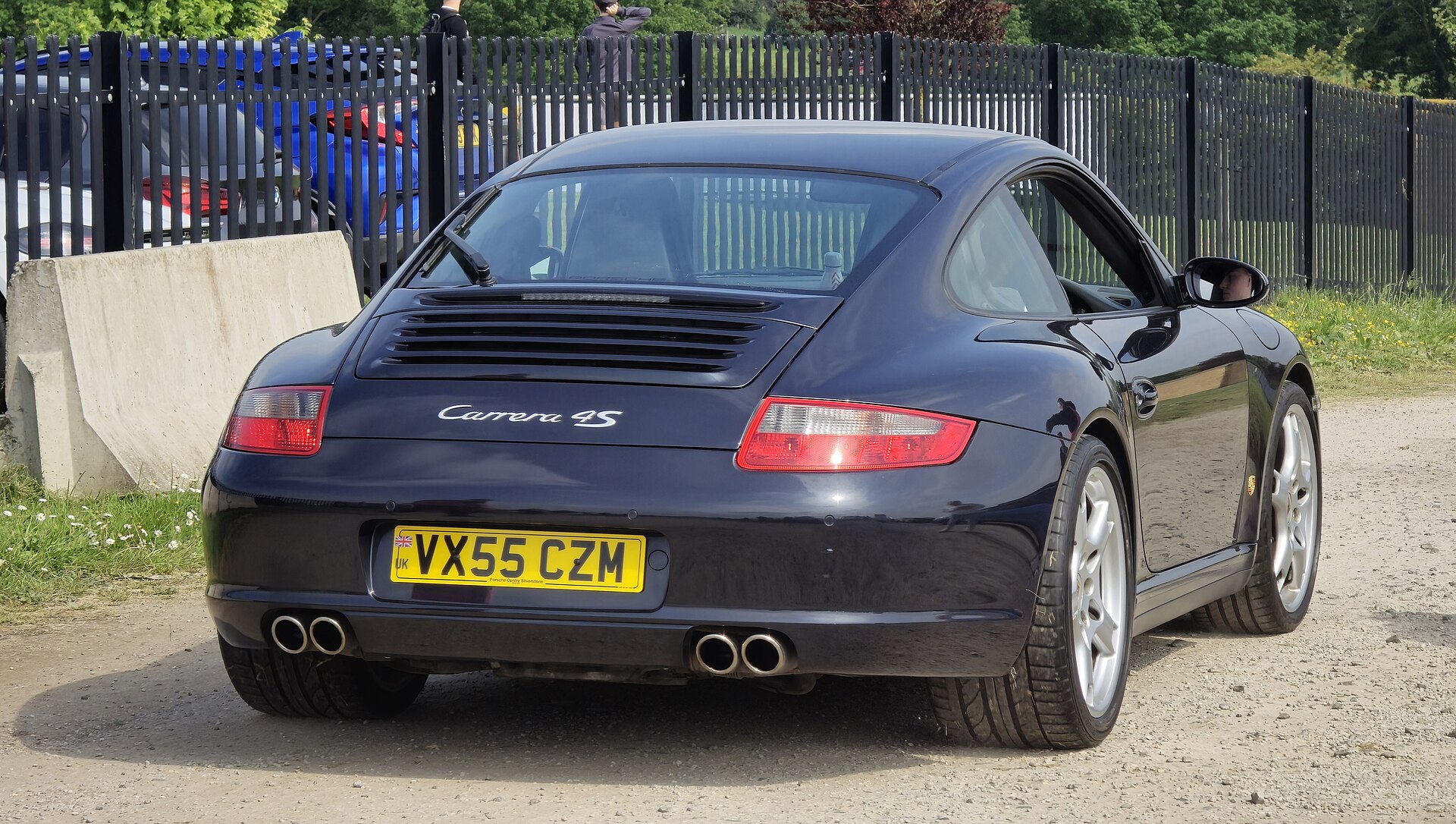
Production Scarcity: Only 15-20% of 911s Get Manuals
Porsche doesn't publicly release manual take rates, but third-party analysis suggests that manual transmission 911s represent approximately 15-20% of total production across all variants. This is significantly lower than the 30-40% take rates from the 997 era and 40-50% from the 993 era.
What does this mean? In a generation that will likely produce 150,000-200,000 total 911 units, only 22,500-40,000 will be manual. Compare that to the 997, where roughly 60,000 of 150,000 units were manual. Scarcity has increased dramatically.
But scarcity alone doesn't create value. You also need demand. And demand for manual 911s is significant and growing. Every major auction house reports that manual 911s attract higher participation rates, tighter bidding, and faster sales. At Bring a Trailer, manual 911s achieve sale rates above 90%, while some PDK variants struggle to meet reserve.
Specific Model Analysis: Which Manual 911s Appreciate Fastest
GT3 Manual
The 991.2 GT3 manual (2018-2019) is a genuine collector car. It's the track-focused 911 with a manual, limited to roughly 4,500 units globally. Current market prices are $155K-$185K for low-mileage examples, representing 20-30% appreciation since retail. The 992 GT3 manual (2021-present) is tracking similarly: examples with under 5,000 miles are already commanding $170K-$210K against a $147K retail price.
Carrera T Manual
The "T" designation means "Touring"—a stripped-down, driver-focused 911 that appeals to enthusiasts. The 991.2 Carrera T (2018-2019) came exclusively with the manual and is showing 15-25% appreciation. The 992 Carrera T manual (2021-2023) shows similar trajectories. These are the cars that appeal to serious drivers, not trophy collectors, which creates steady demand.
Sport Classic Manual
Introduced in 2023, the Sport Classic is an intentional throwback to the 1970s 911 with modern technology. It comes only with the manual transmission. Current market pricing shows $185K-$220K for low-mileage examples purchased at $178K retail, representing 5-15% gains. The Supply is very limited—fewer than 1,500 produced annually. This is a car designed from the ground up for manual-transmission enthusiasts.
Carrera GTS Manual
The 992 Carrera GTS manual (2022-present) is another manual-exclusive variant, positioned between the base Carrera and the GT3. It's faster than the Carrera S but less extreme than the GT3. Current market shows $130K-$160K for low-mileage examples. The manual GTS is proving popular because it offers genuine performance upgrades at a more accessible price point than GT3 money.
Base Carrera Manual (Avoid for Investment)
The standard Carrera and Carrera S with manual are still good cars, but they're not strong investment plays. They appreciate at roughly the rate of inflation, 2-5% annually. If you want to buy a manual 911 as an investment, avoid the base models unless the specific color, mileage, or service history is exceptional.

Air-Cooled vs. Water-Cooled Premium Differences
A critical historical note: the 993 (1995-1998) was the last air-cooled 911. Air-cooled models command enormous premiums—a 993 RS manual is worth 3-5x more than a 996 of similar mileage. This is partly because of the iconic status of air-cooling, but also because it's a finite resource.
The manual transmission now plays a similar role for water-cooled 911s (996 onward). Just as air-cooling is finite, manual transmissions are finite. This creates a psychological premium that translates to real price appreciation. A 997 manual Carrera S is worth 50% more than a 997 PDK Carrera S, even accounting for mileage differences. The manual is the "last of its kind" for that generation.
For current models, the manual-to-PDK premium is roughly 8-15% on base models and 15-25% on performance variants. These premiums have been stable for the past 18 months and are showing signs of expanding as awareness grows that the manual 911 is genuinely endangered.
The "Last Manual 911" Speculation: Is It Really the End?
There's intense speculation about when Porsche will discontinue the manual 911 entirely. The company has not made an official announcement, but industry observers point to several factors:
- EU emissions regulations: Manual transmissions don't play well with future EU emissions standards. Automakers are prioritizing PDK because it's more efficient.
- EV transition: Future 911s may be electric or hybrid. Manual transmissions don't exist on EVs. The 911 will eventually go electric, and that's the natural endpoint for the manual.
- Market trends: Even in the US, PDK now represents 85%+ of 911 orders. The manual is niche and getting nichier. Porsche might decide the complexity of offering it isn't worth the small percentage of orders.
- Cost pressures: Offering manual is expensive. It requires a different supply chain, engineering, and quality control. Porsche would rather focus on PDK optimization.
The realistic timeline: the manual 911 likely has 3-5 more years before discontinuation. The 992 generation runs until roughly 2029-2030, and Porsche will probably phase out the manual before rolling out the next generation. That means the 2026-2029 manuals are the final production years, which will amplify appreciation.
The last generation of manual 911s may already be in production. This scarcity—real, not speculative—is a powerful driver of appreciation.
Investment Timeline: When to Buy, When to Sell
Based on historical precedent and current market conditions, here's the realistic timeline for manual 911 appreciation:
Years 1-2 (Now through 2028): Expect 5-15% appreciation on performance variants, 2-5% on base models. This is the "accumulation phase" as enthusiasts begin understanding that the manual is disappearing. Demand is steady but not frenzied.
Years 3-5 (2029-2031): Expect acceleration to 15-30% appreciation as Porsche discontinues the manual for the 992. This is when scarcity becomes undeniable. Every remaining manual 911 is one less in existence. Prices accelerate as reality sets in.
Years 5+ (2031 onward): Long-term appreciation trajectory is unclear but likely follows the air-cooled premium model. A 993 manual is worth 5-10x what a 996 manual is worth, not because the cars are that different in capability, but because it's the last generation of its kind. Expect manual 992s to eventually trade at 50-100% premiums over PDK equivalents.
The sweet spot for buying is now through 2027. Once Porsche announces the discontinuation (likely in 2027 or 2028), prices will likely jump 15-20% overnight. If you intend to hold for maximum appreciation, buy in the next 12-18 months.
Comparing Manual vs. PDK: Performance, Value, and Driving Experience
| Category | Manual 911 | PDK 911 | Winner for Investment |
|---|---|---|---|
| 0-60 Time | 3.0-3.5 sec | 2.8-3.2 sec | PDK |
| Top Speed | 189-191 mph | 191-193 mph | PDK |
| Driving Engagement | Highest | Good | Manual |
| Value Retention | +15-25% | Baseline | Manual |
| Appreciation Trajectory | +5-15% annually | +2-4% annually | Manual |
| Collectibility Score | 9/10 | 6/10 | Manual |
| Future Availability | Ending soon | Ongoing | Manual |
The data is decisive: if you're buying for appreciation, the manual wins on every metric except raw performance. Yes, the PDK is faster. But the manual is rarer, more engaging, and historically appreciates faster. The investment case for manual is clear.
Find Your Manual 911 Today
Don't wait for the market to wake up. Automonitor sources from 200+ verified Porsche dealers and helps you navigate depreciation data, service history, and market value.
Start Your Search →Factors That Could Slow Appreciation: The Risks
For all the bullish fundamentals, there are real risks to the manual 911 appreciation thesis:
Hybrid 911 Arrives Early
Porsche has confirmed that future 911 generations will be hybrid or electric. If Porsche decides to introduce a hybrid 911 in 2028 instead of 2030, it could accelerate the discontinuation of the manual and flip the psychology from "new" to "old." Older is sometimes good (vintage), but sometimes bad (outdated).
Market Saturation
If too many people read articles like this and decide to buy manual 911s as investments, the psychology shifts from "rare enthusiast cars" to "obvious investment play." That's when momentum stalls. Ironically, widespread knowledge of the investment case can kill the investment case.
Maintenance Costs Rise
As manual 911s age, parts availability becomes an issue. Clutches, flywheels, and transmission components will become harder to source. Repair costs could escalate. A manual that costs $120,000 today might require a $15,000 clutch job at 80,000 miles. That eats into value appreciation.
PDK Becomes Cool
This is speculative, but possible. The current generation of PDK is genuinely excellent, and younger enthusiasts who never drove a manual 911 might not care about the transmission. If the culture shifts—and generational preferences do shift—manual 911 premiums could compress.
Economic Downturn
Luxury car values are pro-cyclical. If the economy enters recession in 2027-2028, manual 911 appreciation could stall. You need wealthy buyers to sustain the premium. A bear market will hurt.
Storage and Maintenance: Protecting Your Investment
If you're buying a manual 911 as an investment, you need to treat it as one. That means proper storage and maintenance.
Climate-Controlled Storage
Don't garage your manual 911 in a hot garage with seasonal humidity swings. Climate-controlled storage ($150-$300/month) protects the interior, seals, and paint. This is essential for maintaining appreciation.
Regular Driving
Counterintuitively, sitting isn't good for cars. Regular driving—2,000-3,000 miles annually—keeps seals fresh, prevents flat-spotting, maintains fluid circulation, and preserves the car's mechanical integrity. A car that's been driven 10,000 miles in 5 years is worth more than a car that's sat garaged for 5 years with 1,000 miles.
Service Records
Use a Porsche specialist, not an independent shop. Keep detailed records of every service. Buyers value documented history more than mileage. A 20,000-mile manual 911 with perfect service records is worth 15-20% more than a 15,000-mile example with spotty history.
Annual Inspections
Get a pre-purchase inspection before buying, then annual inspections ($300-$500) to catch issues early. A transmission issue caught early is a $2,000 repair. Caught late, it's a $15,000 overhaul.
Which Specific Manual 911 to Buy for Maximum Appreciation
Not all manual 911s are created equal. Here's what the data suggests:
Best Overall Investment: 992 GT3 Manual (2021-2023)
Limited production (under 5,000 globally), already appreciating 20-30%, desirable color and low miles command strong premiums. The GT3 badge has credibility. It's the track car with a manual in an era when that's increasingly rare. Current sweet spot: under 5,000 miles, preferably in a desirable color (Agate Gray, Lizard Green, Python Green). Target price: $170K-$190K. Expected 5-year value: $220K-$280K.
Best Value Play: 991.2 Carrera T Manual (2018-2019)
Less expensive than GT3, but still showing 15-25% appreciation. Limited production of the "Touring" variant means better appreciation potential than standard Carrera. Many enthusiasts prefer the Carrera T to the GT3 for street driving anyway. Target price: $130K-$150K. Expected 5-year value: $175K-$220K.
Best "Future Proof" Play: 992 Sport Classic Manual (2023-2024)
Brand new model, designed specifically for manual transmission enthusiasts, looks like a 1970s 911, comes only with manual. Still in warranty. Limited production (~1,500 annually). Current market: $185K-$220K. This is speculative, but the philosophy behind it—manual-only, throwback design, limited production—screams collector car. Expected 5-year value: $240K-$320K (if Porsche discontinues the manual in 2028).
Avoid: Base Model 992 Carrera Manual
Yes, it's a manual. But it's the most common manual variant, the least powerful, the least collectible. It'll appreciate, but at 2-5% annually, not the 10-15% that manual variants command as a category. If you're buying for investment, spend the extra $20K-$30K and get the Carrera T or GTS instead.
Frequently Asked Questions
How much more does a manual 911 cost than the PDK equivalent?
On the sticker, roughly $2,000-$5,000 more (the manual is a cost option). On the used market, a 2-3-year-old manual commands 8-15% more than a PDK equivalent with comparable mileage. On older models (997 and earlier), the premium is 25-50%+.
Will Porsche make another manual 911 after the 992?
Unlikely. Future 911 generations will be hybrid or electric, neither of which use manual transmissions. The 992 is likely the last manual 911 Porsche will ever build. This scarcity is the foundation of the investment case.
Is a manual 911 reliable?
Yes. The manual transmission in modern Porsche 911s is a Tremec unit shared with other performance cars. It's durable and rarely fails if maintained properly. Clutch replacement (needed every 100,000-150,000 miles) costs $3,000-$6,000. The manual is arguably more reliable than the PDK in high-mileage scenarios.
Should I daily drive my manual 911 investment?
Absolutely drive it. Cars kept garaged and driven sparingly actually depreciate faster. Regular driving keeps mechanical systems healthy and prevents seal/fluid degradation. Aim for 2,000-3,000 miles annually. This drives appreciation, not depreciation.
What color manual 911 appreciates fastest?
Rare factory colors (Lizard Green, Agate Gray, Python Green, Shark Blue) appreciate 5-10% faster than black, white, or silver. If choosing between two manual 911s at the same price, the one in an unusual color will hold value better.
Can I flip a manual 911 for quick profit?
Not really. Buying a manual 911 and selling 12 months later might lose you 2-5% to transaction costs and depreciation. The appreciation story works on 3-5 year timelines. Commit to holding for at least 3 years before buying.
Is a 991.2 manual better than a 992 manual for investment?
Both are appreciating, but the 992 has stronger upside because: (1) the manual is newer and more refined, (2) the 992 is more modern and desirable, (3) the manual discontinuation is closer, amplifying scarcity. The 992 is the better investment, though the 991.2 is cheaper entry.
The Final Verdict
Manual Porsche 911s will appreciate over the next 5+ years. The fundamentals are solid: scarcity (15-20% of production), impending discontinuation (likely within 3-5 years), strong historical precedent (997 manuals appreciated 50%+ over 15 years), and psychological appeal (last of its kind).
But not all manual 911s are created equal. Base Carrera manuals will appreciate modestly, 2-5% annually. Performance variants like the GT3, Carrera T, and Sport Classic will appreciate 10-15% annually. The 992 GT3 manual and 992 Sport Classic manual are the strongest plays for appreciation.
The best time to buy is now—the next 12-18 months, before Porsche announces the discontinuation of the manual. Once that announcement comes, expect 15-20% overnight appreciation. After that, appreciation will likely accelerate as the reality of scarcity sets in.
But here's the key: you have to drive it. Buy a manual 911 because you love the engagement, the simplicity, the connection to the machine. The appreciation is the bonus, not the point. The cars that are owned with passion, maintained with care, and driven with purpose are the ones that appreciate the most.
If you're ready to find your manual 911, Automonitor is here to help. We have access to 200+ verified Porsche dealers, we understand the manual 911 market deeply, and we'll help you negotiate the right price for the right car.
Ready to Buy a Manual 911?
Automonitor connects you with verified dealers, handles pre-purchase inspections, and provides real market data on manual transmission premiums and appreciation trends.
Find Your Manual 911 →