
What New McLaren Models Are Coming?
McLaren is undergoing the most significant transformation in its three-decade history. Under new leadership, the brand is reinventing itself with the W1 hypercar, electrification strategy, and an aggressive expansion plan. Here's everything you need to know about what's coming and why it matters for buyers.
McLaren's Transformation: A New Era Begins Under Michael Leiters
In 2023, McLaren appointed Michael Leiters as CEO, marking the beginning of a radical transformation for the British marque. Unlike his predecessors, Leiters came from Ferrari's performance division with a clear mandate: rebuild McLaren's credibility in the hypercar segment, streamline the product lineup, and establish a genuine electrification roadmap that doesn't compromise performance or heritage.
The results are visible. McLaren discontinued the aging sports series lineup and introduced the W1 hypercar — a car designed to directly challenge Ferrari's LaFerrari and Lamborghini's upcoming supercars. Simultaneously, Leiters announced that future McLarens would follow a hybrid-first strategy, with pure electrics coming only after battery technology reaches specific performance thresholds. This philosophy represents a fundamental departure from the rushed EV promises that have plagued the industry.
For buyers currently shopping in the McLaren space, this restructuring creates opportunities and risks. The outgoing 720S and 765LT lineups are now being phased out in favor of a cleaner portfolio. Understanding this transition is critical to making smart purchase decisions today — whether that means buying a final-generation 765LT before values appreciate, or waiting for the next-generation sports cars launching in 2026 and beyond.
The W1 Hypercar: McLaren's $2M+ Masterpiece
The McLaren W1 represents the flagship of McLaren's new direction. It's a full-blooded hypercar positioned at the absolute top of the brand's lineup, with pricing starting at $2 million and production limited to just 399 units worldwide.
Engine and Performance
The W1 features a revolutionary powerplant: a 4.0-liter twin-turbocharged V8 paired with an advanced hybrid system that produces approximately 1,200 horsepower and 1,070 pound-feet of torque. This positioning makes the W1 mechanically distinct from traditional hybrid sports cars. The engine operates in several modes — pure electric for low-speed running, hybrid mode for everyday driving, and full combustion performance for track work.
Performance figures justify the hype. The W1 accelerates from 0–60 mph in under 2.7 seconds and reaches a top speed of 231 mph. More importantly, it achieves these numbers while delivering approximately 40+ miles of pure electric range at low speeds — making it the most advanced hybrid hypercar ever produced.
W1 vs. P1: Spiritual Successor or Different Beast?
The W1 is often described as the spiritual successor to the legendary McLaren P1, which concluded production in 2015. While both are hybrid hypercars, they represent different philosophies. The P1 was about pushing the boundaries of what a hybrid could achieve at the time. The W1 is about doing it better, faster, and with more efficiency — while maintaining the emotional connection that made the P1 an icon.
The W1 uses a different hybrid architecture than the P1. Where the P1 used an electric motor to supplement combustion performance, the W1 uses a more integrated system where electric power can operate independently. This allows the W1 to reduce emissions in urban environments while maintaining supercar performance on demand.
W1 Production Timeline and Ordering
Delivery of the W1 began in late 2024 and will continue through 2027. The car is not available through traditional dealers — purchases are handled through McLaren's direct sales team with extensive customer vetting. The waiting list is already filled through 2025, meaning new orders placed today would likely see delivery in 2026 or 2027.
For buyers: the W1 is not for investment speculation. It's a statement of intent from McLaren that the brand takes hypercars seriously again. Values will likely hold extraordinarily well due to limited production and the car's historical significance as McLaren's return to hypercar dominance.

The 750S and Evolution: The Accessible McLaren
While the W1 occupies the stratosphere, the 750S represents McLaren's core sports car offering. Launched in 2023, the 750S replaced the aging 720S with a comprehensive redesign that improved reliability, performance, and daily usability.
What's New in the 750S
The 750S features a twin-turbocharged 4.0L V8 producing 750 horsepower (hence the name) and 590 lb-ft of torque. Performance is exceptional: 0–60 mph in 2.8 seconds, 0–100 mph in 5.8 seconds, and a top speed of 221 mph. The chassis is completely new with improved suspension compliance, updated steering responses, and enhanced carbon fiber construction that reduces weight by approximately 80 pounds compared to the 720S.
More importantly, the 750S addresses the reliability concerns that plagued earlier McLarens. The dual-clutch transmission has been refined to eliminate the jerking and low-speed hesitation issues that cost some 720S owners thousands in repairs. The electrical architecture has been redesigned to reduce the gremlin failures that frustrated owners on forums worldwide.
Special Editions and Variants Coming
McLaren is planning several 750S variants throughout its production run. We're expecting:
- 750S LT (Longtail): A lightweight, track-focused variant with enhanced aerodynamics, reduced weight, and suspension tuning for circuit work. Expected launch: mid-2026. Similar positioning to the legendary 765LT.
- 750S Spider: The convertible variant, already in development and expected to launch in 2026. It will use the same engine and provide 95% of coupe performance with open-air driving pleasure.
- 750S GT: A more luxurious grand touring variant with enhanced comfort, better sound insulation, and additional customization options. Expected 2027.
The 750S LT rumors are particularly intriguing because a track-focused variant could position McLaren directly against the next-generation Porsche 911 GT2 RS and Ferrari's F80. For buyers, the LT would likely command a 15–20% premium over the standard 750S but offer superior resale value due to collector appeal.
Artura Evolution: Refining the Hybrid Philosophy
The McLaren Artura, launched in 2021, was McLaren's first hybrid supercar — and it was... problematic. Early examples suffered from transmission software issues, thermal management problems, and battery degradation concerns. The Artura almost became a cautionary tale about rushing electrification.
Second-Generation Artura Improvements (2026)
McLaren learned from these mistakes. The second-generation Artura launching in 2026 represents a complete refinement of the hybrid platform. The engine remains a 3.0L twin-turbo V6 producing 671 horsepower combined, but the hybrid system has been completely redesigned with:
- Updated Battery Chemistry: New solid-state battery technology (in limited early examples) providing better thermal stability and eliminating the battery degradation issues that plagued first-gen Arturas.
- Refined Transmission: A completely redesigned dual-clutch unit with new software logic to eliminate jerking and provide seamless electric-to-combustion transitions.
- Improved Cooling: Enhanced thermal management systems that better regulate both the engine and battery temperature under sustained driving.
- Usability Enhancements: Better electric-only range (now ~25 miles in ideal conditions vs. 15 miles on the original Artura), improved ergonomics, and simplified infotainment.
The second-gen Artura will be more expensive (approximately 10–15% higher than current pricing) but will address virtually every complaint from the first generation. For current Artura owners, this is both good and bad — values might dip slightly as used examples become more available, but the improved reliability means the used market will stabilize.

The Sub-$200K McLaren: Electrification's Gateway
One of Leiters' strategic initiatives is developing a sub-$200,000 McLaren that expands the brand's addressable market. Currently, the 750S starts at approximately $210,000. A model positioned below that would open McLaren to buyers who want the brand but currently can't access it.
What We Know (and What's Speculation)
Official details remain scarce, but industry sources suggest McLaren is developing a lightweight, entry-level coupe that would use a turbocharged V6 (not hybrid) producing approximately 600 horsepower. Positioning would place it between a Porsche 911 Carrera and a Ferrari F8 Tributo in terms of capability and price. Expected launch: 2027–2028.
This car is critically important because it would establish McLaren as a brand for aspiring supercar buyers, not just ultrarich hypercar collectors. If executed well, it could dramatically increase brand presence and market share. If it compromises performance or craftsmanship for price, it could damage McLaren's reputation.
For prospective buyers: wait for official announcements before making assumptions. The sub-$200K McLaren could be transformative, or it could become the automotive equivalent of New Coke. Watch this space carefully.
McLaren's Electrification Approach: Hybrid Now, EV Later
Unlike Ferrari and Lamborghini, which have committed to aggressive pure-EV lineups within the next 3–5 years, McLaren is taking a measured hybrid-first approach. This reflects Leiters' philosophy: establish dominance with hybrid supercars first, then transition to pure electric only when battery technology reaches specific performance thresholds.
The Timeline
2025–2027 (Hybrid Era): All new McLarens launched during this period will be hybrid, including the W1, second-gen Artura, 750S variants, and the potential entry-level model. These cars will use McLaren's proven hybrid architecture with optimizations for efficiency and performance.
2028–2030 (Hybrid Maturation): McLaren will refine its hybrid offerings and likely introduce hybrid variants of existing models. The brand will monitor battery developments closely, waiting for technology that meets McLaren's performance standards (sub-2.0 second 0–60 acceleration, 300+ mile range, sub-3-hour charging).
2030+ (EV Transition): Once battery technology reaches the specified performance thresholds, McLaren will introduce pure-electric supercars. The brand has explicitly stated it will not produce an underpowered EV just to meet regulatory requirements — if it builds a pure EV McLaren, it will be capable of hypercar performance.
This strategy is refreshingly honest and contrasts sharply with competitors' announcements. Instead of promising an EV McLaren that doesn't exist yet, Leiters is committing to launching one only when the technology justifies it. For buyers, this means the next 3–4 years are the peak years for engine-driven McLarens — the last of their kind.
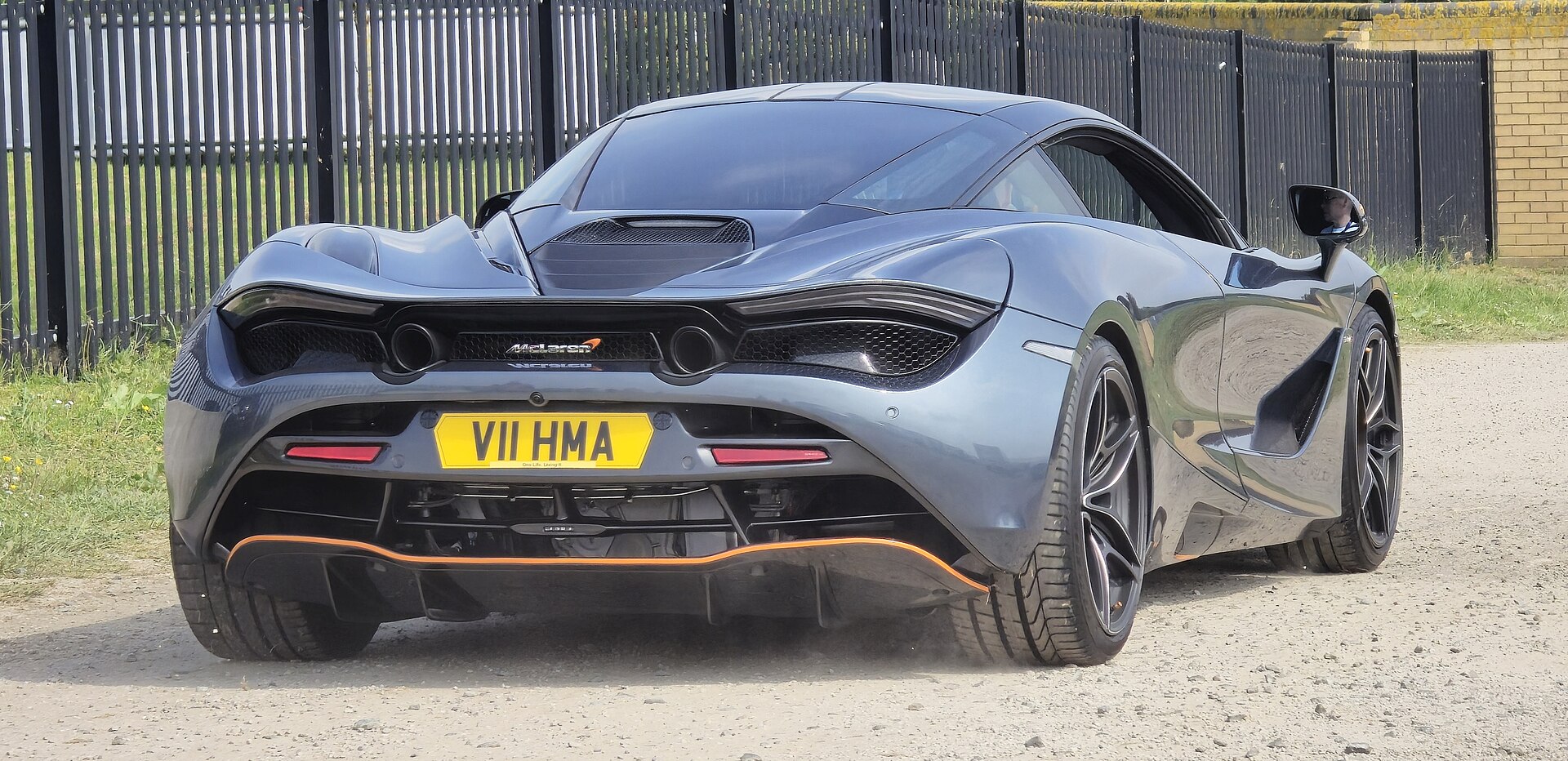
GTS and GT Updates: The Grand Touring Portfolio
McLaren's grand touring segment (GTS and GT models) has been deprioritized but not abandoned. These more "practical" McLarens (a relative term) will continue with evolutionary improvements rather than revolutionary changes.
Current GT Lineup Status
The McLaren GT and McLaren 570GT were already discontinued, with the GTS taking over the luxury-focused position. The GTS will remain in production through at least 2026 with minor updates but will not receive a comprehensive redesign. Think of the GTS as McLaren's "keep it simple" offering — it's the brand's answer to buyers who want McLaren prestige without track-focused obsession.
No major updates are planned for the GTS beyond typical model-year refinements. If you're a GTS buyer, don't expect significant new features or capabilities. However, the GTS will be an excellent used purchase as outgoing inventory clears. Final production examples (2025–2026) might hold value well due to scarcity.
Track-Focused Derivatives: The 750S LT and Beyond
McLaren's legacy includes some of the greatest track cars ever built: the F1 LT, the 570LT, the 600LT, the 765LT. The LT (Longtail) designation represents McLaren's commitment to producing naked, aggressive, performance-focused variants.
750S LT Expectations
While McLaren hasn't officially confirmed the 750S LT, multiple sources in the automotive press suggest it's in active development with a targeting launch in mid-2026. Based on the 765LT template, we can expect:
- Enhanced aerodynamics with fixed rear wing and enlarged front splitter (similar to the 765LT)
- Weight reduction through carbon fiber and titanium components (target: sub-3,000 lbs)
- Suspension tuning for circuit work with reduced ride height and increased stiffness
- Performance upgrades potentially reaching 800 hp (vs. 750 for the standard 750S)
- Pricing starting around $350,000–$380,000
- Production limited to approximately 500–800 units
For collectors and track enthusiasts, the 750S LT could be the last naturally relevant supercar from McLaren in the pre-electrification era. Unlike future hybrid models, the LT would represent pure, unadulterated performance. Values could appreciate significantly, making an early purchase a shrewd investment decision.
Reliability Improvements: How McLaren is Rebuilding Trust
McLaren's early reputation for reliability issues is infamous. The 720S, despite being a great car, developed transmission problems, electrical gremlins, and thermal management issues that frustrated owners and damaged the brand's credibility.
What's Changed
Under Leiters' leadership, McLaren has overhauled its quality control processes:
- Extended Testing Periods: New McLarens undergo significantly longer real-world testing before launch. The 750S, for example, was tested for nearly three years before production began.
- Supply Chain Optimization: McLaren renegotiated with suppliers and implemented stricter quality standards. The dual-clutch transmission, for instance, now comes from a different supplier with better quality control.
- Warranty Programs: McLaren extended warranties to 5 years/60,000 miles on new cars (up from 3 years/30,000), signaling confidence in reliability improvements.
- Software Stability: The infotainment system and vehicle electronics have been completely redesigned with more rigorous testing protocols.
The results are visible in early customer feedback. The 750S has received far fewer reliability complaints than the 720S generation at the same production stage. The transmission is dramatically improved. The electrical architecture is more stable.
For buyers of used McLarens: reliability improvements directly impact resale value. A well-maintained 720S from 2023 will likely hold value better than one from 2020, specifically because McLaren's quality reputation is improving. This makes later-generation 720S examples increasingly attractive as used purchases.
The Complete Lineup: McLaren's Future Through 2027
| Model | Launch Year | Drivetrain | Starting Price | Key Notes |
|---|---|---|---|---|
| W1 | 2024–2027 | Twin-Turbo V8 Hybrid | $2,000,000+ | Limited to 399 units; direct sales only |
| 750S | Ongoing | Twin-Turbo V8 | ~$210,000 | Core sports car; core production through 2028 |
| 750S Spider | 2026 | Twin-Turbo V8 | ~$230,000 | Convertible variant; expected Q3 2026 |
| 750S LT | 2026 | Twin-Turbo V8 | ~$350,000–$380,000 | Track-focused; rumored but not officially confirmed |
| 750S GT | 2027 | Twin-Turbo V8 | ~$220,000 | Luxury GT variant; enhanced comfort |
| Artura (Gen 2) | 2026 | Twin-Turbo V6 Hybrid | ~$315,000 | Complete refinement; improved reliability |
| Entry-Level Model | 2027–2028 | Twin-Turbo V6 | ~$180,000–$200,000 | Sub-$200K positioning; not officially confirmed |
| GTS | 2025–2026 | Twin-Turbo V8 | ~$200,000 | Minor updates; production winding down |
Impact on Used McLaren Prices: The 720S and 765LT Markets
McLaren's restructuring is creating fascinating dynamics in the used market. As the 720S and 765LT approach end-of-life, buyers should understand the value trajectory.
The 720S Market
As the direct predecessor to the 750S, the 720S will depreciate moderately as new 750S examples flood the market. However, early speculation among collectors suggests that well-maintained, low-mileage 720S examples might stabilize in value due to the model's historical significance as "McLaren's last naturally aspirated V8" (while not entirely accurate since the 750S also uses turbo V8, the 720S represents an era). Used 720S values currently range from $130,000–$180,000 depending on year and condition. Expect modest depreciation over the next 2–3 years.
The 765LT Situation
This is where things get interesting. The 765LT, the most aggressive McLaren of the last generation, has already appreciated in some cases. Final-production examples (2024–2025) are being actively sought by collectors. Early indications suggest 765LT values will hold exceptionally well — potentially gaining 10–15% over the next 3 years as the model becomes increasingly rare and desirable. The 765LT represents the last of McLaren's "pre-electrification" era supercars, which collectors find historically significant.
For buyers of used 765LTs: prices are at reasonable levels today but will likely increase. If you can find a well-maintained example, it could be a shrewder investment than buying a brand-new 750S that will depreciate 20–30% within three years.
The Smart Buying Strategy: When to Buy, What to Wait For
McLaren's transformation creates different opportunities depending on your priorities and budget.
Buy Now If You...
- Want a final-generation 765LT. These are rapidly becoming collector items. Prices are still reasonable but rising. Every month increases scarcity.
- Prefer naturally aspirated simplicity. While the 750S is turbocharged, no completely naturally aspirated McLarens are coming. If you fundamentally prefer NA engines, this is your last opportunity in the modern McLaren lineup.
- Seek immediate delivery. Want a McLaren within 6 months? The 750S and remaining 720S inventory is available now. Future models have waiting lists.
- Are a track enthusiast. The rumored 750S LT might not launch until mid-2026. If you want a track-focused McLaren now, a 765LT provides unmatched capabilities today.
Wait If You...
- Want guaranteed reliability. The second-gen Artura (2026) has addressed first-gen issues. Waiting 12 months gets you a substantially better car.
- Are undecided between convertible/coupe/GT variants. The 750S will have multiple variants (Spider in 2026, GT in 2027). Waiting gives you more choice.
- Want the 750S LT. This rumored track variant offers superior value and exclusivity compared to the standard 750S. Waiting until mid-2026 is advisable if track performance is your priority.
- Are budget-constrained. The sub-$200K McLaren (2027–2028) could open up ownership to a broader audience. If you want McLaren but can't justify $210K+, waiting might be strategic.
- Believe in electrification value. If you're confident that a future hybrid 750S (post-2028) will be genuinely better, waiting could position you for that transition.
Read our comprehensive guide on buying now vs. waiting for more specific scenarios.
How Automonitor Helps McLaren Buyers: Expert Guidance Through the Transition
McLaren's restructuring creates both opportunities and risks for buyers. The wrong decision could cost you tens of thousands in depreciation. The right decision could position you to capture value as the market evolves.
Navigate McLaren's Future With Confidence
Automonitor's experts track every McLaren launch, value trend, and market dynamic. We'll help you make the right decision for your timeline and budget — whether that's buying a 765LT today or waiting for the 750S LT in 2026.
Get Expert Guidance →Our team handles McLaren purchases regularly and understands the nuances of this transition period. We can:
- Identify value opportunities: Which used McLarens are underpriced relative to future market dynamics? Our data reveals hidden value.
- Coordinate pre-purchase inspections: McLarens require expert inspection. We connect you with specialists who know the common issues and can catch problems early.
- Negotiate from market data: We provide comps from recently sold examples so you know exactly what a fair price is.
- Facilitate secure transactions: Exotic car deals are complex. We handle logistics, documentation, and ensure you're protected throughout the process.
- Provide delivery coordination: Waiting for a new 750S or Artura? We'll manage your delivery experience and ensure your car arrives perfect.
Visit Automonitor's buying service to discuss your McLaren goals with an expert advisor. No pressure, no sales pitch — just honest guidance about what makes sense for you.
Compared to Competitors: McLaren vs. Ferrari vs. Lamborghini
| Brand | Core Sports Car | Hypercar | Electrification Timeline | Reliability Trajectory |
|---|---|---|---|---|
| McLaren | 750S (Twin-Turbo V8) | W1 (Hybrid, $2M+) | Hybrid 2025–2030, EV 2030+ | Improving rapidly |
| Ferrari | F80 (Hybrid, just launched) | N/A (F80 is hypercar) | Full hybrid lineup by 2027 | Very good |
| Lamborghini | Revuelto (Hybrid V12) | LMDh prototype (future) | Hybrid focus; EV TBD | Solid |
| Porsche | 911 Turbo (Hybrid soon) | 918 Spyder (older, hybrid) | Progressive hybrid integration | Excellent |
McLaren's strategy differentiates from competitors through patient electrification (no rushed EV promises) and focused product development. The 750S competes with Ferrari's F80 and Lamborghini's Revuelto, but offers better reliability trajectory than the older competition while maintaining performance parity. For buyers seeking modern supercars with proven platforms and improving reliability, McLaren has positioned itself in an excellent spot relative to Ferrari's aggressive experimental approach and Lamborghini's aging lineup.
Related: Understanding Exotic Car Depreciation Patterns
McLaren models depreciate differently than mainstream supercars. Understanding why helps predict future value. New production models typically lose 15–20% in the first year, stabilize around 5% annual depreciation for years 2–5, then either appreciate (if historically significant) or plateau (if commonplace). The complete guide to exotic car depreciation provides the framework for predicting how your McLaren purchase will hold value over time.
Limited production variants like the 765LT follow different curves — they typically lose only 5–10% initially, then stabilize or appreciate. The 750S LT, once launched, will likely follow a similar pattern. This is why track-focused McLarens often represent better value investments than their more common cousins.
Broader Context: What's Coming in the Exotic Car Market
McLaren's evolution is part of a larger industry transition. Ferrari is racing toward hybrid-only, Lamborghini is juggling tradition and innovation, and Porsche is methodically integrating electrification without abandoning heritage. Understand the bigger picture with our guides on exotic cars coming in 2025 and 2026. These provide comprehensive context for how McLaren fits into the evolving supercar landscape.
Frequently Asked Questions
Is the McLaren W1 worth the $2M price tag?
The W1 is not about financial value — it's about historical significance and performance. With only 399 units produced, it's positioned to become a collector's piece similar to the P1. If you can afford it and appreciate hypercar history, the W1 will hold value exceptionally well. However, if your primary concern is ROI, the W1 is speculative.
Should I buy a 765LT now or wait for the 750S LT?
The 765LT is available now. The 750S LT won't launch until mid-2026 and hasn't been officially confirmed. If you want a track-focused McLaren immediately, the 765LT is the answer. If you can wait 6–12 months and want slightly newer technology with better reliability, the 750S LT could be superior. Current 765LT prices ($300K–$350K range) are reasonable; 750S LT pricing will likely be similar or higher.
Is the Artura second generation worth the wait over the first generation?
Absolutely. First-gen Arturas developed transmission issues, battery degradation, and electrical problems that cost owners tens of thousands in repairs. The second-generation redesign addresses virtually all these issues. If you want an Artura, waiting for the 2026 model is strongly advisable.
Will McLaren make a pure electric car?
Yes, but not for several years. McLaren has stated it will only produce an EV supercar when battery technology meets specific performance thresholds. This means you won't see a pure electric McLaren until 2030 or later. In the meantime, expect hybrid models exclusively.
What makes the 750S better than the older 720S?
The 750S is comprehensively redesigned with 750 hp (vs. 710 hp), improved reliability, refined transmission, updated chassis, and better interior technology. It's genuinely superior, though the 720S remains an excellent used car at lower prices. The 750S is the one you buy new; the 720S is the smart used market play.
Should I buy a McLaren now or wait?
It depends. Buy now if you want a 765LT or final-year 720S inventory. Wait if reliability is your priority (second-gen Artura, 2026) or if you want variant options (750S Spider in 2026, 750S GT in 2027). Consult our detailed buying timeline guide for your specific situation.
What are common problems with used McLarens?
Earlier McLarens (2015–2018) can develop transmission jerking, electrical issues, and thermal management problems. The 720S is more reliable but still has occasional electrical gremlins. The 750S has dramatically reduced these issues. Read our comprehensive guide to used McLaren issues before purchasing a pre-2023 example.
How does McLaren's hybrid strategy compare to Ferrari's?
Ferrari is transitioning to full hybrid aggressively; McLaren is taking a measured approach. McLaren's strategy prioritizes proven technology over flashy promises. For buyers, this means McLaren hybrids will be more refined but introduced more slowly than Ferrari's offerings. Ferrari is more innovative; McLaren is more pragmatic.
The Bottom Line: Understanding McLaren's Future
McLaren is in the midst of its most significant transformation since the F1 era. Under Michael Leiters, the brand is realigning around three core pillars: hypercar dominance (W1), core sports car excellence (750S), and measured electrification (hybrid first, EV later). This strategy is refreshingly honest and contrasts with competitors' more aggressive (and sometimes unrealistic) promises.
For buyers, this creates a fascinating window of opportunity. The final generation of engine-driven McLarens is available now. The 765LT represents the last naturally aggressive, non-hybrid supercar the brand will produce. The 750S LT, if it arrives as rumored, could become a modern classic. Meanwhile, the new Artura addresses past mistakes and offers a glimpse of McLaren's hybrid future.
The sub-$200K model is coming but not soon. The W1 is a statement piece, not a practical investment. The GTS is winding down. And the company's commitment to reliability is genuinely improving, making McLarens safer purchases than they were three years ago.
This is a brand worth paying attention to. The decisions you make over the next 12–24 months — whether to buy a 765LT today, wait for the 750S LT, or hold out for the next-gen Artura — will directly impact your ownership experience and financial outcome. Don't leave these decisions to chance.
Get Expert Guidance on McLaren Purchases
Automonitor's team specializes in helping buyers navigate complex model transitions, value cycles, and reliability improvements. We'll help you make the right call for your timeline and budget.
Start Your McLaren Journey →Find Your Perfect McLaren
Whether you're buying a 765LT today or waiting for tomorrow's models, Automonitor connects you with verified inventory, expert guidance, and market data that ensures you make the right decision.
Explore McLaren Inventory →