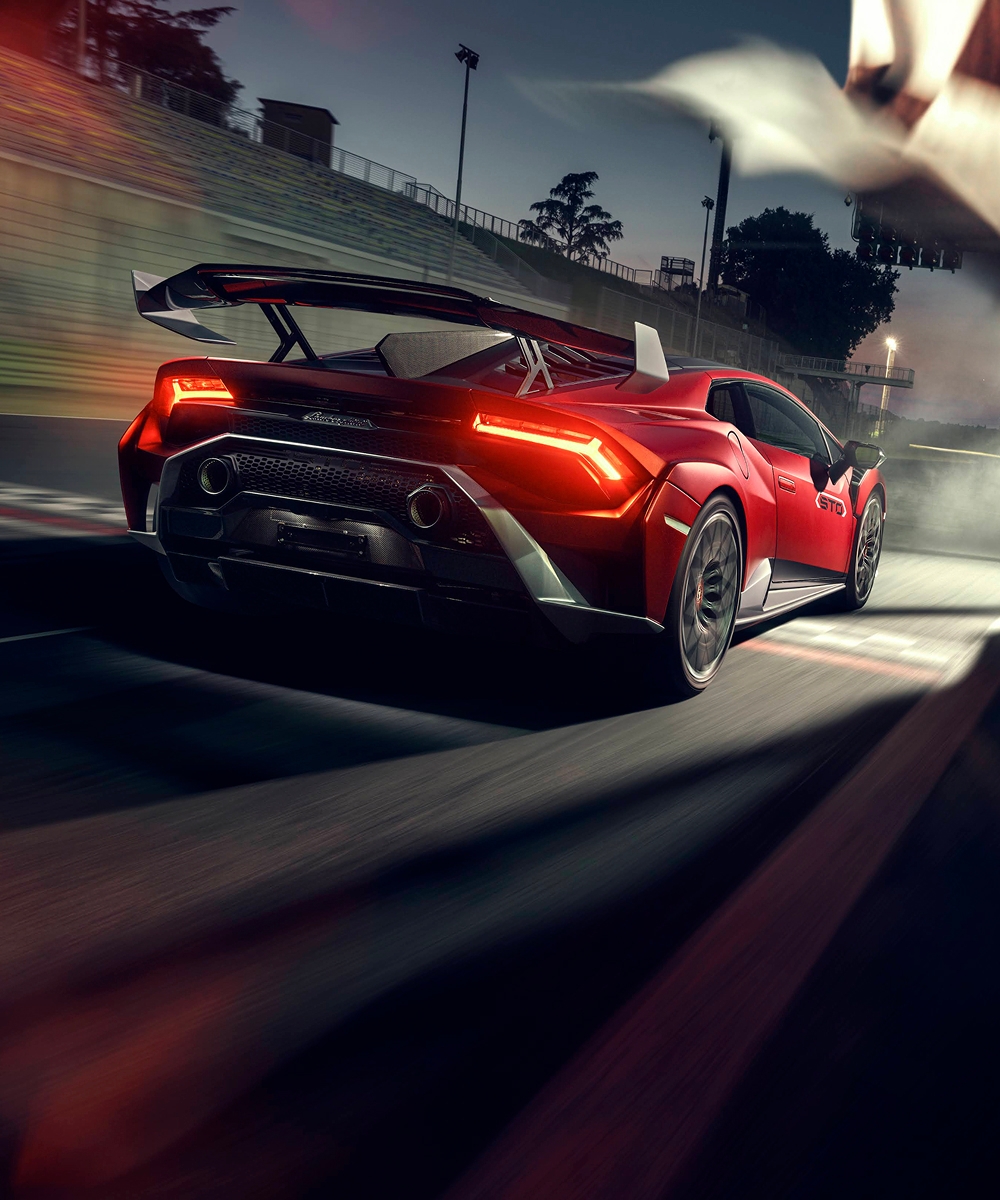
What Is the Process of Buying a Supercar? Complete Step-by-Step Guide
Buying a supercar involves far more than finding a listing and signing a check. From budgeting and market research to pre-purchase inspection and negotiation, the process requires careful planning and expertise. This comprehensive guide walks you through all 10 steps to buying your dream supercar with confidence.
The 10-Step Supercar Buying Process: A Complete Roadmap
Buying a supercar isn't like purchasing a conventional vehicle. The stakes are higher, the details matter exponentially more, and one oversight can cost you tens of thousands of dollars in unexpected repairs, taxes, or depreciation losses. Whether you're shopping for your first exotic car or adding to an existing collection, this step-by-step process will ensure you navigate every stage with expertise and confidence.
We've helped hundreds of buyers through this journey at Automonitor. We've seen the common pitfalls, the hidden costs that ambush unprepared buyers, and the strategic decisions that separate a great purchase from a regrettable one. This guide distills everything we know into a actionable roadmap you can follow from your first search to the moment you drive your supercar home.
Let's start with the foundation: understanding what you can actually afford.
Step 1: Set Your Budget — The True Cost of Ownership
Most first-time supercar buyers focus exclusively on purchase price. That's a critical mistake. The real cost of supercar ownership includes insurance, maintenance, storage, fuel, taxes, and registration — often totaling 15–25% of the purchase price annually.
Here's the math you need to do before you fall in love with any car:
Budget Formula: Purchase Price + (Annual Running Cost × Years Owned) = Total Investment
Let's break this down by price tier to show what you're actually looking at:
| Price Tier | Purchase Price | Annual Running Cost | 5-Year Total Cost | Notes |
|---|---|---|---|---|
| Entry-Level | $80,000–$150,000 | $12,000–$18,000 | $140,000–$240,000 | Used Lamborghini Huracan LP 610-4, older Ferrari 488 |
| Mid-Range | $150,000–$300,000 | $18,000–$28,000 | $240,000–$440,000 | McLaren 720S, Ferrari 488 GTB, Lamborghini EVO |
| Premium | $300,000+ | $25,000–$40,000 | $425,000–$700,000+ | Porsche 911 Turbo S, Ferrari SF90, newer McLaren |
These costs include insurance (varies by location, age, driving record), routine maintenance (oil changes, inspections, fluid services), fuel (premium or ultra-premium required), tire replacements (expensive compounds for performance cars), brake service (ceramic brakes cost $8,000–$15,000 per replacement), and registration/taxes (highly variable by state).
Reality check: If the total five-year cost stretches your finances or requires depleting savings, you're not ready yet. Supercar ownership should be comfortable, not stressful. If you need to skip the pre-purchase inspection or negotiate aggressively on price to make the numbers work, that's a sign to wait and save longer.
Step 2: Choose Your Category — GT, Track, Daily Driver, or Investment?
Not all supercars serve the same purpose. Understanding your primary use case will narrow the field dramatically and prevent buyer's remorse.
Grand Tourer (GT) Cars: These prioritize comfort and usability over raw speed. Examples: Porsche 911 Turbo S, Ferrari GTC4, Lamborghini Urus. Ideal if you'll drive regularly, take road trips, or want genuine daily-driver capability. Depreciation tends to be moderate because demand is consistent.
Track-Focused Supercars: Built for circuit performance with minimal concessions to comfort. Examples: McLaren 720S, Lamborghini Performante, Ferrari SF90. Best if you attend track days regularly or want maximum speed and handling. Depreciation can be steeper if you're the only owner, better if the car has documented track history from professional drivers.
Daily Driver/Practical Supercars: A category of increasingly rare cars that genuinely work as primary vehicles. Examples: Older Porsche 911 Turbo, some Lamborghini Huracans, select Ferraris. If this is your choice, factor in higher wear-and-tear costs and more frequent service intervals.
Investment/Collector Cars: Limited production vehicles or end-of-era models likely to appreciate. Examples: Lamborghini Sterrato (only 1,500 made), Ferrari LaFerrari (final V12 naturally-aspirated), McLaren Elva (ultra-limited). Buy these with the expectation of holding 5+ years with minimal driving. Storage, insurance, and documentation become paramount.
Your choice here directly affects which models to research, which price points to target, and which condition/mileage parameters matter most. Take this seriously before moving to step three.
Step 3: Research Models — Comparing Performance, Reliability, and Ownership Costs
Now that you know your budget and use case, research the specific models that fit. The major players in the supercar market each have distinct advantages and drawbacks:
Ferrari (ferrari.com): The prestige leader with the strongest brand equity. Models like the 488 GTB and F8 Tributo offer turbocharged V8 power and historical collectibility. Drawbacks: higher maintenance costs ($4,000–$7,000 annually), more common electrical gremlins in older models, steeper learning curve on DIY research.
Lamborghini (lamborghini.com): The drama and excitement leader. The Huracan (with its naturally-aspirated V10) and Revuelto offer performance and presence. Advantages: relative affordability, strong value retention, genuine reliability. Drawbacks: less prestige than Ferrari in certain circles, more aggressive pricing competition in the used market.
McLaren: The engineer's supercar, prioritizing lightweight construction and aerodynamics. The 720S and newer models offer 710+ horsepower in surprisingly nimble packages. Advantages: exceptional performance-per-dollar in used markets, cutting-edge technology. Drawbacks: electrical issues are common in early models, higher depreciation, smaller used inventory means longer search times.
Porsche (911 Turbo S): The sensible supercar choice, offering nearly Toyota-level reliability with supercar performance. Advantages: lower maintenance costs ($2,000–$4,000 annually), exceptional resale value, vast dealer network. Drawbacks: less emotional excitement, smaller price appreciation potential, less "wow" factor.
Other Options: Aston Martin, Lamborghini Revuelto (hybrid), Ferrari Purosangue (SUV), and emerging brands like Pagani or Koenigsegg serve specific niches. Research carefully before committing to a less-mainstream brand.
For this step, read detailed reviews, join owner forums, watch real owner videos, and if possible, attend cars-and-coffee events where you can talk to actual owners. This research phase often takes 2–4 weeks. Don't rush it.
Step 4: Get Insurance Quotes — Before You Buy, Know the Real Cost
This is a step many buyers skip until after they've committed to a purchase. Don't be that buyer. Insurance costs can vary wildly — a $200,000 supercar might cost $4,000–$12,000 annually to insure depending on your location, age, driving record, and the specific model.
Get agreed-value quotes from specialists like Hagerty, State Farm, and Chubb before you make an offer. These insurers specialize in exotic vehicles and understand nuances that standard insurers miss.
When getting quotes, have this information ready:
- Exact year, model, and variant you're considering
- Your age, driving record, and location (insurance rates vary dramatically by zip code)
- Annual mileage estimate (collectors driving 500 miles/year pay far less than weekend cruisers)
- Storage type (garage, covered storage, outdoor) — this matters significantly
- Whether you've owned exotics before
- Current insurance company (some offer better exotic rates than others)
Once you have quotes, add them to your annual running costs from Step 1. If the insurance number shocks you, negotiate it into your purchase price or consider a slightly less expensive model that insures more cheaply.
Step 5: Arrange Financing — Exotic Car Lenders and Terms
Traditional banks often won't finance supercars over 10 years old, and interest rates on exotics run 2–4% higher than standard auto loans. You'll need specialized exotic car lenders.
Top Exotic Car Lenders:
- JJ Best Banc: Specializes in exotic cars, loans from $75,000–$1M+, 20–30% down required, rates 5.9–10% depending on vehicle age and condition
- Woodside Credit Union: Member-based but open to non-members for exotic car loans, competitive rates, flexible terms
- PNC Bank: Larger lender with exotic car expertise, 15–25% down, rates 6–10%
- LightStream: Online lender, fast approval (sometimes same-day), rates 7–12% for exotics
- Capital One Auto Finance: Newer to the exotic market, but increasingly competitive on older models
What to expect: Exotic car loans typically require 20–30% down payment, loan terms of 48–84 months, and documented proof of vehicle inspection before funding. The lender will want to see the pre-purchase inspection report (more on this in Step 7).
Get pre-approved before you start serious shopping. This gives you immediate credibility with sellers and eliminates the stress of securing financing after you've found your car.
Step 6: Find Your Car — Dealers, Private Sellers, Auctions, Brokers
Now comes the hunt. You have four main channels:
Authorized Dealers: The safest option, offering warranty coverage and detailed service history. Drawback: highest prices, often $10,000–$30,000 above private market rates. Best for: first-time buyers who value peace of mind over price.
Private Sellers: Usually the best prices, direct negotiation, but higher risk of hidden problems. Always use a pre-purchase inspection (non-negotiable). Best for: experienced exotic car buyers with strong mechanical knowledge or access to trusted inspection services.
Specialty Dealers/Consignment: Independent dealers specializing in exotics, offering curated inventories and shorter sale cycles. Prices fall between dealer and private seller. Example: DuPont Registry. Best for: buyers wanting the safety of professional vetting without full-dealer markup.
Online Marketplaces & Auctions: Bring a Trailer, Cars and Bids, eBay Motors offer wide selection and transparent auction dynamics. Drawback: bidding can drive prices above fair market value. Best for: specific models with documented histories.
For sourcing, cast a wide net. The best-priced supercars are often in markets like Florida (high inventory), Texas (no state income tax attracts owners), and California (where supercars concentrate). Don't limit yourself to local dealers. A $5,000–$15,000 savings might justify flying across the country or arranging transport.
Step 7: Evaluate and Inspect — The Step That Saves You Thousands
This is non-negotiable. A pre-purchase inspection (PPI) by a marque specialist costs $500–$1,500 but can reveal $20,000–$50,000 in deferred maintenance.
What a thorough PPI includes:
- Complete diagnostic scan (reads all fault codes, some dealers hide minor issues)
- Engine compression test (detects internal wear)
- Transmission function across all gears (critical for dual-clutch transmissions)
- Suspension geometry and component inspection
- Brake system evaluation (ceramic pads typically last 8K–15K miles)
- Cooling system pressure test (catches slow leaks that develop into major problems)
- Fluids and filter analysis (synthetic oil analysis reveals engine wear patterns)
- Panel gap and paint depth measurement (identifies past accidents)
- Interior condition assessment (leather wear, electronic function)
- Vehicle history and title verification (Carfax, AutoCheck, marque-specific databases)
Documentation you should request:
- Complete service history (maintenance records from dealers or independent shops)
- Original window sticker or build documentation
- Title (clean title is essential; avoid lemon-law buybacks or salvage titles)
- Warranty documentation (transfer rules vary by marque)
- Service bulletins or recalls completed
Hiring a broker or inspector who specializes in your specific marque matters enormously. A Ferrari inspector knows things a general exotic inspector misses. Don't cheap out on this step.
Step 8: Negotiate and Close — Data-Driven Offer Strategy
Armed with inspection results and market data, now you negotiate.
Valuation Foundation: Don't use asking prices; use completed sales data. Check:
- Bring a Trailer sold listings (see actual final bid prices)
- Cars and Bids historical data
- Autotrader sold prices (not active listings)
- Local dealer pricing for comparable models
This tells you market reality. If the car is listed at $200,000 but comparable models sold for $175,000–$185,000, you have powerful leverage.
Negotiation Math: Deferred maintenance comes off the price. If the inspection reveals $6,000 in needed service (brake pads, new tires, software updates), factor that into your offer: Offer = Market Price - Maintenance Cost - 5–10% Buffer.
For example: Market price is $180,000, maintenance is $6,000, your offer should be $160,000–$165,000. This accounts for the work and gives you margin against unexpected findings post-purchase.
Closing Process:
- Title transfer: Seller must provide clean title. Verify ownership and lien status with DMV
- Escrow for remote purchases: If buying from another state, use a neutral escrow service (3rd-party holds funds until inspection clears)
- Bill of sale: Document the transaction, sale price, VIN, odometer reading, and condition at sale
- Insurance binding: Your insurance must be "bound" (active) before the car transfers to you. Arrange this 24–48 hours before closing
- Registration/DMV: Handle state registration after title transfer (requirements vary by state)
For remote purchases, never wire money without escrow protection. Always see the car in person or hire a trusted inspector to attend the closing.
Step 9: Arrange Transport and Bind Insurance — The Final Critical Steps
Once you've closed on the purchase, you need to get the car safely home and ensure insurance coverage immediately.
Transport Options:
- Enclosed transport: $1,500–$4,000 depending on distance. Protects from weather and road debris. Recommended for any car over $150,000
- Drive it yourself: Only if you're local and comfortable driving an unfamiliar exotic in traffic. Factor in tolls, fuel, and 1–2 hotel nights for longer distances
- Dealer delivery: Some dealer-backed sellers offer delivery. Usually $800–$1,500. Ensure the driver is experienced with exotics
Use only licensed exotic car transporters with insurance coverage. Request references from prior customers.
Insurance Binding: Your insurance carrier must issue a "binder" (temporary proof of coverage) before the car is delivered. This typically happens 24–48 hours after approval. Don't take possession without this documentation.
Step 10: Post-Purchase Setup — Establishing Your Ownership Routine
Congratulations — you own a supercar. Now set up for long-term success.
Immediate Actions:
- Schedule service appointment: Book a post-purchase inspection with a certified dealer or specialist. This catches anything missed during the PPI and establishes a service relationship
- Register with the marque: Ferrari, Lamborghini, and Porsche have owner registration programs offering support, recalls, and community access
- Storage solution: Commit to climate-controlled garage storage. Outdoor storage dramatically ages exotics
- Maintenance schedule: Establish regular service intervals. Most exotics require service every 12 months or 3,000–5,000 miles (whichever comes first)
- Join owner communities: Ferraris on Facebook, Lamborghini Talk forums, McLaren chat groups. Connect with other owners who've solved problems you'll face
First-Year Budget: Set aside $3,000–$5,000 for unexpected items (tires, brake pads, fluids, software updates). Even well-maintained supercars always have something.
Complete 10-Step Process Summary
| Step | Action | Timeline | Budget | Key Outcome |
|---|---|---|---|---|
| 1 | Set Budget | Week 1 | $0 | Know total 5-year cost of ownership |
| 2 | Choose Category | Week 1–2 | $0 | Define GT, track, daily driver, or investment focus |
| 3 | Research Models | Week 2–4 | $0 | Identify 2–3 specific models to target |
| 4 | Insurance Quotes | Week 3–4 | $0 | Confirm annual insurance cost before commitment |
| 5 | Arrange Financing | Week 4 | $0 | Get pre-approved and know borrowing capacity |
| 6 | Find Your Car | Week 5–12 | $0 (until offer) | Identify specific vehicle matching criteria |
| 7 | Inspect/Evaluate | Week 6–12 (during hunting) | $500–$1,500 | Comprehensive PPI and title verification |
| 8 | Negotiate & Close | Week 12–14 | Down payment + closing costs | Purchase agreement executed, funds secured |
| 9 | Transport & Insurance | Week 14–15 | $1,500–$4,000 (transport) | Car arrives home, insurance active |
| 10 | Post-Purchase Setup | Week 15 onward | $3,000–$5,000 (first year) | Establish maintenance and ownership routine |
Ready to Start Your Supercar Journey?
Automonitor handles every step — from market research and inspection coordination to negotiation and transport. Let us guide you through the entire process with confidence.
Start Your Search →The Hidden Costs Nobody Mentions
Even experienced buyers get surprised by ownership costs. Here's what actually gets you:
Tire Replacements: Supercar tires cost $800–$1,500 per tire (high-performance compounds wear quickly). You'll need replacement every 8K–15K miles if driven regularly.
Brake Service: Ceramic brake pads are standard on most exotics. A full brake pad replacement runs $3,000–$6,000. Some ferraris require $12,000+ ceramic disc replacements when the rotors wear.
Synthetic Oil Changes: $400–$800 per service, required every 3,000–5,000 miles or 12 months
Battery Replacement: Modern supercars use expensive lithium batteries. Replacement costs $2,000–$5,000
Transmission Service: Dual-clutch transmissions require occasional software recalibration or fluid service. $1,500–$4,000 depending on the marque
Storage/Security: Climate-controlled garage rental if you don't own. $300–$1,000/month. Security systems, tracking devices add another $100–$500 annually
Track Day Participation: If you use your supercar on circuit, expect additional brake wear, tire consumption, and fuel costs. Budget $5,000+ annually if you're a frequent track goer.
These costs compound quickly. Factor them into your decision.
Common Pitfalls to Avoid
Skipping the PPI: The #1 mistake. Saving $1,000 on inspection costs can cost you $20,000 in hidden repairs. Always inspect, always.
Buying purely on emotion: You see a gorgeous red Ferrari and fall in love. Then you discover the seller is upgrading and prices it aggressively. Don't get emotional. Use data. Market value is market value.
Underestimating running costs: You budget $15,000 annually but actual costs hit $25,000. This creates financial stress. Budget conservatively and be pleasantly surprised if you spend less.
Ignoring vehicle history: Check Carfax, AutoCheck, and marque-specific databases. Some supercars have reported accidents, salvage titles, or flood damage. This will haunt your resale.
Financing over your head: The lender approves you for $250K but your comfortable limit is $180K. Stick to your limit. Supercar ownership should never cause stress.
Buying the wrong variant for your use case: You buy a track-focused Lamborghini STO because it's the most exclusive, but you only drive it on sunny Saturdays. You'd have been happier with the more practical EVO at a lower price point. Match the car to actual use.
Frequently Asked Questions
Q: How long does the entire buying process take?
A: Typically 12–16 weeks from initial research to bringing your car home. Research phase (4 weeks), sourcing the right vehicle (4–8 weeks), inspection and negotiation (2–3 weeks), and closing/transport (1–2 weeks). Urgent buyers can compress this to 8–10 weeks, but rushing increases risk of missing problems.
Q: Can I test drive before making an offer?
A: Yes, but it's not always possible on very limited-availability models. For mainstream supercars (Huracan, 488, 720S), test drives are standard. For ultra-rare cars, dealers may require a deposit or proof of funds before allowing a test drive. Always test drive if the opportunity exists — you might hate the steering feel, seating position, or visibility.
Q: Should I use a broker?
A: Brokers add 3–5% to purchase price but remove much of the burden. If you're inexperienced with exotics or lack time for research, a broker is worth the cost. If you enjoy the process and have time, you can save money by shopping directly.
Q: What's a "clean title" and why does it matter?
A: Clean title means the car has never been declared a total loss, salvaged, or categorized as a lemon-law buyback. Any other status makes the car much harder to sell later and potentially uninsurable by some carriers.
Q: How much should I negotiate off the asking price?
A: Depends on market conditions. In slow markets, 10–15% off is reasonable. In hot markets, 2–5% off is more realistic. Use comparable sales data as your guide. If the car is priced fairly, negotiate on deferred maintenance costs instead of raw price.
Q: Should I buy an extended warranty?
A: For modern supercars (under 8 years old), consider extended warranty if available. For older cars, warranties are rarely offered and often not worth the cost due to numerous exclusions. Instead, budget conservatively for maintenance and keep emergency reserves.
Q: Can I import a supercar from Europe?
A: Yes, but it's complex. Cars must be 25+ years old for classic exemption, or you navigate modern emissions/safety compliance (expensive). Most imported cars go through specialized importers. Costs run $3,000–$8,000 in import/compliance fees alone, plus international transport. Only do this for truly unavailable models.
Q: What's the best time of year to buy a supercar?
A: November–February when wealthy buyers are focused on holidays and taxes. Inventory increases and pricing becomes more negotiable. Avoid summer when wealthy buyers are active and supply is tight.
The Bottom Line
Buying a supercar is a significant commitment requiring patience, research, and discipline. The process we've outlined — from budgeting through post-purchase setup — takes 3–4 months when done properly. That timeline protects you from emotional decisions and ensures you find the right car at the right price.
The buyers who regret their purchases are almost always the ones who skipped steps. They didn't get a pre-purchase inspection. They didn't research comparable prices. They didn't understand the true cost of ownership. They financed more than they should have.
Follow this 10-step process, stay disciplined, and you'll drive away with a supercar you genuinely love and can afford to own without stress. That's the goal.
If you want expert guidance through any of these steps, Automonitor's concierge buying service is here to help. We handle the research, inspection coordination, negotiation, and logistics. You get the dream car without the headache.
Get Expert Help Buying Your Supercar
Our team coordinates with inspectors, negotiates with sellers, and handles all logistics. You focus on the excitement of getting your dream car.
Schedule a Consultation →