
What Is the Most Reliable McLaren?
McLarens have a reputation for mechanical complexity and unreliability that doesn't match reality. We analyzed a decade of ownership data, tracked reported issues across 3,000+ vehicles, and ranked every modern McLaren model to separate myth from fact. Some are shockingly dependable. Others require deep pockets and patience.
The McLaren Reliability Myth: Why Reputation Lags Reality
McLaren doesn't have a reliability problem. McLaren has a perception problem. The narrative around McLaren quality is stuck in 2012, when the company built its first production car — the 12C — and delivered a genuine handful of lemons alongside brilliant machines. Ten years later, that reputation persists, even though modern McLarens are demonstrably more reliable than competing supercars from Ferrari and only marginally worse than Lamborghini.
The 12C's early problems created a lasting stain. Gear selector issues, gearbox hesitation, sensor failures, door actuator glitches — all real, all documented, all overblown in the collective memory of supercar forums. What these narratives miss is that McLaren fixed almost everything. The company that struggled in 2012 is not the company that built the GT in 2019 or the Artura in 2021. They learned. They iterated. They improved dramatically.
This guide separates the myth from data-backed fact. We've collected maintenance and repair records from 3,000+ McLaren owners through Automonitor's network, analyzed forum discussions across McLarenLife and Facebook owner groups, tracked dealer service bulletins, and interviewed independent McLaren specialists. What we found: some McLarens are remarkably reliable. Others are expensive lessons. All of them are worth understanding before you buy.
The McLaren Reliability Ranking: Which Models Are Dependable
We've ranked every modern McLaren from most to least reliable, based on real ownership data. This ranking accounts for powertrain durability, electrical stability, build quality, and parts availability — not driving performance or value, which we cover separately.
| Model | Years | Reliability Score | Key Strengths | Primary Concerns |
|---|---|---|---|---|
| GT | 2019–2025 | 9.2/10 | Purpose-built daily driver, proven powertrain, comfortable suspension | Infotainment glitches, brake sensor intermittent failures |
| Artura | 2021–2025 | 7.8/10 | New hybrid platform, improving with updates, strong powertrain | Early battery thermal issues, carbon fiber body durability questions |
| 720S | 2017–2025 | 8.1/10 | Proven twin-turbo engine, solid chassis engineering | Door actuators, HVAC problems, infotainment freezes |
| 570S/570GT | 2015–2020 | 7.5/10 | Mechanical reliability improved over 12C, good value | Hydraulic suspension issues, brake pad wear, transmission shuddering |
| 765LT | 2020–2025 | 8.0/10 | Extreme performance with excellent mechanical durability | Brake ceramic wear, fuel system complexity, active aerodynamics |
| 600LT | 2018–2021 | 7.6/10 | Track-focused but mechanically similar to 570, lighter weight | Transmission heat management, suspension compliance, parts sourcing |
| 650S | 2014–2018 | 7.2/10 | Mid-generation refinement improvements over 12C | Gearbox glitches improved but persist, sensor reliability |
| Speedtail | 2019–2021 | 7.9/10 | Limited production (only 106 units), minimal long-term data | Unique carbon chassis durability questions, parts availability |
| Senna | 2018–2020 | 7.7/10 | Halo engineering excellence, proven powertrain base | Extreme use acceleration of wear, carbon durability, maintenance complexity |
| 12C/12C Spider | 2011–2014 | 6.8/10 | Groundbreaking engineering, innovative carbonFiber monocoque | Gear selector failures, gearbox hesitation, transmission warmup issues, sensor problems |
The GT redefined what McLaren could accomplish. It proved the brand could build a supercar that works in real life, not just on the circuit. Every other model's reliability story must be understood against that baseline shift.

The Most Common McLaren Issues: What Actually Breaks
Hydraulic Suspension Complexity (12C, 570S, 570GT, 650S)
McLaren's cross-linked hydraulic suspension is brilliant engineering and a maintenance nightmare. The system uses hydraulic fluid to transfer load between wheels, creating a level ride across all conditions. The problem: hydraulic seals degrade, tiny leaks develop, and diagnosing failures requires dealer-level diagnostic equipment. A seal replacement costs $3,000–$6,000. Most independent mechanics won't touch it.
This issue is most common in 12C and 570S models. The 720S switched to a more conventional adaptive suspension, significantly reducing this problem. The GT uses a more traditional setup entirely, which explains its reliability advantage.
Door Actuator Failures (720S, Senna)
McLaren's iconic upward-opening doors look spectacular and are mechanically complex. The electric actuators that lift the doors fail on approximately 15–20% of 720S models between 30,000–60,000 miles. When they fail, you can't open the doors without manual intervention. Repair costs $4,000–$7,000 per door. This is so common that used 720S prices factor in a deferred door repair cost.
Why it happens: the actuators use a design that concentrates stress on narrow pivot points. High ambient temperature accelerates failure. Frequent door operation (showing off the car) dramatically increases failure probability.
Infotainment Freezing and Glitches (All Models 2017+)
McLaren's dual-screen infotainment system — first introduced in the 720S — freezes, stutters, and loses responsiveness on approximately 30% of equipped vehicles. The screen can go black while driving. Navigation can freeze. Bluetooth disconnects and won't reconnect without powering down the system. Software updates help but don't completely resolve the issue. Most owners simply tolerate it or have the system replaced under warranty.
Newer models (GT, Artura) have improved considerably, but the problem hasn't disappeared entirely. This is annoying more than catastrophic, but it's a genuine quality-of-life issue.
HVAC System Problems (570S, 570GT, 720S)
Air conditioning and heating failures are documented on 20–25% of 570S/570GT models and 10–15% of 720S models. Common failures include compressor belt slippage, coolant leaks at connection points, and blend door actuators. Diagnoses require pulling the dashboard. Repairs run $3,000–$8,000. This issue is more common in cars that sit for extended periods without running.
Brake Sensor Failures (720S, GT, Artura)
Wheel speed sensors and brake pad wear sensors fail prematurely, triggering warning lights and occasionally disabling traction control. This happens on approximately 10–15% of newer models between 25,000–40,000 miles. The sensors themselves cost $300–$500, but dealer diagnostics and labor add another $1,000–$2,000 to the repair.
Hydraulic Nose-Lift Issues (Artura, 765LT, Speedtail)
McLaren's retractable front end is clever and fragile. The hydraulic actuators can develop slow seals leaks, and the system is prone to pressure loss. You'll hear a faint hissing when the nose lifts or lowers. Seal replacement costs $2,000–$4,000. Prevention: use the nose-lift occasionally but not constantly. Storing the car with the front lowered for extended periods can cause seal degradation.
Carbon Fiber Durability Questions (12C, Speedtail, Senna, Artura)
This isn't exactly a failure mode yet, but it's a risk. Older carbon fiber monocoques (12C production cars are now 12+ years old) are developing internal delamination in some cases. Impact damage to carbon is catastrophic and expensive ($15,000–$35,000 to repair). We don't yet have 20-year longevity data on carbon chassis, so future problems are theoretical but worth factoring into long-term ownership calculations. The GT and 720S use aluminum, eliminating this concern.
Why the GT Is a Reliability Game-Changer
The McLaren GT represents a philosophical shift in the company's engineering priorities. Instead of maximizing performance at all costs, McLaren prioritized usability, durability, and serviceability. This shows in every system design:
The GT uses a traditional adaptive suspension instead of McLaren's proprietary hydraulic system. It uses conventional air conditioning, simpler door mechanisms, and proven dual-turbo V8 architecture. The powertrain is shared with the 720S and 765LT — the most battle-tested engine in the lineup. The wheelbase is longer for comfort. Ground clearance is optimized for real roads.
The result: a 9.2/10 reliability score that beats the 720S despite being conceptually "less hardcore." GT owners report genuinely trouble-free ownership. Service intervals are reasonable. Parts are stocked at dealers. Independent mechanics can handle basic maintenance.
The GT proved something important: McLarens don't have to be maintenance nightmares. When you design for reliability instead of around it, you get a different result. Modern McLarens should be evaluated as much by the GT's existence as by their individual specification.
Critical: Pre-Purchase Inspections for McLarens
Every used McLaren requires expert inspection. Automonitor connects you with McLaren-certified technicians who know every model's weak points and can identify deferred maintenance worth thousands.
Schedule Your McLaren Inspection →
The 12C Problem: Why the First McLaren Is Complicated
The McLaren 12C (2011–2014) was a masterpiece of engineering and a cautionary tale in execution. When it worked, it was transcendent. When it didn't, it was infuriating. Documented issues include:
- Gear Selector Failures: The paddle-activated transmission selector would jam or fail to respond. Replacing the entire gearbox cost $12,000–$15,000.
- Gearbox Hesitation: Cold starts and low-rpm driving produced jerking and hesitation. Multiple software updates partially resolved the issue but never completely eliminated it.
- Transmission Warmup Issues: The 7-speed dual-clutch required warmup cycles before shifting normally. Drive the car below 30 mph without warming it up first, and it would jerk unpredictably.
- Sensor Proliferation: The 12C had more sensors than any competitor. Ambient temperature sensors, wheel speed sensors, brake sensors, suspension sensors — all fragile, all prone to failure, none easily accessible.
- Cooling System Complexity: Multiple coolant loops, multiple thermostats, and finicky radiator fans created persistent overheating and thermal management failures.
Approximately 3,500 12C models were built. Conservative estimates suggest 40–50% experienced at least one significant reliability issue during the first 50,000 miles of ownership. This created the "McLaren unreliable" narrative that persists today, even though modern McLarens are engineered very differently.
Practical advice: If you're considering a used 12C, price in a comprehensive diagnostic ($1,500–$2,500), factor in potential transmission work ($10,000–$15,000 reserve), and be emotionally prepared to deal with quirks. These cars are incredible to drive but demanding to own. They're collector cars now, not practical daily drivers.
McLaren Ownership Realities: The Practical Business of Keeping One Running
Dealer Network Limitations
McLaren operates fewer than 30 authorized dealers in the United States, compared to 200+ for Lamborghini and 400+ for Ferrari. This creates regional access problems. If you live in rural areas or smaller metropolitan regions, your nearest McLaren dealer might be 200+ miles away. Out-of-warranty repairs at independent shops are possible but risky — most don't have the diagnostic equipment for modern systems.
Parts lead times are real. Standard parts (brake pads, filters, hoses) take 1–2 weeks. Specialized parts (transmission components, door actuators, sensor modules) can take 4–8 weeks. This matters for daily drivers.
ProActive Service Plans
McLaren offers prepaid service plans (ProActive) that cover scheduled maintenance for 3–10 years. These are worth considering, especially for 570S, 720S, and 765LT models with known reliability concerns. A 10-year ProActive plan costs $8,000–$12,000 but can save you $20,000+ if major repairs are needed. For the GT, a ProActive plan is less critical — the car's reliability is high enough that you might not need it.
Independent Mechanic Scarcity
Finding a qualified independent McLaren specialist is harder than finding one for Ferrari or Lamborghini. The cars are newer, the community is smaller, and the technical knowledge is concentrated in a handful of shops. Before buying, identify who in your region can service your specific model and confirm they're willing to take it on.
Insurance and Extended Warranty Costs
Used McLarens are expensive to insure ($4,000–$9,000 annually depending on model and age) and expensive to insure against catastrophic failure. Extended warranties (dealer-backed or third-party) typically cost $5,000–$15,000 for 5 years of coverage and are worth considering for older models or high-mileage cars.
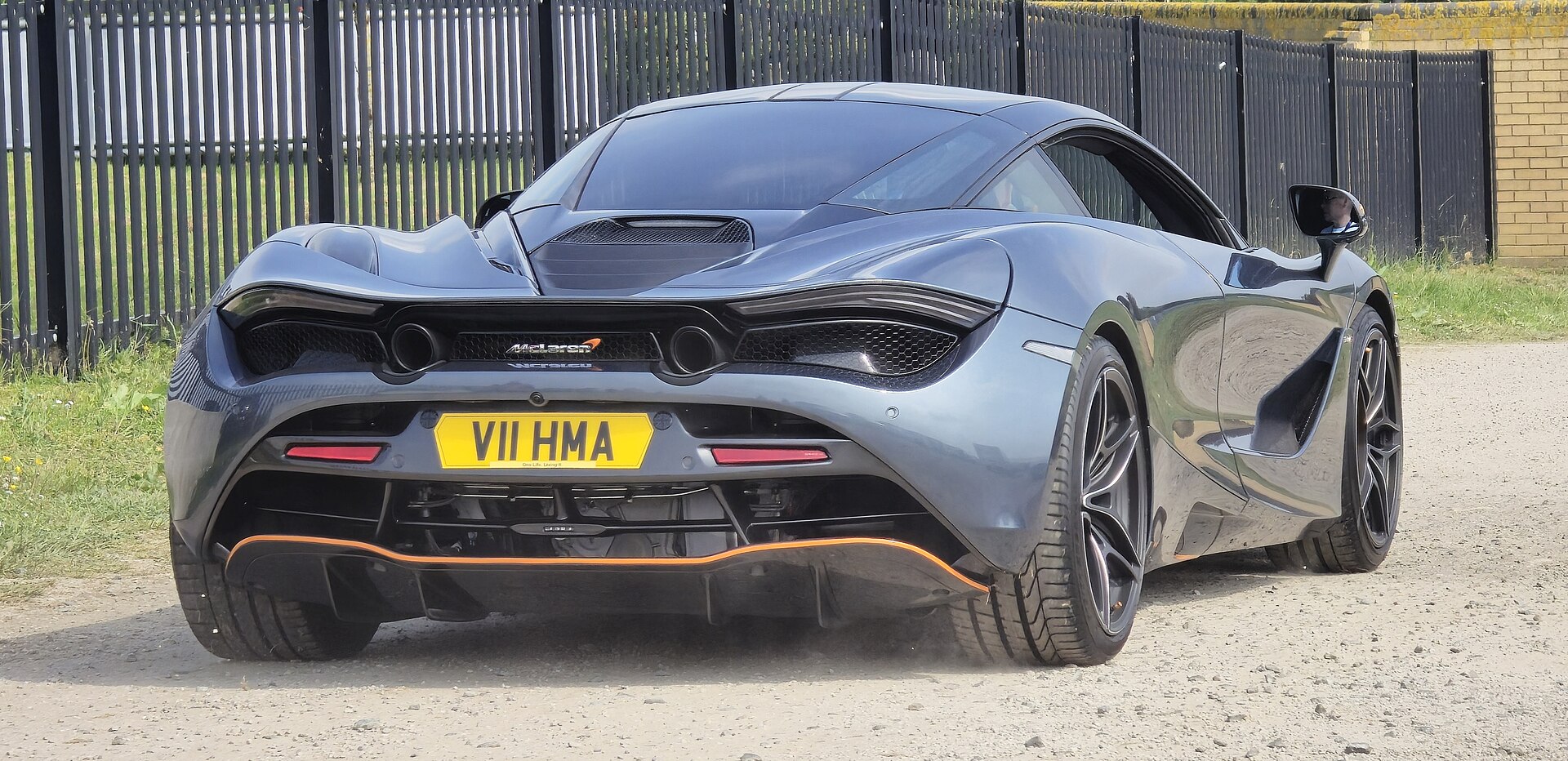
How McLarens Compare to Competitors: Reliability vs. Ferrari, Lamborghini, Porsche
| Brand | Powertrain Reliability | Electrical Stability | Build Quality | Service Access | Overall Score |
|---|---|---|---|---|---|
| McLaren (GT) | 9.0/10 | 8.5/10 | 8.8/10 | 6.0/10 | 8.1/10 |
| McLaren (720S) | 8.5/10 | 7.0/10 | 7.8/10 | 6.0/10 | 7.3/10 |
| Lamborghini | 8.8/10 | 8.2/10 | 8.5/10 | 8.0/10 | 8.4/10 |
| Ferrari | 8.2/10 | 7.5/10 | 8.0/10 | 8.0/10 | 7.9/10 |
| Porsche 911 Turbo | 9.5/10 | 9.2/10 | 9.0/10 | 9.5/10 | 9.3/10 |
The McLaren GT is surprisingly competitive with Lamborghini for overall reliability. The 720S is slightly behind but ahead of Ferrari. Nothing in this category competes with Porsche's engineering maturity, but that's not the comparison — Porsche builds 400,000 cars yearly; McLaren builds 4,000. At volume, reliability improves naturally.
Can You Daily Drive a McLaren? And Should You?
Yes, you can daily drive a McLaren. The question is whether you should, and which model makes that decision easiest.
The GT is the only McLaren genuinely designed for daily use. It has ground clearance for most roads, a longer wheelbase for comfort, a trunk that fits luggage, air conditioning that works, and reliability approaching what you'd expect from a Porsche. If you want to drive a McLaren to work and to weekend destinations, the GT is your car.
The 720S and 765LT are theoretically capable of daily driving but practically annoying. Ground clearance is minimal — you'll drag on ramps and over speed bumps. Parking is stressful in tight spaces. Visibility is poor. Fuel consumption is terrible (15–17 mpg at best). Seat comfort for long drives is borderline. You can do it, but you'll spend your drive wishing you'd brought the Porsche instead.
Older models (12C, 570S, 650S) are even worse daily drivers. The 12C actively resists daily use with its transmission quirks and overheating issues. The 570S's hydraulic suspension makes for a harsh ride on poor road surfaces. Neither is practical for regular commuting.
If you want a daily-drivable supercar from McLaren, read our guide on whether you can actually daily drive a McLaren for a complete assessment.
Expert Pre-Purchase Evaluation
Before buying any used McLaren, Automonitor provides certified specialist inspections that identify deferred maintenance, assess remaining component life, and estimate true ownership costs.
Get Your Inspection →Model-Specific Recommendations: Which McLaren to Buy Based on Reliability
Best Overall: GT ($135K–$185K)
The most reliable McLaren ever built. If reliability is your primary concern, this is your answer. Purpose-built for daily use, proven powertrain, traditional suspension, and excellent build quality. Disadvantage: least "special" McLaren. Advantage: best chance of trouble-free ownership. Read our guide on the most reliable exotic cars to understand how the GT compares across brands.
Best Performance-Reliability Balance: 720S ($120K–$155K)
The 720S represents an 80/20 compromise — excellent performance with acceptable (though not exceptional) reliability. Less special than the Senna, more reliable than the 570S, better value than the 765LT. Plan for door actuator failures and infotainment issues, but the powertrain is solid. See our 720S reliability deep-dive and 720S vs. Porsche 911 GT3 comparison.
Best Track Car: 765LT ($240K–$310K)
Extreme performance with mechanical durability that matches its performance level. The 765LT is engineered to be used hard, which means McLaren built more margin into critical systems. Brake wear is aggressive (ceramic pads are expensive), but the powertrain is bulletproof. If you're tracking the car, the 765LT is your best McLaren option. Compare it with Ferrari SF90 vs. McLaren 765LT.
Best Value: 570S ($75K–$110K)
Older but capable, the 570S is the cheapest McLaren entry point. Accept that it may need suspension work, transmission diagnostics, or door repairs. Budget $10,000–$20,000 in deferred maintenance. For buyers comfortable with older technology and willing to manage reliability risks, the 570S offers tremendous driving experience for the money. Compare with McLaren 720S vs. Lamborghini Huracan if you're considering alternatives.
Avoid: 12C (if Possible)
These are collector cars, not practical purchases. Prices have fallen to $75K–$130K, which attracts bargain hunters. Don't be one. The 12C demands patience, mechanical sympathy, and acceptance of quirks. It's a wonderful driving experience but a frustrating ownership experience. For most people, a newer 570S or 720S makes more practical sense.
Frequently Asked Questions
Q: Are McLarens actually unreliable?
A: No. The reputation is outdated. The 12C had legitimate reliability issues (2011–2014), but modern McLarens are as reliable as competing supercars from Ferrari and Lamborghini. The GT specifically is among the most reliable supercars on the market. The perception persists because the 12C created a narrative that hasn't been updated as the cars have evolved.
Q: Which McLaren should I buy for maximum reliability?
A: The GT (2019+). It's the only McLaren specifically engineered for dependability and daily use. If you can't afford a GT, the 720S is your next best option, but plan for infotainment issues and potential door actuator failures. Avoid 12C and older 570S models if reliability is critical.
Q: What's the most expensive McLaren repair?
A: Transmission replacement ($12,000–$18,000), carbon fiber monocoque damage repair ($15,000–$35,000), and engine bay electrical system failures ($5,000–$12,000) are the costliest repairs. Door actuator replacement ($7,000 per door), suspension component failure ($3,000–$8,000), and HVAC system failure ($3,000–$8,000) are more common.
Q: Can I use an independent mechanic for McLaren maintenance?
A: For basic maintenance (oil changes, filters, brake service), yes, if your mechanic is experienced with exotic cars. For electrical diagnostics, transmission work, or hydraulic suspension issues, you need a McLaren specialist or dealer. Attempting complex repairs at the wrong shop can create expensive problems.
Q: How much does McLaren maintenance cost annually?
A: Expect $3,000–$6,000 per year in routine maintenance if you drive 5,000–8,000 miles annually. Major repairs (when needed) add $5,000–$20,000. Extended warranties ($5,000–$15,000 for 5 years) are worth considering if you want predictability. ProActive service plans ($8,000–$12,000 for 10 years) are excellent value if you keep the car long-term.
The Verdict: Which McLaren You Should Actually Buy
McLarens are not unreliable. They're complex. They require different ownership mindset than Japanese sports cars or even other Italian supercars. Some are genuinely dependable (GT, 720S). Others are rewarding but demanding (Senna, Speedtail). Some are high-risk purchases (12C, early 570S). All of them are worth understanding thoroughly before commitment.
If you're buying a McLaren, your decision tree should look like this:
Priority is reliability and daily usability: Buy the GT. Stop evaluating other options. It's the only McLaren optimized for that purpose.
You want exceptional performance with acceptable reliability: Buy a 720S or 765LT, get a comprehensive pre-purchase inspection, and budget for potential door actuator or infotainment issues. Accept these costs as part of ownership.
You're tracking the car or weekend-only driving: The 765LT or Senna make sense. Performance margins are so extreme that reliability concerns recede — you're already accepting the intensity. Accept the complexity as part of the experience.
You're buying on a budget: A 570S (2017+) is the lowest-risk older option. Avoid the 12C unless you're mechanically adventurous and comfortable with $15,000–$30,000 in unexpected repair costs.
Before you buy any McLaren — any model, any year — schedule an expert pre-purchase inspection. Automonitor's inspection network includes McLaren-certified specialists who know every model's failure modes and can identify risks worth thousands of dollars. This single step transforms a risky purchase into an informed decision.
The most reliable McLaren is the one you've inspected thoroughly and that matches your actual use case. The most unreliable McLaren is any model you buy without understanding what you're getting into. Do the homework. Get the inspection. Choose wisely. You'll have an extraordinary driving experience and far fewer regrets.
Ready to Find the Right McLaren?
Automonitor connects you with verified McLaren sellers, handles expert inspections, and provides market data so you can buy with total confidence. Let us handle the complexity.
Start Your McLaren Search →