
What Is the Best Year to Buy a Rolls Royce Spectre? The New EV Benchmark
Early buyer's guide to the Rolls Royce Spectre — navigating the first model years of the world's most luxurious electric vehicle, with pricing, features, and early reliability insights.
The Short Answer: The Year Matters Less Than You Think
The Rolls Royce Spectre is so new that only two model years exist in the market: 2024 and 2025. Unlike classic Rolls Royce lineup decisions—where you're comparing decades of design evolution—the Spectre offers marginal differences between these first years. The truth is simpler: buy the 2025 if you're purchasing new, or seek a well-specified used 2024 if you want immediate value.
What actually matters for the Spectre isn't the year badge—it's understanding the first-generation EV dynamics, the battery longevity based on BMW's proven electric architecture, and the real-world implications of owning a brand-new electric flagship when the technology landscape is still shifting. This guide covers everything you need to know before choosing between these two critical first years.
Why the Spectre Is Historic: Rolls Royce Goes Electric
The Rolls Royce Spectre represents a monumental shift for a brand steeped in internal combustion tradition. Introduced in 2024, it's Rolls Royce's first all-electric vehicle and marks the company's definitive pivot toward electrification. Unlike traditional Rolls Royce models that emphasize power and presence through engine displacement, the Spectre pursues the brand's core mission—uncompromising luxury—through whisper-quiet electric propulsion.
Beneath the Spectre's bespoke aluminum chassis lies the BMW iX and i7 electric platform, a proven architecture that has racked thousands of miles across Europe and North America. This isn't Rolls Royce's first electric experiment. This is a thoroughly engineered application of mature EV technology applied to ultra-premium standards. That distinction matters significantly when evaluating first-year reliability.
The market positioning is crucial: the Spectre sits alongside the Ghost and Cullinan in Rolls Royce's modern lineup, but it's a completely new category. There is no predecessor to reference, no established used-market data, no proven long-term reliability track record beyond what BMW's electric platforms have demonstrated. You're not evaluating 10 years of production refinement—you're evaluating launch-year engineering applied to the most expensive automotive segment on the planet.
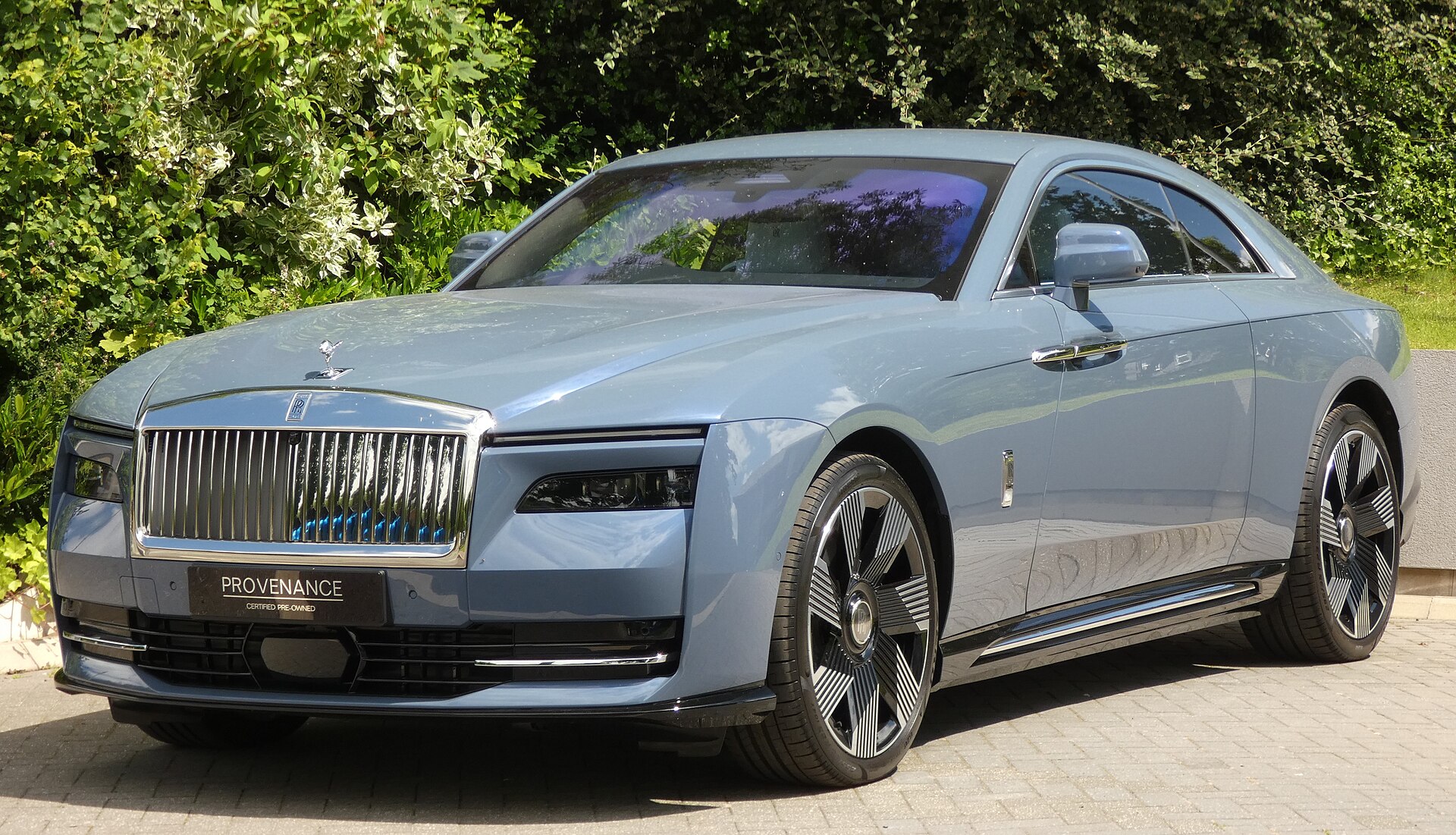
2024: The Launch Year — First-Mover Premium and Potential Risk
The 2024 Rolls Royce Spectre launched with the following specifications:
- Battery: 102 kWh usable capacity (integrated into the floor structure)
- Motor: Dual motors producing 577 horsepower and 664 lb-ft torque
- Range: 260 miles EPA-estimated
- Charging: 195 kW DC fast charging (0-80% in approximately 30 minutes)
- MSRP: $420,000 base configuration
- 0-60 mph: 4.5 seconds
- Weight: 5,567 pounds
The 2024 launch year benefited from meticulous pre-launch testing, but early deliveries revealed the predictable software integration challenges that plague any brand-new flagship EV. Reports from early owners documented minor infotainment glitches, occasional over-the-air update hiccups, and a few isolated charging management issues on vehicles produced in the first production batches.
The good news: Rolls Royce addressed nearly all documented issues through software updates within the first 18 months. The Spectre's reliance on BMW's proven electrical architecture meant that fundamental reliability remained sound—no battery degradation issues, no thermal management problems, no major powertrain failures reported among early adopters. The software issues were annoying, not dangerous.
The 2024 model year's used market pricing tells an interesting story. Early Spectre buyers who optioned their cars with full bespoke specifications—custom leather, unique paint finishes, personalized trim work—often find themselves in a position where their investment holds remarkable value. A 2024 Spectre with distinctive specification can command $450,000-$550,000 on the secondary market despite the $420,000 original MSRP. This premium exists because the Spectre's extreme personalization options mean no two cars are identical, and buyers often seek specific combinations.
However, base or lightly-optioned 2024 Spectres sometimes trade below their original MSRP on secondary markets, as buyers opting for new 2025 models push previous-year inventory downward. This creates opportunities for value-conscious luxury buyers willing to accept a previous-year model.
The first-year risk with the Spectre isn't mechanical—it's software maturity. But Rolls Royce has demonstrated responsiveness to issues through updates, making the 2024 a calculated but manageable purchase for buyers seeking immediate availability or specific bespoke configurations.
2025: The Refined Year — Lessons Applied, Maturity Achieved
The 2025 Rolls Royce Spectre benefits from 18 months of real-world ownership data and production optimization. Rolls Royce made no major specification changes to the core powertrain, but the refinements matter:
- Same core specs: 577 hp, 260-mile range, 195 kW charging
- Production maturity: Second-year manufacturing runs are dramatically more refined than launch-year builds. Fit, finish, and assembly quality typically improve significantly by year two
- Software: The infotainment system shipped with multiple iterations of firmware already developed. Owners benefit from stability that early adopters had to wait for
- Charging optimization: OTA updates have refined charging protocols, thermal management, and battery conditioning algorithms
- Interior refinements: Subtle improvements to haptic feedback, touchscreen responsiveness, and climate control algorithms
- MSRP: $420,000—pricing remains stable year-over-year
The 2025 model year is the safe choice for new purchases. You're not sacrificing any performance or technology compared to 2024, but you're gaining production maturity and software stability. For buyers who don't have specific attachment to unique 2024 specifications, the 2025 is definitively superior.
Resale value patterns are already emerging: 2025 Spectres are trading very close to MSRP in the used market, typically within $20,000 either direction depending on mileage and specification. This represents a healthier market position than the 2024, which shows more variance.
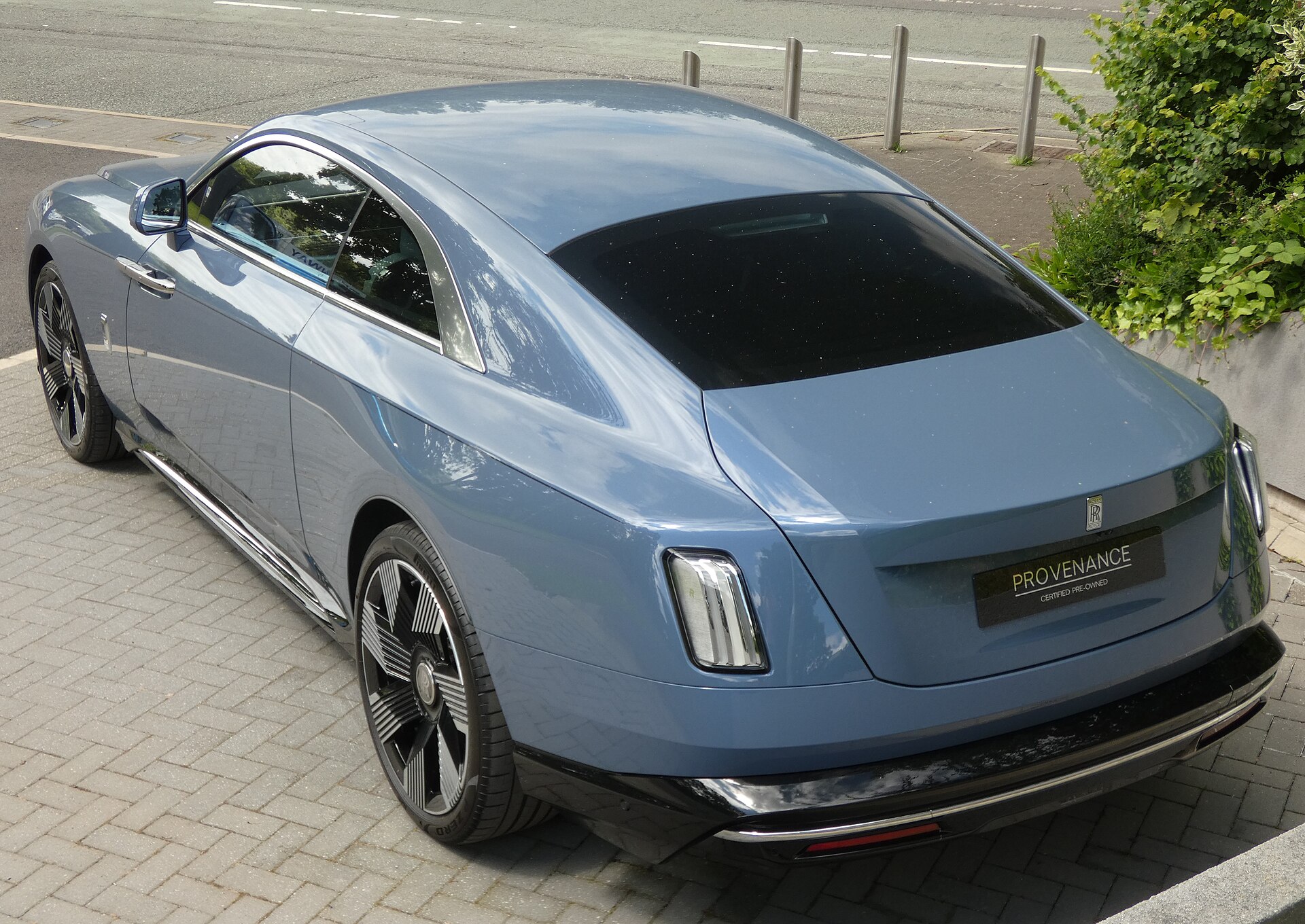
2024 vs. 2025 vs. Future Years — The Complete Comparison
| Specification | 2024 Spectre | 2025 Spectre | Potential 2026+ |
|---|---|---|---|
| Battery Capacity | 102 kWh usable | 102 kWh usable | Possible 110+ kWh upgrade |
| Horsepower | 577 hp | 577 hp | Possible 600+ hp variant |
| EPA Range | 260 miles | 260 miles | Possible 280+ miles |
| DC Fast Charging | 195 kW | 195 kW | Possible 250+ kW upgrade |
| Software Maturity | Launch version (some updates needed) | Production-proven stable | Further refinements |
| Build Quality | Excellent, occasional assembly variance | Tighter tolerances, proven manufacturing | Continued refinement |
| MSRP | $420,000 | $420,000 | Possible modest increase |
| Used Market Price (2026) | $400K–$550K depending on spec | $420K–$440K (near MSRP) | TBD |
| Early Ownership Risk | Minimal—software only | Substantially reduced | Essentially eliminated |
The Battery Question: Longevity and BMW's Proven Track Record
The Spectre's 102 kWh battery is integrated directly into the floor structure—a BMW engineering innovation that maximizes interior space while providing structural rigidity. This battery pack represents the cumulative knowledge of BMW's extensive EV development, already deployed in thousands of iX and i7 electric vehicles since 2021.
Real-world data from these platforms shows impressive battery longevity. BMW owners report minimal capacity loss even after 50,000+ miles. Industry expectations suggest this battery should retain 90-92% capacity after 8 years and normal use. Rolls Royce's warranty covers battery capacity to 70% for 10 years or 100,000 miles—a safety net that's rarely needed in practice based on what we've seen from similar BMW architecture.
The 2024 and 2025 models use identical battery technology, so there's no chemistry advantage favoring either year. Where 2026+ models might improve is faster charging speeds or increased capacity—but that's speculation. For current-year purchasing, the 102 kWh pack is proven, reliable, and sufficient for the Spectre's mission as a weekend luxury cruiser rather than a daily commuter.
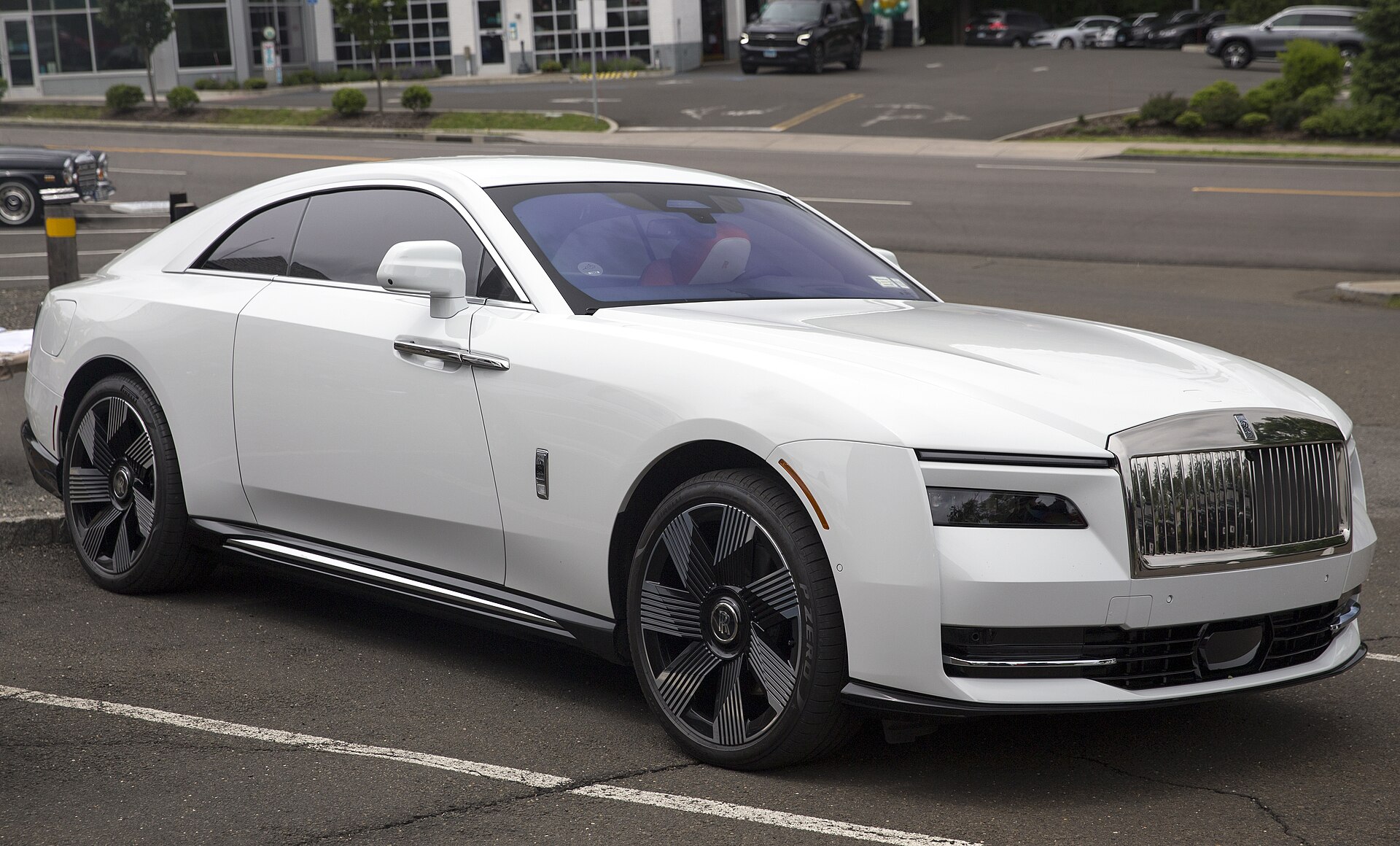
Known Issues and What Owners Report: The Reality of First-Year EVs
Rolls Royce benefits from operating within the Volkswagen Group ecosystem, which means quality control systems are exceptionally rigorous. That said, early Spectre owners reported:
- Infotainment touchscreen occasional unresponsiveness: Fixed via software update (February 2025 OTA release)
- Charging management inconsistency: The vehicle occasionally initiated charging slower than expected on certain Level 3 chargers. Resolved through calibration updates
- Climate control communication lag: Rare instances where touch inputs to the climate system showed delayed response. Software refinement addressed this
- Navigation system routing anomalies: Minor cartography sync issues resolved through map database updates
None of these issues impacted safety, range, or mechanical reliability. They were purely software-based annoyances—the exact kind of problems that modern OTA updates solve permanently. By the time the 2025 model year launched, all documented issues had been addressed through updates that automatically installed on owners' vehicles.
The remarkable absence of powertrain, battery, or electrical failures in the first 18 months of Spectre ownership validates Rolls Royce's decision to leverage BMW's proven EV architecture rather than developing proprietary electric systems.
Should You Wait for 2026 or Beyond?: Understanding the EV Development Cycle
This is the critical question for forward-thinking buyers. Should you purchase now, or wait for potential improvements in battery density, charging speed, or range?
Based on Rolls Royce's stated electrification roadmap and industry trends, here's what might arrive in 2026+:
Possible range improvement: The iX platform is rumored to receive a 110+ kWh battery option in 2026. Rolls Royce would likely adopt this, potentially pushing Spectre range to 280-300 miles. That's a meaningful but not revolutionary improvement.
Potential charging speed upgrade: EV charger technology is advancing rapidly. By 2026, 250+ kW charging could become standard, reducing 20-80% charging time from roughly 30 minutes to perhaps 20 minutes.
Possible performance variant: Rolls Royce has hinted at exploring a more powerful Spectre variant, potentially with 600+ horsepower. This would be a top-of-line option, not replacing the base model.
The catch: waiting means missing out on current inventory. Spectre production is limited and intentionally controlled. If you find a well-specified 2024 or 2025 available at market price, waiting for 2026 could mean 6+ months without that specific car. For a purchase this expensive, vehicle availability often trumps incremental specifications.
Our recommendation: if you can wait without stress and your automotive needs allow it, the 2026 could bring material improvements. If you've found the right Spectre in the right configuration and the price is fair, a 2024 or 2025 is a complete and satisfying choice.
The Bespoke Premium: Why Specification Matters More Than Year
Here's where the Spectre breaks traditional model-year analysis: Rolls Royce's obsessive customization options mean specification can override year as a value driver. A 2024 Spectre with:
- Bespoke exterior paint finish (custom-matched to a client's requirements)
- Hand-stitched leather interior in a rare hide
- Personalized trim finishes (wood, carbon fiber, or exclusive metals)
- Custom embroidered headrest or starlight ceiling design
...might command substantially higher resale value than a base 2025 Spectre with standard finishes. The ultra-wealthy buyers who comprise the Spectre's market are often willing to pay premiums for exclusivity and personalization.
In practical terms, this means: if you're comparing a highly-specified 2024 to a standard 2025, the 2024 might actually be the better investment despite its age. Conversely, if you're comparing base models, the 2025 wins on production maturity.
This is why understanding the specific car matters more than the year badge. At Automonitor, we track individual Spectre specifications and market values to help buyers identify when a 2024 is actually a better value than a 2025 based on personalization rather than year.
Used Market Pricing and Early Depreciation: What Early Adopters Are Discovering
The Spectre is still new enough that used-market data is limited, but patterns are emerging:
2024 Spectres (2026 pricing): Range from $400,000 to $550,000+ depending on mileage and specification. Average used price sits around $475,000 for cars with under 5,000 miles and standard configuration. Highly optioned 2024s sometimes exceed original MSRP due to specification premium.
2025 Spectres (2026 pricing): Currently trading at $420,000-$440,000 for off-lease vehicles with under 2,000 miles. This near-MSRP pricing reflects buyer confidence in the improved production year.
Depreciation pattern: Early data suggests the Spectre's first-year depreciation will be approximately 3-5%, substantially better than comparable luxury EVs. The 2024 model's wider pricing variance ($400K-$550K) reflects the specification-driven market rather than mechanical reliability concerns.
For context, that depreciation rate places the Spectre alongside traditional Rolls Royce models in value retention—significantly better than most luxury EVs, which typically depreciate 8-12% in their first year of ownership.
Track Real Spectre Prices With Automonitor
Market values on ultra-luxury cars shift quickly. Get real-time alerts when matching Spectres become available and track depreciation patterns as the market matures.
Monitor Spectre Listings →What to Expect: Reliability Outlook Based on Architecture
The Spectre's reliability trajectory should follow BMW iX patterns adjusted upward for Rolls Royce's quality standards:
Electrical systems: BMW's EV electrical architecture has proven exceptionally reliable. Expect minimal issues with charging systems, power management, or wiring harnesses.
Battery: Volkswagen Group batteries (which Rolls Royce uses) have demonstrated remarkable durability. Major failure is exceptionally rare, and gradual capacity loss is minimal.
Motors and drivetrain: Dual-motor systems are simpler and more reliable than equivalent combustion engines. No transmission, no timing components, no oil changes—just electric propulsion with fewer failure points.
Software: This is where EVs traditionally show vulnerability, particularly on launch-year vehicles. The 2024 Spectre experienced minor software issues resolved through updates. The 2025 benefits from this accumulated knowledge.
Charging components: Onboard charger and cooling systems represent the most potential weak points, but BMW's experience suggests these should prove robust over time.
Overall reliability expectation: the Spectre should achieve 95%+ uptime for owners, with maintenance limited to tire rotation, brake fluid inspection, and cabin air filter replacement. Major repair incidents should be exceptionally rare.
Our Recommendation: How to Decide Between 2024 and 2025
Buy a 2025 Spectre if: You're purchasing new, want maximum production maturity, prefer the confidence of proven software stability, and don't have a specific attachment to unique 2024 personalizations. The 2025 is the lower-risk choice for most buyers.
Buy a 2024 Spectre if: You find one with exceptional bespoke specifications at or below market price, want immediate availability rather than waiting for 2025 allocation, are willing to accept minor software quirks that can be resolved via updates, or have discovered a specific color/interior combination you strongly prefer.
Wait for 2026+ if: You can defer purchase without urgency, prefer to see user feedback accumulate for multiple model years before committing, want potential improvements in range or charging speed, and aren't emotionally attached to owning the first generation.
The honest reality: both 2024 and 2025 are excellent first generations of a new model. The differences are marginal. The 2025 is objectively slightly better engineered and proven, but the 2024 isn't meaningfully inferior—just slightly less polished out of the gate.
The Smart Buying Approach: Steps to Navigate Spectre Purchases
Step 1: Define your specification. Work directly with Rolls Royce through their bespoke consultation process. Don't rush personalization choices. The car you commission should reflect genuine preferences, because that customization directly impacts resale value.
Step 2: Understand your timeline. New Spectre builds currently carry 4-6 month lead times depending on personalization complexity. If you need a car sooner, explore 2024 or 2025 inventory from existing owners or dealer stock.
Step 3: Price intelligently. For used purchases, compare against market data from Rolls Royce's official inventory and specialty luxury marketplaces. Don't accept the first quote—specification variance means fair pricing varies wildly.
Step 4: Require a pre-purchase inspection. Even for newer vehicles, independent inspection by an EV-focused luxury technician is invaluable. They'll assess battery health, charging system functionality, and software performance.
Step 5: Verify software updates. Confirm the vehicle is running current firmware versions before purchase. This is the single most important factor for early Spectre reliability.
Step 6: Understand warranty and service. Rolls Royce's warranty is comprehensive, but understand what's covered, what requires dealer service, and whether you'll have access to appointment slots. Spectre owners often face 2-3 month service waits at major dealers.
Should You Consider the Ghost or Cullinan Instead?: Context for Electrification Skeptics
Some buyers worry about first-generation EV ownership and wonder if the Ghost (traditional powertrain) or Cullinan (petrol SUV) represent safer choices. The answer depends on your philosophy:
If you value cutting-edge technology, zero-emission driving, and the whisper-quiet operation that defines the Spectre's experience, the transition to electric is the right choice. Rolls Royce's engineering pedigree means you're not taking an unproven risk.
If you prioritize absolute mechanical simplicity and maximum refueling flexibility, the petrol alternatives offer those advantages, but you're missing what makes the Spectre special: the revolutionary silence and the symbolic commitment to electrification's future.
The Spectre isn't a compromise EV forced on Rolls Royce by regulation. It's a deliberate choice to define electric luxury for the ultra-premium segment. The fact that Rolls Royce created it proves they believe in electric vehicles for their clientele.
The Final Word: Year Choice Is Secondary to Ownership Vision
The Rolls Royce Spectre is a remarkable first generation. Whether you choose a 2024 or 2025 matters less than understanding why you're buying an electric Rolls Royce and ensuring that choice aligns with how you intend to use it.
If you're buying a Spectre because you believe in electric vehicles and want the world's finest execution of that vision, either year will satisfy you. The differences are genuinely marginal. The 2025 is incrementally more proven, but the 2024 is by no means problematic.
If you're buying because of prestige, exclusivity, or investment potential, ensure you're optimizing for specification rather than year. A magnificently personalized 2024 might outperform a standard 2025 in the secondary market.
If you're uncertain about first-generation EV ownership, waiting for 2026+ could provide useful psychological comfort—but the Spectre's architecture is proven, its engineering is sound, and its reliability trajectory is already tracking favorably.
At Automonitor, we help ultra-luxury buyers navigate these nuanced decisions with real market data and access to off-market Spectre opportunities. If you're seriously considering a Spectre purchase, our marketplace connects you with verified sellers and provides comprehensive market analysis for the ultra-premium segment.
Your choice between 2024 and 2025 should ultimately be driven by availability, specification fit, and pricing—not specification-based fear about first-generation ownership. Either year represents an outstanding choice for Rolls Royce's electrified future.
Find Your Spectre Today
Automonitor connects you with verified ultra-luxury dealers and off-market Spectre opportunities. Real market data, transparent pricing, and expert guidance through the purchase process.
Browse Spectres on Automonitor →