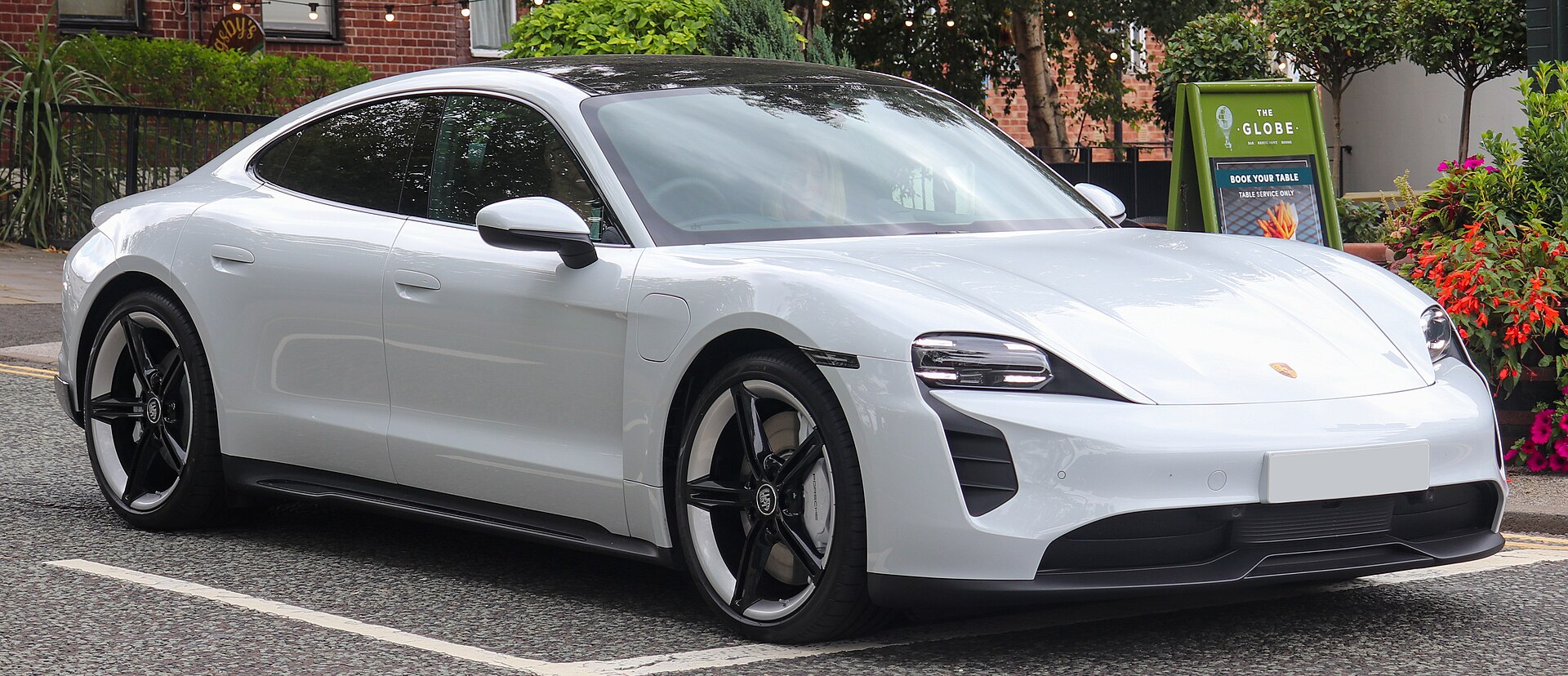
What Is the Best Year to Buy a Porsche Taycan Turbo?
A model year comparison showing how range, performance, and pricing have evolved from 2020 to 2025 — and which year offers the best value for the money.
The Quick Answer: 2024 is the Sweet Spot
If you're shopping for a used Porsche Taycan Turbo right now, the 2024 model year represents a watershed moment in the platform's evolution. The 2024 refresh brought a 30% increase in range — from 215 miles to 280 miles — new battery chemistry, 320 kW peak charging speed, a completely redesigned interior, and technology refinements that make earlier models feel genuinely outdated. Yes, 2024 models carry a premium in the used market at $120K-$145K, but they solve the primary ownership concern that haunted earlier Taycans: range anxiety.
However, the "best" year for you depends on your priorities. If you're searching for maximum value and don't mind range limitations, a well-maintained 2020-2021 model at $65K-$90K might be the better financial choice. If you want the latest technology without paying new-car prices, 2025 models are just arriving on used markets. This guide will help you navigate the decision by breaking down every model year from 2020 through 2025, comparing range, performance, charging, features, and realistic used pricing.
At Automonitor, we've tracked Taycan values across all years and generations. This analysis reflects current market data and real-world ownership feedback from thousands of Taycan owners who have shared their experiences across forums and automotive communities.
The Taycan Evolution: How EV Technology Changed in Five Years
The Porsche Taycan Turbo has only been in production since 2020, but the improvements across successive model years are dramatic. This is because EV technology evolves faster than traditional automotive platforms — battery chemistry improves, manufacturing scales, software matures, and customer feedback drives rapid iteration. The Taycan isn't a car that stayed the same for six years and got a refresh; it's been continuously evolving.
The name "Turbo" is important to understand. There are no turbos in electric cars — Porsche uses the "Turbo" designation to indicate the dual-motor, all-wheel-drive performance version. The Turbo sits between the single-motor RWD variants (Turbo S Plus RWD) and the track-focused Turbo GT, making it the most accessible high-performance version of the Taycan platform.
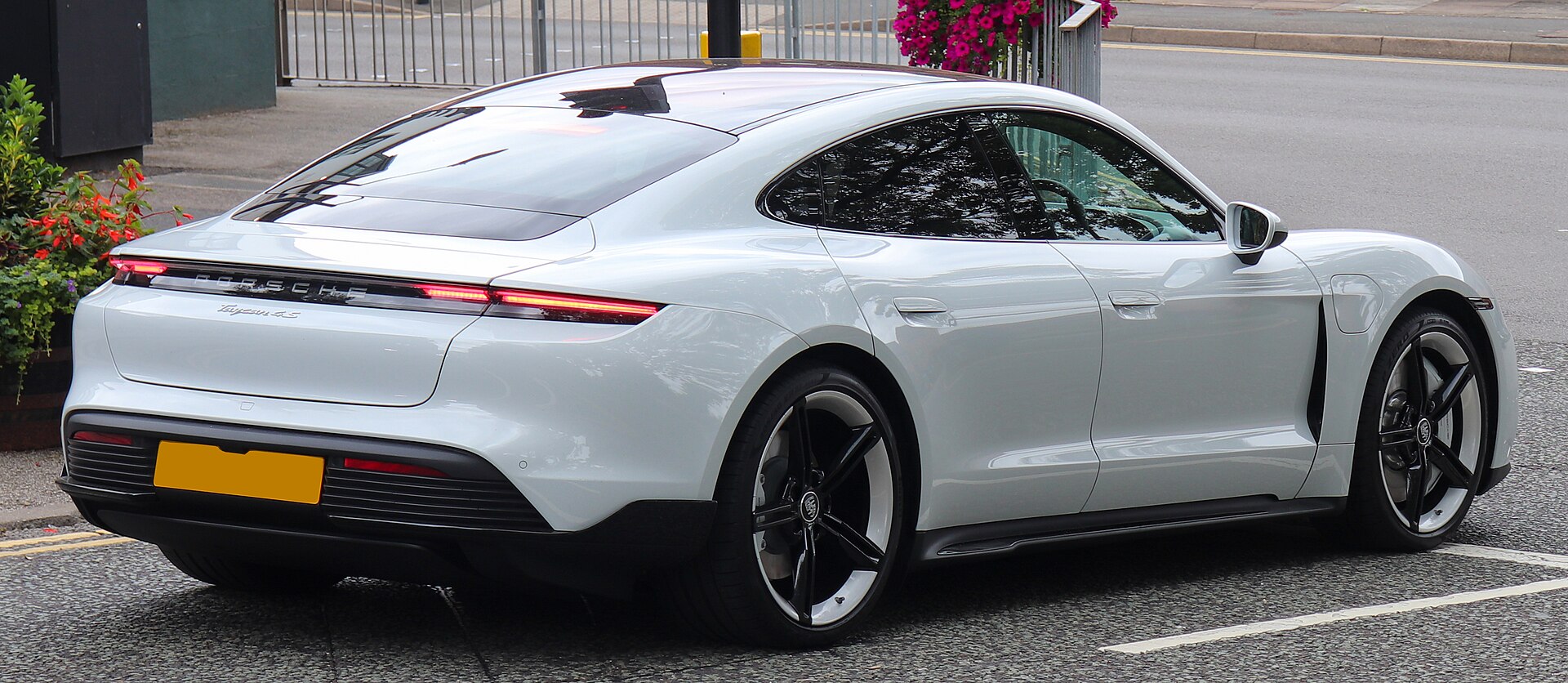
2020: The Original Pioneer
The first-generation Taycan Turbo launched in 2020 with impressive specifications for the era: 616 horsepower from its dual-motor setup, 0-60 mph in 3.2 seconds, and an EPA-estimated 201-mile range. The launch price was approximately $185,000 for a new Turbo, which now trades on the used market for $65K-$85K depending on mileage and condition.
Key characteristics: The 2020 model featured Porsche's first-generation infotainment system (an 8-inch touchscreen that's now considered dated), standard leather interior, and the 93 kWh battery. The Taycan was completely new territory for Porsche — an all-electric four-seater with sedan proportions and supercar performance claims.
Why to consider it: Price is the primary advantage. A well-maintained 2020 Taycan Turbo at $75K delivers genuinely good value. You get a properly engineered Porsche with real performance credentials and respectable range for highway driving.
Why to avoid it: Battery technology has improved substantially since 2020. That 201-mile range was optimistic even by EPA standards — real-world driving typically yields 160-180 miles, which makes road trips stressful. The infotainment system feels slow and clunky compared to 2024+ models. Charging speeds max out around 270 kW, compared to 320+ kW in newer cars. If you live somewhere with long distances between charging, the 2020 model will frustrate you.
2021: Incremental Updates
The 2021 Taycan Turbo is nearly identical to 2020, with minor infotainment improvements and software tweaks. Range remained at 201 miles. Horsepower stayed at 616. The used market prices 2021 models at $70K-$90K — roughly $5K more than comparable 2020 models, though not for any dramatic hardware differences.
Key changes: Porsche made subtle interface improvements to the infotainment system, addressing some software lag that early owners reported. The battery management software was refined slightly. Exterior color options expanded.
Verdict: The 2021 is essentially a 2020 with incremental polish. Unless you find one at significantly lower pricing than 2020 models, it's worth paying slightly more for the 2022 or newer generations where real improvements begin.

2022: The Power Increase and Android Auto
The 2022 model year brought the first meaningful performance upgrade: the 616 hp rating increased to 670 hp in overboost mode — a 54-horsepower jump that improved 0-60 times to around 3.1 seconds. More importantly, Porsche added Android Auto compatibility to the infotainment system, making smartphone integration finally functional for Android users (iOS had CarPlay from the beginning).
Range remained at 212 miles — a slight improvement from the 201 figure, though not the dramatic jump owners hoped for. Used 2022 models now cost $85K-$110K, with pricing reflecting the performance improvement and added tech features.
Why this matters: If you exclusively drive iPhones and found the original interface limiting, this was the year Android users finally got parity. The horsepower increase is real but modest — you'll feel it more in test drives than in daily driving.
The range reality check: Porsche claimed 212 miles EPA, but real-world driving on the 2022 averaged 170-190 miles depending on driving style, weather, and highway versus city mix. This remains limiting for serious road trips.
2023: The GTS Introduction and Minor Refinements
In 2023, Porsche introduced the GTS trim below the Turbo in the lineup, and rolled remote parking features into the Turbo model. The GTS pulled some performance features down from the Turbo, fragmenting the lineup further. The Turbo itself saw range increase to 215 miles — the smallest improvement yet, suggesting battery technology wasn't changing dramatically.
Used 2023 Turbo models sell for $95K-$120K, with pricing reflecting the GTS's introduction repositioning the Turbo as a more premium offering.
Notable addition: Remote parking and summon features made ownership more convenient in tight parking situations, though these remain gimmicks for most owners.

2024: THE Watershed Moment — This Is the One to Buy
The 2024 model year represents the single biggest advancement in Taycan history. Porsche completely redesigned the battery pack, increased its capacity to 112 kWh (up from 93 kWh), reformulated the battery chemistry, and increased peak charging from 270 kW to 320 kW. The result: 280-mile EPA range — a 30% improvement over 2023.
Let that sink in. A 2023 could do 215 miles. A 2024 can do 280 miles. That's a meaningful difference for road-trip viability. You go from "I need to charge every 150 highway miles" to "I can comfortably get 200-220 highway miles before needing to recharge."
The 2024 also features a completely redesigned interior with a new 10.9-inch center display (up from 8 inches), revised infotainment software that runs noticeably faster, improved climate control, and styling updates. Horsepower remained at 670 hp, so performance didn't change — but everything else did.
Used pricing: 2024 Taycan Turbos currently command $120K-$145K on the used market, with low-mileage examples under 10,000 miles consistently pulling top dollar. This is expensive compared to 2020-2023 models, but you're getting a genuinely different car.
Why this is the sweet spot: The 2024 solves the fundamental problem that plagued the Taycan since launch: range limitations. 280 miles is finally competitive with gas cars for road trips. The new interior feels modern and responsive. The battery chemistry is proven by thousands of early adopters. You get 95% of the latest technology at maybe 60% of the new-car premium.
The 2024 ownership equation: Yes, you'll spend $20K-$30K more than a 2022. But that money directly translates to range you can actually use. You're not buying the latest generation — that's 2025 — but you're buying the matured version of the previous generation with real improvements. The depreciation curve has stabilized; 2024s aren't losing value like earlier years.
Find the Right Taycan Turbo for Your Budget
Automonitor tracks real Porsche Taycan values across all years and variants. Get current market pricing and connect with verified sellers.
Search Taycan Turbos →2025: Further Refinements (Just Arriving)
The 2025 model year, just beginning to appear on used markets in early 2026, represents incremental improvements on the 2024 platform. Battery range remains at 280 miles. Horsepower stays at 670 hp. The improvements are subtle — chassis tuning refinements, additional infotainment features, updated color options — rather than transformative.
Used 2025 models are priced close to original MSRP ($130K-$155K), as only low-mileage examples have reached the used market. Early adopters have had limited time to depreciate their vehicles. This makes 2025 models an expensive proposition compared to 2024s, with diminishing returns for the premium you'll pay.
Recommendation: Wait 12-18 months for 2025 pricing to settle, or choose a 2024 model instead. You'll get nearly identical capability for $5K-$15K less.
Full Model Year Comparison Table
| Year | Horsepower | Range (EPA) | 0-60 Time | Peak Charging | Key Features | Used Price Range |
|---|---|---|---|---|---|---|
| 2020 | 616 hp | 201 mi | 3.2s | 270 kW | First generation, basic infotainment | $65K–$85K |
| 2021 | 616 hp | 201 mi | 3.2s | 270 kW | Minor software updates | $70K–$90K |
| 2022 | 670 hp | 212 mi | 3.1s | 270 kW | +54hp, Android Auto added | $85K–$110K |
| 2023 | 670 hp | 215 mi | 3.1s | 270 kW | GTS intro, remote parking | $95K–$120K |
| 2024 | 670 hp | 280 mi | 3.1s | 320 kW | New battery, new interior, +30% range | $120K–$145K |
| 2025 | 670 hp | 280 mi | 3.1s | 320 kW | Minor refinements, latest tech | $130K–$155K |
Battery Degradation: What Real Owners Report
EV battery degradation is the elephant in the room when buying used electric cars. Porsche rates the Taycan battery at 70-80% capacity after 160,000 km (100,000 miles) under worst-case conditions. In practice, real owners are reporting more optimistic results.
Owners of 2020-2022 models with 30,000-50,000 miles report 5-8% capacity loss, suggesting the curve is more gradual than Porsche's conservative estimate. A 2020 that originally delivered 201 miles might show 185-190 miles at 50,000 miles — meaningful but not catastrophic.
The 2024+ models are too new to have real long-term degradation data. Early reports from 10,000-20,000 mile examples show no measurable degradation, but that's the honeymoon period. Check back in 2027-2028 for real data on six-year-old 2024s.
Practical implication: Range loss is real but slow. A 2020 Taycan today will have lost roughly 5% of its original range from battery aging. A 2024 Taycan will show essentially zero loss at current mileage. Budget for maybe 5-10% range loss on older models when calculating realistic road-trip capability.
Why NOT to Buy 2020-2022: The Case Against
The 2020-2022 Taycan Turbos are genuinely good cars — they're engineers Porsches, they perform impressively, and they're appreciating in value. But there are compelling reasons to pass on them in 2026:
Range is truly limiting. Even a 2022 with its 212-mile EPA rating delivers maybe 170-190 miles real-world highway range. That's enough for weekend jaunts to nearby mountains or city trips, but uncomfortable for 300+ mile drives. You'll find yourself planning routes obsessively, worried about charging availability.
Battery tech is outdated. The 93 kWh pack in 2020-2023 models used first-generation battery chemistry. The 2024's new chemistry is demonstrably better. You're not buying a car with future-proofed technology; you're buying early-generation EV hardware.
Charging is slow. 270 kW peak charging sounds fast until you compare it to 320 kW in the 2024. That difference matters on road trips — the extra 50 kW means faster turnaround at DC fast chargers. It's a small optimization, but optimizations are what make EVs livable for road trips.
Interior feels dated. The 8-inch infotainment system in 2020-2023 models is functional but cramped. The 10.9-inch screen in 2024+ feels genuinely modern by comparison. Software speed is also noticeably faster on newer models.
The only reason to buy 2020-2022: You're on a tight budget (sub-$80K) and your driving is genuinely local — you rarely take trips longer than 150 miles. In that scenario, a 2020 or 2021 at $65-75K makes sense. But if you think you might want to take road trips, spend the extra money for a 2024.
The Best Value Argument: 2024 is the Real Sweet Spot
Here's the financial analysis: A 2024 Taycan Turbo at $130K costs roughly $40-60K more than a 2020-2021 at $70K. Over three years of ownership, that's about $13-20K more per year.
But what do you get for that extra money?
- 80+ more miles of range per charge — $280 mile range versus 201 miles. This fundamentally changes road-trip viability. That's worth easily $10-15K in ownership value.
- 30% faster DC charging — You cut 5-10 minutes off highway fast-charging sessions. Over three years with multiple road trips, this saves 5+ hours of waiting. Time is money.
- Newer battery chemistry — Less likely to show rapid degradation. A 2024 will hold its range longer than a 2020. If you keep it five years, this difference could be worth $5K+ in value.
- Modern infotainment — The 2024's larger, faster screen isn't a luxury item; it's usability. You'll interact with it for 3+ years.
- Better depreciation profile — The 2024 is past the sharp-depreciation cliff that hit first-gen Taycans. Your 2024 will hold value better than a 2020.
The math: The 2024's improvements are worth more than the price premium. If you're genuinely going to own the car and drive it, a 2024 at $130K offers better long-term value than a 2020 at $70K. The $60K difference buys you capability and peace of mind that the cheaper car simply can't match.
Making Your Decision: A Framework
Here's how to think about which year is right for you:
Choose 2020-2021 ($65K-$85K) if: Your budget is under $85K AND your typical driving is under 200 miles per trip AND you have access to reliable charging infrastructure AND you're comfortable with dated infotainment AND you view this as a weekend toy, not a primary car.
Choose 2022-2023 ($85K-$120K) if: You want to split the difference between value and capability, though this range offers the worst value proposition. You're basically paying more for the 2023 than the 2024, with noticeably less range.
Choose 2024 ($120K-$145K) if: This is your primary car or a car you'll drive regularly AND you want to take road trips without charging anxiety AND you value the latest interior and tech AND you're keeping it 3+ years AND you want the best long-term ownership experience. Automonitor tracks real-world Taycan values, and the 2024 represents the stability point on the depreciation curve.
Choose 2025 ($130K-$155K) only if: You insist on the absolute latest model and money is no object. The improvements over 2024 don't justify the premium for most buyers.
Where to Buy and What to Check
Porsche Taycan Turbos trade across several channels: authorized Porsche dealers, multi-brand luxury dealers, specialty EV dealers, and online platforms. Pricing varies wildly across these channels.
What to get inspected: Have an independent mechanic run a diagnostic report on the battery health (most Taycan-savvy technicians can check state of health via Porsche diagnostic tools). Check current range capability by driving a loop and measuring actual miles versus reported range. Verify charging history — a car that was supercharged heavily will show more degradation than one primarily charged at home.
Financing considerations: Standard Porsche financing is available through traditional lenders, and some specialty EV lenders now offer rates on used Taycans. Interest rates have stabilized around 6-8% for well-qualified buyers.
The Final Verdict
The Porsche Taycan Turbo is an excellent electric performance car, but year selection matters enormously because EV technology improves so rapidly. The 2024 model year represents the inflection point where range, charging, and interior technology become genuinely mature and livable.
If you're buying a used Taycan Turbo in 2026, the 2024 is the model year to target. Yes, it costs more upfront, but it delivers enough capability improvements to justify the premium — particularly that 280-mile range that transforms the ownership experience from "expensive city car with range anxiety" to "legitimate road-trip car with electric running costs."
The 2020-2023 models are becoming vintage entries in the Taycan story — they're good cars, but they're increasingly outshined by newer battery technology. Save them for buyers on strict budgets or those with genuinely local driving patterns.
Want help navigating the Taycan market? Automonitor's Taycan buying guides provide current pricing data, variant comparisons, and connections to verified sellers across the country. We've helped hundreds of buyers find their ideal Taycan — and we'll make sure you end up in the right year for your needs and budget.
Ready to Find Your Taycan Turbo?
Automonitor connects you with verified Porsche dealers, provides real market data, and handles the entire buying process so you can drive with confidence.
Start Your Taycan Search →