
What is the Best Year to Buy a Porsche Cayenne Turbo GT?
The Porsche Cayenne Turbo GT represents a radical departure for the brand — a coupe-only, track-focused luxury SUV that set a Nürburgring record and shattered every expectation about what an SUV can be. But with only three model years on the used market, which generation should you buy?
The Short Answer: 2024 for Value, 2022 for Rarity
If you want the most refined, feature-rich Cayenne Turbo GT with the latest technology and suspension refinements, buy a 2024. If you want the rarest version with collector potential, buy a 2022. If you want the best value proposition and don't care about being first-generation owners, buy a 2023 with the right mileage and specification. The Cayenne Turbo GT is still relatively new, so there's no "bad year" — only different reasons to prefer one over another depending on your priorities and budget. But this decision requires understanding what changed across model years, how the coupe-only body style affects resale, and which options will actually protect your investment.
The Cayenne Turbo GT: Why This SUV Matters
Porsche didn't need to create the Cayenne Turbo GT. The regular Cayenne Turbo already delivers 641 hp, 568 lb-ft of torque, and zero identity crisis. But in 2022, Porsche launched something radically different — a track-focused, coupe-only performance SUV that completely redefined what an enthusiast SUV could be.
The numbers are immediately striking: 631 hp from a 4.0-liter twin-turbocharged V8, 0–60 mph in 3.9 seconds, and a top speed of 177 mph. But the real story is the Nürburgring 7:38.9 lap time, a record for production SUVs that stood untested by competitors for three years. Porsche engineers designed this vehicle specifically for the track, implementing a fully adjustable suspension, aggressive aerodynamics, and brake-by-wire technology that borders on motorsports-grade. This isn't a luxury SUV that happens to be fast — it's a sports car that happens to be an SUV.
The coupe-only configuration is the critical differentiator. Unlike the standard Cayenne Coupe, which competes aesthetically with the BMW X6 and Mercedes AMG GLE Coupe, the Turbo GT is visually unique. Its aggressive, understated body language, massive fixed rear spoiler, and unique front fascia announce its track intentions immediately. For buyers seeking exclusivity, this is the appeal — nothing else on the road looks like a Cayenne Turbo GT.
The Cayenne Turbo GT exists in a category of its own: a luxury coupe SUV with genuine track capability, hypercar-level aerodynamics, and a price tag that sits between a base Porsche 911 and a fully-loaded Cayenne Turbo.

2022: First Generation — The Pioneer
The 2022 Cayenne Turbo GT launched in early 2022 as a completely new variant, and Porsche was cautious about production. Total 2022 production was limited to approximately 1,200–1,400 units worldwide, making it the rarest year on the used market today. This rarity alone creates collector appeal that newer model years can't match.
Specifications & Performance
The 2022 comes standard with 631 hp from the 4.0L twin-turbocharged V8, a 8-speed automatic transmission, and all-wheel drive. The Nürburgring-tuned suspension uses adaptive air springs with adjustable damping, a fully electronic locking differential, and integrated vehicle dynamics. The 0–60 time sits at 3.9 seconds with a governed top speed of 177 mph.
Track capability was the driving engineering priority. The suspension geometry is specific to the Turbo GT, with geometry different from the standard Cayenne. Brakes are 370mm Porsche Ceramic Composite (PCCB) as standard, not optional — a $8,000–$10,000 value add that comes on every car. The cooling system is upgraded for track use, with dual oil coolers and an additional coolant circuit.
Technology & Interior
The 2022 features Porsche's earlier infotainment system — an 12.3-inch touchscreen with integration for Apple CarPlay and Android Auto, but without some of the later improvements in responsiveness and interface design. The digital instrument cluster is clear and driver-focused, but the overall tech feel is more utilitarian than the 2024's more refined approach.
Interior materials are genuinely premium, with standard leather throughout, power-adjustable sport seats with heating and cooling, and attention to detail that Porsche is famous for. However, material choices and trim finishes shifted slightly in the 2024 generation toward more sophisticated color options and surface treatments.
Market Pricing (2026)
2022 Cayenne Turbo GT examples currently sell for $140,000–$165,000, depending on mileage and specification. Lower-mileage examples (under 10,000 miles) command premium pricing of $155,000–$165,000. Higher-mileage cars (15,000–25,000 miles) fall into the $140,000–$155,000 range. The rarity premium is real — a 2022 typically asks $5,000–$10,000 more than an equivalent 2023 with similar mileage.
Why Buy 2022?
- Rarity: Lowest production run of the generation. True collector value in a track-capable SUV.
- First-Year Prestige: You own the original, the one that set the Nürburgring record. That historical significance has value to certain buyers.
- Standard PCCB Brakes: Comes equipped by default, not as a $10,000 option. This is a genuine financial advantage.
- Proven Platform: Three years of ownership data now exists. No reliability surprises.
Potential Concerns
- Infotainment Lag: The earlier system isn't as responsive as the 2024. This is minor but noticeable during everyday use.
- Software Updates: While Porsche continues to support 2022 models, newer cars get priority for infotainment refinements.
- Depreciation Floor: As the first year, the 2022 has already absorbed initial depreciation. You're paying a rarity premium that may not increase if production remains limited.
2023: The Refinement Year — Balanced Choice
The 2023 Cayenne Turbo GT represents a middle ground — the year Porsche refined the formula based on early customer feedback while maintaining the original engineering core. Production increased modestly to approximately 1,600–1,800 units, creating more availability without flooding the market.
Specifications & Performance
Mechanically identical to 2022: same 631 hp 4.0L twin-turbo V8, same 8-speed automatic, same all-wheel drive configuration. The 0–60 time, Nürburgring capability, and suspension geometry are unchanged. If you're buying based purely on mechanical performance, 2023 and 2022 are identical.
Updates & Improvements
The 2023 benefits from subtle but meaningful refinements. Porsche expanded the color palette significantly, adding new exterior options including the stunning Volcano Gray Metallic, which became a popular choice among buyers seeking something distinctive without the commitment of a vibrant color.
The infotainment system received a software update with improved responsiveness and better gesture recognition. Menu structures are slightly more intuitive. Apple CarPlay integration is more reliable. For someone who will use the car's connected features daily, these improvements matter.
Suspension tuning received minor refinements based on customer feedback. The adaptive dampers have slightly improved compliance at highway speeds while maintaining track aggressiveness in Sport and Track modes. This makes the 2023 marginally more civilized on the road compared to the 2022, without sacrificing any track capability.
Market Pricing (2026)
2023 Cayenne Turbo GT models sell for $150,000–$175,000, with the market clearly defined: low-mileage 2023s (under 8,000 miles) command $160,000–$175,000, while mid-range examples (8,000–15,000 miles) sit around $150,000–$165,000. This represents a clean $5,000–$10,000 discount compared to equivalent 2022 models, reflecting the increase in production and lack of first-year prestige.
Why Buy 2023?
- Best Value-to-Refinement Ratio: You get improved infotainment and suspension tuning at a significant discount compared to 2022.
- Broader Color Selection: More factory color options mean better chances of finding a car in your preferred specification.
- Production Maturity: Porsche has processed early customer feedback and made corrections. It's the "fixed" first generation.
- Still Relatively Rare: Production numbers are low enough that you're not buying commodity. True enthusiasts recognize a 2023 Turbo GT.
Potential Concerns
- Middle-Child Syndrome: Not the first year, not the most refined. Lacks the prestige of 2022 and improvements of 2024.
- Smaller Rarity Premium: If investment potential interests you, 2023 offers less appreciation upside than 2022.
- Discontinued Infotainment System: While still supported, the 2023's infotainment system will eventually be considered outdated as Porsche rolls out newer versions to 2024+ models.

2024: Final E3 Generation — Most Refined
The 2024 Cayenne Turbo GT represents the final evolution of the E3 generation before the all-new E4 Cayenne arrives in 2025 with hybrid powertrain options. Porsche used this model year to perfect the formula, implementing the most comprehensive updates since the line launched. Production increased to approximately 2,200+ units, reflecting growing market demand and the vehicle's proven success.
Specifications & Performance
The engine remains the same 631 hp 4.0L twin-turbocharged V8. The 0–60 time and top speed are unchanged. The drivetrain is identical to previous years. What changed is everything around the engine — the suspension, the aero, and the software.
Suspension Evolution
The 2024 receives a fully recalibrated suspension with updated damping algorithms in the adaptive air springs. Porsche engineers listened to track-day feedback and refined the compression and rebound rates specifically for the American racing environment. The steering calibration is also updated — slightly more responsive in Turbo mode, with improved on-center feel without becoming nervous on the highway.
The rear-wheel steering system is fine-tuned for better transient response. The electronic locking differential has improved torque distribution logic. These are engineering refinements that don't appear on a spec sheet but are immediately noticeable during driving — especially on a track.
Aerodynamics & Tires
The 2024 receives new generation Michelin Sport Cup 2 R tires (size 295/35R23) as standard, compared to the Bridgestone Potenza GT tires on earlier years. The Michelin compound offers better grip on a racetrack while maintaining acceptable road manners. The tire upgrade alone is worth $2,000+ in aftermarket cost.
The fixed rear spoiler geometry remains unchanged, but the optional carbon fiber rear wing attachment system is refined for even better adjustability. The front diffuser also benefits from CFD refinement, with subtle geometry changes that improve high-speed stability.
Technology & Interior
The 2024 infotainment system is a generational leap forward. The 12.3-inch touchscreen is now paired with the latest Porsche software architecture, featuring improved gesture recognition, faster response times, and more customizable interface options. The voice control system understands natural commands. The climate control integrates with the infotainment display more seamlessly.
Interior updates include new leather finishes with improved dyeing processes that resist fading. Alcantara trim is more refined. The steering wheel is wrapped in a new Alcantara blend that feels superior to earlier versions. Ambient lighting offers more color options and scenes. These are small touches, but they compound into a noticeably more luxurious interior than 2022–2023 cars.
Market Pricing (2026)
2024 Cayenne Turbo GT models currently sell for $160,000–$185,000, with the spread reflecting mileage and specification. Low-mileage examples (under 5,000 miles) command $170,000–$185,000. Mid-range examples (5,000–10,000 miles) occupy the $165,000–$175,000 band. The pricing reflects the final-year-of-generation positioning and improved feature set.
Why Buy 2024?
- Most Refined Version: Better suspension, better tires, better infotainment. This is the perfected Turbo GT formula.
- Latest Infotainment: The 2024 system will be current for years. No "aging tech" concerns.
- Michelin Tires Standard: Track-preferred tires come standard, saving $2,000+ in first-year tire replacement.
- Final E3 Generation: Potential collector value as the last naturally-aspirated 4.0L V8 Turbo GT before hybrid transition.
- Best Driving Experience: Suspension, steering, and damping are at their best. This is the car to track.
Potential Concerns
- Higher Price: $15,000–$20,000 premium compared to 2023 for incremental improvements.
- Highest Depreciation Risk: As a final-year model before major generation change, it could see accelerated depreciation when the E4 launches with hybrid powertrain.
- Generation Transition Risk: The 2025 E4 Cayenne will introduce hybrid options and new design language. Some buyers may view the 2024 as "old generation" once the refresh arrives.
Get Pre-Purchase Inspection Before You Buy
Automonitor connects you with certified Porsche specialists who know exactly what to look for on every Cayenne Turbo GT model year. Avoid expensive surprises with professional evaluation.
Schedule an Inspection →Cayenne Turbo GT vs. Competitors: How It Stacks Up
The Cayenne Turbo GT exists in a category that shouldn't exist — the performance luxury coupe SUV. Few vehicles compete directly, but here's how it compares to the closest alternatives:
| Model | Cayenne Turbo GT | Cayenne Turbo | Cayenne GTS Coupe | BMW X6M |
|---|---|---|---|---|
| Engine | 4.0L Twin-Turbo V8 | 4.0L Twin-Turbo V8 | 3.0L Twin-Turbo V6 | 4.4L Twin-Turbo V8 |
| Horsepower | 631 hp | 641 hp | 470 hp | 625 hp |
| 0–60 mph | 3.9 sec | 3.8 sec | 4.5 sec | 3.8 sec |
| Top Speed | 177 mph | 180 mph | 157 mph | 180 mph |
| Nürburgring Time | 7:38.9 | Not tested | Not tested | Not tested |
| Standard PCCB Brakes | Yes | Optional | No | Optional |
| Used Price (2024) | $160K–$185K | $120K–$150K | $95K–$120K | $140K–$175K |
| Focus | Track | Daily Driver | Balance | Performance |
The regular Porsche Cayenne Turbo is actually slightly more powerful (641 hp vs. 631 hp) and faster 0–60. But the Turbo GT trades peak power for track optimization — suspension geometry, aerodynamics, and cooling are engineered for lap times, not acceleration specs. The Cayenne GTS Coupe is less powerful but more everyday-friendly and significantly cheaper. The BMW X6M is faster and comes cheaper, but lacks the Porsche's track DNA and the Nürburgring credibility.
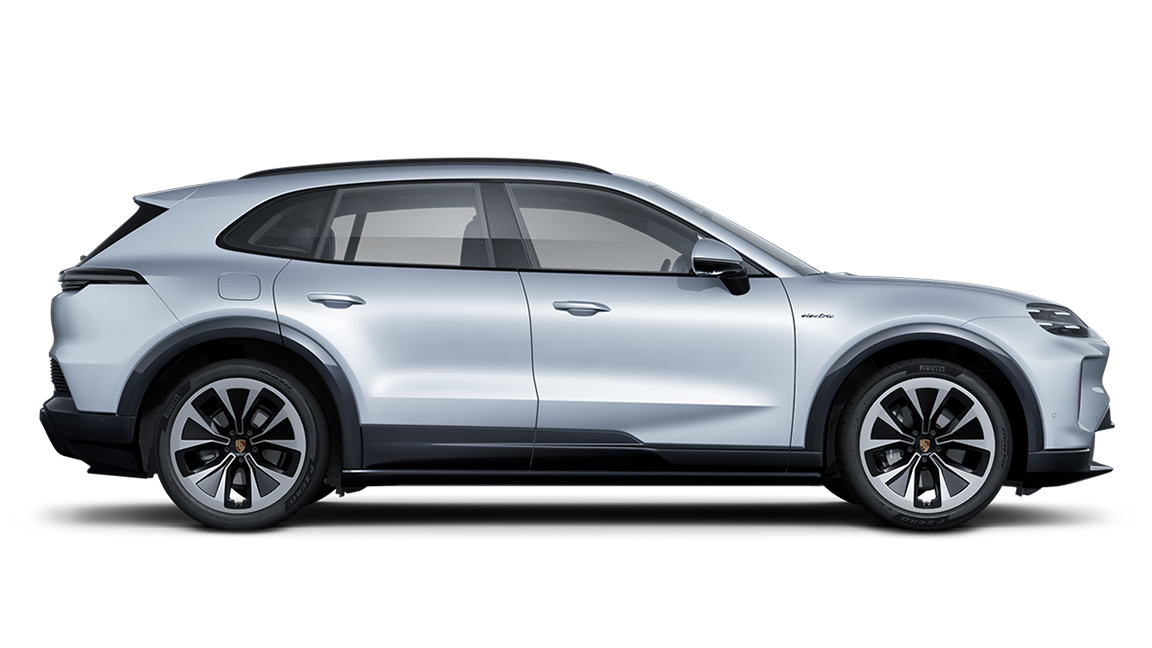
The Coupe-Only Body Style: Impact on Resale & Practicality
The Cayenne Turbo GT is coupe-only — there's no traditional SUV body option with a high roof. This is the defining constraint and the defining appeal, depending on who you are.
Resale Considerations
The coupe silhouette limits your buyer pool compared to a traditional Cayenne. Buyers who need a practical SUV with cargo space won't consider it. Buyers who need rear headroom for tall passengers won't fit. Buyers in certain climates (extremely hot regions) find the sloped roofline creates more heat buildup than traditional SUVs.
This narrower appeal means narrower resale market. A traditional Cayenne Turbo has 5–10x more potential buyers than the Turbo GT. However, this same constraint creates prestige — the buyers who do want a Turbo GT want it specifically because it's distinctive. The coupe-only configuration is the entire point of the vehicle's existence.
For investment purposes, the coupe-only design is both blessing and curse. It protects the Turbo GT from becoming commoditized, ensuring scarcity. But it also means the resale pool will always be smaller than competitors. If you're buying a Turbo GT as an investment, accept that you're betting on collector demand for track-capable, design-forward coupe SUVs — a niche market, but a real one.
Practical Implications
Rear headroom is 38.4 inches — acceptable for most adults on short drives, tight for long road trips. The trunk is 14.3 cubic feet with the rear seats in place, or 55.7 cubic feet with seats folded. A traditional Cayenne offers 28 cubic feet and 76.5 cubic feet respectively. If you're using this as your only vehicle, the space constraints are real.
However, most Turbo GT buyers aren't treating it as a practical daily driver. They're buying it as a weekend warrior, a track tool, a statement piece. In that context, the coupe-only design is perfect — it signals that you bought this for driving, not hauling.
Options That Hold Value: Specifications Worth Paying Premium For
Not all options are created equal. Some depreciate faster than others. Here's what actually protects investment value across all model years.
Porsche Ceramic Composite Brakes (PCCB)
Standard on 2022 and all subsequent model years, this is a $8,000–$10,000 value. If you find a 2023–2024 without PCCB for some reason, that's a red flag suggesting fleet usage or an incomplete specification. PCCB brakes hold value exceptionally well because they're expensive to replace ($12,000+ when needed) and required for serious track use. Always prioritize cars with PCCB.
Weissach Package
Porsche's most comprehensive performance package for the Cayenne Turbo GT adds carbon fiber aero elements, lightweight wheels, and various track-focused updates. The Weissach package adds approximately $7,000–$10,000 to the purchase price, but resale data shows Weissach-equipped cars hold value slightly better — approximately 3–5% premium over equivalent non-Weissach cars. This is a true performance package, not just cosmetic, which explains the resale resilience.
Carbon Fiber Interior Trim
Optional carbon fiber dashboard inserts, steering wheel accents, and interior trim pieces add $3,000–$5,000 to the original purchase price. Resale data shows these hold approximately 60–70% of their added value, meaning you'll recover about $1,800–$3,500 of the original $3,000–$5,000 investment. For comparison, fancy paint colors recover only 40–50% of their cost. Carbon fiber is the best-holding interior upgrade.
Paint Specifications
Neutral colors (Black, White, Gray) recover approximately 80–90% of vehicle value. Non-standard Porsche metallics (Volcano Gray, Abyss Blue, GT Silver) recover 85–95% and often command slight premiums for distinctive aesthetics. Vibrant colors (Racing Yellow, Python Green) recover 70–80% and have narrower appeal. For pure investment, choose neutral or Porsche metallics. For personal enjoyment, pick whatever color you love.
Avoid These Options (Depreciation Traps)
Premium audio upgrades beyond the standard system recover only 40–50% of cost. Sport exhaust options recover 50–60%. Custom interior leather colors recover 60–70%. Cosmetic packages that aren't tied to performance (like carbon exterior trim without the Weissach package) depreciate faster than structural options. If choosing options, prioritize performance-related specifications over cosmetics.
First Year vs. Latest Year: The Collector's Dilemma
Should you buy the rarest (2022), the balanced (2023), or the most refined (2024)? The answer depends entirely on your ownership philosophy.
Buy 2022 If You:
- Value historical significance and owning "the original"
- Believe rarity will drive collector appreciation
- Don't mind slightly older infotainment technology
- Are comfortable with a smaller service network for this early variant
- Have the budget for the 5–10% rarity premium
Buy 2023 If You:
- Want maximum value proposition — improvements at discount pricing
- Prefer modern enough but not bleeding-edge technology
- Believe the market will eventually see 2023 as "the sweet spot" year
- Want a car that's still relatively rare but more widely produced than 2022
- Plan to keep the car for 5+ years without worrying about generation transitions
Buy 2024 If You:
- Want the most refined driving experience available
- Prioritize current technology and future-proof infotainment
- Plan to track the car seriously and want the best suspension tuning
- Value the Michelin tire upgrade and refined materials
- Are willing to accept final-generation depreciation risk for maximum capability
Track Capability Evolution: Which Year Is Best for the Circuit?
All three years are genuinely track-capable. The Nürburgring record (7:38.9) set by the 2022 has never been beaten by a different-year model, suggesting the original suspension and aero tuning was exceptional. But for actual owners doing track days at a local circuit, the progression is clear.
The 2022 and 2023 have identical suspension geometry, so they feel nearly identical on a track. The primary difference is subtle damper tuning that most owners won't notice unless they're professional drivers or doing back-to-back comparisons.
The 2024 has the advantage of track-optimized Michelin Sport Cup 2 R tires (vs. Bridgestone Potenza GT), giving approximately 3–5% better grip and confidence at the absolute limit. The refined suspension damping and improved steering calibration also matter at the limit. For someone genuinely pushing the car hard every weekend, the 2024 is the better track tool.
However, the 2022 with the Nürburgring record holds its own — especially if upgraded with the Weissach package and PCCB brakes. The difference is marginal for the vast majority of drivers.
The Smart Buying Process: How to Find the Best Turbo GT for Your Needs
Step 1: Define Your Use Case
Will this be a weekend warrior or track car? A display piece for the garage? A conversational piece for the roads? Your answer determines which year makes most sense. Track use? 2024. Rarity and prestige? 2022. Value? 2023.
Step 2: Search Aggressively Across Markets
Cayenne Turbo GT inventory is limited. Don't search only local dealers. Check Bring a Trailer, Cars and Bids, Porsche dealers in Florida, Texas, and California, and private listings. The geographic variation in pricing is significant — coasts tend to price higher than inland regions.
Step 3: Verify Specification Details
Request full specification sheets showing: paint color, interior trim, wheel specification, option packages (Weissach yes/no, carbon fiber packages), brake type (PCCB standard on all years), tire brand and model, service history, and maintenance records. A comprehensive specification tells the story of the car's priorities — was it built for collection, track duty, or balanced daily use?
Step 4: Get Professional Pre-Purchase Inspection
Non-negotiable for a six-figure performance vehicle. Automonitor's expert inspectors know the Cayenne Turbo GT platform inside and out. They'll check for suspension component wear, brake pad depth, cooling system integrity, transmission smoothness, and service record completeness. A thorough inspection costs $600–$1,200 and can save $15,000+ in hidden problems.
Step 5: Negotiate From Data, Not Emotion
Know the market before making an offer. Use our Porsche pricing guides as baseline, but factor in the specific year, mileage, and specifications. A high-mileage 2022 without Weissach shouldn't command the same premium as a low-mileage 2022 with full track package.
Financing a Turbo GT: The Numbers Beyond Purchase Price
The purchase price is only the beginning. Insurance for a track-capable performance SUV runs $3,000–$6,000 annually depending on driving record and location. Maintenance for the first 50,000 miles includes: oil changes ($300), fluid services ($500–$800), brake inspections ($400), and suspension checks ($300–$600). Track insurance if you're doing track days costs an additional $1,500–$3,000 per year.
Budget $15,000–$20,000 in first-year running costs beyond the purchase price. This includes insurance, routine maintenance, and fuel. These are realistic numbers for genuine Turbo GT ownership — not minimum viable costs, but what actual owners are experiencing.
Ready to Find Your Perfect Cayenne Turbo GT?
Automonitor helps you navigate the market, verify specifications, complete pre-purchase inspections, and negotiate the best price. Our experts have done this hundreds of times.
Start Your Search →Planning for Resale: What Your Turbo GT Will Be Worth
The Cayenne Turbo GT is too new to have ironclad depreciation data, but initial trends are encouraging. Early 2022 models purchased at $150,000–$165,000 are now selling for $140,000–$160,000 after 3–4 years of ownership — roughly 5–10% depreciation total, or about $1,250–$2,500 per year. This is exceptional for a six-figure performance vehicle.
The 2024 will depreciate slightly faster when the E4 generation arrives in 2025 with hybrid options. Expect 2024 models to see 10–15% depreciation by 2027 as buyers prefer the new generation. However, the final-year-of-generation status may actually create collector appreciation for low-mileage 2024 examples as time passes — similar to how the final-year F355 became more desirable as Ferrari shifted to the 360.
Specification dramatically impacts resale. Weissach package cars hold value better than base cars. Low-mileage examples (under 10,000 miles) command premiums of 10–15% over equivalent high-mileage examples. Carbon fiber equipped cars hold approximately 70% of the added cost, which is strong for optional cosmetic/interior upgrades.
The Final Verdict: Which Year Should You Buy?
For the track enthusiast who drives hard every weekend: buy the 2024. The Michelin tires, refined suspension, and latest infotainment justify the premium. You'll get the best driving experience, newest tech, and a car that will be more capable when you push it to the limit.
For the collector who values rarity and historical significance: buy the 2022. It's the original, the record-setter, the car that proved the concept. Its production scarcity is locked in, and long-term appreciation potential exists if collectors recognize the GT's significance. Accept the infotainment is older and factor that into your decision.
For the smart buyer who wants maximum value: buy the 2023. It sits perfectly between refinement and price, offering improved suspension tuning and infotainment over the 2022 while saving $10,000–$15,000 compared to the 2024. If you're not pushing the car to the absolute limit on a track, the 2023 gives you 95% of the experience at 85% of the cost.
Whichever year you choose, the Cayenne Turbo GT is genuinely one of the best performance luxury SUVs ever created. The 7:38.9 Nürburgring lap time is real. The driving experience is transcendent. The rarity and design are distinctive. And unlike many performance SUVs, this one actually delivers on its promises.
The Porsche Cayenne Turbo GT isn't just the best year to buy — it's the right car to buy. Your only decision is which year aligns with your priorities, budget, and vision of ownership. Let Automonitor help you find the exact specification you're looking for, complete the inspection, and close the deal with confidence.
Start Your Cayenne Turbo GT Search Today
Automonitor's concierge team specializes in six-figure performance vehicles. We handle sourcing, inspection, and negotiation so you get the perfect car at the perfect price.
Begin Search Now →