
What Is the Best Year to Buy a Porsche 911 Turbo S?
A generation-by-generation guide to the Porsche 911 Turbo S covering the 991.1, 991.2, and 992 — pricing, performance, and which offers the best value
The 911 Turbo S Decision: Which Generation Makes the Most Sense?
The Porsche 911 Turbo S represents one of the finest performance bargains in the exotic car market. Unlike its naturally aspirated cousins, the Turbo S has evolved across multiple generations with meaningful improvements in power, efficiency, and technology. But with prices ranging from $100,000 for a 997.2 to $236,000 for a new 992, the year and generation you choose will dramatically impact both your ownership experience and your long-term financial exposure.
The question isn't which 911 Turbo S is fastest — that's the 992. The real question is which generation gives you the most compelling combination of performance, reliability, features, and resale value. Some buyers will find that answer in the 991.2, which offers 96% of the 992's experience at 65% of the price. Others will appreciate the cutting-edge technology and warranty coverage of the newest generation. And for true value hunters, the 991.1 and 997.2 offer surprisingly capable platforms at entry-level prices.
This guide walks through every Turbo S generation currently available on the used market, with pricing data from early 2026, real ownership costs, common reliability issues, and our expert recommendation for different buyer profiles. By the end, you'll know exactly which year makes sense for your needs and budget.
The Generations at a Glance: Performance, Pricing, and Value
| Generation | Years | Horsepower | 0-60 mph | Engine | Weight | Used Price Range | Reliability |
|---|---|---|---|---|---|---|---|
| 992 (Current) | 2021-2026 | 640 hp | 2.6s | 3.7L Twin-Turbo Flat-6 | 3,485 lbs | $190K-$230K | Excellent |
| 991.2 | 2017-2019 | 580 hp | 2.7s | 3.6L Twin-Turbo Flat-6 | 3,525 lbs | $150K-$185K | Excellent |
| 991.1 | 2014-2016 | 560 hp | 2.8s | 3.6L Twin-Turbo Flat-6 | 3,535 lbs | $120K-$155K | Very Good |
| 997.2 | 2010-2013 | 530 hp | 3.0s | 3.6L Twin-Turbo Flat-6 | 3,570 lbs | $100K-$130K | Good |
The table above shows a clear progression: more power, faster acceleration, better reliability ratings as you move toward newer generations. But the story is more nuanced than raw numbers. The jump from 997.2 to 991.1 brought electric power steering — controversial among purists. The 991.2 to 992 jump is where the 992 truly separates itself with a 60 hp bump and integrated hybrid torque fill. Yet despite these advances, the 991.2 remains a phenomenal value proposition.

The 992 (2021-Present): The Benchmark That Sets the Standard
The newest 911 Turbo S is the fastest, most advanced, and most technologically sophisticated version Porsche has ever built. With 640 horsepower, a 2.6-second 0-60 time (0.1 seconds faster than the 991.2), and a completely redesigned turbocharged engine with hybrid-assist, the 992 Turbo S is a legitimate supercar competitor.
What's New: The 992 generation introduced a new 3.7-liter flat-six with a mild hybrid system that adds instantaneous torque fill at low rpms. The result is an engine that feels urgent and responsive in a way that even the excellent 991.2 cannot match. The 992 also brings a dramatically improved infotainment system, better interior quality, and Porsche's latest chassis technology including an updated PDK transmission with even faster shifts.
Performance Reality: In real-world driving, the 992 is noticeably quicker than the 991.2, particularly off-the-line and in mid-range acceleration. The hybrid torque fill creates seamless power delivery that makes turbocharged acceleration feel almost naturally aspirated. On a track, the differences compound — the 992 is simply faster in every measurable way. The Weissach package adds even more performance with carbon-ceramic brakes, active aerodynamics, and suspension upgrades.
Pricing: Used 992 Turbo S examples range from $190,000 to $230,000, depending on mileage (most 2021-2022 examples have 10,000-20,000 miles), condition, and specification. Base models are cheaper; Weissach package cars command premiums of $15,000-$30,000. New cars retail for $236,000 before options, but depreciation has settled at roughly 8-10% annually.
Reliability: Too new to have long-term ownership data, but early reports from owners and Porsche dealers are uniformly positive. No significant issues identified in the first 5 years. The hybrid system is proving reliable with no widespread complaints. Porsche's quality control on the 992 is excellent.
The Case for 992: Buy the 992 if you want the newest technology, the best performance, full factory warranty (if new), and don't mind paying for the latest and greatest. The 2.6-second 0-60 is genuinely thrilling, and the hybrid torque fill creates a driving experience that justifies the premium over the 991.2. If you drive the car hard or take it to the track, the 992's superior cooling, aerodynamics, and powertrain will make a measurable difference.
The Case Against 992: If budget is a primary concern, the 992's price premium over the 991.2 is hard to justify unless you're a performance enthusiast who will actually use the extra 60 hp. Depreciation is still settling out on the 992; you might be better off waiting 2-3 years for stabilization. Stick with the 991.2 if you want 95% of the experience at 70% of the price.
Find Your Perfect 911 Turbo S Today
Automonitor's expert buyers know the Turbo S inside and out. We handle inspections, market analysis, and negotiation so you get the best example at the best price.
Browse Available Inventory →The 991.2 (2017-2019): The Value Sweet Spot Nobody Talks About
If we were recommending a single 911 Turbo S generation to most buyers, it would be the 991.2. This is the generation that hits the perfect balance between capability, reliability, cost, and driving engagement. Here's why: you're getting nearly all the performance and technology of the newer 992 at a purchase price that's $40,000-$50,000 lower.
What Makes It Special: The 991.2 represents the evolutionary pinnacle of the naturally aspirated 991 platform, refined over its four-year production run with all the lessons learned from the 991.1. This generation brought meaningful power increases (580 hp versus 560 hp in the 991.1), better cooling, improved transmission behavior, and subtle but important quality improvements that made ownership significantly less troublesome.
Performance Reality: With 580 horsepower and a 2.7-second 0-60 time, the 991.2 is genuinely quick. You won't feel significantly slower than a 992 in normal driving. On the track, yes, the 60 extra horsepower and improved aerodynamics of the 992 make a difference. But on public roads and in weekend driving, the 991.2 is more than adequate — it's legitimately fast enough to embarrass modern sports cars.
Pricing: Used 991.2 Turbo S models range from $150,000 to $185,000, with the best examples (2017-2018, under 15,000 miles, full service history) settling around $165,000-$175,000. This is roughly $60,000-$70,000 less than a comparable 992. The math is compelling: for the difference in purchase price, you could fund six years of maintenance and still be ahead financially.
Reliability: The 991.2 has been on the market for 7+ years now, giving us real ownership data. Porsche owners consistently report the 991.2 Turbo S as highly reliable with no widespread design flaws. Common maintenance items include regular transmission servicing, brake pad replacement (often sooner than expected due to the car's weight), and standard consumables. Some reports of PDCC (rear-axle steering) solenoid issues, but these are inexpensive to replace ($800-$1,200).
Features and Technology: The 991.2 has modern infotainment, Apple CarPlay (sort of — it's not perfect), a quality interior, and all the driving aids you'd want. It's not as fancy as the 992's new system, but it works and it's intuitive. Most buyers find the 991.2's technology adequate and not dated.
The Case for 991.2: This is our pick for most buyers. You get 96% of the 992's performance at 65% of the price. Reliability is proven and excellent. You'll spend $40,000-$50,000 less at purchase, and that money compounds when you factor in insurance, maintenance, and depreciation over 5 years of ownership. If you're not obsessed with having the absolute newest generation, the 991.2 is the financially intelligent choice.
The Case Against 991.2: If you want the latest technology and absolute peak performance, the 992 is worth the premium. If you're concerned about future reliability (though we have no reason to be), waiting until the 992 has another 5 years of real-world data might make sense. And if you find a low-mileage 991.1 at a great price, the differences between 991.1 and 991.2 are relatively minor.
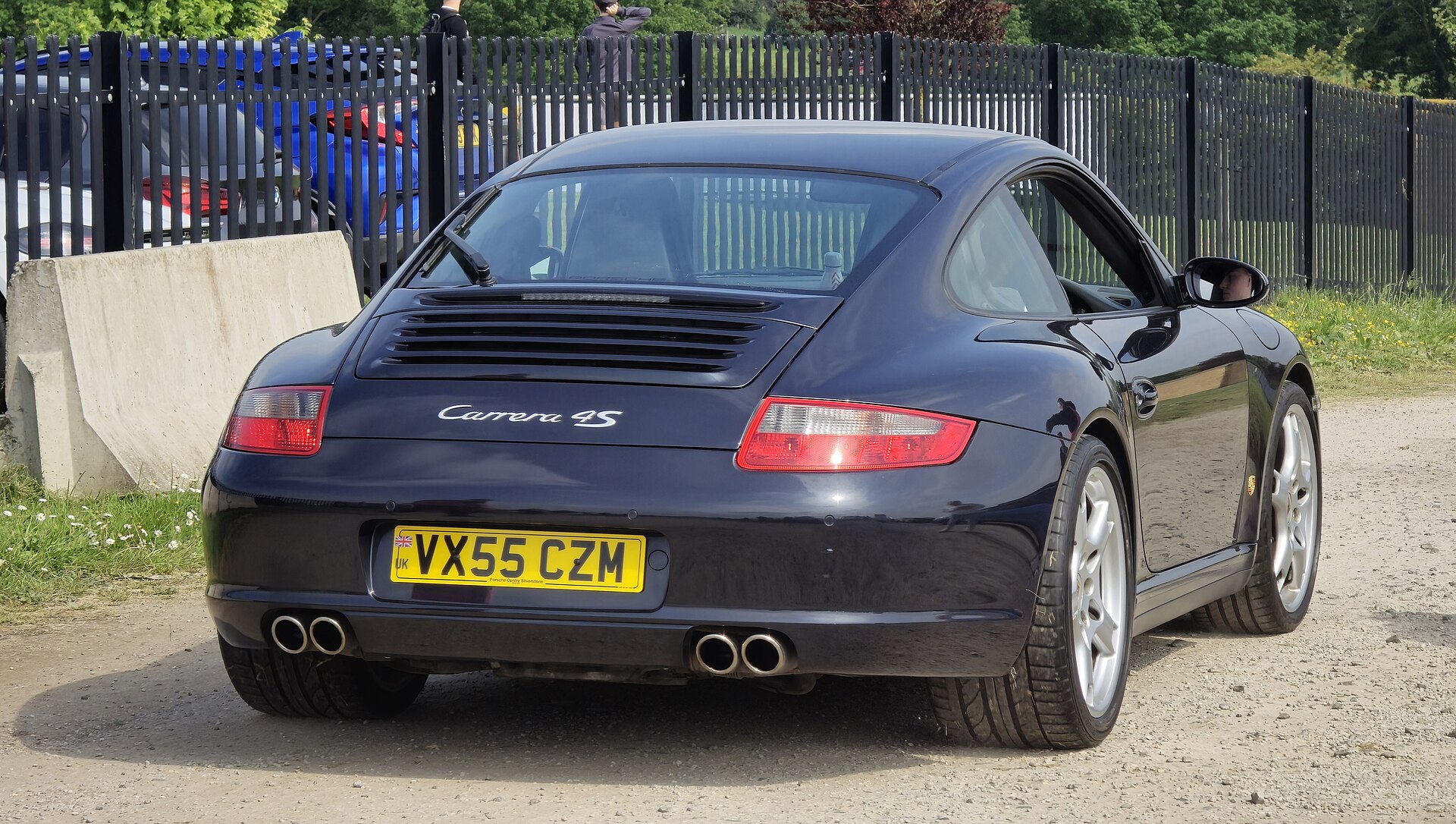
The 991.1 (2014-2016): The Entry Point to Serious Performance
The first-generation 991.1 Turbo S is where buyers can enter Turbo S ownership for $120,000-$155,000. It's a significant price drop from the 991.2, and for some buyers, the performance difference (20 hp and 0.1 seconds in 0-60) is worth the savings. For others, the gap is enough to make the 991.1 feel like a compromise.
The Electric Power Steering Question: The 991.1 was the first Turbo S generation to use electric power steering rather than hydraulic. Porsche enthusiasts remain divided on this choice. Electric steering is quicker and more direct than hydraulic, but lacks the mechanical feedback that makes steering feel alive. In the context of a 560-hp, 3,500-lb performance machine, most drivers find the trade-off acceptable. Hydraulic purists should probably stretch for the 997.2.
Pricing: Used 991.1 examples range from $120,000 to $155,000, with well-maintained examples around 15,000-20,000 miles priced at $135,000-$145,000. This represents a $30,000-$40,000 savings over the 991.2 for roughly 95% of the car.
Reliability: The 991.1 is reliable but not flawless. Early units (2014-2015) had some electrical gremlins, including occasional battery drain issues and infotainment glitches. By 2016, most of these issues had been resolved. The dual-clutch transmission in the 991 is incredibly strong and has minimal issues. Make sure any 991.1 you consider has had its transmission serviced per Porsche schedule; budget $2,500-$3,500 for transmission fluid service if it hasn't been done recently.
The Case for 991.1: If budget is tight and you're comfortable with 560 hp and solid-but-not-exceptional steering feel, the 991.1 is a capable entry point. You're getting a genuine performance car at an attractive price. The 20 hp difference between 991.1 and 991.2 is noticeable but not transformative in daily driving.
The Case Against 991.1: The 991.2 exists at a price point that makes the 991.1 hard to recommend anymore. For just $20,000-$30,000 more, you get 20 extra hp, better cooling, improved transmission behavior, and a platform with no early-production quirks. Unless you find an exceptional 991.1 at a steal price, the 991.2 is worth the additional investment.
The 997.2 (2010-2013): The Overlooked Collectible
The final generation of the first-generation 911 Turbo — yes, that's confusing naming from Porsche — is increasingly overlooked in a market obsessed with newer cars. But the 997.2 Turbo S is becoming something interesting: a car that people regret not buying five years ago, and a platform that's starting to show appreciation.
The Appeal: The 997.2 uses a 530-hp turbocharged flat-six that produces serious linear power delivery. It's the last generation before the 991's electric power steering, and it carries a mechanical quality that younger Turbos lack. The 997 platform is also older, which means out-of-warranty costs are real, but owners have developed a strong community and service knowledge. Some 997.2 owners drive their cars the hardest, knowing the replacement cost is lowest.
Pricing: Used 997.2 Turbo S examples range from $100,000 to $130,000, with low-mileage (under 20,000 miles) examples at $110,000-$125,000. This is genuinely affordable performance — less than a new Range Rover, less than a base Mercedes-AMG GT, and far less than any newer Turbo S.
Reliability Considerations: The 997 platform is over 10 years old (the youngest 997.2 is now 13 years old). Out-of-warranty repairs are a real consideration. Common issues include: occasional IMS bearing failures (though Turbo models have larger bearings and lower failure rates than naturally aspirated models), carbon buildup on turbocharged engines (preventable with occasional hard driving), and wear items (suspension, brake fluid service, cooling system).
The Case for 997.2: If you're mechanically inclined, have a trusted independent Porsche specialist, and want to maximize performance per dollar spent, the 997.2 is compelling. A $115,000 997.2 could be an appreciating asset if specialty car values continue to climb. The driving character is excellent, and the simplicity of older Porsche engineering is appealing to some buyers.
The Case Against 997.2: Warranty coverage is gone. Out-of-warranty repairs can be expensive. The car is old enough that you're buying someone else's maintenance decisions, and comprehensive pre-purchase inspection is absolutely critical. For most buyers, the peace of mind of a newer, warrantied car (991.1 or 991.2) is worth the premium.
The 991.2 Turbo S is the generation that offers the best balance of performance, reliability, and value. It's where most buyers should focus their search.

Options and Packages: Which Add Real Value?
Not all 911 Turbo S examples are created equal. The options package you choose directly impacts resale value. Here's what matters for Turbo S models across all generations:
Sport Chrono Package
This adds launch control, faster PDK shifts, a sport mode that adjusts all systems for maximum aggression, and a beautiful dashboard timer. Costs $2,500-$5,000 when optioned. On the resale market, it adds $3,000-$8,000 to value. Verdict: Worth it if you drive hard. Skip if you want to minimize costs.
PCCB (Carbon-Ceramic Brakes)
Carbon brakes reduce brake fade on track, are lighter than steel, and look absolutely incredible. They also cost $10,000 new and require specialized brake pads. On resale, they add $5,000-$12,000 to a car's value. Verdict: Highly desirable and worth the premium on used cars. Factor in that pad replacement costs $2,500-$4,000 versus $800 for steel brakes.
PDCC (Rear-Axle Steering)
Actively steers the rear wheels for improved handling. It's a sophisticated system and generally very reliable, though some owners report occasional solenoid issues. Adds $5,000-$8,000 to resale value. Verdict: Nice to have, but not critical. Many Turbo S owners skip it and save money.
Weissach Package (992 only)
Comprehensive performance upgrade including carbon-ceramic brakes, active aerodynamics, motorsports-inspired suspension, and titanium exhaust. Adds roughly $15,000-$30,000 to resale value but costs $22,000 new. Verdict: Excellent value if buying used; a good way to get a high-performance example without building your own options list.
Color Specification
This matters more than most buyers realize. Solid colors (white, gray, black) are common and slightly devalue cars. Metallic and special colors command premiums. The sought-after colors (Racing Yellow, Miami Blue, Agate Gray, Carmine Red) can add $3,000-$8,000 to resale value. Verdict: If choosing between otherwise identical cars, pick the more distinctive color. It will be easier to sell.
Manual vs. PDK: A Dying Distinction
Here's a surprising fact: the 991.1 Turbo S was the last generation available with a manual transmission, and it was extremely rare. Porsche built maybe 200-300 manual 991.1 Turbo S models globally. These cars command premiums of $20,000-$40,000 over PDK equivalents on the used market, but only if you specifically want a manual. For most buyers, the PDK transmission is faster, more practical, and frankly better suited to a 560-hp turbocharged car.
If you find a manual 991.1 Turbo S, it's a genuine collector's item. The value is real. But don't overpay for it just because it exists. The PDK shifts faster and will be worth more in the long run.
Common Reliability Issues: What to Watch For By Generation
992 Turbo S
Too new for significant issues. Watch for PDCC solenoid issues if equipped (reported occasionally; $1,200-$2,000 to replace). No significant engine or transmission problems identified. Warranty coverage through 4 years/50,000 miles is included if purchased from dealer.
991.2 Turbo S
Highly reliable overall. PDCC solenoid issues are rare but possible. Occasional turbocharger waste gate solenoid issues reported (costs $1,500-$2,500 to replace). Transmission is rock-solid. Clutch wear is minimal even on high-mileage examples. No widespread design flaws.
991.1 Turbo S
Early production units (2014-2015) occasionally had electrical issues: battery drain, infotainment glitches, occasional navigation system failures. These mostly disappeared by 2016. Transmission is reliable. Turbocharger issues extremely rare. Steering column electrical connector corrosion reported in some cars exposed to salt water.
997.2 Turbo S
IMS bearing issues are rare in Turbo models due to larger bearing size and higher oil pressure, but possible on heavily driven examples. Turbocharger carbon buildup preventable with regular hard driving (track days). Cooling system hose failures possible on older examples; preventative replacement recommended. Water pump failures documented on some high-mileage examples ($1,500-$2,500 to replace).
Real Ownership Costs: What You'll Actually Spend Annually
| Expense Category | 992 | 991.2 | 991.1 | 997.2 |
|---|---|---|---|---|
| Insurance | $2,500-$4,500 | $2,200-$3,800 | $2,000-$3,500 | $1,800-$3,200 |
| Routine Maintenance | $2,000-$3,500 | $2,000-$3,000 | $1,800-$2,800 | $2,500-$4,000 |
| Fuel (premium required) | $2,500-$4,000 | $2,500-$4,000 | $2,500-$4,000 | $2,500-$4,000 |
| Tires (amortized) | $1,200-$2,000 | $1,000-$1,800 | $1,000-$1,800 | $800-$1,500 |
| Brake Service (non-PCCB) | $800-$1,200 | $700-$1,100 | $700-$1,100 | $600-$1,000 |
| Registration & Taxes | $400-$1,000 | $400-$800 | $300-$600 | $250-$500 |
| Total Annual | $9,400-$16,200 | $8,800-$14,700 | $8,300-$13,800 | $8,450-$14,200 |
The 992's higher ownership costs are driven by tire pricing, insurance, and scheduled maintenance intervals. Older cars (997.2) require more frequent maintenance but have lower insurance. The 991.2 represents the sweet spot: reasonable insurance, predictable maintenance, and excellent reliability.
Our Recommendations by Buyer Profile
Best for Most Buyers: 991.2 Turbo S (2017-2019)
The 991.2 offers the perfect balance of modern technology, proven reliability, manageable costs, and compelling performance. A $170,000 991.2 Turbo S with 15,000 miles is our pick for the vast majority of buyers. You get 96% of the 992's performance at 70% of the price, with a platform that has seven years of real-world ownership data. Click here to explore whether a 911 Turbo S is worth buying for a deeper financial analysis.
Best for Performance Enthusiasts: 992 Turbo S (2021-2025)
If you drive hard, take your car to the track, and want absolute cutting-edge performance and technology, the 992 is worth the premium. The 2.6-second 0-60, hybrid torque fill, and improved aerodynamics make a real difference when pushed. Budget $210,000-$230,000 for a well-optioned example.
Best for Budget-Conscious Buyers: 991.1 Turbo S (2015-2016)
If $40,000-$50,000 separates your budget from a 991.2, the 991.1 is worth considering, particularly later 2016 models. You're sacrificing 20 hp and 0.1 seconds in 0-60, but gaining a $35,000 price advantage. Make sure the transmission has been serviced recently.
Best for Collectors: 997.2 Turbo S (2010-2013)
If you have a trusted Porsche mechanic and want to maximize performance per dollar, the 997.2 is surprisingly appealing at $100,000-$125,000. This generation is becoming collectible, and early signs suggest values may appreciate. Only for buyers comfortable with out-of-warranty repairs and willing to invest in proper maintenance.
How to Buy Smart: Steps That Protect Your Investment
Step 1: Define Your Budget — Include purchase price plus 24 months of running costs. If that stretches you, wait and save more. Don't buy a car that stresses your finances.
Step 2: Choose Your Generation — Use the recommendations above to narrow to 2-3 generations that fit your needs and budget.
Step 3: Search Broadly — Check Cars and Bids, Bring a Trailer, Autotrader, Craigslist, and authorized Porsche dealers. The best examples come from everywhere.
Step 4: Pre-Purchase Inspection — Non-negotiable. Budget $1,000-$1,500 for a comprehensive inspection by an independent Porsche specialist. This is the single best insurance policy you can buy.
Step 5: Market Research — Know comparable sale prices before you make an offer. Use completed auction data, not asking prices. Factor in any needed maintenance (transmission service, brake fluid, etc.).
Step 6: Secure Financing — Exotic lenders like JJ Best Banc and regional credit unions offer competitive rates. Expect to put 20-30% down and pay 5-8% interest.
For expert guidance through the entire process, Automonitor's concierge buying service handles inspections, market analysis, and negotiations. We've completed hundreds of exotic car transactions and know exactly what to look for.
Where to Find the Best 911 Turbo S Models
The best Turbo S examples come from different sources depending on generation. Newer 992 and 991.2 models are most common on Cars and Bids and specialized exotic dealers. Earlier 991.1 and 997.2 models appear frequently on Bring a Trailer, where auction transparency helps ensure fair pricing. Check our guide on where to buy a Porsche 911 Turbo S for detailed sourcing strategies.
The Final Verdict: Which Year Is Best?
The best year to buy a Porsche 911 Turbo S is the 2017-2019 991.2 for most buyers. It offers a stunning combination of modern performance, proven reliability, desirable technology, and financial value that no other generation can match. A well-maintained 991.2 with 15,000-20,000 miles is the sweet spot: fast enough to excite, reliable enough to trust, and priced affordably enough to make financial sense.
If you have the budget and want the absolute best, the 2021+ 992 Turbo S is a legitimate supercar that justifies its price through cutting-edge performance and technology. If you're budget-constrained, the 2015-2016 991.1 is a capable alternative. And if you want to maximize value and don't mind out-of-warranty ownership, the 997.2 is becoming collectible.
But if we're recommending a single generation to 100 different buyers, it's the 991.2. Every time. It's the generation that got it right.
Ready to find yours? Automonitor can help you source, inspect, and purchase the perfect 911 Turbo S. We handle the complexity so you can focus on enjoying the drive.
Ready to Own a 911 Turbo S?
Automonitor's expert team sources verified examples across all generations, handles comprehensive inspections, and ensures you pay market price. Let us find your perfect match.
Start Your Search →