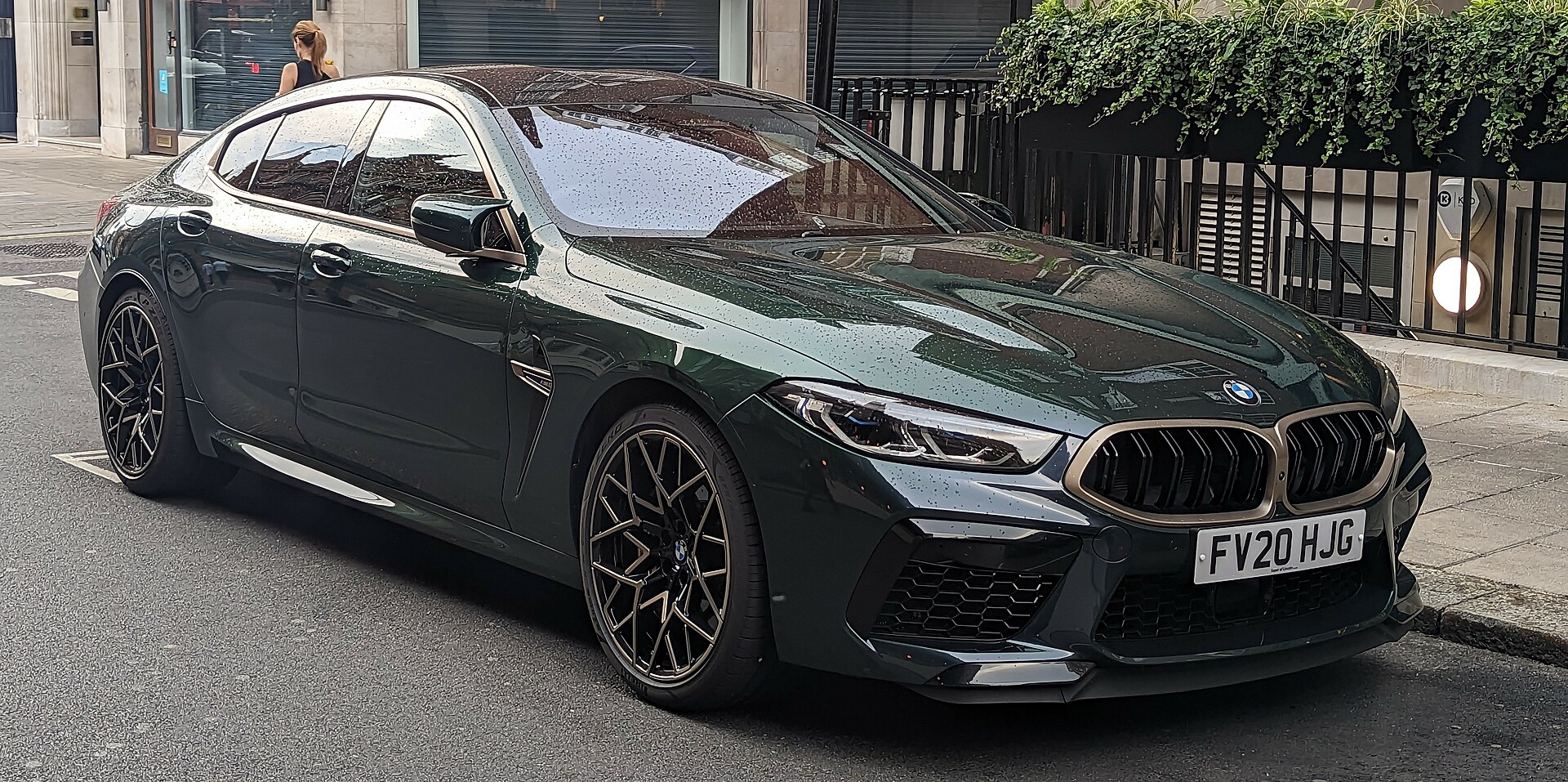
What Is the Best Year to Buy a BMW M8?
The BMW M8 Competition represents the pinnacle of German performance engineering—twin-turbocharged V8 power, cutting-edge technology, and brutal acceleration wrapped in a carbon-fiber chassis. But choosing the right model year means understanding the differences between launch models, mid-cycle refreshes, final editions, and the price-to-value equation that separates a brilliant investment from an expensive mistake.
The Quick Verdict: Best Year by Use Case
If you want the definitive answer without the deep dive: buy a 2022-2023 M8 Competition LCI (Life Cycle Impulse) for the best balance of technology and value. If you're primarily interested in maximum depreciation arbitrage, the 2020-2021 pre-LCI models offer 40-50% depreciation from their original $133K+ MSRP, putting excellent used examples in the $65-80K range. If you're seeking a potential future collectible, the 2024 M8 Competition coupe is the final year for that body style before BMW discontinued it. The 2025 Gran Coupe continues alone, making the 2024 coupe potentially significant for collectors.
But that's the executive summary. The real story requires understanding how the M8 evolved from 2020 through 2025, which models have proven most reliable, where hidden problems lurk, and why depreciation patterns matter more than horsepower numbers for smart buyers.
The BMW M8 Evolution Timeline: 2020 Through 2025
The BMW M8 Competition debuted in 2020 as the company's direct answer to the Mercedes-AMG GT and the Lamborghini Huracan. It's not a completely new car—it's built on the G15 platform shared with the 8 Series—but BMW M applied serious engineering to create something genuinely extraordinary.
2020 Generation (Pre-LCI): Launch Year, Most Depreciation
The 2020 and 2021 M8 Competition models arrived with a 617 horsepower twin-turbocharged S63 V8, all-wheel drive as standard, and a traditional BMW interior layout. These launch-year models established the template: 0-60 in 3.2 seconds, electronically limited to 155 mph (though real-world top speed is around 195 mph without the limiter), and a chassis that proved BMW could build a supercar rival to cars costing twice as much.
Available body styles from day one: coupe, convertible (M8 Competition xDrive Convertible), and Gran Coupe (the four-door variant). The Gran Coupe proved immediately popular—it offered genuine rear legroom without sacrificing performance, making it the most practical super-sedan alternative to the Mercedes-AMG GT 63 S.
Key specifics: The 2020-2021 models use the standard BMW iDrive infotainment system (iDrive 7), a 12.3-inch digital instrument cluster, and a curved dashboard layout. No Apple CarPlay or Android Auto at launch. Owners reported decent build quality, but the platform benefits enormously from the 2022 refresh.
Why these models depreciated so heavily: BMW's initial pricing was aggressive ($133,800 MSRP for 2020 coupe), and the jump to the 2022 LCI refresh was substantial enough that second-year buyers suddenly looked for post-refresh models. By 2026, clean 2020-2021 M8 Competition models with under 20,000 miles are available in the $65-80K range—representing roughly 50% depreciation from original MSRP.
2022+ Generation (LCI): The Major Update Year
The 2022 model year introduced the M8 Life Cycle Impulse refresh—a more comprehensive update than typical mid-cycle refreshes. The exterior received a redesigned front bumper with a more aggressive kidney grille. More significantly, the interior got a complete technology overhaul.
The iDrive 8 curved display (available for the first time on M8) features a 14.9-inch screen that flows across the dashboard with exceptional aesthetics. The system itself is dramatically faster and more intuitive than iDrive 7. Apple CarPlay and Android Auto arrived. The interior materials improved slightly with better leather and softer-touch plastics.
The engine remained the 617 hp S63 V8 twin-turbo, but internal optimizations made the power delivery smoother. Suspension tuning improved, and the transmission became more responsive in Corsa mode. The real-world difference is tangible—the 2022+ cars feel more refined, more usable, and more "finished" than the launch models.
2022-2023 LCI models continue the coupe, convertible, and Gran Coupe lineup. The iDrive 8 interface alone justifies the premium over the pre-LCI models. These vehicles are now in the $85-110K range depending on mileage and spec, making them the "sweet spot" for buyers who want current technology without mega-depreciation.
2024: Final Year for Coupe and Convertible
The 2024 M8 Competition represents a critical inflection point. BMW discontinued the two-door coupe and convertible versions after 2024 to streamline the lineup and consolidate production around the more profitable Gran Coupe variant. This makes the 2024 coupe and convertible potentially significant for collectors—final editions often appreciate slightly as enthusiast interest builds.
The 2024 models carry over the LCI design and iDrive 8. No mechanical changes from the 2023. The value proposition is interesting: you can buy a 2024 M8 Competition coupe today (in early 2026) for roughly $95-110K with low mileage, own the final year of that body style, and potentially benefit from collector interest if BMW becomes more selective about which M models survive future generations.
2025: Gran Coupe Only, Simplified Lineup
As of 2025, only the M8 Competition Gran Coupe continues production. Four-door convenience, iDrive 8 tech, the same S63 engine. No mechanical performance improvements from 2024, but BMW's repositioning signals a long-term commitment to the Gran Coupe formula as the primary M8 variant.
Used 2025 examples aren't yet available in meaningful supply, but when they do hit the market, expect them to carry a premium relative to 2024 and 2023 models due to freshness. For daily driving, especially if you need rear seats and a rear trunk, the Gran Coupe in 2022+ LCI form is the most practical choice.
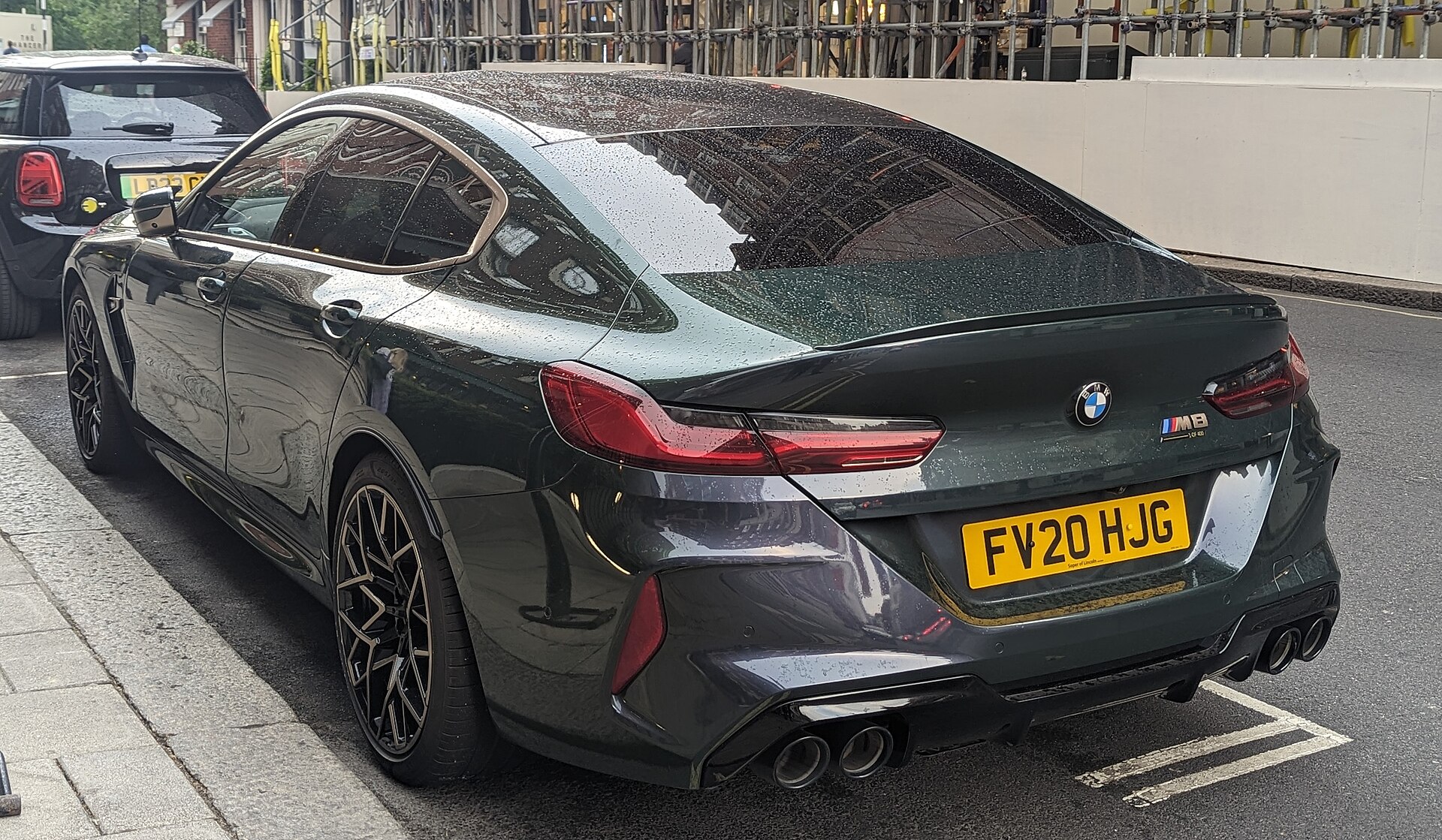
Reliability and Known Issues: The Real Ownership Story
The BMW M8 is reliable by exotic car standards, but it's not a Toyota. The S63 V8 twin-turbo engine is shared across the M5, X5 M, and X6 M—proven across millions of miles—but the twin-turbo application in the M8 has developed some well-documented issues in early models.
2020-2021 Pre-LCI Known Issues
- Oil Consumption: Some early 2020-2021 models reported higher-than-normal oil consumption, particularly examples driven aggressively or in hot climates. Not universal, but documented enough that it's worth investigating in any pre-LCI example you're considering. BMW issued technical service bulletins addressing this.
- Adaptive Suspension Module Failures: The air suspension system (optional on M8 Competition) can develop pressure loss in the control module. Repair runs $4,000-$6,000 at BMW dealers. Check suspension response during test drive—soft suspension that doesn't firm up properly in Sport modes is a red flag.
- Transmission Programming Bugs: The 8-speed automatic DCT transmission occasionally hesitated between gears in early 2020 models. A software update resolved this, but verify any pre-LCI car has been updated at a BMW dealer.
- Cooling System Design: The twin-turbo system requires aggressive cooling. Pre-LCI models don't have quite the thermal optimization of later years. Not a failure mode, but worth noting for owners who plan track use.
2022+ LCI Known Issues
The good news: 2022+ LCI models have dramatically fewer reported issues. The engineering improvements that came with the refresh addressed most pre-LCI concerns. Owners report these platforms as significantly more robust.
- iDrive 8 Software Glitches: The new iDrive system occasionally exhibits lag or unresponsive touchscreen. This is software, not hardware, and BMW has issued multiple over-the-air updates addressing these issues.
- Suspension (if equipped with air): Still the most common component requiring service. Proactive inspection recommended every 40,000 miles.
- General Durability: 2022+ models have proven exceptionally reliable. Owners with 30,000-50,000 miles report minimal unscheduled maintenance beyond wear items.
Maintenance Cost Reality
Annual maintenance for an M8 Competition runs $2,000-$4,000 including oil changes (premium synthetic required), fluid service, and inspections. The S63 engine is more expensive to service than a standard V8 due to turbocharger complexity, but not dramatically so compared to other exotic cars.
Brake fluid service is $800-$1,200 every two years. Tire replacement (Michelin Pilot Sport for performance, Bridgestone for comfort) runs $3,000-$4,500 for a full set. The carbon ceramic brakes, if optioned, last 60,000-80,000 miles before requiring replacement at $12,000+.
Overall: The M8 is reliable enough that unexpected repairs are uncommon, but when they happen, they're expensive. Budget accordingly.
Depreciation and Value Retention: The Financial Reality
This is where model year selection becomes critical financially. The M8 depreciated heavily in its first three years, but the depreciation curve has stabilized significantly.
| Model Year | Original MSRP | 2026 Used Price | Total Depreciation | Annual Depreciation Rate |
|---|---|---|---|---|
| 2020 Coupe | $133,800 | $65,000–$75,000 | 49–51% | ~8–9% annually |
| 2021 Coupe | $136,200 | $70,000–$80,000 | 41–49% | ~8% annually |
| 2022 Coupe (LCI) | $138,800 | $95,000–$105,000 | 24–31% | ~8% annually |
| 2023 Coupe (LCI) | $140,100 | $100,000–$110,000 | 21–29% | ~10–14% annually (new models) |
| 2024 Coupe (Final Year) | $142,400 | $105,000–$115,000 | 18–26% | Stabilizing |
| 2022 Gran Coupe | $144,900 | $98,000–$108,000 | 26–32% | ~8–9% annually |
The pattern is clear: buy a pre-LCI (2020-2021) if you want maximum depreciation arbitrage. You're getting a 50% discount on original retail price, and the car still has BMW warranty coverage transferable to second owners. If you're keeping the car for 3+ years and want the latest technology, the 2022+ LCI makes financial sense because depreciation has slowed significantly.
The 2024 final-year coupe is interesting because it carries a small collector's premium. Original pricing was higher ($142,400), but examples are selling around $105-115K, representing a more modest 18-26% depreciation. If you believe in future collector interest in final-edition M8 coupes (reasonable, given how final-year models have historically appreciated), the 2024 is worth considering despite slightly higher initial cost.
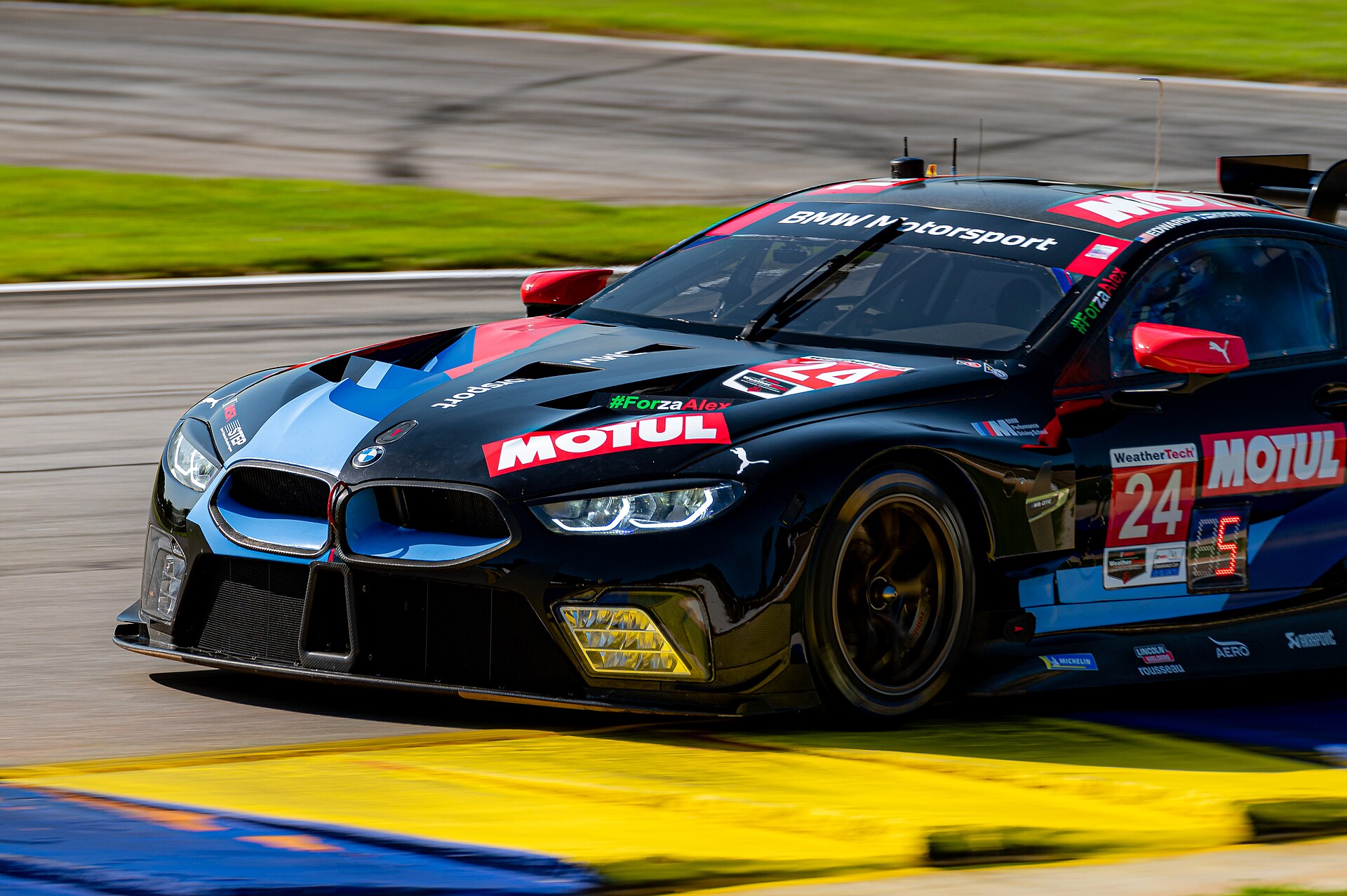
Which Body Style? Coupe vs. Convertible vs. Gran Coupe
Coupe (2020–2024)
The purest driving experience. Lowest curb weight, best rigidity, most aggressive styling. Two seats, no rear legroom, minimal trunk space. Best for: collectors, track enthusiasts, pure performance focus. Price premium: Mid-range among body styles. Availability: Limited in 2024 as final year; abundant in 2020-2023.
Convertible (2020–2024)
Coupe chassis with a retractable hardtop. Real convertible performance—the roof operation is smooth, the windscreen is electric, fully integrated with the car's systems. Weight penalty over coupe is minimal (roughly 200 lbs). Driving dynamics are barely compromised. Best for: summer driving, visual impact, convertible enthusiasts. Price premium: Typically $3,000-$8,000 over coupe. Availability: Becoming rare in 2024.
Note: Convertible buyers should verify the roof motor and windows are functioning smoothly. One major repair ($4,000-$7,000) would undermine the value proposition.
Gran Coupe (2020–2025 and beyond)
Four full doors, rear seats with genuine legroom, large trunk, elegant proportions. Internally, it's the most "grown up" M8 variant. Approximately 150 lbs heavier than the coupe, but performance is identical (same engine, same transmission, same 0-60 time). Best for: daily driving, pragmatic enthusiasts, families needing a four-seat supercar. Price premium: Generally $8,000-$15,000 over coupe. Availability: Best supply across all model years due to higher sales volume.
The Gran Coupe is becoming the M8 variant of choice as BMW consolidates the lineup. If you're choosing a new M8 for long-term ownership, the Gran Coupe offers the best practicality without meaningful performance sacrifice.
Cost of Ownership and Running Expenses: Total Cost of Ownership Analysis
The purchase price is only part of the equation. Here's what M8 ownership actually costs annually, based on real owner data:
| Expense Category | Annual Cost | Notes |
|---|---|---|
| Insurance | $2,800–$5,500 | Varies by location, age, driving record; M8 is lower-risk than most exotics |
| Regular Maintenance | $2,000–$4,000 | Oil service, fluid service, inspections; increases with mileage |
| Fuel | $2,500–$3,500 | ~14 mpg combined; 91+ octane premium required |
| Tires (amortized) | $1,200–$2,000 | Performance tires every 20K–30K miles |
| Registration & Taxes | $500–$2,000 | State-dependent; luxury tax applies in some jurisdictions |
| Total Annual Running Cost | $9,000–$17,000 | Excludes depreciation & major repairs |
For a $100K purchase price, this means annual running costs represent 9-17% of the vehicle's value. That's reasonable for a performance car, but you should budget for it before committing.
Know Your Real Cost Before Buying
Automonitor's cost calculator factors in insurance, maintenance, fuel, and depreciation to show you the true cost of M8 ownership. Make an informed decision with real numbers, not guesses.
Get Your Ownership Cost Estimate →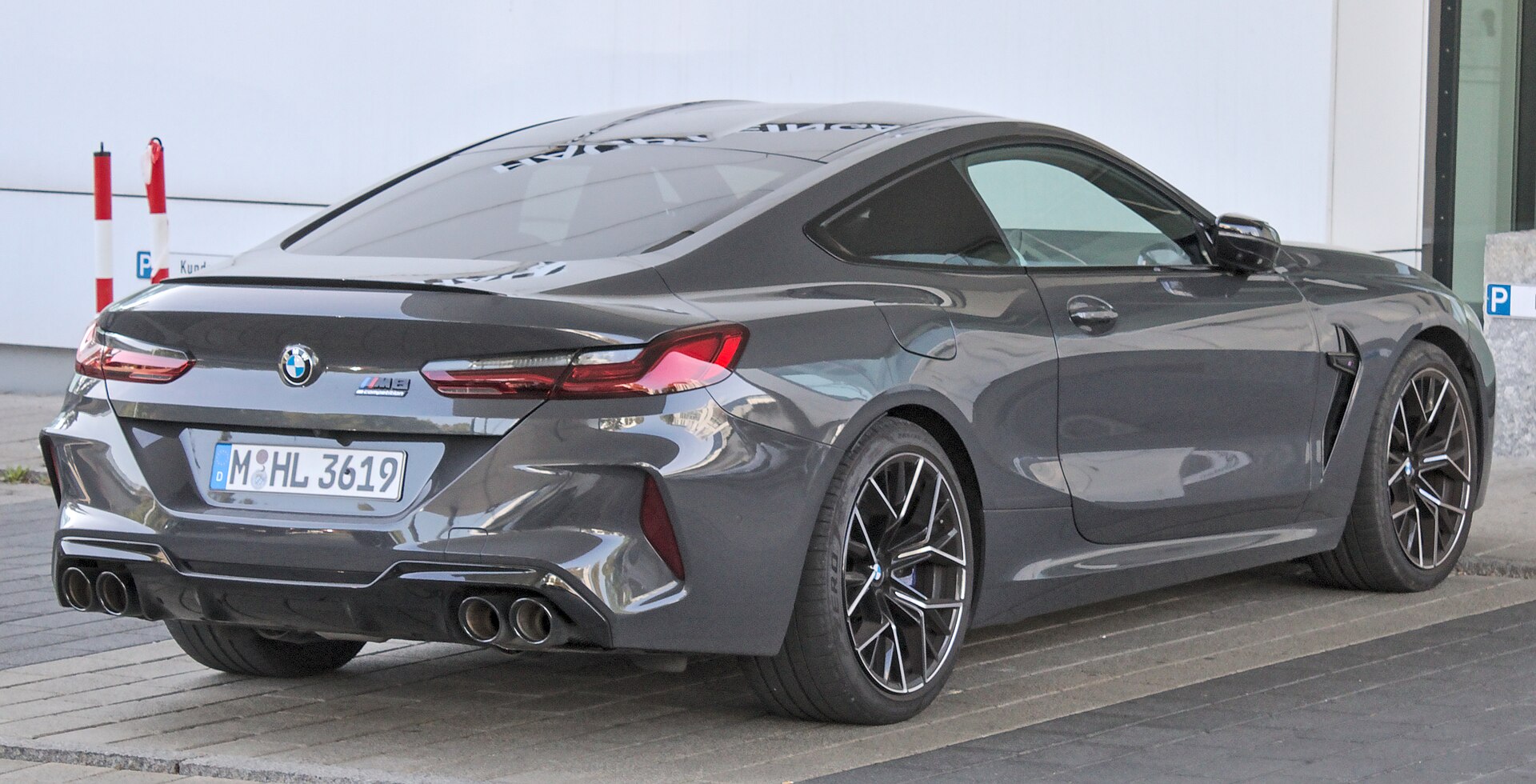
M8 Model Year Comparison Table
Here's a comprehensive comparison of every model year:
| Aspect | 2020–2021 | 2022–2023 LCI | 2024 (Final Coupe) | 2025 Gran Coupe |
|---|---|---|---|---|
| Engine | 617 hp S63 Twin-Turbo V8 | 617 hp S63 Twin-Turbo V8 | 617 hp S63 Twin-Turbo V8 | 617 hp S63 Twin-Turbo V8 |
| Infotainment | iDrive 7 (12.3") | iDrive 8 Curved (14.9") | iDrive 8 Curved (14.9") | iDrive 8 Curved (14.9") |
| Apple CarPlay/Android Auto | No | Yes | Yes | Yes |
| 0–60 mph | 3.2 seconds | 3.2 seconds | 3.2 seconds | 3.2 seconds |
| Body Styles Available | Coupe, Convertible, Gran Coupe | Coupe, Convertible, Gran Coupe | Final Year: Coupe, Convertible | Gran Coupe Only |
| Typical Used Price (2026) | $65K–$80K | $95K–$110K | $105K–$115K | Not yet widely available |
| Reliability Rating | Good | Very Good | Very Good | Very Good (New) |
| Technology Freshness | Standard for 2020 | Current | Current | Very Current |
| Collector Value Potential | Low (1st gen) | Medium (LCI) | High (Final Year) | TBD |
Best Model Year by Scenario
Best for Value and Arbitrage: 2020–2021
You want the biggest discount off original retail price. The 2020-2021 models are $50,000-$60,000 cheaper to buy than they were new, representing extraordinary value on a $130K+ car. Yes, you're giving up iDrive 8 and current tech, but the driving experience is identical. Perfect for: buyers who prioritize value over features, those on a budget, used market hunters.
Best All-Rounder: 2022–2023 LCI
You want current technology (iDrive 8, Apple CarPlay, 14.9" curved display), proven reliability (LCI updates resolved early issues), and a reasonable purchase price ($95-110K). This combination is hard to beat. The 2022-2023 models are in the sweet spot of technology recency and value. Perfect for: everyday enthusiasts, long-term owners, buyers who want modern features without overpaying for newness.
Best for Collectors: 2024 Coupe/Convertible
You believe in future appreciation of final-year models. The 2024 coupe and convertible are the last of those body styles, which creates potential collector interest (assuming BMW doesn't revive them in a few years). Current prices ($105-115K) suggest the market hasn't fully priced in the "final year" premium yet. Perfect for: collectors with patience, enthusiasts who value rarity, buyers planning 5+ year ownership.
Best for Practicality: 2022+ Gran Coupe
You need four doors, rear seats, and a practical trunk without sacrificing supercar performance. The Gran Coupe gets priority going forward as BMW consolidates the lineup. All 2022+ models have iDrive 8 and proven reliability. Perfect for: family-oriented enthusiasts, those needing daily usability, buyers wanting excellent long-term parts availability.
The Smart Buying Strategy: How to Get the Best Deal
Knowing which year is best is only half the battle. Here's how to actually buy one at market rates:
1. Define your budget around total cost, not purchase price. If you budget $100K for purchase, you should have $15-20K annual buffer for running costs. That means a $100K M8 requires approximately $130-140K in liquid assets to own comfortably.
2. Search across geography. M8 prices vary significantly by region. Florida and California have higher supply and more competitive pricing than smaller markets. Platforms like Automonitor's buying service, Cars and Bids, and Bring a Trailer all have different pricing dynamics.
3. Prioritize service history and inspection data. A 2020 M8 with full BMW dealer service history is worth $5,000 more than the same car with an unknown history. The pre-LCI models already have documented issues; you don't want to inherit someone else's suspension repairs.
4. Get a pre-purchase inspection. Non-negotiable. A BMW M specialist inspection costs $400-$800 and should include a full diagnostic scan, suspension check, transmission function test, and cooling system inspection. This single step catches 80% of potential problems.
5. Negotiate based on deferred maintenance. If the tires have 60% tread remaining, that's a $3,000+ upcoming cost you can negotiate off the price. If the suspension is showing signs of wear, factor in a $4,000+ repair cost.
6. Consider certified pre-owned (CPO) options. BMW's CPO warranty adds value, especially on pre-LCI models. The extra $2,000-$5,000 in cost is worthwhile to have warranty coverage on major components.
How the M8 Compares: Coupe and Gran Coupe Alternatives
You're probably also looking at alternatives. Here's the honest comparison:
| Aspect | BMW M8 | Mercedes-AMG GT 63 S | Porsche 911 Turbo S | Lamborghini Huracan EVO |
|---|---|---|---|---|
| Engine | 617 hp Twin-Turbo V8 | 630 hp Twin-Turbo V8 | 640 hp Twin-Turbo Flat-6 | 630 hp NA V10 |
| 0–60 mph | 3.2 seconds | 3.2 seconds | 2.6 seconds | 2.8 seconds |
| Used Price (2020-2021) | $70K–$80K | $85K–$100K | $80K–$95K | $155K–$185K |
| Annual Maintenance | $2K–$4K | $3K–$5K | $2K–$3.5K | $4K–$6K |
| Value Retention (5yr) | 55–60% | 50–55% | 60–70% | 70–75% |
| Practicality | Excellent (Gran Coupe) | Good | Good (Carrera 4) | Limited |
| Driving Character | Composed, Refined | Aggressive, Theatrical | Superb (Best Balance) | Raw, Visceral (NA V10) |
The M8's strength is practicality combined with supercar performance. The Porsche 911 Turbo S is technically better as a driver's car. The Mercedes-AMG GT 63 S is more dramatic. The Lamborghini Huracan EVO has a naturally aspirated engine that sounds better. But if you want supercar performance with four doors and 100,000-mile reliability, the M8 is hard to beat.
Common Mistakes to Avoid
Mistake 1: Buying a pre-LCI model without thorough inspection. The 2020-2021 models are cheap for a reason. Without a proper inspection catching suspension issues or oil consumption problems, you could inherit $10,000+ in repairs.
Mistake 2: Ignoring the total cost of ownership. The purchase price is often 60-70% of the total cost. Factor in insurance, maintenance, fuel, and unexpected repairs before committing.
Mistake 3: Choosing the wrong body style. Buying a coupe because it looks cooler, then realizing you need to occasionally transport a passenger or their luggage is a $30,000+ regret. Be honest about how you'll use the car.
Mistake 4: Skipping the pre-purchase inspection to save $500. That's false economy. A $500 inspection that identifies a $6,000 suspension problem pays for itself 12 times over.
Mistake 5: Not accounting for tire and brake costs. The M8 eats through performance tires and brake pads faster than most cars. Budget $2,000-$3,000 annually for these wear items.
Get Expert Guidance Before You Buy
Automonitor's BMW specialists have evaluated over 500 M8 models. We provide detailed market analysis, service records verification, and pre-purchase guidance to ensure you make the right choice. Don't fly blind.
Connect with an Automonitor Advisor →Related BMW M Resources
If you're considering an M8, these related guides will help inform your decision:
- Is a BMW M8 Worth Buying? — Deep dive into the ownership proposition
- Where to Buy a BMW M8 — Sourcing strategies and dealer networks
- What Is the Best Year to Buy a Mercedes-AMG GT? — Primary alternative comparison
- What Is the Best Year to Buy a Porsche 911 Turbo S? — Best-driver alternative
- What Is the Best Year to Buy an Aston Martin Vantage? — Luxury sports car alternative
- Is a Mercedes-AMG GT Worth Buying? — Value and practicality assessment
- Is a Porsche 911 Turbo S Worth Buying? — Detailed ownership analysis
- What Is the Best Year to Buy a McLaren 720S? — Mid-engine alternative perspective
- What Is the Best Year to Buy a Porsche 911 GT3? — Track-focused alternative
- Is a Maserati MC20 Worth Buying? — Ultra-premium alternative
The Final Verdict
The best year to buy a BMW M8 depends entirely on your priorities:
For maximum value and depreciation arbitrage: Buy a 2020-2021 pre-LCI model with full service history and a clean pre-purchase inspection. You're getting a $130K car for $70K and accepting minimal technology compromises.
For the best balance of technology, reliability, and value: Buy a 2022-2023 LCI M8 Competition (any body style). iDrive 8 was a transformative upgrade, the platform has proven reliable, and prices at $95-110K represent solid value on a supercar.
For potential collector appreciation: Buy a 2024 M8 Competition coupe or convertible. You're acquiring the final year of those body styles, which historically creates long-term interest among enthusiasts. Current pricing suggests the market hasn't fully valued this scarcity yet.
For daily practicality and forward-looking value: Buy a 2022+ Gran Coupe. Four doors, modern technology, proven reliability, and BMW's commitment to the Gran Coupe as the primary M8 variant going forward suggests solid long-term parts availability and future support.
No matter which year you choose, secure a pre-purchase inspection, verify service history, understand the true cost of ownership, and choose the body style that matches how you'll actually use the car. The M8 is an extraordinary machine—make sure you're getting the right one for your situation.
Ready to start your search? Check our comprehensive M8 worth-buying guide for additional context, and connect with Automonitor's buying team if you want expert guidance through the purchasing process. We'll help you find the right M8 at the right price.