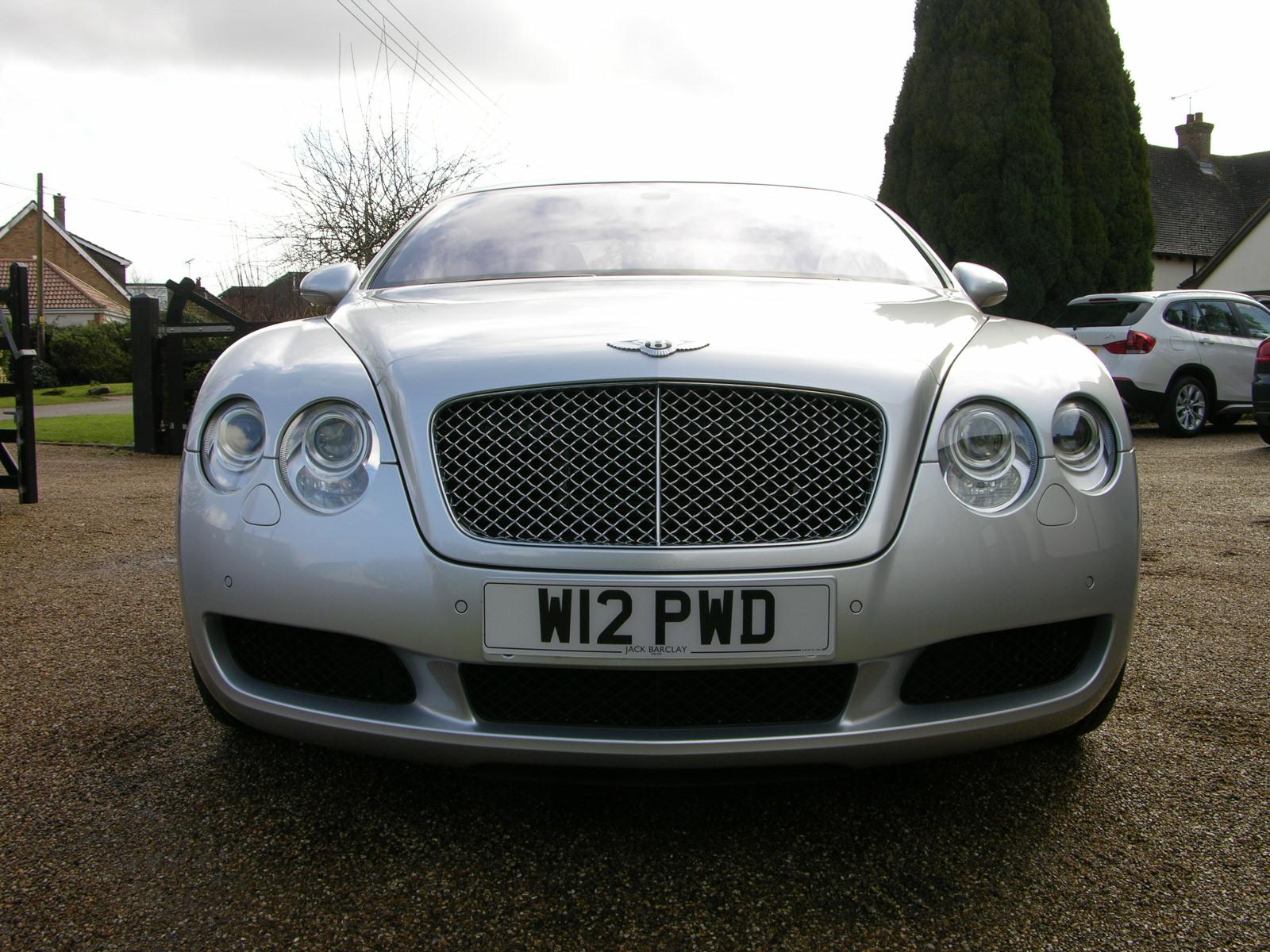
What Is the Best Year to Buy a Bentley Continental GT?
Three generations of grand touring excellence — from sub-$40K first-gen bargains to the latest W12 masterpiece, with pricing and recommendations for each era
The Continental GT Decision: Which Generation Is Right for You?
The Bentley Continental GT is not one car — it's three distinct vehicles separated by vast gulfs in price, technology, and ownership experience. You can buy a first-generation Continental GT from 2006 for less than $40,000. You can also spend $215,000 on a brand-new third-generation W12. Both wear the same badge. Both are grand touring masterpieces. But they're fundamentally different propositions.
The challenge for buyers is this: Is the Continental GT worth buying, and if so, which year makes the most sense for your budget and expectations? The answer depends entirely on where you sit in the reliability-versus-value spectrum. This guide covers all three generations, their sweet spots, and the hidden costs that separate dreamers from owners.
Generation Comparison: The Evolution of Bentley's Icon
The Continental GT has been Bentley's flagship since 2003. Here's how each generation stacks up:
| Generation | Years | Platform | Engine Options | Horsepower | 0-60 mph | Weight | Used Price Range | Recommended? |
|---|---|---|---|---|---|---|---|---|
| First Gen | 2004–2010 | VW Group (Phaeton) | 6.0L W12 only | 552 hp | 3.8s | 4,900 lbs | $30K–$65K | Value play |
| Second Gen | 2011–2018 | Refined VW Group | 6.0L W12, 4.0L V8 (2012+) | 567 hp / 500 hp | 3.6s / 3.9s | 4,850 lbs / 4,520 lbs | $60K–$130K | V8 is sleeper pick |
| Third Gen | 2019–present | MSB (all-new) | 6.0L W12, 4.0L V8 | 650 hp / 542 hp | 3.5s / 3.9s | 4,960 lbs / 4,670 lbs | $140K–$215K | 2020-2021 V8: sweet spot |
The progression is clear: each generation is more powerful, more refined, and more expensive. But "better" doesn't always mean "right for you." Let's break down each era in detail.
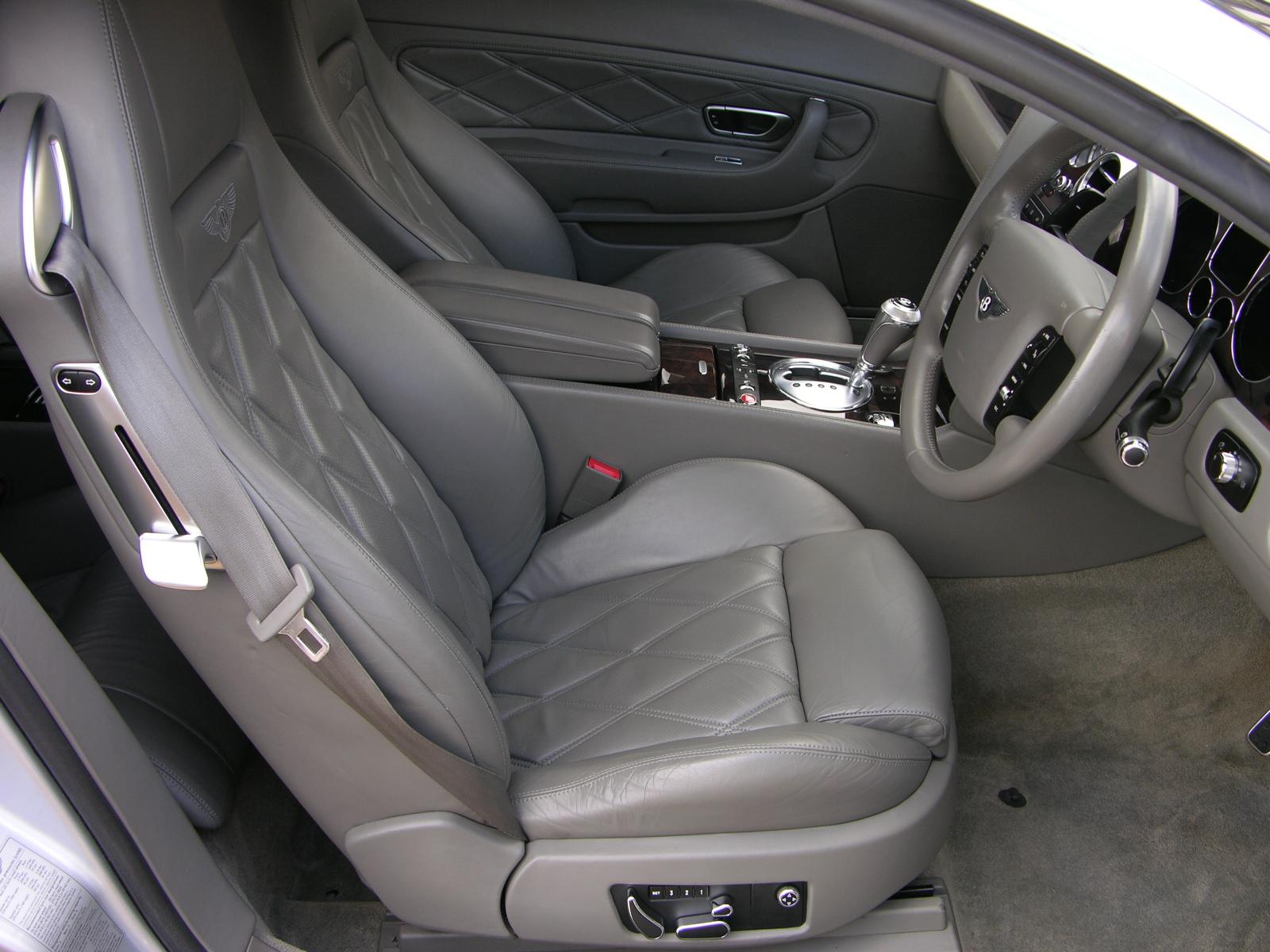
First Generation (2004-2010): The $40,000 Bentley Question
You can walk into a pre-owned luxury dealer and drive away in a 6.0L W12 Continental GT for less than the price of a new BMW M440i. This is extraordinary value on paper. In practice, it comes with warnings.
The Specs That Matter
The original Continental GT featured a 6.0-liter twin-turbocharged W12 engine producing 552 horsepower and 479 lb-ft of torque. That engine is hand-assembled and legitimately impressive — the W12 configuration creates a smoothness that V8s can't match. Zero to 60 mph happens in 3.8 seconds. Top speed is 198 mph. For a car that weighs nearly 5,000 pounds, these numbers are remarkable.
The first-gen interior is 2004 technology but executed with genuine luxury. Hand-stitched leather (if original), burled walnut trim, and analog gauges create an atmosphere that feels timeless. The cabin is hushed — this car is genuinely comfortable on 500-mile highway runs.
Why It's So Cheap: The Hidden Costs
The reason first-gen examples are so inexpensive is not because they're not special. It's because they're old, and old Bentleys are expensive to maintain. Here's what you need to know:
- Electrical Gremlins: Trim panels fail. Window motors die. Dashboard pixel failure is common. These are $500–$3,000 repairs that add up quickly. Climate control is a known problem area.
- Suspension Hydraulics: The adaptive air suspension develops leaks. A full system replacement or repair runs $5,000–$15,000. This is not optional — it affects drivability.
- Transmission Concerns: The ZF 6-speed automatic is generally reliable, but if it fails, rebuild costs are $8,000–$12,000 at a specialist.
- Engine Timing Chain: The W12 timing chains can stretch. This requires full engine removal and costs $12,000–$20,000. It's rare but catastrophic when it happens.
- Oil Consumption: First-gen Continental GTs are known for excessive oil consumption — sometimes 1 quart per 1,000 miles. This isn't dangerous, but it's annoying and adds up to significant cost over time.
Real annual ownership cost estimate for first-gen: $5,000–$12,000 per year in maintenance alone, not including routine service.
The $40K Continental GT: Is It Worth It?
A first-gen Continental GT at $35,000–$45,000 is a value proposition only if you: (1) have budget for unexpected repairs, (2) have a trusted independent Bentley specialist nearby, (3) plan to enjoy the car for short weekend drives, not daily use. If all three apply, it's one of the best supercar bargains in the used market. If not, walk away.
The first-gen Continental GT is like buying a classic Rolex that's out of warranty — incredible when it works, heartbreaking when it doesn't.
Second Generation (2011-2018): The V8 Sleeper Pick
In 2011, Bentley refined the Continental GT's platform and made meaningful improvements to reliability and comfort. Then in 2012, something extraordinary happened: they introduced a 4.0-liter twin-turbocharged V8 option that made 500 horsepower.
W12 vs. V8: Why the V8 Wins on Value
The W12 in the second generation produces 567 horsepower and achieves 0-60 in 3.6 seconds. It's the more prestigious choice. The V8 produces 500 horsepower and hits 0-60 in 3.9 seconds.
The difference in real-world driving? Almost imperceptible. The V8 is lighter, more responsive, and paradoxically more fuel-efficient. But here's the financial reality: a 2015 Continental GT W12 costs $85,000–$110,000. A 2015 Continental GT V8 costs $65,000–$85,000. You're paying $20,000+ for 67 extra horsepower and 0.3 seconds of acceleration.
The V8 is more reliable. Bentley's VW Group V8 technology was proven in Audi and Porsche. The W12 is more unique — and unique is expensive to fix.
Second-Gen Reliability Improvements
This generation showed meaningful progress. The electrical issues plaguing the first gen were largely addressed. The suspension hydraulics are more robust. The cabin technology is more reliable (though still aging by 2026 standards). Many owners report 50,000+ miles with minimal issues beyond routine maintenance.
The interior is significantly more upscale than the first gen — thicker leather, better fit and finish, improved infotainment. By 2015-2016, the second gen feels like a modern luxury car. By 2018, it feels acceptable but not cutting-edge.
The Second-Gen Sweet Spot
If you want a used Continental GT that balances value, reliability, and driving experience, a 2014–2016 V8 model with 30,000–50,000 miles at $70,000–$85,000 is hard to beat. You get most of the performance of the W12, better reliability than the first gen, and you're not paying for cutting-edge technology that will be obsolete in 5 years anyway.
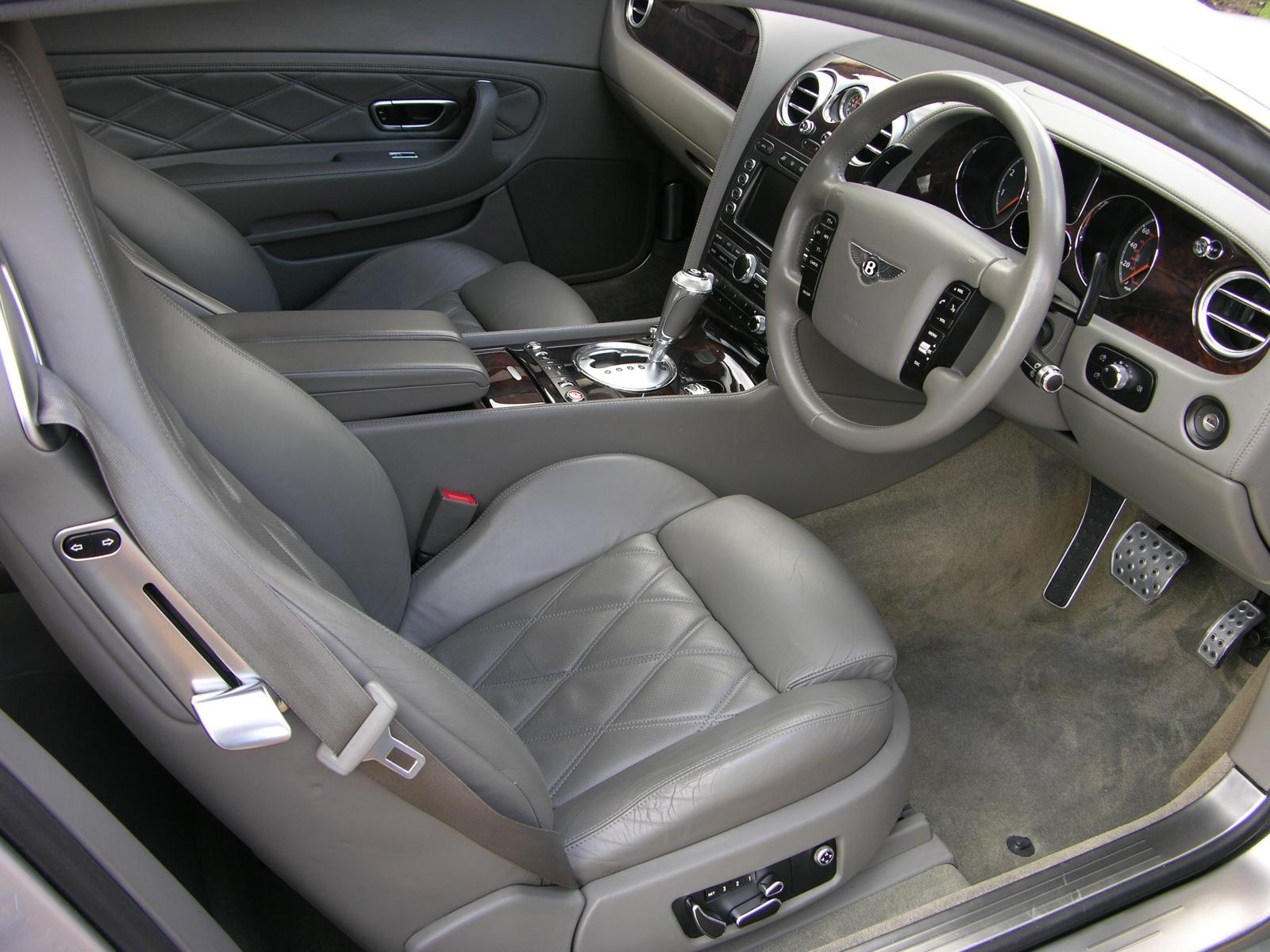
Third Generation (2019-Present): The Definitive Continental GT
In 2019, Bentley dropped the first-gen platform entirely and rebuilt the Continental GT on a completely new MSB (Modular Standard-platform) architecture shared with the Flying Spur sedan. This generation is a complete reset.
The Third-Gen Advantage: Modern Everything
This is the first Continental GT with a 12.3-inch rotating digital display (a signature Bentley feature). It's the first with modern driver assistance systems, Apple CarPlay, adaptive lighting, and carbon-ceramic brakes as standard. The W12 produces 650 horsepower. The V8 produces 542 horsepower. Both are faster than their predecessors.
The design is more sophisticated. The cabin feels genuinely current. The technology is integrated, not grafted on. A third-gen Continental GT from 2024 will feel current in 2035. A second-gen from 2015 already feels dated in 2026.
Reliability: The Best Yet
Early adopters of the third gen have reported excellent reliability. The dual-turbo W12 and V8 engines are proven powertrains. The suspension is adaptive air, but Bentley learned from the first-gen mistakes. The transmission is a new Porsche-derived dual-clutch unit that's more robust than anything Bentley used before.
The third gen carries Bentley's full warranty (2 years / 24,000 miles) which is minimal, but the quality level is genuinely high.
The Third-Gen Sweet Spot: 2020-2021 V8
Here's where the smart money actually is: a 2020–2021 Continental GT V8 with 20,000–35,000 miles, priced at $140,000–$170,000.
Why this specific window? Because 2020-2021 models have absorbed initial depreciation (the car cost $215,000+ new) but are still within the early production window where Bentley had already worked out any first-year gremlins. The V8 offers 542 horsepower — more than enough for grand touring. It's $30,000–$50,000 cheaper than the W12. And it's more efficient, both in fuel consumption and in maintenance costs.
Dealers often have these cars in inventory because wealthy buyers want the W12 badge at any price. This creates an opportunity for the smart buyer.
The W12 Question: Is It Worth the Premium?
The W12 is Bentley's signature engine — the 12-cylinder masterpiece that defines the brand. A new W12 Continental GT costs $30,000–$40,000 more than an equivalent V8. Is it worth it?
What You're Actually Paying For
You're not paying for performance. The 650-hp W12 hits 60 mph in 3.5 seconds. The 542-hp V8 hits 60 in 3.9 seconds. In real-world driving, no one notices the difference.
You're paying for: (1) badge prestige, (2) engine smoothness, (3) sound, (4) the narrative that you own "the real Bentley."
The W12 is genuinely smoother than the V8. Twelve cylinders create a frequency of vibration that feels almost vibrationless. The V8 has more character but is slightly less refined. The W12 produces a distinctive sound — deeper, more exotic. The V8 sounds like a high-performance turbocharged engine (because it is).
Our Honest Take
If depreciation doesn't concern you, and you have the budget for a $215,000 car, the W12 is the Bentley experience. But if you're looking for value, the V8 is genuinely the better choice. Bentley doesn't market the V8 effectively, so you get a car that drives 95% as well as the W12 for 75% of the price. The V8 also holds value slightly better because fewer are sold, creating supply-demand advantages.
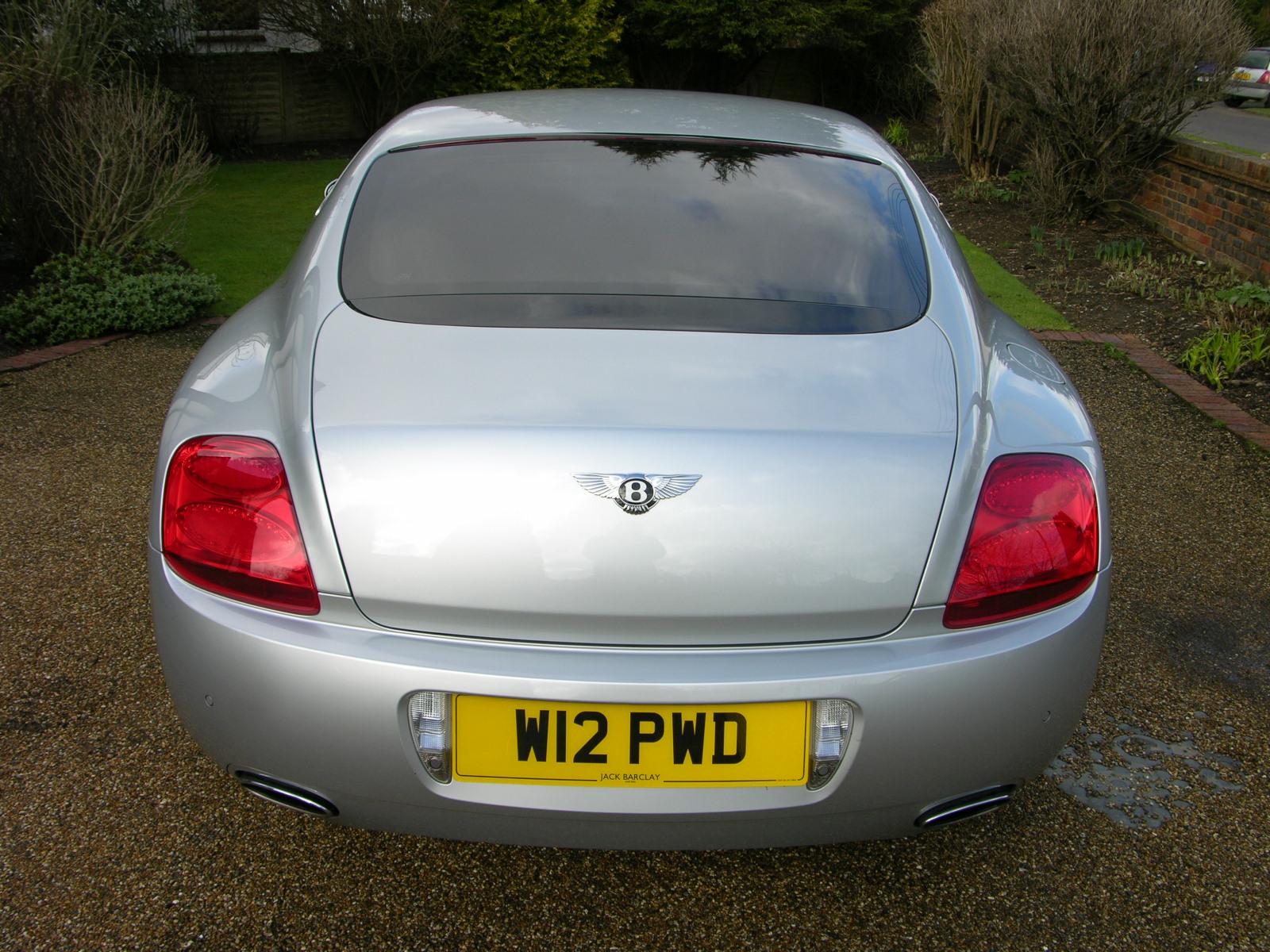
The Speed Variant: Worth the Upgrade?
Bentley offers a "Speed" variant of the W12 that bumps output to 659 horsepower (vs. 650 standard). It includes aggressive styling, lowered suspension, and track-focused tuning. The price premium is approximately $30,000.
Is it worth it? Only if you track the car regularly or truly value bragging rights about 9 extra horsepower. For street driving and grand touring, the standard W12 is functionally identical. The Speed variant is for enthusiasts, not for value-conscious buyers.
Breaking Down the Decision: Generation by Budget
Budget: $35,000–$55,000
Your only option is first-gen (2004–2010). You must have a trusted independent Bentley specialist accessible, a cushion in your budget for surprises, and realistic expectations about aging technology. If you meet these criteria, the first-gen is a legitimate value play. If not, wait and save.
Budget: $70,000–$100,000
Second-gen V8 is your target. A 2013–2016 model with reasonable mileage and full service history will cost $70,000–$90,000. You get modern reliability, responsive performance, luxury interior, and a car that won't embarrass you at a country club. The W12 is available in this range but offers diminishing returns.
Budget: $140,000–$180,000
Third-gen V8 is where the smart money sits. A 2020–2021 model with 20,000–35,000 miles represents the best combination of modern technology, reliability, and value. Compared to the W12, you're getting 95% of the experience for $40,000 less. Automonitor tracks Continental GT values across all three generations, and the third-gen V8 consistently shows the best depreciation profile relative to its capabilities.
Budget: $200,000+
New or nearly-new W12. This is the prestige play. If you want the definitive Continental GT experience, the W12 is non-negotiable. But understand that you're paying for emotional and social value, not incremental performance.
Find Your Continental GT With Confidence
Automonitor connects you with certified pre-owned Bentley specialists and provides independent pre-purchase inspections for every generation.
Start Your Search →Reliability by Generation: What Actually Goes Wrong
First Generation: Expect Surprises
Electrical systems are the primary concern. Window regulators, climate control modules, and dashboard components fail regularly. Suspension issues are common after 60,000 miles. Budget $5,000–$12,000 annually for maintenance and unexpected repairs.
Second Generation: Significantly Improved
Bentley learned from first-gen mistakes. Electrical systems are more robust. Suspension is more reliable. The V8 is more dependable than the W12. Expect $3,000–$7,000 annually in maintenance for well-maintained examples.
Third Generation: Best Reliability Yet
Early examples show strong durability. Engine and transmission are proven technologies. Climate and electrical systems are modern and reliable. Expect $2,500–$5,000 annually in routine maintenance. Major repairs are less likely but potentially expensive (this is still a Bentley).
Valuation Trends: Which Generation Holds Value?
First-gen Continental GTs have bottomed out in value. They've depreciated as far as they'll go. A 2006 model at $35,000 might appreciate slightly if the market for classic grand tourers strengthens, but don't count on it. These cars are cheap because the supply exceeds demand among collectors.
Second-gen models are depreciating gently. They've stabilized around $60,000–$130,000 depending on variant and mileage. The V8 models have surprisingly strong hold on value because fewer were built (buyers predominantly chose the W12 for prestige reasons).
Third-gen models are still depreciating from new, but the rate is slowing. A 2022 W12 bought for $215,000 is now worth $160,000–$185,000. A 2022 V8 bought for $175,000 is now worth $140,000–$165,000. These cars will stabilize around $120,000–$140,000 for V8s and $160,000–$190,000 for W12s in the long term.
The Smart Buying Strategy: Generation by Use Case
Use Case: Weekend Collector Car
Budget: $40,000–$60,000. Buy a first-gen (2005–2008) with full service history and a pre-purchase inspection confirming no major issues. Plan for $4,000–$8,000 annually in maintenance. Store in a climate-controlled garage. Drive sparingly. This is your special-occasion car.
Use Case: Regular Driver (Under 5,000 miles/year)
Budget: $75,000–$95,000. Buy a second-gen V8 (2014–2016) with service records. You get modern convenience, solid reliability, and the Continental GT driving experience without crippling depreciation. Where to buy a Bentley Continental GT has expanded to include certified pre-owned programs at official Bentley dealers, which provide warranty support.
Use Case: Modern Grand Tourer (5,000–10,000 miles/year)
Budget: $145,000–$170,000. Buy a third-gen V8 (2020–2022) with warranty remaining. You get current technology, excellent reliability, and genuine performance. This is a car you can confidently drive long distances and take on road trips.
Use Case: Maximum Experience, No Budget Constraint
Budget: $190,000–$220,000. Buy a new or nearly-new W12. You get the full Bentley experience. Accept that you're paying for prestige and emotional value alongside the hardware.
Ready to Buy Your Continental GT?
Automonitor handles market research, pre-purchase inspections, and negotiations with certified dealers across all three generations. Let us guide you to the right year at the right price.
Start Buying Process →Final Recommendations: Our Picks by Budget
Best Value: 2006-2008 Continental GT W12 ($35,000–$45,000)
If you have the maintenance budget and a trusted mechanic, the first-gen is an extraordinary value. You own a 552-hp grand tourer for the price of an Accord. Just understand the risks.
Best All-Around Used Pick: 2014-2016 Continental GT V8 ($70,000–$85,000)
This is the practical choice. Modern enough to be reliable and convenient. Old enough to have absorbed depreciation. The V8 is underrated and underpriced. You'll drive it with confidence.
Best Modern Pick: 2020-2021 Continental GT V8 ($140,000–$170,000)
This is the sweet spot. Third-gen platform with proven reliability. V8 with 542 horsepower that's more than adequate. Price has come down enough that the $30,000+ premium for the W12 becomes difficult to justify. If you can only buy one Continental GT from the modern era, this is it.
Best Prestige Pick: 2023+ Continental GT W12 ($190,000–$220,000)
The latest W12 is the definitive statement. If you want the most prestigious, most powerful, most exclusive Continental GT available, this is the car. You're paying for the complete Bentley experience, and it's worth it if that's what you're seeking.
The Verdict: Which Year Should You Buy?
The best year to buy a Bentley Continental GT depends entirely on your budget, reliability tolerance, and intended use. There is no universally "best" year — only the best year for your specific situation.
If you have $40,000 and understand the risks, the first-gen is a legitimate bargain. If you have $80,000 and want reliability without compromise, the second-gen V8 is the answer. If you have $160,000 and want modern technology with proven dependability, the third-gen V8 is your target. If you have $200,000+ and prioritize prestige and the complete Bentley experience, the W12 justifies its premium.
The Continental GT is genuinely one of the world's great grand touring cars. Every generation has merit. The key is matching the generation to your circumstances, not buying based on emotion or reputation alone.
Automonitor specializes in exactly this analysis — helping buyers understand which exotic car makes sense for their budget and lifestyle. If you want guidance navigating Continental GT purchases across all three generations, we're here to help.
Get Expert Guidance on Your Continental GT Purchase
Automonitor's concierge team has completed hundreds of Continental GT transactions across all three generations. We'll find the right car at the right price.
Explore Continental GTs Now →