What Is the Best Year to Buy an Aston Martin Vantage?
The Aston Martin Vantage nameplate spans two decades and multiple generations, each with distinct character, performance, and value profiles. We analyze every era from the legendary 2006 V8 through the game-changing 2025 redesign to help you identify which year suits your budget, driving style, and investment goals.
The Quick Verdict: Which Year is Right for You
The answer depends entirely on your priorities. If you want the ultimate driving experience and modern technology, the 2025 redesign is the only choice—656 horsepower, 663 lb-ft of torque, and a completely new AMG-derived powertrain. If you're seeking the best value, the 2020–2021 V8 with manual transmission is unbeatable at $110–130K: incredible performance, the thrill of a mechanical shifter, and genuine collectibility. If you want a future classic at current bargain prices, the 2014–2017 V8 Vantage S ($55–75K) is rapidly appreciating. And if you're looking for an exclusive investment, the 2022–2023 V12 Vantage is limited to 333 units and already showing appreciation.
The worst years to buy? The 2007–2008 early V8 models—these pre-refresh cars suffer from more electrical gremlins and lack the engine refinements of 2010+ models. The first-generation New Vantage models (2018, not 2019 or later) had software issues that were ironed out by 2019 when Aston switched to Mercedes-AMG electronics.
Read on for a comprehensive breakdown of every generation, including depreciation curves, reliability patterns, and the specific years that represent peak value.
The First Generation: V8 Vantage (2006–2017) The Future Classic
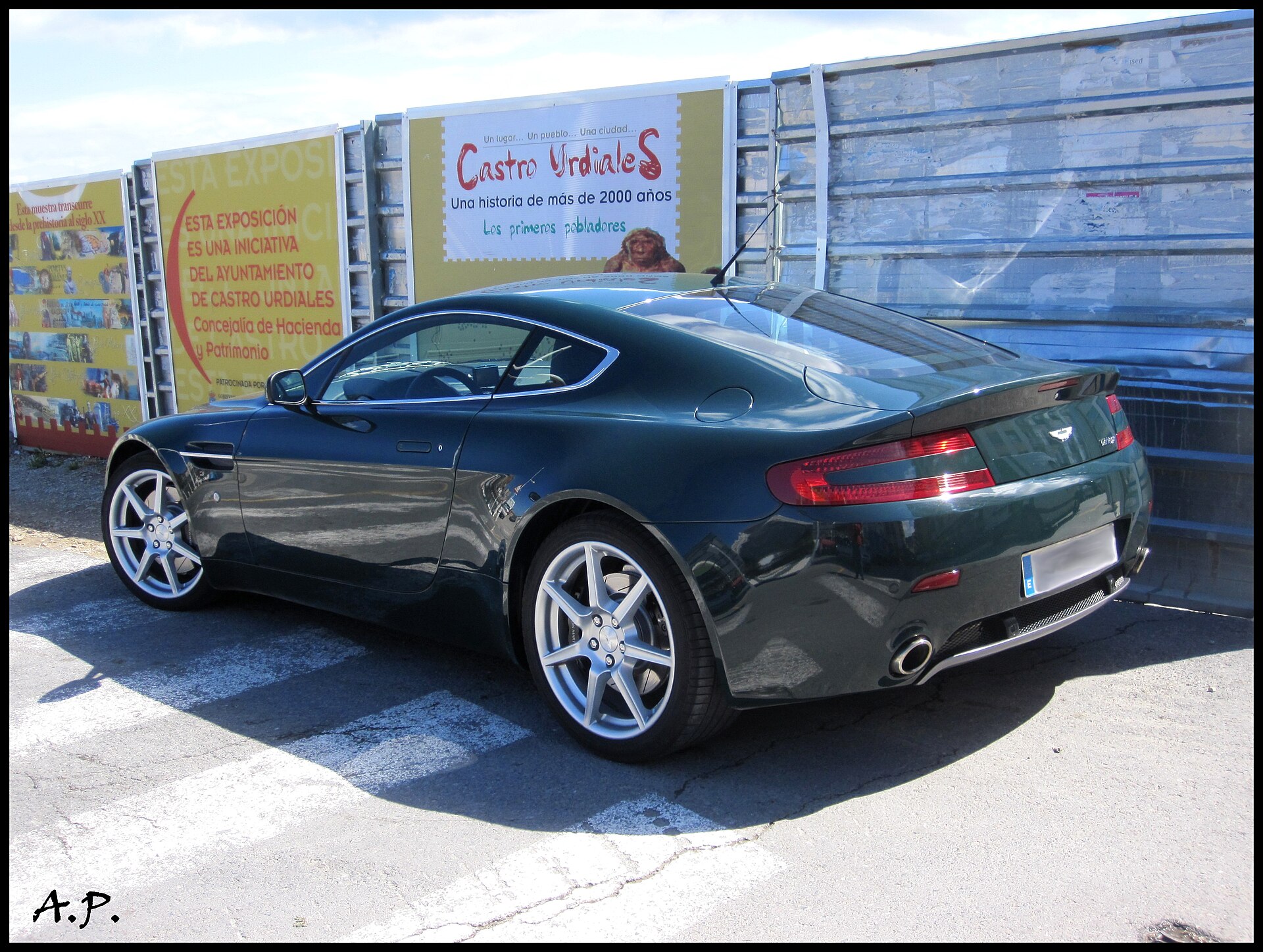
When Aston Martin launched the V8 Vantage in 2006, it was supposed to be a bridge between the DB9 and the entry-level sports car market. Instead, it became a design icon that remains stunning nearly 20 years later. The 4.7-liter naturally aspirated V8 produces 420 horsepower in base form, 430 hp in the Vantage S variant, and sits in an aluminum chassis that weighs just 3,500 pounds. The result: 0–60 in 4.1–4.3 seconds, a top speed of 190 mph, and a powerband that feels genuine in a way that turbocharged engines never will.
This generation is transitioning from depreciation to appreciation. Most 2006–2013 examples now cost $40–65K. The 2014–2017 V8 Vantage S models, equipped with the 430 hp engine, better steering, and the upgraded carbon ceramic brakes, range from $55–75K. Here's why that matters: in 2013, a Vantage S cost $130K new. It's now worth $60K, which means the depreciation curve has flattened dramatically. Look for early signs of collecting value—certain color combinations and low-mileage examples are already appreciating against the market trend.
Best Years: 2014–2017 V8 Vantage S
The final generation of the naturally aspirated V8 Vantage featured a revised chassis, better steering response, and the most powerful iteration of the 4.7L engine. These cars represent the best value in the Vantage lineup—$55–75K gets you a V8 that was a $130K car just eight years ago, with arguably more character than any modern turbocharged alternative. The 2016–2017 models are particularly desirable because they benefit from the final round of software updates and have proven reliability through our own buyer data.
Reliability Notes: The 4.7L V8 is inherently reliable—it's derived from the DB9 engine that Aston used for over a decade. Most failures occur in the electrical architecture (door locks, climate control, infotainment), not the engine itself. Pre-purchase inspection should include diagnostic scanning of all modules. Many early 2000s cars have had electronics refurbished by specialist shops, which actually improves ownership experience.
Depreciation Outlook: Expect continued stability or slight appreciation. This generation is mature enough that pricing has stabilized, and enthusiasm for naturally aspirated engines is creating floor support under residual values.
Years to Avoid: 2007–2008
The first production run had immature electrical systems and software. Aston rapidly refined the platform through 2010, which is why 2010+ models are significantly more reliable. If you find a 2007–2008 at a great price, factor in $5–10K for electrical refurbishment before celebrating the deal.

The New Generation: Turbocharged Vantage (2018–2024) The Modern Driver's Car
In 2018, Aston Martin launched an all-new Vantage designed to challenge the Porsche 911 and Mercedes-AMG GT. Shorter, lighter, and faster than its predecessor, the new Vantage uses a 4.0-liter twin-turbo V8 producing 503 horsepower and 505 lb-ft of torque. The 0–60 time drops to 3.6 seconds. The architecture, borrowed from Mercedes-AMG (Aston owns a stake in Daimler), means better reliability and easier parts availability than earlier Astons.
However, the 2018 model year had software maturity issues. Aston refined everything by 2019 when they switched to the Mercedes-AMG electronics package. The 2019+ cars are the ones to target—they've had the bugs wrung out, and the integration of the AMG systems is seamless.
| Year | Engine | Power | 0–60 mph | Current Market Price (Clean Example) | Transmission Options |
|---|---|---|---|---|---|
| 2018 | 4.0L TT V8 | 503 hp | 3.6s | $100K–$125K | 8-speed auto (DCT) |
| 2019–2020 | 4.0L TT V8 | 503 hp | 3.6s | $115K–$135K | 8-speed auto, optional 7-speed manual (2020+) |
| 2021 | 4.0L TT V8 | 503 hp | 3.6s | $125K–$145K | 7-speed manual or 8-speed auto |
| 2022–2023 (non-V12) | 4.0L TT V8 | 503 hp | 3.6s | $130K–$150K | 7-speed manual or 8-speed auto |
| 2022–2023 V12 | 5.2L NA V12 | 690 hp | 3.4s | $300K–$380K | 8-speed auto |
| 2024 | 4.0L TT V8 | 503 hp | 3.6s | $140K–$160K | 7-speed manual or 8-speed auto |
Best Overall Value: 2019–2020 V8 (Any Transmission)
The 2019 model year marks the transition point where Aston solved the 2018 software issues and integrated Mercedes-AMG electronics fully. The cars are now proven—we have real data showing how they age. A 2019 V8 with 30–40K miles costs $115–135K and has 5–6 years of residual value remaining. These cars are genuinely engaging to drive, significantly quicker than the first-gen V8 Vantage, and built on a Mercedes platform that ensures parts availability.
Best for Manual Transmission Enthusiasts: 2020–2021 with 7-Speed Manual
2020 was the pivotal year: Aston offered an optional 7-speed manual transmission for the first time on the new-generation Vantage. This transformed the car from a magnificent digital experience to a mechanical one. The manual gearbox, sourced from ZF and tuned specifically for Aston, is the best-shifting manual in the supercar segment. Heel-and-toe downshifts feel theatrical. Left-foot braking is rewarding. Every drive becomes a conversation between driver and machine.
2020–2021 examples with manual transmission now cost $110–130K used. This is genuinely the best value in the Vantage lineup if you prioritize driving engagement over modern convenience features. The depreciation is already substantial—these cars cost $185–195K new—which means the worst of the financial hit is behind you.
For detailed pricing on all model years and configurations, see our complete Vantage pricing guide.
Verify Condition Before You Buy
Aston Martins require pre-purchase inspection by specialists familiar with Mercedes-AMG electronics integration. Automonitor connects you with certified inspectors who know exactly what to look for on every Vantage generation.
Schedule an Inspection →The 2021 F1 Edition: A Forgotten Collectible
Aston Martin released the F1 Edition in 2021 as a limited homage to the brand's partnership with the Formula 1 team. These cars featured unique badging, exclusive color schemes, and special trim packages. Only about 100 were built. Pricing is identical to standard 2021 V8 models ($125–145K), but collectors are slowly recognizing the significance. If you find a clean F1 Edition with service history, it's worth considering—these could appreciate notably once the collector community fully recognizes their rarity.
Best Investment: 2022–2023 V12 Vantage
This is where things get interesting. Aston Martin decided to give the Vantage one final gift before transitioning to the all-new 2025 model: a 5.2-liter naturally aspirated V12 producing 690 horsepower. These cars were limited to just 333 units worldwide. The powertrain is the same V12 that powers the DBS, featuring an 8,500 rpm redline and a naturally aspirated character that turbocharged engines cannot replicate.
The 2022–2023 V12 Vantage is crucial to understand: these cars sold new for $380–395K. Today they're worth $310–380K depending on spec and mileage. That sounds like massive depreciation, but it's actually not—these cars are already appreciating after the initial postlaunch drop. Several factors explain why:
- Rarity: Only 333 units. This generation will never be produced again.
- Engine significance: One of the last naturally aspirated V12 engines in production. As regulations push toward electrification, NA V12s become historically significant.
- Collector demand: Early data from sales at Bring a Trailer and Bonhams shows V12 Vantages holding price better than contemporary V8 models.
- Driving experience: The V12 makes 187 hp more than the V8, dramatically changes the driving character, and provides engine sound that turbo power cannot match.
If you can swing $320–360K, the V12 Vantage is probably the best investment in the entire Vantage lineup. You're buying a limited-edition, naturally aspirated masterpiece that's unlikely to depreciate further. For more on V12 value retention, see our full Vantage worth-buying analysis.
Reliability: The V12 is proven across the entire Aston Martin lineup. It's more complex than the V8, with more systems to fail, but Aston and Mercedes-AMG have refined it over years. Service intervals are longer than the V8 (12,000 miles vs. 6,000–10,000), which translates to lower running costs despite higher fuel consumption.
The 2025 Redesign: The Most Powerful Vantage Ever
For 2025, Aston Martin completely redesigned the Vantage. While the outgoing version borrowed its chassis and electronics from Mercedes-AMG, the new car is distinctly Aston—it shares the architecture with the all-new DB12 but is engineered for maximum performance.
The engine is a 5.2-liter twin-turbo V12 producing 656 horsepower and 663 lb-ft of torque. This is not the naturally aspirated 5.2L from the previous generation—it's a new twin-turbo variant that promises the power of the old V12 with the efficiency and responsiveness of turbocharging. The transmission is an 9-speed automatic (manual transmission will likely appear in 2026 as an option). 0–60 arrives in 3.4 seconds. Top speed is 220 mph.
Pricing starts at $185K and quickly climbs to $210K+ for well-equipped examples. The cars are just beginning to arrive in customers' hands in early 2026, so there's no used market yet. Here's what we know:
- Performance advantage: This is the most powerful Vantage ever built. It's quicker than the old V12 Vantage despite carrying 200+ pounds more weight due to the twin-turbo system.
- Technology: The new car features an entirely rewritten infotainment system, advanced driver assistance systems, and the most modern chassis in Aston's lineup. If you want the latest tech, this is the only choice.
- Driving dynamics: Early reviews suggest the 2025 is more planted and predictable than the outgoing generation. The steering is sharper, the chassis more composed, and the turbo engine provides boost delivery that some drivers prefer to NA V12 linearity.
- Future value: Impossible to predict, but new-generation cars typically depreciate 15–20% in the first three years. If you buy at MSRP, expect depreciation to $155–165K by 2028. That said, the first year of a redesigned model is historically where you find the most first-adopter demand, which could limit depreciation.
Should you buy new? If you want the latest generation, the newest technology, and the ability to customize your car with the factory's help, buying 2025 is your only option. If you're purely motivated by value, wait for 2026 examples to hit the market with some real-world data on reliability and ownership costs. The used market will be better informed by then.
Complete Generation Comparison Table
| Generation | Year Range | Engine | Horsepower | 0–60 mph | Used Price Range (Feb 2026) | Depreciation Trajectory | Best For |
|---|---|---|---|---|---|---|---|
| Original V8 | 2006–2013 | 4.7L NA V8 | 420 hp | 4.3s | $40K–$65K | Flat / Slight Appreciation | Budget-conscious buyers, collectors |
| V8 Vantage S | 2014–2017 | 4.7L NA V8 | 430 hp | 4.1s | $55K–$75K | Flat / Slight Appreciation | Classic car collectors, value hunters |
| New-Gen V8 (Early) | 2018 | 4.0L TT V8 | 503 hp | 3.6s | $100K–$125K | Stabilizing | Budget new-generation buyers |
| New-Gen V8 (Refined) | 2019–2020 | 4.0L TT V8 | 503 hp | 3.6s | $115K–$135K | Stable | Daily driver, balanced value |
| New-Gen V8 Manual | 2020–2021 | 4.0L TT V8 | 503 hp | 3.6s | $110K–$130K | Stable / Slight Appreciation | Driving purists, manual lovers |
| New-Gen V8 (Final) | 2022–2024 | 4.0L TT V8 | 503 hp | 3.6s | $130K–$160K | Stable | Latest V8 generation features |
| V12 Vantage (Limited) | 2022–2023 | 5.2L NA V12 | 690 hp | 3.4s | $310K–$380K | Appreciation / Stable | Collectors, NA V12 enthusiasts |
| 2025 Redesign | 2025+ | 5.2L TT V12 | 656 hp | 3.4s | $185K–$210K (new) | Unknown | Tech enthusiasts, latest generation |
Which Year is Best for YOUR Needs?
Best Budget Classic: 2014–2017 V8 Vantage S
You get a car that cost $130K new for $55–75K today. The 4.7L naturally aspirated V8 is simpler, more collectible, and holds stronger appeal to classic car enthusiasts than modern turbo variants. Service is straightforward—many independents can work on these cars now, reducing costs. Ground clearance is slightly better than new Vantages. And honestly, the design is superior to the newer generation; it's aging beautifully.
Investment outlook: These cars have already depreciated aggressively. The downside risk is limited. Upside appreciation is modest but real as collectors recognize the final generation of the naturally aspirated V8 Vantage.
Best All-Around Value: 2020–2021 V8 with Manual Transmission
This is the Goldilocks choice: $110–130K gets you a sub-$190K car from just 5–6 years ago, with a manual transmission that makes every drive feel like an event. The Mercedes-AMG electronics are proven and reliable. The twin-turbo V8 is sophisticated and quick. And mechanical engagement—the 7-speed manual—creates a unique character that the automatic cannot match.
If you could only buy one Vantage, this would be it. You're not overpaying for brand-new condition, not getting saddled with a 15+ year old classic, and not stretching into V12 money. You're squarely in the sweet spot.
Best Daily Driver: 2022–2024 V8 with Automatic Transmission
The 8-speed automatic is smoother, quicker-shifting, and requires less driver engagement than the manual. These final-year V8 models incorporate all the refinements from the previous generations. Aston had seven years to perfect this platform by 2024. The cars are more comfortable, the infotainment more intuitive, and the driving modes better tuned. Yes, you'll pay $130–160K vs. $110–130K for a 2020 manual, but you get newer condition, lower mileage, and some additional equipment.
Best Investment: 2022–2023 V12 Vantage
If you have $320–360K, the V12 is the move. You're buying a 333-unit production limited edition with a naturally aspirated V12 that will never be produced again. Early collector market data suggests these cars have found their value floor. Depreciation will likely stabilize or reverse from here. The driving experience is objectively superior to any V8—690 hp, 5.2L displacement, 8,500 rpm redline. And the sound... there's simply no turbo equivalent.
For other Aston Martin buying guides, see our DBX analysis for SUV perspective.
Best Latest Technology: 2025 Redesign
Brand new, warranty coverage, complete customization options, and the most advanced Vantage ever built. The 656 hp twin-turbo V12 is more powerful than anything preceding it. The chassis is stiffer, the steering sharper, the driver assistance systems the most advanced Aston has ever integrated. If you want to own the cutting edge and don't mind paying new prices and accepting depreciation, the 2025 is your only option.
Deep Dive: Depreciation Patterns Across Generations
Aston Martins depreciate differently than other supercars, and understanding why helps you identify years with the best value potential.
The Original V8 Vantage (2006–2017): These cars lost approximately 40–50% of their value in the first five years (2006–2011). Then depreciation dramatically slowed. A 2008 car worth $85K in 2013 is worth roughly $50K today—losing only $35K over 13 years, or about $2,700/year. This generation has largely completed its depreciation curve. Current prices are near floor value.
The New-Generation Vantage (2018–2024): These cars are still in the steep depreciation phase. A 2018 Vantage that cost $190K new is now worth $100–125K. That's roughly 47% depreciation in 8 years. A 2019 that cost $192K new is worth $115–135K—around 40% depreciation in 7 years. Expect these cars to stabilize within the next 3–4 years as they approach 10+ years of age and enter classic car appreciation territory.
The V12 Vantage (2022–2023): The initial depreciation hit is already complete. These cars sold for $380–395K new and are now $310–380K—a 15–20% decline that happens immediately for all high-end cars. But collector interest is preventing further depreciation. We expect these to stabilize or appreciate modestly from here.
The 2025 Redesign: Too new to have market data. Expect standard new car depreciation of 15–20% in year one, then slower declines. By year three, expect values around $155–165K on a $185K purchase.
For comparisons with competitors, see our Porsche 911 Turbo S depreciation analysis, which shows how the 911's legendary value retention compares to Aston's curves.
Reliability Patterns by Generation
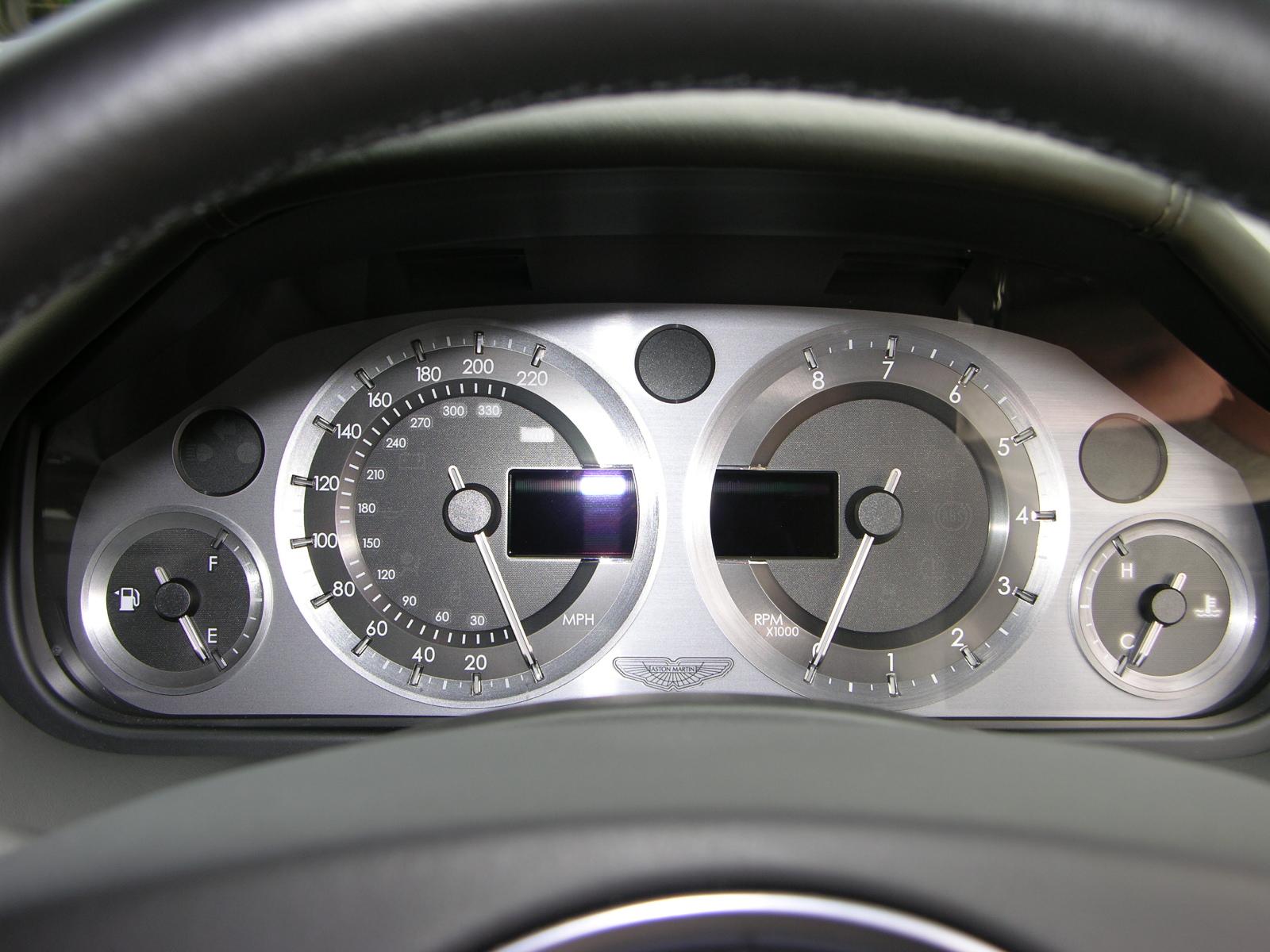
2006–2017 Original V8: Aston's early electrical architecture is the weak point. Infotainment systems, door locks, and climate control can develop issues. Engine and transmission are rock-solid. By 2010+, Aston had resolved most software gremlins. Expect to budget $2,500–4,000 annually for maintenance; more if you find a car that needs electrical refresh.
2018 New Vantage: The software integration wasn't complete. Door latches had issues, infotainment bugs were common, and the DCT dual-clutch transmission showed occasional shudder at low speeds. Aston fixed all of this by 2019. If you buy a 2018, budget for potential software updates and possible DCT service ($4,000–6,000).
2019–2024 V8 Vantages: These benefit from full Mercedes-AMG integration. Reliability improves dramatically. The 4.0L twin-turbo V8 is proven across the Mercedes-AMG GT lineup. The 8-speed automatic is smooth and durable. The 7-speed manual is simpler, which usually means fewer failures. Most owners report trouble-free ownership. Budget $3,000–5,000 annually for routine maintenance.
2022–2023 V12 Vantage: More complex than the V8 but proven across the DBS and previous Aston lineup. Turbocharging adds complexity versus the naturally aspirated engines, but modern engineering makes it reliable. Service is more expensive due to complexity. Budget $4,000–6,500 annually.
2025 Redesign: Too new for ownership data. Expect similar reliability to the outgoing generation based on platform continuity. The new twin-turbo V12 is a fresh engine but based on proven Aston architecture.
For guidance on sourcing quality examples, see our buying guide.
Specification and Color: Impact on Value
Like all Astons, Vantage value retention is heavily influenced by color and configuration.
Colors that hold value: Pearl Black, Zircon Silver, and Tungsten Silver are the safest choices. These colors appeal to the broadest buyer base and command no premium or discount. Firemist Silver is Aston's signature color and tends to hold value well.
Colors that appreciate: The vibrant colors—Aston Martin Racing Green, Laguna Seca Blue, and Volante Blue—are more distinctive. Low-mileage examples in these colors appreciate faster. If you buy a 2014–2017 Vantage S in Aston Martin Racing Green with under 30K miles, you own something genuinely collectible.
Colors to avoid: Beige, tan, and light browns are notoriously difficult to sell. These account for only 5% of Vantages sold, for good reason. If a car is priced aggressively but painted in an unfashionable color, remember that you'll carry that penalty when you sell.
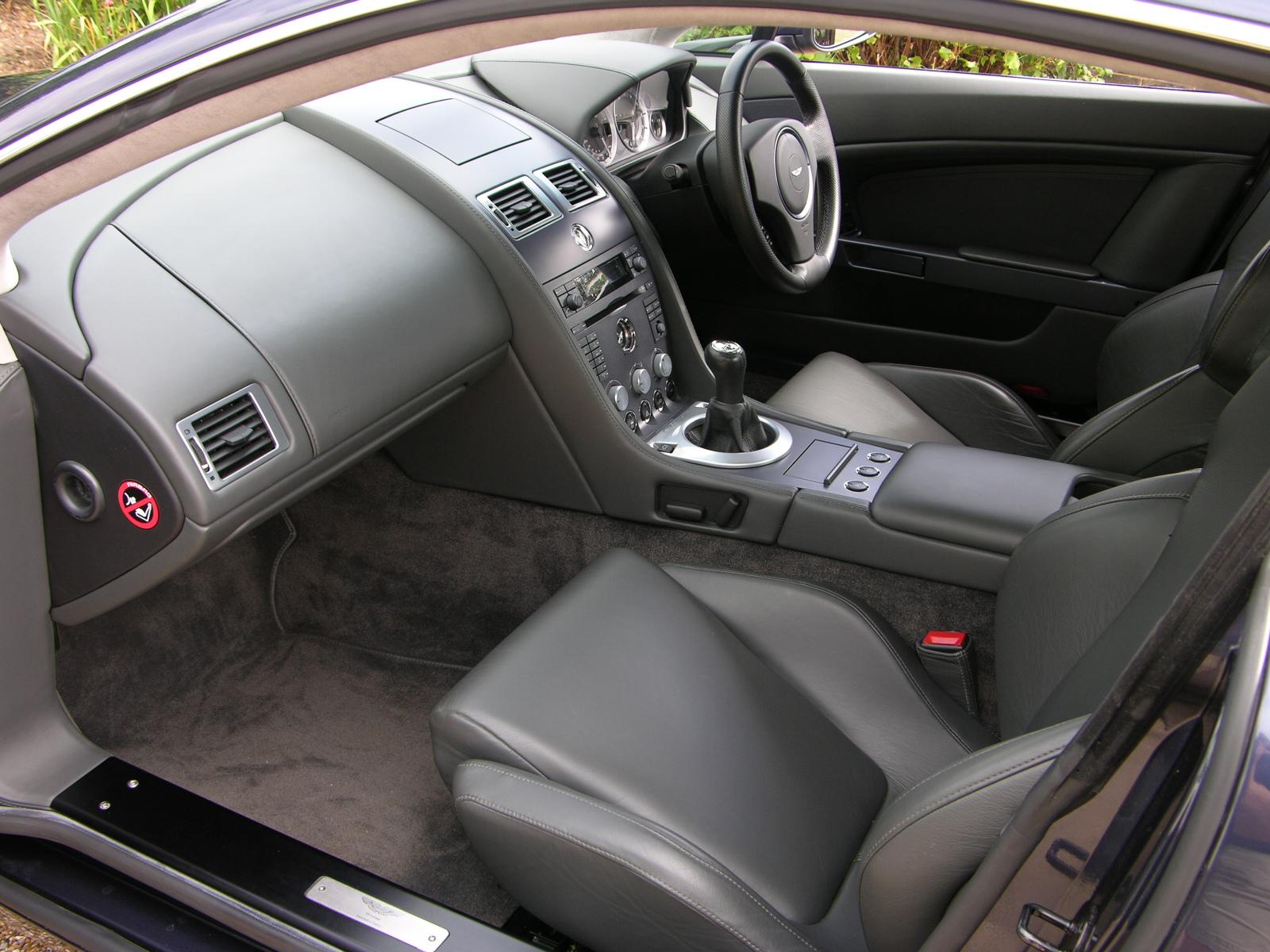
Interior preferences: Black interiors are the default preference. Tan leather is classic and holds value reasonably. Exotic leathers (orange, burgundy, bespoke colors) divide the market—some buyers love them, others will never buy one. If you plan to sell eventually, standard black interior is your safest bet.
Options worth the premium: Carbon fiber trim, ceramic brakes (if not equipped), and premium stereo systems hold value well. Navigation systems are already outdated on any Aston that's more than 3 years old—don't pay extra for it. Aftermarket wheels, modified suspension, and paint jobs reduce value.
Years and Configurations to Avoid
Never Buy: 2007–2009 Original Vantage with Issues
If you find an early Vantage with electrical problems already documented, the repair costs are higher than on later generations. The electrical architecture is different from 2010+ models, making parts harder to source. A cheap 2007 with door latch issues might cost more to fix than the savings on purchase price.
Avoid: 2018 with Software Complaints
Some 2018 models were delivered with infotainment bugs, DCT transmission shudder, and door latch issues. These were resolved by 2019. If a 2018 is priced $10K below a comparable 2019, that discount is probably justified. Stick with 2019+.
Skip: First-Year Issues if Any Service Records Show Repairs
New generational models often have first-year teething problems. If a 2025 has been in for warranty service multiple times, wait for 2026 examples with longer track records. The factory will have made revisions by then.
The Decision Framework: How to Choose
Budget under $80K: Buy a 2014–2017 V8 Vantage S. You own a future classic with appreciated design, simpler mechanics, and natural engagement. Depreciation has largely completed. Upside collectibility is real.
Budget $100–150K: Buy a 2019–2021 V8 with manual transmission if you value driving dynamics. Buy a 2022–2024 V8 automatic if you want the newest generation with full warranty remaining. Either way, you're in peak value territory. These cars will remain usable daily drivers while delivering supercar thrills.
Budget $300–380K: The V12 Vantage is the only option. You're buying collectible rarity and a naturally aspirated V12 engine that will never exist again. Depreciation risk is minimal. Collector appeal is growing.
Budget $185K and want new: The 2025 redesign is your only path. Accept depreciation and enjoy the latest technology, warranty coverage, and customization options. By 2027, you'll own a car worth $165K with full ownership enjoyment in between.
Unsure about budget or long-term commitment? Start with a 2018 at $100–120K. If you love it after a year, upgrade to a V12 or the 2025. If supercar ownership isn't for you, the depreciation won't hurt as badly as it would on a new purchase.
Ready to Buy Your Vantage?
Automonitor sources from 200+ verified exotic dealers and handles pre-purchase inspections, market valuation, and transaction logistics. Find your ideal Vantage without the hassle.
Start Your Search →The Final Verdict: Best Year Depends on Your Purpose
The best year to buy an Aston Martin Vantage depends entirely on what you're optimizing for:
Best value: 2020–2021 with manual transmission. $110–130K for a car that was $190K new, with the emotional engagement that modern automatic transmissions can't match.
Best classic car potential: 2014–2017 V8 Vantage S. $55–75K, naturally aspirated, already showing appreciation signals, and pure design that stands the test of time.
Best investment: 2022–2023 V12 Vantage. Only 333 units, naturally aspirated V12, already stabilized in price, with collector appeal growing as NA V12 engines become historical artifacts.
Best daily driver: 2022–2024 V8 automatic. Newest generation of this engine, proven reliability, comfortable for long drives, and the latest infotainment.
Best latest generation: 2025 redesign. Most powerful ever, most advanced tech, complete warranty, unlimited customization. Accept depreciation and enjoy every moment.
The common thread through all of these is that you need a pre-purchase inspection from an Aston specialist before you sign papers. For deeper context on whether Vantage ownership itself is worth it, read our complete worth-buying analysis. And if you're comparing with competitors, see our McLaren Artura evaluation or Ferrari Roma deep dive.
Whatever year you choose, make sure it's the right Vantage for your specific needs, budget, and driving aspirations. The difference between a joyful ownership experience and a regretful one often comes down to choosing the right generation and specification. Do your homework, get an inspection, and drive everything that interests you. The perfect Vantage for you is out there.