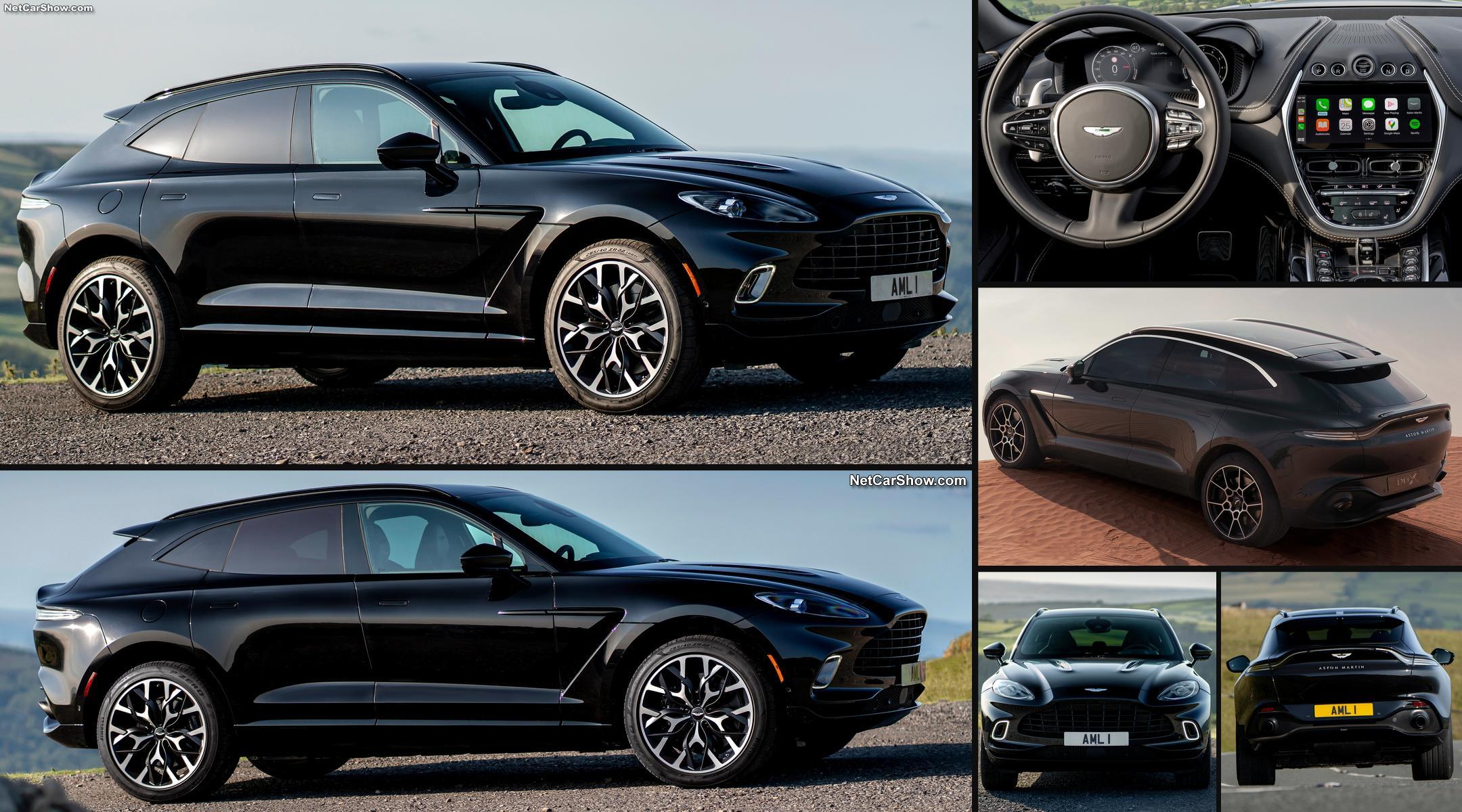
What Is the Best Year to Buy an Aston Martin DBX?
The Aston Martin DBX launched in 2021 as the brand's first luxury SUV. Five years later, used prices have stabilized and the market is mature. But which model year delivers the best combination of reliability, value, and performance? Here's what you need to know before making your move.
The Short Answer: 2023+ DBX707 for Performance, 2022 Standard DBX for Value
If you're buying a used Aston Martin DBX, the best year depends on what you prioritize. For sheer performance and capability, the 2023+ DBX707 is the clear winner—697 horsepower, a completely reengineered twin-turbo V8, and massive depreciation that makes it surprisingly affordable compared to launch prices. For value-conscious buyers, the 2022 standard DBX offers the essential DBX experience at prices around 40–50% below new, with the design matured and early production gremlins resolved.
Depreciation has been significant across the board. A new 2025 DBX costs roughly $207,000, but you can buy a 2021 model for $100,000–$130,000. That $77,000–$107,000 depreciation hits hardest in years one and two, then stabilizes. The 2023 launch of the more powerful DBX707 forced used values of earlier models down even further, creating unexpected opportunities for smart buyers.
The DBX is also worth buying because it's genuinely worth owning. It's not a badge-engineered Volkswagen Group knockoff. Aston Martin designed a from-scratch luxury SUV with real presence, a hand-stitched interior by Bonomi of Como, and enough performance to embarrass supercars on a twisting road. But the early years had infotainment glitches, air suspension teething issues, and Mercedes-sourced electronics that didn't always cooperate. This guide will show you exactly which years to prioritize and which to avoid.
The DBX Timeline: Five Years of Evolution
To understand which year to buy, you need to understand the platform's evolution. The DBX has been continuously refined, and each model year brought meaningful improvements.
2021–2022: The Foundation Years
The original DBX debuted as a 2021 model with a 4.0-liter twin-turbo V8 engine producing 542 horsepower and 516 lb-ft of torque. The 9-speed automatic transmission came from ZF, the air suspension system was tuned for comfort and capability, and the styling was a home run—aggressive but refined, unmistakably Aston Martin.
But 2021–2022 buyers were beta testers, essentially. The infotainment system (derived from Mercedes) experienced software glitches, the air suspension had occasional calibration issues, and some owners reported reluctance in the automatic transmission during low-speed maneuvers. Nothing catastrophic, but real enough that Aston Martin pushed out several firmware updates through 2022.
Pricing on used 2021–2022 models reflects this reality: they're deeply discounted, typically $100,000–$140,000 depending on mileage and condition. If you're mechanically inclined and don't mind being an early adopter, the value is exceptional. If you prefer a more refined ownership experience, skip these years.
2023: The DBX707 Game-Changer
Aston Martin introduced the DBX707 as a 2023 model, and it fundamentally changed the conversation. The new engine is a 4.0-liter twin-turbo V8 with two turbochargers and enhanced internal components, producing 697 horsepower and 663 lb-ft of torque. That's 155 additional horsepower compared to the standard DBX—an increase of nearly 29%.
But the DBX707 is more than just a power bump. The suspension was retuned for the additional performance, the transmission received updated software, the cooling system was enhanced, and the interior received subtle refinements. Aston Martin also issued a comprehensive software update to all 2023 models, including the standard DBX, addressing the early infotainment issues.
By 2023, the DBX platform had matured. The supply chain was optimized, manufacturing tolerances had tightened, and Aston Martin had two years of real-world feedback from thousands of owners. The 2023 model year, whether DBX or DBX707, represents the inflection point where the car went from promising to genuinely solid.
Used 2023 DBX707 models are available in the $150,000–$190,000 range—remarkable depreciation for a $239,000 new car, but even more remarkable as a value proposition. You're getting 697 horsepower, bulletproof reliability, and advanced capability for less than a Bentley Bentayga or Rolls-Royce Cullinan, yet with genuine supercar performance.
2024–2025: Refinement and Maturity
The 2024 and 2025 model years continued the refinement trajectory. Aston Martin tightened tolerances further, pushed software updates to address any remaining edge cases, and made the DBX707 the default performance benchmark. The standard DBX remains available but is increasingly positioned as an entry-level option rather than the core offering.
New 2024–2025 models carry premium pricing ($240,000+ for the DBX707), which means used examples haven't yet hit the used market in significant volume. When they do—probably in 2026–2027—they'll likely command premiums over 2023 models because of the additional refinement. But for now, if you're looking for the newest DBX with current-year reliability, you're buying new.
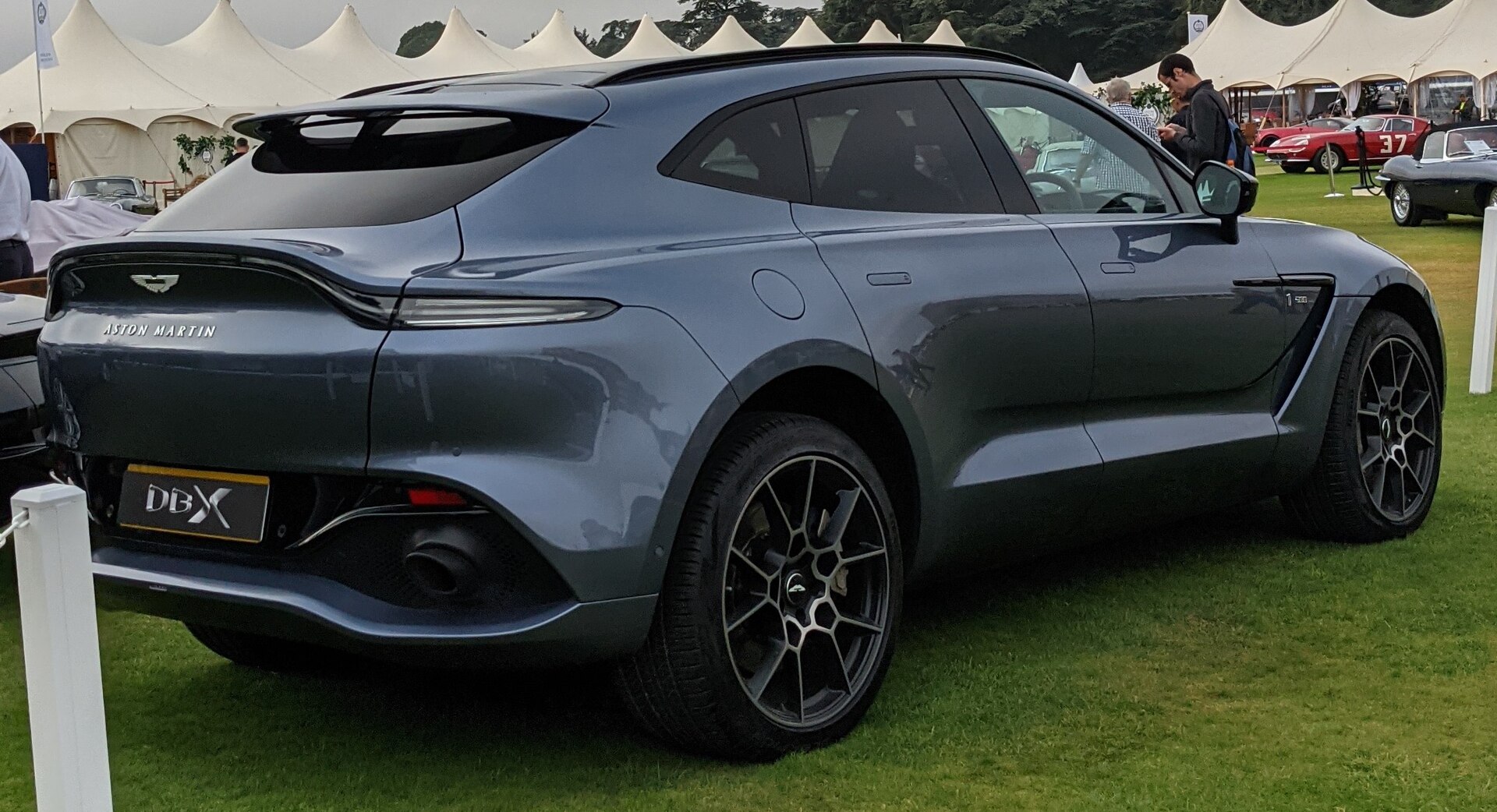
Model Year Breakdown: A Year-by-Year Comparison
| Model Year | Engine | Horsepower | Key Features | Used Price Range |
|---|---|---|---|---|
| 2021 DBX | 4.0L Twin-Turbo V8 | 542 hp | Launch year, infotainment glitches, air suspension teething | $100K–$130K |
| 2022 DBX | 4.0L Twin-Turbo V8 | 542 hp | Software updates addressed early issues, more refined | $115K–$145K |
| 2023 DBX | 4.0L Twin-Turbo V8 | 542 hp | Comprehensive firmware overhaul, platform maturity, best value | $130K–$160K |
| 2023 DBX707 | 4.0L Twin-Turbo V8 | 697 hp | New engine, retuned suspension, enhanced cooling, superb performance | $155K–$190K |
| 2024 DBX/DBX707 | 4.0L Twin-Turbo V8 | 542 hp / 697 hp | Continued refinement, optimized supply chain, current gen | Limited used inventory |
| 2025 DBX/DBX707 | 4.0L Twin-Turbo V8 | 542 hp / 697 hp | Latest features, warranty, newest technology, buy new | Only new available |
Known Reliability Issues by Year: What to Watch For
The DBX is a fundamentally sound vehicle, but early examples had documented issues. Here's what you need to know before making an offer:
2021–2022 Models: Early Adopter Risks
Infotainment System Glitches: The dual-screen system occasionally froze, rebooted unexpectedly, or failed to recognize touch inputs. Aston Martin pushed firmware updates, but some vehicles required dealer intervention. If you're looking at a 2021–2022, ask for service records and confirm all updates have been applied. This was annoying but never dangerous.
Air Suspension Hesitation: Some early DBX models hesitated when raising or lowering the suspension, particularly after long periods of parking. This was a calibration issue resolved by Aston Martin through ECU updates. Test the air suspension through its full range before buying.
Transmission Shudder at Low Speed: The 9-speed ZF automatic occasionally shuddered during creeping motion in heavy traffic. Again, software updates resolved this for most vehicles, but older examples may still experience occasional hesitation. Test drive in traffic at low speeds.
2023+ Models: Mature, Stable Platform
The 2023+ generation is genuinely solid. The comprehensive firmware overhaul addressed early issues, and two years of real-world feedback informed the DBX707 engineering. Documented reliability issues are minimal, and owners report the platform is genuinely trustworthy. The Mercedes-sourced electronics, once a concern, have proven durable and reliable in production vehicles.
One caveat: the DBX707 is brand new. While Aston Martin's engineering is solid, any all-new variant carries inherent risk. If you're risk-averse, the 2023 standard DBX is the safer choice. If you're performance-focused and okay with potential unexpected costs, the DBX707 is worth the gamble.
Pre-Purchase Inspection Required for Used DBX
Automonitor pairs you with certified luxury SUV inspectors who understand Aston Martin's systems. A comprehensive inspection before purchase can save you thousands in unexpected repairs.
Schedule an Inspection →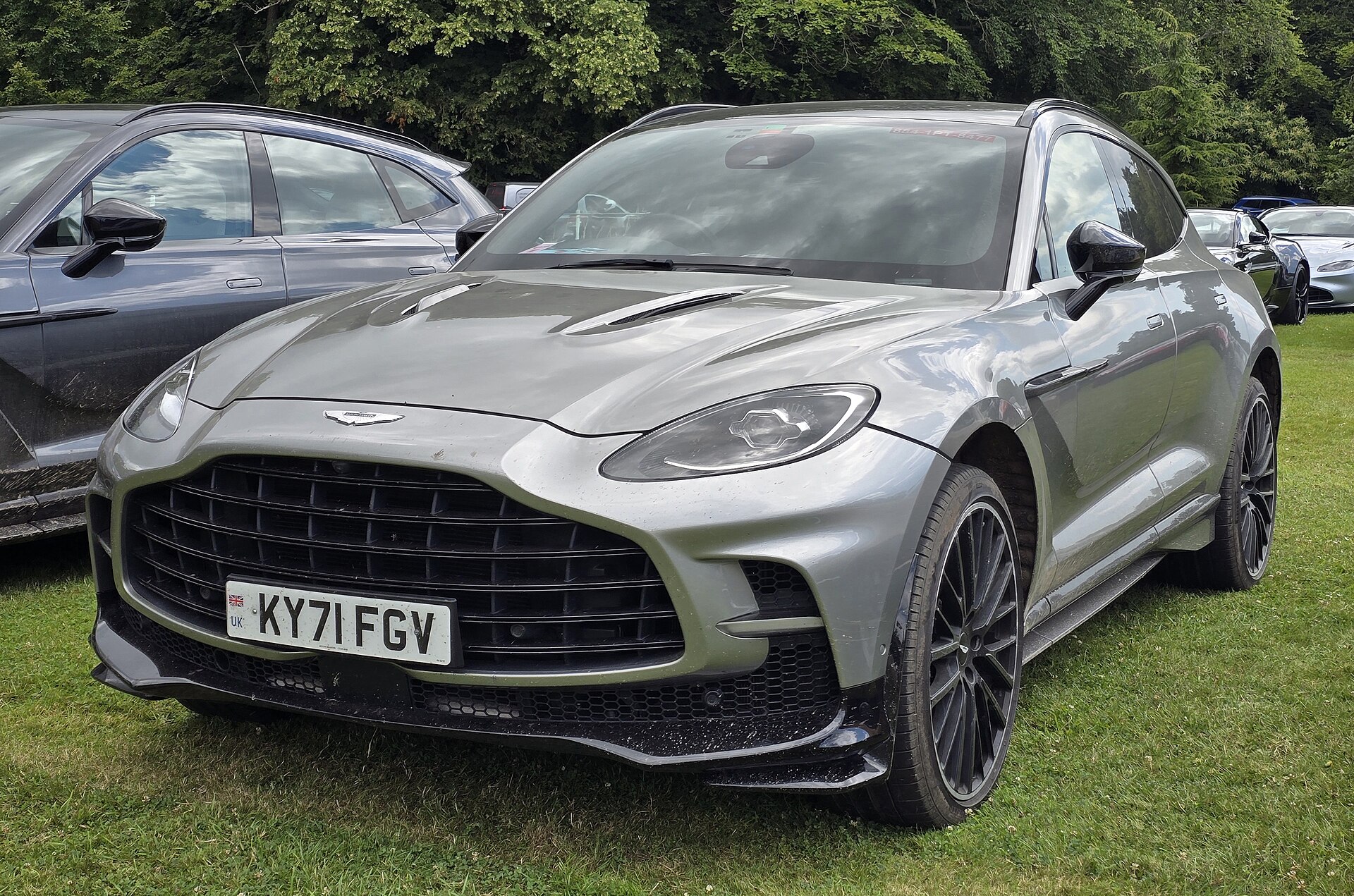
Pricing Reality: What These Cars Actually Cost
New pricing provides context for understanding used values. A 2025 DBX starts at approximately $207,000. The 2025 DBX707 begins at $239,000. These prices exclude destination, options, and dealer markup.
Used pricing has stabilized. Here's what you're actually paying in the current market:
- 2021 DBX: $100K–$130K (launch year discount)
- 2022 DBX: $115K–$145K (one year newer, slightly higher price)
- 2023 DBX: $130K–$160K (mature platform, software updated)
- 2023 DBX707: $155K–$190K (new engine, exceptional value)
- 2024 DBX: $165K–$195K (limited inventory, few examples available)
- 2024 DBX707: $185K–$225K (current generation, still depreciating from new)
The depreciation curve is steep in years one and two, then flattens. A 2021 DBX lost $77,000–$107,000 in value (37–52% depreciation). A 2023 DBX is likely to lose $35,000–$55,000 over a three-year period (23–35% depreciation). That second-hand stabilization makes sense: early buyers absorbed the pioneer penalty. Current buyers are getting exceptional value.
Running Costs: What It Actually Costs to Own
Purchase price is only part of the picture. Annual ownership costs for the DBX are significant, and they don't vary much by model year:
- Insurance: $3,500–$6,500 annually (luxury SUV rates vary by location and driving record)
- Routine Maintenance: $2,500–$4,000 annually (oil changes, fluid services, inspections)
- Fuel: $3,000–$4,500 annually (13–16 mpg combined; premium unleaded required)
- Tires (amortized): $1,200–$2,000 annually (high-performance tires every 25,000–35,000 miles)
- Warranty/Extended Service: $1,000–$2,000 annually (if purchased; factory warranty covers first 4 years/50,000 miles)
- Miscellaneous: $500–$1,500 annually (unexpected repairs, detailing, storage)
Total annual running cost: $12,200–$20,500. That's roughly $1,000–$1,700 per month before depreciation. Compared to a Bentley Bentayga or Rolls-Royce Cullinan, the DBX is remarkably economical. Compared to a standard luxury car, it's expensive. Budget accordingly.
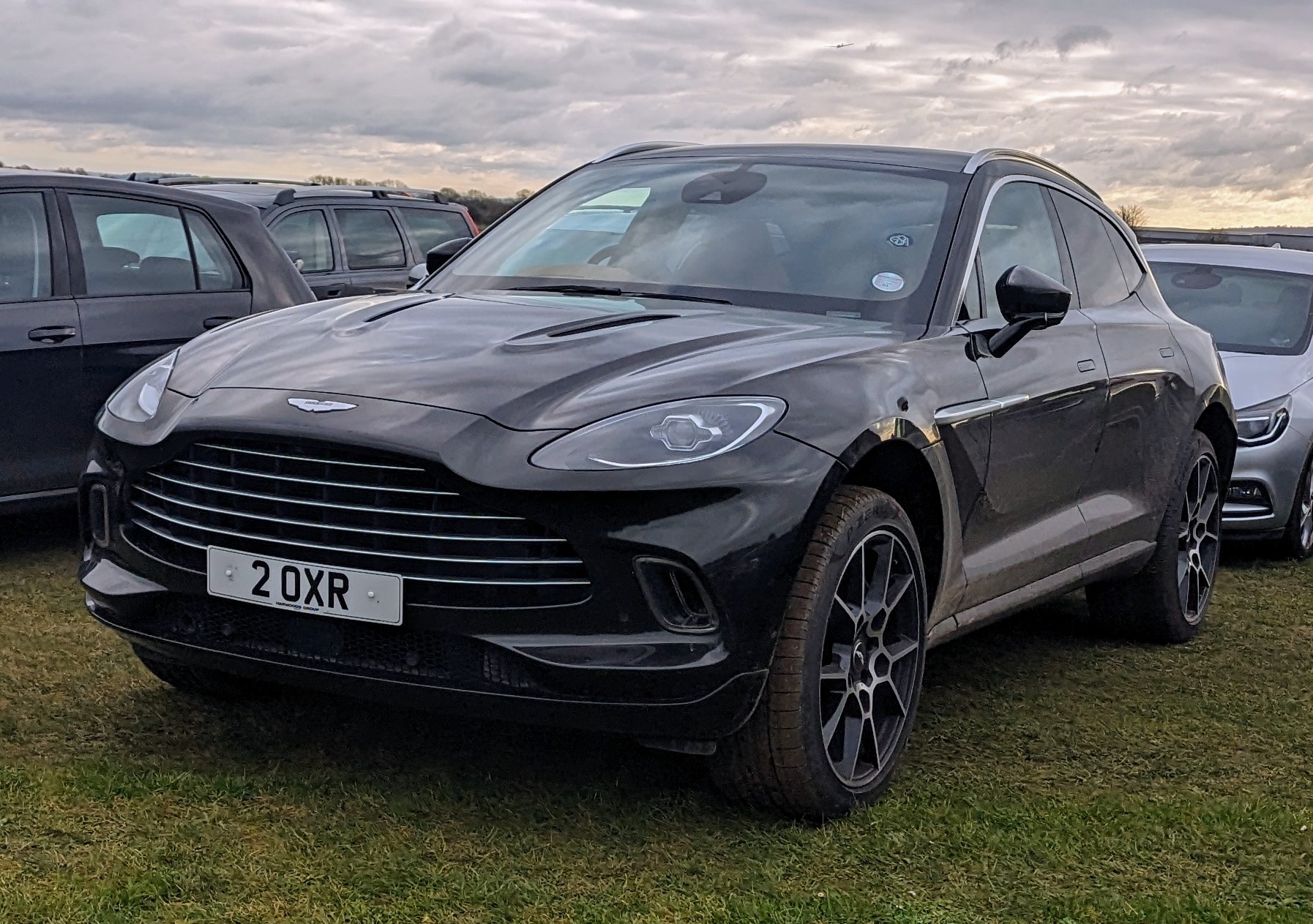
The DBX vs. Its Rivals: How It Stacks Up
The DBX doesn't exist in a vacuum. Here's how it compares to the obvious alternatives:
| Category | Aston Martin DBX707 | Bentley Bentayga | Lamborghini Urus | Rolls-Royce Cullinan |
|---|---|---|---|---|
| Engine | 4.0L Twin-Turbo V8 | 4.0L Twin-Turbo V8 | 4.0L Twin-Turbo V10 | 6.75L Twin-Turbo V12 |
| Horsepower | 697 hp | 542 hp | 641 hp | 563 hp |
| 0–60 mph | 3.3s | 3.9s | 3.6s | 4.8s |
| New Price | $239K | $240K | $232K | $330K+ |
| Used Price (2023) | $155K–$190K | $175K–$220K | $165K–$210K | $220K–$280K |
| Interior Quality | Excellent (Bonomi) | Exceptional | Very Good | Extraordinary |
| Driving Dynamics | Sharp, Engaging | Refined, Composed | Visceral, Raw | Floaty, Comfortable |
| Reliability (Early Years) | Good | Excellent | Good | Excellent |
| Best For | Performance Buyers | Balanced Luxury | Supercar Enthusiasts | Ultimate Prestige |
The Bentley Bentayga is the safe choice—proven reliability, refined interior, balanced performance. The Lamborghini Urus is the raw performer—visceral driving experience, most aggressive styling. The Rolls-Royce Cullinan is the ultimate prestige piece—more powerful, more expensive, more special.
The DBX707 sits in an interesting middle ground. It has the performance advantage over the Bentayga and Urus, the prestige that comes with the Aston Martin name, but without the Cullinan's eye-watering price tag. For buyers who want performance and luxury with a bit of British aggression, it's the clear winner. See our Bentayga buying guide or where to buy a Lamborghini Urus for detailed comparisons.
Best Year to Buy: Our Recommendations by Budget
Best Overall Value: 2023 Standard DBX ($130K–$160K)
If you want a genuinely excellent Aston Martin DBX without overspending, the 2023 standard DBX is the answer. You get the mature platform with all firmware updates applied, the respected 542-horsepower engine, the hand-stitched Bonomi interior, and the status that comes with owning an Aston Martin. At $130,000–$160,000, you're saving $47,000–$77,000 compared to a new model. That's the right DBX price point.
The only trade-off is raw performance. 542 horsepower is substantial, but it's 155 hp down from the DBX707. If you don't need track-day capability and primarily use the SUV for highway driving and urban exploration, the standard engine is plenty.
Best Performance: 2023 DBX707 ($155K–$190K)
For performance buyers, the 2023 DBX707 is exceptional value. A new DBX707 costs $239,000. A used 2023 is $155,000–$190,000. You're getting one of the most powerful production SUVs ever built—697 horsepower, 663 lb-ft of torque, 3.3-second 0–60 times—for $49,000–$84,000 off. The depreciation curve heavily favors early DBX707 buyers.
The risk: the DBX707 is only three years old as a platform. Any all-new variant carries inherent uncertainty. Aston Martin's engineering is solid, but extended warranty coverage is wise if you're uncomfortable with that risk.
Best Investment: 2022 Standard DBX ($115K–$145K)
If you're buying purely on price and don't mind taking on slightly more risk, the 2022 standard DBX is a bargain. It's only one model year older than the 2023, and the software updates that resolved early issues have been applied. You're saving $15,000–$30,000 compared to a 2023 model. If the specific vehicle has clean service records and no history of transmission shudder or suspension hesitation, you're getting an exceptional deal.
The risk is that you're closer to the early production window. Get a comprehensive pre-purchase inspection before committing. That $500–$1,000 inspection can save you $10,000+ in unexpected repairs.
Avoid (Generally): 2021 DBX ($100K–$130K)
The 2021 DBX is tempting because of the price. You can own an Aston Martin DBX for under $130,000—a genuinely remarkable value proposition. But you're closer to the original infotainment glitches, air suspension issues, and transmission shudder. Some 2021 models have been flawlessly maintained and updated through dealer software patches. Others still exhibit occasional issues.
Only buy a 2021 if: (1) it has comprehensive service records showing all recalls and updates have been completed, (2) it's been inspected by an Aston Martin specialist who confirms no outstanding issues, and (3) you're mechanically inclined enough to handle potential quirks. Otherwise, spend the extra $15,000–$30,000 on a 2022 or 2023.
The Smart Buying Process: Steps to Follow
Buying a used luxury SUV like the DBX requires more due diligence than purchasing a standard vehicle. Here's the approach we recommend:
Step 1: Define your budget. Include purchase price plus 24 months of running costs ($24,400–$41,000). If that total stretches your finances, wait. The DBX isn't going anywhere—the market is mature and prices are stable.
Step 2: Choose your variant. Decide between the standard DBX and the DBX707. Both are excellent. The choice depends on your performance appetite and budget. Most buyers prefer the DBX707 for its capability, but the standard DBX is perfectly adequate and significantly cheaper.
Step 3: Search nationally. Don't limit yourself to local dealers. Used DBX inventory is available nationwide, with clustering in major metropolitan areas like Los Angeles, Miami, New York, and London. Platforms like Autotrader, Cars and Bids, and Bring a Trailer all list Aston Martins. Compare prices across regions.
Step 4: Secure a pre-purchase inspection. Non-negotiable. Have an Aston Martin specialist inspect the vehicle before purchase. The inspection should cover infotainment functionality, air suspension calibration, transmission smoothness at low speeds, cooling system integrity, and a full diagnostic scan. Budget $800–$1,500 for this service.
Step 5: Review service history. Ask for complete maintenance records. Confirm that all manufacturer recalls have been completed, all firmware updates have been applied, and any known issues have been addressed. A well-maintained DBX should have documentation from an authorized Aston Martin service center.
Step 6: Negotiate from data. Know the market value before making an offer. Use completed auction results, not asking prices, as your benchmark. Factor in any deferred maintenance—if the car needs new tires ($1,800–$2,200), brake fluid service ($800–$1,200), or other work, deduct that from your offer.
Step 7: Secure favorable financing. Exotic car lenders like JJ Best Banc and Woodside Credit specialize in vehicles like the DBX. Expect 20–30% down and rates between 5–9% depending on loan term and your credit profile. Avoid dealer financing if possible; it's usually more expensive.
Step 8: Purchase extended warranty. If the factory warranty has expired, consider an extended protection plan. Aston Martin warranty coverage costs $2,000–$4,000 depending on length and mileage, but it buys peace of mind for major repairs. With annual costs hovering around $12,000–$20,000, an extra $500–$1,000 per year for warranty coverage is reasonable insurance.
When to Wait: Situations Where You Shouldn't Buy Yet
The DBX is an excellent vehicle, but it's not the right purchase for everyone. Consider waiting if:
You're budget-constrained. If buying the DBX means depleting your savings, taking high-interest debt, or compromising other financial priorities, wait. Luxury SUV ownership is comfortable when it's affordable. It's stressful when it stretches your finances.
You need a daily driver. The DBX is a weekend car pretending to be an SUV. Ground clearance is minimal (7.3 inches). Fuel economy is terrible (13–16 mpg). Parking is stressful due to its 192-inch length. The Lamborghini Urus or Bentley Bentayga are marginally better, but honestly, none of these cars are ideal daily drivers. If you need a vehicle that works every day, buy something from the Rolls-Royce Cullinan range or reconsdier your requirements entirely.
You haven't driven one. Always test drive before you buy. Some drivers find the cabin cramped, visibility challenging, or the ride too firm. These are valid criticisms. Discover them before you sign paperwork, not after.
You're uncertain about the 2023 DBX707. It's a new variant with proven engineering but limited real-world track record. If you're risk-averse, stick with the 2023 standard DBX. If you're performance-focused and okay with potential unexpected costs, the DBX707 is worth the gamble.
Ready to Find Your DBX?
Automonitor connects you with certified Aston Martin dealers, manages inspections, and provides market data so you can negotiate with confidence.
Start Your Search →The Final Verdict
The Aston Martin DBX is worth buying if you can afford the running costs and want a genuinely special luxury SUV with supercar performance. The 2023 standard DBX is the best value—mature platform, resolved early issues, exceptional price point. The 2023 DBX707 is the best performance option—nearly 700 horsepower, track-capable, remarkable depreciation.
Avoid the 2021 unless it's backed by comprehensive service records and specialist inspection. Consider the 2022 only if you find an exceptional example with full documentation. And skip the 2024–2025 entirely unless you're buying new and want current-year technology and warranty.
The DBX represents a genuinely unique value proposition in the luxury SUV market. It has the performance of a Lamborghini Urus, the prestige of an Aston Martin badge, and the price point of a used Bentley Bentayga. That combination is rare. If it aligns with your needs and budget, don't wait—the market is mature and prices are stable. Learn more about whether the DBX is worth buying overall, or let Automonitor handle the search, inspection, and negotiation. We've done this hundreds of times, and we'll make sure you end up in the right DBX at the right price.
Automonitor Pre-Purchase Inspection Service
Our network of certified exotic SUV inspectors knows the DBX inside and out. We'll identify any issues before you buy, negotiate on your behalf, and handle the entire purchase process.
Schedule Your Inspection →