What Exotic Car Can I Buy for $180K?
At $180,000, you're at the threshold where serious supercars become attainable. Here's the definitive guide to the best exotic cars in this price range — from legendary V10 Lamborghinis to corner-carving McLarens, each with their own merits and quirks.
The $180K Sweet Spot: Where Supercars Really Begin
$180,000 is the inflection point in the exotic car market. Below this price, you're shopping for entry-level sports cars. Above it, you're entering the rarefied air of hypercars and ultra-rare limited editions. At exactly $180,000, you get access to some of the most desirable supercars ever produced — the final generation Lamborghini Huracán, near-mint Ferrari 488s, McLaren 720S examples, and even the latest Porsche 911 variants.
The key to maximizing your $180K budget is understanding that purchase price is only part of the equation. A well-chosen exotic at this price point will have predictable maintenance costs, reasonable insurance premiums, and strong depreciation curves. Choose poorly, and you could find yourself underwater faster than you expected.
This guide covers ten of the best exotic cars available at the $180K price point in 2026, complete with pricing, specifications, pros and cons, and investment potential. By the end, you'll know exactly which car deserves your money.
1. Lamborghini Huracán LP610-4 & EVO — $150K-$180K
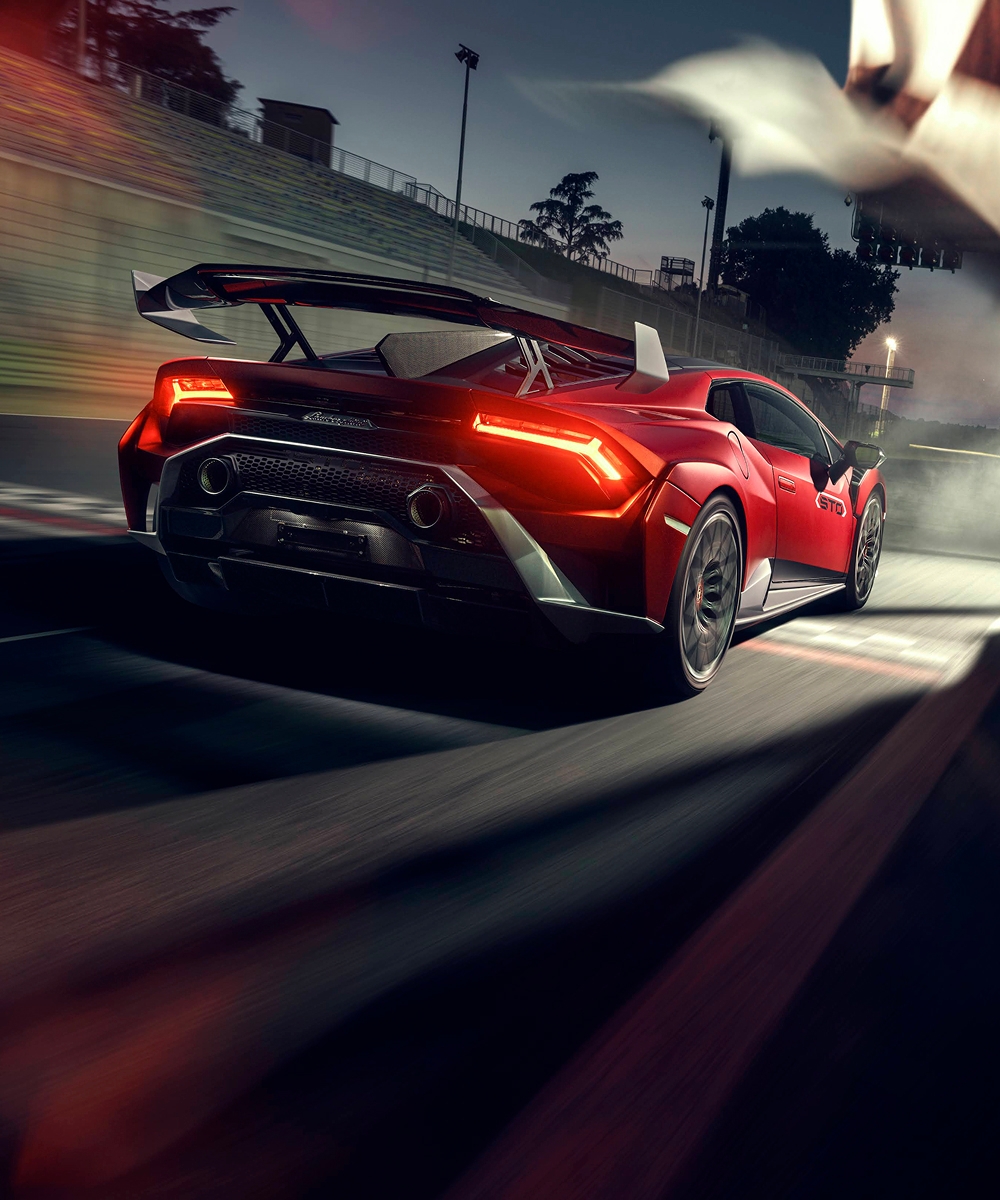
At the bottom end of our list but arguably at the top in terms of overall package, the Lamborghini Huracán represents the last naturally aspirated V10 supercar Lamborghini will ever produce. The LP610-4 base model starts around $150,000, while the newer EVO models push toward $180,000 depending on year and condition. Read our complete Huracán buying guide for in-depth analysis.
The 5.2-liter naturally aspirated V10 produces 602 horsepower in the base model and 630 hp in the EVO. Acceleration to 60 mph takes 2.9 seconds, and the top speed is 201 mph. The mid-engine AWD layout provides confidence-inspiring traction while maintaining the emotional engagement that turbocharged engines can't replicate. Production ended in December 2024, which makes every example a piece of automotive history.
Pros: Legendary V10 engine sound, excellent reliability, strong value retention (only ~20% depreciation over five years), naturally aspirated performance in an era of turbos, proven platform engineering from Audi partnership.
Cons: Tight cabin space, poor visibility compared to contemporary sports cars, expensive maintenance ($3K-$5K annually), DCT transmission can develop shuddering issues in early models.
Annual Maintenance: $3,000-$5,000. Investment Potential: Strong for low-mileage examples and rare variants like the STO and Tecnica. Best Model Years: 2019-2024 EVO models with under 15,000 miles.
2. Ferrari 488 GTB — $160K-$180K
The Ferrari 488 GTB is the benchmark mid-engine Ferrari. With prices ranging from $160,000 to $180,000 for good used examples, it competes directly with the Huracán but brings the intangible prestige of the Prancing Horse badge. The 488 GTB buying guide explores this icon in detail.
The 3.9-liter twin-turbocharged V8 produces 661 horsepower — the most powerful Ferrari engine at the time of release. It hits 60 mph in 3.0 seconds and tops out at 205 mph. The turbocharged approach means more responsive power delivery than naturally aspirated competitors, though some purists argue it sacrifices some of the emotional connection.
Pros: Iconic Ferrari badge carries immense prestige, excellent mid-range power delivery from turbo V8, slightly better ergonomics than the Huracán, proven reliability, appreciating values for low-mileage examples.
Cons: Higher maintenance costs than competitors ($4K-$7K annually), Ferrari dealers are less common than Lamborghini's network, depreciation slightly steeper than Huracán, insurance premiums higher due to rarity.
Annual Maintenance: $4,000-$7,000. Investment Potential: Moderate to strong for sub-10,000-mile examples. Best Model Years: 2016-2019 mid-life cycle examples with full service history.
3. McLaren 720S — $150K-$175K
The McLaren 720S is the performance bargain at the $180K price point. Earlier examples and well-optioned used units start around $150,000 and climb to $175,000 depending on condition and mileage. For pure speed-per-dollar, the McLaren is hard to beat. Explore our McLaren 720S analysis for full details.
The 4.0-liter twin-turbo V8 produces 710 horsepower — more than any competitor on this list. It accelerates to 60 mph in just 2.7 seconds and reaches 212 mph. The carbon fiber monocoque chassis keeps weight to 2,883 pounds, making it noticeably lighter than heavier competitors. Dihedral doors give it maximum visual drama.
Pros: Most powerful engine in this price range, lowest weight, fastest 0-60 times, excellent handling balance, track capability that rivals dedicated race cars.
Cons: Steepest depreciation (~31% over five years) of cars in this category, turbocharged experience feels less thrilling to some drivers, electrical gremlins are more common than competitors, higher maintenance costs ($3K-$6K annually).
Annual Maintenance: $3,000-$6,000. Investment Potential: Weak for investment purposes but excellent for drivers who plan to enjoy the car. Best Model Years: 2018-2019 examples where initial depreciation has stabilized.
4. Porsche 911 GT3 (991.2) — $150K-$175K
The 991.2-generation Porsche 911 GT3 is the driver's car in this price range. Used examples start around $150,000 and approach $175,000 for pristine low-mileage examples. The GT3 represents Porsche's most honest statement about what a track car should be. See our Porsche 911 Turbo guide for related models.
The 4.0-liter naturally aspirated flat-six produces 500 horsepower and revs to 9,000 rpm. The 0-60 time is 3.2 seconds, and the top speed reaches 198 mph. But numbers don't capture the GT3's magic — this car is defined by steering feedback, mechanical grip, and the visceral experience of a naturally aspirated engine at 9,000 rpm.
Pros: Naturally aspirated engine with incredible rev response, best-in-class steering feel and chassis communication, excellent reliability (Porsche durability standards), most conservative depreciation among sports cars (~28%), can be driven daily if needed.
Cons: Slowest 0-60 acceleration of our list, limited to 500 hp compared to competitors' 600+, track-focused suspension makes daily driving harsh, manual transmission only (no dual-clutch option).
Annual Maintenance: $2,000-$4,000. Investment Potential: Strong, especially for low-mileage examples. Best Model Years: 2019-2023 with under 5,000 miles and full Porsche service records.
5. Aston Martin DB11 V12 — $120K-$160K
The Aston Martin DB11 V12 is the grand tourer in this price comparison — less a hypercar and more a high-performance cruiser. Used examples start around $120,000 and approach $160,000 for well-maintained low-mileage variants. The DB11 brings unmatched design elegance to the category.
The 5.2-liter twin-turbocharged V12 produces 630 horsepower and 516 lb-ft of torque. The 0-60 acceleration takes 3.4 seconds, which makes it slower than mid-engine competitors but still rapid. The real appeal is the cruising experience — a long-range grand tourer that can stretch its legs on a circuit.
Pros: Stunning design that never gets old, most refined cabin in this price range, genuine 2+2 seating for occasional passengers, excellent interior materials and technology, good depreciation resistance for grand tourers.
Cons: Slower than dedicated mid-engine supercars, heavier weight impacts handling compared to lighter competitors, newer infotainment systems can feel dated, less track capability than purpose-built sports cars.
Annual Maintenance: $3,500-$5,500. Investment Potential: Moderate. Best Model Years: 2017-2019 with full service history and under 20,000 miles.
6. Mercedes-AMG GT R — $130K-$170K
The Mercedes-AMG GT R is Merc's answer to the mid-engine supercar. Priced between $130,000 and $170,000, it fills the gap between grand tourers and dedicated track cars. This is a front-engine machine with supercar ambitions.
The 4.0-liter twin-turbo V8 produces 585 horsepower in the standard GT R, or up to 630 hp in the GT R Pro variant. Acceleration to 60 mph takes 3.5 seconds, slightly behind mid-engine competitors but still genuinely quick. The long hood and front-engine layout create a different dynamic than the mid-engine cars dominating this price range.
Pros: Aggressive styling with real downforce, track-focused suspension and aerodynamics, more practical than mid-engine supercars (better visibility, front trunk space), lower maintenance costs than Italian competitors ($2,500-$4,500 annually).
Cons: Front-engine layout means less balanced handling than mid-engine competitors, heavier than McLarens despite similar power, interior quality doesn't match newer competitors, depreciation follows Mercedes patterns (~30% over five years).
Annual Maintenance: $2,500-$4,500. Investment Potential: Weak to moderate. Best Model Years: 2018-2020 examples with confirmed service records.
7. Audi R8 V10 Performance (Gen 2) — $130K-$165K
The Audi R8 V10 Performance represents the most practical supercar in this price range. Used examples start around $130,000 and climb toward $165,000 for newer low-mileage variants. This is a Lamborghini Huracán platform with Audi interior refinement and practical considerations. Our first exotic car guide frequently recommends the R8 for everyday usability.
The 5.2-liter naturally aspirated V10 produces 602 horsepower — identical to the base Huracán. Acceleration to 60 mph takes 3.2 seconds, and the top speed is 198 mph. The difference is in the execution: the R8 prioritizes usability with better visibility, more interior space, and Audi's renowned build quality.
Pros: Same V10 engine as Huracán but in a more livable package, excellent interior quality and materials, better visibility and parking maneuvers, Audi reliability reputation and service network, naturally aspirated performance with practical considerations.
Cons: Slower than higher-horsepower competitors, less exotic visual drama than Lamborghini or Ferrari, maintenance still expensive ($3,500-$5,000 annually), shares depreciation profile with Huracán.
Annual Maintenance: $3,500-$5,000. Investment Potential: Moderate. Best Model Years: 2019-2024 examples with full Audi service records.
8. Ferrari F430 Scuderia — $160K-$180K
For the collector-minded, the Ferrari F430 Scuderia is appreciating classic machinery. Priced in the $160,000-$180,000 range, these lightweight track specials are becoming investment-grade assets as production examples become rarer. This is past-generation Ferrari at its most special.
The 4.3-liter naturally aspirated V8 produces 430 horsepower and revs to an incredible 8,500 rpm. The 0-60 acceleration takes 3.6 seconds, which seems slow by modern standards until you remember this car was released in 2007. But drive it, and you understand why it remains treasured by enthusiasts.
Pros: Appreciating classic status with low ongoing production, naturally aspirated engine character rare in modern cars, lightweight construction (2,800 lbs) provides engaging driving dynamics, legendary Pininfarina design that ages beautifully.
Cons: Older interior technology compared to newer competitors, maintenance becomes increasingly expensive and difficult as parts age ($4,000-$8,000 annually for aging examples), no modern safety systems or infotainment, mileage limits appreciation potential.
Annual Maintenance: $4,000-$8,000. Investment Potential: Strong for sub-10,000-mile examples. Best Model Years: 2007-2009 with documented service history and low mileage.
9. Bentley Continental GT Speed — $120K-$160K
The Bentley Continental GT Speed is the ultra-luxury entry in our price range. Starting around $120,000 and reaching $160,000 for pristine low-mileage examples, the Bentley prioritizes comfort and prestige over outright performance metrics.
The 6.0-liter twin-turbocharged W12 produces 625 horsepower and an enormous 607 lb-ft of torque. The 0-60 acceleration takes 3.9 seconds — slow on paper but adequate for a 4,600-pound luxury cruiser. The real appeal is the experience: whisper-quiet cabins, hand-stitched leather, and the kind of presence that turns heads differently than a Lamborghini.
Pros: Unmatched luxury and interior craftsmanship in this price range, most comfortable seats of any competitor, W12 character and power delivery, rear seats are actually usable for adults, excellent long-distance cruising capability.
Cons: Extremely expensive maintenance due to complexity ($6,000-$10,000+ annually), weighs nearly 4,600 pounds despite being a "supercar," slowest 0-60 times of our list, significant depreciation from original MSRP ($180,000+ to $120,000 range).
Annual Maintenance: $6,000-$10,000+. Investment Potential: Weak. Best Model Years: 2012-2015 with full Bentley service records and under 30,000 miles.
10. Porsche 911 Turbo S (992) — $170K-$180K
At the top of our price range sits the latest Porsche 911 Turbo S. Older used examples approach $170,000, with low-mileage pristine versions reaching $180,000. This is Porsche's most complete sports car — raw performance wrapped in practicality. Explore our exotic maintenance guide to understand ownership costs.
The 3.7-liter twin-turbo flat-six produces 640 horsepower and launches to 60 mph in a stunning 2.6 seconds. The top speed is 205 mph. But the real magic is in the all-wheel-drive system that puts power down instantly, making the 911 Turbo S the fastest-accelerating production car in this price range.
Pros: Fastest 0-60 acceleration in our list (2.6 seconds), all-wheel-drive provides ultimate traction and confidence, can be comfortably driven daily (better than mid-engine cars), excellent fuel economy for supercar (~20 mpg), Porsche reliability and service network advantages.
Cons: Turbocharged experience feels less emotionally engaging than naturally aspirated competitors, newest generation means higher insurance costs, depreciation curves still being established, less exclusive than limited-production rivals.
Annual Maintenance: $2,000-$4,000. Investment Potential: Moderate, as newest generation with longest ownership horizon. Best Model Years: 2021+ models with under 10,000 miles and full Porsche service records.
Complete Comparison Table: Specs & Investment Potential
| Car | Price Range | Horsepower | 0-60 Time | Annual Maintenance | Investment Potential | Overall Rating |
|---|---|---|---|---|---|---|
| Lamborghini Huracán | $150K-$180K | 602-630 hp | 2.8-2.9s | $3K-$5K | Strong | 9.0/10 |
| Ferrari 488 GTB | $160K-$180K | 661 hp | 3.0s | $4K-$7K | Moderate-Strong | 8.8/10 |
| McLaren 720S | $150K-$175K | 710 hp | 2.7s | $3K-$6K | Weak | 8.5/10 |
| Porsche 911 GT3 | $150K-$175K | 500 hp | 3.2s | $2K-$4K | Strong | 8.7/10 |
| Aston Martin DB11 | $120K-$160K | 630 hp | 3.4s | $3.5K-$5.5K | Moderate | 8.2/10 |
| Mercedes-AMG GT R | $130K-$170K | 585 hp | 3.5s | $2.5K-$4.5K | Weak-Moderate | 8.0/10 |
| Audi R8 V10 | $130K-$165K | 602 hp | 3.2s | $3.5K-$5K | Moderate | 8.3/10 |
| Ferrari F430 Scuderia | $160K-$180K | 430 hp | 3.6s | $4K-$8K | Strong | 8.4/10 |
| Bentley Continental GT | $120K-$160K | 625 hp | 3.9s | $6K-$10K+ | Weak | 7.8/10 |
| Porsche 911 Turbo S | $170K-$180K | 640 hp | 2.6s | $2K-$4K | Moderate | 8.9/10 |
Find Your Ideal Exotic at $180K
Automonitor's expert team helps buyers navigate the $180K sweet spot with pre-purchase inspections, market valuations, and financing guidance. Get matched with the right car at the right price.
Start Your Search →Smart Buying Strategy: How to Choose in This Price Range
With ten excellent options at $180,000, the decision comes down to personal priorities. Ask yourself these questions:
Do you prioritize driving engagement? Choose the Porsche 911 GT3 or Lamborghini Huracán. Both reward driver involvement with steering feel and engine character that turbocharged competitors can't match.
Do you want the fastest car? The McLaren 720S (2.7s to 60) and Porsche 911 Turbo S (2.6s) are your answers. If raw acceleration is the goal, these two deliver.
Do you value reliability and service accessibility? Porsche has the advantage, supported by 911 models at every price point and Porsche Centers in nearly every city. Exotic financing is often easier with recognized brands.
Do you want investment potential? Low-mileage Lamborghini Huracán EVOs and Ferrari 488s are appreciating assets. The F430 Scuderia is a genuine collectible. Limited production runs (STO, Tecnica, Sterrato) command premiums.
Do you need practicality? The Audi R8 V10 and Porsche 911 models offer best-in-class visibility and interior space. The Aston Martin DB11 adds genuine 2+2 seating. Only the Bentley rival luxury sedans for comfort.
Pre-Purchase Inspection Essentials
Whatever car you choose, a proper inspection is non-negotiable. Budget $500-$1,000 for a pre-purchase evaluation. An expert inspection should verify:
- Complete service history matching claimed mileage
- Transmission function (DCT shuddering in early Huracáns, electronics in McLarens)
- Cooling system pressure test (track-driven cars develop issues)
- Brake pad depth and rotor condition (ceramic brakes expensive to replace)
- Interior wear consistent with mileage claims
- Any accident history through frame rails and panel gaps
Use our exotic car buyer's checklist to ensure nothing gets missed.
Financing Your $180K Supercar
Most exotic lenders require 20-30% down, meaning you'll need $36,000-$54,000 in cash. Interest rates typically range from 6-10% depending on the vehicle age and your credit profile. Our financing guide explores options from JJ Best Banc, Woodside Credit, and traditional lenders specializing in exotic vehicles.
Factor in insurance ($4,000-$8,500 annually), maintenance ($2,000-$10,000 depending on brand), and fuel costs ($3,000-$5,000 annually). Total ownership cost typically runs $1,100-$2,200 per month in running costs before depreciation.
Investment Reality: Which Cars Hold Value Best?
If resale value matters to your decision, focus on these principles: Exotic car appreciation depends on specific variants and mileage.
Best Value Retainers: Low-mileage Lamborghini Huracán EVOs (70-80% of original value after 5 years), Ferrari F430 Scuderia examples under 10,000 miles (holding or appreciating), Porsche 911 GT3 with full service records (70-72% retention).
Moderate Retainers: Ferrari 488 GTB (65-70%), Audi R8 V10 (65-70%), Aston Martin DB11 (50-60%).
Poor Retainers: McLaren 720S (50-60% of original value), Mercedes-AMG GT R (55-65%), Bentley Continental GT (40-50%).
Specification matters enormously. A yellow Lamborghini Huracán commands a 10-15% premium over white. A manual transmission Porsche is worth more to collectors than PDK. A low-mileage car with full service history outperforms garage queens with infrequent use and developing seal leaks.
Frequently Asked Questions
Can I find a good exotic car below $180K?
Yes. Older Lamborghini Huracáns start around $130,000. McLaren 570S models drop to $120,000. Audi R8 V10s start near $110,000. Our $120K guide explores that range in detail.
What's the most reliable exotic car in this price range?
The Porsche 911 GT3 and Porsche 911 Turbo S. Audi R8 V10 follows close behind due to VW Group engineering. Lamborghini Huracán is surprisingly reliable for a supercar. Ferrari and McLaren require more specialized care.
Should I buy a naturally aspirated or turbocharged supercar?
Naturally aspirated cars (Huracán, GT3, F430 Scuderia) offer emotional driving experience and high-rpm character. Turbocharged cars (488, 720S, Turbo S, DB11) provide instant power delivery and better low-end response. Choose based on your priorities — emotions vs. raw performance.
What's the actual cost of ownership for a $180K supercar?
Budget $1,100-$2,200 monthly for insurance ($330-$710), fuel ($250-$420), maintenance ($165-$415), and taxes/registration ($85-$250). Additional unexpected repairs can run $5,000-$15,000 annually. Never buy an exotic you can't comfortably afford to maintain.
Should I buy for investment or for driving?
If you plan to collect and hold, buy low-mileage Huracáns, F430 Scuderia, or 911 GT3s with full documentation. If you'll actually drive regularly, choose a car that rewards driving experience — which usually means Porsche or Lamborghini over investment potential. The best investment is buying a car you'll enjoy owning.
Ready to Buy Your $180K Supercar?
Automonitor connects you with verified sellers, handles negotiations, inspections, and logistics. We've helped hundreds of buyers find the perfect exotic car. Let us guide you through the process with confidence.
Get Expert Guidance →Final Thoughts: The Right Choice at $180K
At $180,000, you're buying genuine automotive excellence. Whether you choose the naturally aspirated V10 drama of the Lamborghini Huracán, the Ferrari prestige of the 488, the raw speed of the McLaren 720S, or the refined engineering of the Porsche 911 Turbo S, you're getting a car that delivers on the supercar promise.
The key is honest self-assessment. Do you prioritize sound and feel? Buy the Huracán or GT3. Do you want maximum performance? The McLaren or Porsche Turbo S awaits. Do you value prestige and investment potential? Ferrari and low-mileage Lamborghinis appreciate over time. Do you need practicality? The Audi R8 or Porsche 911 excel at combining performance with usability.
Don't buy blindly. Inspect thoroughly. Understand the costs. Choose the variant that matches your actual usage patterns, not the one with the most impressive 0-60 time. And when you're ready to start looking, Automonitor is here to make it simple. We'll find the right car, verify its history, negotiate the best price, and guide you through the entire process.