
Used Lamborghini for Sale Near Seattle: Your Complete Pacific Northwest Buying Guide
The Pacific Northwest's tech wealth has created a booming market for used Lamborghinis. Seattle, Bellevue, and the Puget Sound region offer exceptional opportunities to buy pre-owned Italian supercars from private collectors. But weather, roads, and regional preferences create unique considerations for every purchase decision.
Why Seattle Is a Lamborghini Hotspot: Tech Money Meets Automotive Passion
Seattle and the surrounding Puget Sound region have become one of the strongest markets in North America for purchasing used Lamborghinis. This isn't accidental. The region's concentration of wealth — generated by technology companies, aerospace manufacturing, and venture capital — creates a unique demographic: successful professionals who buy supercars, drive them for a few years, and sell them in exceptional condition.
The Microsoft, Amazon, and T-Mobile headquarters corridors stretch from Seattle through Redmond to Bellevue, creating a customer base with the discretionary income to own seven-figure vehicles. Unlike coastal California markets where Lamborghinis are daily drives or trophy pieces, Pacific Northwest owners tend to be more thoughtful and deliberate. They buy these cars for specific purposes: weekend mountain drives, track experiences, or as a statement of success without the ostentation prevalent in other luxury markets.
This means the used Lamborghinis available in the Seattle market are frequently single-owner, well-documented cars from buyers who have the means to maintain them properly. You'll find fewer problem cars here than in markets with higher transaction volume and less selective ownership. The tradeoff? Prices run slightly higher than national averages because sellers know what they have, and buyers are willing to pay for provenance.
The PNW Climate Challenge: Rain, Corrosion, and Electrical Gremlins
This is the critical context that separates Seattle Lamborghini ownership from ownership elsewhere. The Pacific Northwest experiences persistent moisture, limited sunny driving days, and environmental factors that are genuinely hostile to high-performance Italian machinery designed for Mediterranean climates.
Persistent Moisture and Salt Exposure: Seattle receives rain on approximately 150 days per year. The I-90 corridor over the Cascades and the I-5 bridge systems are regularly treated with road salt and magnesium chloride during winter months. Lamborghinis — particularly the Huracán and Aventador — sit low to the ground with minimal undercarriage protection. Salt spray and persistent road chemicals will attack brake lines, suspension components, and structural elements if the car isn't meticulously maintained.
Electrical Connector Moisture: The Lamborghini Huracán and Aventador both feature extensive electronic systems. Extended moisture exposure can infiltrate electrical connectors, particularly around the fuel pump, transmission control module, and sensor wiring. This is one of the most common expensive problems we see in used Pacific Northwest Lamborghinis: mysterious warning lights, transmission hesitation, or fuel delivery issues that trace back to corroded connectors.
Limited Dry Season for Sports Car Driving: Realistically, you have 4-5 months per year in the Puget Sound where driving a low-slung supercar isn't actively dangerous. Road salt, wet pavement, and moss buildup on roadways make extended dry-season storage a practical necessity. Many Seattle Lamborghini owners keep their cars garaged from November through May, which creates its own problems: stored vehicles develop battery drain, brake corrosion, and seal leaks.
Moss and Mildew in Storage Areas: Older garages in the Seattle area, particularly those in older homes and estates in Mercer Island, Madison Park, and West Seattle, develop moisture and mold issues. Lamborghinis stored in these conditions can develop mildew inside the cabin, fungal growth on carbon fiber trim, and corrosion inside door panels. Always inspect storage condition when evaluating a used Lamborghini — a car that's been garaged in a humid, uninsulated space for five years carries hidden problems.
Dual-Clutch Transmission Stress: The 7-speed dual-clutch transmissions in Lamborghini Huracáns were designed for warm, dry climates. In the Pacific Northwest, cold mornings combined with steep Seattle hills and frequent low-speed urban driving stress the DCT clutch packs. Listen carefully during test drives for transmission shudder, particularly in 1st and 2nd gear during cold mornings. A clutch replacement runs $8,000-$12,000.
Buying a used Lamborghini in Seattle isn't the same as buying one in Southern California or Arizona. Climate adaptability and maintenance history matter more than the car's external condition.

Which Lamborghini Models Are Best for the Pacific Northwest?
Not every Lamborghini is equally suited to Puget Sound ownership. Here's the honest breakdown:
The Urus: The PNW Winner
The Lamborghini Urus is the single best Lamborghini choice for Pacific Northwest living. If you're serious about Seattle ownership, the Urus should be your priority target.
Here's why: The Urus offers all-wheel drive as standard equipment. This isn't just about winter weather — though that matters. AWD provides stability on wet roads after heavy rain, better traction on bridges where salt spray accumulates, and genuine capability for the mountain trips that define PNW driving culture. Whistler, Crystal Mountain, and the pass roads are where tech executives in the region actually take their cars.
The Urus also sits higher off the ground, meaning less undercarriage exposure to road salt and spray. The approach and departure angles are manageable even on steep Seattle driveways. The cabin is substantially more practical — useful if you're driving to the mountains or spending weekends away from the city.
Used Urus models typically range from $150,000-$250,000 depending on model year, mileage, and specification. Earlier Urus models (2018-2019) occupy the lower end; later base models and higher-trim Urus S variants occupy the $200,000-$250,000 range. The Urus S, introduced in 2025, offers improved performance and updated styling — worth the premium if budget allows.
Urus ownership in Seattle is common enough that you'll find service expertise among knowledgeable independent mechanics. The model's popularity also means resale is straightforward — unlike rarer variants, the Urus market is liquid in the Pacific Northwest.
The Huracán EVO: The Compromise Option
The Huracán EVO, particularly the AWD variant, represents the best compromise for buyers who want a traditional supercar experience with regional practicality. Used Huracán EVO AWD models range from $155,000-$190,000.
The EVO's LDVI (Lamborghini Dinamica Veicolo Integrata) system manages power delivery in ways that make it more predictable in wet conditions than earlier Huracán generations. The AWD variant provides active power distribution to the rear wheels, which helps in Seattle's wet conditions and on approach roads to mountain passes.
The EVO is lower than the Urus and will scrape on severe driveways, but it's genuinely usable for Seattle weekend driving when the roads are dry. The trade-off is that you'll drive it less often in winter months and depend more on proper maintenance for moisture management.
The Aventador S/SVJ: Beautiful but Demanding
The Aventador S and SVJ are extraordinary machines — $350,000-$600,000 in the used market depending on year and mileage. They're also the least practical for Pacific Northwest ownership.
The Aventador uses only all-wheel drive on the most recent SVJ variants; earlier S models are rear-wheel drive. In Seattle's wet conditions, the RWD Aventador is genuinely challenging. The approach angle is severe, meaning the carbon fiber front splitter will catch on driveways, parking lot lips, and speed bumps. The ground clearance makes bridge salt spray a persistent concern.
That said, if you have a climate-controlled garage and only drive this car during dry months, the Aventador is a magnificent ownership experience. The naturally aspirated 6.5L V12 remains one of the greatest engines ever produced. But realistically, the Aventador is a part-time car in Seattle, not a primary supercar.
The Gallardo: Affordable Entry Point
For buyers with tighter budgets, the Gallardo ($120,000-$180,000) offers genuine Lamborghini driving experience at lower price points. The Gallardo benefits from being one of the most reliable Lamborghinis ever produced — a legacy of Audi engineering influence.
However, older Gallardos (2003-2013) struggle more with moisture-related electrical issues than newer vehicles. Pre-purchase inspection is absolutely essential for any Gallardo, particularly focusing on electrical connectors, wiring harnesses, and the interior climate control system.
Where to Find Used Lamborghinis Near Seattle
The Pacific Northwest Lamborghini market breaks down into several distinct channels, each with different characteristics:
Lamborghini Bellevue: The Factory Franchise
Lamborghini Bellevue, located in Bellevue's luxury auto district, is the official Lamborghini dealership serving the Pacific Northwest. This is where most Mercedes and BMW trade-ups come to become pre-owned Lamborghinis. Advantages: Certified pre-owned cars with dealer warranty, full service records, and dealer support. Disadvantages: Premium pricing and limited inventory.
Lamborghini Bellevue typically maintains 3-8 used Lamborghinis in stock at any given time. Pricing runs 5-10% above market averages because the dealer handles all logistics, inspections, and service preparation. This is the lowest-risk buying channel but the highest-cost.
Park Place Ltd: The Independent Specialist
Park Place Ltd is Seattle's premiere independent exotic car dealer, specializing in high-end sports cars and supercars. Park Place typically stocks 8-15 used Lamborghinis at various price points and includes both standard models and rare variants. The dealership's buying approach focuses on single-owner, low-mileage examples with documented service history — aligning perfectly with the Pacific Northwest market profile.
Park Place pricing is typically 2-5% above national market averages for comparable vehicles, but the quality control and inspection standards justify the premium. Every car is mechanically evaluated by experienced technicians before retail.
Private Sales and Tech Executive Network
The most interesting Lamborghinis in the Seattle market are sold privately by their original owners. Microsoft executives in Medina, Amazon executives in Magnolia, and Seattle venture capitalists often buy new Lamborghinis, drive them for 2-4 years, and sell them privately when ready for the next vehicle.
These private sales typically offer the best value because sellers are motivated by lifestyle changes, not profit margins. The cars are often exceptionally maintained because the original owners had the resources and motivation to maintain them properly. The challenge is finding these cars before they reach auction platforms — they often sell through personal networks or by word-of-mouth to exotic car brokers.
Automonitor's concierge buying service has direct relationships with multiple channels in the Pacific Northwest market. We can access vehicles before they're listed publicly and negotiate from a position of expertise about condition, market value, and regional considerations.
Bring a Trailer and Cars and Bids
Online auction platforms like Bring a Trailer and Cars and Bids frequently feature Pacific Northwest Lamborghinis. The advantage: transparent pricing through real-time bidding. The disadvantage: you're competing against buyers from across the country and can't physically inspect before purchase.
Seattle Pricing Vs. National Market
Lamborghini pricing in the Seattle area runs 3-8% above national averages for comparable vehicles, depending on model and condition. Here's a realistic breakdown of current pricing in early 2026:
| Model | Year Range | Typical Price (Seattle) | National Average | Premium |
|---|---|---|---|---|
| Urus (Base) | 2018–2022 | $160,000–$195,000 | $155,000–$185,000 | +3% |
| Urus S/SVJ | 2023–2025 | $210,000–$250,000 | $200,000–$240,000 | +5% |
| Huracán EVO AWD | 2019–2024 | $165,000–$200,000 | $155,000–$190,000 | +6% |
| Huracán Tecnica | 2021–2024 | $210,000–$240,000 | $190,000–$220,000 | +8% |
| Aventador S | 2017–2021 | $370,000–$450,000 | $350,000–$420,000 | +5% |
| Gallardo | 2003–2013 | $125,000–$165,000 | $120,000–$160,000 | +4% |
Why does Seattle pay a premium? Buyer quality, maintenance culture, and limited inventory. The market rewards well-maintained, documented vehicles because buyers in the region demand them. Sellers know this and price accordingly.
Find Your Perfect Lamborghini in the Pacific Northwest
Automonitor connects you with the best available inventory in Seattle, Bellevue, and surrounding regions — with pre-purchase inspection included.
Start Your Search →What to Inspect: The PNW-Specific Checklist
A generic pre-purchase inspection isn't sufficient for Pacific Northwest Lamborghinis. You need to focus on climate-related wear patterns:
Undercarriage Inspection: Don't rely on photos. Get underneath and look for white salt deposits on suspension components, brake lines, and structural points. Early corrosion appears as white or light gray powder. Moderate corrosion appears as orange/rust staining. If you see significant corrosion, calculate repair costs and deduct from your offer.
Electrical Connector Assessment: Have a technician access the fuel pump electrical connector, transmission control module connectors, and sensor wiring harnesses. Look for white or green oxidation on connector contacts. Light oxidation can be cleaned; heavy oxidation indicates systemic moisture intrusion requiring connector replacement.
Transmission Cold-Start Test: Start the car on a cold morning (below 50 degrees Fahrenheit) and drive through 1st and 2nd gears at low RPMs. Feel for hesitation, shudder, or extended shift times. If you detect transmission issues, budget $8,000-$12,000 for clutch replacement.
Storage Condition Documentation: Ask for photos of where the car was stored. Uninsulated garages, outdoor parking, or climate-uncontrolled spaces in the Pacific Northwest are red flags. Request documentation of winter storage practices — was it properly sealed? Was the battery maintained? Was the fuel stabilized?
Service History Review: Lamborghinis with service records at European exotic specialists (like Seattle's certified luxury techs) are preferable to those serviced at general shops. Look for flush intervals, fluid changes, and brake fluid service — all critical in moisture-prone climates.
Brake System Inspection: Have the brake system fully inspected for corrosion. Brake lines, caliper pistons, and master cylinder seals are vulnerable to salt exposure. If brake system service is needed, budget $2,000-$5,000 depending on severity.

Washington State Tax and Financial Considerations
Washington's tax situation is unique in the Lamborghini market: high sales tax, but no income tax.
Sales Tax: Washington's base sales tax is 6.5%, but King County (Seattle) and surrounding counties add local option sales taxes. Total sales tax in Seattle is 10.25%. On a $200,000 Lamborghini, that's $20,500 in taxes alone. If purchasing privately rather than from a dealer, you still owe sales tax at the time of registration.
License and Registration: Vehicle registration in Washington runs $200-$400 annually depending on vehicle age and weight. Luxury vehicle tax applies to cars valued over $250,000, adding $200-$500 to annual registration costs.
No Income Tax: Washington's lack of state income tax is a material advantage for high-income Lamborghini owners. This is one reason why Pacific Northwest buyers are less sensitive to running costs than coastal California or East Coast buyers — they're keeping more of their income.
Financing Considerations: Most traditional banks won't finance exotic cars over 10 years old. Specialized lenders like JJ Best Banc and Woodside Credit typically offer exotic car financing at 6-10% interest rates with 20-30% down required. Our exotic car financing guide breaks down the complete process.
The Subtle Art of Lamborghini Ownership in Seattle
Pacific Northwest culture affects Lamborghini ownership in unexpected ways. This region values understated success. Conspicuous consumption is viewed skeptically. This has real implications for Lamborghini colors, specifications, and how you drive.
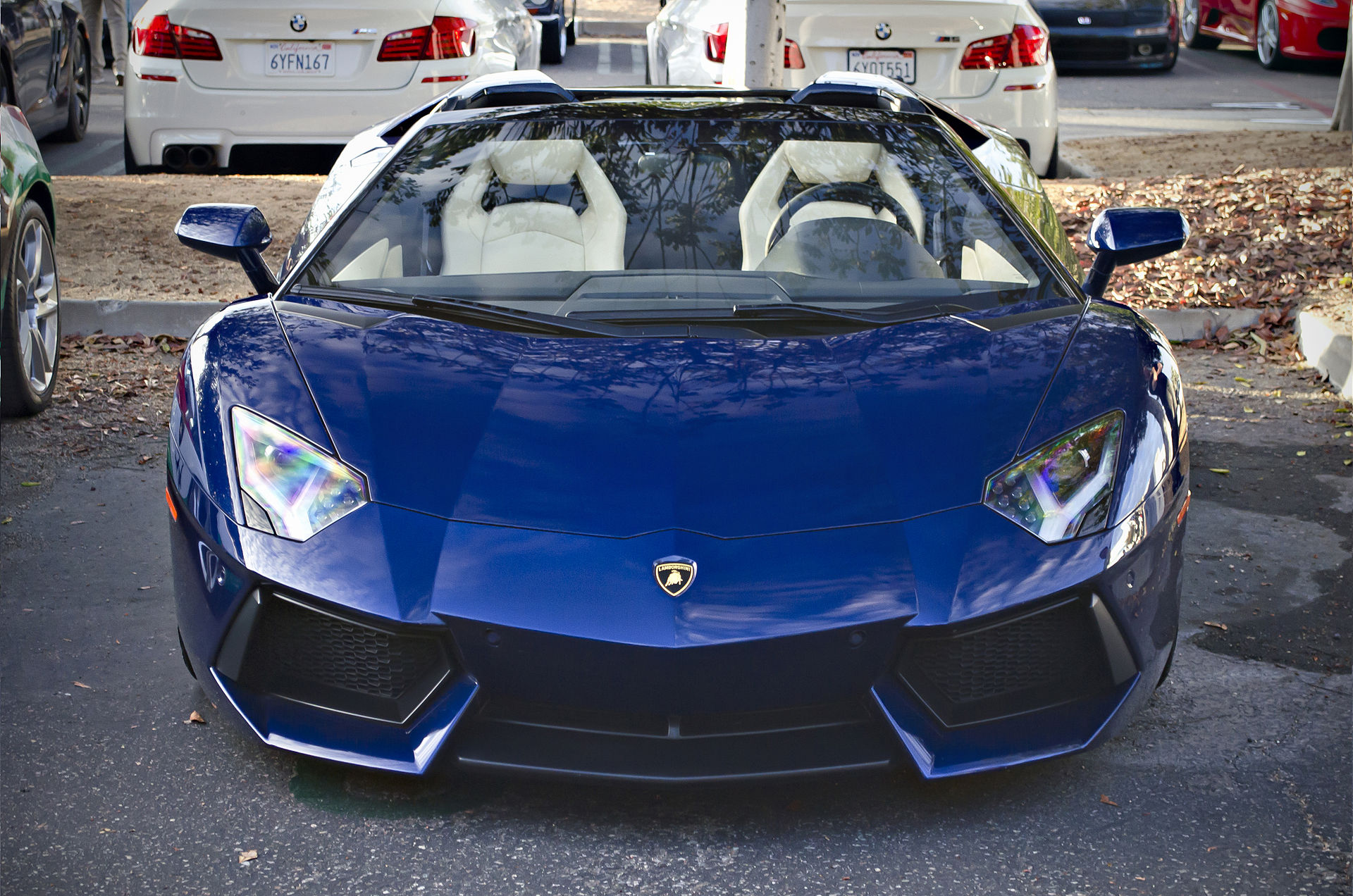
Color Preferences: In Southern California or Miami, Lamborghinis in Giallo Inti (yellow) or Arancio Borealis (orange) are common and celebrated. In Seattle, these colors stand out negatively. Black, gray, and dark blue Lamborghinis dominate the used market. Bianco Assoluto (white) and silver are acceptable but less preferred than darker colors.
This has actual resale implications. If you purchase a bright Lamborghini and later need to sell in the Seattle market, you'll face a 5-10% discount compared to neutral colors. Buy black, gray, or dark blue if you're planning to resell locally.
Driving Culture: Pacific Northwest Lamborghini owners tend to drive their cars intelligently. The roads are challenging enough without aggressive acceleration. You'll see Lamborghinis driven respectfully on I-90, parked discretely at Seattle restaurants, and stored carefully during winter. The social environment doesn't reward the aggressive, attention-seeking driving style you might see in California markets.
Community and Networks: Seattle has an active exotic car community. Organizations like the Lamborghini Club Pacific Northwest organize track days at Portland International Raceway and gather for charity events. If community is important to your ownership experience, these networks are valuable resources.
Frequently Asked Questions About Seattle Lamborghini Ownership
Q: Is a used Lamborghini actually reliable enough for Pacific Northwest winters?
A: Lamborghinis are reasonable reliable if maintained properly, but winter ownership in the Pacific Northwest requires commitment. You'll need climate-controlled storage, regular undercarriage washing to remove salt, and winter tires if you drive during the wet season. Many owners accept that their Lamborghini is a 4-5 month per year vehicle.
Q: Should I buy a Huracán or an Urus?
A: The Urus is the objectively better choice for Pacific Northwest living. AWD, ground clearance, and practical storage make it the natural choice. Buy the Huracán only if you understand you're making a lifestyle compromise in exchange for supercar emotion.
Q: What about insurance costs in Washington state?
A: Plan for $4,500-$9,000 annually for comprehensive coverage on a Lamborghini in Seattle, depending on model, age, driving record, and coverage levels. Shop with brokers experienced in exotic cars — standard insurance companies will quote significantly higher or refuse coverage.
Q: How much should I budget for annual maintenance?
A: Routine maintenance on a Lamborghini runs $3,000-$5,000 annually: oil changes, fluid services, tire rotations, and inspections. Budget an additional $2,000-$4,000 for salt-mitigation services like undercarriage washing and protective coating reapplication. In total, expect $5,000-$9,000 per year for standard ownership costs.
Q: Should I buy from a dealer or private party?
A: Dealer purchases provide warranty protection and documented inspection. Private sales often offer better value but higher personal risk. First-time Lamborghini buyers in Seattle should consider paying the dealer premium — the regional market's high maintenance culture makes dealer-certified cars worth the investment.
Q: What's the resale outlook for Lamborghinis in the Seattle market?
A: Lamborghinis are holding value well, particularly AWD variants and recent model years. The Urus and newer Huracán EVOs are depreciating at 3-5% annually. Older Gallardos and rear-wheel drive Huracáns depreciate faster. If you plan to keep the car 3-5 years, expect to recover 70-80% of your purchase price on resale in the Pacific Northwest market.
Ready to Buy a Lamborghini in the Seattle Area?
Automonitor specializes in Pacific Northwest exotic car buying. We handle inspections, negotiations, and logistics so you can focus on the driving experience.
Start Your Search →Internal Resources for Seattle Lamborghini Buyers
To deepen your understanding of Lamborghini ownership decisions, explore these Automonitor guides:
- Where to Buy an Exotic Car in Seattle — Comprehensive dealer and marketplace review
- Best Exotic Car Dealers in Seattle — Detailed dealer profiles and recommendations
- Is a Lamborghini Huracán Worth Buying? — Complete Huracán evaluation
- Lamborghini Urus Buyer's Guide — Deep dive into the PNW favorite
- How Fast Do Lamborghinis Depreciate? — Value retention analysis
- Used Lamborghini for Sale Near San Francisco — Comparison to California market
- Used Lamborghini for Sale Near Denver — Comparison to mountain market
- Pre-Purchase Inspection for Exotic Cars — Complete inspection protocol
- Exotic Car Financing Guide — Financing strategies for supercars
- What Mods Hurt Exotic Car Resale Value — Modification impact analysis
- How to Value a Used Exotic Car — Market valuation methodology
- Best Color: Which Exotic Car Color Has the Best Resale Value — Color market impact
The Bottom Line: Lamborghini Ownership in Seattle
The Pacific Northwest represents one of the strongest used Lamborghini markets in North America. Seattle's tech wealth, active exotic car community, and culture of thoughtful ownership create ideal conditions for buying high-quality pre-owned vehicles. The Urus, in particular, has found a natural home in the region — its all-wheel drive and practical orientation align perfectly with PNW driving needs.
The climate challenges are real but manageable. You need discipline about maintenance, realistic expectations about driving seasons, and acceptance that winter means storage, not driving. If you can commit to proper care in a moisture-prone environment, you'll own a genuinely special machine in one of the most beautiful regions in North America.
The market rewards serious buyers who understand what they're looking for. Focus on documented maintenance history, conduct PNW-specific inspections targeting moisture and corrosion, and work with brokers or dealers who understand regional preferences and conditions. The Lamborghini waiting for you in Seattle — whether it's an Urus heading to Whistler or a Huracán for summer driving — is worth the extra effort to get it right.
Find Your Perfect Lamborghini Today
Automonitor has direct access to Pacific Northwest inventory and specializes in helping buyers navigate regional market conditions. Let us handle the search and inspection.
Start Your Search →