
Used Lamborghini for Sale Near San Francisco: Your Complete Bay Area Buying Guide
Finding the perfect Lamborghini in the San Francisco Bay Area is different than anywhere else in the country. The climate, infrastructure, buyer pool, and available inventory create unique opportunities and unique challenges. This guide covers everything you need to know.
Why San Francisco Is a Unique Lamborghini Market
The San Francisco Bay Area is one of the most active luxury and exotic car markets in the United States. Tech wealth has created extraordinary demand for premium vehicles, and that includes Lamborghinis. The region is home to thousands of high-earning software engineers, venture capitalists, and entrepreneurs who can afford six-figure supercars and treat them as disposable assets.
This creates opportunity for used buyers. You'll find more Lamborghinis for sale in the Bay Area than almost any other metropolitan region, with higher turnover and more options across price points. A tech executive buys a new Lamborghini, drives it for two years, and trades it in. That creates a consistent supply of well-maintained, low-mileage used vehicles.
But the Bay Area also presents specific challenges that buyers from other regions don't face: steep hills that stress dual-clutch transmissions, coastal salt air that corrodes aluminum body panels, pothole-filled streets that destroy front splitters and low-profile tires, and a cost of ownership that's higher than the national average due to California registration and insurance requirements. Understanding these regional factors before you buy will save you thousands in unexpected maintenance.
The Most Popular Lamborghinis in San Francisco
Not all Lamborghinis are equally represented in the Bay Area market. The vehicle choices of Silicon Valley executives tell you something important about what works best in San Francisco. The data is clear: practicality matters more here than pure performance.
The Urus Dominates the Market
The Lamborghini Urus SUV is by far the most common Lamborghini you'll see on the roads around San Francisco, Palo Alto, and Silicon Valley. The reason is obvious: it seats five people, has reasonable ground clearance for the city's steep hills, and can actually fit in a garage without causing anxiety. Tech executives use it as a practical daily driver, not just a weekend showpiece. Used Urus models are priced between $150K-$250K, depending on year and mileage, making them slightly more affordable than their two-door counterparts.
The Urus also solves a specific Bay Area problem: parking and storage. A two-seater Huracan is exciting, but it's difficult to live with in San Francisco's constrained garage spaces and steep driveways. The Urus, despite its size, is easier to maneuver and far more practical.
Huracán EVO and Tecnica: The Sports Car Compromise
The Huracán EVO and Tecnica variants represent the next tier in the Bay Area market. Priced between $200K-$320K, these cars appeal to buyers who want the authentic supercar experience without the Urus's practical compromises. The EVO's all-wheel drive system is actually advantageous in San Francisco's wet, hilly conditions.
However, bay area buyers need to be aware of a critical issue with the Huracán: hill clutch wear. The Huracán's dual-clutch transmission and e-gear system experience accelerated wear on San Francisco's steep inclines. Constant hill climbing, stop-and-go traffic on elevation changes, and the clutch engagement patterns required on grades like California Street and Divisadero Street create more stress than flat driving in other markets. Always test-drive a Huracán extensively through hilly terrain before purchasing.
Aventador S and SVJ: The Prestige Play
Aventador models, including the S and SVJ variants, occupy the premium segment of the Bay Area market at $350K-$600K. These are typically purchased by established venture capitalists and successful founders who have already owned multiple supercars. They're less common than the Urus or Huracán, but high-end dealerships always have inventory available.
The Aventador's V12 engine is less reliable than the Huracán's V10, and maintenance costs are higher. Service a Aventador SVJ at a dealer, and you're looking at $5K-$8K annually for routine maintenance alone, compared to $3K-$5K for a Huracán.
Gallardo: The Entry Point (If You Find One)
The older Lamborghini Gallardo, produced through 2014, is occasionally found in the used Bay Area market at $120K-$180K. These represent potential value, but they require extreme caution. Older Gallardos suffer from similar hill clutch wear issues as newer Huracáns, and Bay Area-specific salt air corrosion can damage aluminum body panels invisibly. Always get a full pre-purchase inspection with special attention to the transmission and any signs of corrosion.

Bay Area-Specific Concerns You Must Understand
The San Francisco Bay Area's topography, climate, and infrastructure create unique ownership challenges that don't apply in other regions. Before committing to a Lamborghini purchase, understand these issues thoroughly.
Dual-Clutch Transmission Stress from Hill Driving
The Huracán and Gallardo both use sophisticated dual-clutch or e-gear transmissions that were designed for optimal performance on flat, smooth roads. San Francisco's hills are the opposite. Constant hill-climbing in heavy traffic creates repeated clutch engagement-disengagement cycles that accelerate wear beyond what manufacturers intended.
In practice, this means a Bay Area Huracán with 40,000 miles may have transmission wear equivalent to 60,000 miles in Dallas or Los Angeles. Clutch replacement runs $8,000-$12,000 at a dealer. A full dual-clutch service, including fluid flush and inspection, costs $4,000-$6,000. This is the single biggest mechanical risk for Huracán and Gallardo buyers in this region.
The Urus, with its traditional automatic transmission, doesn't suffer from this issue. Another advantage for the SUV in the Bay Area market.
Coastal Salt Air Corrosion on Aluminum Panels
San Francisco's coastal location means constant exposure to salt air. Lamborghinis use extensive aluminum in their body panels, carbon fiber on performance models, and various composite materials. These materials are more susceptible to corrosion than traditional steel.
You'll see evidence of this in older Lamborghinis from the area: discolored aluminum trim, surface corrosion on carbon fiber edges, and pitting on polished aluminum components. This is purely cosmetic in most cases, but it can affect resale value significantly. When evaluating a used Lamborghini in the Bay Area, inspect all aluminum and carbon fiber surfaces carefully. Have your PPI inspector specifically note any corrosion or surface damage.
Preventive maintenance for Bay Area Lamborghini owners should include regular professional detailing, ceramic coating application to protect aluminum, and garage storage when possible.
Pothole Damage to Low-Profile Tires and Front Splitters
San Francisco's street infrastructure is notoriously poor in many neighborhoods. Massive potholes are common, especially in areas like the Mission District, SoMa, and along Market Street. A Lamborghini's front splitter sits just inches from the road surface, and any significant impact will cause damage requiring $8,000-$15,000 in repairs.
Tire damage is equally common. Low-profile tires (typically 19" or 20" wheels on a Lamborghini) are expensive to replace ($500-$800 per tire) and vulnerable to puncture and sidewall damage from potholes. Most Lamborghini owners in San Francisco carry road hazard insurance specifically for this reason.
Tight Garage Parking and Carbon Fiber Damage
San Francisco and nearby areas (Palo Alto, Mountain View, Los Altos) have some of the most expensive real estate in the country. That means tight parking garages. The width of a Lamborghini is nearly 77 inches (without mirrors). A typical parking space is 72-75 inches. That leaves almost no margin for error.
Many used Lamborghinis in the Bay Area have evidence of minor parking lot damage: scuffed mirrors, carbon fiber splitter damage, door handle scratches. This is rarely structural, but it affects the cosmetic value. When shopping for a used Lamborghini, be very aware of minor damage that suggests the car was regularly parked in tight spaces. That's normal wear in San Francisco, but it's worth accounting for in your negotiation.
Weather and Moisture: Fog and Humidity
The San Francisco Bay Area experiences significant fog and high humidity, particularly from April through September. This moisture environment accelerates corrosion and electrical gremlins in luxury cars. Lamborghinis with complex electronic systems can develop infotainment glitches, sensor failures, and battery drain more rapidly in high-humidity conditions than the same cars in drier climates.
Always ask about any electrical issues when shopping for a used Lamborghini in the Bay Area. Have your PPI include a full electrical system diagnostic. And if you plan to store the car for extended periods, consider using a climate-controlled storage facility rather than a standard garage.
Bay Area Lamborghini Pricing vs. National Average
One of the most important factors when buying in San Francisco is understanding pricing dynamics. Bay Area Lamborghinis command a premium over national averages, but the dynamics are complex.
| Model / Variant | National Average | Bay Area Average | Premium | Reasoning |
|---|---|---|---|---|
| Urus (2020-2023) | $180K-$220K | $195K-$245K | +8-12% | Tech demand; high inventory |
| Huracán EVO AWD (2020-2023) | $170K-$200K | $185K-$220K | +7-11% | Wealthy buyer pool; newer avg |
| Huracán EVO RWD (2021-2023) | $160K-$190K | $175K-$205K | +8-10% | Desirable variant; CA buyers |
| Huracán Tecnica (2022-2024) | $210K-$240K | $225K-$260K | +7-9% | Lower mileage; brand new |
| Aventador S (2018-2021) | $310K-$380K | $335K-$410K | +8-9% | Premium buyer pool demand |
| Aventador SVJ (2019-2023) | $380K-$480K | $415K-$530K | +9-11% | Rare variant; active market |
| Gallardo (2008-2014) | $100K-$140K | $110K-$155K | +7-12% | Older model; fewer found |
The premium is real but not enormous—typically 7-12% above national averages. This is driven by several factors: higher density of wealthy buyers in the Bay Area who can pay more, newer average model years in local inventory, and higher overall carrying costs (insurance, registration, maintenance) that get baked into asking prices.
Conversely, the Bay Area also has high inventory turnover because of the tech wealth phenomenon. That means more negotiation leverage for buyers who understand the market. A seller who needs to move a car quickly might accept lower offers here than they would elsewhere.
The Bay Area premium on used Lamborghinis is real, but the high inventory turnover means buyers who know how to negotiate can still find deals—particularly if they're flexible on color and trim.
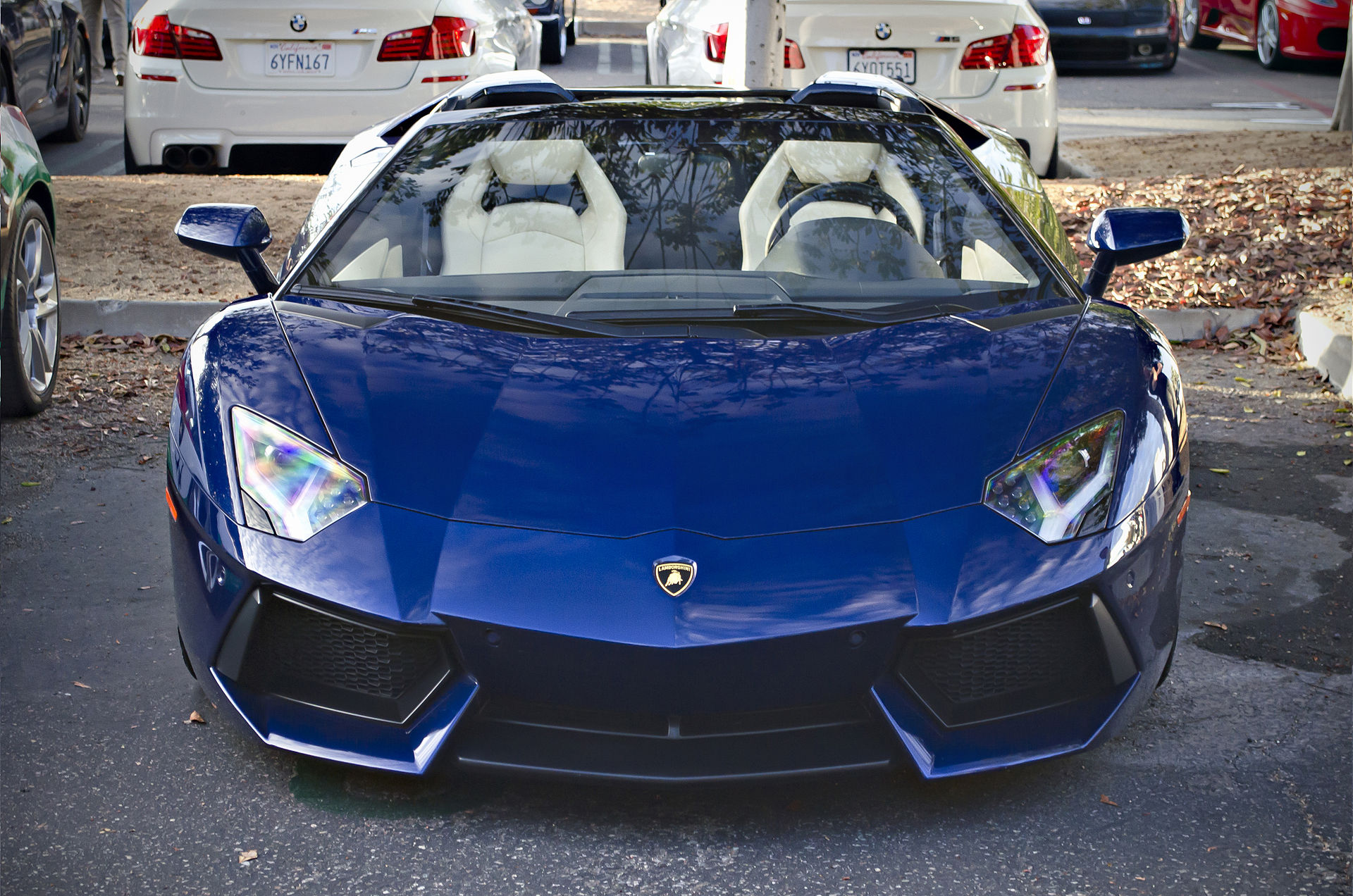
Where to Buy Lamborghinis in the Bay Area
Your purchase location matters enormously. Different sources have different inventory, different pricing structures, and different buyer protections.
Lamborghini San Francisco (Franchise Dealer)
The official Lamborghini San Francisco dealership is located in the city proper and represents the most premium buying option. Franchise dealers have certified pre-owned inventory, full service history, manufacturer warranties on CPO vehicles, and consistent pricing. You'll pay a premium for this convenience and peace of mind, but you also get professional buyer protection and peace of mind.
Lamborghini San Francisco typically stocks 20-40 used vehicles at any given time, with strong inventory of Urus models and recent-generation Huracáns. If you want the safest, most professional buying experience and don't mind paying the franchise premium, this is the place to start.
The Cobalt Group and Other Independent Luxury Dealers
The Cobalt Group, based in the Bay Area, specializes in exotic cars and maintains inventory of Lamborghinis alongside Ferraris, McLarens, and Porsches. Independent luxury dealers often have better pricing than franchises because their overhead is lower, and they can offer more personalized service. However, their inventory fluctuates more, and you won't have manufacturer warranty protections.
Always get an independent pre-purchase inspection when buying from an independent dealer, even if they claim full service history.
Silicon Valley Private Sales
The most significant inventory of Lamborghinis in the Bay Area comes from private sales. Tech executives buy new cars, drive them for 2-3 years, then sell them directly. These cars are typically well-maintained, single-owner vehicles with documented service records and low mileage. Pricing is often 5-10% below dealer asking prices because there's no dealer markup.
The risk is higher—you're buying from an individual with no warranty or protection—but the cars are often genuinely well cared for. Use Automonitor's buying service to vet private sellers and coordinate inspections if you find something appealing in the private market.
Online Platforms and National Databases
Platforms like Bring a Trailer, Cars and Bids, AutoTrader, and Craigslist have Bay Area Lamborghini listings. Some are from dealers, some from private parties. Always verify location carefully—many listings claim Bay Area but are actually located in Los Angeles or other California markets. The advantage of these platforms is transparent pricing and auction mechanics that can reveal true market value.
Specialty Exotic Car Service Centers
Shops like Canepa, Al's Exotic Motors, and other independent service centers sometimes maintain consignment inventory of cars customers bring in for service. These can be excellent sources for well-maintained vehicles from owners who actually used the car (versus garage queens). Service centers know the mechanical history in detail.
California-Specific Regulations and Costs
California is one of the highest-cost states for vehicle ownership, and Lamborghini ownership specifically is more expensive than the national average.
Registration and Plate Costs
California registration for a Lamborghini in the $200K range typically runs $1,500-$3,000 annually, depending on the vehicle's assessed value. Some high-value Lamborghinis (Aventador SVJ, STO) can see registration costs exceeding $4,000 per year. This is significantly higher than most other states. Always factor this into your total cost of ownership.
Insurance Costs
California insurance for exotic cars is expensive. A Lamborghini Huracán will cost $6,000-$10,000 annually for full coverage from major insurers like Geico, State Farm, or specialized exotic car underwriters like XL Capital. Aventador insurance runs $8,000-$14,000 per year depending on age, driving record, and usage patterns.
The Bay Area's higher accident frequency and property damage costs increase insurance premiums above the California state average. Get insurance quotes before committing to a purchase—some buyers are shocked to discover their annual insurance bill exceeds what they'd budgeted.
California Smog Requirements and CARB Compliance
California has the strictest emissions standards in the United States. All Lamborghinis, including older used models, must pass California smog inspections. Any engine modifications—even aesthetic changes that affect emissions—can cause an inspection failure and require the car to be brought back to original specifications before registration.
Most Lamborghinis are naturally compliant with California regulations, but be cautious about cars that have been modified, particularly older Gallardo models. Ask specifically about any engine modifications and get documentation of emissions system status during your pre-purchase inspection.
California Lemon Law Protection
California's lemon law provides stronger consumer protection than most states. Even used vehicles purchased from private parties are protected if they develop significant defects within a certain mileage or time period. This is actually an advantage for Bay Area buyers—if you discover serious mechanical issues shortly after purchase, you have legal recourse that doesn't exist in other states.
However, lemon law protection is limited. You typically need to give the manufacturer a reasonable opportunity to repair the vehicle before you're entitled to a refund or replacement. For exotic cars, "reasonable opportunity to repair" can mean months of your car being in the shop. Still, it's protection worth understanding.

Bay Area Lamborghini Service and Maintenance
Finding reliable service for a Lamborghini in San Francisco is critical. Not all shops understand exotic car maintenance, and poor service decisions early on can destroy the value of your car.
Official Lamborghini San Francisco Service
The franchise dealership service center is the safest, most expensive option. They use genuine Lamborghini parts, have manufacturer-trained technicians, and maintain full service records that benefit resale. Annual maintenance on a Huracán at the dealership runs $4,000-$6,000. A major service with transmission fluid, differential service, and brake inspection might cost $8,000-$12,000.
Al's Exotic Motors and Other Independents
Al's Exotic Motors, based in the Bay Area, specializes in exotic cars and offers independent service that's significantly cheaper than the dealership while maintaining high quality. They understand Lamborghini-specific issues like hill clutch wear and Bay Area corrosion concerns. A basic annual service at an independent specialist costs $2,500-$4,000.
Independent service centers are excellent for routine maintenance but may refer you to the dealership for major warranty-covered repairs or complex electrical diagnostics.
Preventive Maintenance for Bay Area Conditions
Because of specific Bay Area concerns, your maintenance should include: regular undercarriage washing to prevent salt air corrosion (monthly during coastal winds), ceramic coating application to protect aluminum, professional detailing every 3-4 months, and if you live near the coast, consider an annual undercarriage inspection and protective wax application.
These preventive measures cost an additional $2,000-$4,000 annually but can save you $15,000+ in corrosion damage and restoration costs over five years of ownership.
Complete Lamborghini Model Comparison Table: Bay Area Pricing
| Model | Engine | Power | Bay Area Price Range | Annual Maintenance | Pros | Cons |
|---|---|---|---|---|---|---|
| Urus | 4.0L Twin-Turbo V8 | 641 hp | $150K-$250K | $3K-$4K | Practical, spacious, good for hills | Larger, less exciting |
| Huracán EVO AWD | 5.2L NA V10 | 630 hp | $185K-$220K | $3.5K-$5K | All-wheel drive, comfortable, reliable | Hill clutch wear risk |
| Huracán Tecnica | 5.2L NA V10 | 640 hp | $225K-$260K | $4K-$5.5K | RWD engagement, newer cars, rarer | Less stable in wet conditions |
| Huracán STO | 5.2L NA V10 | 640 hp | $280K-$350K | $4.5K-$6K | Track performance, collector value, limited | Very expensive, least practical |
| Aventador S | 6.5L NA V12 | 740 hp | $335K-$410K | $5K-$8K | Iconic design, V12 experience, powerful | Complex to maintain, worse mpg |
| Aventador SVJ | 6.5L NA V12 | 770 hp | $415K-$530K | $5.5K-$8.5K | Final V12 Aventador, collector value, performance | Most expensive, complex issues |
| Gallardo | 5.0L NA V10 | 570 hp | $110K-$155K | $3K-$5K | Cheapest entry, reliable, fun | Older, hill wear risk, corrosion prone |
Your Step-by-Step Bay Area Lamborghini Buying Process
Step 1: Define Your Realistic Budget
Include purchase price plus 24 months of running costs. For a Huracán, that's $185K car + $90K running costs = $275K total commitment. Many buyers focus only on the purchase price and are shocked by the $7,500/month carrying cost. If that stretches your finances uncomfortably, the Urus at the lower end of the market might be smarter.
Step 2: Select Your Variant Based on Actual Usage
Are you actually going to drive it, or will it sit in a garage? Do you need to carry passengers? How important is the sound and emotional experience? Urus buyers prioritize practicality, while Huracán buyers want the supercar experience. There's no wrong answer, but being honest about your usage will point you toward the right car.
Step 3: Search Broadly—Not Just Local Dealers
Yes, Lamborghini San Francisco and local dealers are convenient. But the same Huracán selling for $210K at a franchise dealer might be $195K from a private party 45 minutes away. Automonitor sources from hundreds of dealers and private parties across the Bay Area, letting you compare pricing across the entire market.
Step 4: Get a Professional Pre-Purchase Inspection
This is non-negotiable. A PPI costs $500-$1,000 and should specifically address: dual-clutch transmission condition (on Huracáns), aluminum body panel corrosion (salt air damage), electrical system diagnostics, brake condition, suspension wear, and a full engine/transmission computer diagnostic scan.
Pre-purchase inspections are your safety net. An inspection might reveal $15,000 in deferred maintenance that lets you renegotiate the price down accordingly.
Step 5: Negotiate Based on Market Data, Not Emotion
You've found a beautiful Huracán EVO in Giallo Inti (yellow) that you love. But are you paying fair value? Know what comparable cars have sold for in the last 30 days. Use that data to make offers—emotional attachment leads to overpaying for cars.
Step 6: Secure Financing Before You Commit
Don't assume your local bank will finance a Lamborghini. Specialist lenders like JJ Best Banc and Woodside Credit understand exotic cars and offer competitive rates (6-10% for qualified buyers). Get a pre-approval letter before you make an offer. This dramatically strengthens your negotiating position.
Step 7: Transfer Title and Register the Vehicle Properly
California title transfer requires notarized signatures and careful documentation. Bring in a notary or visit a DMV office together. The California DMV website has complete details, but the process is straightforward. Don't skip any steps—cars with title issues can't be registered and are essentially worthless.
Ready to Find Your Bay Area Lamborghini?
Automonitor searches the entire Bay Area market, coordinates inspections, and handles negotiations so you get fair pricing on a verified car. Let us simplify the process.
Start Your Search →Frequently Asked Questions: Lamborghini Buying in San Francisco
Q: Why are Bay Area Lamborghinis more expensive than other regions?
A: Demand from tech wealth, higher average model years in local inventory, and the fact that local buyers have higher carrying capacity (can afford higher prices). The premium is 7-12% over national averages, which is real but manageable if you shop strategically.
Q: Is the Huracán reliable for daily driving in San Francisco?
A: Yes, but with caveats. The V10 engine is genuinely reliable, but the dual-clutch transmission experiences accelerated wear on San Francisco's hills. Most Huracán owners use them as weekend/occasional cars rather than true daily drivers. The Urus is significantly more practical for daily driving.
Q: What should I specifically look for during a pre-purchase inspection in the Bay Area?
A: Transmission condition (hill wear), aluminum body panel corrosion (salt air), electrical system health (moisture environment), suspension wear, and front splitter condition. These are the Bay Area-specific failure points that other regions don't see as frequently.
Q: Should I buy from Lamborghini San Francisco franchise or an independent dealer?
A: Lamborghini San Francisco is safer and more expensive. Independent dealers offer better pricing but require more diligence. Private sales offer the best pricing and newest cars, but higher risk. Your choice depends on your tolerance for risk and how much you value convenience.
Q: How does California's lemon law protect Lamborghini buyers?
A: If a car develops significant defects shortly after purchase, you can force the manufacturer to repair it at no cost. If repairs take too long or don't fix the problem, you may be entitled to a replacement or refund. This applies even to used cars in California, which is unusually buyer-friendly.
Q: What's the true cost of ownership for a Bay Area Lamborghini?
A: For a Huracán EVO: $185K purchase + $4,500/year maintenance + $8,000/year insurance + $2,000/year registration + $4,000/year fuel + $2,000/year preventive corrosion maintenance = roughly $45,000 in first-year carrying costs, or $3,750/month. Know this number before you buy.
Q: Is an older Gallardo a good value in the Bay Area?
A: Potentially, but only with extreme caution. Gallardos at $110K-$155K are cheaper entry points, but they suffer from the same hill clutch wear issues as Huracáns and are more prone to salt air corrosion. You might save $50K on purchase price but spend $15K on corrosion restoration. Get a thorough inspection.
Q: Should I buy a low-mileage "garage queen" or a higher-mileage regularly-driven car?
A: A regularly-driven Huracán with 25,000 miles is worth more than a 5,000-mile garage queen of the same age and price. Garage queens develop their own problems: flat-spotted tires, battery degradation, seal leaks from lack of use, and corrosion from moisture buildup. Drive the car regularly to keep it healthy.
Similar Regional Buying Guides
The San Francisco Bay Area isn't the only major Lamborghini market in California. We've also written comprehensive guides for other regions:
- Used Lamborghini for Sale Near Los Angeles — Southern California pricing, inventory, and local considerations
- Used Lamborghini for Sale Near Las Vegas — Desert conditions and Vegas-specific buyer profile
- Where to Buy an Exotic Car in San Francisco — Broader guide covering all exotic brands in the Bay Area
- Best Exotic Car Dealers in San Francisco — Detailed profiles of the most reputable dealers
Bay Area Pricing Negotiation Strategy
The San Francisco market has unique negotiation dynamics. Sellers often have money to spare and care less about squeezing out the maximum price. That's your advantage. Here's the negotiation framework that works best:
Know the Market. Research completed sales (not asking prices) for comparable cars. Bring a Trailer, Cars and Bids, and Automonitor's sales data show what similar cars actually sold for. Armed with that information, you can make offers based on facts, not emotion.
Factor in Deferred Maintenance. If the inspection reveals the car needs a $6,000 clutch service, $3,000 of preventive corrosion treatment, or $2,000 in tire replacement, deduct those amounts from your offer. Sellers will try to claim the car doesn't need service. Prove them wrong with inspection data.
Use Time as Leverage. Bay Area sellers often need to move cars quickly because they've already purchased their next vehicle. A private party selling a Huracán because they just bought a new Urus is under subtle time pressure. Use that. Make your strongest offer 48 hours into the conversation, then let time work for you.
Be Prepared to Walk Away. The best negotiating position is being willing to buy a different car. If the seller won't budge on price after your inspection and offer, walk away. Another Huracán will be available in two weeks. Emotional attachment kills negotiation leverage.
How Huracáns and Urus Depreciate in the Bay Area
Understanding depreciation helps you buy right. A Huracán purchased today for $200K that depreciates 20% over five years will be worth $160K in 2030. That's $8,000 per year in depreciation. Factor that into your carrying costs.
The Urus, as a newer model line with growing collector interest, is depreciating more slowly. A $220K Urus today might be worth $185K in five years—only 15% depreciation. That's $7,000 per year, slightly better than the Huracán.
Read our full guide on how fast Lamborghinis depreciate for comprehensive depreciation data by model and vintage.
Final Thoughts: Making Your Decision
Buying a Lamborghini in San Francisco is different than buying anywhere else. The wealth, the market, the specific challenges, and the regional factors all matter. You have genuine advantages here—high inventory, negotiation leverage, and excellent service infrastructure. But you also have unique risks—transmission stress from hills, corrosion from salt air, and higher costs overall.
Focus on what matters: get a comprehensive pre-purchase inspection, understand the specific Bay Area concerns, shop broadly across dealers and private parties, negotiate based on data, and buy a car you'll actually drive. If you do those things, you'll find the right Lamborghini at a fair price.
Automonitor's concierge buying service handles the entire process for Bay Area buyers. We search the local market, coordinate inspections with specialists who understand San Francisco-specific concerns, negotiate on your behalf, and manage the entire transaction. You just decide which car you want and approve the final price.
Let Automonitor Find Your Perfect Lamborghini
We source verified Lamborghinis from the entire Bay Area, handle inspections, and negotiate fair pricing. No dealer markups. No surprises.
Browse Bay Area Inventory →