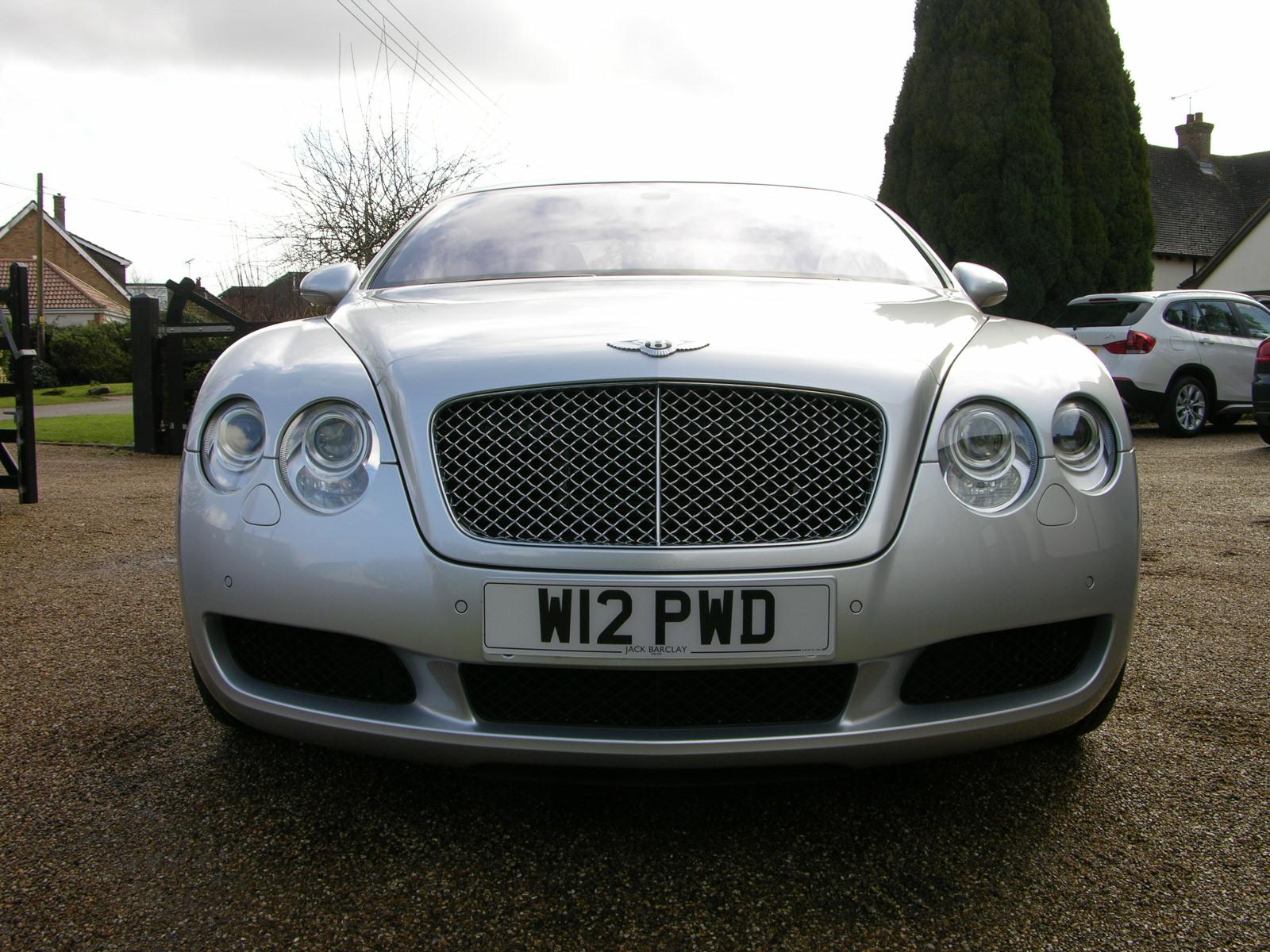
Should I Buy a New or Used Bentley Continental GT?
From $35K first-gen bargains to $300K new builds — every Continental GT buying path analyzed with pricing, warranty, and total cost comparisons
The Decision Framework: New vs. Used Continental GT
The Bentley Continental GT exists at every price point in the luxury car market. You can drive one for $35,000 or spend $300,000 on a fresh build. That massive range — spanning five full price tiers across four generations — means the answer to "new or used?" depends entirely on which generation you're considering and what you value most.
Unlike volume luxury cars where used models are simply cheaper versions of new ones, the Continental GT presents a unique scenario: used third-generation examples (2019–2023) are genuinely modern in every way while saving you $60K–$100K compared to new. Meanwhile, a first-generation Continental GT at $35,000 offers unmatched presence at an entry price that feels almost like a mistake — until you discover why it's so cheap to buy and so expensive to own.
This guide walks you through every option and helps you understand which path makes financial and practical sense for your situation.
New Third-Generation Continental GT: $236K–$291K for the Latest Everything
Bentley's newest Continental GT, completely reimagined in 2024, sets a new standard for what a grand tourer can be. The base model starts at approximately $236,000 for the V8 and climbs to $262,000 for the W12, with the Speed variant commanding $291,000 and beyond with full Mulliner customization.
What you get: the latest 4.0-liter twin-turbocharged V8 producing 542 horsepower, or the legendary 6.0-liter W12 with 626 horsepower. The newest generation includes the rotating 12.3-inch touchscreen display, the advanced Continental Driving Specification tech package, and Bentley's most refined interior yet. Three-year bumper-to-bumper warranty with unlimited miles. The ability to customize every interior material, every color, every stitch.
The financial reality: new means immediate depreciation. A new Continental GT loses roughly $40,000–$60,000 in the first year alone, then another $25,000–$35,000 annually for the next 3–4 years. After five years, expect 30–40% total value loss. After seven years, you're looking at roughly 50% depreciation.
A new Continental GT makes sense only if you plan to keep it for 5+ years and can comfortably absorb the depreciation hit, or if you value the warranty, latest technology, and unlimited customization enough to justify the premium.
Used Third-Generation (2019–2023): The V8 Sweet Spot at $140K–$200K
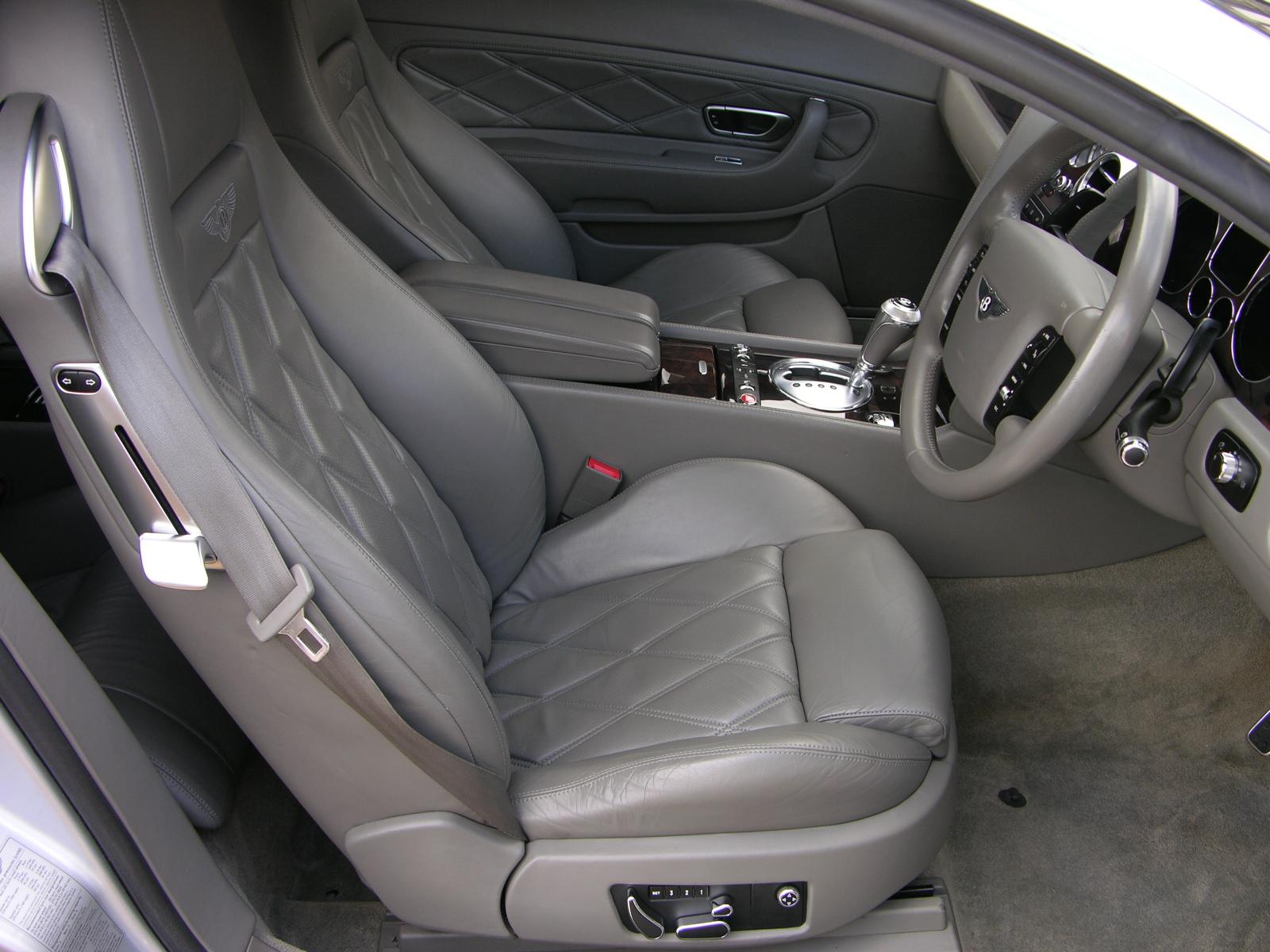
Here's where the Continental GT buying decision gets interesting. A used 2020–2022 third-generation V8 Continental GT in good condition typically sells for $140,000–$165,000. Compare that to $236,000 new, and you're saving $71,000–$96,000. More importantly, you're buying a car that's visually indistinguishable from new, technologically current, and reliable by any standard.
The third-generation platform is fundamentally modern. It uses Bentley's MSB platform, shares DNA with the Porsche Panamera, and benefits from over a decade of Volkswagen Group refining. The 4.0-liter twin-turbo V8 is proven, understated, and produces 542 horsepower. Fuel economy (23 mpg highway) is genuinely usable. The interior, while a generation behind the absolute newest models, is still composed of hand-stitched leather, wood veneers, and materials that cost more than most cars' entire purchase price.
Warranty implications: most used third-gen examples fall outside the factory warranty. Bentley offers certified pre-owned coverage, but it's more limited than new. Budget $4,000–$6,000 annually for maintenance, and understand that major repairs (transmission service, air suspension components) can run $3,000–$8,000.
The case for used third-gen: if you're buying a Continental GT primarily as a daily-to-regular driver and want maximum value, a 2020–2022 V8 is arguably the single best entry point into Bentley ownership. You get 95% of the driving experience at 60% of the new price.
Used Second-Generation (2011–2018): $60K–$100K Luxury with Caveats
Drop back to the second generation, and prices collapse. A well-maintained second-gen Continental GT V8 sells for $60,000–$100,000. The W12 version, with its iconic 6.0-liter naturally aspirated engine, ranges from $70,000–$130,000 depending on condition and mileage.
At this price point, you own a legitimate Bentley. The presence is undeniable — a second-gen Continental GT turns heads in a way almost no other car can. The driving experience, in a V8 especially, is surprisingly good. The interior, while noticeably dated by 2026 standards, still features genuine leather, real wood, and an overall sense of quality that aging has only enhanced.
The catch: the second-gen platform is over a decade old. Electronics fail more frequently. The air suspension, particularly in higher-mileage examples, begins developing issues. The 8-speed automatic transmission can develop problems on cars with poor service histories. W12 ownership means accepting higher fuel costs, higher insurance premiums, and the knowledge that major repairs are genuinely expensive.
Maintenance reality: budget $4,000–$7,000 annually for second-gen ownership. A transmission service runs $3,000–$5,000. Suspension repair can easily hit $5,000–$8,000 depending on what fails. The good news is that second-gen cars, having been out in the real world for 8+ years, have proven themselves. Buyers know what breaks and when.
Used First-Generation (2004–2010): $30K–$65K for Iconic Presence with Expensive Ownership
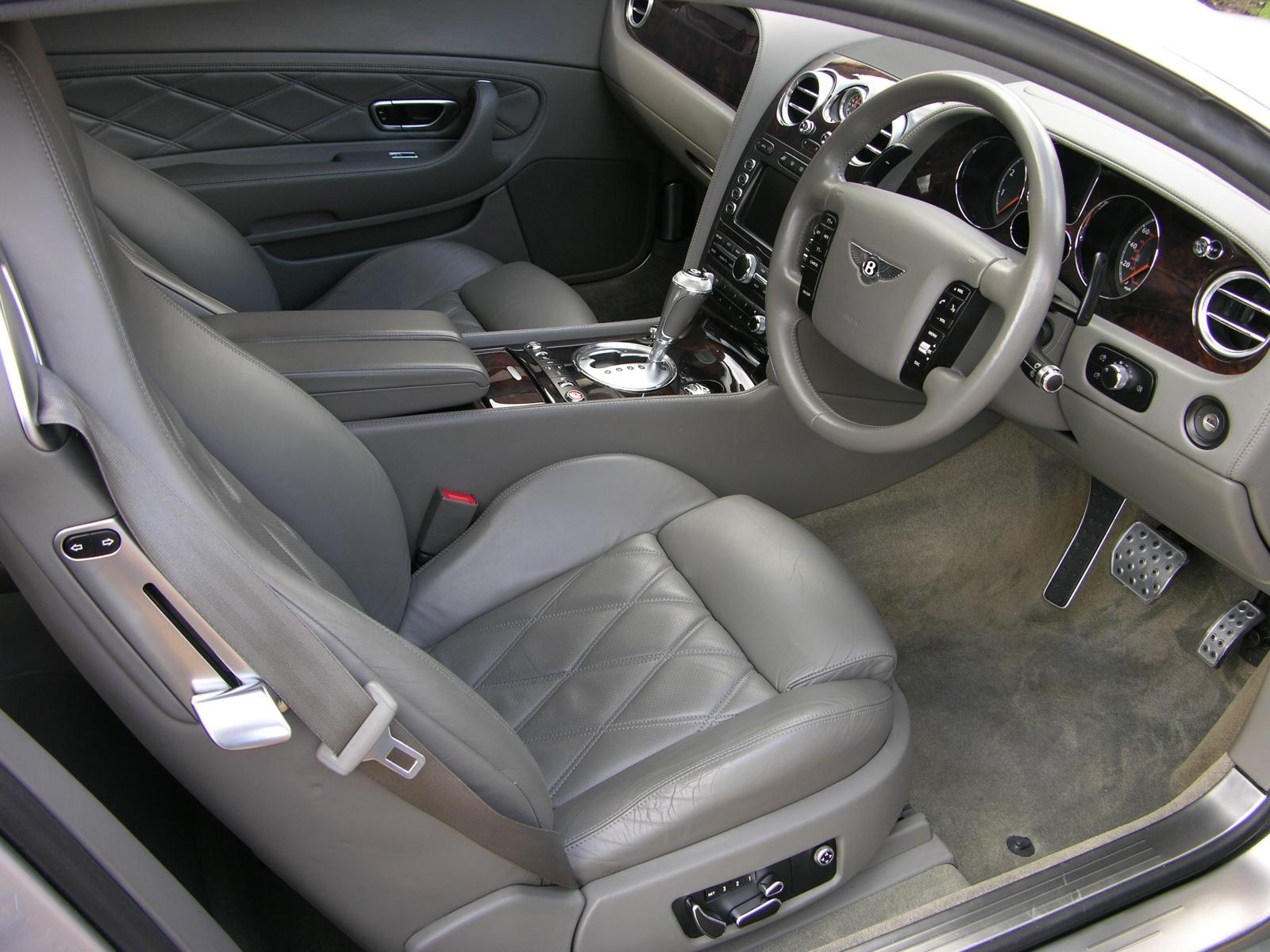
The original Continental GT, launched in 2003, represents something unique in the luxury car market: authentic prestige at a bargain price. A well-maintained first-gen W12 frequently sells for $35,000–$55,000. Even low-mileage, pristine examples rarely exceed $65,000.
This is the Continental GT that defined the modern grand tourer. It's the car that made Bentley relevant again after decades of irrelevance. The lines are still gorgeous. The 6.0-liter W12 engine is legendary — 603 horsepower of naturally aspirated fury that no turbocharged engine can replicate. Interior materials are genuinely luxurious. The simple technology actually works, unlike some of the electrical gremlins that plague more modern Bentleys.
The ownership reality: first-gen Continental GTs are cheap to buy because they're expensive to own. This is the critical insight that separates enthusiastic buyers from regretful ones. The W12 cooling system is notoriously complex — imagine a V12 engine but wider, which means coolant distribution is Byzantine. Seal leaks are common. Air suspension, particularly the hydraulic components, fails regularly. Service costs, even for routine maintenance, run $5,000–$10,000 annually on average.
A replacement set of spark plugs alone costs $1,500–$2,500 because accessing them requires removing multiple components. Brake service on a first-gen runs $4,000–$6,000. A major engine service (timing chain inspection, coolant system overhaul) easily reaches $8,000–$15,000.
A first-gen Continental GT at $35,000 is genuinely inexpensive. But total cost of ownership — purchase price plus maintenance — often exceeds that of a used third-gen at $150,000 when amortized over three years.
Comprehensive Comparison: Price, Warranty, and Annual Costs Across All Generations
| Category | New 3rd-Gen V8 | Used 2022 V8 | Used 2017 V8 | Used 2008 W12 |
|---|---|---|---|---|
| Purchase Price | $236,000 | $155,000 | $85,000 | $45,000 |
| Horsepower | 542 hp | 500 hp | 500 hp | 603 hp |
| 0–60 (est.) | 4.1s | 4.3s | 4.4s | 4.0s |
| Warranty | 3 years, unlimited miles | Limited CPO coverage | None | None |
| Annual Maintenance | $3,500–$4,500 | $4,000–$6,000 | $4,500–$7,000 | $5,000–$10,000 |
| Annual Insurance | $5,000–$8,000 | $4,000–$6,000 | $3,000–$5,000 | $2,500–$4,000 |
| 3-Year Depreciation | $40K–$60K/year | $8K–$12K/year | $3K–$5K/year | $2K–$3K/year |
| Reliability Risk | Very Low | Low | Moderate | High |
The table reveals something critical: a used 2022 third-gen V8 at $155,000 may actually cost less to own over three years than a new third-gen V8 at $236,000, once depreciation is factored in. The used car depreciates only $30,000–$40,000 total over three years; the new car depreciates $100,000–$120,000 in the same period.
Insurance Across All Tiers: The Hidden Cost Nobody Budgets For
Insurance on a Bentley Continental GT varies dramatically by generation, but it's universally expensive. Here's what you actually need to budget:
New Continental GT (any variant): $5,000–$8,000 annually. Full coverage, comprehensive deductibles. Some insurers charge premiums just for the W12 variant.
Used 2020–2023 third-gen: $4,000–$6,000 annually. Similar to new from a risk perspective, but some insurers discount used vehicles.
Used 2015–2018 second-gen: $3,000–$5,000 annually. Older vehicles sometimes attract lower premiums, but poor visibility and smaller repair shops can raise costs.
Used 2004–2010 first-gen: $2,500–$4,000 annually. Older vehicles command lower insurance rates, but specialist shops charge more for repairs, which offsets savings.
The insight: insurance savings from buying older are minimal compared to the maintenance cost increases. Don't let a $500–$1,500 annual insurance difference drive your decision.
The V8 Argument: Why the V8 is the Smart Buy, Not the W12
Bentley sells two engines across the Continental GT lineup: the 4.0-liter twin-turbo V8 and the 6.0-liter W12. The W12 is the prestige option — more powerful, more exclusive, more legendary. It's also a financial mistake for most buyers.
The W12 costs roughly $20,000–$40,000 more new. On the used market, the premium is similar. The W12 consumes noticeably more fuel: 17–19 mpg combined for the W12 versus 22–24 mpg for the V8. Insurance premiums are higher. Maintenance costs are measurably higher because the W12 is mechanically more complex.
The V8, meanwhile, is turbocharged, efficient, and in real-world testing, only marginally slower than the W12. The 0–60 time differs by 0.3 seconds. Top speed is identical. For 99% of driving, the V8 feels powerful and luxurious.
Our recommendation: buy the V8. Save $20,000–$40,000 and pocket it for maintenance, insurance, and inevitable repairs. The prestige differential between V8 and W12 is negligible in real life. The financial difference is profound.
New vs. Used: The Warranty Question
This is where new Continental GTs make their strongest case. A new Bentley Continental GT comes with a three-year, unlimited-mileage warranty. Beyond that, Bentley offers extended warranty packages: six years, eight years, or even longer depending on mileage.
A used Continental GT outside the warranty period means you absorb 100% of maintenance and repair costs. That air suspension component that fails at 65,000 miles? $4,000–$6,000 out of pocket. The transmission service that Bentley recommends every 40,000 miles? $3,000–$5,000 out of pocket.
Bentley does offer certified pre-owned (CPO) warranties on approved used vehicles, typically 1–2 years of coverage. These are valuable but limited compared to new.
The math: a new Continental GT's warranty extends peace-of-mind roughly 36,000–50,000 miles further than a typical used purchase. If you drive 15,000 miles per year, that's 2.5–3+ years of coverage. That warranty has real value, but it's not free — you've essentially pre-paid for maintenance through the higher purchase price.
The Maintenance Trap: Why Old Continental GTs Are Cheap to Buy and Expensive to Own
The first-generation Continental GT is the most extreme example, but it illustrates a principle that applies across the entire lineup: luxury cars that are discounted significantly on the used market are discounted for a reason.
A $45,000 first-gen Continental GT sounds absurdly cheap — and it is cheap, in purchase price alone. But ownership adds layers:
- Specialized service: A regular mechanic can't work on a Bentley. You need specialists who understand W12 engineering, air suspension, and the complex electrical systems. There are fewer than 200 Bentley-certified service locations nationwide. Travel costs, waiting times, and supply chain issues all inflate repair expenses.
- Parts availability: A first-gen part might need to be sourced internationally. A new air suspension strut might be on backorder from Germany for six weeks. A water pump might require a $400 part plus $1,600 in labor.
- Preventive maintenance becomes expensive: Bentley recommends a 40,000-mile major service on older cars. That service includes inspection of wear components, fluid replacements, and filter changes. On a first-gen, that service costs $5,000–$8,000.
- Seal degradation: The W12 cooling system has complex gaskets and seals. After 12+ years, these degrade. A slow leak that shows up as spots on the driveway leads to a $3,000–$7,000 repair.
- Air suspension life: The sophisticated air suspension that makes the Continental GT so comfortable ages. Compressors fail. Struts leak. A strut replacement runs $2,000–$4,000 per corner.
The financial equation: a three-year ownership period on a $45,000 first-gen Continental GT could reasonably cost $18,000–$30,000 in maintenance. That $45,000 car now costs $63,000–$75,000 total. Meanwhile, a $155,000 used third-gen at $5,000–$6,000 annually costs roughly $170,000–$175,000 total. The first-gen is cheaper per year, but only marginally cheaper than third-gen — and the third-gen is far more reliable and modern.
Depreciation by Generation: Which Continental GT Holds Value Best
The third-generation Continental GT is in the sweet spot for depreciation. Second and third-generation cars hold value remarkably well compared to other luxury vehicles.
Third-generation (2019–present): approximately 8–15% annual depreciation after the first year. A $236,000 new car might trade for $200,000–$215,000 at one year, then $160,000–$175,000 at three years. Depreciation slows significantly after year three.
Second-generation (2011–2018): these cars stabilize in value. A second-gen selling for $85,000 today may sell for $75,000–$80,000 in three years. Depreciation is measured in thousands, not tens of thousands.
First-generation (2004–2010): depreciation has largely happened. A first-gen at $45,000 might trade for $40,000–$42,000 in three years. The value floor has been reached; what matters most is maintenance cost, not resale value recovery.
The implication: if you buy a used third-gen, depreciation is your friend. The car loses only $25,000–$40,000 over three years while you enjoy it. If you buy new, depreciation is your enemy. You lose $100,000+ in the same period.
Buying Recommendations by Budget
If Your Budget Is Under $75,000: Second-Gen V8
Skip the first-gen W12 despite its lower price. The cost of ownership will exceed the purchase savings. Instead, find a well-maintained second-gen V8 in the $60,000–$75,000 range. You'll get a modern Continental GT experience with significantly lower maintenance costs than the first-gen W12. Budget an additional $4,000–$5,000 annually for maintenance, and you'll own a legitimate Bentley without the financial heartburn.
If Your Budget Is $75,000–$150,000: Used Second or Early Third-Gen V8
This is where the Continental GT buying decision becomes interesting. A 2018–2019 third-gen V8 might fall into this range, or you could opt for a well-maintained second-gen. A 2018 third-gen at this price offers newer technology and lower maintenance expectations. A lower-mileage second-gen offers more bang for the buck if you're comfortable with slightly older technology.
If Your Budget Is $150,000–$200,000: Used 2020–2022 Third-Gen V8
This is the financially optimal Continental GT purchase. A 2020–2022 third-gen V8 at $140,000–$165,000 is genuinely modern, reliable, and saves you $70,000–$100,000 compared to new. The warranty is limited, but Bentley CPO coverage exists. Annual maintenance is predictable: $4,000–$6,000. Insurance is reasonable: $4,000–$6,000 annually. Depreciation is slow and managed.
If Your Budget Is $200,000+: Used 2022–2023 Third-Gen W12 or New Base V8
At this budget, you can afford a late-model third-gen W12, which brings legendary engine prestige without the maintenance baggage of older cars. Alternatively, buying new offers the warranty comfort and unlimited customization that justifies the premium. If you buy new, hold the car for at least 5–7 years to amortize the depreciation hit.
Find Your Continental GT Today
Automonitor connects you with verified Bentley dealers and private sellers, handles inspections, and negotiates on your behalf. Don't overpay for the wrong generation.
Find Your Bentley →What to Inspect Before Buying: The Pre-Purchase Inspection Matters
A Bentley Continental GT worth buying guide always includes pre-purchase inspection guidance. For Continental GT purchasing across all generations, the PPI is non-negotiable:
For all generations: inspect the air suspension for leaks, verify the compressor operates smoothly, and confirm the suspension levels correctly. Test all electronic systems. A glitchy infotainment system is annoying but fixable; a failing electronic door closer is expensive.
For second-gen and older: have a specialist inspect the cooling system under pressure. Look for signs of past seal leaks. Request full service history and verify that major services have been completed on schedule.
For third-gen: confirm warranty status if CPO. Inspect the transmission for any hesitation or shuddering through low gears. Verify that the dual-mass flywheel shows no signs of wear.
Budget $600–$1,200 for an expert pre-purchase inspection. This single expense can save you thousands in unexpected repairs after purchase.
Related Resources
For deeper dives into Bentley ownership, explore is a Bentley Continental GT worth buying for the full ownership analysis, where to buy a Bentley Continental GT for marketplace guidance, and the best year to buy a Bentley Continental GT for generational deep-dives. If you're also considering other Bentley models, check out is a Bentley Bentayga worth buying and should I buy a new or used Bentley Bentayga.
For comparative analysis across the luxury grand tourer segment, see new vs. used Rolls-Royce Ghost and is a Rolls-Royce Ghost worth buying. For sports car alternatives, is a Ferrari Roma worth buying offers insight into another luxury option.
Consider our exotic car buying guide for the broader methodology and decision framework that applies across all high-end vehicles.
The Final Verdict: New or Used?
The answer depends on what you value:
If you value warranty, the latest technology, unlimited customization, and are willing to accept $50K–$60K annual depreciation: buy new. The new Continental GT is genuinely excellent, and if you can absorb the depreciation, you'll own the best version available.
If you value financial optimization and modern driving experience: buy used third-gen, 2020–2022, V8, at $140K–$165K. This is the Continental GT sweet spot. You'll save $70K–$100K compared to new, own a car that's identical in every practical way, and benefit from slower depreciation. Annual costs are predictable and manageable.
If you value prestige and can maintain it properly: a used second-gen in good condition is defensible at $60K–$85K. You'll own an iconic car, the depreciation risk is minimal, and the driving experience is still excellent. Maintenance costs are moderate.
If you've fallen in love with a first-gen W12: proceed with eyes wide open. Budget $5,000–$10,000 annually for maintenance, find a specialist, and maintain religious service schedules. The car's undeniable presence and engine character justify the ownership costs if you can manage them.
Whatever you choose, use Automonitor to source the car from verified dealers, get a professional inspection, and negotiate with market data. The Continental GT is an investment in enjoyment and prestige — invest wisely.
Ready to Buy Your Continental GT?
Automonitor sources from 500+ verified luxury dealers, handles inspections, and negotiates the best price. Save $10K–$30K on your purchase.
Start Your Search →