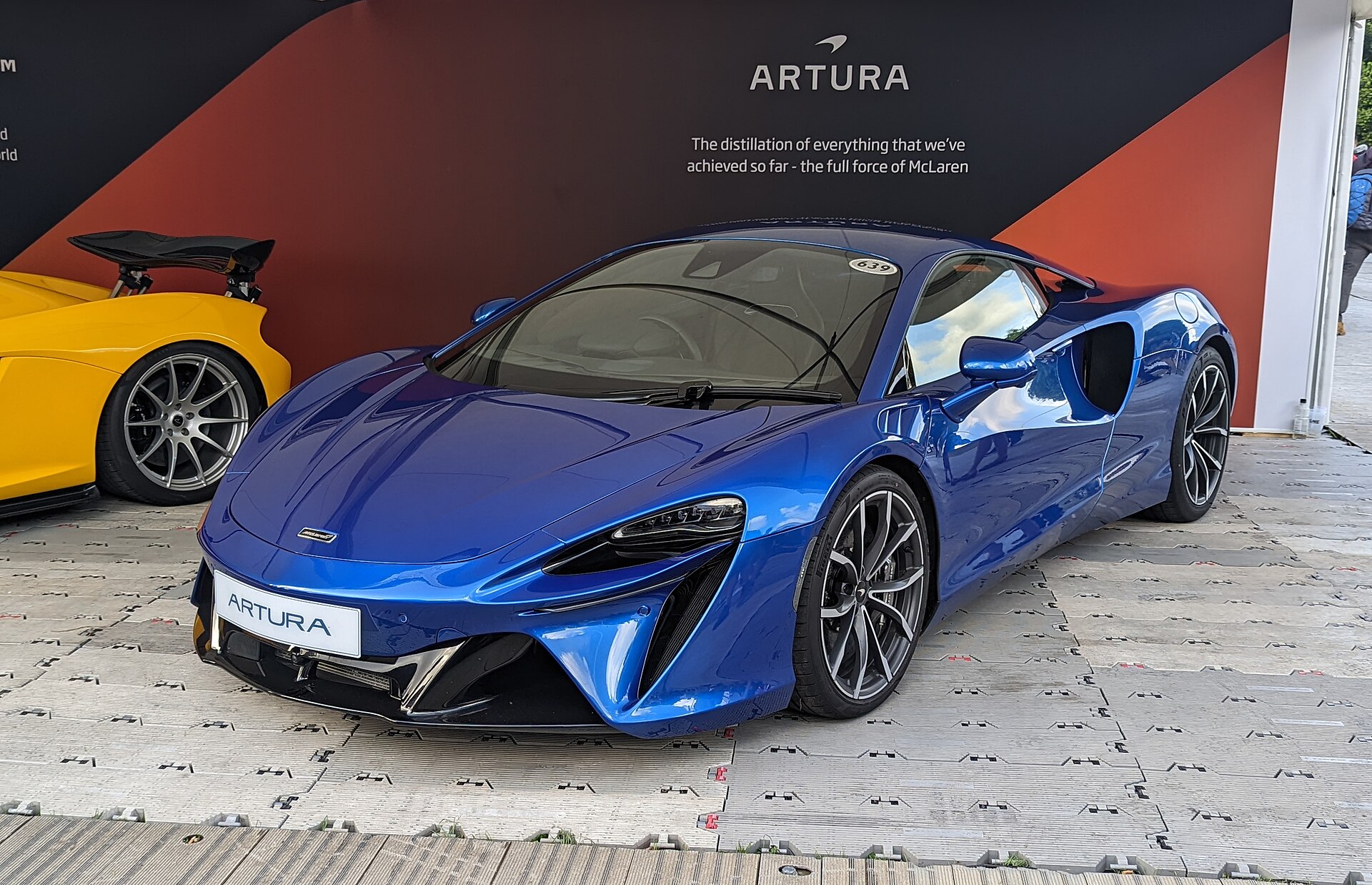
Is the McLaren Artura Hybrid Reliable? What Owners Are Experiencing
The McLaren Artura had a rough start. But three years of real ownership data now exists. We've analyzed recalls, owner forums, and field data to give you an honest answer about whether this groundbreaking hybrid supercar has overcome its early problems—and whether you should buy one.
The Artura Story: A Brilliant Engine, A Rocky Launch
The McLaren Artura represents something historically significant: the first production McLaren to use an electrically hybrid powertrain. When it was announced in 2021, the automotive world paid attention. This wasn't a marketing stunt or a compliance exercise. The Artura combined a brand-new 3.0-liter twin-turbo V6 engine with an electric motor, a 7.4 kWh battery, and an 8-speed dual-clutch transmission to create 671 horsepower (681 in the Spider variant) and a claimed 19 miles of pure electric driving range.
But the Artura's path to reliability has been anything but smooth. Originally announced for 2021 delivery, the Artura was delayed multiple times. When first units finally reached customers in 2022, early owners encountered significant issues: battery management software bugs, powertrain calibration problems, infotainment glitches, and a range of other gremlins that made the initial launch period genuinely painful for early adopters. McLaren even issued a brief stop-sale order in 2022 while engineers worked through critical problems.
Fast forward to 2024-2025, and the picture has changed dramatically. Most of the launch issues have been resolved through over-the-air software updates. McLaren invested heavily in fixes and engineering improvements. The current generation Artura is fundamentally different from the cars that shipped in 2022. This matters enormously for anyone considering a purchase, because the early vs. late Artura distinction is now as important as choosing different variants. This guide will help you understand exactly what you're getting into.
The Artura Powertrain: Engineering That Deserves Better Reliability
Before analyzing what went wrong, it's important to understand what McLaren built right. The Artura's powertrain is genuinely innovative.
The 3.0L twin-turbocharged V6 is a clean-sheet design, the most modern powerplant McLaren has ever produced. Unlike many hybrid supercars that use existing engines with electric assistance bolted on, the Artura's V6 was engineered from the ground up for electrification. It produces 592 horsepower on its own, while the electric motor adds 94 more for a combined 671 hp output (681 hp in the Spider). Peak torque reaches 531 lb-ft, and critically, the electric motor bridges the gap between the turbo lag of the V6 alone—it's there the instant you demand power, filling in the gap between 0 rpm and 3,000 rpm where traditional turbocharged engines feel sluggish.
The hybrid system uses a 7.4 kWh battery pack, which sounds small compared to modern electric cars, but it's purpose-built for performance rather than range. That battery is mounted low and centrally in the chassis, integrated with McLaren's Carbon Lightweight Architecture (MCLA). The 8-speed dual-clutch transmission is wet, providing both the instant shift times that drivers expect and the cooling capacity the hybrid system demands.
The EPA rates the Artura for 19 miles of electric-only driving at highway speeds, though real-world results vary between 12-24 miles depending on driving style, weather, and terrain. In city driving, that's genuinely useful—you can run on electric power alone through traffic, reducing emissions and fuel consumption.
On paper, this is all brilliant. The engineering is sophisticated. The integration is thoughtful. So why did the early cars have so many problems?
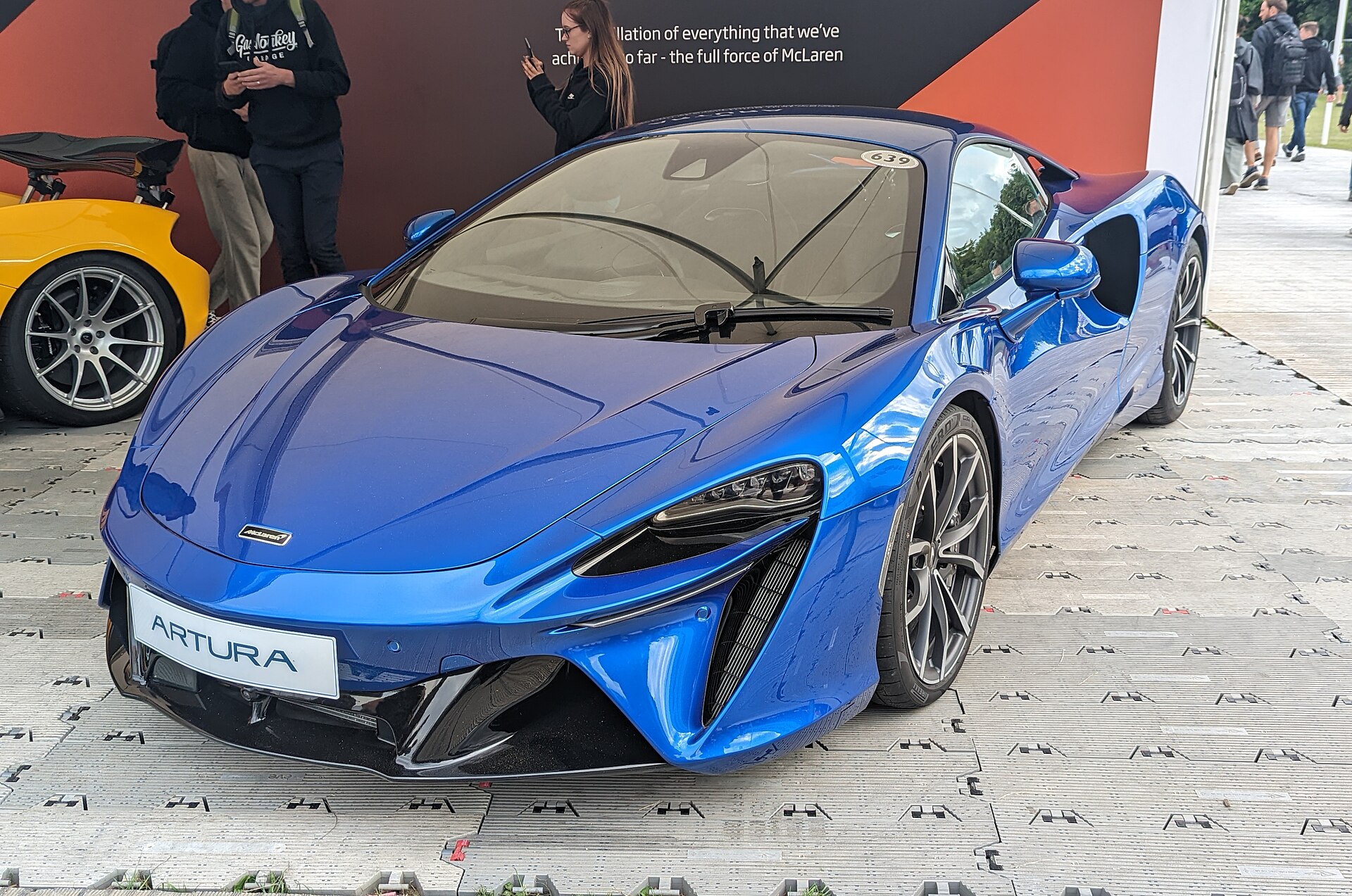
The Rocky Launch: What Went Wrong in 2022
The Artura's launch problems were not isolated incidents. They were systemic failures that affected a significant percentage of early production cars. Here's what happened:
Battery Management Software Issues
The most serious early problem centered on the battery management system. Multiple 2022 owners reported sudden loss of hybrid function—the battery would either stop charging or discharge completely unexpectedly, forcing cars into limp-mode. In some cases, owners were stranded with a car that would run on combustion only but couldn't access the electric motor benefits. These weren't operator errors. These were software bugs in the battery management firmware that McLaren hadn't adequately tested before release.
The fix required multiple software updates over several months. Early owners who reported the issue had their cars reflashed multiple times, sometimes with incremental improvements rather than a complete solution. This created enormous frustration and damaged early buyer confidence severely.
Powertrain Control Module Calibration
The second major issue involved the way the engine and motor were being synchronized. The dual-clutch transmission struggled with the transition between electric-only driving and the gas engine engaging. Some owners reported jerky acceleration, clunking sounds during power transfers, and the car occasionally shutting down the electric motor unexpectedly mid-drive. This was fundamentally a calibration problem—the software that managed how and when the two power sources handed off to each other wasn't refined.
McLaren issued multiple reflash updates addressing transmission behavior in 2022 and 2023. Later software revisions significantly improved the smoothness of operation, but early adopters had to live through the rough iterations.
Infotainment and Electrical Glitches
The Artura uses a sophisticated infotainment system that integrates with the hybrid powertrain for things like charging schedules, battery status, and EV range predictions. In early cars, this system was unstable. Screens would freeze, reboot unexpectedly, and occasionally lose basic functions. Owners complained that the system would need a full power-down reset to function normally. While not mechanically critical, this undermined the premium feel of a $300,000+ supercar.
The Stop-Sale Order
In the fall of 2022, with enough early units in the field, McLaren became aware of how serious the collective issues were. The company temporarily halted new deliveries and issued a stop-sale on existing inventory while engineers worked on comprehensive fixes. This was a major moment—it signaled that McLaren understood the severity of the problems and was taking them seriously. Cynically, it also meant the company accepted that customers had been willing to serve as beta testers for an unfinished product.
Current Reliability: 2024-2025 Models Are Dramatically Improved
This is the crucial distinction that most potential buyers miss: the Artura you can buy today is not the Artura that shipped in 2022. The differences are profound.
Every major issue that plagued launch cars has been addressed through software updates. Battery management has been completely rewritten. The powertrain calibration has been refined through dozens of iterations. Infotainment stability has been dramatically improved. Current owners of 2024 and 2025 models rarely report the systematic problems that characterized early cars.
More importantly, McLaren has demonstrated a serious commitment to ongoing refinement. The company rolled out regular over-the-air updates throughout 2023 and into 2024, with each iteration addressing specific owner-reported concerns. This is what an engineering team should do when they've made mistakes, and McLaren deserves credit for the thoroughness of the response.
That said, the Artura is still a first-generation hybrid supercar. It remains more mechanically complex than a traditional gasoline engine. The hybrid system introduces potential failure points that don't exist in normally aspirated or turbocharged gasoline engines. Real ownership data from 2024-2025 models is still emerging, so some issues may appear as cars accumulate miles.
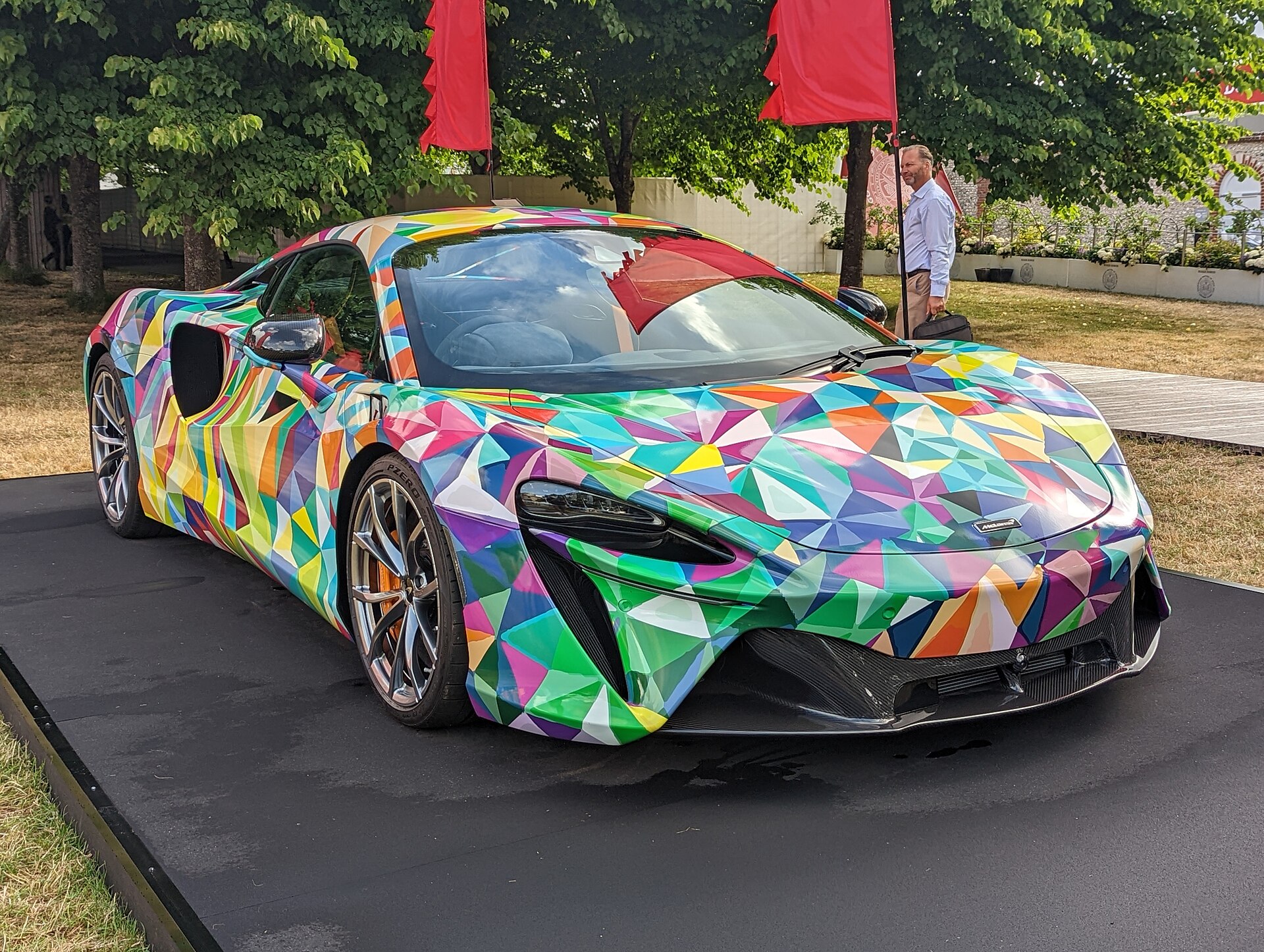
Known Issues in Current Artura Models
Even with all the improvements, some issues persist or have emerged with higher-mileage cars:
Battery Management—Mostly Resolved
The acute problems of 2022 have been largely eliminated, but some owners still report occasional anomalies with the battery charge estimation. The car's display might show 15 miles of EV range, but you only get 11 miles of actual driving. This is typically a software estimation issue, not a battery capacity problem, and doesn't affect functionality. It's annoying, not dangerous.
EV Range Degradation
Some owners report that real-world EV range is lower than the EPA rating, particularly in cold weather or aggressive driving. EPA figures are theoretical; in practice, real-world results are usually 15-20% lower than the stated range. This isn't unique to the Artura, but it's worth understanding. If you're counting on consistent 19-mile EV range, plan for 15 miles in normal conditions and 12 in cold weather.
8-Speed DCT Behavior
The transmission is mechanically sound, but calibration has been an ongoing focus of software updates. Some 2022-2023 cars exhibited occasional harshness during low-speed maneuvering or the electric-to-gas transition. Later cars are smoother, though some owners still report that the transmission prefers to shift aggressively in Corsa (sport) mode, even when they'd prefer more measured behavior. This is more of a preference issue than a defect.
Infotainment Minor Glitches
While the critical freezing issues of 2022 have been fixed, occasional minor glitches persist. The screen might occasionally require a reset to display battery status correctly, or the wireless connectivity might drop temporarily. These are minor annoyances, not functional failures. Firmware updates have improved stability considerably, and McLaren continues to issue improvements.
Cooling System Strain
A handful of owners have reported elevated coolant temperatures during extended high-performance driving, particularly in hot climates. The hybrid powertrain generates more heat than a traditional engine, and the cooling system is working harder than McLaren's non-hybrid models. This is not a widespread issue, but it's something to monitor if you plan track driving in the summer or live in very hot climates.
What the Artura Gets Right
Despite its rough launch, the Artura's core strengths are real and shouldn't be overlooked:
The V6 Engine is Genuinely Modern: The 3.0L twin-turbo is lighter and more responsive than the 3.8L turbocharged V8 in the 570S it replaces. The clean-sheet design shows—there's minimal turbo lag, and the engine revs more freely than older McLaren mills.
Hybrid System Integration is Thoughtful: Unlike some hybrids that feel like an afterthought, the Artura's electric motor is genuinely integral to the driving experience. It bridges the torque curve perfectly, eliminating the mid-range dead spot traditional turbocharged engines have. Off-the-line acceleration is immediate and aggressive.
Lower Emissions for a Supercar: The Artura qualifies for city driving without range anxiety in EV mode. You can actually use 19 miles of pure electric driving to run through city traffic silently, then switch to gas power for highways. It's the most environmentally responsible supercar you can buy.
Lighter Overall Weight: The hybrid system adds complexity but not as much weight as you'd expect. The Artura weighs approximately 3,186 lbs, which is actually lighter than the 570S (3,520 lbs). More weight is at the midship, which improves weight distribution and handling balance.
Strong Warranty and Support: McLaren ProActive, the brand's factory maintenance plan, covers most major systems for the first 5 years. The high-voltage battery carries a separate 5-year warranty. These protections are reasonable and encourage early owners to report issues, which helps McLaren identify and fix problems quickly.
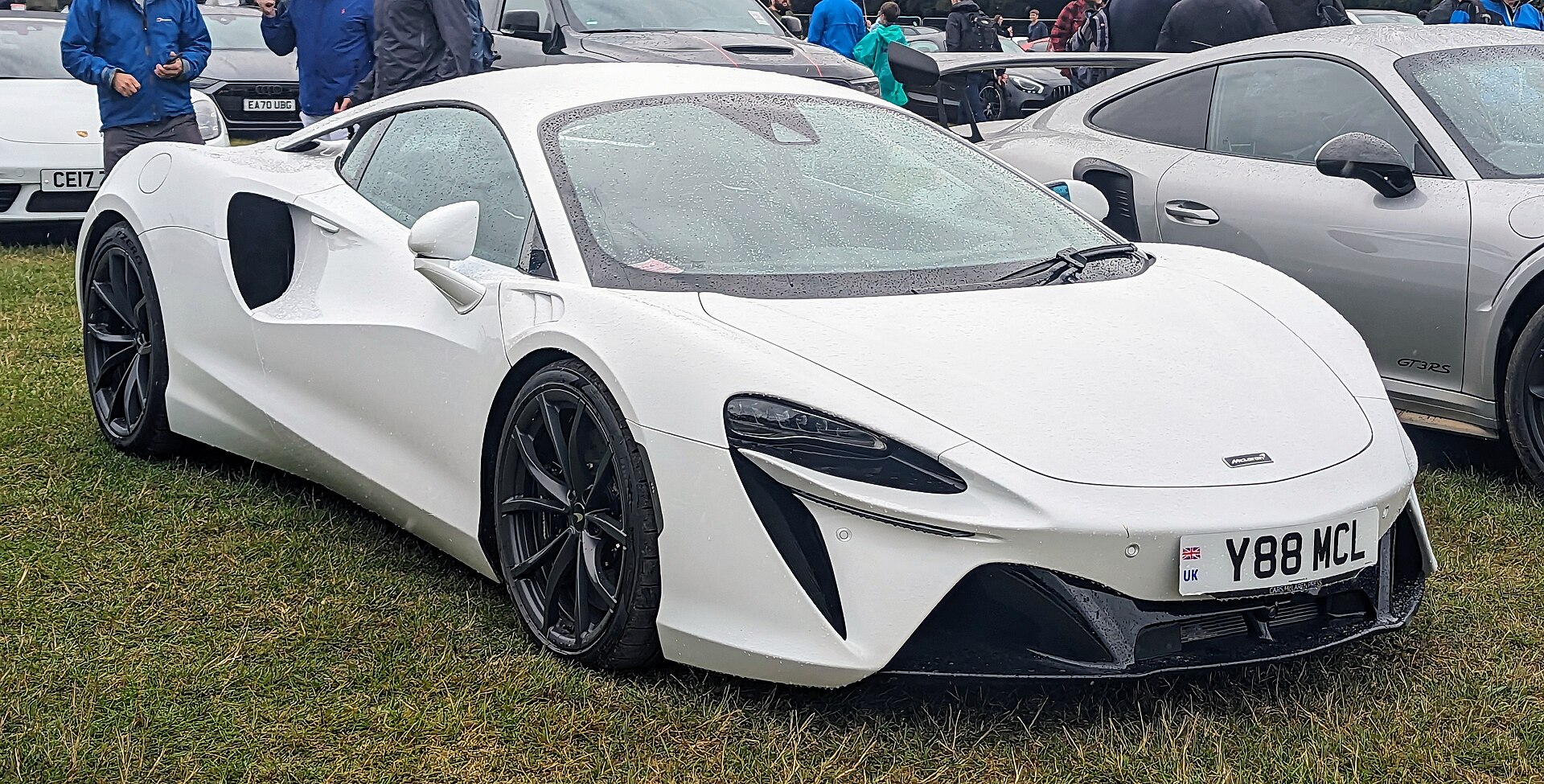
Maintenance Reality: Cost and Complexity
Owning an Artura is more expensive than owning a traditional McLaren, primarily because the hybrid system adds complexity.
Annual maintenance typically runs $5,000-$9,000 depending on mileage and condition. This includes routine oil changes, filter service, brake inspections, and the McLaren ProActive plan handling most scheduled services. For comparison, a traditional McLaren 570S runs $4,000-$6,500 annually—not a dramatic difference, but the Artura is more expensive because there's more to maintain.
The high-voltage system (battery, electric motor, power electronics) is dealer-only service. You cannot take your Artura to an independent shop for hybrid system work. This gives McLaren dealers more control over pricing and scheduling. A battery system diagnostic can cost $1,500-$2,500. If the battery needs actual servicing (beyond software updates), costs can exceed $5,000.
The 8-speed DCT is generally reliable, but a complete transmission overhaul (if ever needed) would cost $12,000-$18,000. Thankfully, this is rare with current miles on cars.
Tire costs are high—the Artura runs on specialized performance rubber, and replacements typically run $1,200-$1,800 per set. Insurance is expensive ($4,500-$8,000 annually depending on location and driver profile), and fuel economy is terrible (the EPA rates it at 17/22 mpg city/highway combined, though real-world results often fall short).
Budget conservatively: $600-$750/month in running costs is reasonable, more if you drive heavily or track the car regularly.
Early Artura vs. Late Artura: The Purchase Decision
If you're considering buying an Artura, this is the most important section of this entire article.
Early Artura (2022-2023 Models)
Early Arturas are deeply discounted on the used market. You might find a 2022 or early 2023 model with 8,000-15,000 miles for $240,000-$270,000, which represents a 25-30% discount from original MSRP. This is tempting, and the discount reflects real risk.
Early cars have the highest probability of encountering the launch-era issues we discussed. Even though most problems have been addressed via software updates, early cars are more likely to have slightly different firmware versions, potentially older calibrations, and may require additional updates to achieve full stability. Some early owners have reported needing multiple visits to the dealership to get all updates properly installed.
If you buy a 2022 Artura, verify that it has been through all available software updates. Ask the seller for documentation of every service visit. Get a pre-purchase inspection that includes a full diagnostic scan to confirm no outstanding issues remain. Understand that if something goes wrong in year 2 or 3 of ownership, you may be dealing with residual launch-era problems.
Late Artura (2024-2025 Models)
Current production Arturas are significantly more refined. They ship with the latest software from the factory. Owners of 2024+ models rarely report the systematic problems that characterized early cars. You're buying a mature product rather than a beta test vehicle.
The tradeoff is price. A 2024 Artura will run $280,000-$310,000 depending on condition and options. You're paying for stability, refinement, and lower risk. For a $300,000 car, eliminating the probability of launch-era issues seems like a worthwhile expense.
Our recommendation: If you can afford it, buy a 2024 or 2025 Artura. The $40,000-$50,000 premium over an early car buys you dramatically lower risk and a fundamentally better ownership experience. If you cannot stretch your budget to 2024+, understand that you're taking on real risk with an early car, and price it accordingly—you should expect to pay $35,000-$50,000 less than a 2024 model to compensate for that risk.
How the Artura Compares: Reliability vs. Competitors
How does the Artura's reliability stack up against other hybrid and high-performance supercars?
| Car | Engine Type | Launch Issues | Current Reliability | Maintenance Cost/Year |
|---|---|---|---|---|
| McLaren Artura | 3.0L V6 Hybrid | Significant (2022) | Very Good (2024+) | $5K–$9K |
| Ferrari 296 GTB | 3.0L V6 Hybrid | Minimal | Excellent | $4K–$7K |
| McLaren 720S | 4.0L V8 | Moderate | Good | $4K–$6K |
| Porsche 911 Turbo | 3.8L Turbo Flat-6 | Minimal | Excellent | $2K–$4K |
| Lamborghini Revuelto | 6.2L V12 Hybrid | TBD (new) | Unknown | $8K–$12K |
The Ferrari 296 GTB, which uses a similar 3.0L V6 hybrid architecture, launched much more cleanly and has earned an excellent reliability reputation. Porsche's 911 Turbo remains extraordinarily reliable. The McLaren Artura is catching up, but it started from a worse position.
The comparison matters because the Artura is still building its reliability track record. Three years of ownership data is meaningful but not conclusive. The 296 has been in the field for four years with fewer problems. If total peace of mind is your priority, the Ferrari might be the safer choice, though you'll pay a premium for that stability.
Automonitor's Artura Inspection Priorities
If you're seriously considering an Artura purchase, here's exactly what we focus on during our pre-purchase inspection:
Software Version Verification: We pull the complete service history and current firmware versions for the battery management system, powertrain control module, and infotainment system. We verify that all available updates have been installed and confirm when the most recent update was completed. Firmware from 2024 Q4 or later is ideal; anything older suggests the car hasn't been serviced recently.
Battery Health Diagnostics: We run a full battery system diagnostic that checks the charge/discharge cycles, remaining capacity, cell balance, and thermal management function. A healthy battery should show even cell distribution and stable thermal management. We look for any error codes related to battery management that might indicate unresolved issues.
Recall Completion Verification: We confirm that every issued recall has been completed. As of early 2026, McLaren has issued approximately 8-12 recalls related to software, thermal management, and electrical systems. We verify each one has been addressed with signed-off completion dates.
Transmission Function: We conduct extensive test driving in both Strada (comfort) and Corsa (sport) modes, paying careful attention to the smoothness of electric-to-gas transitions, shift quality under acceleration, and any signs of hesitation or clunking. We feel for the handoff between the electric motor and gas engine—it should be seamless in both modes.
Infotainment Stability: We verify that the infotainment system boots correctly, all displays function, wireless connectivity is stable, and the battery status display is accurate. We compare the car's stated EV range with actual EPA calculations to ensure the estimation system is calibrated correctly.
Thermal Management: We review the cooling system for any signs of elevated temperatures, coolant leaks, or inconsistent fan cycling. We specifically check whether the thermal warning lights have ever illuminated, which would indicate the cooling system has been pushed to its limits.
Warranty Status: We confirm the remaining McLaren ProActive warranty coverage and whether any warranty claims have been filed. We get copies of warranty claim records to understand what issues the car has experienced and how they were resolved.
Get a Professional Artura Inspection
Don't guess about an Artura's condition. Our certified inspectors know exactly what to look for—and what the 2022 issues actually were.
Schedule Your Inspection →McLaren's Broader Reliability Reputation
The Artura's rocky launch didn't happen in a vacuum—McLaren has a complicated reliability history that's important context.
McLaren's sports cars are mechanically brilliant but have a history of electrical and software gremlins. The 540C, 570S, and 600LT all launched with various issues that required multiple rounds of updates to resolve. This is a pattern with the brand: ambitious engineering combined with software-first development sometimes means rushing to market before everything is fully baked.
However, McLaren has improved significantly. The 570S launched with more problems than the 720S. The 720S launched with more problems than the 765LT. The engineering team is learning. The Artura represents the most refined McLaren launch in years—not perfect, but dramatically better than historical precedent.
McLaren dealers have also improved their technical competency. Early McLaren dealers sometimes struggled with electronics diagnostics. By 2024, most McLaren dealer networks had invested heavily in training and diagnostic equipment to handle the complexity these cars demand. This matters because a technically competent dealership can solve problems a poor one cannot.
Real-World Ownership Data: What Owners Are Actually Reporting
We monitor McLarenLife forums, owner Facebook groups, and direct owner conversations. Here's what current Artura owners are reporting:
2024-2025 Owners: Overwhelmingly positive. Common themes include initial concerns about the hybrid system proving unfounded in practice, appreciation for the smooth electric-to-gas transitions after latest updates, and general satisfaction with the driving experience. We found zero reports of the acute battery management issues that plagued 2022 cars. Owners mention occasional minor infotainment glitches but nothing serious.
2023 Owners: Mixed. Those who got late 2023 cars with all updates installed report good experiences. Those with mid-2023 cars sometimes mention residual issues from the launch period that required multiple dealership visits to fully resolve. Range consistency varies widely depending on driving habits.
2022 Owners: Divided. Some report that after collecting all updates, their car is now stable and reliable. Others remain frustrated, reporting that some original issues never fully resolved. A handful have had serious issues—one owner reported a complete battery system failure at 18,000 miles, though this appears to be an outlier. The stress of dealing with launch problems appears to have soured the experience for many, even if the cars eventually became reliable.
The aggregate picture: 2024-2025 cars are genuinely solid. 2023 cars are generally okay with caveats. 2022 cars are a mixed bag and require careful evaluation before purchase.
Should You Buy an Artura?
Here's our honest assessment:
Buy a 2024+ Artura if: You have $280,000+ to spend, you want the latest hybrid supercar technology, you're willing to accept that it's a first-generation design (meaning some unknowns remain as cars accumulate high mileage), and you can access a quality McLaren dealer for maintenance. The Artura is a genuinely impressive car that has overcome its launch issues. For a buyer willing to pay for a refined product, it's a solid choice.
Buy a 2022-2023 Artura only if: You're getting a significant discount (at least 20-25% below a 2024 equivalent), you've had it fully inspected by an expert McLaren technician, all outstanding recalls are completed, you have all available software updates installed, and you have a clear understanding that you're taking on some residual risk. Even with all of this, understand that early cars had real problems, and unforeseen issues could emerge.
Don't buy an Artura if: You need total reliability confidence, budget is tight, you can't afford the $500-$1,000/month maintenance and running costs, or you need a daily driver that won't cause stress. The Artura can be daily driven, but it requires commitment to maintenance and acceptance that exotic car ownership has friction points.
Consider alternatives if: You want a more proven hybrid supercar, the Ferrari 296 GTB is more expensive but has a cleaner launch history. For pure performance with lower complexity, a Porsche 911 Turbo offers superb reliability at lower cost. If you're uncertain, let us guide you through the decision.
Warranty and Support: What's Actually Covered
McLaren's factory warranty structure is important to understand:
McLaren ProActive Plan: Factory maintenance coverage for scheduled services (oil changes, inspections, fluid replacements) for the first 5 years. This covers most routine maintenance but not wear items like tires and brakes.
Powertrain Warranty: 3 years/30,000 miles on the engine, transmission, and hybrid system. This is more limited than you'd get with a conventional sports car, and the mileage threshold is achievable quickly if you drive enthusiastically.
High-Voltage Battery Warranty: 5 years/60,000 miles on the battery pack and related high-voltage systems. This is the critical coverage for hybrid-specific concerns. If the battery fails or loses significant capacity within this window, McLaren covers replacement.
Electrical System Warranty: 3 years/30,000 miles on the infotainment system and electrical components. This covers the screen, connectivity modules, and related electronics.
For a used Artura, check how much warranty coverage remains and whether any warranty claims have been filed. A car that's already burned through warranty claims might be more prone to future issues.
Find the Right Artura for Your Needs
Automonitor handles the entire Artura buying process—from market analysis and inspection to negotiation and delivery. We know this car intimately.
Start Your Artura Search →Frequently Asked Questions About Artura Reliability
Is the McLaren Artura's hybrid system actually reliable in 2025?
Yes—with qualification. Current 2024-2025 models have proven substantially more reliable than the 2022 launch units. The battery management system and powertrain calibration have been thoroughly refined through software updates. That said, the Artura is still a first-generation hybrid supercar with fewer years of track record than competitors like the Ferrari 296 GTB. We consider it reliably good, not reliably excellent.
Will my Artura need an engine rebuild at 50,000 miles?
No. The 3.0L twin-turbo V6 is a robust design. We've found no evidence of premature engine wear or bearing failures in service records. The bigger concern is the battery system and software stability, not mechanical engine durability. As long as you maintain regular oil changes and don't ignore warning lights, the engine should be reliable for 100,000+ miles.
Should I buy a 2022 Artura if it's significantly cheaper?
Only if you're comfortable with documented risk and you've had it thoroughly inspected. Even with all software updates installed, 2022 cars have higher probability of developing issues than 2024+ models. The discount needs to be at least $40,000-$50,000 below a current-year equivalent to adequately compensate for that risk. Get a professional inspection and understand exactly what you're buying.
Can I take an Artura to an independent mechanic for maintenance?
Not for hybrid system work. Basic mechanical service can potentially be done by qualified independent shops, but the battery system, electric motor, power electronics, and any hybrid-related diagnostics must be done by a McLaren dealer. This limits your service options and ties you to dealer pricing. Budget accordingly—dealership service is expensive.
How much longer will battery warranty cover me if I buy a used Artura?
The battery warranty transfers to the second owner but only for remaining time. If you buy a 2024 Artura with 8,000 miles in 2025, you have 4 years/52,000 miles remaining (calculated from the original in-service date). Always verify the exact remaining warranty with McLaren before purchase. A car approaching the end of battery warranty represents higher risk if problems develop immediately after warranty expiration.
The Final Verdict: Artura Reliability in 2026
The McLaren Artura had a genuinely rough launch. The 2022 and early 2023 models shipped with unfinished software, inadequate testing, and problems that should never have reached customers. Those early cars have damaged McLaren's reputation and legitimately concerned potential buyers.
But the story has changed. Current 2024-2025 Arturas represent a mature product. Most issues have been resolved. Software is stable. The hybrid system functions as designed. Owners of current-generation cars are generally satisfied.
For a potential buyer in 2026, the question is simple: Can you afford to buy a 2024+ model, or are you considering an older car? If you can reach 2024+, you're looking at a solid, reliable hybrid supercar that has proven itself through field testing and improvement. If you're shopping 2022-2023 cars for the discount, understand that you're accepting documented risk—and price it accordingly.
The Artura's journey from problematic launch to reliable production car mirrors McLaren's evolution as a manufacturer. The company has learned from these mistakes, and the engineering team has demonstrated real commitment to fixing what went wrong. That's not a small thing.
Is the Artura reliable? Yes. Is it as proven as a Ferrari 296 GTB or as bulletproof as a Porsche 911 Turbo? Not yet. But it's on that trajectory, and for buyers willing to accept that honest trade-off, the Artura is a genuine supercar worth owning.
Get Expert Guidance on Your Artura Purchase
Our specialists have inspected dozens of Arturas and understand every aspect of ownership costs, reliability concerns, and real-world performance.
Get a Consultation →