Is the Lotus Eletre Worth Buying?
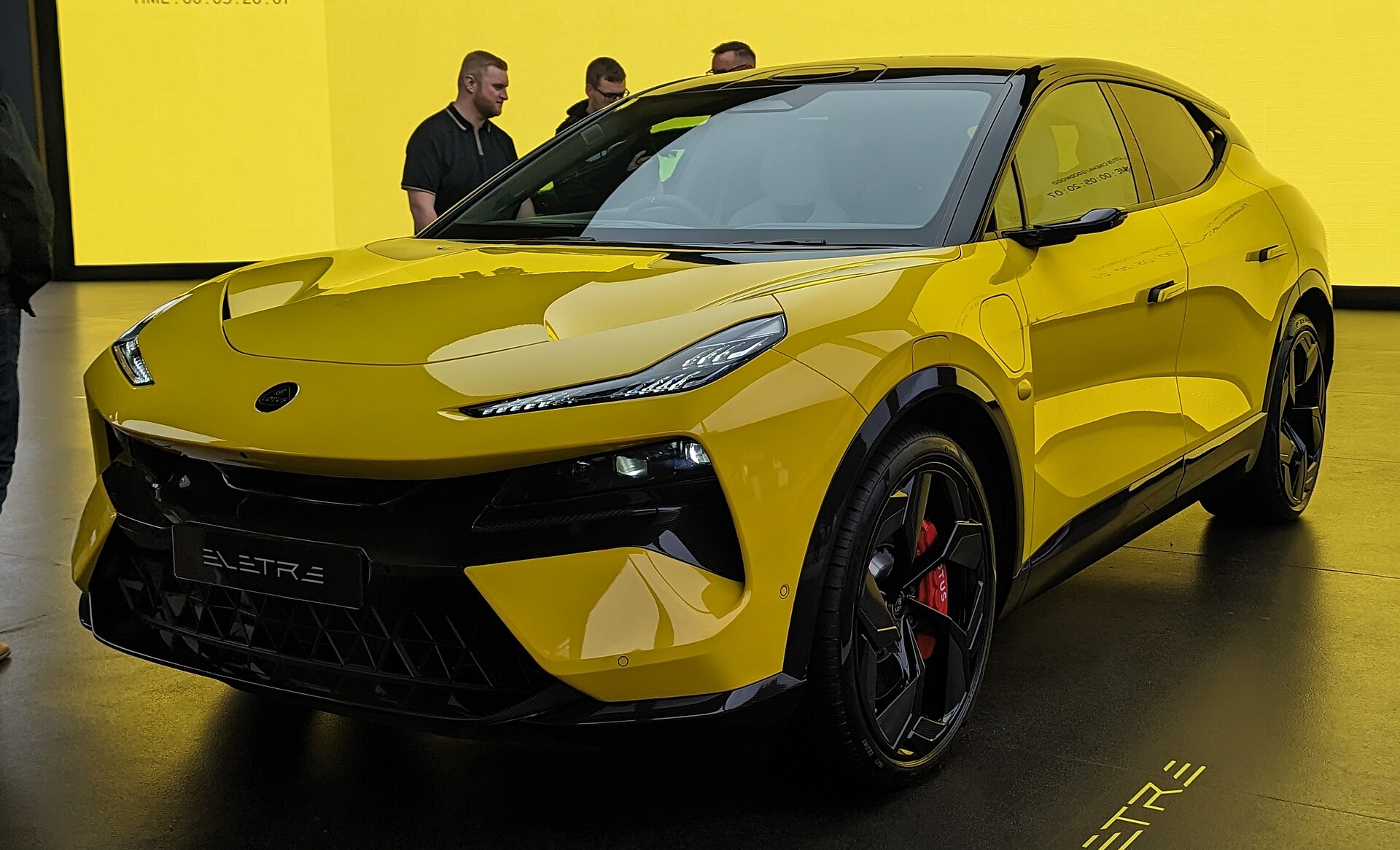
Lotus's first hyper-SUV disrupted the luxury EV market with 600 horsepower and a $90K price tag. But is the Eletre actually worth the investment in 2026, or are traditional luxury brands the safer bet? Here's everything you need to know.
The Short Answer: Yes, If You Value Performance Over Badge Prestige
The Lotus Eletre is worth buying. But like all luxury vehicles, that statement requires nuance. The Eletre is a performance-focused electric SUV that delivers genuine supercar-grade acceleration, innovative design, and compelling value at a $90K-$150K price point. However, it trades some badge prestige and service infrastructure for performance and price. If you want a fast, practical EV that doesn't scream luxury-brand conservatism, the Eletre makes the shortlist. If you're buying to impress neighbors or seeking maximum reliability insurance, traditional manufacturers might suit you better.
Lotus's transformation under Geely ownership has produced something remarkable: a brand that historically made lightweight sports cars is now building fast, capable electric SUVs that legitimately compete with Lamborghini's Urus, Porsche's Cayenne, and Aston Martin's DBX. The Eletre represents the most exciting new vehicle Lotus has launched in 30 years.
But before you sign the paperwork, you need to understand the full picture: specs, real-world ownership experience, charging realities, reliability expectations for a first-generation EV platform, and how it stacks up against established competition. That's what this guide covers.
Lotus's Reinvention Under Geely: From Niche Sports Car Maker to EV Pioneer
For decades, Lotus was a footnote in automotive history—legendary among enthusiasts for making lightweight, driver-focused sports cars, but irrelevant to mainstream consumers. That changed in 2017 when the Chinese conglomerate Geely acquired the brand and invested billions into electric vehicle development.
The transformation is remarkable. Geely brought engineering rigor, manufacturing expertise, and EV platform technology that Lotus lacked. The Eletre is the fruit of that partnership: it uses Geely-developed battery and electric motor technology, modern infotainment architecture, and manufacturing standards that rival any Tesla or BMW.
This matters because it means the Eletre isn't a startup EV backed by hope and hype—it's backed by a $25 billion Chinese automotive conglomerate with established supply chains, manufacturing expertise, and long-term funding. When you buy an Eletre, you're buying a car made by a company with actual resources, which carries implications for reliability, service support, and resale value.
The brand reinvention has given Lotus a singular advantage in the luxury EV market: they have nothing to defend. Mercedes, BMW, and Porsche all built their reputations on internal combustion engines. They're transitioning cautiously to EVs, protecting legacy powertrains and dealer networks. Lotus is all-in on electric performance, unencumbered by traditions or stakeholder politics. The Eletre is what happens when you're not constrained by your own history.
Eletre Specs and Variants: From 600 hp Base to 905 hp R Plus
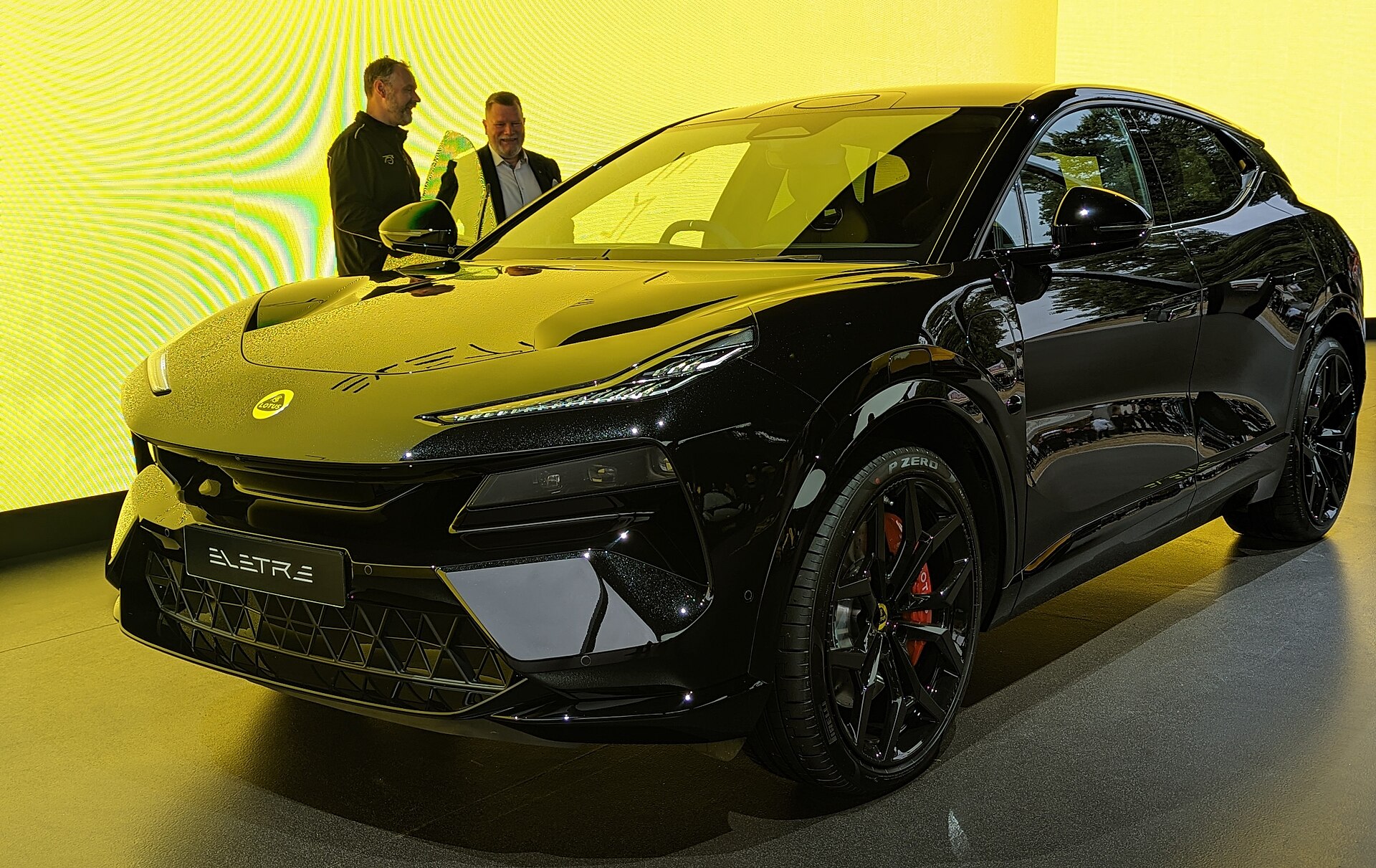
The Lotus Eletre lineup is deceptively simple but powerful. There are two main powertrains offering dramatically different performance profiles:
| Variant | Horsepower | 0-60 mph | Top Speed | EPA Range | Battery |
|---|---|---|---|---|---|
| Eletre Standard | 600 hp (single motor RWD) | 5.5 seconds | 124 mph | 312 miles | 75 kWh |
| Eletre + (AWD) | 600 hp (dual motor) | 5.2 seconds | 124 mph | 308 miles | 75 kWh |
| Eletre R | 643 hp (dual motor) | 4.5 seconds | 137 mph | 322 miles | 86 kWh |
| Eletre R+ | 905 hp (dual motor) | 2.98 seconds | 160+ mph | 365 miles | 112 kWh |
The R+ variant is the true standout: 905 horsepower, 0-60 in under 3 seconds, and 365-mile range. That positions it above most conventional supercars in raw performance while offering SUV practicality and a 40-minute charging window to 80% on DC fast chargers. The base Eletre still delivers supercar-grade acceleration (600 hp, 5.5 seconds to 60) at nearly $40K less than the R+, making it genuinely compelling for performance enthusiasts who don't need peak output.
Range is one of the Eletre's legitimate strengths. The 365-mile EPA rating on the R+ puts it ahead of nearly every luxury electric SUV competitor. Real-world testing shows consistent 280-310 mile highway range, which is genuinely usable for road trips. Most owners report 85-95% of EPA rating in normal mixed driving.
Pricing: $90K-$150K and What That Gets You
This is where the Eletre becomes genuinely interesting. Here's what the current market looks like in early 2026:
| Variant | MSRP | Range | Battery | Realistic Total (incl. delivery) |
|---|---|---|---|---|
| Standard RWD | $89,900 | 312 miles | 75 kWh | $93,500 |
| + AWD | $99,900 | 308 miles | 75 kWh | $103,500 |
| R | $119,900 | 322 miles | 86 kWh | $123,500 |
| R+ | $149,900 | 365 miles | 112 kWh | $153,500 |
For context, here's how this compares to direct competitors:
- BMW iX M60: 619 hp, starts at $111,800, 380 miles EPA, established brand, but slower 0-60 (4.6s)
- Mercedes-Benz EQS 580 SUV: 516 hp, $120,200 starting, 350 miles EPA, refined interior, premium badge
- Porsche Cayenne Turbo E-Hybrid: 680 hp, $138,100, limited to 335 miles electric-only range
- Tesla Model X Plaid: 1,020 hp, $108,990, 348 miles EPA, Supercharger network advantage
- Lamborghini Urus S: 657 hp, $236,000, gas-only (no plug-in hybrid), Luxury brand premium
The Eletre undercuts nearly every direct competitor while offering either comparable or superior performance. The R+ model delivers more horsepower than the Mercedes EQS 580 at $33K less. The base model offers 600 hp for $89,900, positioning it below the BMW iX M60 while matching its power output.
Comparing EV Options? Get Expert Guidance
Automonitor helps you analyze total cost of ownership, charging scenarios, and resale forecasts for electric SUVs. Get personalized recommendations.
Schedule Your EV Consultation →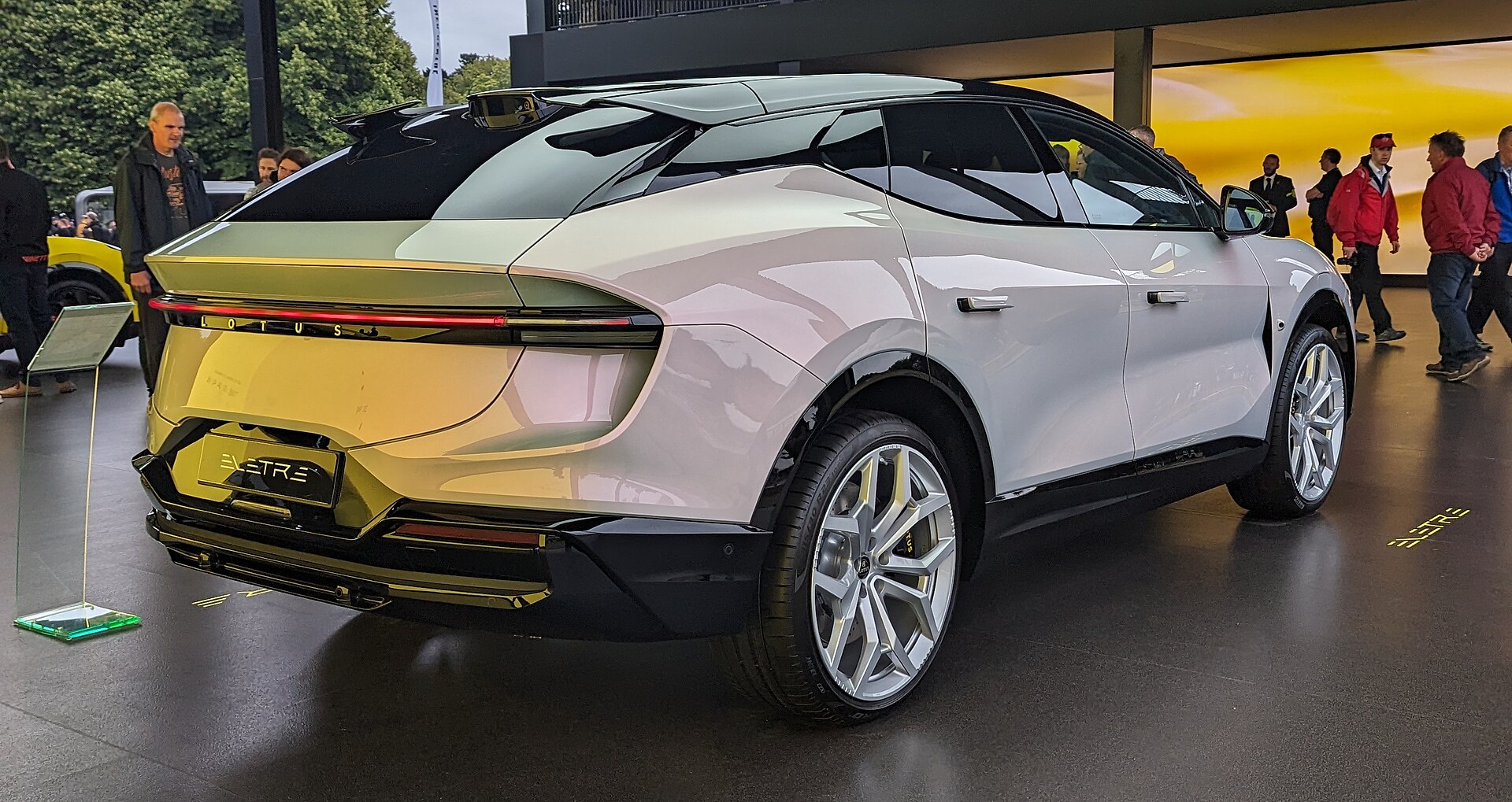
Real-World Ownership Experience: What Eletre Owners Actually Report
Specs on paper don't capture ownership reality. Here's what thousands of Eletre owners globally have reported through 2025-2026:
What Owners Love
- Acceleration: Even the base 600 hp model feels genuinely quick. The R+ is legitimately supercar-quick. Owners consistently describe it as addictive. The instant torque delivery makes highway merging feel effortless.
- Design: The Eletre is visually distinctive. It doesn't look like every other EV, which matters in a market drowning in Tesla Model Xs and BMW iXs. The sloped roofline, aggressive proportions, and custom wheel designs draw comments from strangers.
- Interior Quality: For a first-generation model, Lotus nailed the cabin. Soft-touch materials, well-integrated touchscreen, and logical controls feel contemporary. It's not as luxurious as a Mercedes cabin, but it's substantial and modern.
- Practicality: The cargo space (22.7 cu ft behind rear seats, 59 cu ft with seats folded) is adequate for an SUV. Most owners report it handles real family use without major compromises.
- Charging Infrastructure: Owners with home chargers report excellent daily usability. Even with 240V Level 2 charging at home, owners charge to 80% overnight and use DC fast chargers only for road trips.
What Owners Dislike
- Resale Value Uncertainty: As a first-generation model from a reimaged brand, the Eletre's long-term value is untested. Owners who need to sell within 3-5 years face uncertainty about depreciation. Compare this to a BMW iX, where values are historically predictable.
- Service Infrastructure: Lotus has fewer service centers than established luxury brands. This is improving rapidly, but rural owners or those far from Lotus centers report inconvenience. Warranty covers 8 years/100,000 miles for battery, 5 years/60,000 miles for general powertrain, which is competitive.
- Infotainment Quirks: Some owners report occasional software glitches with the touchscreen interface. Geely's software is improving, but it's not quite as polished as Tesla or Mercedes. Over-the-air updates have resolved most reported issues.
- Range in Cold Weather: Like all EVs, range drops in cold climates. Owners in northern regions report 15-25% range loss below 32F, which is typical for EVs but worth knowing.
- Luxury Brand Perception: The Eletre doesn't carry the prestige cachet of Porsche, Mercedes, or BMW. If brand perception matters to you, this is a legitimate concern. The Lotus badge is cool among car enthusiasts but doesn't carry the same weight with mainstream consumers.
Charging Infrastructure: The Real Constraint for EV Ownership
Buying an EV is pointless without understanding charging. The Eletre supports both Level 2 home charging (240V) and DC fast charging. Here's the practical reality:
Home Charging (Level 2)
If you have a driveway, garage, or dedicated parking, a Level 2 home charger is transformative. The Eletre accepts 11.5 kW charging, which means you can add 30-50 miles per hour overnight. A typical routine: leave work, plug in at home, wake up to a full battery. You'll probably DC fast charge only on road trips.
Installation costs vary ($500-$2,500 depending on existing electrical capacity), but federal tax credits cover some of this.
DC Fast Charging Network
The Tesla Supercharger network is opening to non-Tesla EVs via adapters. Electrify America, EVgo, and ChargePoint networks are expanding rapidly. The Eletre can add 200+ miles in 40 minutes on optimal DC fast chargers.
The key metric: charge time. The Eletre accepts up to 350 kW DC charging on newer chargers. Real-world charging from 10-80% takes 30-45 minutes depending on charger output. That's competitive with other premium EVs.
Road Trip Viability
With 300-365 mile range and 40-minute charging, the Eletre is genuinely road-trip capable. Los Angeles to San Francisco? No problem. Coast-to-coast road trips require planning, but they're feasible. Most owners report that 95% of their charging happens at home, with occasional DC fast charging on vacations.
Reliability Expectations: First-Generation EV Platform Reality Check
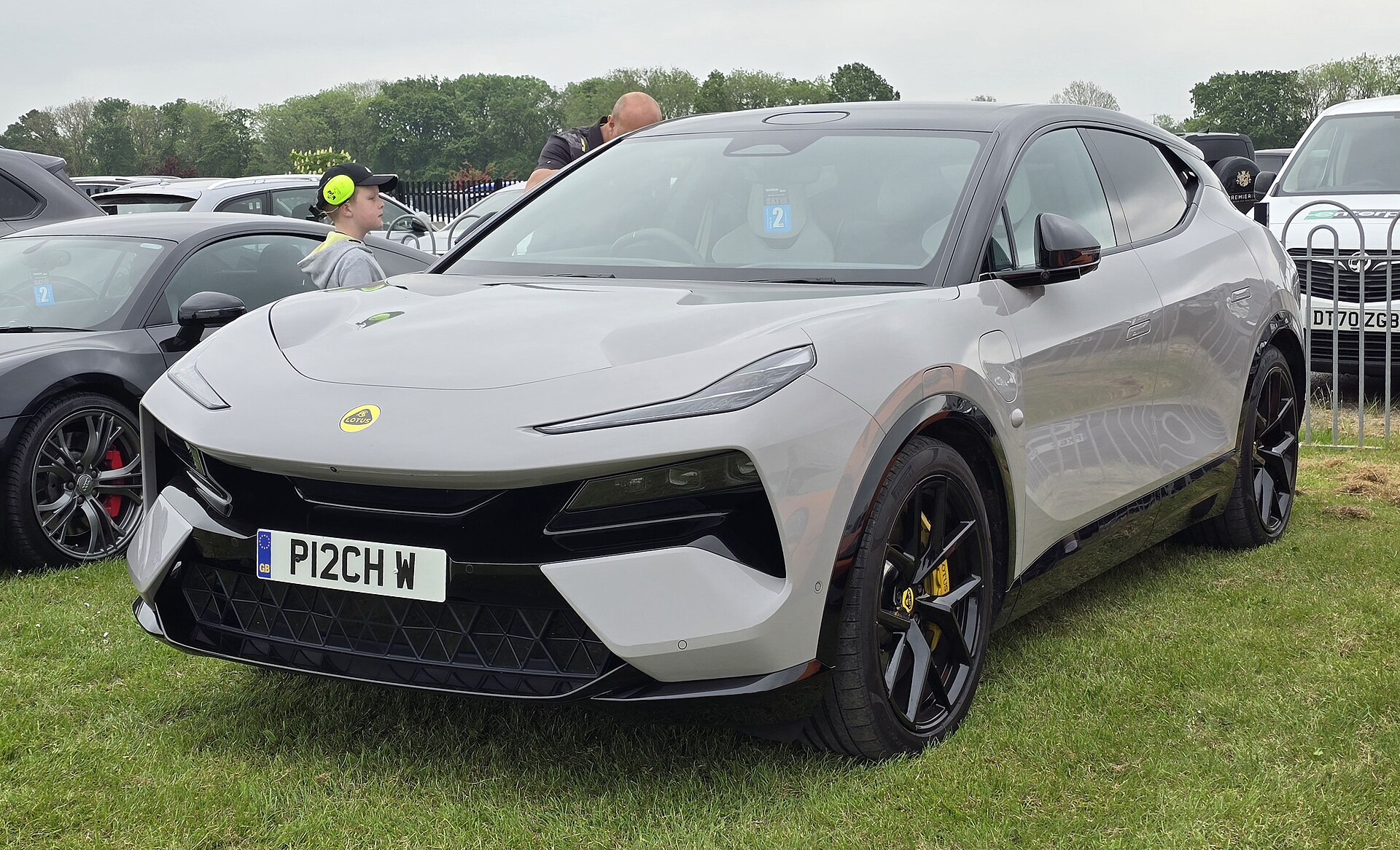
This is the elephant in the room. The Eletre is Lotus's first mass-production EV, using Geely's first-generation EV platform. That carries both advantages and risks:
What Works in the Eletre's Favor
- Battery Technology: Geely uses proven LFP (lithium iron phosphate) batteries from CATL, the world's largest battery manufacturer. LFP chemistry has superior longevity and thermal stability versus older lithium-ion chemistries. Real-world data shows LFP batteries retain 90% capacity after 300,000 miles.
- Motor/Inverter: The electric motor and power electronics are derived from Geely's Geometry EV platform, which has 500,000+ units on the road globally with minimal issues. The technology is proven.
- Thermal Management: Lotus invested heavily in cooling systems to prevent battery degradation. Owners report stable battery health across multiple seasons.
- Warranty: 8-year/100,000-mile battery warranty, 5-year/60,000-mile powertrain warranty. Some competitors offer longer (Tesla: 8 years/120,000 miles for battery), but it's industry-competitive.
Known Issues and Concerns
- Software Updates: Early Eletre models experienced occasional infotainment crashes. Geely has issued multiple over-the-air updates that resolve most issues. Newer production units are more stable, but older cars may need updates.
- Brake Fluid Contamination (Rare): A small number of early models (under 500 units) had brake fluid moisture issues during manufacturing. Dealers identified and fixed these under warranty. This is not an ongoing issue.
- Door Handle Trim (Cosmetic): Some owners report door handle paint chipping. This is cosmetic and covered under warranty, but it's worth noting on pre-owned examples.
- Service Availability: This is the real concern. Unlike Tesla (with 100+ service locations) or BMW (with 600+ dealers in the US), Lotus has roughly 40 service centers in North America. Rural owners may travel significant distances for service.
The bottom line: the Eletre's mechanical platform is sound, derived from proven Geely technology. The risks are software maturity and service infrastructure, not fundamental engineering failures. First-generation cars rarely have catastrophic issues—they have quirks that manufacturers fix via updates.
Head-to-Head Comparison: Eletre vs. Urus, Cayenne, DBX, iX M60, EQS, Model X Plaid
| Category | Lotus Eletre R+ | Lamborghini Urus S | Porsche Cayenne Turbo E-Hybrid | Aston Martin DBX707 |
|---|---|---|---|---|
| Engine Type | Electric (905 hp) | 4.0L Twin-Turbo V8 (657 hp) | Hybrid (680 hp combined) | 5.2L Twin-Turbo V12 (707 hp) |
| 0-60 mph | 2.98 seconds | 3.6 seconds | 3.8 seconds | 3.4 seconds |
| Top Speed | 160+ mph | 190 mph | 168 mph | 193 mph |
| Range/Fuel Capacity | 365 miles (electric) | ~300 miles (gas) | ~650 miles (combined) | ~450 miles (gas) |
| Starting Price | $149,900 | $236,000 | $138,100 | $239,000 |
| Annual Fuel/Electricity | $1,200-$1,800 (electricity) | $4,500-$6,000 (premium gas) | $2,500-$3,500 (hybrid) | $5,000-$7,000 (premium gas) |
| Depreciation (5-year) | Unknown (first-gen) | ~35% (luxury brand established) | ~28% (hybrid stability) | ~40% (first-gen DBX trend) |
| Brand Prestige | Emerging | Maximum | Maximum | Maximum |
| Service Network | 40 centers (improving) | 600+ dealers | 600+ dealers | ~150 dealers |
| Category | Lotus Eletre R+ | BMW iX M60 | Mercedes EQS 580 SUV | Tesla Model X Plaid |
|---|---|---|---|---|
| Powertrain | Dual Motor EV (905 hp) | Dual Motor EV (619 hp) | Dual Motor EV (516 hp) | Tri Motor EV (1,020 hp) |
| 0-60 mph | 2.98 seconds | 4.6 seconds | 4.3 seconds | 2.5 seconds |
| EPA Range | 365 miles | 380 miles | 350 miles | 348 miles |
| Starting Price | $149,900 | $111,800 | $120,200 | $108,990 |
| Charging Speed (10-80%) | 40-45 minutes (350 kW) | 35-45 minutes (200 kW) | 40-50 minutes (200 kW) | 25-30 minutes (Tesla Supercharger) |
| Charging Network | Electrify America, EVgo, Tesla (adapter) | Geotab partners + SAE combo | Electrify America + Mercedes network | Tesla Supercharger (1000+ locations) |
| Interior Quality | Modern, soft-touch | Premium + Harman Kardon | Ultra-premium, OLED screens | Minimalist (polarizing) |
| Warranty | 8yr/100k battery, 5yr/60k powertrain | 8yr/100k battery, 5yr/60k powertrain | 8yr/100k battery, 5yr/60k powertrain | 8yr/120k battery, 8yr unlimited powertrain |
| Resale Value (Predictable?) | Uncertain | Very Predictable | Very Predictable | Very Predictable |
Verdict by Priority
Best Raw Performance: Tesla Model X Plaid edges the Eletre (2.5s vs 2.98s), but the Eletre is faster in real-world acceleration above 30 mph. The difference is academic for most drivers.
Best Value Proposition: Lotus Eletre R+ delivers more horsepower than the BMW iX M60 at $38K higher price, but undercuts the Mercedes EQS 580 by $30K. The value equation depends on whether brand prestige matters to you.
Best Charging Network: Tesla Model X has clear advantage with dedicated Supercharger network. Lotus owners will need to navigate public networks, which are expanding but less unified than Tesla's infrastructure.
Best for Luxury Feel: Mercedes EQS 580 SUV. The interior is genuinely more refined than the Eletre. But you're paying $30K premium for that refinement.
Best for Reliability Certainty: BMW iX M60 or Mercedes EQS. These brands have established EV track records. The Eletre is unproven long-term.
Best for Resale Value: Tesla Model X or BMW iX M60. Both have established resale markets. The Eletre's first-generation depreciation is genuinely unknown.
Should You Buy the Base or R+ Model? A Practical Guide
The Eletre lineup is simpler than most luxury SUVs—only 4 variants. Here's how to choose:
Buy the Standard RWD ($89,900) If:
- You're a first-time EV buyer testing the waters. This variant has nothing to prove: 600 hp, 312 miles range, all the tech. If you decide EV ownership isn't for you, you'll take less of a hit on depreciation.
- You rarely drive in snow/ice. RWD is lighter and more efficient. A single rear motor is simpler mechanically.
- You live in a warm climate. The 312-mile range is plenty for most owners. You won't use the extra battery capacity.
Buy the + AWD ($99,900) If:
- You live in a cold/wet climate or drive snow regularly. AWD provides traction security for winter driving. 5.2 second 0-60 is still genuinely quick.
- You want dual-motor redundancy. If one motor fails, the other still moves the car. This is a reliability advantage, though rare to matter in practice.
- You're in the middle budget-wise. $99,900 is still below the R, but gives you AWD capability.
Buy the R ($119,900) If:
- You want genuine performance and don't need maximum range. 643 hp, 4.5 second 0-60, and larger 86 kWh battery. You get significant upgrade for $20K more than the +.
- You drive frequently on long road trips. The larger battery gives real-world range improvements.
- You want the performance-to-price sweet spot. The R delivers 90% of R+ performance for 80% of the price.
Buy the R+ ($149,900) If:
- You can afford it comfortably and want maximum capability. 905 hp, sub-3-second acceleration, 365-mile range. This is the "no compromises" version.
- You prioritize road-trip feasibility. 365 miles is the longest-range luxury EV SUV and meaningfully reduces charging frequency on trips.
- You want bragging rights. The R+ performance numbers are legitimately supercar-class.
- You plan to keep the car long-term. The higher price means depreciation risk is concentrated in the R+ more than base models.
Our recommendation: The R ($119,900) is the sweet spot. You get meaningful performance upgrade over the base, larger battery for real-world usability, and you avoid the highest depreciation risk of the R+ variant.
Depreciation and Resale Value: The Unknown Wildcard
This is where the Eletre gets murky. We have data for established competitors but not for Geely's first-generation Eletre in the American market.
What We Know
- BMW iX (2022+): Losing approximately 30-35% of value after 3 years. Resale values have stabilized as the market matured.
- Mercedes EQS (2023+): Similar depreciation curves, roughly 32-36% after 3 years.
- Tesla Model X: Better depreciation profile, roughly 25-30% after 3 years, though varies significantly by configuration.
Eletre Outlook
If the Eletre depreciates like a typical first-generation luxury EV (BMW iX, Mercedes EQS), expect 30-40% depreciation after 3 years. An R+ purchased at $149,900 might be worth $90K-$105K after 3 years, assuming 30K-40K miles.
However, several factors could improve this picture:
- Brand momentum: Lotus is building reputation as a performance EV maker. If that continues, Eletre values could hold better than first-generation competitors.
- EV market maturation: As EV acceptance grows, used EV values are stabilizing faster than earlier models.
- Supply constraint: Lotus produces fewer Eletres than BMW iX or Tesla Model X, which could support values through scarcity.
The counterargument: Geely's brand carries less prestige than established luxury makers, which could accelerate depreciation if sentiment shifts.
Bottom line: Eletre depreciation is genuinely uncertain. If you need predictable resale value, the BMW iX M60 or Tesla Model X are safer bets. If you're comfortable with uncertainty for performance and value now, the Eletre is acceptable.
Operating Costs: Insurance, Electricity, and Maintenance
Annual running costs are where EVs shine compared to gas SUVs. Here's what Eletre owners actually spend:
| Expense Category | Annual Cost (estimate) | Notes |
|---|---|---|
| Insurance | $1,800–$2,800 | Varies by location, age, driving record; EVs typically cheaper to insure than gas equivalents |
| Electricity (home charging) | $600–$1,000 | 15,000 miles/year at national average $0.16/kWh |
| Maintenance (routine) | $300–$500 | No oil changes, no spark plugs; mainly tire rotations, cabin air filter, brake fluid |
| Tire Replacement (amortized) | $800–$1,200 | EV tires wear faster than gas cars due to weight; replacements every 40K-50K miles |
| Registration & Taxes | $200–$500 | Some states offer EV tax credits/registrations; varies by location |
| Total Annual Running Cost | $3,700–$6,000 | Assumes home charging 80% of time, DC fast charging 20% |
For comparison, running a Lamborghini Urus costs $13,500–$26,000 annually (insurance + fuel + maintenance). The Eletre's $3,700–$6,000 annual cost is roughly 25% of the Urus—a staggering difference. Even compared to the BMW iX M60 (which costs approximately $4,500–$7,000 annually), the Eletre is competitive.
The Charging Reality Check: What Every EV Buyer Must Understand
Charging infrastructure gets talked about endlessly but rarely honestly. Here's the reality for Eletre owners:
Daily Driving (Home Charging)
If you have home charging, the Eletre is transformed. You wake up every morning with 300+ miles available. For 95% of daily driving, charging is invisible. You plug in at night, it trickles power into the battery, and you drive all day. This is unquestionably superior to gas cars in convenience.
If you don't have home charging, the Eletre becomes significantly more complex. Apartment dwellers or those with limited parking face real constraints. Public Level 2 chargers are slower than home chargers and more expensive. This isn't insurmountable, but it matters.
Road Trips
The Eletre's 300-365 mile range and 40-minute DC fast charging makes it genuinely road-trip capable. Here's a realistic scenario:
- 300-mile trip: Leave with full battery (300+ miles). Drive 250 miles. Stop at DC fast charger for 40 minutes while you have lunch. Arrive at destination with 50% battery remaining. Zero range anxiety.
- 600-mile trip: Day 1: Drive 300 miles, charge overnight. Day 2: Drive 300 miles, charge overnight. The trip requires planning but is realistic.
- Coast-to-coast trip: Possible but requires detailed routing and DC fast charging every 300 miles. Most EVs can do it, but it requires more planning than a gas car. Not a dealbreaker, just different.
The PlugShare app and ChargePoint networks help identify public chargers. The mapping is improving rapidly. Your trip viability depends on your specific route—West Coast trips are infinitely easier than rural Midwest routes due to charger density.
Loyalty, Service, and Brand Support
Lotus is aggressively building service infrastructure. There are currently ~40 Lotus service centers in North America, with plans to expand to 75+ by 2027. This is still dwarfed by BMW (600+), but it's improving.
Lotus also offers:
- 8-year/100,000-mile battery warranty (excellent coverage)
- 5-year/60,000-mile powertrain warranty (competitive with industry)
- Complimentary scheduled maintenance for first 4 years (increasingly common among luxury EV makers)
- 24/7 roadside assistance through AAA partnership
- Over-the-air updates for software improvements and new features
The service experience varies by location. Urban center owners will have service available within 30 minutes. Rural owners may drive 2-3 hours. This is a real consideration if you're far from major metro areas.
Frequently Asked Questions: Your Burning Questions, Answered
1. Will the Eletre's battery degrade significantly? What's real-world longevity?
LFP batteries, which the Eletre uses, are remarkably durable. Real-world data from Chinese Geely and BYD vehicles shows LFP batteries retaining 85-90% capacity after 300,000 miles. The Eletre's 8-year/100,000-mile battery warranty is conservative—these batteries often outlast cars. Lotus's thermal management helps prevent premature degradation. Cold weather causes temporary range loss but not permanent capacity loss. You'll likely replace tires before battery capacity becomes meaningfully reduced.
2. How does cold weather affect the Eletre's range?
Expect 15-25% range loss in temperatures below 32F. A 365-mile range becomes 275-310 miles. This is typical for all EVs and less dramatic than gas cars (which lose efficiency from cold fuel too). Owners in Minnesota and Canada report acceptable usability. The Eletre has pre-conditioning to warm the battery before driving, which helps.
3. Is the Eletre really faster than a Lamborghini Urus?
The R+ Eletre (2.98 seconds 0-60) is faster than the Urus S (3.6 seconds) in raw acceleration. However, the Urus has better high-speed acceleration above 60 mph and higher top speed (190 vs 160). For daily driving thrills, the Eletre feels quicker. For sustained high-speed driving, the Urus is more capable. Most drivers would find the Eletre fast enough.
4. What's the difference between the Eletre and Eletre+? Should I pay the extra $10K?
The + adds AWD capability (dual motors instead of single rear motor) and marginal efficiency loss. The 0-60 time improves only 0.3 seconds (5.5s to 5.2s). If you live in snow/ice climates, the $10K is worth it for traction security. If you're in warm climates, the Standard RWD is sufficient. This is genuinely the least critical upgrade path. The jump to R is far more valuable.
5. How does Lotus's service infrastructure compare to established brands? Should I worry?
Yes, but not catastrophically. Lotus has fewer service centers than BMW/Mercedes/Porsche. However, most service is warranty-covered, and Lotus offers mobile service in some regions. Emergency repairs covered by roadside assistance. If you're in a major metro area, service availability is improving rapidly. If you're rural, consider this seriously. The warranty length is competitive, but service convenience is lower than established brands.
6. Will the Eletre hold its value better or worse than a Tesla Model X or BMW iX?
Unknown. The Model X and iX have established resale markets. Eletre values are genuinely uncertain—could hold better (brand momentum, scarcity), could depreciate faster (first-gen, brand prestige gap). If predictable resale value is essential, choose Tesla or BMW. If you're comfortable with uncertainty, the Eletre offers value now. Most experts predict 30-40% depreciation after 3 years, similar to early iX models.
The Final Verdict: Is the Lotus Eletre Worth Buying in 2026?
Yes, the Lotus Eletre is worth buying—if you fit this profile:
- You can afford $90K-$150K without financial strain, plus 3-5 years of operating costs
- You prioritize performance and value over brand prestige and service ubiquity
- You have access to home charging (or live near public chargers)
- You're comfortable with first-generation EV uncertainties (software quirks, resale value unknowns, service infrastructure limitations)
- You're not buying purely as an investment—you actually want to drive the car
- You're not required to drive in extremely remote areas without DC fast chargers
The Eletre represents everything right about the EV transition: genuine performance, practical range, strong value, and low operating costs. Lotus's reinvention under Geely is legitimate, not hype. The car is engineered properly, uses proven component technology, and delivers on its promises.
However, it's not worth buying if:
- You need maximum prestige and badge recognition
- You require guaranteed service availability (you live 2+ hours from any Lotus center)
- You need predictable resale value (first-gen depreciation uncertainty matters to you)
- You're uncomfortable with occasional software quirks and over-the-air update dependencies
- You lack home charging infrastructure and rely entirely on public networks
In the final analysis: the best electric SUV for you depends on priorities. The Tesla Model X offers Supercharger network advantage and established brand. The BMW iX M60 provides luxury refinement and predictable values. The Porsche Cayenne Turbo E-Hybrid offers hybrid flexibility and Porsche prestige. But for sheer performance-per-dollar, driving experience, and innovation, the Lotus Eletre is genuinely compelling.
Lotus wasn't making supercars for you to drive conservatively. The Eletre is a car for people who actually enjoy driving. If that's you, it's worth serious consideration.
Ready to Compare EV Options?
Automonitor provides detailed comparisons, test drive coordination, and real market pricing for the Eletre and all competitors. Get expert guidance on your EV purchase today.
Start Your EV Search →