
Is a Porsche 911 a Good Daily Driver?
The 911 is the only supercar universally recognized as usable every day. But usable and practical are different things. Here's the unfiltered truth about living with a 911 as your primary transportation, with analysis of comfort, reliability, costs, and when the 911 truly shines as a daily driver.
The Short Answer: Yes, But With Significant Caveats
The Porsche 911 is genuinely one of the few supercars that can serve as a daily driver. Unlike a Lamborghini Aventador or Ferrari 488, the 911 was engineered from the beginning with everyday usability in mind. But calling it "practical" requires context. A 911 Carrera S can function as daily transportation for someone without budget constraints. A GT3 RS, on the other hand, is arguably the worst daily driver in Porsche's lineup — too aggressive, too stiff, too focused on track performance to tolerate daily commutes.
The reality is this: if you have a two-car garage and the 911 is your second car, or if your daily commute is under 20 miles on reasonably maintained roads, the 911 is an exceptional choice. If you need a single car that handles rush hour traffic, tight parking, and unpredictable weather consistently, there are better options. The best 911 for daily driving — the Carrera S with all-wheel drive and modern suspension — is genuinely practical enough that some owners genuinely do keep them as sole vehicles.
Why the 911 Is Uniquely Daily-Drivable: Decades of Engineering for Usability
The 911 is the longest-running sports car in production history. That history has created something remarkable: a supercar that actually works as a daily driver. Unlike the Lamborghini, which was designed to thrill, or the Ferrari, which was designed to inspire awe, the 911 was designed to be driven every single day without sacrifice.
Modern 911 models have rear seats — real, usable rear seats that can accommodate adults for short journeys. The trunk isn't just a frunk; it's a practical 10-15 cubic feet of storage. The transmission is a dual-clutch with full automatic mode that works in traffic. The suspension offers adaptive adjustments that actually make long-distance driving comfortable. The infotainment system is modern, reliable, and intuitive. All-wheel drive is standard on many variants.
The Carrera and Carrera S models specifically were engineered as driver's cars first and track weapons second. They offer genuine comfort in Comfort mode, engaging performance in Sport mode, and extreme track capability in Track mode. Most daily driving happens in Comfort or Sport mode, where the 911 is genuinely pleasant to live with.
The 911 is the bridge between supercar and sports sedan. It delivers exotic performance without requiring you to sacrifice every practical consideration of car ownership.

Comfort and Ride Quality Across Variants: Not All 911s Are Created Equal
This is where variant selection becomes critical for daily driving. The 911 lineup offers dramatically different comfort profiles depending on which model you choose:
Carrera and Carrera S: Daily-Driver Grade Comfort
The base Carrera and Carrera S are legitimately comfortable on public roads. The suspension absorbs highway imperfections without transmitting every bump into your spine. The seats are supportive but not harsh. The steering wheel doesn't require arm wrestling in traffic. On a 200-mile highway drive, you'll arrive fresh, not exhausted. This is the variant that actual owners take to work.
Turbo: Grand Tourer Comfort
The Turbo, despite its extra power, is actually more comfortable than the base Carrera for daily driving thanks to additional sound insulation and a more compliant suspension tune. The added weight and turbocharged nature make it feel planted and stable, which translates to relaxation at highway speeds and genuine touring capability. The wider body provides more interior space.
GT3 and GT3 RS: Track-Focused Harshness
This is where daily driving breaks down. The GT3 uses a stiffer suspension optimized for circuit performance. Speed bumps are genuinely painful. Every road imperfection is transmitted directly to your skeleton. On smooth, flowing highways, it's engaging. On city streets or rough roads, it's punishing. The GT3 RS, with its even stiffer setup and aggressive aerodynamics, is legitimately uncomfortable for daily commuting. You'll feel every pebble on the road, and parking is a white-knuckle exercise given the wide stance and aggressive front wing.
Rear Seat Usability: Surprising Practicality
The 911 offers something no other supercar consistently provides: functional rear seating. While the rear seats won't accommodate tall adults on 4-hour road trips, they work perfectly fine for:
- Children and teenagers (up to tall adults, actually — the rear legroom is more generous than you'd expect)
- Short urban trips carrying passengers
- Emergency situations where you need to transport people
- Weekend drives with family where front-seat passengers can rotate for extended comfort
Compared to a two-seater Ferrari or McLaren, this is a massive practical advantage. Many 911 owners report genuinely using their rear seats multiple times per month, not just for emergencies.
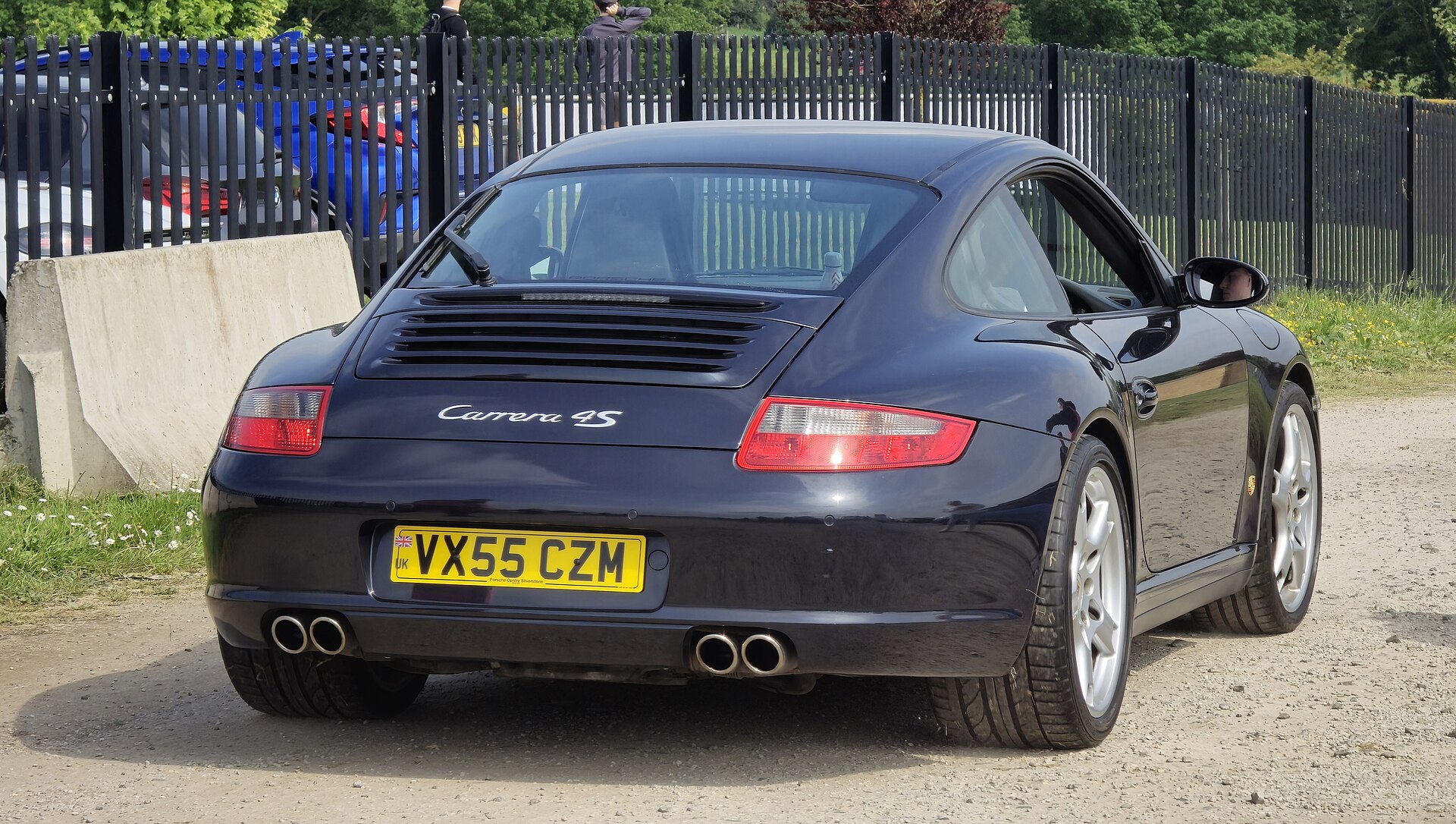
Trunk Space and Storage Practicality: More Than You'd Think
The 911's front trunk (frunk) holds approximately 12-14 cubic feet of storage. That's enough for two sets of golf clubs, a week's worth of groceries, or both kids' sports equipment. Unlike mid-engine supercars, which have nearly zero usable storage, the 911 can actually function as a car for errands. You can make a Costco run. You can transport luggage for a weekend trip. You can pick up a car seat for a child.
This changes the ownership calculus completely. While you still wouldn't want to move houses, you can actually use a 911 for normal life activities that a mid-engine supercar simply cannot accommodate.
Reliability for Daily Driving: Surprisingly Solid
The 911 has become genuinely reliable by exotic car standards. Modern 911 models (2012 onward) are far less temperamental than their predecessors. The turbo-charged engines are proven platforms with millions of hours of real-world use. The dual-clutch transmission, while complex, is mature and stable.
Common issues to monitor:
- Dual-Clutch Transmission shuddering: Rare on modern cars, but monitor for any hesitation or jerking in low-speed driving.
- Electric parking brake issues: Some models have had intermittent EPB failures, easily resolved at dealer.
- TPMS sensor failures: Common on Porsches across the lineup, not critical but annoying.
- PDK transmission fluid changes: Required every 20,000 miles at a dealer ($500-$1,000 per service).
- Coolant line leaks: Rare, but the aluminum construction can develop slow leaks if maintenance is deferred.
Overall, assuming you maintain the car properly and perform recommended services at a Porsche dealer or qualified independent shop, the 911 is more reliable than most luxury cars and dramatically more reliable than most supercars. Engine failures are exceptionally rare on modern 911s.

Fuel Economy and Running Costs: Better Than You'd Expect
A modern 911 Carrera achieves 20-23 mpg combined on the EPA cycle. The Turbo, despite its extra power, achieves 20-28 mpg depending on driving style and conditions. This is genuinely competitive with performance cars like the BMW M440i and actually better than older Corvette models.
Annual running cost breakdown for a 911 Carrera S:
| Expense Category | Annual Cost | Notes |
|---|---|---|
| Insurance | $2,000–$4,000 | Varies by age, location, driving record |
| Routine Maintenance | $2,000–$3,500 | Oil changes, inspections, fluid service |
| Fuel | $2,000–$3,000 | 20–28 mpg combined; 91+ octane required |
| Tires (amortized) | $1,200–$2,000 | Replacements every 20K–30K miles |
| Brakes (amortized) | $800–$1,500 | Carbon ceramics available; pads every 30K+ miles |
| Registration & Taxes | $1,000–$2,500 | State-dependent |
| Total Annual Running Cost | $7,000–$14,500 | Excludes depreciation & major repairs |
Compare this to the $13,500-$26,000 annual running cost of a Huracan, and the 911 is genuinely economical for a supercar. Your actual monthly cost depends heavily on how much you drive, but a commuter driving 12,000 miles annually would pay roughly $583-$1,208 per month in running costs — competitive with luxury sedan ownership.
Weather Capability: AWD Models Are True All-Weather Cars
The Carrera 4 (all-wheel drive) variant is one of the only supercars genuinely capable of handling snow and ice. With modern winter tires, a 911 Carrera 4 can tackle winter commuting more confidently than many luxury sedans. The traction control is sophisticated, the weight distribution is excellent, and the power is manageable.
The rear-wheel drive models (Carrera S, Turbo S) require more caution in wet weather and are genuinely dangerous in snow. If you live anywhere with winter precipitation, the Carrera 4 is not a luxury upgrade — it's a necessity for daily driving safety.
Ground Clearance and Speed Bumps: A Real Consideration
This is where the 911 struggles as a daily driver. Ground clearance is approximately 4.5 inches, which is identical to a sports sedan but lower than a luxury SUV or even many regular cars. Speed bumps are a genuine concern. Steep driveway aprons can be problematic. Off-road parking lots with significant slopes should be avoided.
If your daily route involves multiple speed bumps, a rough parking lot, or constant elevation changes, the 911 is genuinely stressful to daily drive. Many owners report avoiding certain routes to prevent scraping. Some install front splitter protectors or learning to approach obstacles at extreme angles.
If your typical route is smooth highways and smooth parking, this is a non-issue. If you navigate rough terrain regularly, this becomes genuinely limiting.
Technology Features for Daily Driving: Genuinely Useful
Modern 911s feature:
- Apple CarPlay and Android Auto: Essential for navigation and communication
- Adaptive cruise control: Makes traffic jams far more tolerable
- Automatic climate control: Works reliably and intuitively
- Porsche Communication Management: Intuitive, fast, and stable — unlike many exotic infotainment systems
- Blind-spot monitoring: Critical given the compromised visibility
- Park assist: Invaluable given the car's width (1,852 mm, or about 73 inches)
The technology integration is genuinely useful, not just a gimmick. You won't spend 10 minutes figuring out how to make a phone call or adjust the climate.
Long-Distance Touring: The 911's True Strength
If daily driving means occasional 400-500 mile road trips, the 911 Carrera S or Turbo is genuinely superior to most alternatives. The comfortable seats hold you for 6-8 hours. The cruise control reduces fatigue. The fuel range (400+ miles per tank) means reasonable fill-up intervals. The trunk accommodates luggage for week-long trips.
The GT3, conversely, becomes genuinely painful on such drives. The stiff suspension, hard seats, and loud exhaust transform a 500-mile trip into endurance torture.
Parking in Tight Spaces: Challenging But Manageable
The 911 is 73 inches wide (with mirrors: 85 inches). Parking in tight spaces is a white-knuckle exercise. Most standard parking spaces are 96 inches wide — just barely enough for the 911 with a few inches to spare on each side. Compact spaces are impossible.
Modern features like park assist and 360-degree cameras help dramatically. But parking remains stressful in urban environments. You'll find yourself parking at the far end of lots or avoiding tight underground garages. This isn't a deal-breaker for daily driving, but it's a constant low-level annoyance.
Insurance Costs: Reasonable for a Supercar
Insurance on a 911 Carrera S runs $2,000-$4,000 annually depending on age, location, driving record, and coverage levels. This is remarkably reasonable — actually cheaper than many luxury SUVs when you account for the car's value.
Compare this to $4,000-$8,500 for a Lamborghini Huracan or Ferrari 488, and the 911 is genuinely economical to insure. Your actual quote will depend on your specific situation, but budget $200-$350 per month as a reasonable estimate.
Depreciation as a Daily Driver: Holding Value Better Than You'd Think
The 911 is legendary for value retention. A 2021 Carrera S purchased for $100,000 will likely be worth $80,000-$85,000 in 2026, despite five years of ownership and 50,000+ miles. That's depreciation of roughly $3,000-$4,000 per year.
High-mileage daily-driver 911s depreciate faster than garage queens, but not dramatically so. A 911 with 100,000 genuine miles and full service history often commands only 15-20% less than one with 40,000 miles, a gap much smaller than most cars.
This means daily driving a 911 costs less per mile than daily driving most performance cars. The combination of strong value retention, reasonable fuel economy, and manageable maintenance creates surprisingly affordable long-term ownership.
Best 911 Variants for Daily Driving: Tier Ranking
| 911 Variant | Daily Driver Rating | Comfort | Practicality | Annual Cost |
|---|---|---|---|---|
| Carrera S (Coupe/Targa) | 9/10 | Excellent | Good | $7K–$10K |
| Carrera 4 / Carrera 4S | 9/10 | Excellent | Good | $7.5K–$11K |
| Turbo | 8/10 | Very Good | Good | $8K–$12K |
| Carrera Cabriolet | 7/10 | Good | Good | $7.5K–$11K |
| GT3 | 5/10 | Poor | Adequate | $8K–$13K |
| GT3 RS | 2/10 | Very Poor | Minimal | $9K–$14K |
The Carrera S with all-wheel drive is the tier-1 daily driver choice. You get all the performance you need for genuine excitement, the comfort necessary for daily driving, and the traction control for any weather. It's the sweet spot between thrilling and practical.
The Carrera 4 makes similar sense if you live in a cold climate. The all-wheel drive system adds maybe $2,000 to annual costs but could prevent a crash or keep you from getting stuck.
The Turbo deserves serious consideration. Its extra power doesn't compromise comfort, it actually improves some aspects of handling, and for those who prioritize performance over everything else, the Turbo is a legitimate daily driver.
The GT3 and GT3 RS are fundamentally track cars forced into road-legal bodies. Daily driving them is possible but masochistic. The stiff suspension, aggressive aerodynamics, and extreme focus on track performance make them genuinely unpleasant for commuting or casual driving.
How the 911 Compares to Other Daily-Drivable Exotics: Head-to-Head Analysis
The 911 is not the only supercar capable of daily driving, but it's the only one genuinely designed for it. Here's how it stacks up:
| Category | 911 Carrera S | Lamborghini Huracan | Ferrari F8 | Mercedes-AMG GT |
|---|---|---|---|---|
| Rear Seats | Functional | Marginal | None | Marginal |
| Trunk Space | 12–14 cu ft | 5–8 cu ft | 2–3 cu ft | 6–8 cu ft |
| Comfort (Comfort Mode) | Excellent | Good | Good | Very Good |
| Daily-Drive Comfort (Extended) | 8+ hours | 6+ hours | 5+ hours | 7+ hours |
| Fuel Economy | 22–28 mpg | 13–17 mpg | 14–18 mpg | 18–25 mpg |
| Annual Maintenance | $2K–$3.5K | $3K–$5K | $4K–$7K | $2.5K–$4K |
| Reliability (Daily Use) | Very Good | Good | Good | Very Good |
| Depreciation (5-Year) | ~18% | ~22% | ~25% | ~20% |
The 911 wins on practicality, fuel economy, maintenance costs, and value retention. The Huracan offers more visceral sound and raw excitement. The Ferrari offers more prestige. The Mercedes offers slightly better performance and reliability. But for pure daily-driving capability, the 911 is unmatched.
Find Your Perfect 911 for Daily Driving
Automonitor connects you with certified 911 specialists who understand daily-driving requirements. Get pre-purchase inspections and real market data.
Explore 911 Inventory →Maintenance Reality for Daily Drivers: What Actually Costs Money
The Porsche factory maintenance schedule is reasonable but not cheap. A full service every 10,000 miles runs $700-$1,200 depending on whether an oil change is due. Major services every 40,000 miles run $2,000-$3,500.
The good news: 911s are fundamentally reliable, so unexpected repairs are less common than with other supercars. The bad news: when something does go wrong, Porsche dealer rates are premium ($150-$200 per hour).
Recommended approach: use an independent Porsche specialist after the initial warranty expires. Specialists typically charge $100-$130 per hour versus $150-$200 at dealers, and they know the 911's quirks intimately. They can diagnose and fix issues faster, saving money on labor.
The Daily Driving Reality Check: Is Your Life Conducive to 911 Ownership?
Before committing to a 911 as your daily driver, honestly assess:
- Parking situation: Do you have a garage, or must the car sit on the street? Exterior storage accelerates aging.
- Road conditions: Are your commute routes smooth highways or rough city streets with potholes and speed bumps?
- Climate: Do you face salt-belt winters? Salt is the 911's worst enemy. An annual undercarriage wash is mandatory.
- Commute distance: Under 30 miles one-way? The 911 excels. Over 60 miles daily? You might find the commute tedious.
- Household composition: Do you need to transport passengers regularly? The 911's rear seats help but aren't ideal for regular child seat usage.
- Financial stability: Can a $10,000 unexpected repair be handled without financial stress?
If you answer yes to garage parking, smooth roads, reasonable commute distance, and financial security, the 911 is a genuine daily-driving option. If multiple answers are no, consider whether this is truly practical or an indulgence masquerading as practicality.
Frequently Asked Questions About 911 Daily Driving
Can you really daily drive a 911?
Yes, a Carrera S or Turbo can genuinely be daily driven. Thousands of owners do so successfully. The 911 is uniquely designed for this use case, with adequate comfort, rear seats, trunk space, and reliability. The GT3 and GT3 RS are not practical daily drivers despite being technically road legal.
How often do 911s need maintenance?
Every 10,000 miles for standard service ($700-$1,200), with major services every 40,000 miles ($2,000-$3,500). That's more frequent than typical cars but far less than older exotic cars. The PDK transmission needs fluid changes every 20,000 miles, which adds roughly $500-$1,000 per service.
What's the fuel economy of a daily-driven 911?
Expect 20-23 mpg on the EPA combined cycle for a Carrera, and 20-28 mpg for turbocharged models. Real-world economy depends heavily on driving style. Spirited driving drops efficiency; highway cruising improves it. Budget $2,500-$3,500 annually for fuel on a 12,000-mile annual mileage.
Is a 911 Carrera S or Turbo better for daily driving?
The Carrera S is simpler to maintain and slightly more efficient. The Turbo offers better performance and slightly more comfort. For pure daily driving, the Carrera S is the more practical choice. For someone who wants maximum performance without sacrificing daily-drive capability, the Turbo is worth the extra cost.
Should you buy a new or used 911 for daily driving?
Used 911s with 30,000-60,000 miles are the sweet spot. They're past the steepest depreciation curve, often have service history, and come with warranty coverage from authorized dealers. A used 2021-2022 Carrera S typically costs $80,000-$100,000 versus $130,000+ for new. The depreciation advantage is significant, and reliability is excellent at this mileage.
Automonitor's Recommendation
The Porsche 911 Carrera S with all-wheel drive is the best daily-drivable supercar. It delivers legitimate exotic performance without requiring you to sacrifice comfort, practicality, or reliability. It holds its value better than any competing exotic. It won't bankrupt you with maintenance. The all-wheel drive ensures traction in any weather. The rear seats provide occasional passenger capacity. The trunk accommodates real luggage.
The 911 isn't the raw thrill of a Lamborghini Huracan or the prestige of a Ferrari. But for someone who actually wants to drive a supercar every single day without constantly managing impracticality, the 911 is the logical choice.
The key variables are your specific situation: parking situation, climate, road conditions, and genuine daily-driving needs. If you have garage parking, a reasonable commute on smooth roads, and the financial means to handle unexpected repairs, a 911 Carrera S is genuinely practical. If you live in a snow-belt region, the Carrera 4 is the necessary choice.
Avoid the GT3 for daily driving. It's engineered as a track car first, road car second. The GT3 RS is legitimately one of the worst daily drivers in Porsche's lineup, despite being technically usable.
If you're serious about 911 ownership as a daily driver, Automonitor can help navigate the buying process, arrange comprehensive inspections, and provide real market data to ensure you're making an informed decision. We've helped hundreds of buyers find the right 911 variant for their lifestyle, and we'll ensure your purchase is the right one.
Ready to Find Your 911?
Automonitor sources from 200+ verified Porsche dealers. Get real market data, professional inspections, and expert guidance for your 911 purchase.
Start Your 911 Search →