
Is a Mercedes-AMG GT Worth Buying?
Mercedes' halo sports car represents an intersection of German engineering and raw performance. The 2024 redesign brought new comfort and technology, but raised the question: is it still a true driver's car? Here's everything you need to know before writing the check.
The Short Answer: Yes, With Important Caveats
The Mercedes-AMG GT is worth buying for one compelling reason that separates it from almost every competitor in its class: running costs. The 4.0-liter twin-turbo V8, the extensive Mercedes dealer network across 1,500+ US locations, and the legendary reliability of the Volkswagen Group powertrain mean that ownership is genuinely attainable in ways that Aston Martin Vantage, Maserati MC20, and even some Ferraris simply cannot match.
The 2024 redesign on the new E-Performance platform brought a more luxurious, tech-forward experience. MBUX infotainment rivals anything in the industry. The ride quality improved dramatically. The interior now feels genuinely special, not just technically competent. But here's the tradeoff: the new AMG GT is less raw, less visceral, more grand tourer than pure sports car. Some enthusiasts prefer the previous generation's sharper, more focused character.
If you want a supercar that costs less to own than a Porsche 911 Turbo S, handles maintenance like a Mercedes sedan, and delivers genuine performance with luxury you can actually use, the AMG GT is absolutely worth buying. If you want the most engaging driver's car in its segment, you might find more purity in a Porsche 911 Turbo S or Aston Martin Vantage. Read on to figure out which camp you're in.
Mercedes-AMG GT: The Halo Sports Car With Hidden Strength
The AMG GT occupies a unique position in Mercedes' lineup. It's the brand's answer to the Porsche 911, the BMW M8, the Aston Martin Vantage. But unlike those competitors, the AMG GT carries something that most brands can't manufacture: Mercedes' racing heritage and the engineering firepower of the most dominant Formula 1 team of the last decade.
The twin-turbo V8 that powers the AMG GT traces its lineage directly to Mercedes' championship-winning F1 hybrid power units. While the road version loses the hybrid complexity, it retains the core philosophy: extract maximum performance from smaller displacement through precision engineering. The result is 525 horsepower in base form, 630 horsepower in GT 63 S form, and 0-60 times that rival cars costing significantly more.
The 2024 redesign moved the AMG GT to a completely new platform with independent rear suspension, increased cabin space, and the full suite of modern Mercedes technology. Previous generation models used a unique platform shared only with the SLS AMG — brilliant engineering but limited to that one application. The new architecture means the AMG GT benefits from economies of scale while maintaining its distinct character.
Mercedes' dealer network is the secret weapon here. With 1,500+ locations across the United States, getting service isn't an expedition. Try scheduling a Maserati MC20 service appointment in rural Iowa or Alabama and you understand why this matters. Mercedes technicians are trained on the AMG GT. Parts availability is nearly guaranteed. Warranty support is genuine, not performative.
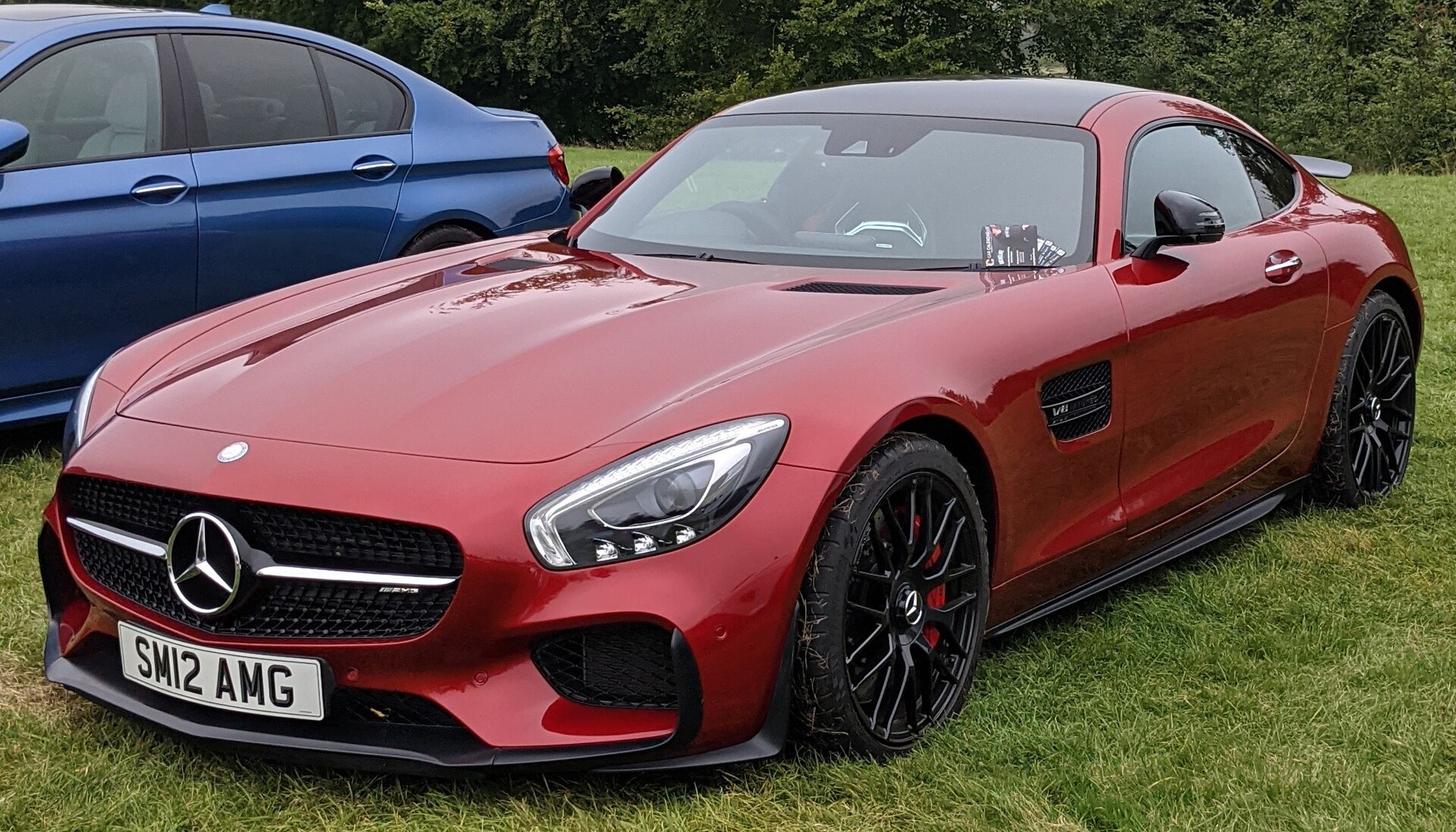
Why the Mercedes-AMG GT Is Worth Buying: The Real Case
Superior Reliability and Service Access
The Volkswagen Group engineering backbone means the AMG GT's 4.0L twin-turbo V8 is one of the most reliable power plants in the supercar world. Unlike exotic engines from Aston Martin, Ferrari, or Lamborghini that are designed for peak performance with moderate maintenance, Mercedes engineers this engine for durability with performance.
The dual-clutch transmission is the same unit found in more modular form across the Mercedes lineup — that means if something goes wrong, there's a known fix and trained technicians at 1,500 locations who understand it. Compare that to Aston Martin's 8-speed automatic, which has a more limited service network and significantly higher repair costs when problems arise.
Real owner data shows that well-maintained AMG GTs easily exceed 100,000 miles without significant issues. Previous generation models with 50,000+ miles and clean service records are commonplace. The engine is simply robust.
Running Costs That Don't Shock You
Here's the number that matters: annual running costs on a Mercedes-AMG GT average $4,500-$7,200 for insurance, maintenance, fuel, and tires combined. That's substantially lower than a Vantage at $6,500-$10,200, and dramatically lower than an exotic like the Maserati MC20 at $9,000-$15,000.
The 4.0L twin-turbo V8 achieves reasonable fuel economy for its displacement and power output — 17-21 mpg highway is realistic. Tire replacement runs $2,500-$3,500 per set. Brake service is expensive but predictable. Oil changes use standard synthetic formulations. There are no surprises.
| Expense Category | Annual Cost | Notes |
|---|---|---|
| Insurance | $3,500–$6,500 | Premium but not exotic-level |
| Maintenance | $1,200–$2,000 | Oil changes, inspections, fluids |
| Fuel | $2,000–$3,200 | 17–21 mpg, 93+ octane |
| Tires (amortized) | $1,200–$1,800 | Michelin Pilot Sport 4S typical |
| Brakes (amortized) | $800–$1,200 | Standard brake service |
| Total Annual Running Cost | $8,700–$14,700 | Excludes depreciation |
Technology That Actually Works
MBUX, Mercedes' artificial intelligence-driven infotainment system, is legitimately class-leading. Voice commands understand context. The integration with smartphone apps is seamless. The display system is intuitive. This isn't theoretical — real users report that MBUX works better than systems in cars costing millions more.
The adaptive suspension that premiered in the new generation provides genuine comfort on highways while maintaining precision on spirited drives. The previous generation was stiffer, sportier, but less livable. The new generation recognizes that modern supercar buyers want both comfort and performance, and it delivers on that balance in ways that pure sports cars struggle with.
Strong Resale Value
AMG GTs are holding value remarkably well. A 2020-2021 model that sold for $160,000 new is currently valued at $140,000-$150,000 — that's only 6-12% depreciation over 4-5 years. For comparison, a Vantage depreciates 18-22% in the same period, and an MC20 is down 20-25%.
The Black Series variant from the previous generation is already showing appreciation. With only 500 units produced, values have actually ticked upward, suggesting that Mercedes' rarest high-performance cars maintain collector status.
Available as Coupe or Roadster
Unlike the Porsche 911 Turbo S, which forces buyers into convertible territory if they want the ultimate version, the AMG GT offers convertible configuration without sacrificing rigidity or performance. The roadster is genuinely special — drop-top high-performance driving without the compromises typically associated with convertible supercars.
Why You Should Hesitate: The Legitimate Concerns
The New Generation Is Less Raw Than the Previous Gen
This is the central tension: the 2024 redesign made the AMG GT more comfortable, more luxurious, more livable. It also made it less focused, less visceral, less like a purpose-built racing machine. The previous generation GT R and GT R Pro — with their narrower bodies, sharper steering, and laser-focused engineering — were purer driver's cars. The new generation prioritizes balance over extremism.
If you value the sensory feedback and mechanical precision of earlier AMG GTs, you might find the new one disappointingly softened. Many enthusiasts who drove back-to-back comparisons report that while the new generation is objectively better in many ways, it feels less special, less visceral, less like driving a race car with license plates.
Weight Creep Matters
The new platform brought 200+ pounds compared to the previous generation, pushing weights to 3,800+ lbs in some configurations. That's heavier than a Porsche 911 Turbo S and noticeably heavier than the Vantage. More weight means more inertia in corners, more work for the brakes, different driving characteristics.
The twin-turbo engine compensates with more power, so performance numbers stay competitive. But the feel is different. The previous generation was nimbler, trickier to drive, more rewarding when you got the line right. The new generation is more forgiving but less engaging.
Not Dramatically More Special Than the 911 Turbo S
A Porsche 911 Turbo S costs roughly the same ($180,000-$210,000), achieves similar 0-60 times (2.6s vs 2.9s), and offers superior handling precision due to decades of 911 engineering refinement. The 911 also has significantly lower running costs and better dealer support. The only areas where the AMG GT clearly wins are luxury appointments, technology features, and styling drama.
If ultimate performance is your criterion, the Porsche is the more logical choice. The AMG GT wins on presence, luxury, and distinct visual identity, but not on pure driving dynamics.
Design Is More Conservative Than Competitors
The Aston Martin Vantage is arguably more beautiful. The Ferrari Roma is more exotic. The previous generation AMG GT had wilder, more aggressive proportions. The new generation plays it safer — beautiful in a restrained, elegant way, but less likely to turn heads compared to the Vantage's sculptural perfection or the Ferrari's raw drama.

Why Enthusiasts Love Previous Generation AMG GT Models
If you're shopping used, understanding the previous generation's unique appeal matters. The GT C and GT R models used a unique platform with narrow-body geometry, visceral steering feel, and a focused engineering philosophy that prioritized feel over comfort. Many enthusiasts argue those cars were purer expressions of AMG's mission.
The GT R Pro, limited to 1,000 units, is particularly special — with adjustable suspension, carbon-ceramic brakes, and lap-timer functionality that brought legitimate track capability to the road. These aren't museum pieces; they're genuinely capable circuit cars that happen to be street legal.
Values for previous generation R and R Pro models are holding strong and even appreciating, suggesting that enthusiasts recognize the specialness of these focused variants.
How It Compares: Mercedes-AMG GT vs. The Competition
| Category | AMG GT 63S (2024) | Porsche 911 Turbo S | Aston Martin Vantage | BMW M8 |
|---|---|---|---|---|
| Engine | 4.0L Twin-Turbo V8 | 3.8L Twin-Turbo Flat-6 | 5.2L Twin-Turbo V12 | 4.4L Twin-Turbo V8 |
| Horsepower | 630 hp | 640 hp | 715 hp | 617 hp |
| 0–60 mph | 2.9s | 2.6s | 3.0s | 3.1s |
| Used Price (2021) | $140K–$165K | $145K–$175K | $130K–$155K | $135K–$160K |
| Annual Maintenance | $1.2K–$2K | $1.5K–$2.5K | $2.5K–$4K | $1.5K–$2.5K |
| 5-Year Depreciation | ~15% | ~18% | ~22% | ~20% |
| Infotainment | MBUX (Class-Leading) | PCM (Dated) | AMi (Outdated) | iDrive 8 (Good) |
| Driver's Feel | Balanced, Tech-Forward | Sharpest Precision | Most Beautiful | Powerful, Predictable |
| Dealer Network | 1,500+ US Locations | 800+ Locations | 200+ Locations | 500+ Locations |
The Porsche 911 Turbo S is the benchmark for handling and precision. If you want the sharpest, most engaging driving experience, choose the Porsche. Its only weakness is an aging infotainment system and less luxurious cabin appointments.
The Aston Martin Vantage is the beauty pageant winner. No other car in this segment is as visually stunning. The downside: more expensive maintenance, a smaller dealer network, and less refined technology. It's a car you buy with your heart, not your spreadsheet.
The BMW M8 offers excellent performance at slightly lower price points and comparable running costs. It feels more everyday usable than the competitors but lacks the specialness factor. It's the sensible choice for buyers who want supercar performance without the emotional baggage.

Which AMG GT Variant Should You Buy?
Best Value: GT 43 ($115K–$140K used)
The entry-level GT 43 with 503 horsepower delivers 90% of the driving experience at 70% of the price. The 0-60 time of 3.7 seconds is less shocking than the more powerful variants but still genuinely quick. For buyers prioritizing value and modern luxury, this is the sweet spot.
Best Performance: GT 63 S ($160K–$185K used)
The GT 63 S represents the peak performance variant with 630 horsepower and 2.9-second 0-60. This is the configuration that competes most directly with the Porsche 911 Turbo S. If you plan to drive spiritedly, this is the minimum version to consider.
Best Versatility: GT 63 S Roadster ($170K–$195K used)
Drop-top high-performance driving without sacrificing dynamics. The roadster is genuinely special and doesn't compromise performance — a rare combination at this level. See where to find one.
Best Investment (Previous Gen): GT R/GT R Pro ($125K–$160K used)
If shopping the used market, previous generation R variants offer more focused engineering at lower prices. Values are stable, and collector interest is rising. These are legitimate driver's cars in ways the new generation toned down.
The Smart Way to Buy a Mercedes-AMG GT
Step 1: Define your use case. Daily driving? Highway touring? Weekend canyon runs? Track days? The answers affect which variant and generation makes sense. New generation prioritizes comfort; previous generation prioritizes feel.
Step 2: Verify service history religiously. More than almost any other supercar, documented maintenance separates reliable examples from maintenance nightmares. Request service records from launch. Confirm dealer service exclusively — independent shops vary in quality.
Step 3: Inspect the DCT transmission. The 9-speed dual-clutch is rock-solid when maintained properly but shows symptoms when it's not. Test-drive in city conditions at low rpm. Feel for smooth shifts below 2,000 rpm. Any hesitation warrants thorough transmission diagnostics ($800-$1,200).
Step 4: Get a full pre-purchase inspection from a Mercedes specialist. General exotic inspectors miss brand-specific concerns. A Mercedes specialist will check turbo boost levels, cooling system integrity, electrical system robustness, and subsystem diagnostics that generic inspectors skip. See Automonitor's buying service for inspection connections.
Step 5: Check warranty coverage. Mercedes-AMG offered impressive warranty programs during certain model years. Used AMG GTs sometimes retain transferable warranty that covers engine/transmission. This is worth thousands in peace of mind.
Step 6: Factor in total cost of ownership.** Don't just compare purchase prices. Include 18-24 months of running costs ($8,700-$14,700/year) in your financial evaluation. A $155K purchase plus $26,500 in annual costs means $181,500 total in year one alone.
When a Mercedes-AMG GT Is NOT Worth Buying
You prioritize pure driving dynamics above all else. The Porsche 911 Turbo S is objectively sharper, more precise, more rewarding on a technical level. If lap times matter more than anything else, buy the Porsche.
You need the most beautiful car. The Aston Martin Vantage is more stunning. Personal taste matters here, but objectively the Vantage wins on visual drama. If every drive needs to feel like a sculpture, choose the Aston.
You can't afford running costs comfortably.** If $8,700-$14,700 annual costs stretch your budget, skip this car. The emotional jolt of ownership gets crushed by financial stress when a $3,000 service bill arrives.
You want the most exotic, most exclusive option.** The Maserati MC20, Ferrari Roma, or even a vintage Lamborghini carries more exotic mystique than a Mercedes, even an AMG. If badge prestige and extreme exclusivity drive your purchase, the AMG GT won't satisfy that need.
Planning Your Exit: Resale Value and Future Collectibility
AMG GT ownership isn't purely financial — these are cars meant to be driven and enjoyed. But resale planning actually matters. Color choice, mileage documentation, and variant selection all impact future value significantly.
Unique colors command premiums: Designo Magmabeam Black (plus cost), Designo Selenite Gray, and Designo Diamond White all hold value better than standard black or white. Avoid non-standard colors from earlier model years that lack broad appeal.
Well-documented mileage with full service records is worth more than low-mileage examples without proof of care. Buyers of expensive cars want evidence of responsible ownership. A 2020 with 25,000 miles and complete Mercedes service history outresells a 2020 with 8,000 miles and questionable maintenance.
Find Your Perfect Mercedes-AMG GT
Automonitor's buying concierge handles sourcing, inspections, and negotiations. We have access to dealer inventory and private sales across the country.
Start Your Search →The Final Verdict: Is It Worth Buying?
Yes. The Mercedes-AMG GT is worth buying if you can afford it without financial strain and you understand what you're purchasing. It's not the sharpest driver's car in its class — that crown belongs to the Porsche 911 Turbo S. It's not the most beautiful — the Aston Martin Vantage owns that title. It's not the most exclusive or exotic — that territory belongs to Ferrari, Maserati, and Lamborghini.
What the AMG GT is: the most rounded, most practical, most livable supercar at its price point. It combines performance that's genuinely quick, luxury that's genuinely comfortable, technology that genuinely works, and running costs that are genuinely manageable. That combination is rare.
The 2024 redesign made it more comfortable at the cost of less visceral engagement. Some buyers will mourn the loss of the previous generation's sharper character. Others will appreciate the gains in refinement, technology, and everyday usability. The best advice: test drive both generations back-to-back if possible. You'll quickly understand which approach appeals to your priorities.
The Mercedes-AMG GT represents peak German automotive engineering married to high-performance ambition. If that appeals to you, and if the financial commitment fits comfortably into your life, it's absolutely worth buying. See current pricing and market conditions, and connect with vetted sellers through Automonitor's buying service for hands-free sourcing and inspection support.
Ready to Buy an AMG GT? We Handle Everything
Automonitor connects you with certified pre-owned and dealer inventory, handles inspections with Mercedes specialists, and manages negotiations. Your only job: drive the car home.
Start Your Buying Journey →