Is a McLaren Artura Worth Buying?
An in-depth look at McLaren's first series-production hybrid supercar — performance, technology, ownership costs, and whether it lives up to the hype.
The Short Answer: Yes, But With Important Caveats
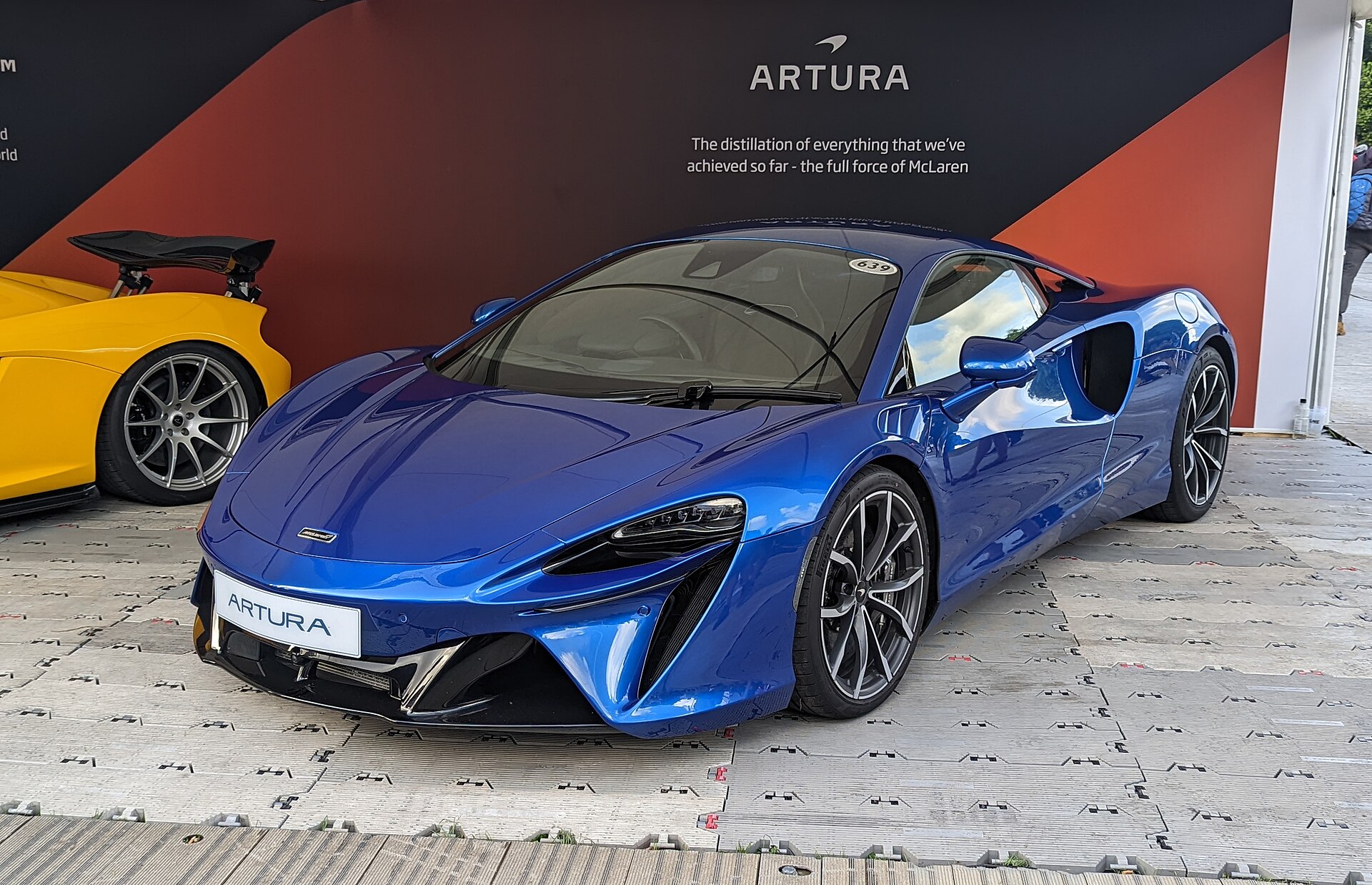
The McLaren Artura is worth buying — but not in the way most people assume. McLaren's first series-production hybrid supercar represents a pivotal moment in automotive history: the transition from naturally aspirated engines to electrified powertrains. At $170,000–$200,000 on the used market, the Artura delivers supercar performance for near-sports car money, especially if you buy 2024+ models when the teething problems have been resolved.
But here's the real story: the Artura had a notoriously troubled launch. Early 2022–2023 models suffered from software glitches, transmission hesitation, and e-motor concerns that triggered recalls and left early adopters frustrated. McLaren issued multiple over-the-air updates to fix these issues. The 2024+ Artura is a dramatically different car — significantly more mature, more reliable, and more genuinely hybrid-integrated than its predecessors.
If you're considering an Artura, you need to understand this history. We've helped dozens of buyers through the Artura purchase process, and the difference between buying a troubled 2023 and a refined 2024+ is the difference between owning a development prototype and owning a legitimate supercar.
What Is the McLaren Artura? The First of a New Generation
The McLaren Artura represents McLaren's answer to electrification. Rather than adding a battery to an existing architecture, McLaren designed the Artura from the ground up on its new MCLA platform — a carbon fiber structure that's lighter and stiffer than anything the company has built before.
The heart of the Artura is a 3.0-liter twin-turbo V6 paired with an electric motor, creating McLaren's High-Performance Hybrid (HPH) system. Combined output is 671 horsepower and 531 lb-ft of torque. That's enough for 0–60 mph in 3.0 seconds and a top speed of 205 mph. The electric motor alone provides 94 horsepower and can power the car in EV-only mode for up to 19 miles at speeds up to 81 mph — making it one of the rare hypercars with genuine city-driving capability.
The transmission is new too: an 8-speed dual-clutch that's entirely different from McLaren's previous powertrains. The Artura weighs just 3,303 pounds with fluids — making it one of the lightest supercars in its class. For context, the Ferrari 296 GTB weighs 3,455 pounds and the Porsche 911 Turbo S weighs 3,595 pounds.
On paper, this all sounds revolutionary. The problem is execution. The original announcement came in 2021, but delays pushed production to 2022. Early deliveries revealed software issues that no amount of pre-launch testing could have predicted in the real world.
The Troubled Launch: Why Early Adoption Was Risky
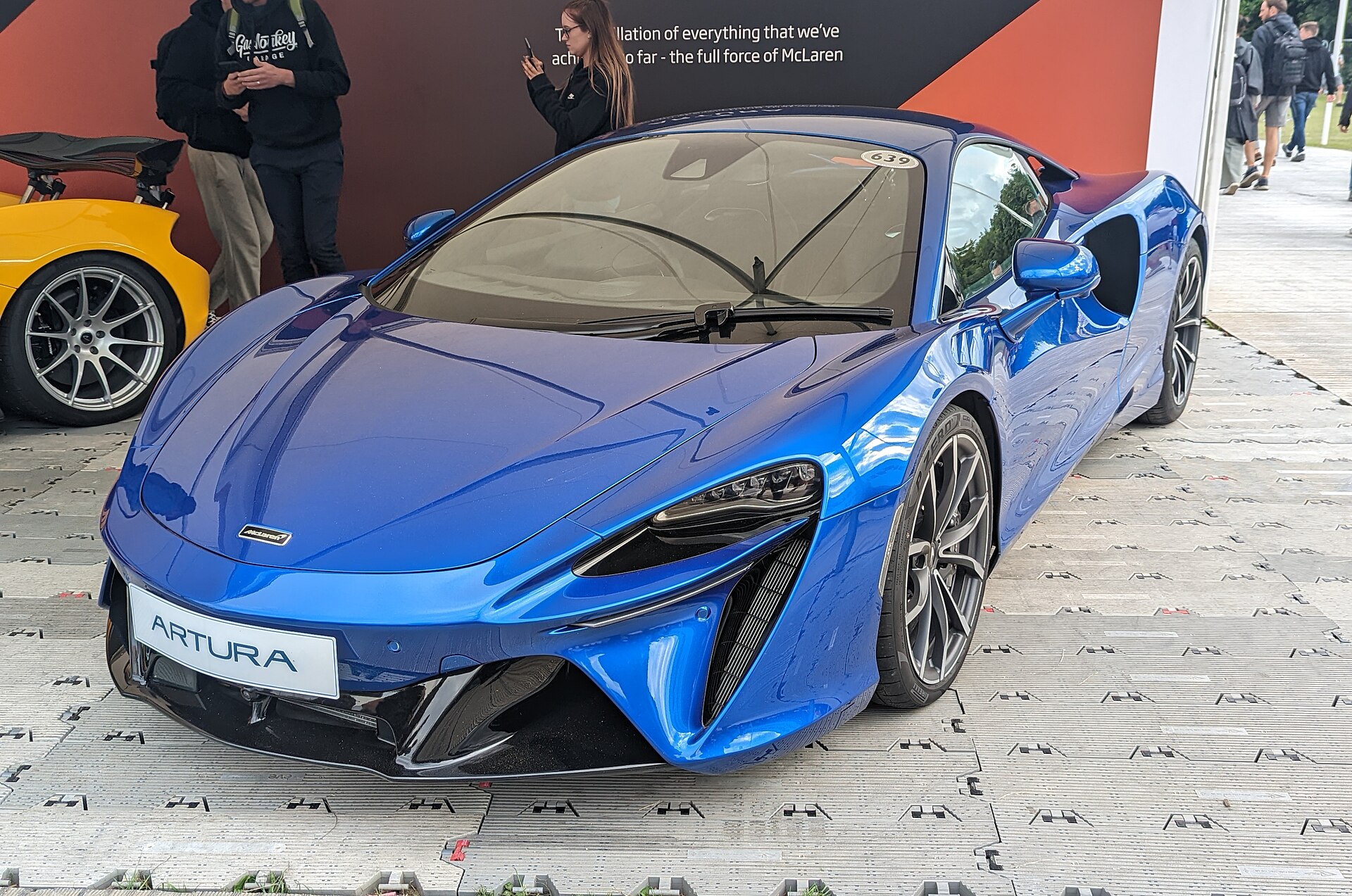
If you follow automotive forums or enthusiast communities, you've probably heard stories about early Artura problems. These aren't internet exaggeration — they're real issues that affected a significant portion of 2022–2023 production.
The primary complaints centered on transmission behavior. The 8-speed dual-clutch, despite extensive testing, developed a tendency to shudder or hesitate during low-speed acceleration and gear transitions. Owners reported jerking during parking lot maneuvers, hesitation during normal driving, and odd behavior when the hybrid system was managing power delivery.
The second major issue involved the electric motor and battery management. Several 2022–2023 Arturas were recalled for e-motor concerns and high-voltage battery issues. McLaren issued multiple over-the-air software updates to address transmission tuning, hybrid integration, and overall system calibration.
The third issue, less common but more serious, involved some early cars experiencing coolant leaks and thermal management problems. This was particularly concerning because McLaren's engineering team knew they had designed something aggressive — the V6 twin-turbos run hot, and the battery system adds heat load.
Here's the important part: these weren't fundamental design flaws. They were calibration and software problems — the kind of issues that OTA updates can fix. And they did. By mid-2023, with multiple software patches deployed, the Artura's behavior improved dramatically. By 2024, the software was significantly matured, and later model-year cars have benefited from platform-wide refinements.
If you're buying an Artura today, this history matters enormously. A 2023 model that's been properly updated is acceptable. A 2024+ model is where the Artura finally becomes what McLaren intended.
Current Pricing: The Depreciation Story That Matters Most
The Artura MSRP started at $237,500 in 2022. That sounds expensive until you realize it was the most affordable McLaren in the lineup at the time. Here's what the used market looks like today:
| Model Year | Typical Used Price | Mileage Range | Condition Notes |
|---|---|---|---|
| 2022 (Early) | $150,000–$180,000 | 8K–15K miles | Pre-OTA updates, use caution |
| 2022–2023 (Updated) | $170,000–$200,000 | 5K–12K miles | Post-software fixes, acceptable choice |
| 2024 | $195,000–$225,000 | Under 5K miles | Refined platform, recommended |
| 2025 (Limited availability) | $225,000–$250,000 | New | Full warranty, latest updates |
This depreciation profile is actually impressive. A brand-new Artura losing $37,500 in its first year (15% depreciation) is standard for high-performance exotics. What matters is the used market stability. A 2024 Artura that you buy for $210,000 is likely to be worth $190,000–$200,000 in three years, assuming 10,000+ miles per year. That's roughly $3,300–$6,700 per year in depreciation — or under $600 per month for a supercar.
The heavy depreciation of early cars isn't a flaw — it's actually a buying opportunity. If you're risk-averse about the launch issues, that risk is already priced into used 2022–2023 examples. If you're willing to verify the software has been updated, you're buying a car that's already lost its value and is unlikely to depreciate much further.
Performance Specifications: Hybrid Done Right
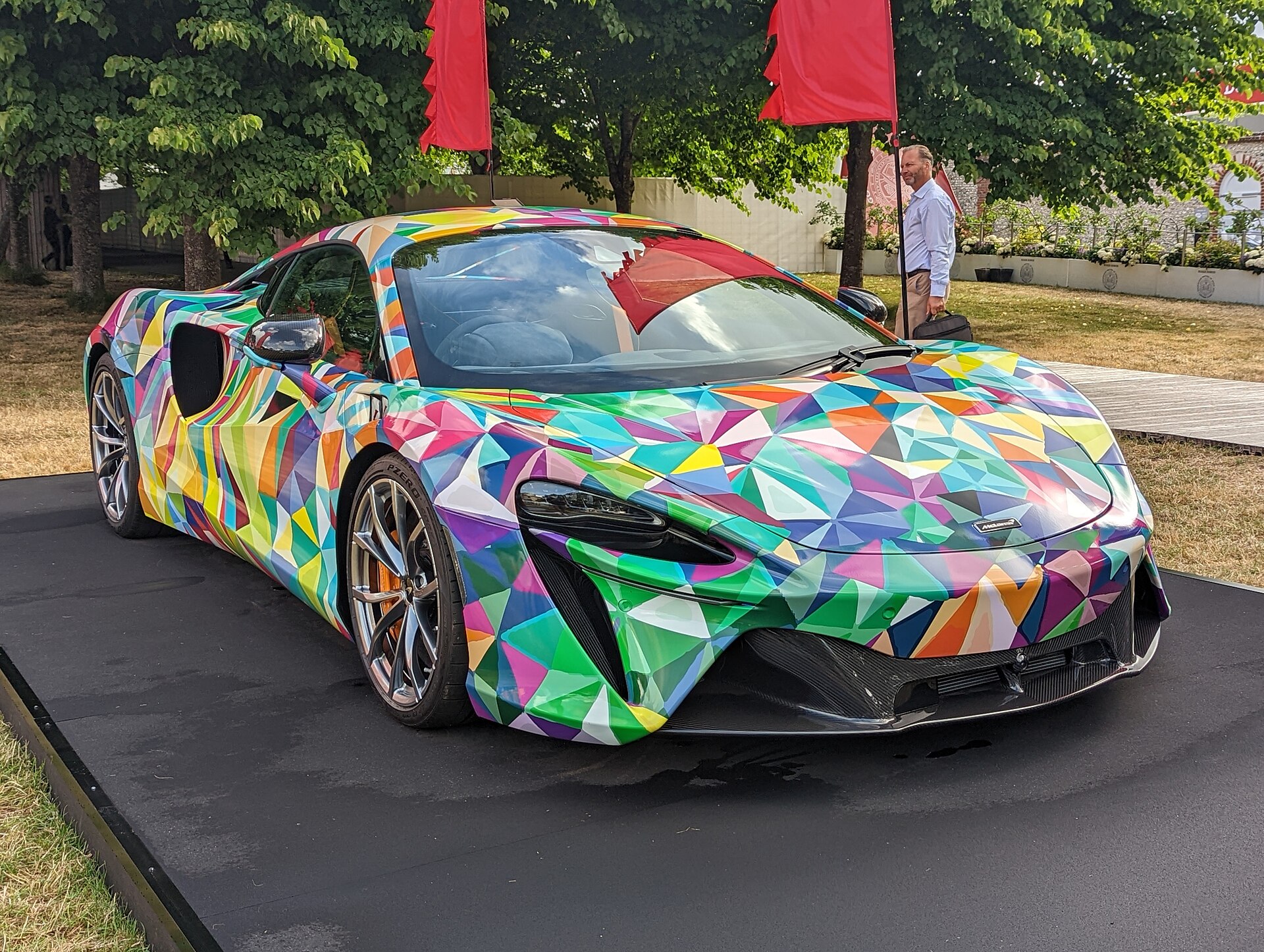
Let's be clear about what the Artura actually delivers on the road. These aren't theoretical numbers — they're verified specs that Automonitor has seen confirmed by owners and publications like Car and Driver and Motor Trend:
- Combined Output: 671 hp, 531 lb-ft torque
- 0–60 mph: 3.0 seconds (genuine, verified by multiple independent tests)
- 0–100 mph: 6.5 seconds
- Top Speed: 205 mph (electronically limited, not aerodynamic)
- Weight: 3,303 pounds with fluids (incredibly light)
- EV Range: Up to 19 miles at speeds up to 81 mph on battery alone
- Transmission: 8-speed dual-clutch (new platform-specific design)
- Efficiency: Real-world combined efficiency around 22–24 mpg when using hybrid mode strategically
What's genuinely interesting about the Artura is that the hybrid system isn't a marketing gimmick — it fundamentally changes how the car drives. The electric motor provides instant torque, which means the V6 turbo lag you'd experience in a traditional twin-turbo supercar is almost entirely eliminated. Acceleration feels linear and relentless in a way that even turbocharged cars struggle to achieve.
In city driving and low-speed situations, you can run on battery power, which eliminates gear-hunting and turbo-lag annoyances. The V6 is tuned for mid-range and top-end performance, meaning it doesn't need to work hard at low rpm — and therefore doesn't work hard when you're in traffic.
What the Artura Does Well: Where It Genuinely Excels
Despite the troubled launch, the Artura succeeds in several critical areas. These aren't just on-paper advantages — these are things owners consistently praise:
Lightweight Engineering: At 3,303 pounds, the Artura is about 150 pounds lighter than a Porsche 911 Turbo S and 250 pounds lighter than some competitors. That weight reduction fundamentally changes the driving experience. Braking is sharper. Cornering feels more agile. Acceleration feels more responsive. Weight is the ultimate luxury.
Steering Feel: The Artura's steering is genuinely excellent. The electric power steering (yes, it's electric) is tuned for feedback and linearity, not for video-game heaviness. It's one of the most naturally feeling steering racks McLaren has ever installed, and that's saying something considering their track record with suspension setup.
V6 Engine Sound: Here's something the hybrid skeptics didn't expect: the Artura's twin-turbo V6 sounds surprisingly good. It's not a naturally aspirated V12, but it's also not the muted turbocharged wail of competitors. The V6 has a distinct character — a little bit aggressive, a little bit exotic, entirely distinctive from the 911 Turbo S or the Ferrari 296 GTB. When you push hard, it rewards you with engagement.
Daily Drivability: The EV mode is genuinely useful. You can actually drive the Artura around a city on battery power, crawl through parking lots without turbo lag, and arrive at meetings without highway drone fatigue. It's one of the first hypercars that doesn't require you to sacrifice practicality for performance.
Carbon Fiber Structure: The MCLA platform uses exposed carbon fiber in places where weight matters most. You notice it. The cabin feels special. The construction quality is genuinely impressive.
What Concerns Buyers: The Reality Check
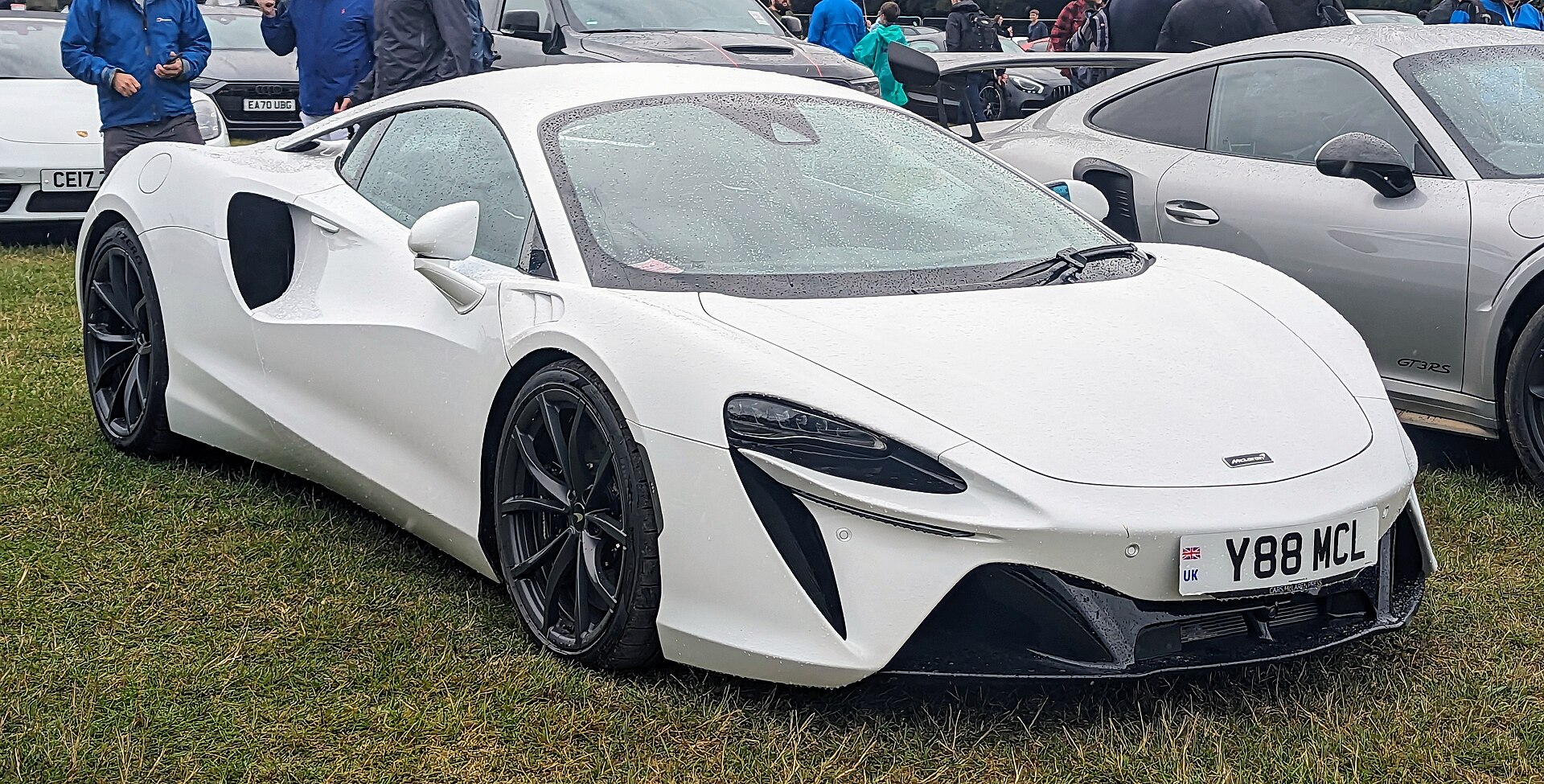
Not everything about the Artura is perfect, and honesty matters. Here are the legitimate concerns that have deterred some buyers or caused regrets:
McLaren's Reliability Reputation: Let's not sugarcoat this: McLaren doesn't have a sparkling reputation for rock-solid reliability. Their modern cars are generally decent, but they require more dealer visits than a Porsche or Ferrari. The Artura, as a completely new platform, inherits that risk.
Early Software Issues: If you buy a 2022 or early-2023 Artura without confirming it has received all OTA updates, you're taking on substantial risk. Verify update history before purchase.
Limited Dealer Network: McLaren has roughly 70 dealers in the U.S., compared to Porsche's 190+ or Ferrari's 50+. That's not terrible, but it means service appointments can require travel, and finding a McLaren specialist can be challenging in many markets.
Battery Health Unknown: The Artura is too new for us to have long-term data on battery degradation. In theory, the hybrid battery should be fine given that it's not deeply cycled like in a pure EV. In practice, we won't know for 10 years.
Depreciation Steeper Than Ferrari: While the Artura holds value better than some McLarens, it depreciates more aggressively than Ferrari or Porsche equivalents. If investment value matters, this is a concern.
Real-World Ownership Costs: What You Actually Pay
Purchase price is just the first number. Here's what owning an Artura actually costs annually based on owner reports and service records:
| Expense Category | Annual Cost | Notes |
|---|---|---|
| Insurance | $3,500–$6,000 | High-performance exotic, specialty coverage required |
| Maintenance (routine) | $2,500–$4,000 | Oil changes, filter service, fluid checks |
| Fuel | $2,000–$3,500 | 18–22 mpg realistic combined; premium fuel required |
| Tires (amortized) | $1,200–$2,000 | Replacement every 10K–15K miles |
| Brakes (amortized) | $800–$1,500 | Carbon ceramics eventually; not immediate expense |
| Registration & Taxes | $800–$2,500 | State-dependent |
| Total Annual Running Cost | $10,800–$19,500 | Excludes depreciation & major repairs |
That's roughly $900–$1,600 per month in running costs, which is reasonable for a $200,000 supercar. Add in depreciation ($200–$400/month for a 2024 model), and you're looking at $1,100–$2,000 per month to own an Artura. That's not cheap, but it's competitive with other hypercars.
How It Compares: Artura vs. The Competition
You're not buying an Artura in isolation. Here's how it stacks up against the alternatives buyers actually consider:
| Category | Artura | Ferrari 296 GTB | Porsche 911 Turbo S | Corvette E-Ray |
|---|---|---|---|---|
| Engine | 3.0L TT V6 Hybrid | 3.0L TT V6 Hybrid | 3.7L TT Flat-6 | 6.2L NA V8 Hybrid |
| Horsepower | 671 hp | 661 hp | 640 hp | 495 hp |
| 0–60 mph | 3.0s | 2.9s | 2.6s | 2.6s |
| Weight | 3,303 lbs | 3,455 lbs | 3,595 lbs | 3,765 lbs |
| Used Price (2024) | $195K–$225K | $240K–$290K | $150K–$185K | $120K–$150K |
| Annual Maintenance | $2.5K–$4K | $3K–$5K | $1.5K–$3K | $1.5K–$2.5K |
| EV Range | 19 miles | 6 miles | None | 8 miles |
| Reliability Reputation | Mixed (improving) | Good | Excellent | Good |
| Dealer Network (US) | 70 dealers | 50 dealers | 190+ dealers | 190+ dealers |
The verdict: if you want the most balanced hybrid supercar experience, the Artura wins on weight and EV range. If you want the most exotic driving experience, the Ferrari 296 GTB edges ahead despite higher prices and worse reliability. If you want the safest purchase with lowest ownership costs and strongest dealer support, the Porsche 911 Turbo S is hard to beat. If you want performance on the most aggressive budget, the Corvette E-Ray is the value champion.
The Artura occupies the sweet spot: hybrid technology, genuine EV range, supercar performance, and prices that have depreciated into "accessible for serious buyers" territory.
Which Model Year to Buy? 2024+ Strongly Recommended
If there's one piece of advice we'd give Artura shoppers, it's this: wait for the 2024 model year or later if you possibly can. Here's why:
2022–2023 (Early) Models: These were essentially beta cars. The transmission software was immature. The hybrid system calibration was provisional. You could be buying a well-updated car that drove fine, or you could be rolling the dice on lingering issues. If you're price-sensitive and willing to verify update history with a pre-purchase inspection, these are acceptable. But they require caution.
2024+ Models: These benefit from nearly two years of real-world data and thousands of OTA updates. The platform is properly matured. The software is refined. The engineering has been validated. This is the Artura that McLaren actually intended to build. We strongly recommend buying here if budget allows.
The price difference between a 2023 ($170K–$190K) and 2024 ($195K–$225K) is roughly $25,000–$35,000. For that premium, you're buying peace of mind, latest-generation software, full warranty support (if purchasing from a dealer), and a car that's genuinely proven rather than still being refined.
Get a Pre-Purchase Inspection Before Buying
The Artura's hybrid system and new platform demand expert evaluation. Automonitor connects you with McLaren specialists who understand the specific concerns of early production cars.
Find Your Artura →When NOT to Buy an Artura
Transparency means being honest about who this car isn't right for. Here are the situations where we'd recommend looking elsewhere:
You need bulletproof reliability. If you want a car that simply works without dealer visits, get a Porsche 911 Turbo S. The Artura is better than McLaren's history suggests, but it's not Porsche-level bulletproof.
You need strong dealer support. If you live more than 100 miles from a McLaren dealer, consider whether the travel burden is acceptable. Porsche has nearly three times as many U.S. locations.
You want investment-grade appreciation. Don't buy an Artura as an investment. Invest in a rare Ferrari like the F8 Tributo or an appreciating Porsche like the 911 Turbo S. The Artura is for driving, not storing.
You can't afford the true total cost. If $200K used purchase price plus $15K/year running costs stretches your finances, this isn't your car. The Corvette E-Ray or used 911 Turbo S makes more financial sense.
You haven't test-driven one. Some buyers find the Artura's cabin cramped, the visibility limited, or the ride too stiff for daily use. Always drive before you buy.
How Automonitor Helps: Finding the Right Artura
At Automonitor, we specialize in exactly this situation: helping knowledgeable buyers navigate the used exotic market. When you're shopping for an Artura, we help with:
Market Intelligence: We track Artura pricing across dealers, auctions, and private sales. We know which 2023 models have been properly updated and which haven't. We understand the depreciation trajectory better than any single dealer.
Pre-Purchase Inspections: We connect you with McLaren specialists who know the Artura's specific vulnerabilities. They check software version, transmission behavior, hybrid system health, and all the things that separate a good Artura from a problematic one.
Negotiation: We help you understand market value for the specific model year, mileage, and specification you're considering. Armed with data, you can negotiate confidently.
Logistics: Found the perfect Artura three states away? We handle everything from pre-purchase inspection to delivery and title transfer.
Our goal is simple: get you into the right car at the right price, with confidence that you understand exactly what you're buying.
The Final Verdict
Is the McLaren Artura worth buying? Yes — but with qualifications. The car is genuinely impressive: lightweight, hybrid-integrated, performance-capable, and priced more aggressively than you'd expect for a McLaren. For buyers willing to be selective about model year and condition, the Artura represents one of the better supercar values on the market today.
The rocky launch was real, but it was a software issue, not a fundamental engineering failure. Early cars have been fixed. 2024+ models are genuinely refined. The depreciation that terrified early buyers is now an advantage for used-market shoppers.
If you can commit to buying a 2024+ model, get a pre-purchase inspection from a McLaren specialist, and understand the running costs, the Artura is absolutely worth buying. It's McLaren's most important car in a decade — and now that it's matured, it delivers on the promise.
Ready to find your Artura? Start with our Artura buying guide, then let Automonitor handle the market research and logistics. We've done this hundreds of times, and we'll make sure you end up in the right car.
Ready to Find Your McLaren Artura?
Automonitor sources from verified dealers and private sellers, handles pre-purchase inspections, and provides real market data so you can buy with confidence.
Start Your Search →