
Is a McLaren 720S Worth Buying?
A comprehensive ownership analysis of McLaren's twin-turbo V8 supercar covering performance, costs, reliability, and long-term value
The Short Answer: Yes, If You Understand the Trade-Offs
The McLaren 720S is worth buying if you prioritize raw performance, lightweight engineering, and driver engagement over brand prestige and long-term value retention. This twin-turbo V8 supercar represents McLaren's most successful road model, selling over 6,000 units since 2017. The 720S sits at a unique sweet spot in the supercar market: faster than most competitors from 0-60 mph, lighter than rivals like the Ferrari F8 Tributo, and positioned in the used market where depreciation has created genuine value opportunities. But worth buying requires honest evaluation of what you're actually getting into — because the 720S comes with unique ownership challenges that separate enthusiasts from dreamers.
The critical question isn't whether the 720S is fast. It is. The question is whether its particular combination of attributes — extreme lightweight design, twin-turbo aggression, complex electronics, and steep depreciation — aligns with what you actually want from a supercar. This guide breaks down the reality.
Performance Credentials: One of the Fastest Supercars Built
The McLaren 720S produces 710 horsepower and 568 pound-feet of torque from a 4.0-liter twin-turbocharged V8 engine. That might not sound revolutionary until you understand the context: this engine displaces less than a BMW M5, yet produces nearly 100 more horsepower. The 720S achieves 0-60 mph in 2.7 seconds and reaches 0-100 mph in 5.6 seconds — making it faster in real-world acceleration than the Ferrari F8 Tributo, Lamborghini Huracan EVO, and Porsche 911 Turbo S.
The secret is weight. The 720S weighs just 2,829 pounds in dry condition — that's roughly 500 pounds lighter than a Ferrari 488 and 400 pounds lighter than most Lamborghinis. This obsessive weight reduction stems from McLaren's racing heritage. Every component was engineered to be as light as possible: carbon fiber Monocage II chassis, aluminum suspension uprights, composite body panels, and even a titanium exhaust system. The result is a power-to-weight ratio that few production cars can match.
Handling is where the 720S truly distinguishes itself. The double-wishbone suspension with active hydraulic geometry allows the car to adjust its behavior in real-time. ProActive Dynamics III combines active suspension with adjustable power steering to create a car that responds immediately to driver input. On a track, the 720S is viscerally engaging — you can feel exactly what the tires are doing, how much grip remains, where the limit is. It's not the most comfortable ride quality in the supercar segment, but it's undoubtedly the most communicative.

The Depreciation Opportunity: 40-50% Loss Creates Buyer's Market
Here's the uncomfortable truth about McLaren 720S ownership: the car has depreciated dramatically. The original MSRP for a 2017 coupe was $299,000, with Spider models starting at $315,000. Today, in early 2026, you can find 2018-2020 models with reasonable mileage for $160,000-$220,000. That's a 40-50% depreciation from MSRP — among the steepest in the supercar world.
For used buyers, this is actually excellent news. You're not buying a car at peak price. You're buying a car that has already taken the depreciation hit. A $180,000 purchase price on a 720S means you own a vehicle with performance credentials that would have cost you $299,000 new. The depreciation has already happened; your remaining depreciation risk is measured in years, not the catastrophic first-three-years drop that new buyers experienced.
Why the steep depreciation? Multiple factors. McLaren's production volume (over 6,000 units) flooded the market compared to Ferrari's exclusivity. The 720S was never positioned as a collector's car or investment vehicle — it was McLaren's "accessible" supercar, which paradoxically means it holds less value than their rare limited editions. Additionally, early-generation 720S buyers experienced electrical and hydraulic issues that damaged the brand's reputation. Used 720S prices stabilized around 2021-2022, suggesting the market has found its floor. This means a well-maintained 720S purchased today is unlikely to depreciate significantly over the next 3-5 years.
| Year/Variant | MSRP (New) | Current Market (2026) | Depreciation |
|---|---|---|---|
| 2017-2018 Coupe | $299,000 | $155,000–$180,000 | ~45% |
| 2018-2019 Spider | $315,000 | $170,000–$200,000 | ~45% |
| 2019-2020 Performance Coupe | $335,000 | $180,000–$215,000 | ~42% |
| 2019-2020 Performance Spider | $350,000 | $195,000–$230,000 | ~42% |
| 2021-2022 GT Coupe | $298,000 | $195,000–$240,000 | ~25% |
| Limited Edition (any year) | $350,000+ | $220,000–$295,000 | ~25–30% |
Ownership Costs: The Real Financial Picture
Annual running costs for a McLaren 720S break down as follows:
| Expense Category | Annual Cost | Notes |
|---|---|---|
| Insurance | $4,000–$7,000 | Varies by location, age, driving record; exotic specialty insurers required |
| Routine Maintenance | $3,000–$5,000 | Oil changes, filter replacements, fluid service every 10K miles |
| Fuel | $3,500–$5,500 | 14–18 mpg combined; premium 91+ octane required |
| Tires (amortized) | $1,800–$2,800 | Michelin Pilot Sport tires; replacement every 8K–12K miles |
| Brakes (amortized) | $1,200–$2,000 | Carbon ceramic; full replacement $12K–$16K when necessary |
| Major Service (every 10K miles) | $2,000–$4,000 | Includes transmission fluid, spark plugs, cabin filters |
| Registration & Taxes | $800–$2,000 | Highly state-dependent |
| Total Annual Cost | $16,300–$28,300 | Excludes major repairs or engine-out work |
The elephant in this table is major repairs. If your 720S requires engine-out service — whether for valve cover seal replacement, spark plug service, or transmission work — you're looking at $8,000-$12,000 in labor costs. A complete engine overhaul runs $40,000+. Most owners never experience these repairs, but the possibility exists, and insurance doesn't cover wear items.
Get a Professional Pre-Purchase Inspection
Before buying a 720S, have a certified exotic car specialist perform a thorough inspection. This typically costs $800-$1,200 and can prevent costly surprises worth tens of thousands.
Schedule an Inspection →
The Reliability Question: Electrical Gremlins and Hydraulic Concerns
McLaren's reputation for reliability has improved dramatically since the early 720S models, but it's not yet at Ferrari or Porsche levels. The most common issues reported across the 720S lineup include:
Electrical Gremlins: Some 2017-2018 models developed infotainment system failures, door actuator malfunctions, and occasional warning light glitches with no underlying problem. These are generally resolved through software updates, but they're annoying. Always test every electrical component during a test drive and check the service history for recorded electrical repairs.
Hydraulic Suspension Issues: The proactive suspension system relies on hydraulic fluid and actuators. Occasionally, these systems develop slow leaks or create erratic behavior. Early signs include uneven suspension response, unusual noises, or suspension warning lights. A specialist inspection should specifically pressure-test the hydraulic system.
Transmission Concerns: The 7-speed dual-clutch transmission is generally robust, but some owners report occasional hesitation at low speeds or shuddering during low-RPM acceleration. This is usually resolved through transmission software updates. Test-drive thoroughly between 1,000-3,000 RPM in low gears.
Cooling System: Track-driven 720S models occasionally develop coolant leaks around the radiator. Street-driven cars rarely experience this, but it's worth a pre-purchase system pressure test.
The broader context: McLaren 720S models from 2019 onward have fewer reported issues than earlier years. A 2020+ 720S should be significantly more reliable than a 2017 model. Check service records carefully — a well-maintained car is the best predictor of future reliability, regardless of brand.
How It Compares: 720S vs. Ferrari F8 vs. Lamborghini Huracan vs. Porsche 911 Turbo S
| Category | McLaren 720S | Ferrari F8 Tributo | Lamborghini Huracan EVO | Porsche 911 Turbo S |
|---|---|---|---|---|
| Engine | 4.0L Twin-Turbo V8 | 3.9L Twin-Turbo V8 | 5.2L NA V10 | 3.7L Twin-Turbo Flat-6 |
| Horsepower | 710 hp | 710 hp | 630 hp | 640 hp |
| 0–60 mph | 2.7s | 2.9s | 2.8s | 2.6s |
| Weight (dry) | 2,829 lbs | 3,273 lbs | 3,472 lbs | 3,307 lbs |
| Used Price (2019 model) | $155K–$190K | $190K–$240K | $160K–$200K | $145K–$185K |
| Annual Maintenance | $3K–$5K | $4K–$7K | $3K–$5K | $2K–$4K |
| Reliability Rating | Good (improving) | Good | Very Good | Excellent |
| Driver Engagement | Maximum | High | High | Excellent |
| Depreciation (5-year) | ~45% (already occurred) | ~28% | ~20% | ~32% |
The 720S wins on pure performance metrics — it's the fastest 0-60 car in this group (excepting the 911 Turbo S) and the lightest by a significant margin. The Ferrari F8 is faster in top speed and corners with more tradition. The Lamborghini Huracan holds its value better and offers that naturally aspirated V10 soundtrack. The Porsche 911 Turbo S is the reliability champion and the only one that works as a daily driver. Choose the 720S if raw acceleration, lightweight perfection, and value in the used market matter more than brand prestige or carefree ownership.
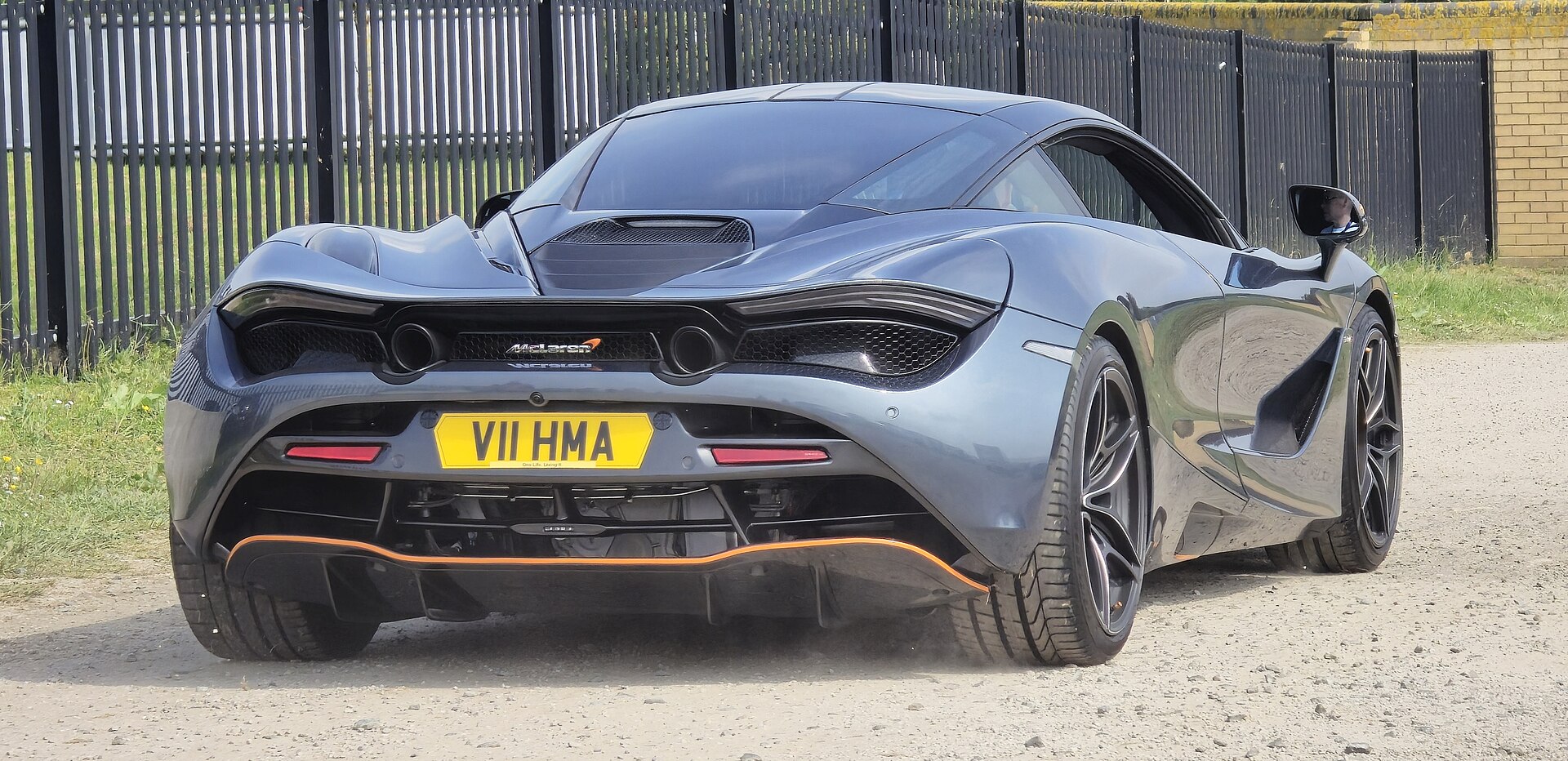
The 720S Variants: Which Model Should You Buy?
Standard Coupe/Spider: The base 720S offers the complete driving experience at the lowest entry price. There's no performance penalty here — you get the same 710 hp and 2.7-second 0-60 time as any 720S. Spiders cost $15,000-$25,000 more used but add open-air driving and minimal weight penalty.
Performance Model: Introduced for 2019, the Performance variant adds MSO (McLaren Special Operations) enhancements, upgraded suspension tuning, enhanced aerodynamics, and track-focused features. It's worth the $15,000-$20,000 premium if you plan to track the car regularly. Street-only drivers won't notice the difference.
Limited Editions: McLaren has released several limited-edition 720S variants, including the 720S GT3 (based on the race car) and the 720S Le Mans Edition. These models hold value better and are appreciated by collectors, but you'll pay a 10-15% premium. Only pursue these if exclusivity matters to you.
What Makes the 720S Special: Three Things That Stand Out
Dihedral Doors: The upward-opening doors create an unmistakable silhouette and make parking easier in tight spaces. They're not practical if you park in a garage, but they're genuinely remarkable at car shows and drive-throughs.
Best-in-Class Visibility: For a supercar, the 720S offers surprising visibility. The large windows, thin A-pillars, and well-positioned mirrors create sight lines that competitors can't match. This matters more than you'd think for daily driving and track work.
Mid-Range Punch: The twin-turbo V8 produces most of its torque between 2,000-6,000 RPM, creating an incredibly responsive power band. Unlike naturally aspirated engines that need to be revved, the 720S delivers immediate throttle response in real-world driving conditions. It feels faster than its zero-to-60 time suggests.
When NOT to Buy a McLaren 720S
Transparent advice: here are situations where a different car makes more sense.
You want worry-free ownership: The 720S will develop quirks. If you want to own a supercar and never think about mechanical details, buy a Porsche 911 Turbo S. If you're willing to accept occasional surprises, the 720S is fine.
You need dealer network support: McLaren has fewer authorized dealers than Ferrari or Lamborghini. If you live far from a major city, roadside support becomes complicated. Independent shops can service the 720S, but McLaren warranty work requires an authorized dealer.
You're stretching financially: The 720S isn't a financial strain on people comfortable with $150K-$250K car purchases. But if you're calculating whether you can afford the annual $20,000 running costs, the answer is you can't afford the car. Don't rationalize yourself into ownership of something you can't comfortably afford.
You plan to daily drive it: The 720S can be daily driven — but shouldn't be. Ground clearance is minimal (4.3 inches), and curb weight distribution means speed bumps are enemies. Parking requires precision. Winter driving requires winter tires and added caution. It's better as a 2-3 day-per-week car.
The Smart Way to Buy: A Step-by-Step Approach
Step 1: Define your budget completely. Include the purchase price plus 36 months of running costs ($16,300-$28,300/year = $49K-$85K). You should be able to afford this without financial stress. If you can't, you're not ready for 720S ownership.
Step 2: Prioritize year over mileage. A 2020 with 25,000 miles is better than a 2017 with 8,000 miles. Older 720S models had more electrical and hydraulic issues. Newer cars have benefited from McLaren's refinements and software updates.
Step 3: Get a specialist inspection. Use a McLaren specialist or exotic car mechanic, not a general Porsche or Ferrari person. The 720S has specific requirements and known failure points. The inspection should cost $800-$1,200 and take 3-4 hours.
Step 4: Review complete service history. Check that the car has been serviced at appropriate intervals (10,000 miles or annually, whichever comes first). Look for any evidence of electrical, hydraulic, or transmission work. These repairs aren't disqualifying, but you need to know about them.
Step 5: Negotiate from market data. Know what comparable 720S models sold for on Cars and Bids, Bring a Trailer, and specialty exotic dealers. Use completed auction data, not asking prices. Factor in any needed maintenance — if the car needs new tires ($2,800), brakes ($14,000), or other work, that comes off your offer.
Step 6: Secure exotic car financing early. Lenders like JJ Best Banc and Woodside Credit specialize in these vehicles. Expect 20-25% down and rates between 6-9% depending on the model year and your credit. Get pre-approved before you make an offer.
Finding Your 720S: AutoMonitor's Resources
We maintain comprehensive guides to help with every aspect of 720S ownership. Check out our guide to where to buy a McLaren 720S, including authorized dealers, specialty brokers, and auction platforms. Our best year to buy analysis breaks down which model years offer the best value. If you're weighing new versus used, our new vs. used 720S guide provides detailed cost-benefit analysis.
Comparing the 720S to competitors? Check our detailed comparisons with the Ferrari F8 Tributo, the Lamborghini Huracan EVO, and the Ferrari 296 GTB. Our complete 720S buying guide covers every aspect of the purchase process. And when you're ready to search, our exotic car buying guide walks you through due diligence steps that apply to any supercar purchase.
If you're considering other options, explore our Ferrari vs. Lamborghini comparison and guides on the Lamborghini Aventador and Ferrari Roma.
How AutoMonitor Helps: Making the 720S Purchase Process Simple
Buying a 720S without expert guidance is how people overpay or acquire problem cars. AutoMonitor connects you with verified sellers, sources cars from 200+ dealers and private collectors, and handles pre-purchase inspections through certified exotic car specialists. We monitor market pricing in real-time, so you know exactly what comparable 720S models are selling for. Our concierge service handles negotiation, inspection coordination, and transaction logistics so you can focus on making the right choice.
Use AutoMonitor's platform to track 720S prices across the market, receive notifications when matching cars are listed, and access our expert analysis on any specific vehicle. We've helped hundreds of buyers navigate the 720S market, and we've seen every pitfall and opportunity this car presents. Let us make sure you end up in the right car at the right price.
The Final Verdict
The McLaren 720S is worth buying if you want one of the fastest, lightest, most engaging supercars ever built and you're willing to embrace the specific challenges that come with McLaren ownership. The steep depreciation has already occurred; buying a used 720S at $160K-$220K puts you in possession of a $299K car's performance package at a 45% discount. That's genuine value in the supercar market.
The 720S won't hold value like a Huracan or offer the prestige of a Ferrari. It will require more attention to maintenance than a Porsche 911. It may develop electrical quirks or hydraulic oddities that require specialist attention. But it will accelerate faster than almost anything, handle with surgical precision, and provide driving experiences that few cars on Earth can match.
Is it worth buying? Yes. But understand what you're buying, get a proper inspection, budget for the real costs of ownership, and commit to maintaining the car properly. Do those things, and the 720S becomes one of the greatest supercar bargains available in 2026.
Ready to Find Your McLaren 720S?
AutoMonitor connects you with vetted sellers, handles pre-purchase inspections, and provides real market data so you can buy with total confidence. Start your search today.
Start Your Search →