Is a Maserati MC20 Worth Buying?
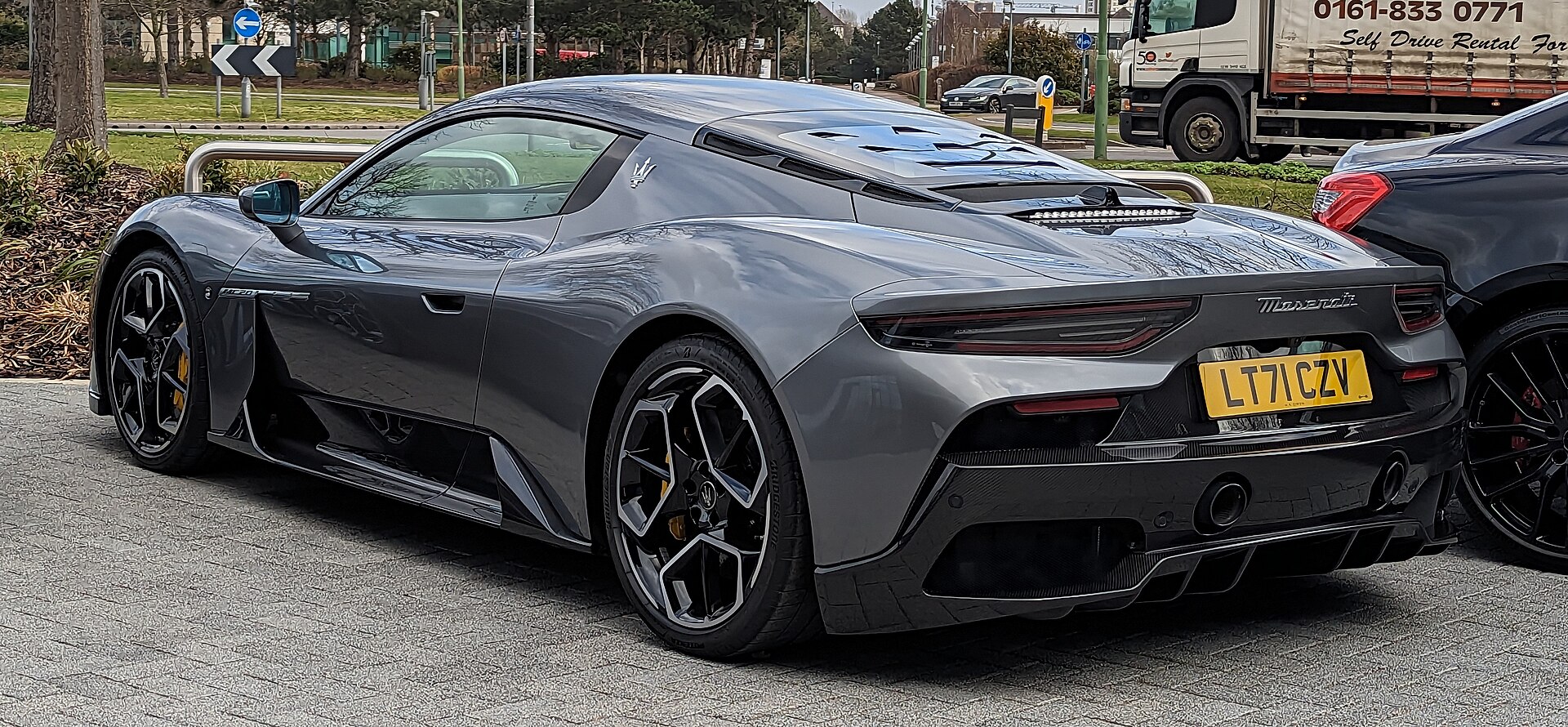
Maserati's comeback supercar arrives with a legendary name, a revolutionary engine, and a price tag that sits between attainable and astronomical. But is the MC20 a genuine contender in the supercar segment, or is it an expensive bet on a brand that has lost its way? Here's what you need to know.
The Short Answer: Yes, But Only If You Understand the Risk
The Maserati MC20 is worth buying — but not for the reasons you might expect. This is not a car you buy for prestige. You don't buy it because it's the safest investment or because it carries the unquestioned reliability of Stuttgart or Maranello. You buy the MC20 because you've done your homework and you understand that beneath the striking Italian design and the innovative Nettuno engine lies a genuine engineering achievement that the supercar world largely overlooked when it arrived in 2021.
The MC20 represents Maserati's first mid-engine supercar since the MC12 (2004), and its Nettuno 3.0-liter twin-turbo V6 uses pre-chamber combustion technology derived directly from Formula 1. The car is lighter than most competitors, faster than you'd expect at $217,000 for the coupe, and genuinely rare — production is capped at roughly 50 units per year. But it's also a Maserati, which means you're buying into a brand that has struggled with reliability, resale value, and dealer support.
This guide cuts through the marketing hype and tells you exactly what you're getting into — the engineering brilliance, the ownership risks, the depreciation reality, and whether the MC20 is the right call for your situation.
Why the MC20 Matters: Maserati's Moment of Truth
To understand the MC20, you need context. Maserati was born in 1926 as a manufacturer of pure racing cars. By the 1950s and 60s, the brand was synonymous with Italian exotica — competing with Ferrari, building some of the most beautiful cars ever designed. The 250F racing car, the 3500 GT, the Ghibli — these were cars that mattered.
Then came decades of decline. Maserati became a badge that Lamborghini and Ferrari owners pitied. The brand was passed between owners (Ferrari, Fiat, Chrysler, now Stellantis), and each owner seemed to dilute its heritage further. The Maserati Ghibli became a bloated four-door sedan. The Levante SUV was competent but forgettable. The brand lost focus, lost prestige, and hemorrhaged reliability reputation.
The MC20 was Maserati's chance to reclaim legitimacy. And remarkably, they didn't waste it. The car is positioned as a genuine supercar competitor — not a rebadged Lamborghini or Ferrari, but a Maserati-built, Maserati-designed, Maserati-engineered machine that takes direct aim at the Ferrari Roma ($270K), the McLaren Artura ($240K), and the Lamborghini Huracan (discontinued, but $140K–$190K used).
From a technical standpoint, the MC20 is legitimately innovative. The Nettuno engine's pre-chamber combustion system was developed with Ferrari and is based on F1 technology. It produces 621 horsepower from 3.0 liters — a remarkable power density figure. The carbon fiber monocoque chassis keeps the car to just 3,300 pounds, making it lighter than the McLaren Artura (3,250 lbs is marginally lighter, but similar) and significantly lighter than the Ferrari Roma (3,461 lbs). The 0-60 time of 2.9 seconds is in the supercar fast tier, not supercar elite tier, but the execution is clean.
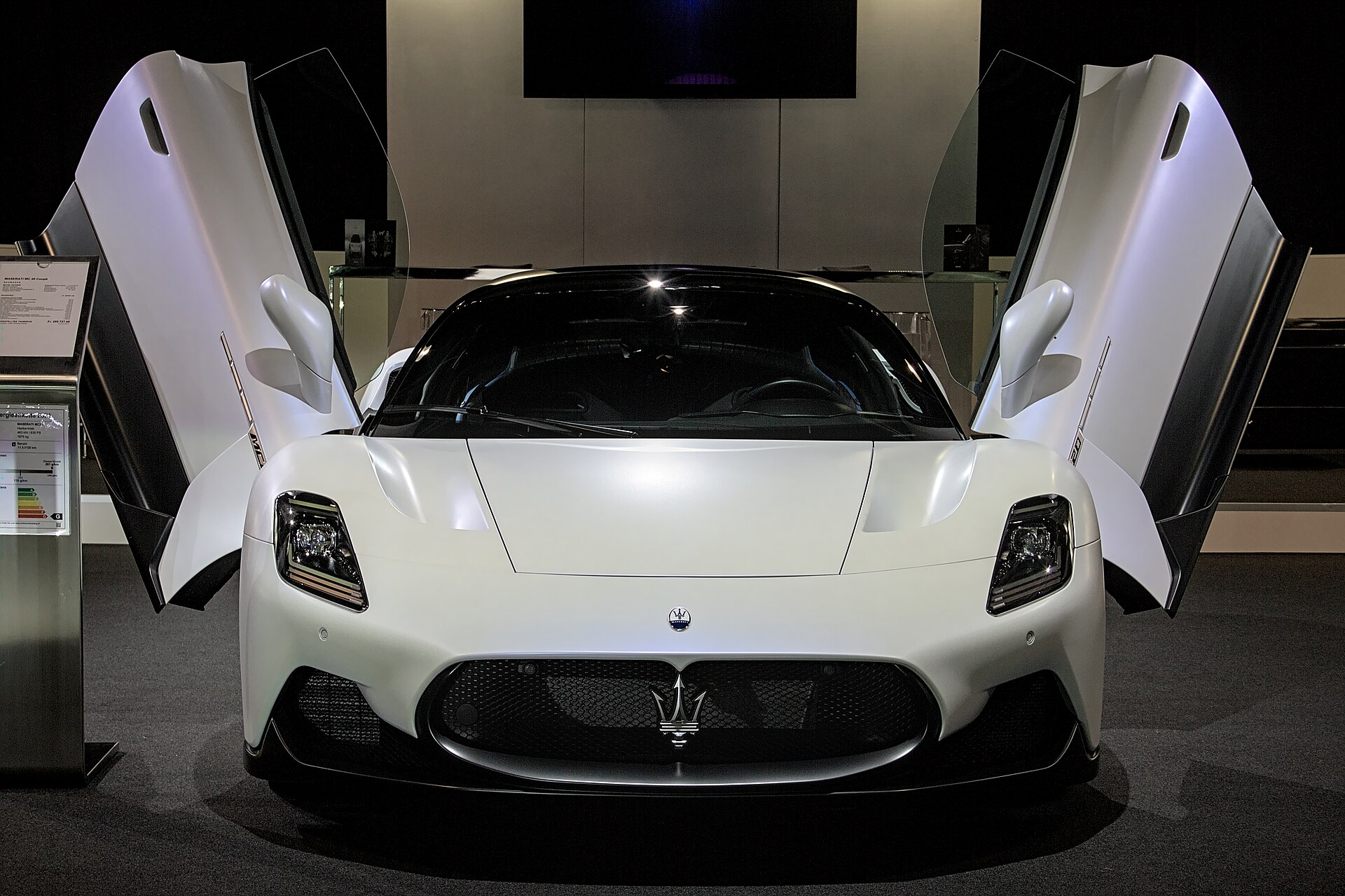
The butterfly doors, the mid-engine configuration, the Nettuno engine's sound, and the genuine Italian design language — these aren't marketing gimmicks. They're the result of a company trying to prove something.
What an MC20 Actually Costs: Purchase Price Is Only the Beginning
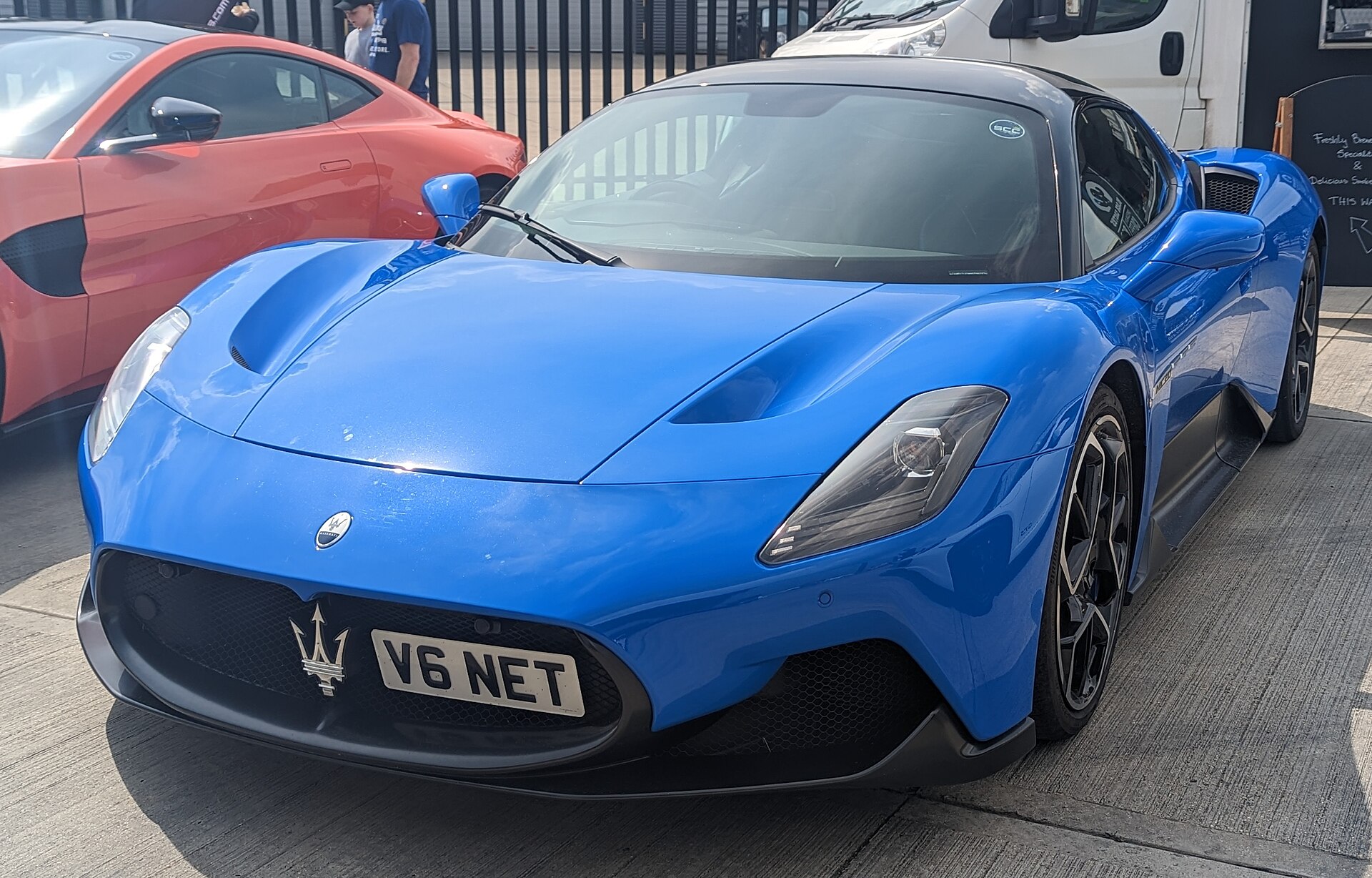
The sticker price of a new MC20 is $217,000 for the coupe and $250,000 for the Cielo convertible. These are list prices from 2023-2024 production, and used market pricing in early 2026 is stabilizing as more cars filter into the secondary market. Here's what current pricing looks like:
| Variant | Production Years | Used Market Range | Mileage Sweet Spot |
|---|---|---|---|
| MC20 Coupe | 2021–2024 | $190,000–$220,000 | 2021–2023 with 500–3K miles |
| MC20 Cielo (Convertible) | 2022–2024 | $225,000–$260,000 | 2023–2024 with under 2K miles |
| MC20 Folgore (EV coming 2025) | 2025+ | $280,000–$320,000 (est.) | Not yet widely available |
The secondary market pricing for the MC20 coupe shows that cars are holding value reasonably well for an exotic that only started production five years ago. A 2021 model with 2,000 miles was listed for $190,000 in late 2025, representing roughly 12-15% depreciation from original MSRP — not terrible for a Maserati.
But purchase price is only one number. Here's what ownership actually costs on an annual basis:
| Expense Category | Annual Cost | Notes |
|---|---|---|
| Insurance | $5,500–$9,000 | Maserati is a specialist category; limited insurers |
| Routine Maintenance | $3,500–$6,000 | Fluid changes, filter service, diagnostics |
| Fuel (Premium) | $4,000–$6,500 | 14–18 mpg combined; 98 RON required |
| Tires (amortized) | $2,000–$3,500 | Michelin Pilot Sport replacements every 8K miles |
| Brakes (amortized) | $1,500–$2,500 | Carbon ceramic service runs $12K+ when needed |
| Registration & Taxes | $1,200–$3,500 | State-dependent; high-value exotic rates apply |
| Total Annual Running Cost | $17,700–$31,000 | Excludes depreciation and unexpected repairs |
That's $1,475–$2,583 per month in running costs alone. If that makes you uncomfortable, the MC20 is not the right car. If that fits comfortably within your lifestyle, read on.
Reliability: The Elephant in the Room
This is where the conversation gets honest. Maserati does not have a stellar reliability reputation. The brand is owned by Stellantis (the conglomerate that includes Fiat, Chrysler, Jeep, and Peugeot), and over the past decade, reliability has been inconsistent. The Ghibli has suffered from electrical gremlins. The Levante has developed transmission issues. Maserati's warranty coverage and customer service responsiveness have been spotty in some markets.
The MC20, being a new car with a new platform and new engine, carries both promise and uncertainty. Early production cars (2021-2022) had some quality issues reported: panel gaps, infotainment glitches, and transmission hesitation in a few examples. Some owners on specialist forums reported transmission recalibrations needed by the dealer. These weren't catastrophic failures, but they're the kind of niggles that shouldn't exist on a $220K supercar.
That said, there are some mitigating factors. The Nettuno engine, while new, benefits from extensive Formula 1 development. The carbon fiber monocoque is constructed by specialists, not cut from Stellantis templates. The dual-clutch DCT transmission was sourced from specialists as well. The engineering is Maserati's, not borrowed from cheaper models in the Stellantis family.
The bigger question is dealer support and warranty coverage. Maserati has only about 100 dealerships in the United States, which means if you have a problem, you might not be within reasonable driving distance of a service center. Warranty coverage is standard (3 years, 36,000 miles for new cars), but extended warranty options are limited, and out-of-warranty repairs can be expensive given the specialized nature of the platform.
The MC20's reliability isn't proven yet. It's a new platform with a new engine from a brand that doesn't inspire confidence. You need to understand that going in.
Depreciation Reality: The MC20's Biggest Risk
Maserati depreciation is brutal. Historical data shows that Maseratis lose 50% or more of their value in the first five years. The Ghibli, once a $80K car, bottoms out around $25K-$35K in the used market after 8 years. The Levante shows similar patterns. This is the Maserati curse: loss of desirability, limited collector appeal, and brand perception that has never recovered from decades of mediocrity.
The MC20 is different in some respects. It's production-limited (capped at roughly 50 units per year), it's the first proper Maserati supercar in 20 years, and it has genuine technical innovation. Early signs suggest it might hold value better than typical Maseratis — but it's still a Maserati, which means the depreciation risk is real.
If you buy a 2023 MC20 coupe for $190,000 today, realistic projections based on early market data suggest it might be worth $140,000–$160,000 in three years (26-32% depreciation) and $110,000–$130,000 in five years (42-58% depreciation). Compare that to a Ferrari Roma, which holds around 25-30% over five years, or a McLaren Artura, which trends toward 30-40%. The MC20 is likely to depreciate faster because it's a Maserati.
This makes the MC20 expensive to own if you're thinking about resale value. On a $200K purchase, losing $70K in five years is a $14,000-per-year depreciation cost before you even fuel the car up.
What Actually Makes the MC20 Special: Why It's Worth the Risk
Given the reliability concerns, the depreciation risk, and the limited dealer network, why buy an MC20? The answer lies in what the car is, not what the badge says.
First: the Nettuno engine is genuinely remarkable. The pre-chamber combustion technology produces a power delivery that feels more connected than a traditional turbocharged engine. At 8,000 rpm, the Nettuno delivers a mechanical aggression that pure turbocharging can't replicate. The sound is extraordinary — not quite a naturally aspirated V10, but something closer to a traditional high-revving engine than a typical turbocharged four or six-cylinder. You feel the engineering in every driving experience.
Second: the lightweight carbon fiber construction. At 3,300 pounds, the MC20 is genuinely light. The steering has mechanical feel that heavier cars lack. The responsiveness to input is immediate. There's no lag or dead zone — the car responds like a smaller, nimbler creature than its 620-horsepower engine would suggest.
Third: the mid-engine configuration with butterfly doors gives the MC20 an emotional presence that most modern supercars lack. When you sit in a mid-engine car with butterfly doors, you're not just driving a vehicle — you're piloting a statement. The engineering visibility, the mechanical transparency, the sense that you're in something genuinely special — these aren't marketing words, they're the experience.
Fourth: exclusivity. Only about 250-300 MC20s will ever be built. Compare that to 10,000+ Huracans produced or the tens of thousands of Ferraris built. The MC20 is rare enough that you won't see the car parked next to yours in a parking lot. It's rare enough that it turns heads not because of badge prestige but because people are genuinely curious about what they're looking at.
Fifth: the Folgore is coming. Maserati announced an all-electric version with three motors producing 740 horsepower, a claimed 250-mile range, and dramatic styling for around $280,000. The existence of a future electric variant actually increases the value proposition of the gasoline MC20 — it makes the current car a final chapter of Maserati as a combustion-engine brand, and final chapters typically appreciate.
How It Compares: MC20 vs. Roma vs. Artura vs. Huracan vs. 911 Turbo S
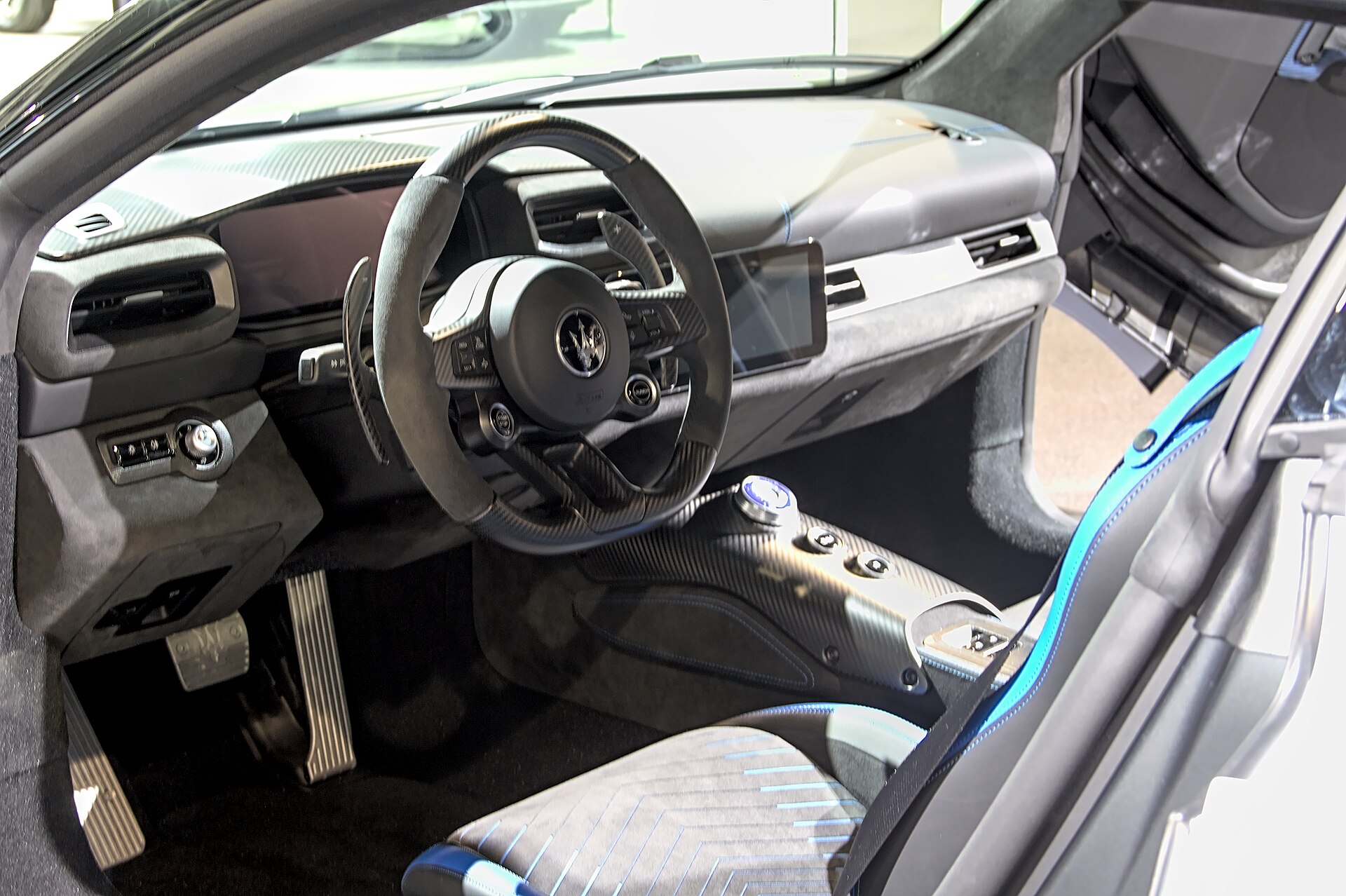
You're evaluating the MC20 against specific competitors. Here's how it stacks up head to head:
| Category | MC20 | Ferrari Roma | McLaren Artura | Lamborghini Huracan | 911 Turbo S |
|---|---|---|---|---|---|
| Engine | 3.0L Twin-Turbo V6 | 3.9L Twin-Turbo V8 | 3.0L Twin-Turbo V8 Hybrid | 5.2L NA V10 | 3.7L Twin-Turbo Flat-6 |
| Horsepower | 621 hp | 612 hp | 680 hp | 630 hp | 640 hp |
| 0–60 mph | 2.9s | 3.4s | 2.8s | 2.8s | 2.6s |
| MSRP (New) | $217K | $270K | $240K | $245K (last year) | $230K |
| Used Market (2023) | $190K–$220K | $215K–$250K | $210K–$240K | $155K–$190K | $145K–$175K |
| Est. 5-Yr Depreciation | 42–58% | 25–35% | 30–40% | 18–25% | 28–35% |
| Annual Maintenance | $3.5K–$6K | $4K–$7K | $4K–$7K | $3K–$5K | $2K–$4K |
| Reliability | Unproven | Good | Mixed | Very Good | Excellent |
| Dealer Network | Limited (100 US) | Extensive | Growing | Good | Excellent |
The Ferrari Roma is the prestige choice — you're paying more, but the red prancing horse means something in the market. The McLaren Artura is the performance bargain — more power, hybrid technology, and faster 0-60 times. The Lamborghini Huracan is the value king — cheaper upfront and better resale. The Porsche 911 Turbo S is the sensible choice — fastest 0-60, best reliability, lowest costs.
The MC20 wins on two fronts: it's cheaper than the Roma or Artura as an entry point, and it's genuinely unique in a way that none of the competitors are. If you want a supercar that nobody else on your street owns and you don't mind the depreciation risk, the MC20 is the call.
Where to Buy an MC20: Finding the Right Dealer
MC20s are sold through official Maserati dealerships only. There are roughly 100 Maserati dealers in the United States, concentrated in major metropolitan areas and wealthy regions like Florida, California, and the Northeast. Finding one requires work.
For new cars, Maserati requires you to order through the dealer, and production allocation is limited. Most dealers have a 12-18 month waitlist for new MC20 Coupe and Cielo orders as of early 2026.
For used examples, you'll want to work with a Maserati dealer that specializes in pre-owned inventory, or consider using a concierge buying service like Automonitor that can source cars from dealers nationwide and handle logistics on your behalf. You can also find MC20s on specialist auction sites like Bring a Trailer and Cars and Bids.
The Smart Way to Buy: What You Need to Know
Buying an MC20 is not like buying a Honda Civic. The process requires expertise, patience, and due diligence. Here's the approach we recommend:
Step 1: Verify your budget honestly. Include purchase price plus 36 months of running costs ($17,700–$31,000 per year). You also need to budget $5,000–$8,000 for a pre-purchase inspection. If the total number makes you uncomfortable, wait.
Step 2: Understand the Folgore impact. The upcoming all-electric MC20 Folgore will launch in 2025-2026. This might depress used MC20 prices slightly as buyers wait for the EV option, or it might anchor the value of gas examples as collectors realize the current car is the last combustion MC20. Either way, the Folgore launch changes the depreciation equation. Price accordingly.
Step 3: Search broadly for available inventory. Don't limit yourself to your local dealer. The best-priced MC20s are often in markets with high exotic car concentration. Use dealer locators, auction sites, and automotive specialists to compare options across the country.
Step 4: Get a comprehensive pre-purchase inspection. Costs $800–$1,500 and is absolutely required. The inspection should cover engine diagnostics, transmission function, electrical systems, panel alignment, and any signs of previous accidents or repairs. Given Maserati's reliability question, you need absolute clarity on the car's history and condition.
Step 5: Negotiate from market data, not emotion. Know the comp prices before making an offer. Factor in deferred maintenance — if the car needs $5,000 in preventive service, that comes off the offer. Don't overpay for color or spec; focus on condition and history.
Step 6: Secure financing early. Standard exotic car lenders like JJ Best Banc and Woodside Credit offer MC20 financing, but expect 25-30% down and rates between 6-9%. Maserati's brand perception affects financing rates — you'll likely pay more than you would for a Ferrari at the same LTV.
Pros and Cons Summary
PROS:
- Innovative Nettuno engine — Pre-chamber combustion from F1, remarkable power density, genuine mechanical feel
- Lightweight construction — Carbon fiber chassis at 3,300 lbs provides exceptional responsiveness
- Lower entry price — $217K MSRP is below Ferrari Roma and McLaren Artura
- Genuine exclusivity — Only ~250-300 built; you won't see this car in your neighborhood
- Mid-engine dynamics — Handling balance and steering feel that rivals competitors costing $100K more
- Butterfly doors and emotional design — The car turns heads and delivers presence beyond the badge
- Future electric option — Folgore launch anchors gas version's value as final combustion MC20
CONS:
- Maserati reliability reputation — Brand has struggled with quality and electrical issues; unproven new platform
- Severe depreciation risk — Historical Maserati models lose 50%+ in five years; MC20 likely follows similar pattern
- Limited dealer network — Only ~100 US dealers means potential long distances for service
- Early production quality issues — 2021-2022 models reported panel gaps, infotainment glitches, transmission hesitation
- No brand prestige — Ferrari and Lamborghini badges carry weight; Maserati does not
- Expensive ownership costs — $17.7K–$31K annually in running costs before depreciation
- Unproven long-term support — Warranty coverage limited; out-of-warranty repairs could be expensive
- Resale complexity — Limited buyer pool; selling within 5 years could be challenging
When an MC20 Is NOT Worth Buying
We believe in transparency over sales pitches. Here are situations where you should walk away:
You're stretching to afford it. If buying the MC20 means compromising other financial priorities or living uncomfortably with the running costs, it's not the right call. Exotic car ownership should be comfortable, not stressful.
You want it as an investment. The MC20 is not an investment vehicle. Maserati depreciation is notoriously steep. You'll lose significant money. Buy it to drive it, not to park it.
You haven't driven one. The MC20 feels different in person than it sounds on paper. Some buyers find the steering too heavy, the ride too stiff, the cockpit too cramped, or the visibility too poor. Always test-drive before committing.
You need reliability above all else. If you can't tolerate the thought of an unexpected $10K repair or a transmission issue 18 months in, get a Porsche 911 Turbo S instead. The Porsche costs less, holds value better, and will definitely start every time.
You're in a market with no nearby Maserati dealers. Without dealer access, ownership becomes significantly more complicated and expensive. Service becomes logistics challenges. Parts availability becomes uncertain. Location matters.
The Final Verdict
The Maserati MC20 is worth buying if you understand exactly what you're getting: a technically brilliant, genuinely exclusive supercar from a brand that hasn't earned the right to charge supercar prices, but has done remarkable engineering work on this specific car.
You're not buying Ferrari prestige. You're not buying Porsche reliability. You're buying a machine that few people will ever own, that sounds and performs like something special, and that carries the risk that Maserati's reputation and depreciation patterns might work against you in five years when you want to sell.
If that's acceptable to you — if you're buying to drive, not to flip; if the exclusive nature appeals to you; if you understand and accept the depreciation reality and the reliability uncertainty — then the MC20 is a genuinely rewarding purchase. It's one of the most interesting supercars you can buy at this price point, and it deserves more respect than the Maserati badge sometimes gets.
Is it worth buying? Yes. Is it worth buying blindly? Absolutely not. Do your homework, get an inspection, understand the costs, and if everything aligns, the MC20 will be one of the most memorable driving experiences you've ever had.
Find Your MC20 or Compare with Competitors
Automonitor connects you with certified exotic car inspectors and helps you source MC20s from dealers nationwide. We also handle detailed comparisons with Ferrari Roma, McLaren Artura, and other competitors so you can make an informed decision.
Start Your Search →