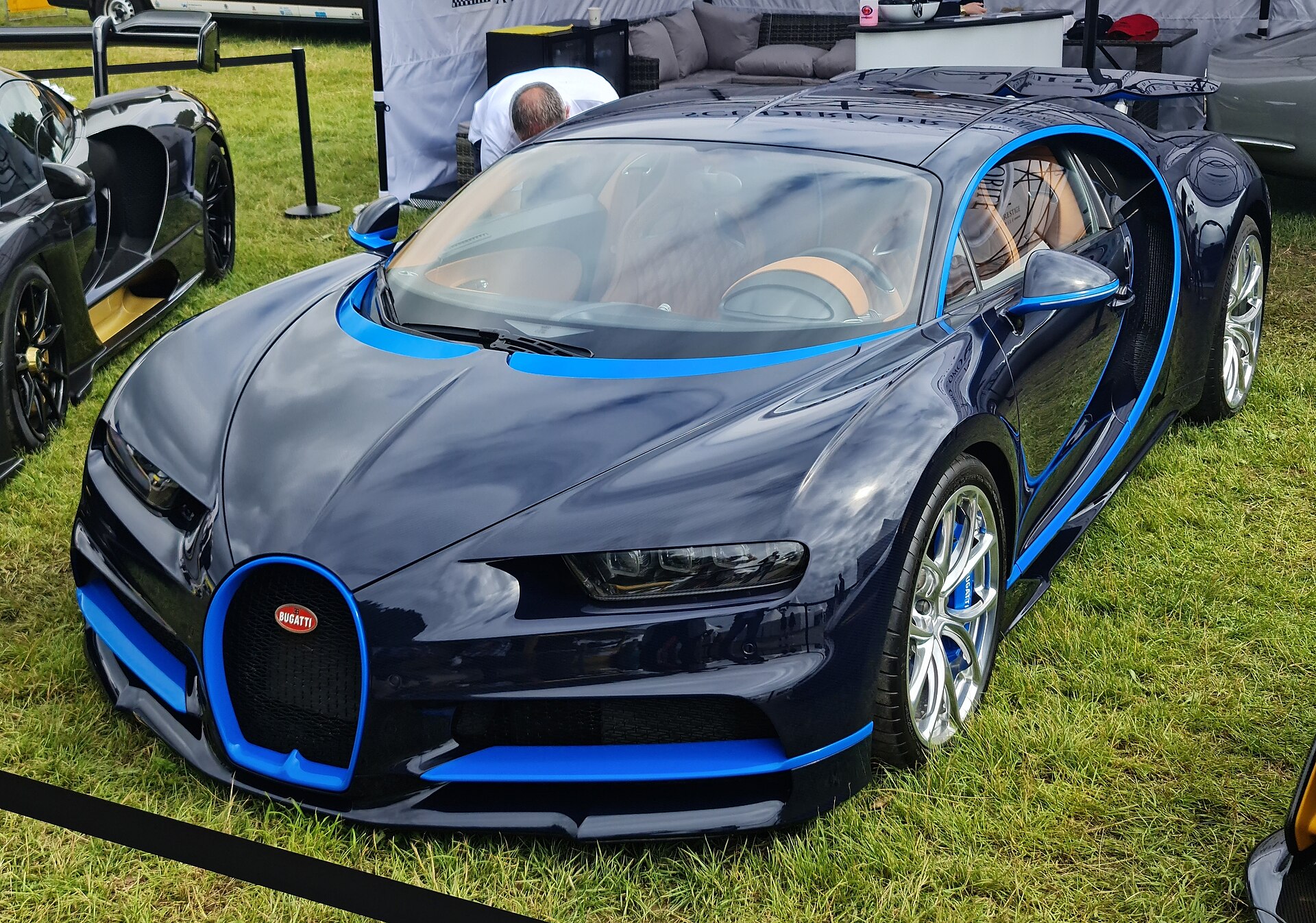
Is a Bugatti Chiron Worth Buying?
Three million dollars. Quad-turbo W16 engine. Only 500 built worldwide. The Bugatti Chiron represents the absolute pinnacle of automotive engineering and the final production run of one of history's greatest engines. But is it a worthwhile investment, or an astronomically expensive way to depreciate wealth? Here's the comprehensive analysis.
The Short Answer: Yes — If You Can Afford the True Cost
The Bugatti Chiron is worth buying. Not for everyone, obviously — if you're asking the question seriously, you probably already understand the investment threshold. But for billionaires, ultra-high-net-worth individuals, and collectors who view hypercars as blue-chip automotive assets, the Chiron is a defensible purchase and potentially an appreciating one.
Here's why: the Chiron production run ended in 2022 with exactly 500 units built. That finite supply, combined with the W16's status as the final naturally aspirated quad-turbocharged engine ever produced by a major automaker, creates a floor under its value that most exotic cars don't have. Unlike the Lamborghini Huracán or Ferrari 488, which both traded in the tens of thousands across their production runs, every Chiron variant was limited, special, and exclusive by design. Standard Chirons are holding at or above MSRP. Special editions are appreciating 50-100%. The Tourbillon replacement hasn't even launched yet, and the Chiron is already becoming a classic.
But this analysis requires brutal honesty about what ownership actually costs. Maintenance runs $50,000-$100,000 annually. Tire replacements cost $30,000-$50,000. Insurance ranges $40,000-$80,000 per year. There are fewer than two dozen qualified Bugatti service centers globally. The car weighs 4,400 pounds and is too valuable and fragile for track use. This isn't a car you buy if you're optimizing for depreciation or driving pleasure. This is a car you buy because you've already optimized everything else and what remains is the pursuit of automotive perfection.
The Chiron doesn't need to make financial sense. It just needs to be worth what you're paying for the privilege of owning the most engineered automobile ever produced.
Why the Chiron Matters: The End of an Era
Bugatti didn't invent the quad-turbo W16 engine for the Chiron — that honor belongs to the Veyron, which debuted in 2005. But the Chiron perfected it. The 8.0-liter quad-turbocharged W16 produces between 1,479 horsepower (standard Chiron) and 1,578 horsepower (Super Sport 300+, a non-road-legal variant used for speed records). In acceleration terms, that translates to 0-60 mph in 2.4 seconds and a top speed of 261 mph (Super Sport variant).
This matters because the W16 will never be made again. Not by Bugatti — the Tourbillon replacement uses a hybrid V16. Not by anyone else — the emissions regulations and electrification mandate make a naturally aspirated quad-turbo engine technologically, legally, and financially impossible to produce for the global market. The Chiron is the final chapter of an engineering lineage that spans 21 years and two generations. Future generations will regard the W16 the way we now regard the Jaguar D-Type or the Ferrari 250 GTO: as a masterwork from a era when horsepower was measured and engineered, not simulated by electric motors.
The Chiron also represents the peak of analog hypercars. No car will ever be more purely mechanical, more comprehensively hand-assembled, or more directly connected to its era of automotive maximalism. Every subsequent hypercar will be hybrid or electric. The 918 Spyder (hybrid), LaFerrari (hybrid), P1 (hybrid) — they're all part of the transition. The Chiron stands alone as the last pure-combustion hypercar from a top-tier manufacturer.
Practically speaking, this means the Chiron benefits from scarcity combined with historical significance. Collectors don't buy the last Dodo birds for practical reasons. They buy them because there are no more Dodos. The market will likely treat the Chiron the same way.
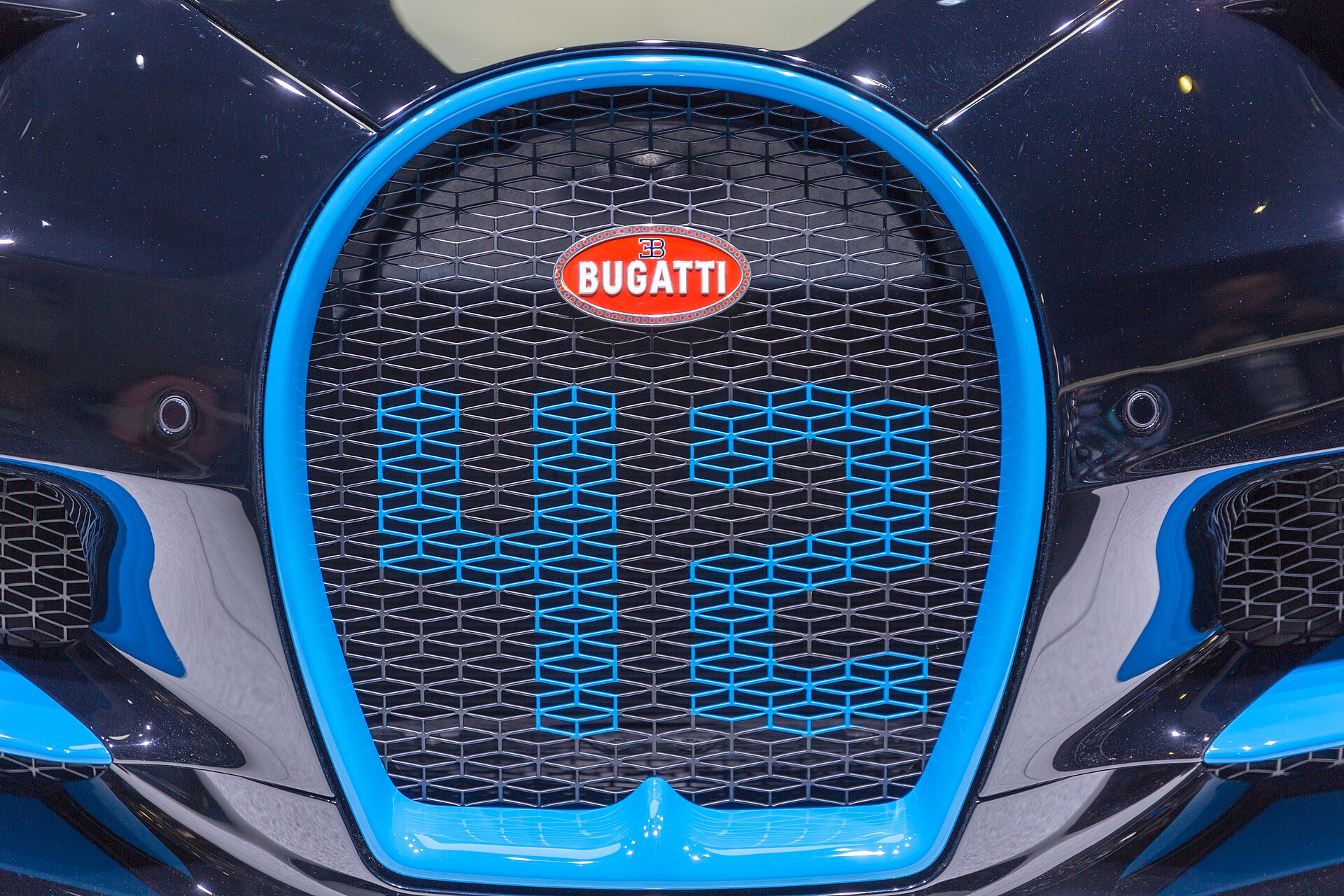
The Chiron Lineup: Which Variant Matters
Bugatti produced five road-legal variants of the Chiron over its seven-year production run. Each has distinct specifications, pricing, and investment implications.
| Variant | Production Years | Units Made | Original MSRP | Current Market | Appreciation Potential |
|---|---|---|---|---|---|
| Chiron (Standard) | 2016–2019 | 110 | $2,900,000 | $2,900K–$3,200K | Flat to +10% |
| Chiron Sport | 2019–2020 | 75 | $3,260,000 | $3,100K–$3,400K | Flat to +5% |
| Chiron Pur Sport | 2020–2021 | 50 | $3,600,000 | $3,500K–$4,200K | +10% to +20% |
| Chiron Super Sport | 2021–2022 | 58 | $3,900,000 | $3,800K–$4,500K | +15% to +25% |
| Chiron Super Sport 300+ | 2022 | 30 (non-road-legal) | $4,700,000 | $4,500K–$6,000K | +20% to +40% |
The standard Chiron is the baseline of luxury. The Sport variant added performance refinement. The Pur Sport, introduced in 2020, represents the turning point — it's the most track-focused variant, with active aerodynamics, reduced weight, and a more visceral driving experience. Values are climbing. The Super Sport, the final road-legal variant, achieved the 300-mph barrier (Super Sport 300+) and serves as the perfect swan song to the W16 era. Limited to just 30 units, it commands significant premiums.
If you're buying for appreciation potential, the Pur Sport and Super Sport variants are the sweet spot. Standard Chirons are stable, but limited upside. Super Sport variants are already showing early appreciation as collectors recognize the final, fastest variants as the most historically significant.
The Real Cost of Ownership: $50K-$100K Annually Is Only the Beginning
The MSRP is just a number. The actual cost of Chiron ownership is where reality hits. Here's what you're really paying:
| Expense Category | Annual Cost | Context |
|---|---|---|
| Insurance | $40,000–$80,000 | Specialty exotic insurance only; agreed value policies |
| Routine Maintenance | $15,000–$25,000 | Fluid services, filter changes, diagnostics (10K mile intervals) |
| Tires (amortized) | $10,000–$15,000 | Replacement every 6,000–8,000 miles; $30K–$50K per set |
| Fuel | $5,000–$8,000 | 8–9 mpg combined; 91+ octane premium required |
| Storage & Climate Control | $3,000–$6,000 | Specialized facility required; no standard parking |
| Registration & Taxes | $2,000–$4,000 | State-dependent; exotic car surcharges apply |
| Brake Service (amortized) | $5,000–$10,000 | Carbon ceramic replacement: $25K–$40K when due (every 50K mi) |
| Total Annual Running Cost | $80,000–$148,000 | Excludes major repairs, depreciation, or track damage |
That's roughly $7,000–$12,000 per month in running costs. The insurance alone exceeds the annual cost of buying many new cars. The tire budget for two years would buy a used luxury sedan outright. This is the reality that separates Chiron ownership from the fantasy.
The even harder reality: most Chirons aren't driven regularly. Sitting idle for extended periods creates its own problems — battery degradation, fuel system gumming, hydraulic seal leaks, tire flat-spotting, paint oxidation. The cars that appreciate most are typically the ones that are actually driven and maintained, not garage queens. But driving a $3 million asset on public roads carries its own risks. There's no insurance policy that can fully recover the emotional and financial impact of a single accident.
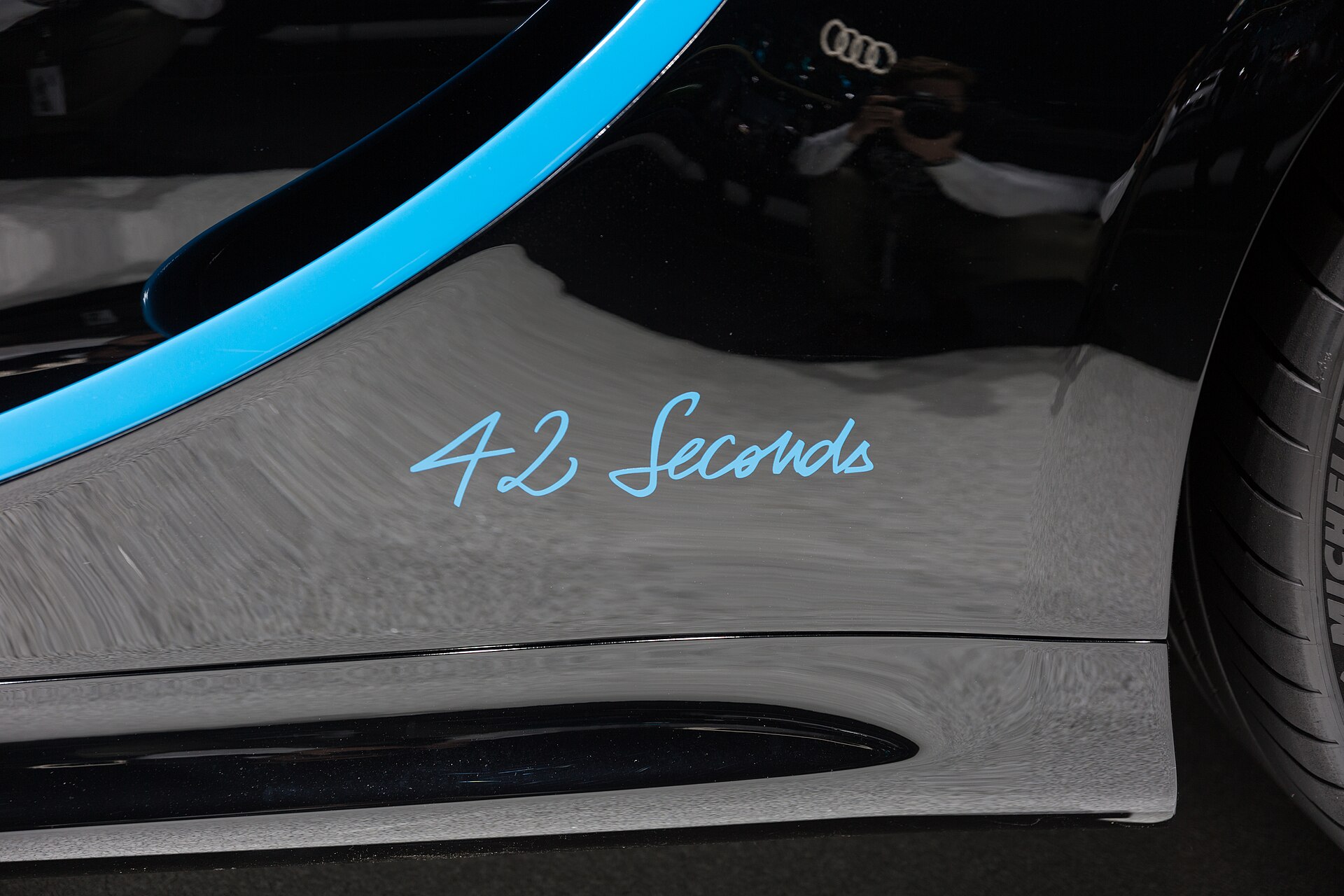
Depreciation & Appreciation: Why the Chiron Is Different
For most supercars, depreciation is a guarantee. A $200,000 Ferrari 488 typically loses 25-30% of its value in the first five years. A $300,000 McLaren 720S might lose 35-40%. The Chiron, by contrast, has shown remarkable value retention. According to data from Gooding & Company and RM Sotheby's auctions, standard Chirons are trading at or slightly above MSRP after 4-6 years of ownership.
Why? Three factors converge:
1. Absolute scarcity. 500 Chirons were built total. That's fewer than the annual production of most boutique brands. In the entire United States, there are probably fewer than 120 Chirons. Compare that to 20,000 Huracáns over its production run or 32,000 Ferrari 488s. Scarcity is the fundamental driver of value.
2. Mechanical immortality. The Chiron will never have a technological successor that makes it obsolete. The Tourbillon is different — a hybrid V16 rather than a quad-turbo W16. It's faster, more efficient, and more aligned with modern values. But it's not the same engine, not the same philosophy. Collectors will pay premiums for the last naturally aspirated quad-turbo hypercar the same way they pay premiums for the last air-cooled Porsche 911.
3. Billionaire demand. Billionaires are an expanding demographic. In 2005, there were 900 billionaires globally. In 2026, there are roughly 2,700. That growing population creates growing demand for ultra-luxury assets, and hypercars are among the most tangible, status-rich assets available. The total addressable market for Chirons is expanding even as supply remains fixed.
Special editions show even stronger appreciation. The Pur Sport, already up 10-20% from its $3.6 million MSRP, represents the track-focused apogee of the model. The Super Sport, especially the 300+ non-road-legal version, is the final word on the W16's performance potential. A Chiron Super Sport 300+ that sold for $4.7 million in 2022 is likely worth $5.5 million or more today.
The investment thesis: buy a special edition Chiron now, keep it for 5-7 years, and the odds favor breaking even or appreciating slightly. Standard Chirons are a break-even scenario if maintained properly. Either way, the downside is more limited than any supercar in the $3 million+ segment.
Versus the Competition: Chiron vs. Pagani Huayra vs. Ferrari LaFerrari
There are only a handful of cars in the Chiron's category. Here's how it stacks up:
| Category | Bugatti Chiron | Pagani Huayra | Ferrari LaFerrari | McLaren Senna |
|---|---|---|---|---|
| Engine | 8.0L Quad-Turbo W16 | 5.9L Twin-Turbo V12 | 6.3L Naturally Asp. V12 + Hybrid | 4.0L Twin-Turbo V8 + Hybrid |
| Horsepower | 1,479–1,578 hp | 764 hp | 950 hp | 1,049 hp |
| 0–60 mph | 2.4s | 2.8s | 2.4s | 2.8s |
| Original Price | $2,900K–$3,900K | $1,400K–$2,100K | $1,400K–$1,500K | $1,000K |
| Current Market | $2,900K–$4,500K | $1,800K–$2,400K | $2,000K–$3,000K | $1,400K–$1,800K |
| Total Production | 500 | 140 | 499 | 500 |
| Appreciation (4-6 yrs) | Flat to +25% | +15% to +30% | +30% to +50% | -5% to +10% |
| Reliability | Very Good | Excellent (Italian engineering) | Excellent | Good (some electrical issues) |
| Driving Experience | Maximum power/drama | Precision/elegance | Balanced/composed | Track-focused/aggressive |
The Pagani Huayra is arguably the more refined choice — hand-built, artistic, with superior craftsmanship. But at 140 units, it's even rarer than the Chiron and shows strong appreciation. The Ferrari LaFerrari is the prestige favorite and shows the strongest appreciation due to its hypercar status and Ferrari badge. The McLaren Senna is the performance extremist but has faced steeper depreciation.
The Chiron wins on raw power, visceral experience, and mechanical purity. It loses on refinement compared to Pagani and badge prestige compared to Ferrari. For collectors prioritizing the final naturally aspirated quad-turbo experience, the Chiron is the only choice. For collectors prioritizing appreciation and prestige, the LaFerrari edges ahead. For collectors prioritizing craftsmanship, the Pagani Huayra is unmatched.
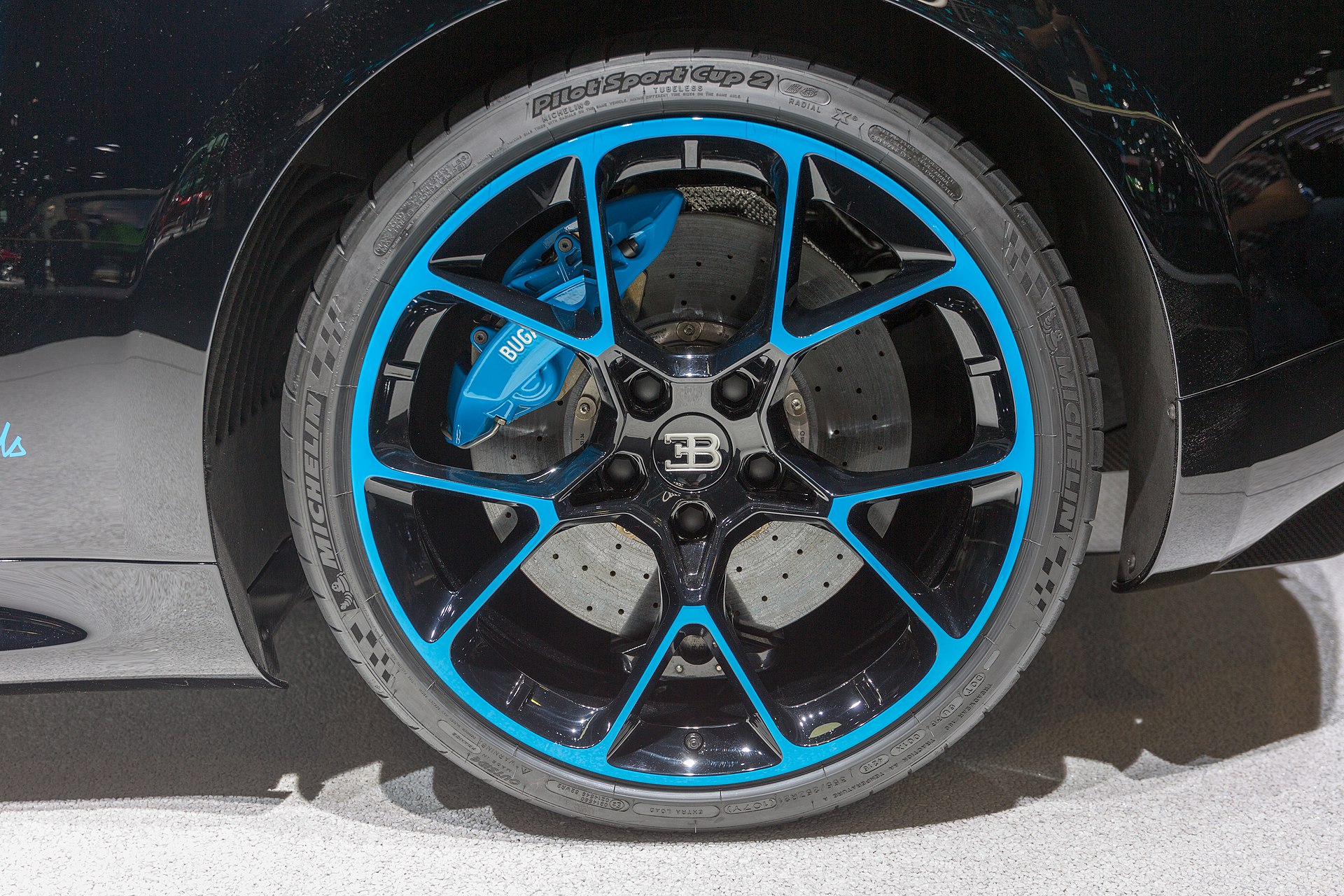
The Service Network Reality: A Critical Constraint
Here's something most Chiron buyers don't fully grasp until they own one: there are only 18 authorized Bugatti service centers globally. In North America, there are exactly 3: one in New York, one in Los Angeles, and one in Miami. If you live in Texas, Chicago, or anywhere without a Bugatti dealer nearby, traveling to service your car becomes a logistical nightmare.
You can't take the Chiron to your local exotic car specialist. Bugatti is exceptionally particular about maintenance. The diagnosis alone costs $2,000-$5,000 at an authorized center. Some issues require trips to the Bugatti factory in Molsheim, France. A serious mechanical problem can mean $30,000-$100,000 in service costs plus the cost of shipping your car across the world.
This matters enormously for resale value. A Chiron that's been properly maintained at an authorized Bugatti dealer commands premiums. A Chiron with independent service history is a harder sell and will trade at a discount. This is why the original service records are as important as the factory specifications — they're proof that the car was cared for by someone who understood it.
When You Should Buy: Timing and Specification
If you've decided the Chiron is the right purchase, here's when and how to buy:
The timing argument for now: The Chiron production ended in 2022. We're currently in the sweet spot where early examples (2016-2017 Chirons) are just hitting their four-to-six-year mark and trading at or slightly above original MSRP. The Super Sport and Pur Sport variants, which only ended production in 2022, are still establishing their market values. In 3-5 years, when the production run is fully absorbed into the collector market and demand for analog hypercars has potentially increased, prices will likely be higher. Buying now is buying ahead of the collector curve.
The variant argument: If you're buying for investment and can only afford one, a Pur Sport or Super Sport beats a standard Chiron. The special editions have more upside, carry more collector cachet, and represent the evolutionary pinnacle of the platform. A standard Chiron bought at MSRP five years ago is worth about $2.9 million today. A Pur Sport bought at $3.6 million four years ago is likely worth $4.1 million plus today. The appreciation premium more than justifies the higher purchase price.
The specification argument: Like all hypercars, specification matters. A Chiron in Nocturne Black or Glacier White is maximally practical but historically common. A Chiron in Bugatti's signature colors — Nocturne Black with a contrasting interior, or the vibrant Bleu de France — commands premiums. Bespoke exterior colors (if Bugatti allowed them during your purchase year) add value. Interior configuration matters less but should align with your driving intent.
The buying process should always include a pre-purchase inspection from an independent exotic car specialist experienced with Chirons. Budget $5,000-$10,000 for the inspection. It will likely save you far more if issues are discovered. Use our Bugatti buying guide to source options globally. The best-priced Chirons are usually found in Miami, Los Angeles, or Monaco rather than domestically, so be prepared to consider international purchases or inspection flights.
When NOT to Buy a Chiron: The Honest Dealbreakers
You can't afford the running costs. If the $80,000-$150,000 annual maintenance and insurance budget would materially impact your lifestyle, you can't afford the Chiron. This isn't a question of whether you can technically afford it. It's a question of whether owning it would stress your finances in any meaningful way. The wealthy who successfully own Chirons barely feel the operational costs. If you have to think about them, the car isn't right for you.
You want to drive it regularly. The Chiron can be driven on public roads — the street variants were engineered for road use. But every mile is an exponential increase in risk and wear. The car is too valuable, too low, too conspicuous, and too powerful for comfortable regular driving. If you want to actually use the car 10,000+ miles annually, consider a Rolls-Royce Spectre instead. It's a hypercar you can actually live with.
You haven't driven one at speed. The Chiron is incredibly fast, but it's also heavy (4,400 lbs) and rides on a suspension calibrated for rough handling. Some buyers find the driving experience overwhelming rather than exhilarating. Always test drive a comparable model before buying. A few hours behind the wheel will tell you more than any specification sheet.
You live in an area without Bugatti service. Geographic location matters more than most buyers realize. If you're buying a Chiron in Kansas, you're committing to either relocating your car for service or establishing a relationship with a specialized remote facility. The convenience factor of Bugatti ownership drops precipitously for non-urban buyers.
You're betting the farm. If the Chiron purchase materially impacts your portfolio or requires liquidity you don't have, it's wrong. Hypercars are speculative assets with volatility. A major economic downturn, a shift in collector preferences, or a catastrophic mechanical failure could impact the value. Only buy if the Chiron investment is noise in your overall net worth — something that could appreciate or depreciate by 50% without meaningfully changing your life.
Ready to Explore Bugatti Ownership?
Automonitor specializes in hypercar transactions. We handle sourcing, inspection, authentication, and logistics so you can focus on the investment decision.
Start Your Search →The Investment Case: Why Collectors Are Betting on the Chiron
Forget emotion for a moment. Let's analyze the Chiron purely as a financial asset.
Supply constraint: 500 units. Fixed. Final. The production run is complete. Every year that passes reduces the effective supply as cars are damaged, lost to accidents, or simply stored away by collectors who never plan to sell. Over a 20-year horizon, the actual tradeable supply might drop to 300-400 units.
Demand trajectory: Increasing. The global billionaire population is expanding. Ultra-luxury asset demand is accelerating. Younger collectors are beginning to recognize the Chiron as the last of an automotive era worth preserving. The LaFerrari, produced in 499 units, has already established that scarcity + hypercar status = appreciation. The Chiron will follow the same trajectory.
Technological obsolescence timeline: The Chiron will never be obsolete in the way normal cars become obsolete. It's a piece of mechanical history. The W16 engine is museum-quality engineering. A 2022 Chiron in 2032 will be 10 years old but technologically no less advanced than when it was built — it's mechanical, not electronic. Compare that to a 2022 Tesla Model S (fully obsolete in 10 years) or a 2022 Mercedes-Benz C-Class (outpaced by its successors). The Chiron is mechanically timeless.
Comparable appreciation benchmarks: The Ferrari 250 GTO, produced 1962-1964 (36 units), has appreciated from roughly $400,000 in the 1980s to $60+ million today — that's 15,000% appreciation over 40 years. The Jaguar E-Type, produced 1961-1974 (72,000+ units), has appreciated from roughly $10,000 in the 1970s to $500,000+ for pristine examples today — that's 5,000% appreciation over 50 years. The Mercedes-Benz 300SL, produced 1952-1957 (3,000 units), has appreciated from roughly $5,000 in the 1960s to $1.5+ million today — that's 30,000% appreciation. The Chiron, with only 500 units and contemporary mechanical perfection, is positioned for significant long-term appreciation.
The worst-case scenario: Even in a severe recession, exotic car values held up better than general equities during 2008-2009. A Chiron worth $3 million might drop to $2.4 million in a major market crash. That's a 20% decline. Compare that to equities, which fell 50-60%, or real estate, which fell 30-40% in the same period. Hypercars are defensive assets.
The investment case is compelling: buy a Pur Sport or Super Sport variant now for $3.5-4.5 million, hold it for 5-10 years with proper maintenance, and the odds favor 20-50% appreciation. Even if appreciation is zero, you've essentially rented the world's greatest hypercar for the cost of maintenance and insurance — roughly $1-1.5 million over a decade.
The Final Verdict
Is the Bugatti Chiron worth buying? The answer depends entirely on your financial position, your definition of "worth," and your personal relationship to cars.
For billionaires seeking a portfolio anchor: Yes. The Chiron is one of the best hypercar investments available. It's scarce, mechanically significant, appreciating, and positioned to benefit from a growing collector market. The running costs are noise compared to the upside. Buy a Pur Sport or Super Sport variant and hold it.
For ultra-high-net-worth individuals ($50M-$500M net worth) seeking a statement car: Yes, but with reservations. The Chiron is the most dramatic statement available. But you're paying premium prices for peak drama — you could get 80% of the experience in a Ferrari 296 GTB, a McLaren 720S, or a Rolls-Royce Cullinan for half the cost. The value-to-price ratio is steeper than any other segment. But if the Chiron is the specific statement you want to make, yes — buy it.
For collectors optimizing the Chiron experience: Yes, with the caveat that you understand the operational constraints. The Chiron is the fastest, most powerful, most mechanically impressive hypercar ever produced. If that's the experience you're after, no alternative exists. Buy a used Chiron (2016-2020), get it serviced at an authorized Bugatti center, and expect to drive it 1,000-3,000 miles annually. The depreciation relative to the experience will be minimal.
For anyone asking "can I afford it,": The answer is probably no. Chiron affordability isn't about the purchase price — it's about whether the running costs would materially impact your lifestyle. If you're seriously considering a Chiron purchase, you already know whether you can afford it. If you're unsure, the car is too expensive.
The Bugatti Chiron is the product of 21 years of hypercar engineering evolution and represents the final naturally aspirated quad-turbocharged engine ever produced. It will never be superseded by an improvement — only by a different philosophy. For collectors, investors, and enthusiasts who understand what they're purchasing, the Chiron is not just worth buying. It's one of the few cars worth buying at any price.
Find Your Chiron Through Automonitor
We source hypercars from private collections, authorized dealers, and specialty markets globally. Let our expertise handle the sourcing, inspection, and negotiation.
Schedule a Consultation →