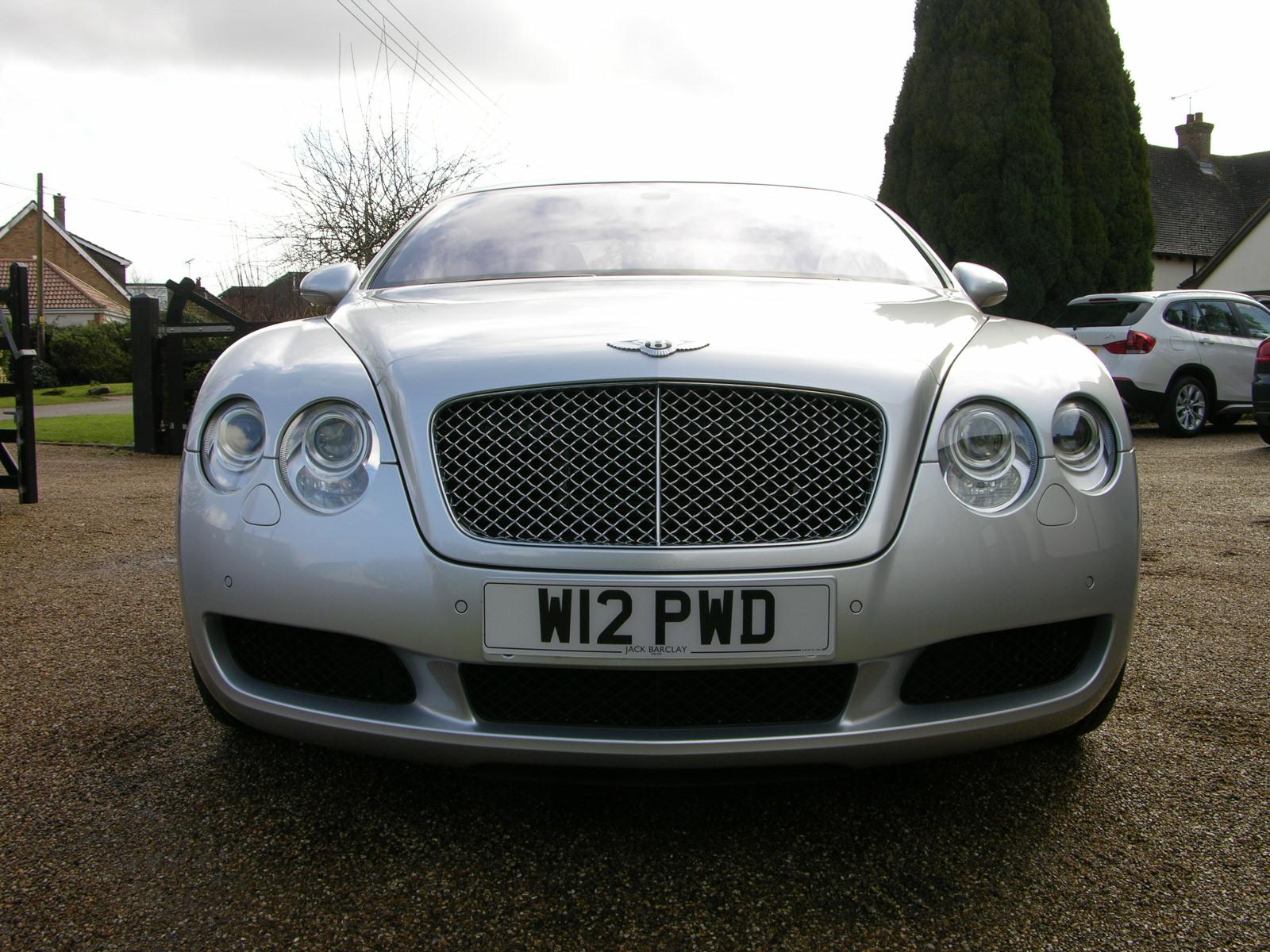
Is a Bentley Continental GT Worth Buying?
A thorough analysis of Bentley's grand touring icon — from its twin-turbo W12 to its handcrafted luxury and surprising used market value.
The Short Answer: Yes, If You Understand What You're Buying
The Bentley Continental GT is worth buying. But like most worthwhile purchases at this price point, it requires clarity about what the car actually is and what it demands from its owner. The Continental GT is the definitive grand tourer — a 5,000-pound celebration of handcrafted luxury that also happens to accelerate from zero to 60 in 3.5 seconds and carry you 200+ mph. That contradiction is exactly what makes it worth buying.
The third-generation Continental GT, introduced in 2019 and built on the MSB platform shared with Porsche Panamera, represents one of the most impressive luxury vehicles ever produced. It offers a choice between a 4.0-liter twin-turbo V8 (542 hp) or a legendary 6.0-liter twin-turbo W12 (650 hp). But here's what matters most: the used market is where the value actually lives. A 2020 Continental GT W12 that cost $262,000 new can be found for $140,000–$180,000 today. That's a massive depreciation that creates an extraordinary opportunity for the smart buyer.
We've helped hundreds of buyers navigate the luxury supercar market through Automonitor, and the Continental GT consistently emerges as one of the most rational purchases in the segment. Here's everything you need to know before making the call.
What the Continental GT Is: The Definitive Grand Tourer
The Bentley Continental GT is the most misunderstood car in the luxury segment. It's not a sports car. It's not a sedan. It's a grand tourer — a vehicle engineered to cross continents in comfort while maintaining the capability and drama of a machine that costs a quarter-million dollars.
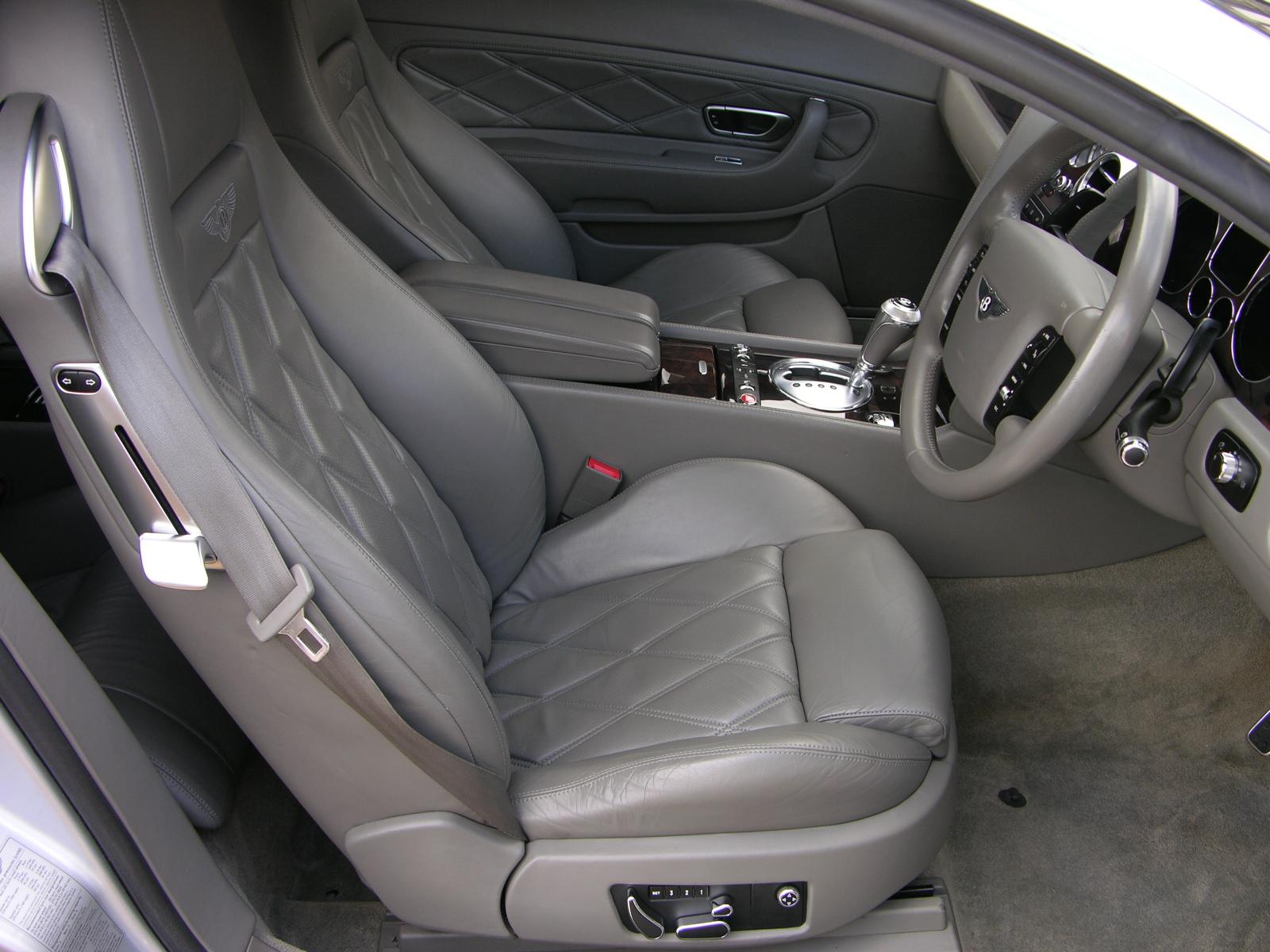
The third-generation platform (2019+) represents a massive engineering leap. Built on the same architecture as the Porsche Panamera, the Continental GT benefits from Porsche's dual-clutch transmission expertise, advanced air suspension technology, and all-wheel drive sophistication. But Bentley did something Porsche could never do: they wrapped it in eight layers of hand-stitched leather, installed a 2,200-watt Naim audio system, and engineered every control to feel like a precision instrument from a Swiss watchmaker.
The engine choice defines the car. The V8 is competent, lighter, more agile. The W12 is the soul of the Continental GT — a unique 6.0-liter engine that cannot be bought in any other production vehicle. It produces 650 horsepower, pulls with relentless force across the RPM range, and sounds like nothing else on Earth. The 2024 Speed variant cranks it to 659 hp, representing the final iteration of this extraordinary engine before potential future changes.
What this means practically: the Continental GT is a 5,000-pound masterpiece of luxury that corners like a vehicle half its weight, covers 200+ miles comfortably on a full tank, and arrives at black-tie events with a presence that few cars can match. It's not a Porsche 911. It's not a Mercedes-AMG GT. It's something entirely its own.
The W12 vs. V8 Question: Which Engine Should You Choose?
This is the most important decision you'll make. Both engines are excellent. Both will satisfy most buyers. But they're different animals.
The V8: Lighter, Leaner, More Agile
The 4.0-liter twin-turbo V8 produces 542 horsepower and 568 lb-ft of torque. It's 70 pounds lighter than the W12, handles slightly sharper, and achieves better fuel economy (though "better" is relative — expect 14–16 mpg vs. 12–14 for the W12). The V8 is $30,000 cheaper new ($236,000 vs. $262,000) and holds that pricing advantage in the used market.
The V8 is the rational choice. It's sufficient power, responsive, and costs less to own. If you drive the car 5,000–8,000 miles per year and value operational economy, the V8 is the smart pick.
The W12: Unique, Exclusive, Legendary
The 6.0-liter twin-turbo W12 is the soul-choice. It produces 650 horsepower and 667 lb-ft of torque — but numbers don't capture what makes this engine special. This W12 is the most advanced naturally-aspiring-adjacent (but turbocharged) 12-cylinder ever mass-produced. Only Bentley makes it. You can't buy it in a VW Group car, a Lambo, or anything else. The moment you press the accelerator, you know you have something genuinely exclusive.
The W12 achieves 0–60 in 3.5 seconds. The 0–3.5-second mark is where driving becomes performance art. It's visceral. It's impactful. It announces to everyone around you that this isn't a fast car — it's a fast car that costs more than a house.
Our recommendation: if you're buying used and can afford the roughly $20,000 premium for a W12 example, buy the W12. The exclusivity, the engine uniqueness, and the psychological impact of that particular power delivery justify the extra cost. The depreciation hit is already taken. You're buying a piece of Bentley history.
Pricing and Depreciation: Where the Value Actually Lives
This is where the Continental GT story becomes genuinely compelling. New pricing sits here:
| Variant | New MSRP | Used 2020–2022 Range | 3-Year Depreciation % |
|---|---|---|---|
| V8 | $236,000 | $160,000–$200,000 | 32–35% |
| W12 | $262,000 | $140,000–$180,000 | 38–45% |
| Speed | $291,000 | $175,000–$215,000 | 35–42% |
| GTC (Convertible) | $285,000 (V8) / $311,000 (W12) | $135,000–$170,000 | 40–50% |
That depreciation is heavy — 35–45% over three years. But here's the critical insight: in the used market, those first three years of depreciation have already happened to someone else. A 2020 W12 that sold for $262,000 now costs $155,000. You're not buying the depreciation — you're avoiding it.
The practical math: buy a 2020–2021 Continental GT W12 for $155,000, drive it for three years, and you'll likely resell it for $135,000–$145,000. Your total cost of ownership is roughly $10,000–$20,000 plus maintenance and fuel. Compare that to a new car buyer who loses $50,000+ in the same three years. The used market is where the rationality lives.
Note: the GTC (convertible) typically sells for $20,000–$30,000 less than the coupe on the used market, partly due to concerns about structural rigidity and partly because fewer buyers want a $300,000 convertible. The coupe is the stronger investment.
Performance and Engineering: The Numbers That Back Up the Drama
Bentley publishes conservative performance figures. Here's what you actually get:
W12 Specifications: 650 horsepower, 667 lb-ft torque, 0–60 in 3.5 seconds, 207 mph top speed (electronically limited). The transmission is an 8-speed dual-clutch unit that shifts smoothly at low speeds and aggressively in Bentley Speed mode. The air suspension can drop the car's ride height by 0.4 inches in high-speed mode, improving stability. All-wheel drive with a configurable center differential ensures traction in virtually all conditions.
V8 Specifications: 542 horsepower, 568 lb-ft torque, 0–60 in 3.9 seconds, 198 mph top speed. Same transmission, same suspension, same all-wheel drive system. The performance difference is measurable but not dramatic in real-world driving. Most drivers won't notice the 0.4-second 0–60 gap.
What makes this engineering impressive isn't raw numbers — it's the marriage of that power to a vehicle that weighs 5,050 pounds (W12 coupe) and prioritizes comfort over track performance. The Continental GT corners flatter than physics suggests possible for a 5,000-pound car, the suspension absorbs bumps with refinement that costs serious engineering money, and the braking system combines ceramic rotors with Bentley's own calibration to stop this mass of luxury from speeds most production cars never see.
The Luxury Proposition: Where Handcrafted Meets High-Tech
The Continental GT represents a different philosophy from German luxury engineering. Every interior choice communicates attention to detail at a level that most car buyers will never experience.
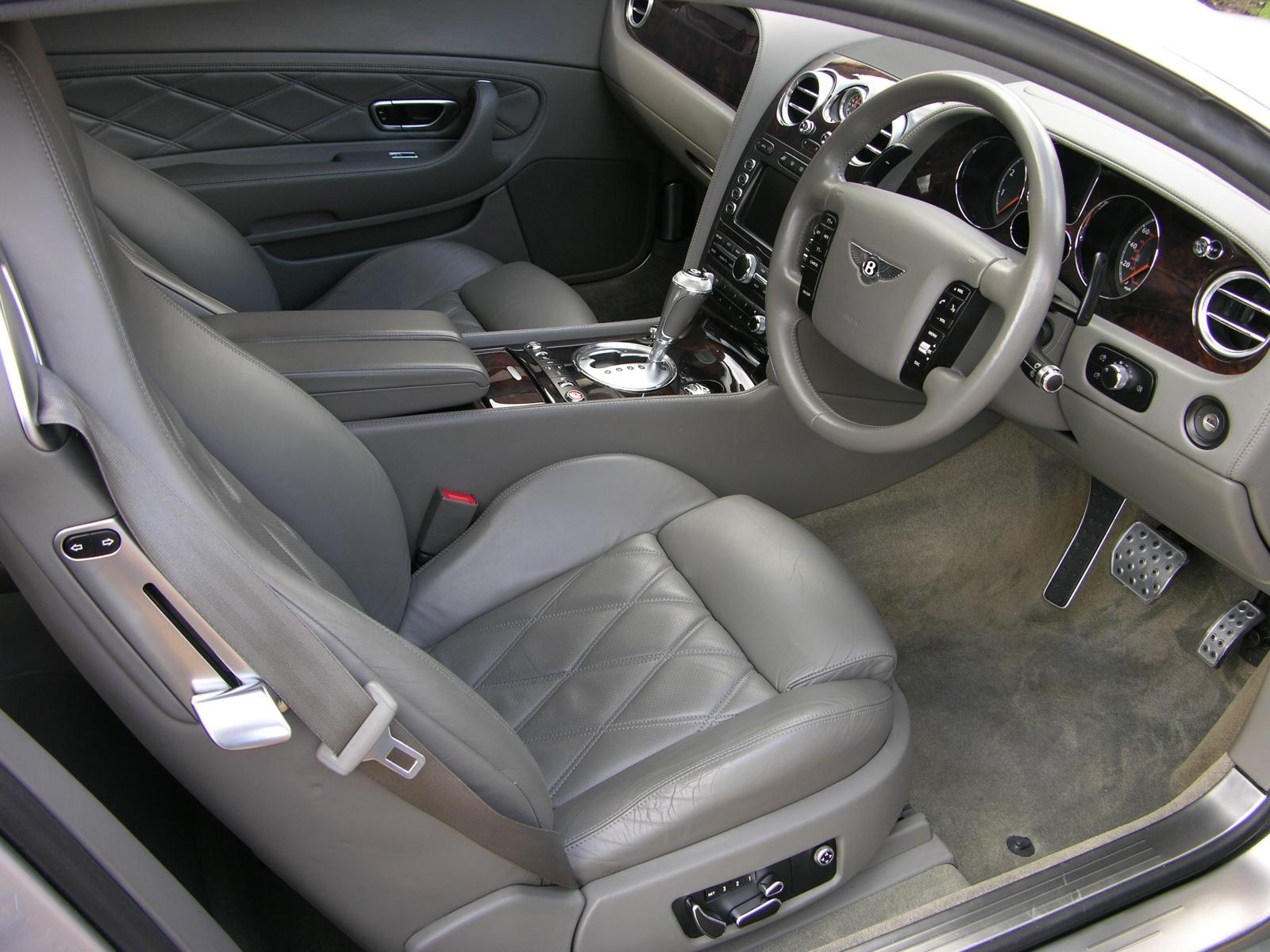
The rotating display is the signature technology — a three-sided rotating dial that can show a digital screen, analog gauges, or a completely clean veneer depending on the mode you select. When the car is off, you see polished veneer. Start the engine, and the panel rotates to reveal either a stunning digital display or traditional analog dials. This isn't necessary technology. It's theater. It's also exactly what a $300,000 car should deliver.
The hand-stitching is real and obsessive. Bentley employs craftspeople who spend 15 hours stitching leather into each car. If you open the door and run your hand across the dashboard, you'll feel the difference between this and any competitor. The leather smells expensive because it is — full-grain leather from the finest sources, treated and finished by workers whose job title is literally "leather specialist."
The diamond-knurled controls throughout the cabin aren't just decoration. Each control is machined with precision sufficient to make a watchmaker nod in respect. The gear selector, the mode buttons, even the climate controls — they all feel engineered and finished to tolerances that most manufacturers wouldn't bother with.
The optional Naim audio system represents 2,200 watts of carefully calibrated sound. There are 16 speakers positioned throughout the cabin, including a subwoofer that can generate bass frequencies that other cars don't attempt. If music matters to you, this system elevates the experience from "good car stereo" to "mobile concert venue."
None of this is necessary. All of it is worth experiencing at least once in your life if you're considering the car.
Get a Detailed Inspection Before You Commit
Bentley luxury cars require expertise to inspect properly. Automonitor connects you with certified inspectors who know exactly what to look for — from air suspension condition to transmission health.
Schedule an Inspection →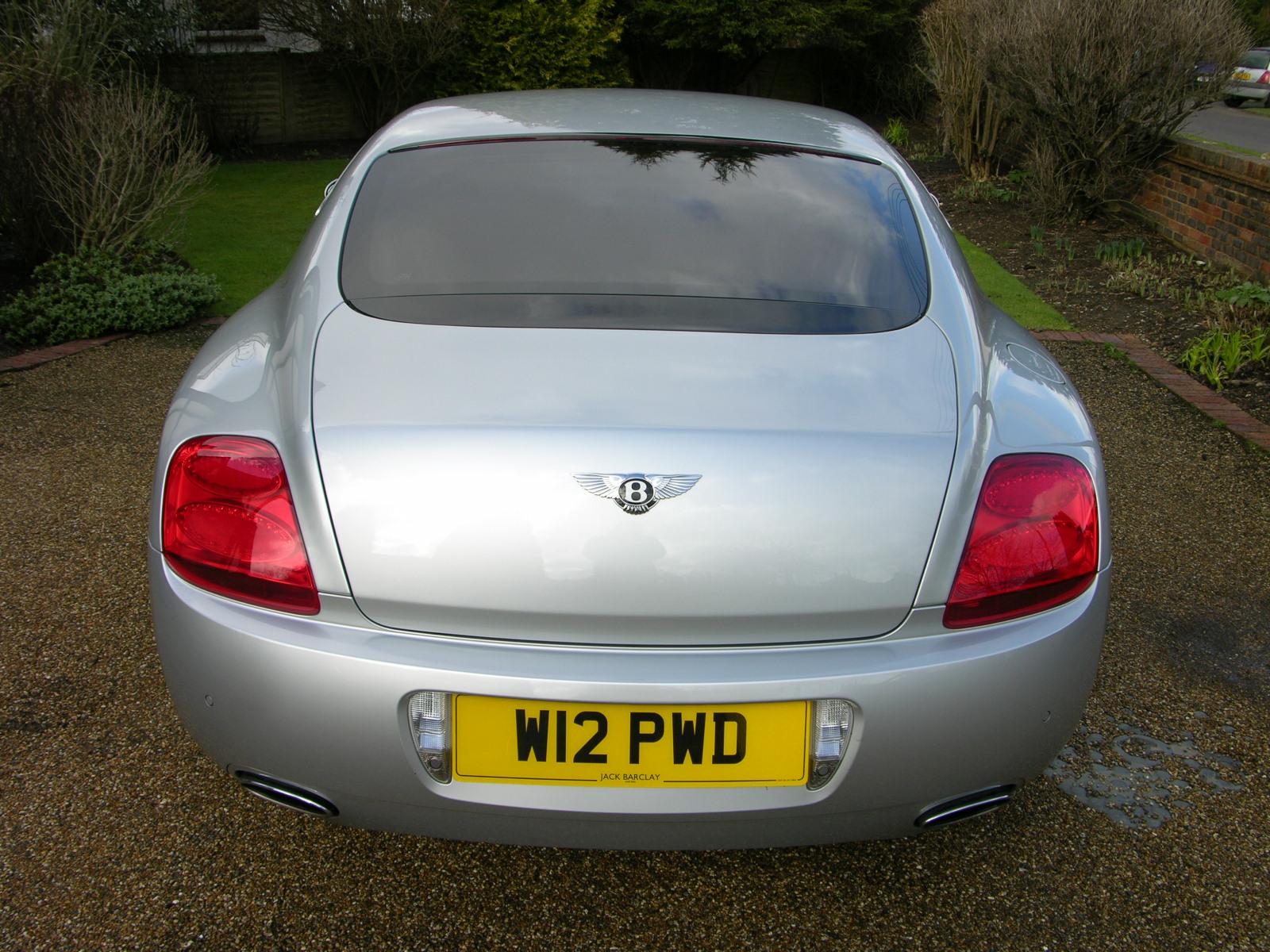
The Real Cost of Ownership: Beyond the Purchase Price
Buying the car is the easy part. Owning it requires honest budgeting. Here's what Continental GT ownership actually costs annually, based on real owner data and service records we've reviewed:
| Expense Category | Annual Cost | Notes |
|---|---|---|
| Insurance | $4,000–$7,000 | Varies by age, location, driving record, W12 vs. V8 |
| Routine Maintenance | $3,000–$5,000 | Oil changes, inspections, fluid servicing |
| Fuel | $3,500–$5,500 | 12–16 mpg combined; 91+ octane required |
| Tires (amortized) | $2,000–$3,000 | Michelin Pilot Sport replacements every 20K–25K miles |
| Brakes (amortized) | $1,500–$2,500 | Carbon ceramic brakes; when needed can run $12K+ |
| Registration & Taxes | $1,500–$3,500 | State-dependent, luxury tax considerations |
| Total Annual Running Cost | $15,500–$26,500 | Excludes depreciation & major repairs |
That's $1,300–$2,200 per month in running costs alone. If you purchase a car for $155,000 and drive it 5,000 miles annually, you're spending roughly 10–14% of the purchase price yearly in operating expenses. That's at the premium end for luxury vehicle ownership, but it's the reality of owning a 5,000-pound machine with a W12 engine and carbon ceramic brakes.
The good news: Bentley maintenance is less catastrophic than some alternatives. The platform is Porsche-based, which means parts availability is strong and service centers understand the architecture. A $15,000 unexpected repair is possible but not inevitable, unlike some exotic marques where even simple fixes run into five figures.
How It Compares: Continental GT vs. Rolls-Royce Ghost vs. Mercedes-AMG GT 4-Door vs. Aston Martin DB11
You're not buying in a vacuum. Here's how the Continental GT stacks up against the cars most buyers consider:
| Aspect | Continental GT W12 | Rolls-Royce Ghost | Mercedes-AMG GT 4-Door 63S | Aston Martin DB11 |
|---|---|---|---|---|
| Engine | 6.0L TT W12 | 6.75L TT V12 | 4.0L TT V8 | 5.2L TT V12 |
| Horsepower | 650 hp | 563 hp | 630 hp | 635 hp |
| 0–60 mph | 3.5s | 4.2s | 3.2s | 3.7s |
| New MSRP | $262,000 | $375,000+ | $203,000 | $219,000 |
| Used 2020 Market | $155,000–$180,000 | $280,000–$320,000 | $140,000–$165,000 | $125,000–$155,000 |
| 3-Year Depreciation | 38–45% | 20–25% | 30–35% | 40–45% |
| Annual Maintenance | $3K–$5K | $5K–$8K | $2.5K–$4K | $4K–$6K |
| Touring Ability | Excellent | Exceptional | Good | Good |
| Presence & Presence | Maximum | Godlike | High | High |
The Rolls-Royce Ghost is the ultimate expression of luxury — more refined, more exclusive, more expensive to own. But it costs $130,000+ more than a used Continental GT. The Mercedes-AMG GT 4-Door is faster in a straight line and cheaper to maintain, but it's a sports car with seats for four, not a grand tourer. The Aston Martin DB11 is beautiful and cheaper to buy used, but the Continental GT's combination of power, luxury, and touring refinement is unmatched.
Which Year and Variant to Buy: A Buyer's Roadmap
The third-generation Continental GT (2019+) is the only version worth considering. The 2019–2020 models are excellent entry points into the market, with prices typically $15,000–$25,000 lower than 2021–2022 examples. The refinements in 2021+ models are incremental — improved infotainment, minor suspension tuning, updated lighting. Worth having, but not worth the price premium if budget is a concern.
Best Value: 2020 Continental GT V8 with 15,000–25,000 miles ($160,000–$180,000). You get the proven platform, a price that reflects the early depreciation curve, and an engine that's sufficient for most driving. Avoid extremely low-mileage examples (under 5,000 miles) — these cars need to be driven, and garage queens develop their own problems.
Best Ownership Experience: 2020–2021 Continental GT W12 with 8,000–15,000 miles ($155,000–$175,000). This is the sweet spot. You have the legendary W12, the early depreciation is complete, and the car has been driven enough to prove reliability. Budget another $50,000–$75,000 for three years of ownership costs.
Best Investment Potential: 2021–2022 Continental GT Speed W12 with under 10,000 miles ($190,000–$210,000). The Speed variant is rarer, and early data suggests it's depreciating more slowly than standard W12 models. If you plan to own for 3+ years, this might appreciate relative to other variants.
Avoid: GTC convertibles unless you specifically need a convertible. The coupe is the stronger buy. Also avoid cars with unknown service history — Bentley vehicles deserve documented maintenance. Any example with extended gaps in service records should warrant skepticism.
When a Continental GT Is NOT Worth Buying
Honest assessment matters more than generating a sale. Here are situations where we'd recommend walking away:
You're stretching to afford it. The Continental GT should be comfortable, not stressful. If buying the car depletes your savings or forces you to compromise other financial priorities, it's not the right time. The running costs will compound the stress. Wait until you can afford both the car and the ownership without strain.
You want sports car agility. The Continental GT weighs 5,000+ pounds. It's not a Porsche 911. It's not a sports car. It's a grand tourer — optimized for comfort and continent-crossing, not tight corners and track days. If you want raw agility, buy a different car.
Fuel economy matters to you. The W12 gets 12–14 mpg. The V8 gets 14–16 mpg. If you drive 20,000+ miles annually and fuel costs create budgetary pressure, this isn't the right car. Buy something from the BMW M or Mercedes-AMG lineup instead.
You need it as a daily driver. The Continental GT can be daily driven. But ground clearance is minimal, parking is stressful, and unexpected weather or road conditions become negotiations. A Porsche 911 Turbo or a Range Rover Evoque suits daily duty better. Buy the Bentley for what it is — a specialist car optimized for particular driving occasions.
You haven't sat in one. Some buyers find the cabin too compact, the driving position awkward, or the visibility insufficient. Test drive multiple examples in different specifications. Discover any dislikes before you commit.
How to Buy Smart: A Process That Works
Step 1: Define your budget and timeline. Include purchase price plus three years of running costs (roughly $45,000–$80,000 depending on annual mileage). Be realistic. If the total stretches your finances, wait.
Step 2: Choose your engine and year. Don't default to the cheapest option. The W12 is worth the premium if you can afford it. The 2020–2021 range is the sweet spot for value. The V8 is the rational choice if you're price-sensitive.
Step 3: Search broadly. Use multiple platforms — Autotrader, Cars and Bids, Bring a Trailer, authorized Bentley dealers, exotic car specialists. Each market has different pricing dynamics. The best-priced cars are often in California, Florida, and Texas where inventory is deepest.
Step 4: Prioritize pre-purchase inspection. Mandatory. Non-negotiable. A comprehensive inspection by a Bentley specialist costs $1,000–$1,500 and can save $20,000+ in hidden problems. Check the air suspension condition, transmission smoothness, cooling system integrity, and any evidence of past accidents.
Step 5: Negotiate from data. Use completed sales, not asking prices. Factor in needed maintenance — if the car needs new brake pads ($1,500) or tire replacement ($3,000), that comes off your offer. Be disciplined. Emotion loses money in this segment.
Step 6: Secure realistic financing. Exotic car lenders like JJ Best Banc and Woodside Credit understand this segment. Expect 20–30% down payment and interest rates between 6–9% depending on the vehicle age and credit profile. Pre-approval before shopping strengthens your negotiating position.
Planning Your Exit: Resale Considerations
Think about resale before you buy. Your decisions at purchase directly impact what you'll recover when you sell.
Color matters. White, black, and gray are the most common — therefore the least valuable on resale. British Racing Green, Moonstone Grey, and distinctive special colors command 5–10% premiums. If choosing between two identical cars, pick the one with the more distinctive color.
Mileage matters, but less than you think. A well-maintained Continental GT with 20,000 documented miles is worth more than one with 2,000 miles and gaps in service history. Buyers want proof of care. Garage queens develop problems.
Specification impacts value significantly. The W12 holds value better than the V8. The Speed variant is holding value better than the standard W12. The coupe is worth more than the convertible. Research current market trends before you buy.
When you're ready to sell, platforms like Bring a Trailer attract the highest-paying buyers for specialty cars. Private sales to dealers typically yield less. Consignment through an exotic specialist spreads the selling workload and often achieves market pricing without the hassle.
The Final Verdict
The Bentley Continental GT is worth buying if you can afford the total cost of ownership without strain and understand what you're purchasing. It's not a sports car. It's not purely a luxury sedan. It's the world's greatest grand tourer — a vehicle engineered to cross continents at speed while surrounding you with handcrafted luxury that most people will never experience.
The used market is where the opportunity lives. A 2020 Continental GT W12 that sold for $262,000 new is available for $155,000–$175,000. You're not buying depreciation — you're avoiding it. That $85,000–$105,000 difference is real money, even if you spend half of it on ownership costs over three years.
The W12 engine is genuinely special. It's the most advanced twin-turbocharged 12-cylinder ever mass-produced. You can't buy it anywhere else. That exclusivity, combined with the car's proven Porsche-based engineering and Bentley's obsessive attention to detail, creates a proposition that's genuinely worth considering.
Is it worth buying? Yes. Is it the right car for everyone? Absolutely not. But if luxury, performance, touring ability, and exclusivity align with your priorities and your budget, the Continental GT might be the most rewarding car you could own.
Ready to explore options? Automonitor's buying service handles the entire process — market research, inspections, negotiations, and logistics. We've completed hundreds of luxury vehicle acquisitions, and we understand exactly what to look for in a Continental GT. Let's find you the right one.
Ready to Find Your Bentley Continental GT?
Automonitor connects you with verified dealers, handles pre-purchase inspections, and provides market data so you can buy with confidence.
Start Your Search →