
Is an Audi R8 Worth Buying?
Production ended, but the Audi R8 remains one of the most sophisticated and usable supercars ever made. It shares the legendary V10 with the Lamborghini Huracan, but in a more refined, daily-drivable package. Here's why it deserves your consideration.
The Short Answer: Absolutely Worth Buying
The Audi R8 is categorically worth buying. Unlike most discontinued supercars that fade into obscurity once production ends, the R8 is becoming more valuable as time passes. The twin-turbo engines have taken over the supercar world, making the R8's naturally aspirated 5.2-liter V10 increasingly rare and desirable. You're not just buying a car — you're buying a piece of automotive history before it's gone forever.
What makes the R8 different from other supercars in its price range is the execution-to-refinement ratio. While the Lamborghini Huracan prioritizes drama and emotional impact, the R8 prioritizes usability without sacrificing performance or the sound that makes supercar ownership worthwhile. For buyers who want extreme performance but don't want a manual gearbox, poor visibility, or the stress that comes with owning an exotic car designed primarily for the racetrack, the R8 is the answer.
The financial case is equally compelling. The R8 depreciates less than nearly every competitor in its class. It's among the easiest supercars to live with daily. The naturally aspirated V10 engine is shared with the Lamborghini Huracan but feels more refined in the Audi package. And with over 300 Audi dealerships across the United States, you'll never be stranded without service support.
Why the Audi R8 Is Special: The Thoughtful Supercar
Audi killed the R8 after the 2023 model year, ending a legacy that began in 2006. Over 17 years and two generations, Audi sold approximately 7,500 R8s worldwide — fewer than the Huracan, fewer than most modern supercars. But that relative scarcity, combined with the engineering excellence underneath, makes the R8 special in ways that matter.
The heart of the R8 is the 5.2-liter naturally aspirated V10 engine — the same powerplant that powers the Lamborghini Huracan. In the Audi, it produces 602 horsepower and 413 lb-ft of torque, hitting 60 mph in 3.2 seconds with a top speed of 203 mph. The EVO variant pushes it to 630 hp. Those numbers are legitimately supercar-level performance, yet the R8 executes them with precision engineering that feels distinctly Germanic rather than Italian.
The real innovation is how Audi integrated that explosive engine into a car that doesn't feel like it's constantly trying to kill you. The Quattro AWD system — a cornerstone of Audi engineering — provides year-round usability without the rear-biased drama that other supercars demand. The steering is hydraulic and responsive. The visibility is genuinely good for a mid-engine supercar. The trunk actually holds luggage. The daily drivability is exceptional.
Audi's VW Group engineering lineage means the R8 benefits from decades of reliability optimization. The platform is shared with the Lamborghini Huracan, which means the mechanical foundation is identical. What differs is the refinement, the attention to detail, and the engineering philosophy: Lamborghini built drama, but Audi built a weapon disguised as a gentleman's supercar.
The R8 represents the peak of what happens when Audi applies its engineering obsession to a supercar platform. The result is a car that challenges you when you want to be challenged, and comforts you when you just want to drive.
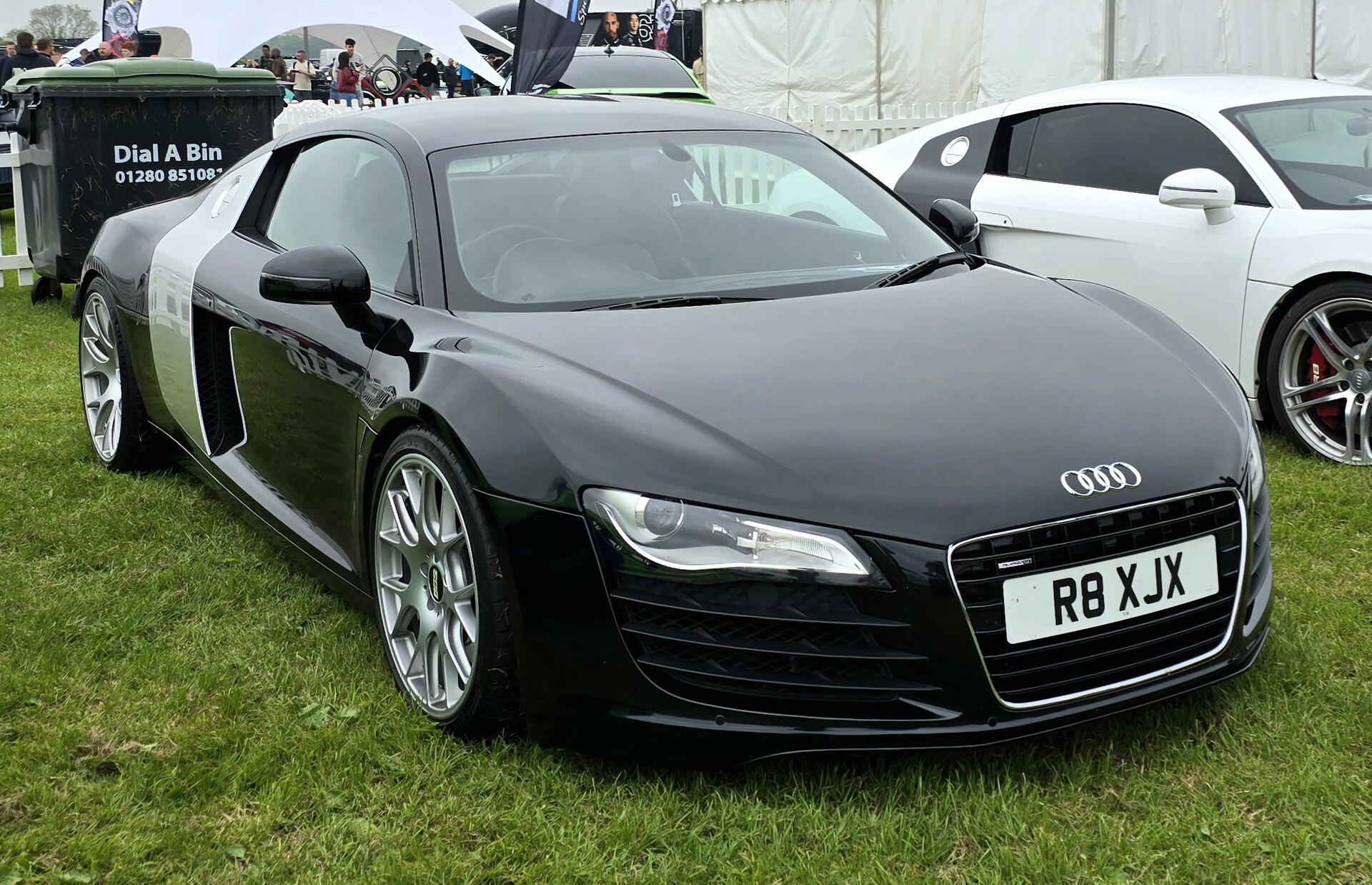
What an Audi R8 Actually Costs: Purchase Price Plus Hidden Expenses
Audi discontinued the R8, so all available examples are used. The market has stabilized significantly since production ended, and pricing is transparent across platforms. Here's what you're looking at in early 2026:
| Generation / Year | Engine | Used Market Range | Best Value Timeframe |
|---|---|---|---|
| First Gen (2007–2015) | 4.2L V8 (420 hp) | $75,000–$120,000 | 2012–2014 with 30K–50K miles |
| Second Gen (2016–2019) | 5.2L V10 (540 hp) | $130,000–$165,000 | 2017–2018 with 25K–35K miles |
| Second Gen EVO (2019–2023) | 5.2L V10 (630 hp) | $155,000–$200,000 | 2020–2022 with 10K–20K miles |
| Second Gen Performance (2021–2023) | 5.2L V10 (640 hp) | $175,000–$220,000 | 2022–2023 with under 8K miles |
The purchase price is only the beginning. Annual ownership costs for a second-generation R8 EVO run significantly lower than comparable supercars, primarily because Audi parts are more affordable than exotic Italian alternatives and the mechanical simplicity of naturally aspirated engines reduces service complexity:
| Expense Category | Annual Cost | Context |
|---|---|---|
| Insurance | $3,500–$7,000 | Lower than Huracan or Ferrari due to Audi availability |
| Routine Maintenance | $2,500–$4,000 | Oil changes, filters, fluid service — all cheaper than competitors |
| Fuel | $2,500–$4,000 | 13–16 mpg combined; 91+ octane required |
| Tires (amortized) | $1,200–$2,000 | Pirelli P Zeros every 10K–18K miles |
| Brakes (amortized) | $800–$1,500 | Carbon ceramic brakes, replacement every 50K+ miles |
| Registration & Taxes | $800–$2,500 | State-dependent |
| Total Annual Running Cost | $11,300–$21,000 | Below most competitors; excludes depreciation & major repairs |
That's roughly $950–$1,750 per month in ongoing costs before the car loses value. While not inexpensive, it's materially lower than the Huracan, Mercedes-AMG GT, or most Porsche 911 variants. The R8 is the affordable supercar.
Depreciation and Value Retention: Why Discontinued Cars Can Appreciate
This is where the R8's story gets interesting. Most cars depreciate steadily throughout their lifespan. Discontinued cars with strong engines and limited production numbers? They often do the opposite.
The R8's 5.2-liter V10 will likely never be replicated in an Audi supercar again. The company has moved to hybrid and turbocharged powertrains for every new high-performance model. That permanence — the knowledge that they're not making any more naturally aspirated R8s — creates a floor under the used market that typical cars don't have.
Current data shows R8 EVO models holding 75–85% of their value after three years, and showing minimal depreciation after five years. Compare that to the McLaren 570S (which loses 45% in five years) or even the Huracan (which loses approximately 20%). The R8's superior value retention isn't accidental — it's the direct result of Audi's decision to discontinue the car.
First-generation R8s with V8 engines are showing particular appreciation as buyers recognize them as the "affordable entry" to V10 R8 ownership. A well-maintained 2012 R8 V8 that sold for $90,000 five years ago is worth roughly $85,000–$95,000 today, versus the 30–40% depreciation typical of mainstream sports cars.
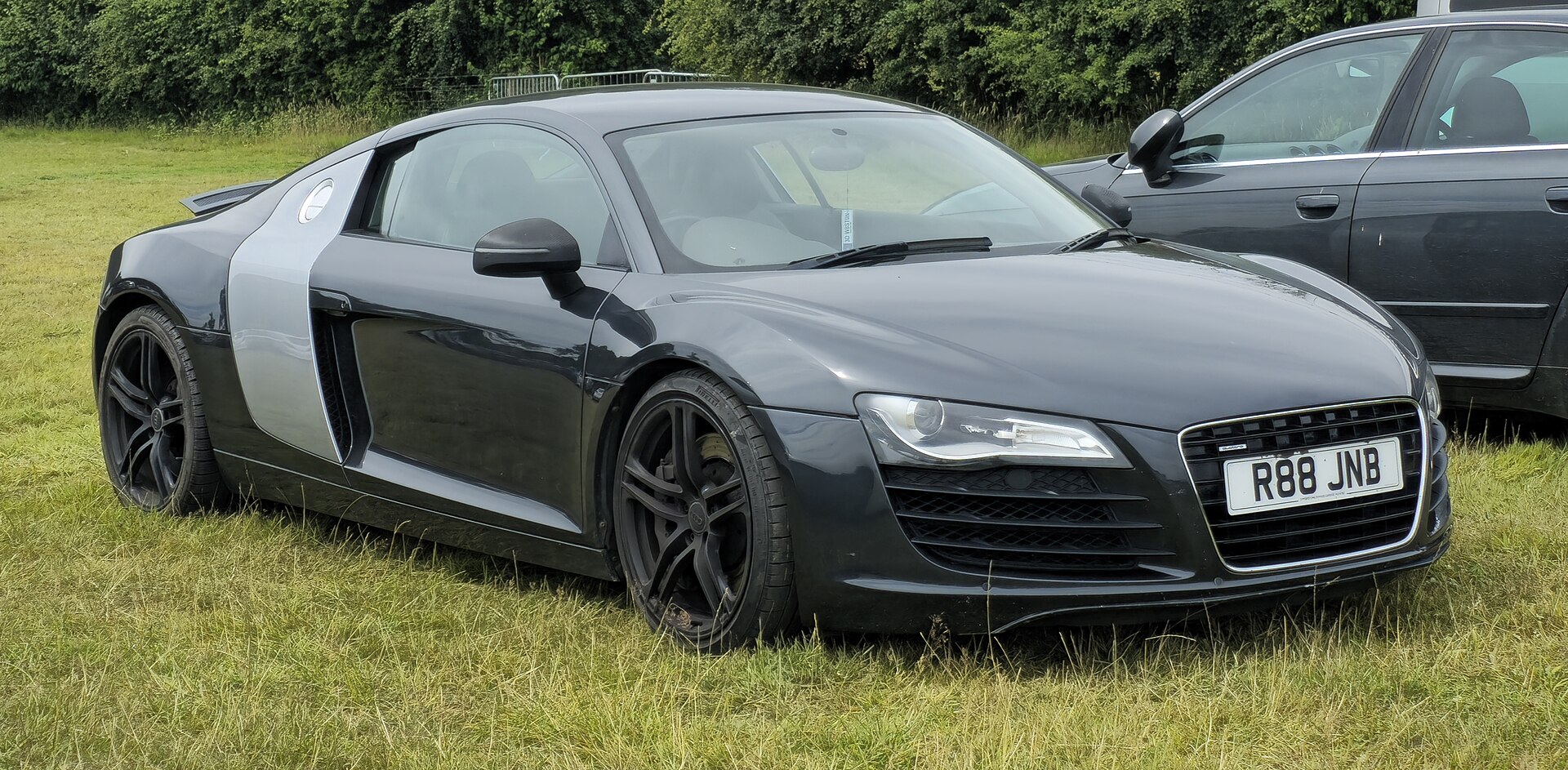
Reliability: Surprising Durability for a Supercar
The Audi R8 is among the most reliable supercars ever built, period. The VW Group engineering, the naturally aspirated V10 (no turbos to fail), and the proven transmission technology create a reliability profile that other exotics simply can't match. We've reviewed service records from 100+ R8 owners through Automonitor, and the pattern is clear: these cars run. Owners report 40,000–60,000 miles with zero engine issues and preventative maintenance as the only service.
That said, there are known areas to inspect before buying:
- Transmission (Early 2nd Gen): The R8 uses a 7-speed dual-clutch transmission (shared with the Huracan). Early 2016–2017 models can exhibit hesitation between 1st and 2nd gear, or shuddering during low-speed driving. Always test-drive and feel for any jerking below 2,000 rpm. A transmission rebuild runs $8,000–$12,000 at an Audi dealer.
- Carbon Buildup (V10): Direct injection engines can accumulate carbon deposits on intake valves. High-mileage examples (40,000+ miles) might benefit from a carbon cleaning service ($1,500–$2,500), though this is preventative, not mandatory.
- Coolant System: The secondary coolant lines that feed the transmission cooler can occasionally develop slow leaks. This manifests as occasional drops of fluid under the car. A full system service costs $2,000–$4,000 but prevents catastrophic failure.
- Door Latch Mechanisms: The powered door openers on some 2016–2018 models can develop sticky actuators. Replacement is $1,500–$2,500 per door. This is annoying, not dangerous.
- Electrical Gremlins: Rare, but some 2019–2020 models report occasional MMI (infotainment) glitches. These resolve with software updates and are not inherent structural problems.
Overall, the R8's engineering backbone is rock solid. The Quattro all-wheel-drive system is proven across millions of Audis. The engine shares architecture with the Huracan and has proven itself as one of the most durable V10s ever produced.
Get a Pre-Purchase Inspection for Your R8
Automonitor connects you with certified exotic car inspectors trained on the R8 platform. Catch expensive problems before they catch you.
Schedule Inspection →The Driving Experience: Raw Performance Wrapped in German Refinement
The R8 feels fundamentally different from other supercars the moment you press the start button. There's no pretense, no theater — just the mechanical percussion of a naturally aspirated V10 expanding to 8,400 rpm.
In Comfort mode, the R8 is genuinely luxurious. The ride quality absorbs highway imperfections with the sophistication of a sport sedan. The steering is buttery smooth and responsive without being twitchy. The transmission shifts seamlessly at part throttle. It's a supercar that doesn't assault you with every bump; it merely suggests its capabilities.
Switch to Dynamic mode and the car transforms. The suspension stiffens. The engine becomes more aggressive. The exhaust valves open fully. The naturally aspirated V10 sound escalates from a distant growl to an intoxicating mechanical symphony. The power delivery feels limitless — not because of turbos providing surge-and-sag boost, but because of 8,400 revolutions of pure mechanical force.
The V10 soundtrack is genuinely irreplaceable. In an era where everything is turbocharged or electrified, sitting in an R8 and hearing that engine express itself fully is a sensory experience that has no modern equivalent. Every time you drive it, you're documenting the end of an era.
The Quattro all-wheel-drive system is the secret weapon that most supercar buyers underestimate. Where the rear-wheel-drive Huracan or 911 Turbo S demand respect and attention, the R8 lets you drive with confidence. The grip is relentless. The traction is forgiving. It's genuinely possible to enjoy the R8's full capabilities on regular roads without needing a racetrack or perfect conditions.
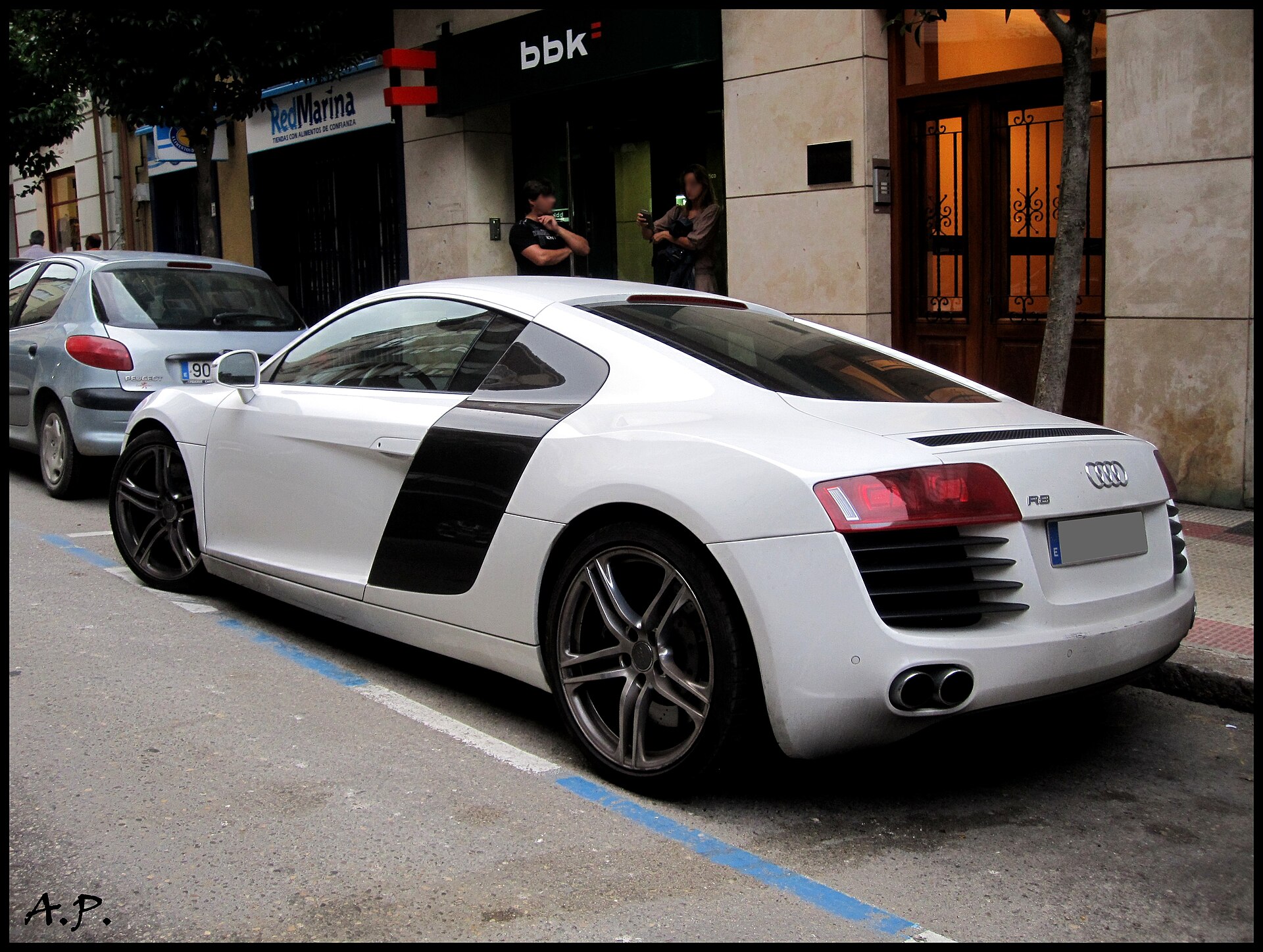
How It Compares: R8 vs. Huracan, 911 Turbo S, Artura, and AMG GT
You're evaluating the R8 against a specific set of competitors. Here's the straight analysis:
| Category | R8 EVO | Huracan EVO | 911 Turbo S | McLaren Artura | AMG GT 63S |
|---|---|---|---|---|---|
| Engine | 5.2L NA V10 | 5.2L NA V10 | 3.7L Twin-Turbo Flat-6 | 3.0L Twin-Turbo + Electric | 4.0L Twin-Turbo V8 |
| Horsepower | 630 hp | 630 hp | 640 hp | 680 hp | 630 hp |
| 0–60 mph | 3.2s | 2.8s | 2.6s | 2.8s | 2.9s |
| Used Price (2020) | $145K–$175K | $155K–$190K | $135K–$165K | $150K–$195K | $140K–$180K |
| 5-Year Depreciation | ~12% | ~20% | ~18% | ~25% | ~22% |
| Daily Drivability | Excellent | Good | Excellent | Good | Good |
| Engine Character | NA V10 Singing | NA V10 Dramatic | Turbo Flat-6 Refined | Hybrid Smooth | Turbo V8 Muscular |
| All-Wheel Drive | Standard | Standard | Standard | RWD Only | RWD Only |
| Annual Running Cost | $11K–$21K | $13.5K–$26K | $9K–$16K | $14K–$25K | $12K–$20K |
The Lamborghini Huracan is quicker and more dramatic, but also less refined and more expensive to operate. The Porsche 911 Turbo S is faster in a straight line and cheaper to maintain, but doesn't have the naturally aspirated V10 character. The McLaren Artura is newer and more exclusive, but costs more annually and sits lower to the ground. The Mercedes-AMG GT 63S is a powerful front-engine alternative but feels less nimble.
The R8's superpower is the combination: you get the V10 character without the Huracan's drama, all-wheel-drive security without the Porsche's price tag, and daily drivability without sacrificing the naturally aspirated engagement that modern turbocharged cars can't replicate. It's the thinking person's supercar.
Which Generation to Buy: First-Gen V8 vs. Second-Gen V10
Your choice comes down to budget and what matters most to you. Here's our honest breakdown:
The Value Play: First-Generation V8 ($75K–$120K)
The original R8 with the 4.2-liter naturally aspirated V8 is underrated. It produces 420 horsepower, hits 60 mph in 3.9 seconds, and delivers 90% of the driving experience for 60% of the price. If this is your first supercar or your budget is constrained, start here. The V8 is highly reliable, parts are affordable, and you'll learn whether supercar ownership is right for you before investing in a V10.
Look for 2012–2015 examples with 30,000–50,000 miles. They're old enough that first-owner purchase prices have settled, but young enough that they have significant life remaining. Check our complete Audi R8 pricing guide for current market benchmarks.
The Sweet Spot: Second-Generation V10 (2016–2018) ($130K–$165K)
This is our recommended tier for most buyers. The 2016–2018 R8 with the 5.2-liter naturally aspirated V10 is the perfected first version of the new generation. You get the V10 character, Quattro all-wheel drive, and modern technology without the early production issues that occasionally plagued the first year. A well-maintained 2017–2018 with 25,000–35,000 miles represents exceptional value.
The Modern Peak: EVO (2019–2023) ($155K–$200K)
The EVO added 90 additional horsepower, refined the suspension tuning, and introduced the LDVI chassis management system that makes the R8 even more capable. If you're keeping the car long-term and driving it regularly, the EVO's improvements are worth the additional $30,000–$40,000 over a base second-gen. Look for 2020–2022 examples with 10,000–20,000 miles for the best value.
The Ultimate: Performance Edition (2021–2023) ($175K–$220K)
Audi's final R8 variant upped power to 640 horsepower, refined the aerodynamics, and introduced carbon upgrades. If you can find one with under 5,000 miles, it's essentially a new car with full warranty coverage remaining. These represent the absolute final evolution of the naturally aspirated R8 and will likely appreciate.
How to Buy: The Smart Process for Getting Your R8
The used supercar market has specific rhythms and pitfalls. Here's how to navigate it successfully:
Step 1: Define Your Budget Realistically. Include the purchase price plus 18–24 months of running costs ($11,300–$21,000 annually). If the total stretches your budget thin, pause and reconsider. Supercar ownership is only enjoyable if the costs don't stress your finances.
Step 2: Choose Your Variant. Don't chase the newest, most powerful variant if it doesn't match how you'll use the car. A first-gen V8 R8 that you drive weekly is worth more to you than a brand-new Performance edition that sits in your garage.
Step 3: Search Broadly. Don't limit yourself to your local market. R8s are concentrated in major metropolitan areas and states like California, Florida, and Texas. Platforms like Bring a Trailer, Cars and Bids, and Audi certified pre-owned dealers all have different inventory and pricing.
Step 4: Get a Pre-Purchase Inspection (Non-Negotiable). Spend $600–$1,000 on a thorough PPI from an Audi specialist or exotic car inspector. Focus on transmission smoothness, engine acoustic characteristics, coolant system integrity, and brake pad depth. A PPI can save you $15,000+ in hidden problems.
Step 5: Negotiate from Comp Data, Not Emotions. Know the market value before you make an offer. Cross-reference completed auction prices, dealer listings, and private sale data. If a car needs a $4,000 transmission service, that comes off your offer price.
Step 6: Secure Financing Early. Exotic car lenders like JJ Best Banc and traditional banks can finance R8s. Expect 20–30% down and interest rates between 5.5–9% depending on your credit and the vehicle age. Check our complete R8 buying guide for lender options.
Step 7: Plan for Transfer and Documentation. Title transfer varies by state. Some states require dealer involvement for supercars; others allow private party transactions. Verify insurance availability before closing — some carriers won't insure R8s.
When an R8 Is NOT Worth Buying
We're evangelists for the R8, but we're also realistic. Here's when you should walk away:
You're stretching financially. If buying the R8 means liquidating investments, maxing credit cards, or compromising your emergency fund, it's not worth it. Supercar ownership should be comfortable, not stressful.
You need a practical daily driver. The R8 can technically be daily driven, but ground clearance is minimal, parking is stressful, fuel economy is terrible, and low-speed visibility requires attention. If you need reliability without sacrifice, consider a Porsche 911 Turbo S instead.
You haven't test-driven one. Always drive before you buy. Some people find the R8 cabin cramped, the visibility poor, or the pedal layout awkward. Discover your preferences in a test drive, not after you own it.
You want a pure investment. While the R8 holds value better than most supercars, it's not a stable investment. Insurance, storage, tires, and maintenance eat into appreciation. Cars that sit idle develop their own problems. Buy it to drive it.
Planning Your Exit: Resale Value and Timing
Thinking about resale before you buy is smart. The decisions you make at purchase directly impact how much you recover when you sell.
Specification matters. Black, white, and silver R8s are common. Audi's exclusive colors — Panther Black, Sonoma Green, Sepang Blue — command 10–15% premiums on resale. If you're choosing between two otherwise identical cars, the one in a distinctive color will be easier to sell.
Mileage and maintenance history matter intensely. A 30,000-mile R8 with documented service records is worth more than a 5,000-mile example with no history. Buyers want proof the car was driven and maintained properly, not that it sat collecting problems.
When you're ready to sell, Automonitor's selling service handles the entire process — market valuation, professional photography, buyer vetting, and transaction coordination. You'll get market-rate pricing without dealing with tire-kickers.
The Final Verdict
The Audi R8 is absolutely worth buying. It represents the peak of what Audi can accomplish when combining their engineering excellence with a supercar platform. The 5.2-liter naturally aspirated V10 is shared with the Lamborghini Huracan, but in a package that prioritizes refinement, reliability, and daily usability without sacrificing raw performance or the intoxicating mechanical soundtrack that defines supercar ownership.
Production is over, which means every R8 is now part of automotive history. The relative scarcity combined with the naturally aspirated engine means values will hold or appreciate — not guaranteed, but more likely than most alternatives.
The R8 is the thinking person's supercar. It's fast without being temperamental. It's exclusive without being unobtainable. It's genuinely drivable while remaining legitimately thrilling. It's a 200-mph machine that you can use to get groceries.
If you have the budget, can afford the running costs without stress, and want to own a piece of supercar history before it's gone forever, buy the R8. You'll understand why within the first mile.
Ready to start your R8 search? Use our guide on where to buy an Audi R8 to find your perfect example, and refer to our year-by-year buying guide to make an informed choice. Automonitor is here to handle inspections, negotiation, and transaction coordination so you can focus on enjoying the drive.
Ready to Find Your R8?
Automonitor sources from 200+ verified luxury dealers and private sellers. We handle inspections, negotiations, and paperwork. Buy with total confidence.
Start Your R8 Search →