Is an Aston Martin Vantage Worth Buying?
The 2025 Vantage is a watershed moment for Aston Martin. With 656 hp, radical new design, and engineering that finally matches the brand's ambition, the Vantage presents a compelling alternative to Porsche 911 Turbo and Mercedes-AMG GT. But is it the right car for you? Here's what you need to know.
The Short Answer: Yes, Especially If You Value Design and Engagement
The Aston Martin Vantage is worth buying. With the 2025 redesign, Aston Martin has finally delivered on the promise of creating the world's most beautiful sports car with the performance to back it up. The new Vantage produces 656 horsepower — 30% more than the previous generation — features a completely redesigned exterior that draws universal praise, an interior built to the standards Aston Martin's price tag demands, and engineering that transforms what was previously a charismatic-but-flawed sports car into a genuinely competitive machine against the Porsche 911 Turbo and Mercedes-AMG GT.
But "worth buying" requires context. If you're evaluating the Vantage purely on capability, the Porsche wins. If you're optimizing for technology and infotainment, the Mercedes has the advantage. If you're prioritizing reliability over everything else, Japanese brands and even Porsche offer lower-stress ownership. Where the Vantage wins decisively is in the category that matters most to real enthusiasts: the driving experience. The exhaust note alone is worth the price of admission, the steering is alive in a way turbocharged sports cars often aren't, and the weight distribution makes every drive feel intentional rather than programmed.
This guide will walk you through the 2025 redesign, explain why the previous generation disappointed so many buyers, evaluate the reliability and depreciation trends, and help you determine whether the Vantage is the right sports car for your specific situation and budget.
The 2025 Redesign: A Generational Leap Forward
The previous generation Vantage (2019–2024) was a car caught between identities. It had a gorgeous exterior, but the interior felt like a cost-cutting exercise. The engine was magnificent, but the automatic transmission let it down. It was exclusive, but not exclusive enough to justify the luxury car price tag.
The 2025 redesign addresses almost everything. Aston Martin spent years developing this car with the singular goal of creating a sports car that could compete with the best in the world — not just in performance metrics, but in every category that matters to owners.
Performance and Powertrain
The new Vantage uses a hand-assembled 4.0-liter twin-turbo V8 that produces 656 horsepower and 626 lb-ft of torque. That's a 30% increase in output compared to the previous generation's 503 hp naturally aspirated V12. The engine sits mid-front in the chassis, mounted as low and as far back as possible to improve weight distribution. Zero to 60 mph happens in 3.4 seconds. Top speed is 208 mph. But here's what matters more than the numbers: the engine sounds incredible. Twin turbos typically produce a muted tone, but this one sings. Aston Martin's engineers tuned the exhaust system for a high-revving character that sounds closer to a screaming V12 than a typical turbocharged engine. Drive it hard, and you understand why people spend $200,000+ on a single car.
The eight-speed automatic transmission is where the 2025 model finally delivers what enthusiasts demanded from the previous generation. It's genuinely responsive at low speeds — no jerking, no hesitation — and holds gears when you're pushing hard. Paddle shifters feel immediate. The transmission learns your driving style and adapts accordingly. This is what Aston Martin should have shipped in 2019.
Exterior Design
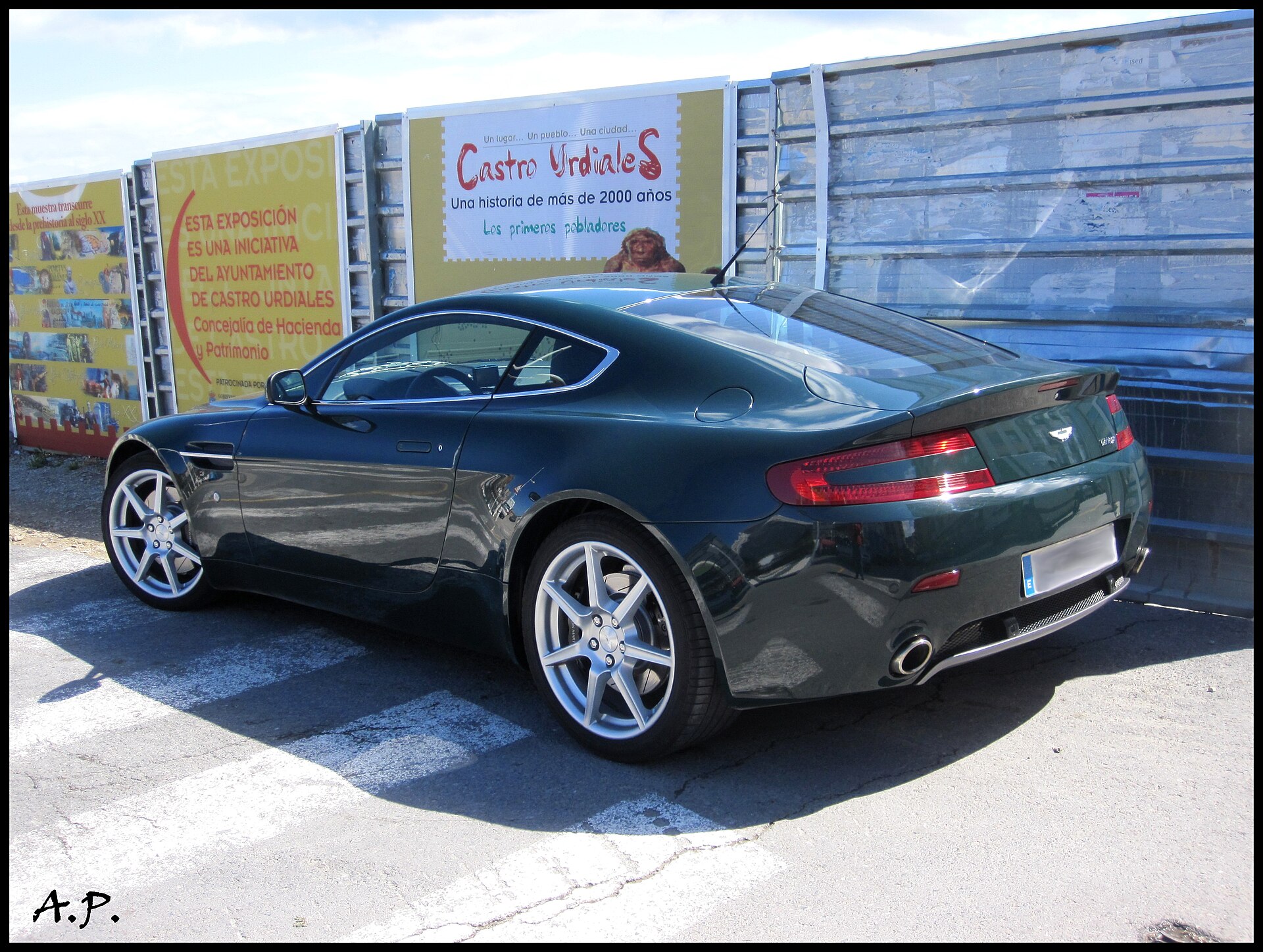
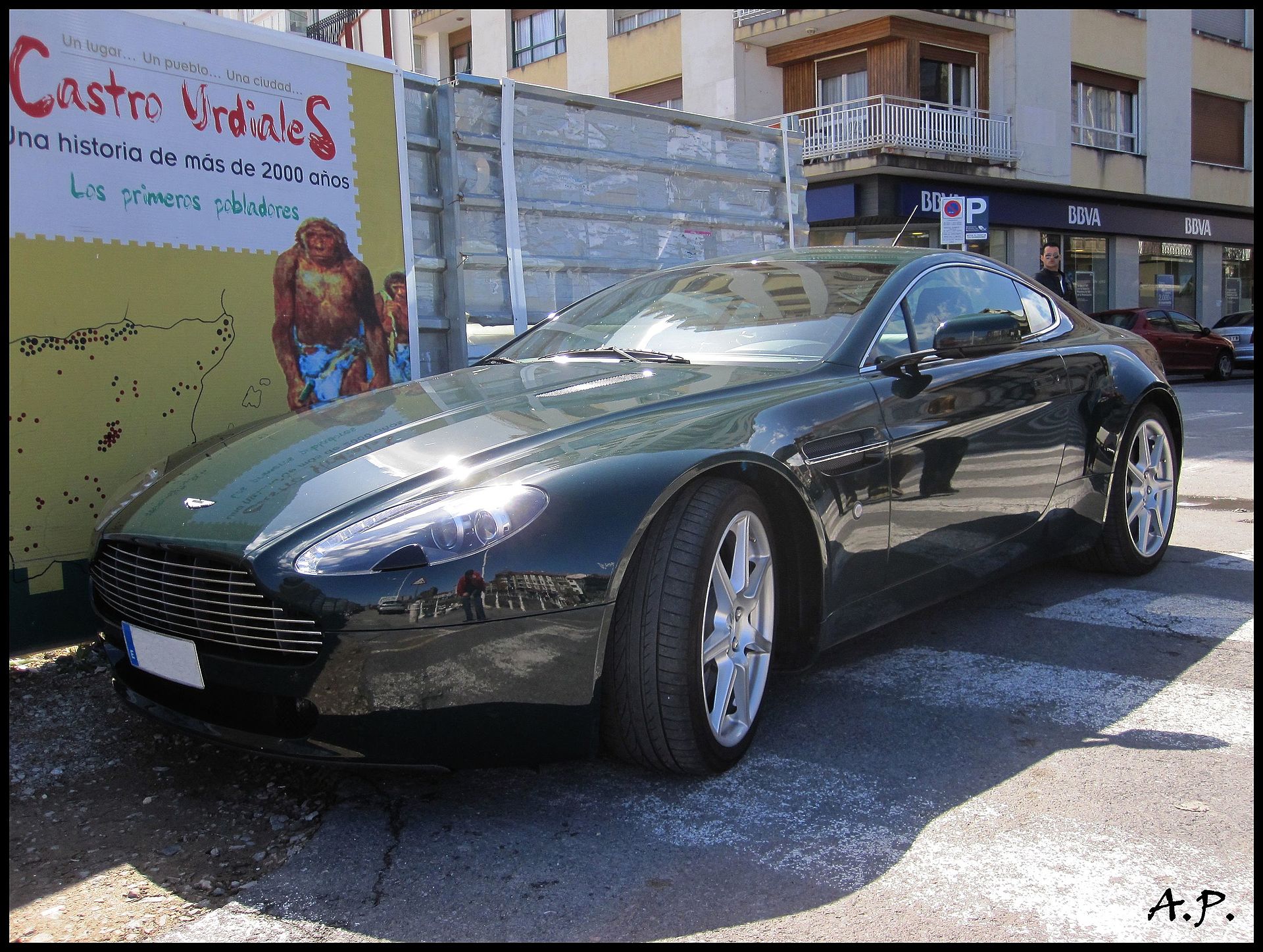
The exterior is a stunning reimagining of the Vantage nameplate. Longer proportions. Sharper creases. A lower, more aggressive stance. The front end features Aston Martin's new split-light design. The side profile emphasizes the mid-mounted engine with dramatic air intakes behind the doors. The rear end tapers to a clean Kamm tail with integrated diffuser. In person, the 2025 Vantage is one of the most beautiful sports cars ever made. Photographs don't do it justice — the surface tension, the depth of the paint, the precision of every line demands to be seen in person. This alone is worth the premium over a Porsche 911.
Interior Quality
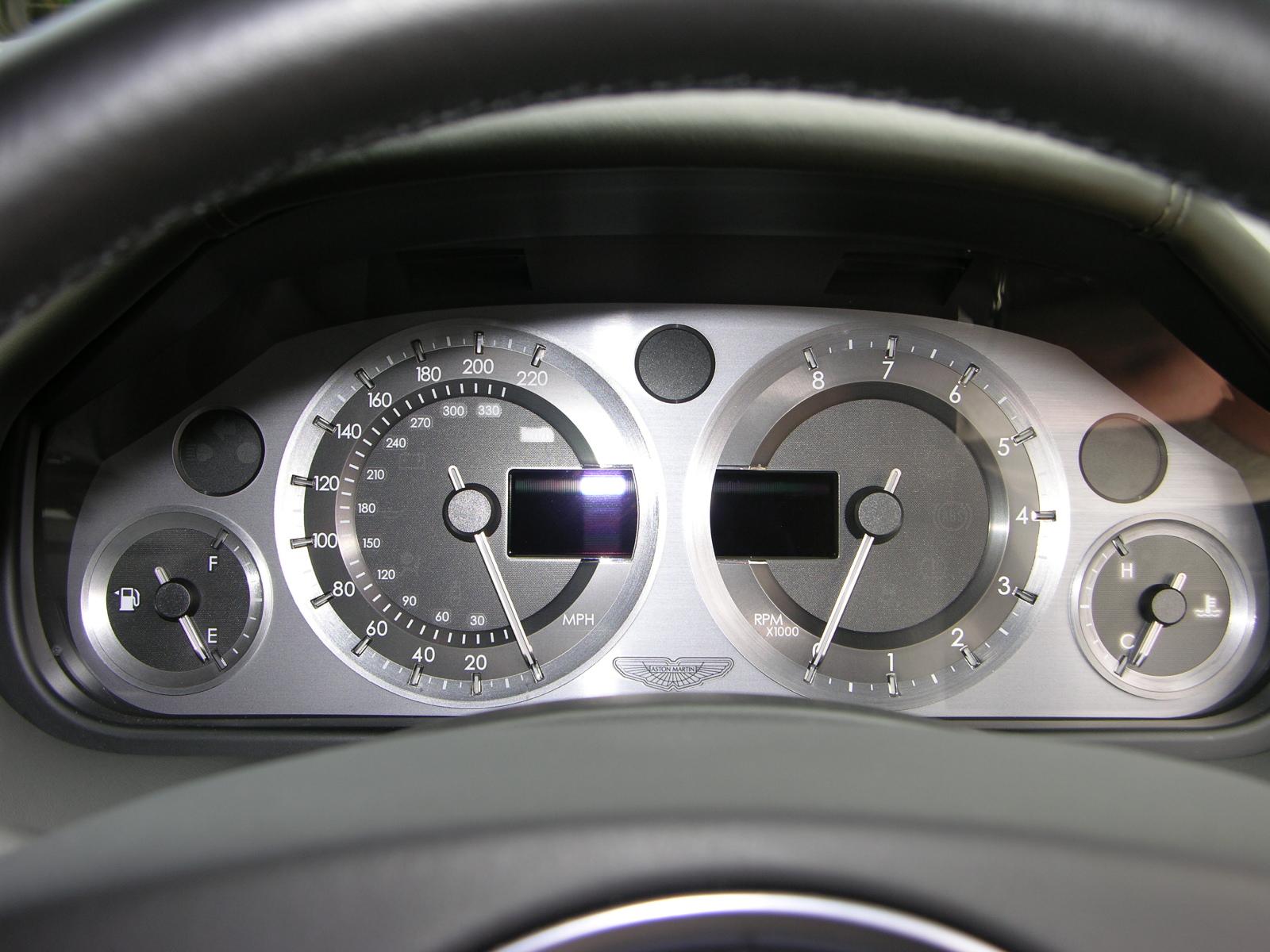
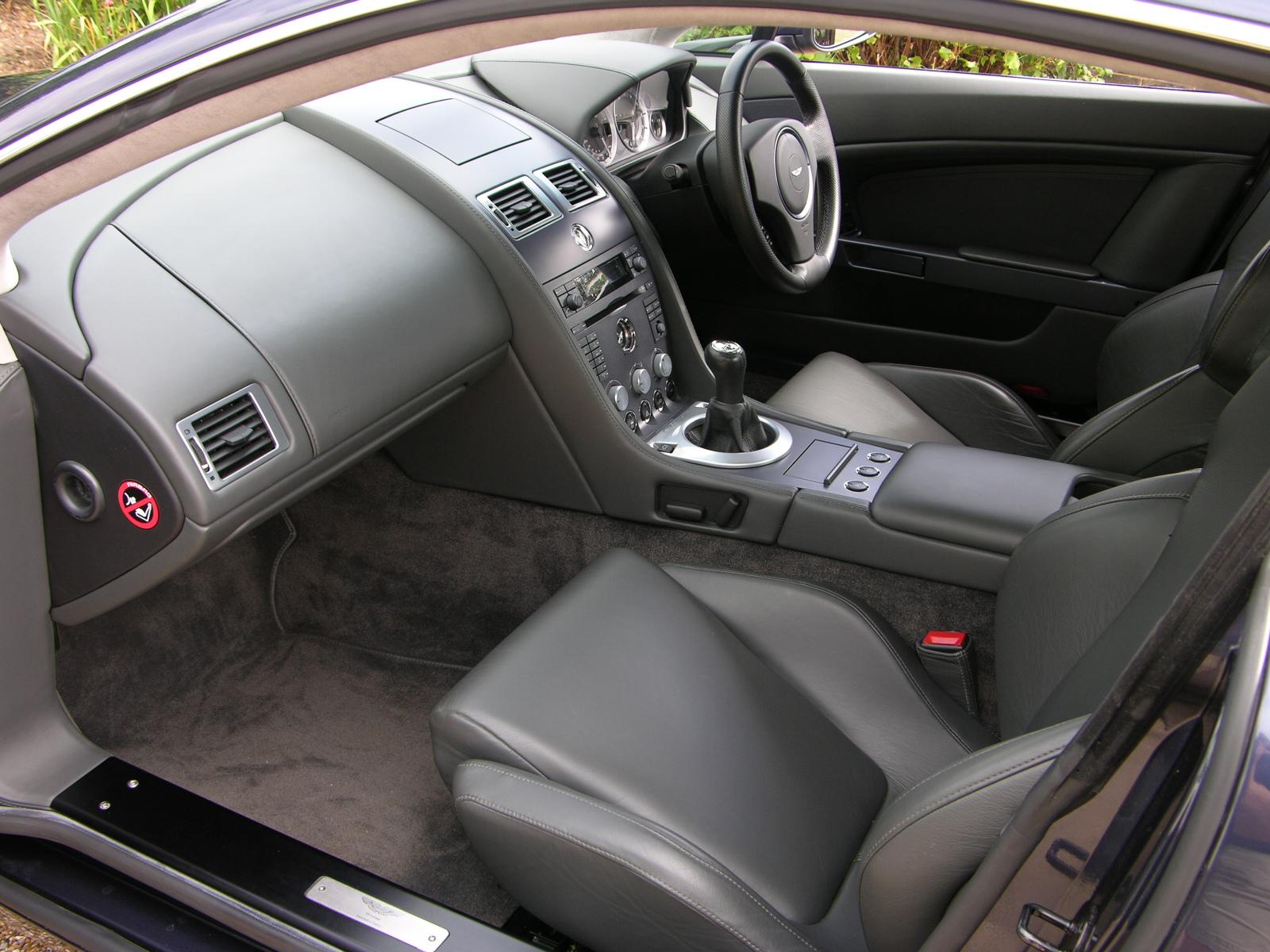
Previously, the Vantage interior felt like it was assembled by different teams with different budgets. The 2025 model cohesively executes. Hand-stitched leather everywhere. Ambient lighting that responds to your driving mode. The steering wheel is wrapped in the finest leather available. The seats are sculpted for sport driving but remain comfortable for long drives. The infotainment system is no longer laughably behind the competition — it finally integrates properly with modern smartphones and the menus are intuitive. Climate control is dual-zone. The door handles are machined aluminum. This is the interior Aston Martin should have delivered five years ago.
Why the Previous Generation (2019–2024) Disappointed: The Lessons Learned
Understanding what went wrong with the first-gen Vantage helps explain why the 2025 model is such a leap forward. The previous generation suffered from several critical failures:
Transmission Issues
The 2019–2020 models used an eight-speed automatic transmission that was calibrated poorly. In traffic, it would jerk and shudder at low speeds. Early owners reported numerous trips to dealers for transmission reprogramming. Some cars never fully resolved the issue, requiring costly clutch replacements under warranty. Aston Martin eventually issued software updates that improved the calibration significantly, but the damage to the brand's reputation was done. The 2025 uses a completely different transmission architecture, and it's genuinely competent.
Interior Quality Mismatches
For a car priced at $200,000, the previous generation's interior was a disappointment. Plastics that felt cheap in places they shouldn't. Infotainment system from 2016 that lagged behind the competition. The steering wheel felt smaller and less premium than a Mercedes or Porsche. Ambient lighting was minimal. When you live with a car daily, these details matter. Many previous owners felt they'd been sold on the exterior and engine while the interior was an afterthought. The 2025 corrects this completely.
Infotainment and Technology
The previous generation's infotainment system was a genuine weak point. Slow response time. Dated interface. Poor phone integration. No wireless CarPlay (only wired). Sat-nav that felt sluggish compared to the systems in competing cars. The 2025 model finally delivers modern infotainment that doesn't embarrass the price tag.
Reliability Concerns
Aston Martin's reputation for reliability is substantially below German and Japanese brands. The first-gen Vantage saw sporadic reports of various electrical gremlins, seal leaks, and suspension wear patterns that caught owners off guard. None of these were systemic failures, but they reinforced the perception that Aston Martin was more about brand heritage than engineering excellence. The 2025 model uses a significantly upgraded electrical architecture and more robust seal designs, but time will tell if this translates to genuine improvement in long-term reliability.
Head-to-Head: Vantage vs. Porsche 911 Turbo vs. Mercedes-AMG GT vs. Competitors
The Vantage doesn't exist in a vacuum. Here's how the 2025 model stacks up against the cars you're probably also considering:
| Category | Aston Vantage | Porsche 911 Turbo S | Mercedes-AMG GT | Ferrari Roma |
|---|---|---|---|---|
| Engine | 4.0L Twin-Turbo V8 | 3.7L Twin-Turbo Flat-6 | 4.0L Twin-Turbo V8 | 3.9L Twin-Turbo V12 |
| Horsepower | 656 hp | 640 hp | 630 hp | 611 hp |
| 0–60 mph | 3.4s | 2.6s | 3.6s | 3.4s |
| MSRP (2025) | $195,000 | $240,000 | $214,000 | $225,000 |
| Sound | Twin-Turbo V8 Excellence | Flat-6 Complexity | V8 Refinement | V12 Drama |
| Design | Stunning & Unique | Conservative Evolution | Sports-Focused | GT Elegance |
| Daily Drivability | Excellent | Excellent | Good | Very Good |
| Exclusivity | Very High | High | Moderate | High |
| Reliability | Good (Improving) | Excellent | Good | Good |
| Resale Value | Unknown (New Model) | Strong | Moderate | Moderate |
The Porsche 911 Turbo S is the benchmark sports car. It's the fastest car here, the most reliable, and the most bulletproof investment. If you want raw performance and maximum resale value, the Porsche wins. The Mercedes-AMG GT sits in a comfortable middle ground — it's a genuine grand tourer with performance that matches the Vantage and technology that exceeds it, but it lacks the exclusivity and distinctive character that makes the Aston special. The Ferrari Roma is the prestige pick, but it's more comfortable cruiser than sports car.
The Vantage wins on three fronts: it's the most beautiful car on this list, it costs less than the Porsche and Mercedes, and it offers genuine engagement and character that separated cars provide. For buyers who value design, sound, and driving feel over absolute performance and reliability, the Vantage is the right choice.
Why Design and Exclusivity Matter
Sports cars exist for one reason: emotional connection. Yes, you could take a McLaren Artura to the track and lap it harder than any Aston Martin. Yes, the Porsche is more reliable. But when you walk past your car in the garage in the morning, does it make your heart rate increase? Does the exhaust note give you chills?
The 2025 Vantage does both. It's genuinely one of the most beautiful automobiles ever designed. The proportions are perfect. The details are obsessive. The paint depth suggests that every panel was finished by hand — and many of them are. This is a car that gets attention at every stoplight, not because it's loud or flashy, but because it's unmistakably special.
Exclusivity reinforces the feeling. Porsche sells 250,000+ cars per year globally. Aston Martin sells around 6,000. The Vantage represents perhaps 15% of that volume. You'll never see another Vantage with your exact specification. You might never see another red Vantage with your interior combination in your entire city. This matters to people who don't want to drive the same car as ten other people in their neighborhood.
The Vantage is one of those rare cars where every drive is an event, not a commute. That intangible quality — the joy of ownership — often matters more than the objective performance metrics.
Reliability and Depreciation: Where Aston Martin Lags
Aston Martin reliability remains below German and Japanese standards. The brand doesn't have decades of mass-production data to prove reliability like Porsche. The electrical architecture is still evolving. Seal design and paint quality, while improved, remain riskier than Mercedes or Porsche.
The 2025 Vantage represents a major step forward in engineering durability, but it's essentially an unproven vehicle. The previous generation's track record suggests owners might experience occasional electrical gremlins, seal leaks around the engine bay, or suspension wear patterns that require attention. None of these are catastrophic, but they're part of the Aston Martin ownership experience.
What This Means for Ownership Costs
Plan for annual maintenance in the $3,500–$5,500 range for routine service. Factor in $6,000–$8,000 for major services every few years. Repairs outside warranty can run expensive — the mid-mounted V8 requires specialized labor, and parts are not as widely available as Porsche components. Insurance premiums will run $4,500–$7,000 annually depending on your location and driving record.
Depreciation Outlook
Depreciation is the biggest question mark with a brand-new model. The previous generation Vantage depreciated 35–45% over three years, which is significant for a car in this segment. However, recent Aston Martins have shown stronger value retention than they did five years ago, and the combination of a radical design refresh, improved engineering, and limited production volumes suggests the 2025 might hold value better than its predecessor.
Expect to lose 25–35% of your purchase price over three years. If you pay $195,000, plan on the car being worth $130,000–$145,000 when you sell it. That's roughly $17,000–$22,000 per year in depreciation — higher than a Porsche, but lower than many supercars.
Dealer Network and Service: A Real Consideration
Aston Martin has a much smaller dealer network than Porsche or Mercedes. This is both a blessing and a curse. The blessing: every dealer treats you as a VIP because you're one of few in the area. The curse: if your car needs warranty work and your local dealer is booked, you might be driving four hours to the nearest Aston Martin service center.
Before buying, research whether there's an authorized Aston Martin dealer within 100 miles of your home. If you live in a major metropolitan area, you're likely fine. If you live in rural areas or smaller cities, the lack of service infrastructure could be a genuine problem.
However, Aston Martin's warranty is competitive: three years or 36,000 miles for basic coverage, five years or 60,000 miles for powertrain. This covers most issues that would arise in the early ownership period. By the time warranty expires, the car is typically out of the critical repair phase.
The Real Cost to Own an Aston Martin Vantage
Purchase price is only the first line item. Here's what total ownership costs look like annually:
| Expense Category | Annual Cost | Notes |
|---|---|---|
| Insurance | $4,500–$7,000 | Varies by location and driving record |
| Routine Maintenance | $3,500–$5,500 | Oil changes, filter service, inspections |
| Fuel | $3,000–$4,500 | 14–16 mpg combined; 91+ octane required |
| Tires (amortized) | $1,200–$2,000 | Replacements every 12K–18K miles |
| Brakes (amortized) | $800–$1,500 | Carbon ceramics: $8K–$12K when needed |
| Registration & Taxes | $1,000–$2,500 | State-dependent |
| Total Annual Running Cost | $14,000–$23,000 | Excludes depreciation |
That's $1,200–$1,900 per month in pure running costs. Add depreciation of roughly $1,400–$1,800 per month, and your total ownership cost approaches $2,600–$3,700 monthly. If that's comfortable within your budget, the Vantage makes sense. If it stretches your finances, consider used models or alternative cars.
Smart Buying: How to Get the Best Price and Spec
The 2025 Vantage is brand new, which means inventory is limited and negotiating room is minimal. However, Aston Martin does offer significant customization options, and choosing the right specification will impact both enjoyment and resale value.
Exterior Color Strategy
Go bold. White, black, and gray Vantages are produced in higher volume — the 2025 is too new to establish pricing trends, but historically, distinctive colors hold value better. Racing Green, Stygian Green, and Sunset Orange are the most desirable choices. If you're planning to keep the car 3+ years and sell it, a distinctive color commands a 5–10% premium over neutral options.
Interior Configuration
The cabin offers leather in multiple shades and stitching options. Go with classic colors — Obsidian Black, Chocolate Brown, or Oxford Blue — rather than trend colors that might feel dated in five years. The ambient lighting in the 2025 is genuinely beautiful, so don't skip it despite the cost.
Where to Buy
Purchase directly from an authorized Aston Martin dealer. They handle the customization, warranty registration, and support. Don't buy from private sellers until the 2025 has been on the market for at least a year — the market for this generation is too new to understand pricing accurately.
Find Your Aston Martin Vantage
Automonitor connects you with authorized Aston Martin dealers, handles customization planning, and provides market data so you buy with confidence.
Check Current Pricing →When the Vantage Is NOT Worth Buying
You need a reliable daily driver. The Vantage is absolutely usable as a daily, but it's not a daily optimized car. Ground clearance is low. Parking is stressful due to the size and low-slung stance. In winter climates, the fixed suspension can be punishing. If you live somewhere with significant snow, the Porsche 911 Turbo S or McLaren Artura are better choices.
You're worried about reliability above all else. If ownership anxiety about unexpected repairs keeps you awake, buy a Porsche. Aston Martin is improving, but it's not at German reliability standards yet.
You're stretching financially. If buying the Vantage means depleting emergency savings or taking on high-interest debt, wait. Sports car ownership should be financially comfortable, not stressful.
You haven't test driven one. Always, always drive before you buy. Some buyers find the steering too direct, the ride too firm in its default setting, or the cabin too cramped. These are valid concerns that a two-hour test drive will reveal.
Why the 2025 Vantage IS Worth Buying
Okay, let's get to the heart of this. Why should you buy an Aston Martin Vantage?
The design is genuinely transcendent. This is one of the most beautiful sports cars ever made. That's not subjective opinion — critics, designers, and car enthusiasts across the industry have praised the 2025 Vantage exterior as a masterpiece. You'll enjoy looking at it every single day.
The engine sound is intoxicating. The twin-turbo V8 produces an exhaust note that sits somewhere between a screaming V12 and a traditional turbocharged engine. It's distinctive. It's emotional. It's the kind of sound that makes you take the long way home just to enjoy more of it.
The steering is alive. The variable-ratio steering is genuinely responsive to input in a way many turbocharged sports cars aren't. The weight distribution — mid-mounted engine, balanced chassis — means the car responds to your input intuitively.
It's genuinely rare. You will not see another car like yours on the road. That exclusivity is part of the appeal for buyers who don't want to own the same car as 10 other people in their city.
The 2025 iteration is finally complete. The previous generation was a beautiful design searching for matching engineering. The 2025 finally delivers on all fronts. After a decade of Aston Martin being the "beautiful but troubled" brand, they've produced a car that is beautiful, capable, and legitimately competitive with the world's best sports cars.
The price is right. At $195,000, the Vantage undercuts the Porsche 911 Turbo ($240,000) and Mercedes-AMG GT ($214,000) while offering genuine advantages in design and character. For the money, you get a remarkably complete package.
The Final Verdict
The Aston Martin Vantage is worth buying if you can afford both the purchase price and the ownership costs without financial strain. It's one of the most beautiful sports cars ever produced, genuinely engaging to drive, and positioned to finally deliver on Aston Martin's decades-old promise of matching design excellence with engineering excellence.
The 2025 redesign addresses almost everything that made the previous generation frustrating. The transmission is finally competent. The interior finally matches the price tag. The infotainment finally works properly. The engine is magnificent. The design is stunning.
Is it the fastest car in its class? No — the Porsche 911 Turbo wins on outright acceleration and lap times. Is it the most reliable? No — Porsche and Mercedes still have the advantage there. Is it the most technologically advanced? No — Mercedes and Porsche have deeper software and integration.
But in the category that matters most to true enthusiasts — the intangible quality of driving pleasure, the emotional connection, the joy of ownership — the Vantage is extraordinary. If you value beauty, sound, and character, and you can afford the ownership costs without stress, the 2025 Aston Martin Vantage is absolutely worth buying.
Start by learning how much a Vantage costs, then explore where to find and buy one. Compare it directly to the Porsche 911 Turbo S, the Mercedes-AMG GT, and the Ferrari Roma. And if you want expert guidance navigating the buying process, Automonitor is here to help.
Ready to Own an Aston Martin Vantage?
Automonitor guides you through spec selection, connects you with authorized dealers, and handles the entire transaction so you can focus on enjoying the car.
Explore Available Models →