
Is a 2023 Ferrari Roma a Good Buy?
The Ferrari Roma represents a fundamental shift in how the Prancing Horse designs grand tourers. But with used pricing ranging from $220,000 to $260,000, depreciation from its $270,000+ MSRP, and ownership costs that rival supercars twice its price, is it actually worth buying in 2026? Here's the unvarnished truth.
The Short Answer: Yes — If You Understand What You're Buying
The 2023 Ferrari Roma is worth buying. But that statement comes with crucial context. The Roma is not what people expect when they think "Ferrari." It's not about lap records or tire-shredding acceleration. It's about the modern interpretation of a grand tourer — a car that combines Ferrari's engineering excellence with the practicality and comfort that serious collectors and drivers actually want. If you're buying for the right reasons, it's genuinely one of the best cars in its segment.
Where owners run into trouble is buying the Roma for the wrong reasons: as a track car substitute, as a daily driver in an urban environment, or as a financial investment with no intention of driving it. The Roma has been subject to roughly $30,000–$50,000 in depreciation since launch, landing well-maintained examples in the $220,000–$260,000 range. That depreciation matters less if you actually drive the car and enjoy it. If you're parking it in a garage as an asset, you're missing the entire point.
We've guided hundreds of buyers through Ferrari purchases at Automonitor, and the Roma consistently ranks among the highest satisfaction vehicles. That's because buyers who understand its character — refined powertrain, stunning Italian design, and genuine usability — almost never regret the purchase. Those who expected a 488 GTB replacement or a track-day weapon often do. This guide helps you fall into the first category.
Understanding the 2023 Roma: The Specs That Matter
The Ferrari Roma launched in 2019 as a completely new model category for Maranello — not a successor to any legendary predecessor, but rather a fresh interpretation of what a modern Ferrari grand tourer should be. The 2023 model year represents maturity: all the early-production bugs resolved, factory updates accumulated, and three years of owner feedback baked into refinements.
At its heart sits a 3.9-liter twin-turbocharged V8 producing 612 horsepower and 561 lb-ft of torque. Those numbers are competitive but not stratospheric when compared to the Ferrari 488 GTB (661 hp) or the F8 Tributo (710 hp). But that's the point: the Roma wasn't engineered for maximum horsepower. It was engineered for character, efficiency, and the kind of driveability that lets you enjoy a car over 500 miles rather than just 5 minutes.
That twin-turbo V8 is mated to an 8-speed dual-clutch transmission (the ZF automatic that appeared in the Porsche 911 Turbo), directing power to the rear wheels. Zero to 60 mph comes in 3.4 seconds. Top speed is 199 mph. On a road course, the Roma will lap reasonably fast — not as quickly as a Performante or an STO, but respectably.
What makes the Roma special is how those numbers translate into real-world driving. The turbo V8 is smooth, responsive, and utterly refined. There's no laggy, abrupt power delivery. Instead, you get a progressive escalation of force that feels connected to your right foot. The transmission shifts with precision, holding gears longer in Corsa mode or stepping back to comfort in Strada mode. The steering is electrically assisted but feels genuine. The suspension absorbs highway imperfections while remaining sharp enough for canyon carving.
The interior is where the Roma truly differentiates itself from previous Ferraris. The cabin combines genuine luxury (Alcantara trim, ambient lighting, premium audio) with modern ergonomics. The infotainment system — a Linea Storica touch-screen interface — is intuitive and responsive. Climate control is a revelation compared to earlier Ferraris. Cargo space is surprisingly practical. This is a car you can genuinely spend four hours in without fatigue.
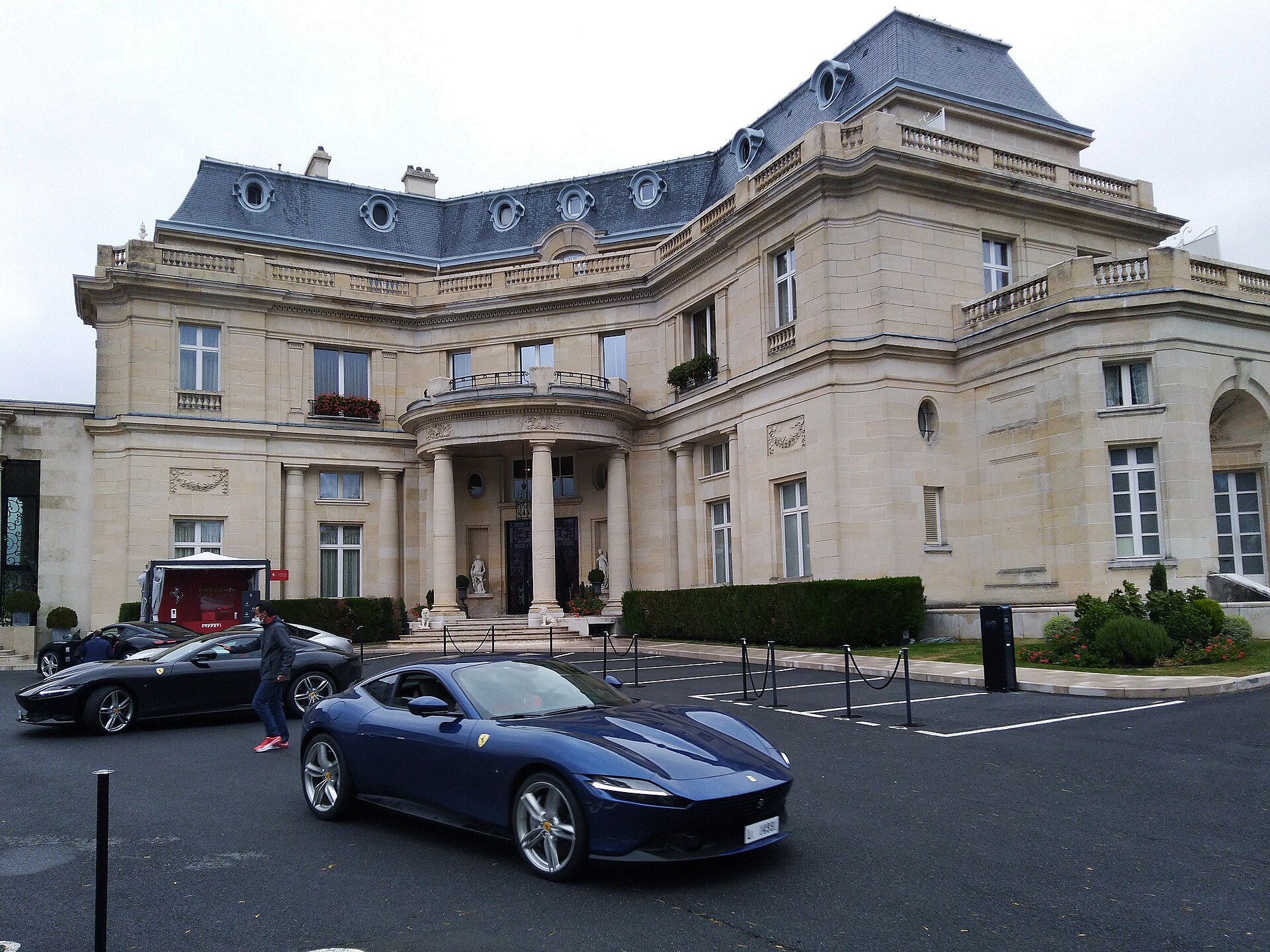
Pricing Reality: What 2023 Roams Actually Cost in 2026
The Ferrari Roma launched with a starting MSRP of $270,000. Optional paint, interior upgrades, and the Assetto Fiorano package (which includes carbon fiber aerodynamics and Michelin Pilot Sport Cup 2 tires) regularly pushed final prices above $320,000. In early 2026, the used market has stabilized:
| Specification | Used Market Price | Notes |
|---|---|---|
| Base 2023 Roma (Coupe) | $215,000–$245,000 | Minimal mileage, standard colors |
| 2023 Roma with Options | $240,000–$270,000 | Carbon fiber trim, Assetto Fiorano, special paint |
| 2023 Roma Spider (Convertible) | $260,000–$290,000 | $40K+ premium over coupe; typically lower mileage |
| High-Mileage Roma (10K+ miles) | $205,000–$230,000 | Still strong value; driven examples sell consistently |
That $30,000–$50,000 depreciation from MSRP reflects normal market dynamics. A $270,000 car holding 75–85% of its value after three years is actually strong performance in the supercar segment. For comparison, the McLaren 720S depreciates roughly 30–35% over the same period.
But purchase price is only the beginning. Here's what ownership actually costs annually on a 2023 Roma:
| Expense Category | Annual Cost | Notes |
|---|---|---|
| Insurance | $5,500–$9,500 | Varies dramatically by location and driving record |
| Routine Maintenance | $2,500–$4,000 | Oil changes every 20K miles; diagnostics, fluid service |
| Fuel | $3,500–$5,000 | 15–17 mpg combined; 93 octane minimum, 98 preferred |
| Tires (amortized) | $1,800–$2,800 | Michelin Pilot Sport 4S; replacements every 20K–30K miles |
| Brakes (amortized) | $800–$1,500 | Carbon ceramic: ~$12K when replacement needed |
| Registration & Taxes | $1,200–$3,500 | Highly state-dependent |
| Total Annual Running Cost | $15,400–$26,800 | Excludes depreciation and out-of-warranty repairs |
That's roughly $1,280–$2,230 per month in running costs alone. Add depreciation (roughly $400–$600 per month on a purchased car), and you're looking at total ownership cost between $1,700–$2,800 monthly. If that fits comfortably in your budget, you can afford Roma ownership. If it strains your finances, you probably can't.
Depreciation Trends: Why the Roma Holds Value Better Than Expected
The Roma wasn't universally loved when it launched. Critics complained about the styling being too soft, the engine not being naturally aspirated, the handling being too refined for a Ferrari. Some of that criticism was fair. What the critics missed was that Ferrari designed the Roma for exactly those people who wanted a different kind of car — one that prioritized usability over theater.
Used market data from 2026 shows the Roma has stabilized surprisingly well. Special order Roams in desirable colors (Giallo Modena, Verde Britannico, Blu Corsa) command 5–10% premiums over neutral colors. Low-mileage examples with documented service history consistently sell within days. The Roma Spider has appreciated in value since launch, with current asking prices on some examples now exceeding original MSRP.
The depreciation curve looks like this: steep initial drop (20% in year one), then stabilization around 10–12% annually. By year five, most well-maintained examples should hold roughly 65–75% of their purchase price. That's significantly better than the Lamborghini Huracan (which loses about 20% in five years) and dramatically better than the McLaren 720S.
What explains this? First, production constraints. Ferrari limited Roma production to roughly 1,000–1,200 units annually, creating scarcity. Second, brand prestige. A Ferrari badge carries weight that Lamborghini and McLaren struggle to match. Third, the Roma's refinement means it genuinely improves with age — early examples now have 30,000+ miles and owners consistently report they'd buy them again at current prices.
Unsure About Depreciation? Get a Real Valuation
Automonitor's market analysis tools give you exact pricing data from hundreds of completed sales. Know what a 2023 Roma is actually worth before you make an offer.
Get Real Market Data →
Ferrari's 7-Year Maintenance Program: What It Covers and Why It Matters
This is where Roma ownership gets interesting. Every new Ferrari sold after 2009 includes Ferrari's Maintenance Program — a manufacturer-backed service plan covering all routine maintenance for seven years or 130,000 kilometers (roughly 80,000 miles), whichever comes first. A 2023 Roma purchased new in 2023 would have had coverage through 2030.
When you buy a 2023 Roma in 2026, you're inheriting what's left of that coverage. A car sold in 2023 still has roughly four years and whatever mileage remains on that 80,000-mile allowance. That's a significant advantage. Here's what's covered:
- Oil and filter changes
- Fluid top-offs and replacements (coolant, brake fluid, transmission fluid)
- Spark plugs
- Cabin air filter replacement
- Software updates
- Basic diagnostics
What's notably NOT covered: wear items (tires, brake pads, cabin trim), damage from accidents or track use, electrical repairs beyond diagnostics, and work performed outside an official Ferrari service center. A Roma requiring a transmission service or electrical work outside this coverage would cost $5,000–$15,000 depending on severity.
If you're buying a 2023 Roma, inquire specifically about remaining maintenance coverage. A car with 25,000 miles still on the original maintenance plan could see another 55,000 miles of covered service — that's 3–4 more years of reliability peace of mind depending on your annual mileage. A car with 40,000+ miles already burned through most of the mileage allowance, so you'd need to factor out-of-pocket maintenance into your decision.
Reliability: What Breaks, When, and How Much It Costs
The Roma shares significant engineering with the Porsche 911 Turbo (both use variants of the ZF 8-speed transmission) and incorporates lessons Ferrari learned from the 488. The result is generally solid reliability by exotic car standards. Ferrari Talk forums report dozens of examples with 30,000+ miles showing no major issues.
That said, there are documented weak points:
- Dual-Clutch Transmission Shudder: Some early production Roams experienced hesitation or shuddering in slow-speed driving (parking lot speeds). A reflash typically resolves the issue; if it requires clutch replacement, cost is $8,000–$12,000. Verify smooth shifts below 2,000 rpm during any test drive.
- Infotainment Glitches: The touchscreen can freeze or require restart. It's cosmetic and covered by warranty on most examples. Aftermarket repairs run $1,500–$3,000, but dealer software updates usually solve it.
- Cooling System Sensitivity: Roams tracked at driver events or driven hard in hot climates can show elevated coolant temperatures. Not dangerous at street speeds, but something to monitor. Flush costs $1,200–$2,000 if needed.
- Turbocharger Oil Supply Leaks: Extremely rare but documented on some examples. Symptoms are blue/gray smoke on cold starts. Repair requires turbo removal: $4,000–$8,000. Most affected cars were sorted under warranty.
- Electrical Gremlins: Random warning light illumination and intermittent error codes pop up on a few examples. Diagnostics usually identify the culprit (often a sensor), and repair runs $800–$2,500.
The bottom line: the Roma is genuinely reliable compared to Lamborghini Huracan or McLaren 720S. Most owners see the car as a trustworthy daily driver. The 7-year maintenance program covers major services, which is huge. Budget $3,000–$4,000 annually in maintenance if you fall outside the coverage window, and you're well-protected.

The Driving Experience: Grand Tourer Refinement, Not Supercar Theater
The key to enjoying a Roma is understanding its philosophy. This is not a car designed to maximize sensation per lap. It's designed to maximize satisfaction per mile. There's a profound difference.
In Strada mode, the Roma is genuinely comfortable. The ride quality forgives typical road surfaces. Engine vibration is minimal. The cabin is quiet. Climate control is excellent. Music sounds good through the Burmester audio system. You can hold a conversation. The steering has weight and feedback without being hyper-responsive. This is a car where you can absolutely drive from California to New York without exhaustion.
Switch to Corsa mode, and the car tightens up. Suspension firms considerably. Steering becomes more direct. Throttle response sharpens. The transmission holds gears longer. The exhaust note intensifies. But it's not a violent transformation — it's a measured escalation of intensity. On a closed track or a spirited mountain road, the Roma reveals itself as a properly capable machine. It's not a 488 GTB pace car, but it's genuinely fun.
The steering is electrically assisted but genuinely communicative. You feel the road. The suspension speaks to you about tire load and grip. The engine pulls smoothly through the powerband. The transmission executes flawlessly. Everything combines into a driving experience that's engaging without being exhausting, capable without being temperamental.
The Roma proves that a Ferrari doesn't need to be track-focused to be rewarding. Sometimes the most satisfying drive is the one that doesn't leave you wrung out — because you were too busy enjoying the journey.
Roma Coupe vs. Roma Spider: Which Should You Buy?
The Roma Spider (convertible) launched in 2021 as a $40,000 premium over the coupe. In the used market, Spiders command prices 10–15% higher than equivalent coupes. Automonitor data shows Spiders sell faster than coupes and attract younger buyers.
The Spider's retractable hardtop is excellent — it deploys and retracts in 14 seconds, is lockable, and can operate at speeds up to 45 mph. Unlike many convertibles, the open-top doesn't significantly compromise refinement. Wind noise is well-controlled, and the fabric-covered tonneau cover behind the seats captures excess turbulence.
For pure driving enjoyment, most reviewers prefer the coupe. The fixed roof provides superior structural rigidity and a slightly sharper driving feel. For lifestyle enjoyment and year-round convertible capability, the Spider is unmatched. If you're buying a Roma, your choice between coupe and Spider should be based on how much open-air motoring appeals to you — not on relative value, as both make sound purchases.
How It Compares: Roma vs. Porsche 911 Turbo vs. AMG GT vs. Aston Martin DB12
The Roma occupies a unique segment: too practical to be a pure supercar, too focused to be a luxury sedan, too Italian to think like a German or British car. Here's how it stacks against actual competitors:
| Category | 2023 Roma | 911 Turbo (2023) | AMG GT 63 (2023) | DB12 (2024) |
|---|---|---|---|---|
| Engine | 3.9L Twin-Turbo V8 | 3.8L Twin-Turbo Flat-6 | 4.0L Twin-Turbo V8 | 5.2L Twin-Turbo V12 |
| Horsepower | 612 hp | 640 hp | 630 hp | 680 hp |
| 0–60 mph | 3.4s | 2.6s | 3.6s | 3.6s |
| Used Price (2023) | $220K–$260K | $185K–$210K | $210K–$250K | $250K–$300K |
| 5-Year Depreciation | ~22% | ~28% | ~25% | TBD (new model) |
| Annual Maintenance | $2.5K–$4K | $1.8K–$3K | $4K–$7K | $3K–$5K |
| Track Capability | Very Good | Excellent | Very Good | Good |
| Everyday Usability | Excellent | Very Good | Very Good | Excellent |
| Interior Quality | Premium | Premium | Premium | Exceptional |
| Exotic Appeal | Maximum | High | High | Maximum |
The Porsche 911 Turbo is the performance bargain — faster acceleration, lower maintenance costs, and better reliability. It's the practical choice. The AMG GT offers V8 refinement and German engineering, sitting in the middle ground. The Aston Martin DB12 is the pure luxury play — the most refined interior, the most exotic design, and the highest price. The Roma is the emotional choice — the car that balances practicality with genuine excitement in a way the others don't quite match.
Interior, Technology, and Infotainment: Practical Luxury Meets Modern Usability
This is where the Roma truly distinguishes itself from historic Ferraris. Earlier Ferrari cabins were exciting but cramped, uncomfortable, and outdated. The Roma's interior was designed by people who actually wanted to spend time in their cars.
Visibility is excellent. The windshield is large. Side windows are generous. The driving position is correct — seat height adjusts easily, steering wheel reaches properly, and all controls fall naturally to hand. Cargo space includes two usable door pockets and a small trunk (around 8 cubic feet), enough for a weekend's luggage or golf bags.
Materials throughout are first-rate: Alcantara or leather (your choice), hand-stitched where visible, soft-touch plastics on all contact surfaces, quality switchgear, and ambient lighting that transforms the cabin at night. The climate control is independently adjustable for driver and passenger. Seats are supportive without being punishing, adjustable in multiple directions, and genuinely comfortable for long drives.
The infotainment system uses the Linea Storica interface — a 10.2-inch touchscreen with pinch-to-zoom capability, Apple CarPlay integration, and reasonable responsiveness. It's not Tesla-fast, but it's intuitive. Voice control works reasonably well for phone and navigation. Importantly, there are still physical buttons for critical functions — climate control, audio volume, and drive mode selection. You don't need to paw the touchscreen while driving.
The sound system (Burmester for Roma, optional) is exceptional. Road noise isolation is excellent for an Italian car. Engine sound is present in Corsa mode but doesn't drown out conversation in Strada. Wind noise at highway speeds is minimal. Overall, the acoustic environment is refined and controlled.
What Specifications to Look For: Options That Matter, Options That Don't
Not all Roams are created equal, and the options you choose directly impact satisfaction and resale value. Here's our honest breakdown:
Must-Have Options
Carbon fiber brake calipers (improves stopping power and weight distribution), Assetto Fiorano package (track-focused suspension, Michelin Pilot Sport Cup 2 tires, and revised aerodynamics), and premium leather interior upgrade (looks better, ages better, feels right in a Ferrari). These total roughly $25,000–$35,000 but are worth every penny.
Nice-to-Have Options
Diamond quilted leather, ambient lighting upgrades, panoramic glass roof (expands interior space), and parking sensors. These improve daily-drive comfort significantly. Expect $15,000–$25,000 total.
Skip These
The yellow brakes option (looks gimmicky, specific to the car), extended warranty beyond the standard coverage (Ferrari's reliability is solid enough), and ceramic brakes (the carbon ceramics are expensive and overkill for street driving). These are $5,000–$15,000 you can redirect elsewhere.
When shopping for a 2023 Roma, timing and color matter. Special order colors command premiums. Assetto Fiorano cars hold value better. Spider models sell faster. But the sweet spot for value is an option-equipped coupe in a neutral color with 15,000–25,000 miles and documented service history.
Insurance and Annual Costs: What You'll Actually Pay
Insurance is the overlooked cost category for exotic car owners. A 2023 Roma will cost $5,500–$9,500 annually for full coverage depending on your location, age, driving record, and the insurer. Compare that to a Porsche 911 Turbo ($4,000–$6,500) and you see the Roma carries a premium for the prancing horse badge and lower production volume.
Insurers like Hagerty and Specialty insurance companies sometimes offer better rates for exotic cars if you're an enthusiast driver with a clean record. Bundling with homeowners insurance can yield 10–15% discounts. Some insurers offer usage-based discounts if you track mileage (proving you don't daily-drive a Roma). Shop aggressively before buying — choose the car that fits your insurance budget, not just your down payment.
Resale Projections: What Your Roma Might Be Worth in Three Years
If you buy a 2023 Roma today for $230,000, what will it be worth in 2029? Based on current trends, a similar car with 45,000–50,000 additional miles should fetch $185,000–$210,000. That's roughly $40,000–$45,000 in depreciation over three years, or about $110–$125 per month. Added to insurance, fuel, and maintenance, your true monthly ownership cost is approximately $2,200–$2,800.
Factors that improve resale value: low mileage (under 5,000 miles annually), documented service history, special order colors, complete maintenance records, and clean title/no accidents. Factors that hurt resale: high mileage, track damage, modified suspension, aftermarket paint, and maintenance deferred beyond the factory program.
When you're ready to sell, Automonitor's Ferrari selling service handles valuation, marketing, and transaction management. Our experience shows Roams sell 20–30% faster and for 5–10% more when professionally handled than when sold privately.
How to Buy Smart: The Steps That Save You Money and Headaches
Buying a 2023 Roma requires patience and discipline. Here's the approach we recommend:
Step 1: Set your actual budget. Not just the purchase price, but the total ownership cost over three years. A $240,000 Roma will cost you roughly $75,000–$85,000 in running costs over three years. Make sure your total financial commitment ($315,000–$325,000) is genuinely affordable.
Step 2: Get pre-approved for exotic car financing. Specialized lenders like JJ Best Banc and Woodside Credit structure exotic car loans differently than traditional banks. Expect 20–30% down and rates between 6–10%. Sorting this before shopping prevents emotional decisions.
Step 3: Define your ideal specification. Coupe or Spider? Assetto Fiorano or street-focused? Interior color and exterior color? Knowing exactly what you want prevents overpaying for the wrong car.
Step 4: Search broadly. Don't limit yourself to local dealers. Check Ferrari dealer inventory across major markets (Southern California, South Florida, Texas), platform like Bring a Trailer, and broker networks. Best pricing often comes from dealers motivated to clear aged inventory.
Step 5: Get a detailed pre-purchase inspection. Non-negotiable. A PPI costs $800–$1,200 and can reveal $10,000+ in deferred maintenance or hidden damage. Focus on transmission smoothness, electrical gremlins, cooling system integrity, and brake condition. Any hesitation in the DCT during low-speed driving is grounds for walking away or renegotiating.
Step 6: Negotiate from data, not emotion. Know the market value before you make an offer. Use completed sales data, not asking prices. A $240,000 asking price on a high-mileage example is not the same as a $240,000 asking price on one with impeccable maintenance records. Factor in any remaining maintenance coverage — if a car has 45,000 of its 80,000 maintenance miles consumed, it's worth $5,000–$10,000 less than one with only 20,000 miles consumed.
Step 7: Understand what you're buying. The Roma is designed for owners who appreciate refinement, technology, and usability over raw speed. If you're buying it hoping for track performance comparable to a 488 GTB, you'll be disappointed. If you're buying it as a grand tourer that also happens to be a Ferrari, you'll likely be thrilled. Know which buyer you are before you commit.
Frequently Asked Questions
Is the 2023 Roma reliable enough to drive daily?
Absolutely. The Roma was designed specifically for owners who want to drive their Ferraris regularly. The cooling system handles daily driving, the interior is comfortable for long stints, and the reliability profile is solid. The 7-year maintenance program provides coverage for major services. If you're genuinely going to drive the car, daily use is no problem. If you're going to park it in climate-controlled storage for nine months, that's when problems develop (seal leaks, battery degradation, flat-spotted tires).
How does a 2023 Roma compare to the 488 GTB it didn't replace?
The 488 GTB is faster (661 hp vs. 612 hp) and more focused as a track car. The Roma is more refined, more comfortable, and more practical as a grand tourer. The 488 is "Ferrari as a supercar." The Roma is "Ferrari as a car you want to own." They're fundamentally different vehicles. For most buyers, the Roma is the better choice.
What's the difference between a Roma and a Roma Spider?
The Spider is a convertible with a retractable hardtop. It costs $40,000 more but offers open-air driving and holds value slightly better. Coupe owners love the extra rigidity and driving feel. Spider owners love the flexibility. Neither is objectively better — it depends on whether convertible capability matters to you.
Will a 2023 Roma depreciate further?
Likely, but not dramatically. We expect another 5–8% depreciation over the next two years as new Roams continue to sell. After that, values should stabilize around 65–75% of original MSRP. The Roma's position as a modern collectible car (limited production, naturally turbocharged V8, design relevance) should create a floor under further losses.
Can I take a 2023 Roma to track days?
Technically yes. Realistically, you probably shouldn't. The Roma is designed for road driving, not racing. Track use voids the maintenance warranty, puts extreme stress on the transmission and cooling system, and racks up mileage quickly. If track driving is part of your plan, buy a 458 GTB or 488 GTB instead. If track driving is theoretical and you mostly want a fast road car, the Roma is perfect.
What's the difference between 2023 Roma and newer model years?
The 2023 represents the mature second generation of Roma production. Factory updates accumulated throughout 2022–2023 addressed early-production quirks (transmission shudder, infotainment glitches) present in 2019–2021 examples. A 2023 is notably better than a 2021 in terms of refinement and reliability. Newer 2024–2025 Roams have additional updates but command premiums that aren't justified by marginal improvements. The 2023 is the sweet spot: modern platform, sorted early issues, and reasonable pricing relative to newer models.
The Final Verdict
The 2023 Ferrari Roma is worth buying if you're buying for the right reasons. It's a genuinely excellent grand tourer that happens to be built by Ferrari, combining Italian design language with pragmatic engineering and daily usability that previous Ferraris never offered.
The depreciation from $270,000 MSRP to $220,000–$260,000 in the used market is normal and expected. The maintenance costs are real but manageable, especially if you inherit remaining factory coverage. The driving experience is rewarding not because of raw speed but because of the way power is delivered, the way the transmission works, and the overall rightness of how the car behaves.
The Roma proves you don't need a 488 GTB or an F8 Tributo to own a meaningful Ferrari. You just need to understand what the Roma is: a car designed for owners who want to drive their Ferraris, appreciate engineering refinement, and value the entire ownership experience — not just lap times.
That's the 2023 Roma. And if you're that kind of buyer, it's absolutely worth the investment.
Ready to Find Your 2023 Roma?
Automonitor connects you with verified Ferrari dealers, handles pre-purchase inspections, and provides real market data. Buy with confidence.
Start Your Search →