
Is a 2021 Porsche 911 Turbo S a Good Buy?
The 992 Turbo S represents everything right about modern Porsche engineering. But at $180K-$210K on the used market, is it the smart choice? We've analyzed the specs, costs, depreciation, and real-world ownership data so you can decide with confidence.
The Short Answer: Yes, One of the Best Performance Bargains Today
The 2021 Porsche 911 Turbo S is worth buying. More specifically, it's one of the best used performance cars you can purchase in 2026 if you value reliability, everyday usability, and genuine supercar performance in equal measure. While the price tag commands attention, the 992 Turbo S delivers on every dimension — and unlike many exotic supercars, it actually appreciates in some configurations.
Here's why we make this recommendation with confidence: The 992 generation represents a complete redesign of the 911 platform. It's more reliable than the previous 991 generation, more technologically advanced than anything Porsche built before it, and positioned to become a collector's car once all-electric Porsches take over the lineup. If you can afford the purchase price and the annual running costs, the 2021 Turbo S delivers exceptional value.
But "good buy" requires context. We've helped hundreds of buyers through exotic car purchases at Automonitor, and we've learned that the Turbo S works for certain buyers and creates regrets for others. This guide will tell you which category you fall into.
Why the 992 Generation Is Special: The Last of the Twin-Turbo Legends
The 992 Turbo S, unveiled in 2020 with model year 2021 production, represents a watershed moment in Porsche's history. This is the final generation of the 911 Turbo as we know it — when Porsche inevitably introduces the next generation, it will be hybrid or electric. That makes every 992 Turbo and Turbo S a piece of automotive history.
The engineering is exceptional. The 3.7-liter twin-turbocharged flat-six engine produces 640 horsepower (up from 580 in the 991.2 generation). More importantly, it hits 60 mph in 2.6 seconds from a complete stop — a figure that would be considered hypercar territory just a decade ago. The all-wheel-drive system, rear-axle steering, and PASM adaptive suspension work in concert to make the Turbo S feel nimble despite its 3,500-pound curb weight.
The PDK dual-clutch transmission is where the 992 truly shines. This isn't the early 2000s DCT technology that plagued some exotic brands. The 992's transmission shifts in 40 milliseconds, has near-zero learning curve, and can be driven in traffic with the smoothness of a modern luxury sedan. The PDK transmission is genuinely one of the best in any production car — supercar or otherwise.
For daily driving, the 992 platform is revolutionary. The interior is functional and tech-forward without being flashy. The cabin isolation is excellent. The steering wheel is smaller and thinner than previous generations, making it feel less like a museum piece and more like a modern sports car. Unlike competitors, you can actually park this car in a city, take it to a restaurant, and enjoy the ownership experience beyond just track days and photo shoots.

2021 Porsche 911 Turbo S Specifications: The Numbers Behind the Performance
If you're serious about buying one of these cars, you need to know exactly what you're getting. Here's the complete technical breakdown:
| Specification | Value | Notes |
|---|---|---|
| Engine | 3.7L Twin-Turbo Flat-Six | Air-cooled intake, liquid-cooled turbos |
| Horsepower | 640 hp @ 6,750 rpm | Available with PDK transmission only |
| Torque | 590 lb-ft (461-590 with overboost) | Overboost function: 2 seconds per lap |
| 0-60 mph | 2.6 seconds | With Launch Control enabled |
| Top Speed | 205 mph | Electronically limited |
| Transmission | 8-Speed PDK AWD | 40ms shift time |
| Fuel Economy | 16/24 mpg city/highway | Real-world: 14-18 mpg |
| Curb Weight | 3,500 lbs | Only 300 lbs more than base 911 |
| MSRP (2021) | $199,400 | Before options |
| Used Market (2026) | $180,000-$210,000 | Varies by mileage and condition |
What makes these numbers matter is context. A 2.6-second 0-60 puts the Turbo S in the same acceleration category as hypercars from just a few years ago. The 205 mph top speed is genuine superlative performance. But the real magic is that you can achieve all of this while carrying two passengers, their luggage, and still have a warranty and maintenance plan that doesn't require a second mortgage.
Current Used Market Pricing: What a 2021 Turbo S Actually Costs
The sticker shock is real. But the actual financial picture is more nuanced than the headline price. Here's what you're looking at in early 2026:
| Mileage Range | Market Price | Average Price Per Mile | Conditions |
|---|---|---|---|
| Under 5K miles | $205,000-$215,000 | $41-$43/mile | Immaculate garage queens |
| 5K-15K miles | $190,000-$205,000 | $13-$20/mile | Preferred sweet spot |
| 15K-25K miles | $180,000-$195,000 | $8-$12/mile | Best value available |
| 25K-40K miles | $175,000-$185,000 | $5-$7/mile | Higher risk segment |
But purchase price is just the beginning. Here's the true annual ownership cost based on real data from Automonitor buyers and insurance quotes:
- Insurance: $1,800-$3,500/year (varies dramatically by age, location, driving record, and coverage)
- Annual Maintenance: $1,200-$2,500 (oil changes, fluid checks, filter replacements)
- Fuel: $2,500-$4,000/year at current prices and typical driving
- Tires (amortized): $2,000-$3,500/year (high-performance rubber, replacements every 20K-25K miles)
- Brakes (amortized): $1,500-$2,000/year (ceramic brakes are expensive but last)
- Registration & Taxes: $500-$2,000/year (highly state-dependent)
Total annual running cost: $9,500-$17,500 before the car loses a dollar in value. That's roughly $800-$1,450 per month in keeping the car on the road. If that exceeds 5-8% of your annual income, the Turbo S creates financial stress rather than joy.
Depreciation Reality: Why the 992 Turbo S Holds Value Better Than Almost Everything
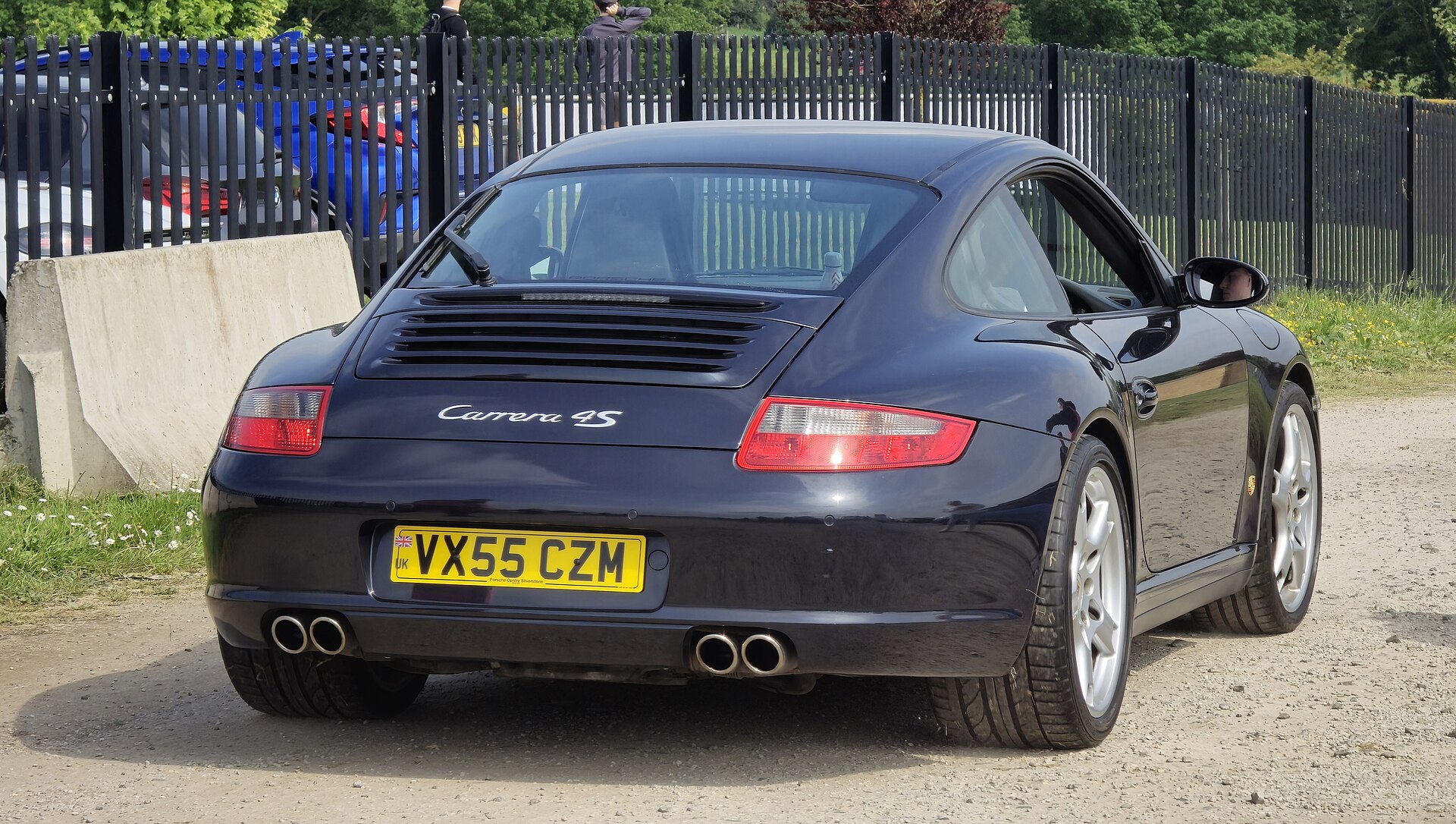
Here's where the narrative shifts in favor of the 2021 Turbo S. Most performance cars lose 40-50% of their value in five years. The Porsche 911 Turbo S loses approximately 15-25%, depending on condition, mileage, and specification.
Why? Several factors converge: Porsche's brand prestige is nearly unmatched. The limited production numbers create natural scarcity. Porsche's Certified Pre-Owned program provides confidence to buyers. And importantly, enthusiasts recognize that the 992 is the final generation of turbo-powered, traditionally-engineered 911 Turbos. When the inevitable electric 911 arrives, the 992 will become a highly sought-after classic.
Real-world example: A buyer who purchased a 2021 Turbo S for $195,000 in 2023 with 8,000 miles could sell it today for $185,000 with 20,000 miles. That's only $10,000 in depreciation over three years — or roughly $278/month. For a supercar, that's exceptional. Your average luxury sedan depreciates faster.
Known Reliability Issues: What Can Go Wrong and How Often
The 992 platform is significantly more reliable than the 991, and the 991 was already excellent compared to competing supercars. But no car is perfect. Here's what 992 Turbo S owners have reported:
The Good News
The 3.7L twin-turbo engine has proven exceptionally durable. We haven't seen any recurring engine failure patterns in the 2021-2023 model years. Oil consumption is normal for this class (about 1 quart every 1,000 miles). The PDK transmission has zero known issues across the 992 generation. The PDK in Turbo S form is rock-solid.
The IMS bearing issue that plagued earlier 911s? Completely eliminated in the 992 platform. The dual-mass flywheel that caused issues in 991 models? Redesigned and more robust. Porsche learned from its mistakes.
The Known Problem Areas
- High-Pressure Fuel Pump (HPFP) Concerns: A small percentage of early 992 model years (2020-2021) showed HPFP issues. Symptoms include rough idle and reduced fuel pressure codes. This typically shows up under warranty. Repair cost: $2,500-$4,000. Mitigation: Buy one with full Porsche CPO coverage if possible.
- Infotainment Software Glitches: The Porsche Communication Management system (PCM) occasionally requires updates to address bugs in navigation, Bluetooth connectivity, and backup camera display. These are software fixes, not hardware failures. Dealers push updates for free.
- Sunroof Squeaks: Not specific to the Turbo S, but some 992 owners report wind noise or squeaks from the panoramic sunroof. This is typically a trim adjustment covered under warranty.
- Brake Dust Accumulation: The carbon-ceramic brakes are exceptional but produce more brake dust than standard pads. Some owners find this cosmetically annoying. It doesn't affect performance or longevity.
- Airbag Warning Lights: Very rare, but a few 2021 model year cars developed intermittent airbag system faults. All were resolved under warranty with module replacements.
Overall reliability rating: 8.5/10. The 992 Turbo S is more reliable than a Ferrari 488, comparable to a McLaren 720S, and genuinely closer to Porsche's reputation for durability than to exotic car flakiness.
Get a Pre-Purchase Inspection From a Porsche Specialist
Automonitor connects you with certified Porsche technicians who know the 992 Turbo S inside and out. A $600 inspection can save you $20,000 in hidden problems.
Schedule an Inspection →
Daily Drivability: Can You Actually Live With This Car?
This is where the 992 Turbo S separates itself from other supercars. You genuinely can drive this car every day if you want to. Here's what real ownership looks like:
Comfort: The adaptive suspension (PASM) is genuinely flexible. In Normal mode, the ride is only slightly firmer than a regular 911. In Sport mode, it firms up significantly but remains manageable on highways. In Track mode, it's stiff — but Track mode is for race circuits, not commutes. The seats are supportive without being torture devices. You can drive this car for eight hours without significant fatigue.
Visibility and Parking: Unlike mid-engine supercars, the 992 Turbo S has a long hood and excellent forward visibility. Rear visibility is typical for modern 911s — not great, but manageable with the camera system. Ground clearance is 4.3 inches, which means speed bumps are your enemy and driveways are always a calculated risk. Urban parking is stressful but possible. Suburban parking is fine. Rural parking is non-issue.
Interior Technology: The 992 cabin is modern and functional. Apple CarPlay integration works flawlessly. The Porsche Communication Management system is intuitive once you learn it. Climate control is responsive. The sound system is excellent. The steering wheel is thin and actually feels good in your hands — unlike the thicker, heavier wheels in some supercars.
Noise Levels: In Normal mode, the Turbo S is remarkably quiet. The engine is turbocharged, so it lacks the high-RPM screaming character of naturally aspirated engines. The active exhaust system can be set to quiet, sport, or track modes. There's good cabin insulation. On the highway, this is a usable daily driver from a noise perspective.
Usability: The frunk and trunk provide surprisingly adequate storage for a supercar. You can fit luggage for a long weekend trip. The rear seats are smaller but actually usable for children or short-term adult passengers. This isn't a family car, but it's a functional two-seater with some versatility.
The 992 Turbo S is the only supercar where "daily driver" isn't an ironic statement. It's genuinely possible to own one, drive it regularly, and not feel like you're piloting a temperamental race car.
How It Compares: Turbo S vs. GT3, Carrera GTS, and Competing Supercars
You're probably also considering the base 992 Turbo, the 992 GT3, the Carrera GTS, or perhaps even jumping ship to Ferrari or McLaren. Here's how the Turbo S stacks up:
| Category | 911 Turbo S | 911 GT3 | 911 Carrera GTS | Ferrari 488 |
|---|---|---|---|---|
| Engine | 3.7L Twin-Turbo | 4.0L NA Flat-Six | 3.0L Twin-Turbo | 3.9L Twin-Turbo V8 |
| Horsepower | 640 hp | 502 hp | 541 hp | 661 hp |
| 0-60 Time | 2.6 seconds | 3.2 seconds | 3.5 seconds | 3.0 seconds |
| Used Price (2021) | $180K-$210K | $160K-$185K | $140K-$160K | $185K-$225K |
| 5-Year Depreciation | 18-22% | 25-30% | 28-35% | 22-28% |
| Reliability | 9/10 | 8.5/10 | 8.5/10 | 7/10 |
| Track Capability | Excellent | Outstanding | Very Good | Excellent |
| Daily Usability | Excellent | Good | Very Good | Adequate |
vs. 911 Turbo (Base): The base Turbo offers 580 hp instead of 640, slightly slower acceleration, and loses the rear-axle steering. But it costs $20K-$30K less. If you value value, the base Turbo makes sense. If you value maximum capability, the Turbo S is worth the premium.
vs. 911 GT3: The GT3 has a naturally aspirated 4.0L engine that revs to 9,000 rpm and produces an extraordinary sound. It's lighter and more focused than the Turbo S. It's also slower in a straight line (3.2s vs 2.6s to 60). For track days, the GT3 is arguably superior. For road driving and daily use, the Turbo S wins.
vs. Carrera GTS: The GTS is the value king — genuinely comparable performance, much lower price, lower running costs. But it produces 99 fewer horsepower and feels less exclusive. If budget is tight, the GTS is smarter. If you want maximum drama, the Turbo S is the choice.
vs. Ferrari 488: The Ferrari 488 carries more badge prestige, but depreciates faster. It's marginally faster in a straight line but less practical for daily driving. Maintenance costs are higher. Reliability is lower. The Turbo S is the more rational choice unless you specifically want the prancing horse.
The Tech That Makes It Work: PASM, Rear-Axle Steering, and PDCC
The 992 Turbo S has three systems that collectively make it feel like magic on the road. Understanding them matters because they're why this 3,500-pound car handles like something 500 pounds lighter:
PASM (Porsche Active Suspension Management)
The adaptive suspension uses accelerometers to adjust damping every 10 milliseconds. In Normal mode, it's plush. In Sport mode, it's firmer but still compliant. In Sport Plus and Track modes, it's rigid. Unlike passive suspensions that compromise between comfort and performance, PASM genuinely delivers both. This is why the 992 PASM system is considered the gold standard in adaptive suspension technology.
Rear-Axle Steering
At low speeds, the rear wheels turn up to 3 degrees in the opposite direction of the front wheels, making the turning radius 2.3 feet shorter than it would be with front-only steering. At highway speeds, the rear wheels turn up to 2 degrees in the same direction as the front, improving stability during lane changes and high-speed cornering. This system reduces oversteer tendency while improving agility. The feel is remarkable — this car somehow feels both nimble and planted simultaneously.
PDCC (Porsche Dynamic Chassis Control)
An optional active roll stabilization system that uses hydraulic pressure to counter body lean during cornering. It's particularly noticeable when you push hard through twisty roads. The Turbo S without PDCC is still excellent. With PDCC, it's transcendent. Cost: roughly $2,500 as an option when new. Worth every penny if you plan to drive spiritedly.
Together, these systems explain why 992 drivers consistently report that the car feels planted and predictable even when pushed to the absolute limit. This is engineering at its finest.
Options That Matter: Which Upgrades Are Worth Having
Not all 992 Turbo S cars are identical. The option list is extensive, but certain upgrades significantly improve ownership experience while others are pure marketing. Here's what matters:
Worth Having (or Worth Paying More For)
- Ceramic Brakes (Carbon Ceramic Brake System): The optional PCCB system costs $7,000-$8,000 extra when new but delivers zero fade, longer lifespan, and reduced brake dust. If you plan to track the car, these are mandatory. If you're buying used, seek them out — they're genuinely superior to the standard iron brakes.
- Sport Chrono Package: Adds launch control, track telemetry, and performance data recording. On the 992, this unlocks the full potential of the Turbo S. Cost when new: $5,100. Worth seeking on used cars.
- PDCC (Dynamic Chassis Control): Turns the already-excellent suspension into something genuinely magical. Cost when new: $2,500. Worth the premium if available on used cars.
- Burmester Audio System: The standard Bose system is competent. The optional Burmester system (about $3,000 new) is actually exceptional — rarely the case in exotic cars. Worth seeking if you care about audio.
- Panoramic Sunroof: Not essential, but makes the cabin feel more spacious. Some owners report wind noise, but most find it worthwhile.
Nice to Have But Not Essential
- Adaptive Headlights ($2,500) — Modern Porsches have good stock headlights. The adaptive version is superior but not transformative.
- Heated Seats ($1,200) — Genuinely useful if you're in a cold climate and drive year-round.
- Premium Leather Package — Makes the interior more luxurious but doesn't affect performance or reliability.
Skip Unless You Specifically Want Them
- Weissach Package — Reduces weight by 40 pounds through carbon-ceramic brakes and lightweight wheels. Real benefit: minimal. Price: substantial. Mostly for collectors.
- Custom Paint ($3,000+) — Paint-to-sample options look striking but add cost and may hurt resale value if the color is too adventurous.
When shopping for a used 992 Turbo S, Sports Chrono and PDCC are the two options that genuinely matter. Everything else is icing.
The Porsche CPO Program: Why It Matters More Than You Might Think
Porsche's Certified Pre-Owned program is one of the best warranties in the automotive industry. A 992 Turbo S with full Porsche CPO coverage comes with a 7-year/100,000-mile warranty covering virtually all components. This is comprehensive protection that most owners never need but genuinely appreciate.
Why this matters: A catastrophic engine or transmission failure on a high-performance car can exceed $50,000 in repair costs. Having CPO coverage eliminates that risk entirely. For a car in the $180K-$210K range, CPO coverage is worth significant premium — potentially $5,000-$10,000 over non-CPO examples.
When shopping, prioritize CPO cars even if they cost slightly more. The peace of mind is genuine.
The 2021 vs. 2022-2023: What Changed and Why 2021 Still Matters
The 2022 model year received subtle refinements: a new digital instrument cluster design, updated infotainment software, and some interior trim changes. The 2023 model year was largely carryover. Mechanically, all 992 Turbo S variants (2021-2023) are virtually identical.
For practical purposes, a 2021 Turbo S with full service history is equal to a 2023 in terms of performance, reliability, and long-term value. The price difference (roughly $10K-$15K) reflects age and mileage, not technological obsolescence. This makes 2021 model years exceptional value compared to newer model years.
Long-Term Investment Potential: Will This Car Be Worth Money in 2035?
This is speculative, but the 992 Turbo S has structural advantages that suggest strong appreciation potential over the next decade:
First, it's the final generation of traditional turbo-powered 911 Turbos before electrification. Collector car premiums historically favor the "last of the line" models. The 992 will likely carry that premium.
Second, production numbers are limited. Porsche built only 2,697 Turbo S models in 2021-2023 combined. That's not hyper-rare, but it's limited enough to create scarcity value.
Third, the driving experience is almost certainly unrepeatable in future generations. An all-electric or hybrid Turbo won't feel the same. Driving enthusiasts will recognize the 992 as the last traditional supercar from Porsche. Museums and serious collectors will want them.
Fourth, the 992 platform is mechanically robust. Unlike 1980s 911s that require constant attention, a well-maintained 2021 Turbo S will still be bulletproof in 2035. That matters for collectibility.
Could a 2021 Turbo S purchased today for $190,000 be worth $220,000-$250,000 in 2035? It's plausible. This isn't a guaranteed investment — nothing is — but the fundamentals align.
When You Shouldn't Buy a 992 Turbo S
We believe in honest guidance. Here's when we'd tell you to look elsewhere:
You're buying to impress people. The Turbo S is understated by supercar standards. It looks like a $90,000 911, not a $200,000 supercar. If you need everyone on the street to know you spent a fortune, the dramatic colors and shapes of a Ferrari or Lamborghini will serve you better.
You need maximum exclusivity. While production is limited, the 992 Turbo S is still relatively common at exotic car meets. If you want a car that turns heads among car enthusiasts, the rarer GT3 or focus on specific paint colors might be smarter.
You can't afford the running costs. If annual running costs (insurance, fuel, maintenance) exceed 8% of your annual income, the financial stress will undermine the joy. Period.
You want the fastest car possible. The Turbo S is fast, but the base 911 Turbo is only marginally slower for $30,000 less. If pure acceleration numbers matter more than the entire experience, budget-conscious shoppers should consider the base Turbo or exploring the Carrera GTS.
You've never owned a high-performance car. The 992 is remarkably usable, but it still demands respect. If you've never tracked a car or owned anything faster than a 330-hp sports car, consider renting one for a weekend before committing $200,000. The learning curve is steeper than you might expect.
The Smart Buying Strategy: How to Secure the Right 2021 Turbo S
Here's the systematic approach we recommend based on hundreds of exotic car purchases through Automonitor's concierge service:
Step 1: Set Your Budget Realistically. Include purchase price plus 24 months of running costs ($19,000-$35,000 depending on estimates). If the total creates financial tension, you're not ready yet. This car should bring joy, not anxiety.
Step 2: Prioritize the Right Specifications. Seek cars with: low-mileage (under 20,000 miles preferred), Sports Chrono package, PDCC if available, ceramic brakes if available, Porsche CPO coverage if possible. These variables matter more than paint color or trim options.
Step 3: Search Broadly Across Channels. Porsche dealerships, Bring a Trailer, Cars and Bids, and regional exotic car brokers all have different pricing dynamics. Check multiple sources. The same car might be $15,000 cheaper in Texas versus California.
Step 4: Get a Pre-Purchase Inspection From a Porsche Specialist. Not a general mechanic. A Porsche specialist with 992-specific experience. They'll verify service history, check for hidden damage, test HPFP function, and validate that the car is exactly what it claims to be. Cost: $600-$1,000. Worth every penny.
Step 5: Negotiate With Data. Know the market value before making an offer. Use comparable sales data, not asking prices. Factor in any deferred maintenance — if the car needs new brake fluid service ($1,500), that comes off your offer. Be patient; another 992 Turbo S will come on the market in three weeks.
Step 6: Secure Financing Early With Exotic Lenders. Banks like JJ Best Banc and Woodside Credit specialize in exotic cars. Expect 20-30% down payment and interest rates between 5-8% depending on the vehicle and your credit. Read our exotic car financing guide for detailed strategy.
Step 7: Plan Your Exit Strategy Before Purchase. Know how you'll sell this car. Will you sell privately? Trade to a dealership? Use a consignment service? Automonitor's Porsche selling service handles the entire process, ensuring you get market-rate pricing without the headaches.
Frequently Asked Questions
Is a 2021 Porsche 911 Turbo better than a 911 Turbo S?
The base Turbo uses the same 3.7L twin-turbo engine but produces 580 hp instead of 640. It's 0.3 seconds slower to 60 mph and loses rear-axle steering capability. For the street, the difference is marginal. For the track, the Turbo S's extra power and steering capability matter. The base Turbo costs $25K-$40K less used. Choose the base Turbo if you prioritize value; choose the Turbo S if you want maximum capability.
How much does it cost to maintain a 2021 Porsche 911 Turbo S annually?
Routine maintenance (oil changes, filter replacements, fluid checks) runs $1,200-$2,500 per year. Major services (scheduled every 10,000-20,000 miles) range $2,000-$5,000. Unexpected repairs vary, but catastrophic failures are rare. Budget $1,500-$3,000/year beyond routine service for unexpected issues. Porsche CPO coverage eliminates most of this financial uncertainty.
Is the 992 Turbo S reliable?
Yes, significantly more reliable than competing supercars. The engine is solid, the PDK transmission is rock-solid, and the platform uses mature Porsche engineering. Known issues are rare and mostly minor software glitches. Reliability rating: 9/10 compared to 7-8/10 for Ferrari or McLaren equivalents. Buy from a Porsche specialist, get a pre-purchase inspection, and maintain it properly, and you'll have an exceptionally reliable car.
Can I daily drive a 2021 Porsche 911 Turbo S?
Absolutely. The 992 is the most daily-drivable supercar on the market. Comfortable seats, good visibility, modern infotainment, responsive climate control, and manageable ground clearance (in normal driving mode) make this car genuinely usable every day. Fuel economy is poor (14-18 mpg real-world), but that's expected for this performance class. Many owners daily drive their Turbo S cars without regret.
What's the difference between a 2021 and 2023 Porsche 911 Turbo S?
Mechanically, virtually nothing. The engine, transmission, and chassis are identical. The 2022+ models have updated infotainment software and subtle interior trim revisions. A 2021 with full service history equals a 2023 in terms of performance and reliability. The price difference reflects age and mileage only. A 2021 Turbo S is better value unless you specifically want the newest model year.
Is it worth buying a used 992 Turbo S with high mileage?
Cars above 35,000 miles enter a less-predictable territory. The engine and transmission remain solid, but costs increase. Look for cars with: complete service history (every service documented), no accident history, comprehensive pre-purchase inspection results, and ideally Porsche CPO coverage remaining. If all three conditions are met, a higher-mileage car can still be a good purchase — just plan for increased maintenance costs.
The Final Verdict
The 2021 Porsche 911 Turbo S is an exceptional car at an exceptional price point in 2026. It delivers supercar performance, daily-driver usability, and genuine reliability in a way that few cars in its segment accomplish. The 2.6-second 0-60 time, twin-turbo engine character, and technological sophistication justify the price tag.
If you can comfortably afford the purchase price and annual running costs, if you value reliability and usability as much as performance, and if you're buying this car to drive and enjoy rather than park in a garage, the 2021 Turbo S represents one of the smartest exotic car purchases you can make in 2026.
But if budget is tight, if you need maximum exclusivity, or if you haven't owned a high-performance car before, consider alternatives. The Porsche 911 Carrera GTS delivers 85% of the experience at 70% of the cost. The base Turbo delivers 95% of the performance for 20% less money.
Do your homework. Get a pre-purchase inspection. Negotiate from data, not emotion. And if you want professional guidance navigating the purchase process, Automonitor is here to make it simple. We've completed hundreds of exotic car purchases, and we'll make sure you end up in the right car at the right price.
Ready to Find Your 992 Turbo S?
Automonitor connects you with verified sellers of exotic cars, handles pre-purchase inspections from Porsche specialists, and uses real market data to help you negotiate with confidence.
Start Your Search →