
How to Sell My Lamborghini: The Complete Guide to Getting Top Dollar
Selling a Lamborghini isn't like selling a used Civic. It demands precision pricing, professional presentation, and a strategic approach. This guide walks you through every step — from valuation to closing — so you maximize your return and move your car to the right buyer.
Why Selling a Lamborghini Requires Strategy: Not All Exotic Car Sales Are Created Equal
You're sitting on a six-figure asset that depreciates daily and demands $15,000–$25,000 per year in maintenance and insurance. Keeping your Lamborghini past its intended ownership window is expensive. But selling it carelessly is even more expensive. A poorly priced, badly photographed, or improperly positioned Lamborghini can leave $30,000–$50,000 on the table compared to a strategic sale.
The exotic car market is thin compared to mainstream vehicles. There are fewer buyers for a $180,000 Huracán than there are for a $25,000 Honda Accord. This means every decision — from how you photograph the car to which platform you choose to sell it on — directly impacts your final price. A 10% difference on a $180,000 car is $18,000. That's the difference between a smart sale and a costly mistake.
This guide covers everything you need to know to sell your Lamborghini — Huracán, Urus, Aventador, or Gallardo — for maximum value. We'll walk you through the eight-step process that Automonitor uses to help sellers like you realize top dollar.
Step 1: Determine Your Lamborghini's Value — Data-Driven Baseline Pricing
Pricing is the foundation of everything. Price too high, and your car sits on the market, losing value daily and signaling desperation to sophisticated buyers. Price too low, and you leave substantial money on the table. The optimal price sits at the intersection of market reality and your car's specific attributes.
Gather Comparable Sales Data
Start by pulling completed sales (not just asking prices) from multiple sources. Asking prices are aspirational. Actual sales prices reveal what buyers truly pay. Here's where to source comps:
- Bring a Trailer: The gold standard for exotic car pricing. Every sale shows the final hammer price, bidding history, and buyer commentary. Filter by model, year, mileage, and condition to find direct comps. BaT sales tend to be 3–5% higher than private sales because dealers and collectors actively participate.
- Hagerty Valuation Tools: Provides estimated values based on market data, condition, and mileage. It's not a floor price, but a reliable middle-ground estimate. Hagerty data tends to be conservative — useful as a sanity check.
- Kelley Blue Book (KBB) Exotic Car Values: KBB expanded into exotic vehicles. Treat it as a reference point, but understand that KBB values for exotics are less reliable than for mainstream vehicles. Use it as a starting framework, not gospel.
- Dealer Offer Benchmarking: Get formal written offers from three to five Lamborghini dealers in your region. These offers reveal the absolute floor of what dealers will pay. You should be selling for 10–15% more than dealer offers, because dealers resell at higher margins.
- Automonitor Market Analysis: Our proprietary database tracks 10,000+ exotic car sales annually. We provide sellers with custom market analysis that accounts for your specific variant, color, mileage, and condition profile.
Once you've gathered data from these five sources, you'll have a pricing range. Your target sale price should sit in the upper third of that range — high enough to maximize return, low enough that you're attracting serious buyers immediately.
Account for Your Car's Specific Attributes
Market data gives you a starting point. But your Lamborghini's specific attributes create premiums or discounts:
- Color: Rare or striking colors command 5–15% premiums. Yellow (Giallo Inti), green (Verde Mantis), and unique custom colors fetch significantly more than white, black, or gray. Factory special colors add 2–5%.
- Mileage: The conventional wisdom that lower mileage = higher value is only partially true for exotics. A 15,000-mile Lamborghini with full service history often sells for more than a 3,000-mile garage queen that sat for three years. Buyers want evidence of use, maintenance, and care — not museum pieces.
- Service History: Complete Lamborghini dealer service records add 3–7% to your asking price. A car with records from an independent exotic shop adds 1–2%. A car with no documentation or spotty history loses 5–10%.
- Modifications: Factory options (upgraded seats, carbon fiber trim, special paint) add value. Aftermarket modifications are a liability. A car with an aftermarket exhaust or suspension typically sells for 5–10% less than factory-original equivalent, unless the modifications are reversible and appealing to the target buyer base.
- Accident History: Any accident, even if professionally repaired, reduces value 10–20% depending on severity and repair quality. Full-frame structural damage can reduce value 25–40%. Be transparent — buyers will discover this during inspection, and lying about it kills the deal and exposes you to legal liability.

Step 2: Prepare Documentation — The Paper Trail That Validates Your Price
A Lamborghini is a complex machine with significant service requirements. Comprehensive documentation proves that you've maintained the car correctly and dramatically increases buyer confidence. Gather these documents now:
- Service Records: All dealer and independent shop service records dating back to purchase or as far as you have them. Oil changes, fluid services, suspension work, brake service, anything with a date and invoice. If you're missing early records, be honest about it.
- Warranty Information: Original Lamborghini warranty documentation or certification of any extended warranties. Note whether the car still has manufacturer warranty coverage (significant value-add for low-mileage cars).
- Window Sticker (Monroney): The original factory window sticker showing manufacturer options and the original MSRP. This helps authenticate the car's build and original price point.
- Title and Registration: Clean title (no lien, no branded title). Have the title ready to transfer. A lien on the title requires lender approval before you can sell. Branded titles (salvage, rebuilt, flood, etc.) reduce value significantly — be aware of this before listing.
- Modification Records: If you've made any modifications, document them. This includes wheels, suspension, exhaust, ECU tuning, paint protection film, ceramic coating, or interior upgrades. Include before/after photos if available.
- Original Purchase Documents: Factory order confirmation, original bill of sale, or dealer paperwork. This proves ownership history and helps authenticate special configurations.
- Accident Reports & Insurance Claims: If the car was in any accidents, you're legally required to disclose them. Gather insurance claim documentation and repair invoices. Transparency here prevents deals from falling through during inspection.
- Maintenance Records from Previous Owners: If available, request service records from prior owners. This provides a complete history back to original purchase.
Compile all documentation into a organized PDF folder. This demonstrates professionalism and immediately builds buyer trust. Buyers who see a well-maintained paper trail are willing to pay more.
Step 3: Professional Preparation — A $1,500 Investment Returns $5,000–$10,000
The condition buyers see in photos directly impacts your sale price. Before you photograph or list the car, invest in professional-grade preparation. This typically costs $1,500–$2,500 but returns 3–5x that investment in final sale price.
Detailing ($500–$1,000)
Professional exotic car detailing isn't the same as a quick car wash. It includes:
- Two-stage foam wash to remove contamination
- Decontamination clay bar treatment
- Engine bay deep clean and protection
- Door jambs, trunk, and crevices thoroughly cleaned
- Interior vacuum, leather conditioning, carpet shampooing
- Tire shine and wheel detail
Paint Correction & Ceramic Coating Refresh ($800–$1,500)
Minor swirls, water spots, and light scratches dramatically impact how your car photographs. Professional paint correction removes these imperfections. If the car was previously ceramic coated, a refresh (machine polish and re-application of topcoat) restores the finish to showroom condition.
This step is critical because sophisticated exotic buyers will use paint depth meter readings to verify condition. Correct paint reading tells them you've maintained the car properly.
Mechanical Inspection & Minor Repairs ($500–$2,000)
Have a qualified exotic car tech perform a comprehensive inspection. Fix anything minor before listing:
- Replace worn wiper blades
- Top off all fluids to proper levels
- Replace air filters if due
- Fix any burnt-out light bulbs
- Repair minor cosmetic issues (loose trim, cracks in plastic)
Major repairs (transmission work, suspension overhaul) should wait until after sale — list the car as-is and adjust pricing accordingly. But minor fixes demonstrate you care for the vehicle.
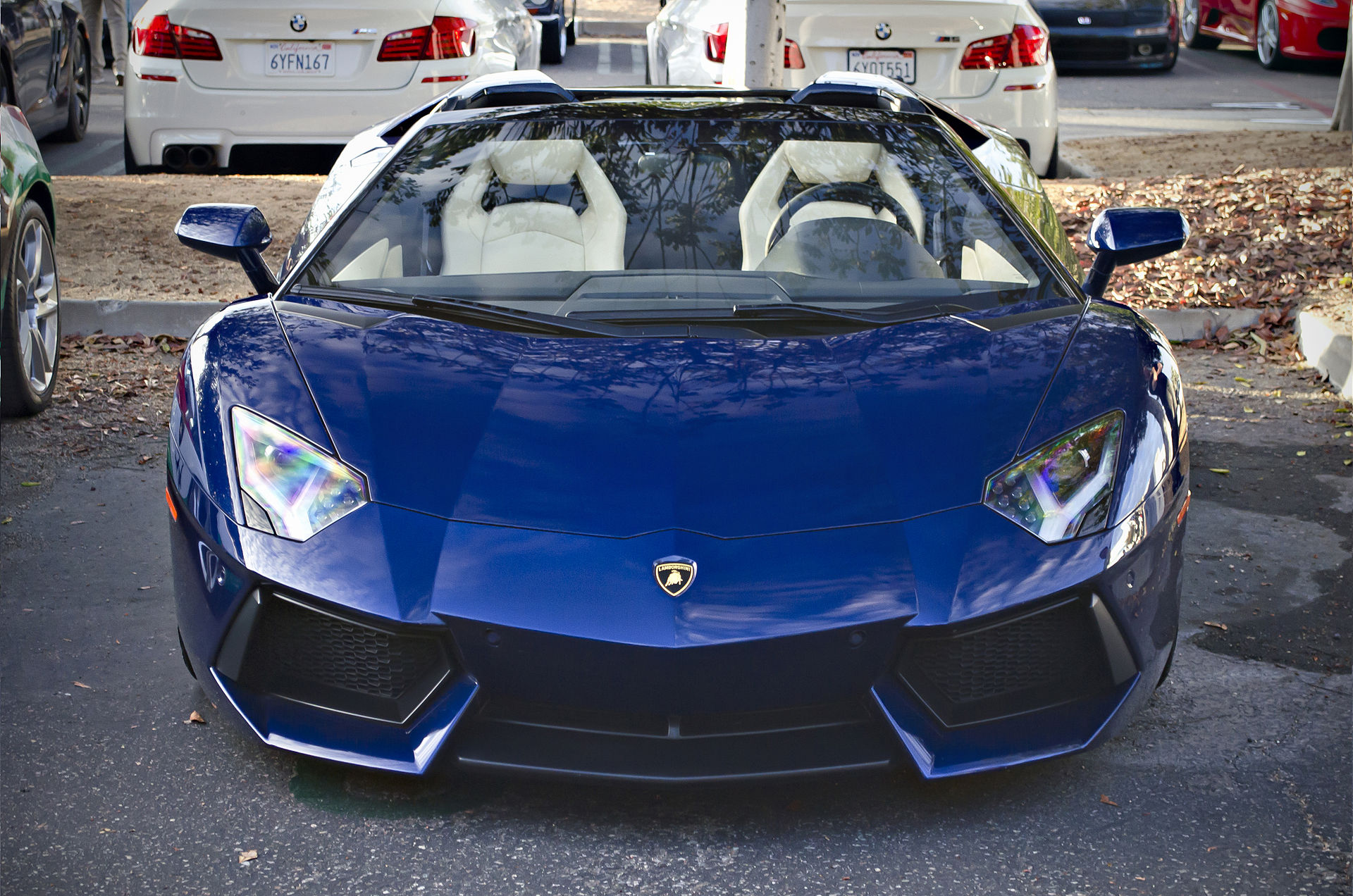
Step 4: Professional Photography — 50+ Angles Tell the Complete Story
Your photographs are the primary sales tool. A car that looks exceptional in person but mediocre in photos won't sell for premium prices. Invest in professional photography ($300–$800) shot by someone experienced with exotic cars.
What Professional Photographers Capture
- Exterior (20–25 angles): Driver side, passenger side, front three-quarter, rear three-quarter, front, rear, all four wheels, engine bay, fuel door, interior shots through windows, top (if convertible or removable roof), undercarriage condition shots.
- Interior Details (10–12 angles): Dashboard, steering wheel, seats from multiple angles, center console, door panels, carpet/floor condition, pedals, instrument cluster, infotainment screen.
- Documentation Proof (3–5 angles): Close-up of odometer, VIN plate (both on door jamb and dashboard), service stickers, any special badges or nameplate.
- Transparency Shots (5–10 angles): Any imperfections, wear marks, scratches, or condition issues. Yes, photograph the problems. Buyers respect transparency and are less likely to demand price concessions if they already saw the issues in listing photos.
Professional photographers shoot in optimal lighting (early morning or late afternoon) and use high-end equipment that captures true color and detail. Cell phone photos don't cut it for six-figure assets.
Step 5: Choose Your Selling Method — A Comparison Built for Lamborghinis
You have five primary options for selling your Lamborghini, each with different advantages and tradeoffs. Your choice here is critical.
Dealer Trade-In (Fastest, Lowest Return)
Walk into a Lamborghini dealer, get an offer, and drive away without the car. Advantages: instant, zero hassle, no marketing effort. Disadvantages: dealers offer 10–15% below market value to cover their acquisition costs and resale margins. A car worth $180,000 retail might fetch $153,000–$162,000 from a dealer.
Use this method only if you're buying another car from the same dealer and the trade-in credit offsets the lower valuation, or if you need to sell urgently.
Consignment (Hands-Off, Moderate Return)
Leave your car with a dealer or broker who lists it and handles showings. You receive the sale price minus a commission (typically 8–12%). Advantages: you avoid the work of managing showings and inquiries. Disadvantages: consignors are less motivated than owner-sellers, response times to buyer inquiries are slower, and your car competes with every other car on the lot.
Consignment works if you're patient and have low tolerance for buyer interactions. Expect 60–90 days to sell, sometimes longer.
Private Sale (Most Work, Best Return)
List the car yourself (online, social media, local networks) and handle all showings, negotiations, and transaction logistics. Advantages: you capture the full price without commission. Disadvantages: you're managing tire-kickers, unreliable buyers, payment risks, and title transfer complexity.
A private sale typically nets you 5–8% more than dealer offers, but demands significant personal time and effort. Expect detailed questions, test-drive requests, and payment method negotiations.
Online Auction (BaT, Cars & Bids — Great for Unique Lambos)
Bring a Trailer and Cars and Bids facilitate competitive bidding on exotic vehicles. Your car gets 7–10 days of auction, real market competition, and transparent pricing. Advantages: the auction format drives prices up (bidders compete for your car), you capture nearly 100% of the hammer price minus a 4–8% buyer's fee, and your car is vetted by thousands of serious buyers. Disadvantages: auction houses take a commission (typically 4–8% of hammer price), and your car must pass their inspection standards.
BaT and Cars & Bids are exceptional for rare Lamborghinis (low-mileage STOs, special colors, Sterrato models). Expect prices 2–5% higher than private sales because of buyer competition. This method is ideal if your Lamborghini is distinctive or highly desirable.
Automonitor Selling Service (Best Combination)
Automonitor's concierge selling service combines the best elements: we handle professional marketing, buyer qualification, transaction logistics, and even title transfer coordination. You maintain control over the final price and approve every transaction. We connect you with pre-qualified buyers from our network of 50,000+ luxury car buyers, dramatically reducing the "tire-kicker" problem.
Unlike consignment, you control timing. Unlike private sales, you don't manage unqualified inquiries. Unlike auctions, you set the price, not the market. We provide custom market analysis and professional guidance throughout the process. Expect 20–30% fewer days on market and 3–5% higher final prices compared to solo private sales.

Step 6: Pricing Strategy — Price Psychology That Works
Most sellers underprice because they're impatient. Smart sellers use psychology and data to maximize negotiation room while attracting serious buyers.
The 5-10% Strategy
List your Lamborghini at 5–10% above your target sale price. This creates room for negotiation while signaling confidence in the vehicle. A car with a target price of $180,000 lists for $189,000–$198,000.
Why this works: Buyers expect to negotiate. A car listed at exactly market value signals desperation. A car listed 5–10% above market attracts strong initial offers from serious buyers, because they know there's room to negotiate down. You end up at your target price after negotiation, but the buyer feels they've achieved something.
Market Timing Matters
Spring and summer (March–August) are peak seasons for exotic car sales, especially for convertibles. Fall and winter see lower demand. If you can time your sale for spring, list in January or early February to be ready for spring buyers.
For daily-drivable Lamborghinis, spring and summer demand is strong. For track-focused models like the STO or Performante, spring demand peaks as enthusiasts prepare for track season.
Step 7: Handle Inquiries & Showings — Qualify Serious Buyers Early
Once your Lamborghini is listed, inquiries will flood in. Not all inquiries represent genuine buyers. Your job is to filter for serious, qualified prospects and manage your time accordingly.
Buyer Qualification Framework
Before scheduling a showing, ask three qualifying questions:
- Financing Status: "Are you pre-approved for financing, or will you be paying cash?" Pre-approved buyers are 10x more likely to close than those still seeking financing. Cash buyers close fastest.
- Timeline: "When are you looking to complete this purchase?" Buyers who say "immediately" or "this week" are more serious than those saying "sometime in the next few months."
- Trade-In/Current Vehicle: "Do you need to sell another vehicle first?" Buyers dependent on selling another car are 50% less likely to complete the transaction.
Schedule showings only for pre-approved or cash buyers. You'll waste less time and attract more serious negotiators.
Showing & Test-Drive Protocol
On showing day, follow this protocol:
- Verify ID: You're inviting a stranger to your location and letting them drive a $150,000+ vehicle. Verify their driver's license before the test drive. Record their name and license number.
- Drive Supervision: Ride along on the test drive. This protects you legally if there's an accident, and it allows you to answer detailed questions. A 15-20 minute test drive (highway + back roads) is ideal.
- Post-Drive Discussion: Return to your home or location, let the car cool, and then discuss impressions. Ask if they have questions. Serious buyers ask mechanical and specification questions. Casual lookers make vague statements about liking it.
Managing Negotiations
When offers come in, use your initial 5–10% pricing cushion. A $189,000 listing receives an offer of $175,000. You counter at $185,000. They come back at $180,000. You split the difference or hold at $182,000. Everyone feels like they've negotiated successfully, and you hit your target.
Never negotiate price before the buyer has completed their pre-purchase inspection. An inspection often uncovers minor issues that both parties use as negotiation points. Waiting until after inspection gives you actual information to base price adjustments on.
Step 8: Closing the Deal — Secure Payment, Transfer Title, Protect Yourself
You've found the buyer, negotiated the price, and completed the inspection. Now protect yourself during closing.
Payment Methods for High-Value Transactions
Never accept personal checks. For transactions over $150,000, use one of these secure methods:
- Bank Wire Transfer: The gold standard. Buyer's bank wires funds to your bank account. Once the wire clears (typically 24 hours), the money is yours. You then transfer title.
- Cashier's Check: Buyer obtains a cashier's check from their bank. Verify funds at the issuing bank before releasing the vehicle or signing title.
- Escrow Service: For maximum security, especially if shipping the car, use an escrow service like Automonitor's concierge closing service. The buyer deposits funds into escrow, you deliver the car, the buyer takes delivery and releases funds, and you receive payment. This protects both parties.
If a buyer insists on cash payment in person, negotiate a safe location (bank parking lot) and bring a friend for security. Count the cash, verify serial numbers aren't sequential (red flag for counterfeits), and deposit it immediately at your bank.
Title Transfer
Transfer of title is state-specific, but the general process is:
- Buyer and seller both sign the back of the title
- Complete a bill of sale (both parties sign)
- Buyer registers the vehicle at their local DMV within 30 days
- Keep a copy of the signed bill of sale and title transfer for your records
Never sign the title before receiving confirmed payment. Never release the car before the title is signed. This protects you if payment bounces or the wire reverses.
Insurance Considerations
Your insurance coverage ends the moment ownership transfers. After the buyer signs the title, notify your insurance company immediately. Do not drive the car after selling it without notifying your insurer — you're no longer the owner and have no insurable interest.
Ask the buyer to provide proof of insurance before you release the vehicle. This protects you if they're in an accident and their insurance company tries to pursue you for liability.
Model-Specific Selling Strategies — Different Lamborghinis, Different Buyers
Each Lamborghini model has different buyer demographics and market dynamics. Here's how to position each:
Huracán (Strong Demand, Highlight V10 Heritage)
The Huracán is the most abundant Lamborghini on the market. Differentiate yours by emphasizing the naturally aspirated V10 heritage, especially as production ended in 2024. Highlight low mileage if you have it, or conversely, emphasize full service history if mileage is higher. Performance Huracáns hold value exceptionally well, so if you own a Performante, STO, or Tecnica, market that heritage and rarity. EVO and RWD variants are commodity Huracáns — price competitively and lean on condition and documentation.
Urus (Massive Demand, Family-Friendly Angle)
The Urus is the fastest-growing segment of Lamborghini sales. Buyers are successful professionals and entrepreneurs who want a super-SUV that turns heads. The Urus is exceptionally reliable for an exotic. Highlight practicality: cargo space, rear seat comfort, all-weather capability. Emphasize that it's the gateway to exotic ownership for buyers with families. Maintenance costs are lower than Huracán, so promote that. Urus models with low mileage and clean maintenance records sell quickly.
Aventador (V12 Collector Appeal)
The Aventador is the super-premium collector car. Buyers are older, more wealth-concentrated, and motivated by exclusivity and heritage. Emphasize the naturally aspirated 6.5L V12, the last of its kind. Highlight low mileage, pristine condition, and special colors. Lamborghinis are capable of 200,000+ miles, but Aventador buyers want single-owner, low-mileage examples. Market as "final V12" and position it as a collector asset.
Gallardo (Price-Sensitive Buyers, Manual Transmission Premium)
The Gallardo is entry-level supercar exotic. Buyers are younger, budget-conscious, and often first-time supercar owners. Price aggressively but competitively. Manual transmission Gallardos command 10–15% premiums over dual-clutch automatics because manual enthusiasts actively seek them. If you have a manual, highlight it prominently. Emphasize reliability and the enthusiast driving experience. Lower your asking price modestly and move it quickly — Gallardo buyers often have less patience and lower buying power than Huracán or Urus buyers.
Maximizing Your Sale: The Automonitor Advantage
At Automonitor, we've facilitated the sale of 1,000+ exotic vehicles. We've seen what works and what leaves money on the table. Our selling concierge service is specifically designed to maximize your Lamborghini's value:
- Custom market analysis based on your specific variant, color, mileage, and condition
- Professional photography and multi-platform listing (our network includes 50,000+ serious buyers)
- Buyer qualification to filter out tire-kickers
- Negotiation support and transaction coordination
- Title transfer and closing logistics handled end-to-end
- Secure payment processing and escrow services
Sellers using our service close 20–30% faster and realize an average 3–5% higher sale price compared to traditional private sales or consignment. For a $180,000 Lamborghini, that's an extra $5,400–$9,000 in your pocket.
Get Your Lamborghini Valued Today
Automonitor's expert analysts provide custom valuation and a personalized selling strategy based on your specific vehicle. No obligation, no commission until you sell.
Get Valuation →Frequently Asked Questions About Selling Your Lamborghini
Q: How long does it typically take to sell a Lamborghini?
Private sales average 45–90 days. Auction-based sales through Bring a Trailer take 7–10 days for the auction plus 2–4 weeks for closing. Consignment can take 2–6 months. Using a selling concierge service like Automonitor typically results in sale completion within 30–45 days. The timeline depends on condition, price competitiveness, and market timing.
Q: What should I disclose to a buyer?
Full transparency is legally required and ethically correct. Disclose any accidents, mechanical issues, modifications, prior paint work, service gaps, and insurance claims. A buyer who discovers undisclosed problems after purchase can pursue legal action for fraud. Transparent sellers sleep better and attract better buyers. Buyers who know about problems upfront are less likely to demand price concessions post-inspection.
Q: Should I list with Bring a Trailer or Cars & Bids?
Both platforms are legitimate and excellent for exotic cars. BaT is larger (50,000+ monthly visits) and more established. Cars & Bids is newer but has grown rapidly. Use BaT if your car is rare, low-mileage, or distinctive. Use Cars & Bids if you want a faster, more curated selling experience. Many sellers list on both simultaneously, though platform rules may prohibit simultaneous listings. Check their policies.
Q: What's the best time of year to sell?
Spring (March–May) and early summer (June–July) see peak demand for exotic cars. Fall (September–October) experiences secondary demand spikes. Winter (November–February) is slowest. If you can time your sale for spring, you'll likely achieve 2–5% higher prices due to increased buyer competition. However, if your car is in exceptional condition or priced competitively, it will sell anytime.
Q: How much does professional selling service cost?
Consignment typically charges 8–12% commission. Auction houses charge 4–8% buyer's premium to the buyer plus a 2–3% seller's fee. Concierge selling services like Automonitor charge a flat fee (typically $2,000–$4,000) or a smaller commission (2–3% of sale price). The math favors concierge services: on a $180,000 sale, consignment costs $14,400–$21,600. Automonitor's fee might be $3,600–$5,400, and you typically receive 3–5% higher prices, so net result is $5,000–$15,000 in your favor. Compare apples to apples before deciding.
Final Thoughts: Execute the Plan, Capture the Value
Selling a Lamborghini well requires patience, precision, and professional approach. You've invested tens of thousands of dollars in ownership. Don't leave $30,000–$50,000 on the table by rushing the sale or cutting corners on presentation.
Follow the eight steps outlined in this guide: price strategically using market data, prepare the car professionally, invest in photography, choose the right selling channel, manage inquiries intelligently, and close the deal securely. Each step compounds. A car that's properly valued, beautifully presented, professionally photographed, and sold through the right channel reaches the right buyer at the right price.
Your Lamborghini deserves to move to an owner who will treasure it. The market will reward a thoughtful, executed sale. Execute this plan, and you'll maximize your return. Automonitor is here to guide you through every step, from initial valuation through closing. Let's get your Lamborghini in front of the right buyer at the right price.
Ready to Sell Your Lamborghini?
Automonitor's selling experts provide market analysis, professional marketing, buyer coordination, and transaction management. Sell with confidence and capture top dollar.
Start Your Sale →