
How Much Is Insurance on an Aston Martin?
Aston Martin ownership comes with a price tag that extends far beyond the purchase. Insurance costs for these British-built machines are among the highest in the luxury automotive segment. Here's what you actually need to budget for across every model lineup.
The Real Cost of Aston Martin Insurance: Why These Cars Are Expensive to Insure
Insuring an Aston Martin costs significantly more than insuring comparable vehicles from competitors like Ferrari, Lamborghini, or Porsche. The average annual insurance cost for an Aston Martin ranges from $6,500 to $15,000+ per year, depending on the model, year, location, driving record, and coverage type. For context, a comparable Ferrari 488 might run $7,000-$11,000 annually, while a Porsche 911 Turbo S could be insured for $4,500-$7,500. This puts Aston Martin solidly in the expensive tier, and understanding why will help you make smarter ownership decisions.
The insurance premium reflects a convergence of factors unique to Aston Martin ownership: extremely limited production numbers mean fewer vehicles in the insurer's pool for risk assessment, specialized British components make repairs prohibitively expensive, and the brand's relatively lower production volume means repair shops outside official Aston Martin dealers charge significant premiums for labor and parts sourcing.
Aston Martin insurance isn't just about the car's value. It's about the cost of fixing it, the rarity of parts, and the specialized expertise required to keep it running.
Insurance Costs by Aston Martin Model: The Full Breakdown
| Model | Average Annual Insurance | Entry-Level Range | Premium Range |
|---|---|---|---|
| DB11 | $6,500–$9,500 | $5,800–$7,200 | $10,000–$13,500 |
| DB12 | $7,200–$10,800 | $6,500–$8,500 | $11,500–$15,000 |
| Vantage | $5,800–$8,500 | $5,200–$6,800 | $9,000–$12,000 |
| DBX | $6,200–$9,200 | $5,500–$7,200 | $10,000–$13,000 |
| DBS Superleggera | $8,500–$12,500 | $7,800–$10,000 | $13,000–$16,500 |
| Valkyrie (if available) | $18,000–$28,000 | $16,000–$22,000 | $25,000–$35,000+ |
| DB5 (Classic) | $4,500–$7,500 | $3,500–$5,000 | $8,000–$12,000 |
These figures represent comprehensive coverage with reasonable deductibles ($2,500-$5,000) for drivers age 35+ with clean driving records in most US states. Younger drivers, those in high-accident states, or drivers with violations will pay significantly more. A 25-year-old in California driving a DB12 might expect $18,000-$24,000 annually, while the same driver in a Vantage could see $14,000-$18,000.
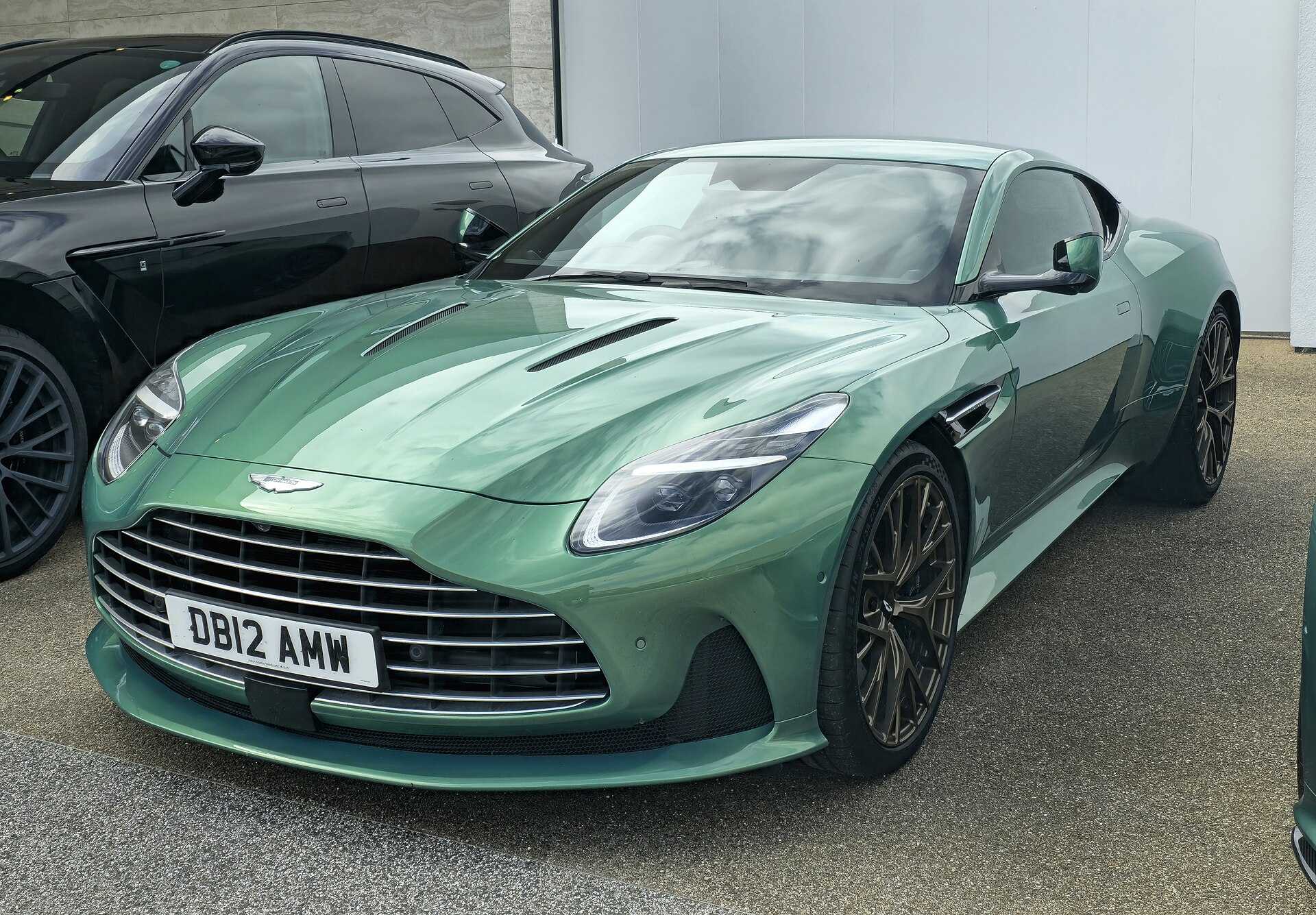
Why Aston Martin Insurance Is So Expensive: Five Key Factors
1. Extremely Limited Production and Risk Pools
Aston Martin produces fewer vehicles annually than most luxury brands. The DB11 generation (2016-2024) saw cumulative production of roughly 4,000 units across a decade. For context, Porsche produces more 911s in a single quarter than Aston Martin produces DB11s in an entire year. This scarcity works against owners when it comes to insurance pricing. Insurers rely on claims data and loss history to set rates. With such small production numbers, there's limited historical data about what percentage of cars will require major repairs, how often specific components fail, and what repair costs actually are. Insurance companies compensate for this uncertainty by building in risk premiums, resulting in higher quotes.
2. British Parts, International Sourcing, Specialized Repairs
Unlike Ferraris or Lamborghinis, which have established service networks in the United States with competitive pricing, Aston Martin's repair ecosystem is more limited. Many Aston Martin owners outside major metropolitan areas find themselves with limited independent shop options, forcing them to use Aston Martin dealers or specialized exotic car shops that charge premium labor rates. A transmission repair on a DB11 or DB12 that might cost $8,000-$12,000 at an independent shop can balloon to $15,000-$22,000 at an official Aston Martin dealer. Parts are sourced primarily from the UK or Europe, adding import time and cost. Insurance companies factor these elevated repair costs into their pricing models.
3. Sophisticated Electronics and Infotainment Systems
Modern Aston Martins (2016-present) feature complex infotainment and electronic control systems sourced from Aston Martin's partnerships. Replacing a damaged center console display, fixing infotainment glitches, or addressing electrical gremlins requires specialized diagnostic equipment and software that few shops outside official dealers possess. A single electronics repair that might cost $500 on a German luxury car can cost $2,000-$4,000 on an Aston Martin simply due to parts availability and labor intensity.
4. High Repair Costs for Structural Components
Aston Martins use aluminum chassis and carbon fiber body panels on many models (especially the newer generations). Repairing aluminum-frame structural damage requires specialized expertise and equipment beyond what general collision shops have. A minor front-end collision on a DB12 can result in a $15,000-$30,000 repair bill if frame damage is involved. Insurance companies know this, and they price accordingly.
5. Theft and Theft Recovery Complexity
Aston Martins, particularly the DB models, are targets for high-end car theft. While modern vehicles have sophisticated anti-theft systems, insurance companies factor in theft risk and the complexity of recovering stolen exotics. Some insurers charge theft risk premiums specifically for Aston Martin models in certain states and zip codes. Additionally, the specialized nature of recovering a stolen Aston Martin (if located) involves international coordination and logistics, adding potential recovery costs that insurers must account for.
DB11 V8 vs. V12 Insurance: The Engine Premium
One of the most significant insurance cost variables for DB11 owners is the engine choice. The V8-powered DB11 (featuring a 4.0-liter turbocharged eight-cylinder sourced from Mercedes-AMG) typically costs $500-$1,500 per year less to insure than the naturally aspirated V12-powered variant. Why the difference?
The V12 is a unique Aston Martin powerplant with fewer examples in the field, making repair information and parts availability more limited. The turbocharged V8, while still exotic, benefits from Mercedes-AMG's engineering documentation and a slightly broader parts network. Additionally, V12 variants are produced in smaller numbers, increasing insurance company uncertainty. The V12's higher horsepower rating (630 hp vs. 503 hp) also contributes to marginally higher quotes, as insurers associate higher power outputs with slightly elevated claims risk. For budget-conscious buyers, the V8 DB11 represents a sweet spot: nearly identical styling and interior as the V12, but with lower insurance and fuel costs.
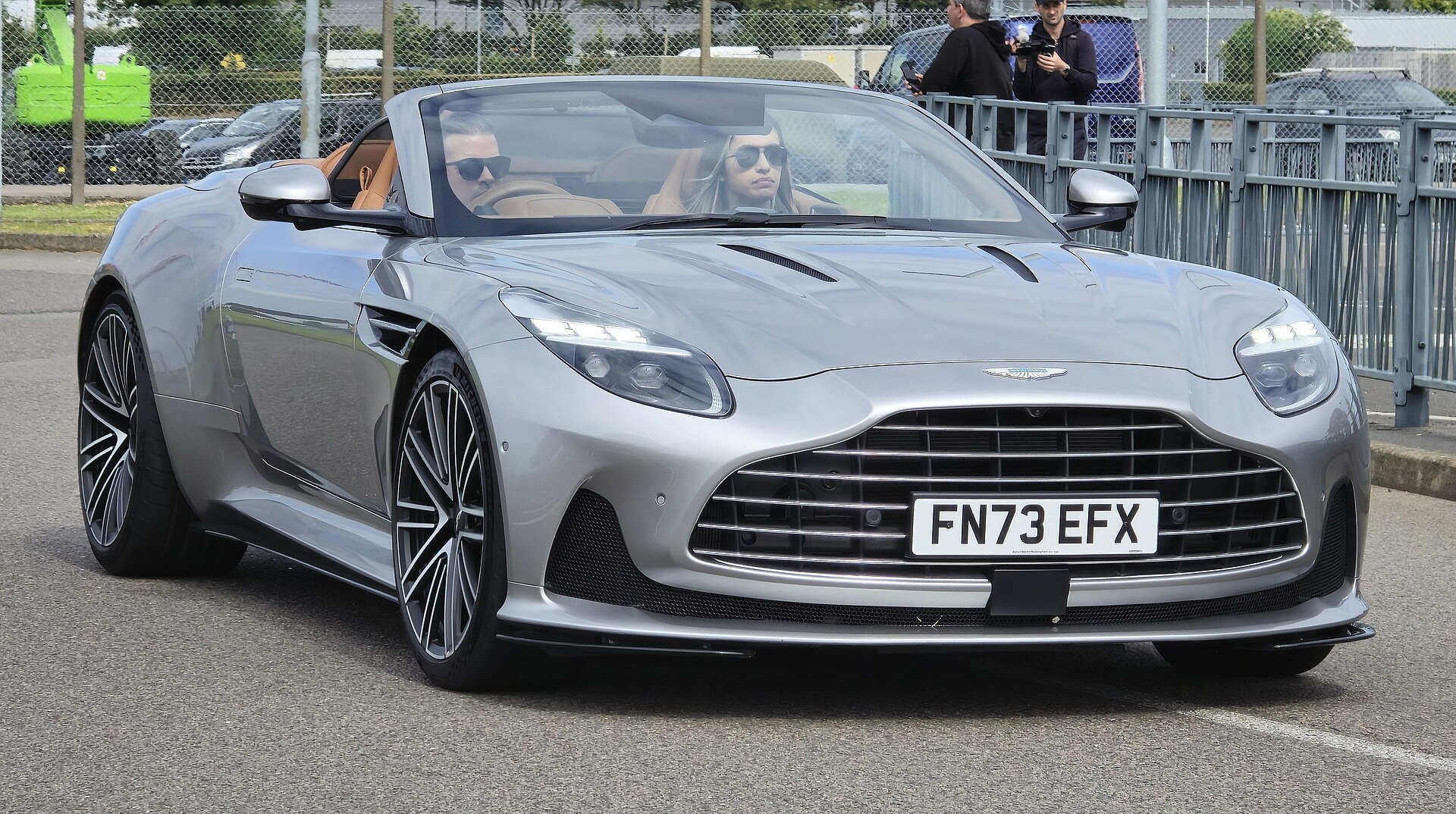
The DBX Advantage: Why the SUV Is Cheapest to Insure
The Aston Martin DBX is the brand's most affordable model to insure, typically running $500-$2,000 less annually than comparable DB models. Several factors explain this counterintuitive finding:
- Higher Production Volume: The DBX has sold more units than any Aston Martin in history. With thousands on the road, insurance companies have better loss data and more confidence in pricing.
- Shared Architecture: The DBX shares significant platform and powertrain elements with the Mercedes-AMG GLE, meaning repair expertise and parts availability are more abundant than with DB models.
- Lower Theft Targeting: Exotics buyers generally prefer the DB models. The SUV-bodied DBX attracts different buyers and experiences lower theft targeting than the iconic DB11 or DB12.
- Perceived Practicality: Insurance companies recognize that SUV owners tend to drive more conservatively than sports car drivers. This behavioral assumption translates to lower premiums.
A DBX owner might expect to pay $6,200-$9,200 annually for comprehensive coverage, compared to $7,200-$10,800 for a DB12. This $1,000-$2,000 annual savings compounds over ownership, making the DBX an interesting choice for buyers prioritizing insurance costs.
Specialty Insurance vs. Standard Policies: Which Option Makes Sense?
Most Aston Martin owners quickly discover that standard auto insurance carriers (Geico, State Farm, Progressive, etc.) offer poor quotes or refuse to cover high-value exotic vehicles. Specialty exotic car insurance providers become necessary, and understanding the differences is critical.
Standard Carriers (Not Recommended)
While some standard carriers will quote Aston Martins, they typically undervalue the vehicle and offer inadequate coverage limits. A $200,000 Aston Martin on a standard policy might be underinsured if the carrier's personal auto policies cap liability at $300,000 or limits exotic car coverage. Additionally, standard carriers often require lower mileage limits (3,000-5,000 miles/year) or charge exorbitant premiums for occasional driving. Most Aston Martin buyers outgrow standard insurance quickly.
Specialty Exotic Car Insurers (Recommended)
Specialty carriers like Hagerty, Chubb, American Modern, and specialty Lamborghini/Ferrari/Aston Martin-focused providers understand exotic vehicles. They offer:
- Accurate valuation based on specific year, mileage, and condition
- Flexible mileage options (5,000-25,000+ miles/year)
- Coverage for track days or amateur racing (with proper riders)
- Better claims handling through exotic car specialists
- Roadside assistance tailored to high-value vehicles
Specialty policies for Aston Martins typically cost 10-30% more than standard carrier quotes, but the coverage quality justifies the expense. A comprehensive specialty policy for a DB12 might run $8,500-$11,500 annually versus $6,800-$8,200 for underinsured standard coverage—but you're getting actually adequate protection.

Agreed Value Coverage for Classic Aston Martins: Protecting the DB5 and DB9
If you own a classic Aston Martin—particularly the iconic DB5 (famously driven by James Bond in the 1960s films) or the well-regarded DB9 (2004-2016)—standard depreciation-based valuation doesn't apply. These cars often appreciate rather than depreciate, especially low-mileage examples or those with significant provenance.
Agreed value insurance allows you and the insurer to settle on a specific valuation at the policy's inception. If the car is declared a total loss, you receive that agreed-upon amount rather than the assessed cash value at time of loss. For classic Aston Martins, this is essential. A DB5 insured at $850,000 will receive $850,000 if totaled, not the depreciated value an adjuster might assign. Agreed value policies cost 15-40% more than standard coverage but are non-negotiable for appreciating assets.
The famous "James Bond premium" is real: DB5s drive significant collector interest, especially those with film history or specific provenance. An insurance company quoting a stock 1963 DB5 at $750,000 might quote a DB5 with documented film history at $1.2M+. Work with an insurer experienced in classic Aston Martins and automotive memorabilia to ensure proper valuation.
Factors That Influence Your Aston Martin Insurance Rate: The Complete List
Driver-Related Factors
- Age and Experience: Drivers under 30 pay 40-100% premiums. Drivers over 60 pay slightly elevated rates (but less than younger drivers).
- Driving Record: Even a single at-fault accident or moving violation adds 25-50% to premiums. Multiple incidents make coverage difficult to secure.
- Credit Score: Many insurers factor credit scores into pricing. A 650 credit score might cost $2,000-$3,000 more annually than a 750+ score.
- Primary vs. Secondary Vehicle: Using the Aston Martin as a secondary car (fewer miles/year) reduces premiums by 10-20%. Using it as a daily driver increases costs significantly.
Vehicle-Related Factors
- Year and Generation: Newer models with updated safety systems and predictive diagnostics cost less to insure. A 2024 DB12 might be 20-30% cheaper to insure than a 2018 DB11.
- Mileage: Low-mileage vehicles (under 5,000 miles/year) receive discounts. High-mileage vehicles (15,000+ miles/year) pay significantly more.
- Color and Specification: Certain colors (especially bright or rare colors) and high-spec variants with extensive customization may affect claims severity assumptions and slightly impact rates.
- Modifications: Any modifications not approved by Aston Martin can increase insurance costs or complicate claims. Upholstery changes, wheel changes, or engine tuning should be disclosed.
- Paint and Material: Certain custom paint jobs or material choices might impact repair costs and therefore insurance rates.
Location-Based Factors
- ZIP Code: Urban areas with higher theft rates and accident frequencies cost 30-60% more to insure than rural areas. Parking a DB11 in Manhattan costs significantly more than in rural Vermont.
- State: States with higher average auto insurance costs (California, Florida, New York) translate to higher exotic car premiums.
- Garage Type: Vehicles kept in a locked, alarmed garage cost 10-15% less than vehicles kept in open parking.
Coverage Choices
- Deductible Level: A $1,000 deductible is standard. Raising it to $2,500 or $5,000 saves 10-20%. Lowering it to $500 increases costs 5-10%.
- Coverage Limits: Higher liability limits ($500K-$1M) cost more but are essential for high-value vehicle owners.
- Uninsured Motorist Coverage: Recommended even for wealthy buyers; adds minimal cost.
- Track Day Rider: If you plan to track the car, add an endorsement. This costs $200-$500 more annually but essential for liability protection.
How Vehicle Age and Depreciation Affect Insurance Premiums: The Inverse Relationship
Unlike most vehicles where insurance premiums decline as cars age, Aston Martin insurance has a more complex relationship with depreciation. A 2024 DB12 might cost $10,200 to insure, while a 2018 DB11 might cost $8,500 despite being worth less. Here's why:
Newer vehicles have better safety and diagnostic systems. Collision avoidance, blind-spot monitoring, and predictive diagnostics reduce accident frequency and severity claims. Newer Aston Martins have more sophisticated electronics that theoretically prevent accidents.
Older vehicles have more repair complexity. A 2018 DB11 with electrical issues might require more troubleshooting time than a 2024 DB12 because service bulletins and software updates have addressed many known issues. An older car's problems are harder to diagnose.
Parts availability paradoxically increases repair costs as cars age. A 2016 DB11 is more likely to need sourced parts from UK inventory, adding lead time and cost. Newer models have more dealer stock and faster service.
This means depreciation doesn't necessarily reduce insurance costs proportionally. A DB11 that drops from $180,000 to $140,000 in value might only see insurance premiums decline from $9,200 to $8,500—a 8% reduction versus the 22% value depreciation.
Aston Martin Insurance vs. Competitors: How It Stacks Up
| Brand/Model | Estimated Annual Insurance | Vehicle Price Range | Insurance-to-Value Ratio |
|---|---|---|---|
| Aston Martin DB11 | $6,500–$9,500 | $130K–$180K | 4.5–6% |
| Aston Martin DB12 | $7,200–$10,800 | $180K–$250K | 3.6–5% |
| Ferrari 488 GTB | $7,000–$10,500 | $180K–$250K | 3.5–5% |
| Lamborghini Huracan EVO | $6,500–$9,200 | $155K–$190K | 3.8–5.5% |
| Porsche 911 Turbo S | $4,500–$7,500 | $145K–$180K | 2.8–4.5% |
| Bentley Continental GT | $6,800–$10,200 | $200K–$270K | 2.8–4.5% |
| Rolls-Royce Ghost | $5,500–$9,500 | $280K–$350K | 1.9–3% |
The data reveals an interesting pattern: Aston Martins fall squarely in the middle of the luxury/exotic insurance spectrum. They cost more to insure than Porsches but roughly equivalent to Lamborghinis and Ferraris. Interestingly, Rolls-Royces and Bentleys have lower insurance-to-value ratios, partly because their buyers are typically older, wealthier, and less prone to aggressive driving. The Porsche advantage is significant—a comparable $170,000 Porsche 911 Turbo S costs $1,500-$2,500 less annually to insure than a DB11, representing 10-20% savings over a five-year ownership period.
Get an Accurate Aston Martin Insurance Quote
Insurance quotes vary dramatically by driver, location, and coverage type. Automonitor connects you with specialist exotic car insurers who understand Aston Martin values and repair costs.
Get Insured Properly →Practical Tips to Lower Your Aston Martin Insurance Costs: What Actually Works
1. Choose the Right Insurance Carrier
Shopping with multiple specialty insurers matters enormously. Quotes for the same DB12 can vary by $2,000-$4,000 annually between carriers. Call Chubb, Hagerty, American Modern, and specialty Aston Martin carriers. The lowest quote often comes from unexpected sources.
2. Increase Deductibles Strategically
Jumping from a $1,000 to a $2,500 deductible saves 10-15% on premiums. For owners with sufficient liquid reserves, this is a no-brainer. You're self-insuring the first $2,500 of any claim, which statistically works in your favor.
3. Reduce Mileage Exposure
Committing to under 5,000 miles/year can save 15-25% versus 10,000+ miles/year policies. If the Aston Martin is a weekend and special-occasion car (not a daily driver), lock in low-mileage discounts.
4. Bundle with Home Insurance
Some specialty carriers offer bundling discounts (5-10%) if you insure your home with the same company. This rarely makes sense financially but worth asking about.
5. Install Anti-Theft Devices
Professional alarm systems, GPS trackers, and steering wheel locks can reduce theft-risk premiums by 5-10%. For a $9,000 annual premium, a $500-$800 device installation pays for itself in two years.
6. Maintain an Excellent Driving Record
This is obvious but critical. One at-fault accident can increase your rate 25-50% for 3-5 years. Avoid tickets and accidents like your financial life depends on it. For Aston Martin owners, it literally does.
7. Consider Stated Value vs. Agreed Value
For newer Aston Martins, agreed value costs more upfront but protects against total loss undervaluation. For cars you plan to sell within 3-5 years, stated value might save money. For classics or cars you're keeping long-term, agreed value is essential.
8. Garage the Car When Not in Use
A locked, alarmed garage costs nothing but can save 5-15% on premiums. Leaving an Aston Martin exposed to the elements (weather, theft) increases insurer risk and therefore rates.
The James Bond Factor: How Pop Culture Affects Aston Martin Insurance
The DB5's legendary status as the official James Bond vehicle has had measurable impacts on insurance costs and valuation. Insurers recognize that DB5s (and to a lesser extent, DB11s and DB12s associated with Bond films) command collector premiums and attract theft attention.
A standard 1963 DB5 might insure at $4,500-$6,500 annually. The same car with documented film history, promotional materials, or connection to the franchise could insure at $8,000-$12,000+. Insurers essentially treat these cars as collector items rather than driver vehicles, even if they're still functionally driven.
This is actually protective for owners—it ensures proper valuation and agreed value coverage. But it also means insurance becomes a significant ongoing cost component for any Aston Martin, especially classics with provenance.
Frequently Asked Questions About Aston Martin Insurance
Can I insure an Aston Martin with a standard carrier like Geico or State Farm?
Technically yes, but you shouldn't. Standard carriers either refuse Aston Martin coverage or offer inadequate quotes with poor coverage limits. Specialty exotic car insurers understand these vehicles' values and repair costs. Always get quotes from Chubb, Hagerty, American Modern, and specialty providers before accepting a standard carrier quote.
What's the difference between comprehensive and collision coverage on an Aston Martin?
Comprehensive covers theft, weather, vandalism, and wildlife. Collision covers accidents. For a $180,000+ vehicle, both are essential. Skipping either is financially reckless. A DB11 damaged in a hailstorm (comprehensive claim) can suffer $20,000+ damage. A fender-bender (collision) can cost $8,000-$15,000.
Does financing affect insurance costs?
Yes. Lenders typically require full comprehensive and collision coverage with specific limits. If you finance, you'll have higher insurance costs than if you own outright. However, the improved repair coverage justifies the cost. Plan on $8,000-$12,000 annually if financing; $6,500-$9,500 if you own outright.
Is it worth adding roadside assistance and rental car coverage?
Roadside assistance is valuable—$150-$250/year gets you priority towing to an Aston Martin dealer. Rental car coverage is less critical; most owners have multiple vehicles. Skip it unless you genuinely need transportation while your Aston Martin is in service.
How does age affect insurance rates on an Aston Martin?
Unlike standard cars where insurance declines steadily, Aston Martin insurance has a complex curve. Rates might decline slightly for the first 3-4 years, plateau, then potentially increase again for vehicles over 8-10 years as repair complexity and parts sourcing increase. A 2019 DB11 might cost less than a 2024 DB12 to insure, despite being worth significantly less.
What happens to insurance if I track my Aston Martin?
Most standard policies exclude track use. If you plan amateur racing or track days, add a track day endorsement ($200-$500/year) or get a separate track liability policy ($800-$1,500/year). Some specialty carriers offer track day coverage; others refuse it entirely.
Can I get uninsured motorist coverage on an Aston Martin?
Yes, and you should. While most Aston Martin owners are high-net-worth individuals, uninsured motorist coverage protects you against hit-and-run accidents and collisions with underinsured drivers. It costs $100-$200 more annually but is non-negotiable.
Do classic Aston Martins (DB5, DB9) cost more to insure than modern ones?
Sometimes. Classic cars with agreed value coverage reflect their actual market value, which for DB5s is $600,000-$1.5M+. Even at a 1% insurance-to-value ratio, that's $6,000-$15,000 annually. However, agreed value protection is worth the cost. A standard depreciation-based policy on a $900,000 DB5 would be dangerously underinsured.
The Bottom Line: Budgeting for Aston Martin Insurance
Insuring an Aston Martin is expensive—there's no way around it. Budget $6,500-$10,500 annually for modern models (DB11, DB12, Vantage) and $5,800-$9,200 for the DBX. DBS Superleggera models push $8,500-$12,500. Classics with appreciated values can exceed $10,000-$15,000 annually.
This is higher than Porsches (20-30% more expensive) but comparable to or slightly lower than high-end Ferraris and Lamborghinis. It's the price of owning one of the world's most storied automotive brands, and the British engineering quality and driving experience justify the expense for committed enthusiasts.
The key to managing costs is working with specialty insurers who understand Aston Martin values, choosing the right model for your needs (the DBX offers insurance advantages), maintaining an excellent driving record, and properly securing the vehicle. With these strategies, you can own an Aston Martin responsibly and within a realistic budget.
Want help finding the right Aston Martin for your budget and insurance profile? Automonitor's team can guide you through the ownership costs before you commit to purchase.
Ready to Own an Aston Martin?
Automonitor helps you factor insurance, maintenance, and ownership costs into your purchase decision. Get expert guidance before committing to your dream British sports car.
Start Your Aston Martin Search →