
How Much Does PPF Cost on a Lamborghini?
Paint Protection Film is essential for exotic car owners, but costs vary dramatically by coverage level, model, and installer. Here's the complete 2025 pricing breakdown for every Lamborghini variant — plus what you actually need to know before investing in protection.
Why Lamborghinis Need PPF: Soft Paint, Complex Surfaces, High Stakes
Lamborghini paint is notoriously soft. The company prioritizes visual depth and color richness over durability, which means factory paint on a Huracán, Urus, Aventador, or Revuelto is vulnerable to stone chips, swirl marks, bird droppings, tree sap, and road salt in ways that mainstream supercars aren't. A single rock strike can expose primer on a Lamborghini that wouldn't even mark a Porsche 911.
This vulnerability is compounded by Lamborghini's aggressive aerodynamic design language. Unlike a simple sedan hood, a Huracán has 47 distinct body panels with multiple curves, angles, and horizontal edges — each one at risk of damage. The Urus SUV, with its tall stance and forward-facing surfaces, is even more exposed to flying debris at highway speeds. Matte and satin finishes, increasingly popular on high-end Lamborghinis, add another layer of complexity: they're even softer than glossy finishes and require specialized PPF films that cost more to apply.
Paint repair on a Lamborghini isn't cheap. A single panel repaint runs $3,000–$5,000 at a Lamborghini dealership. A full front-end repaint (hood, bumper, fenders, roof) can cost $8,000–$15,000. That economic reality makes PPF not just a luxury upgrade — it's insurance against catastrophic repair bills. And unlike actual insurance, PPF covers damage that insurance companies won't touch, including paint swirling from improper washing.
PPF on a Lamborghini isn't cosmetic. It's financial protection for one of the most expensive paint jobs you'll ever own.
PPF Costs by Lamborghini Model: 2025 Pricing Guide
PPF pricing varies dramatically based on the vehicle's surface area, paint complexity, and the installer's expertise with exotic cars. Here's what you should expect to pay for different Lamborghini models:
| Model | Vehicle Class | Full Body PPF Range | Full Front PPF Range | Partial Front PPF Range |
|---|---|---|---|---|
| Huracán | Sports Car | $4,500–$8,000 | $3,000–$5,500 | $1,800–$3,500 |
| Urus | Performance SUV | $5,000–$9,000 | $3,500–$6,500 | $2,200–$4,200 |
| Aventador | Grand Tourer | $6,000–$10,000 | $4,000–$7,000 | $2,500–$4,800 |
| Revuelto | Hybrid GT | $7,000–$12,000 | $4,500–$8,000 | $2,800–$5,200 |
These prices assume high-quality PPF from tier-one brands (XPEL Ultimate Plus, SunTek CXL, 3M Crystalline) installed by certified exotic car specialists. Budget shops might quote 30–40% lower, but the risk of installation defects (dust, adhesion issues, peeling) is significantly higher. Premium installers in luxury markets (Miami, Los Angeles, New York) may charge 20–30% above these ranges.
The Revuelto, Lamborghini's new hybrid supercar, commands the highest prices due to its complex hybrid powertrain hardware, larger surface area, and the scarcity of installers with experience on the model. Huracáns, being more common and simpler to install, sit at the lower end of the pricing spectrum.

PPF Coverage Levels: What You Actually Need
Not all PPF installations are created equal. Coverage levels range from minimal to comprehensive, and the right choice depends on how you'll use your Lamborghini. Here's what each option protects and costs:
Partial Front PPF ($1,800–$3,500)
Coverage: Hood, front bumper, upper fenders. This is the most common option for owners who drive their Lamborghinis only on weekends or in controlled environments. It protects the highest-impact areas while keeping costs minimal. The front bumper absorbs 80% of stone chips on highway driving, so this level of coverage eliminates most practical risk.
Best for: Weekend cruisers, car show vehicles, owners who only drive in urban areas at moderate speeds.
Full Front PPF ($3,000–$5,500)
Coverage: Hood, front bumper, both fenders, headlights, front portion of roof, side mirrors. This is the professional recommendation for anyone who drives their Lamborghini regularly. It covers all front-facing and side-facing panels that are exposed to road hazard during normal driving. Most insurance companies recognize this level as providing meaningful damage prevention, which can sometimes lower premiums slightly.
Best for: Owners who drive 2,000–5,000 miles annually. This is the optimal balance between protection and investment.
Full Body PPF ($5,000–$12,000+)
Coverage: Hood, bumpers, fenders, headlights, roof, doors, side panels, rear quarter panels, trunk. This is comprehensive protection for every painted surface. Installation takes 5–7 days and requires masking and pre-treatment of the entire vehicle. The investment is substantial, but so is the protection — a fully PPF'd Lamborghini is essentially immune to paint damage except in extreme impacts.
Best for: Owners who drive frequently in harsh climates (salt spray, desert dust, urban traffic), collectors who care deeply about pristine paint condition for eventual resale, or buyers of high-mileage exotic cars (where paint condition was already compromised).
Full Body + Ceramic Coating Combo ($8,000–$16,000)
Some premium installers offer PPF combined with ceramic coating as a package. The PPF handles impact protection while the ceramic provides self-cleaning properties and enhanced gloss. This combination is popular on matte-finish Lamborghinis, where it helps maintain the appearance of matte paint while adding durability. However, PPF alone on a matte Lamborghini already provides substantial benefits — the ceramic coating is optional luxury.
Factors That Drive PPF Costs: Why Prices Vary So Much
Two Lamborghinis can receive identical partial front PPF installations with quotes that differ by $1,000. Here's why:
Body Complexity & Panel Count
The Huracán has approximately 35–40 exterior panels. The Urus, with its taller stance and more surfaces, has 45–50 panels. The Aventador has 50+. Each additional panel increases masking time, film cutting complexity, and labor hours. A body shop charges hourly labor for installation, so more panels = higher costs.
Paint Finish Type
Glossy paint is the easiest and cheapest to PPF. Metallic finishes cost 5–10% more because the film must be precisely cut to align with metallic flakes for an invisible seam. Matte and satin finishes add 15–25% to costs because:
- Specialized matte-specific PPF films are required (XPEL Stealth is the market leader but costs more)
- Installation requires different techniques to avoid creating visible texture discontinuities
- Edge sealing is more visible on matte finishes, requiring extra precision
- Fewer installers have matte PPF expertise, creating a supply constraint
If you own a Lamborghini in a matte finish (increasingly common on Huracáns and Aventadors), expect to pay 15–30% more than the glossy paint equivalent.
PPF Brand & Quality Tier
Budget PPF films (unbranded or lesser-known brands): $1.50–$3 per square foot of material. Mid-tier films (SunTek Pro): $3–$5 per square foot. Premium films (XPEL Ultimate Plus, 3M Crystalline): $5–$8 per square foot. A Huracán partial front represents roughly 400–500 square feet of coverage, so material cost alone ranges from $600–$4,000 depending on film quality.
Premium films offer superior clarity, easier installation, better self-healing properties (minor scratches fade over time), and longer warranties (5–10 years vs. 2–3 years for budget films). The difference between a $3,000 and $5,500 full front installation often comes down to material quality, not labor.
Installer Reputation & Location
A certified XPEL installer with a dedicated exotic car bay in Manhattan, Miami, or Beverly Hills charges 20–40% more than an independent detailer in a secondary market. This isn't just ego pricing. Elite installers typically:
- Use factory-matched masking materials (not household tape)
- Maintain climate-controlled installation bays (essential for proper adhesion)
- Offer warranty coverage for peeling, delamination, or yellowing
- Have experience with rare paint codes and complex body work
- Carry insurance against installation defects
For a Lamborghini, the $1,500–$2,000 premium for a certified exotic installer is worth the investment. PPF mistakes are permanent and expensive to correct.
Regional Price Variations
Coastal cities with high concentrations of exotic cars (Miami, Los Angeles, Dubai) command 15–30% premiums over interior markets. New York, Miami, and Southern California are the most expensive regions. Rural or secondary markets are cheapest, but may lack installers with Lamborghini-specific experience.
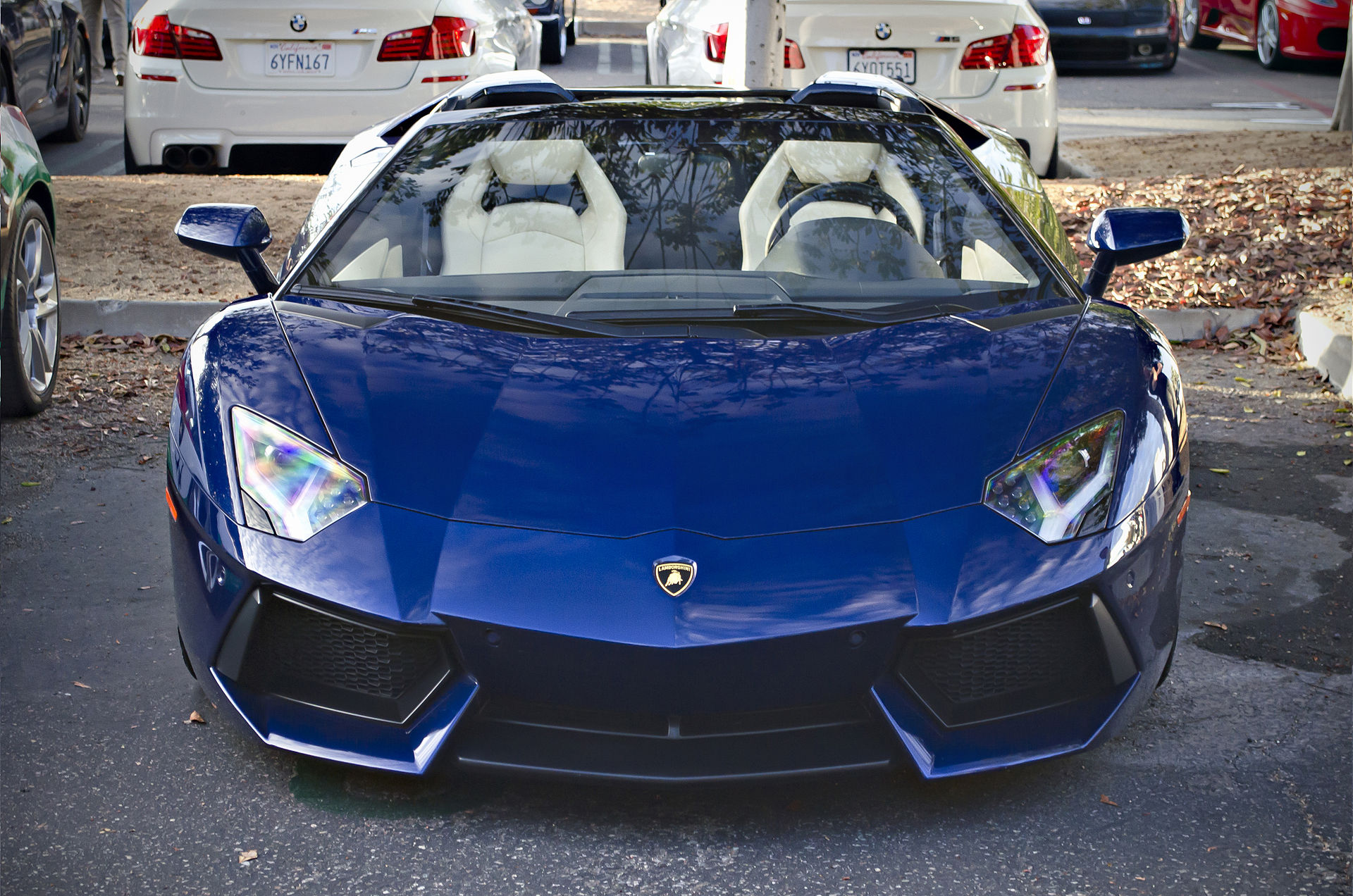
Top PPF Brands for Lamborghini: XPEL vs. SunTek vs. 3M
The PPF market is dominated by three brands that serious exotic car owners trust. Here's how they compare on Lamborghinis:
XPEL Ultimate Plus (Premium Market Leader)
Cost: $5.50–$8/sq ft. Warranty: 10 years. XPEL is the most popular choice for high-end Lamborghini installations. The film is optically clear, offers excellent self-healing (scratches disappear within 24 hours under heat), and is backed by a comprehensive warranty. XPEL's Stealth matte finish is the only truly matte PPF that's properly formulated for matte Lamborghinis, making it the de facto standard for satin/matte paint protection.
Pros: Best clarity, excellent self-healing, widest availability of certified installers, Stealth option for matte finishes, strong warranty.
Cons: Highest cost tier. XPEL's market dominance means some installers charge premium markups.
SunTek CXL (Value-Premium Hybrid)
Cost: $3.50–$5.50/sq ft. Warranty: 5 years. SunTek is a proven alternative that offers excellent clarity and durability at a lower price point than XPEL. The CXL line has a slight yellow tint compared to XPEL (nearly invisible to the naked eye) and slightly less aggressive self-healing, but most owners won't notice the difference over a 3–5 year ownership period.
Pros: 15–25% cheaper than XPEL, excellent clarity, good warranty, solid installer network.
Cons: Marginally lower clarity in certain lighting. Fewer matte-specific options. Fewer exotic-specific installers than XPEL.
3M Crystalline (Professional Standard)
Cost: $4–$6/sq ft. Warranty: 5 years. 3M is the oldest and most trusted brand in the protective film space (decades of history in the windshield protection market). Crystalline films are known for precise cutting and strong adhesion. However, 3M's PPF is less popular than XPEL among exotic car enthusiasts, partially because XPEL's marketing has dominated the premium market.
Pros: Backed by 3M's reputation, strong adhesion, professional installation support, solid clarity.
Cons: Less popular among exotic car installers. Fewer options for matte finishes. Less aggressive self-healing than XPEL.
For a Lamborghini, XPEL is the safest choice. The brand is synonymous with exotic car protection, has the most expert installers, and offers features (especially Stealth for matte paint) specifically designed for luxury vehicles.
Matte & Satin PPF: Special Considerations for Modern Lamborghinis
Lamborghini's increasing adoption of matte and satin finishes creates a unique PPF challenge. Matte paint is 60–70% softer than glossy finishes and, paradoxically, more difficult to protect perfectly.
The core issue: PPF creates a glossy finish, but matte Lamborghinis are purchased specifically for their matte appearance. When you cover matte paint with standard (glossy) PPF, you create a visual discontinuity — the PPF areas look shinier than the unprotected matte areas, creating obvious outlines. This is why XPEL Stealth exists. Stealth films replicate a matte finish, maintaining visual continuity across the entire vehicle.
However, Stealth isn't perfect. The matte texture from PPF, while very close, isn't identical to Lamborghini's factory matte finish. Owners with obsessive attention to detail (i.e., most Lamborghini buyers) notice the difference on certain angles and in certain lighting. The cost premium for Stealth PPF is 15–25% above standard glossy PPF on an already expensive installation.
Our recommendation: For full front or full body coverage on a matte Lamborghini, use Stealth. For partial coverage on lower-visibility areas (like the lower hood edge), standard PPF is acceptable because the discontinuity is less noticeable. Get samples in person before committing — lighting and viewing angles matter enormously.

Installation Timeline: How Long to Protect Your Lamborghini
PPF installation time varies dramatically by coverage level and installer experience:
- Partial Front ($1,800–$3,500): 1–2 days. The installer masks, preps, cuts, and applies film to 400–500 sq ft of panels. Your car is ready for pickup by late afternoon of day 2.
- Full Front ($3,000–$5,500): 2–3 days. Additional complexity from headlights, mirror covers, and roof edge masking adds time.
- Full Body ($5,000–$12,000): 5–7 days. Complete masking of the entire vehicle takes 1 day alone. Cutting and applying film to 1,500–2,000 sq ft requires multiple installers working in parallel and careful planning to avoid dust contamination.
The installer should provide a loaner car or arrange transportation. Many exotic-focused shops offer this as standard service. Ask about this before committing.
One critical note: PPF requires 24–48 hours of curing time after installation before the vehicle is driven. The film needs time for the adhesive to fully bond. Driving too soon can cause edge peeling or adhesive failure. Your installer will advise on exact timing.
Verify PPF Installation Quality at Inspection
Automonitor inspections include detailed evaluation of existing PPF condition — edge separation, delamination, yellowing, dust beneath film. Before buying a used Lamborghini with PPF, get it professionally inspected.
Schedule a Pre-Purchase Inspection →Is PPF Worth It? ROI Analysis for Lamborghini Owners
A $5,000 full-body PPF installation might seem expensive until you compare it to repair costs. Let's do the math:
| Scenario | Cost Without PPF | Cost With PPF | Net Savings |
|---|---|---|---|
| Single hood stone chip (repainting hood) | $3,500–$5,000 | $0 (PPF absorbs damage) | $3,500–$5,000 |
| 3 front panel chips (hood + fenders) | $10,500–$15,000 | $0 (PPF absorbs damage) | $10,500–$15,000 |
| Full front bumper repaint (after accident) | $5,000–$7,000 | $0 (PPF absorbs damage) | $5,000–$7,000 |
| Annual swirl mark removal (paint correction) | $800–$1,200/year | $0 (PPF protected) | $4,000–$6,000 over 5 years |
| Net Savings Over 3 Years (Conservative Estimate) | $5,000–$12,000 | ||
In most scenarios, a single major paint incident justifies the entire PPF investment. The only situation where PPF doesn't make financial sense is if you keep your Lamborghini in a climate-controlled garage, never drive it, and sell it within 2 years. For any real-world ownership scenario, PPF pays for itself.
Beyond pure ROI, PPF also improves resale value. A well-maintained Lamborghini with full PPF and clean service history commands 3–8% premiums on the secondhand market, because buyers recognize the tangible paint protection benefit. Some high-end dealers specifically market PPF status as a buying feature.
Finding Certified Lamborghini PPF Installers: Don't Cut Corners
Not all PPF installers are equal. A shop that's competent on Honda Accords may lack expertise on Lamborghinis' complex geometry and exotic paint. Here's how to find a certified expert:
Step 1: Start with manufacturer certifications. Visit XPEL's website and use their installer locator tool. Filter for "Preferred" or "Preferred Plus" certified installers in your area. These shops have met XPEL's training standards and carry proper insurance. Look for shops with specific exotic car experience (check their portfolio for Lamborghinis, Ferraris, McLarens).
Step 2: Research installer history. Check Google reviews, Yelp, and manufacturer forums (Lamborghini Talk, Urus owner groups). Look for reviews specifically mentioning exotic cars. Avoid shops with complaints about edge peeling, yellowing, or dust beneath the film.
Step 3: Ask specific questions. Call three installers and ask: "How many Lamborghinis have you installed PPF on?" "Do you offer a warranty against delamination?" "Can I see before/after photos of similar models?" "What's your process for masking matte paint?" Reputable shops will answer confidently. Evasive shops are red flags.
Step 4: Get a warranty in writing. Legitimate installers offer 3–10 year warranties covering peeling, yellowing, and adhesion failure. Insist on a written warranty document. A verbal promise means nothing if the installer closes shop.
Step 5: Verify insurance. Ask if the shop carries insurance against installation defects. This proves they're professional enough to be insurable. Most reputable exotic car shops carry $1M+ in coverage.
Step 6: Avoid big-box auto shops. Chains like Jiffy Lube or even mid-market detailers often contract out PPF work to inexperienced installers. Go directly to dedicated PPF/ceramic coating specialists. The best shops focus exclusively on paint protection and detailing.
How Automonitor Evaluates PPF During Inspections: What We Look For
When you buy a used Lamborghini with existing PPF, condition becomes critical. Poor installation can devalue a car and create maintenance headaches. Here's what our certified inspectors check:
- Edge Separation: We inspect all PPF edges under magnification for peeling or lifting. Even minor separation indicates poor installation and will worsen over time.
- Dust Beneath Film: Dust particles trapped during installation are impossible to remove without taking the film off. We check for visible dust, especially on hood and bumper.
- Water Pooling: We look for water trapped between PPF and paint, which indicates poor adhesion and will eventually cause delamination.
- Yellowing: Old budget PPF often yellows within 3–5 years. We assess the degree of yellowing to gauge film age and remaining lifespan.
- Microseams: Professional installations have clean microseams where film overlaps are virtually invisible. Poor installations have visible seams that stand out under light.
- Texture Matching (Matte Finishes): For matte Lamborghinis, we compare the texture of PPF areas versus unprotected areas. Obvious discontinuities indicate substandard Stealth application or standard glossy PPF used on matte paint.
- Coverage Gaps: We verify that the claimed coverage (full front vs. partial front) actually matches the installed film. Some sellers misrepresent coverage levels.
A professionally installed PPF with no separation, clear edges, consistent texture, and minimal yellowing adds real value to a used Lamborghini purchase. We factor this into valuation — well-maintained PPF can add $1,500–$3,000 to resale value versus an unprotected equivalent.
Frequently Asked Questions
Does PPF yellow over time?
Quality PPF (XPEL, SunTek, 3M) has UV-stabilized adhesives and films designed to resist yellowing for 5–10+ years. However, all PPF eventually yellows slightly — it's just a matter of timeline. Budget PPF (generic films from unknown manufacturers) can yellow within 2–3 years. Premium films resist yellowing much longer. Exposure to direct sunlight accelerates yellowing; garage-kept vehicles stay clear longer. This is another reason to invest in quality brands and professional installation.
Can I remove PPF if I want to?
Yes, but not without risk. Professional removal requires heat guns and careful scraping to prevent damaging the paint underneath. If the PPF has bonded improperly or is aged, removal can lift clearcoat. Expect removal costs of $800–$1,500 for full-body film. Always have removal done by a professional, never attempted DIY. After removal, the paint will likely need polishing and protection reapplication (ceramic coat or new PPF).
Does PPF affect paint color or shine?
Minimal impact from quality films. XPEL and SunTek are optically transparent — you shouldn't notice any color or gloss difference. Budget films sometimes have a slight yellow or hazy tint. Matte PPF (Stealth) will create a slight finish discontinuity compared to factory matte paint, but it's subtle. This is unavoidable and why matte-specific installation expertise matters.
How long does PPF protection last?
Warranty coverage ranges from 3–10 years depending on brand and installer. However, protection effectiveness degrades gradually. After 5 years, PPF is still protecting but may not have the same self-healing properties. After 7–10 years, PPF brittles and becomes more prone to peeling. Most owners replace PPF every 5–7 years on high-wear areas (hood, bumper). Full body replacement every 10+ years for garage-kept vehicles.
Does PPF void my Lamborghini warranty?
No. Third-party paint protection doesn't affect manufacturer warranty coverage. However, if a defect (like a paint delamination) occurs as a result of improper PPF installation, Lamborghini won't cover the cost — that's the installer's liability. Always ensure your installer carries insurance. Use reputable brands and certified installers to avoid this scenario.
Can I apply PPF to matte paint myself?
Absolutely not. DIY PPF is a recipe for disaster on any car, especially a Lamborghini. PPF requires precision cutting (templates exist for common models but not all), proper surface prep (which takes hours), climate-controlled application, and professional-grade tools. A single wrinkle or dust particle creates visible defects that are permanent. The savings from DIY ($500–$1,000) aren't worth ruining a $5,000+ investment. Trust the professionals.
The Bottom Line: PPF Is Essential for Every Lamborghini
Paint Protection Film isn't a luxury upgrade on a Lamborghini — it's essential maintenance. The combination of soft factory paint, aggressive aerodynamic surfaces, and expensive repair costs makes PPF the single best investment any Lamborghini owner can make within their first year of ownership.
The investment is justified by simple math: a single major paint incident avoids costs that exceed the entire PPF installation. Beyond ROI, PPF improves resale value, maintains paint condition for future customization, and provides peace of mind during daily driving. For Lamborghinis in matte finishes, it's non-negotiable — unprotected matte paint deteriorates visibly within 2–3 years of regular driving.
Choose certified installers with exotic car expertise. Invest in premium films (XPEL Ultimate Plus, SunTek CXL, or 3M Crystalline). Get written warranties. And if you're buying a used Lamborghini with existing PPF, have it professionally inspected to verify installation quality. PPF protects your investment — make sure it's done right from the start.
Buying a Used Lamborghini? Get Expert Inspection
Automonitor's certified inspectors evaluate paint condition, existing PPF quality, and overall preservation state. Avoid hidden damage and paint issues before you commit.
Schedule Your Inspection →