
How Much Does a Mercedes-AMG GT Cost?
The Mercedes-AMG GT is one of the most expensive supercars on the market, but pricing varies dramatically based on generation, model year, and variant. Here's the complete breakdown of new 2024+ models, previous-generation cars, ownership costs, and what you actually get for your money.
New Generation 2024+ Mercedes-AMG GT Pricing: The MSR Platform Era
Mercedes-AMG completely redesigned the GT for 2024 on its new MSR (Modern Supercar Rally) platform. The new generation represents a significant leap forward in technology, performance, and interior refinement compared to the previous generation that ran from 2016 to 2023. Pricing reflects both the platform's advancement and the current luxury market conditions.
The 2024+ AMG GT lineup starts with the entry-level GT 43 Coupe and scales up through the GT 55 and GT 63, with a new four-door GT 63 S variant joining the range. Here's what MSRP looks like for new 2024+ models:
| Model | Variant | MSRP (New 2024+) | Key Specs |
|---|---|---|---|
| AMG GT 43 | Coupe | $163,000 | 3.0L Twin-Turbo V6, 415 hp, 0-60 in 4.4s |
| AMG GT 55 | Coupe | $180,000 | 4.0L Twin-Turbo V8, 469 hp, 0-60 in 3.8s |
| AMG GT 63 | Coupe | $205,000 | 4.0L Twin-Turbo V8, 577 hp, 0-60 in 3.2s |
| AMG GT 63 S | Four-Door | $240,000 | 4.0L Twin-Turbo V8, 630 hp, 0-60 in 3.1s |
The entry-level GT 43 coupe starting at $163,000 puts the new-generation AMG GT into direct competition with the Porsche 911 Turbo S, which starts at $165,000. The GT 63 coupe at $205,000 is positioned between the 911 and the significantly more expensive Ferrari and Lamborghini offerings. The four-door GT 63 S at $240,000 creates an entirely new market segment for Mercedes-AMG — a practical, daily-usable supercar with genuine rear-seat space.
These MSRPs are for base models without options. With typical option packages, buyers should expect to pay $175,000 to $225,000 for GT 43 and GT 55 models, and $225,000 to $280,000 for GT 63 variants. AMG dealers in California, Florida, and Texas often have higher markups due to demand.
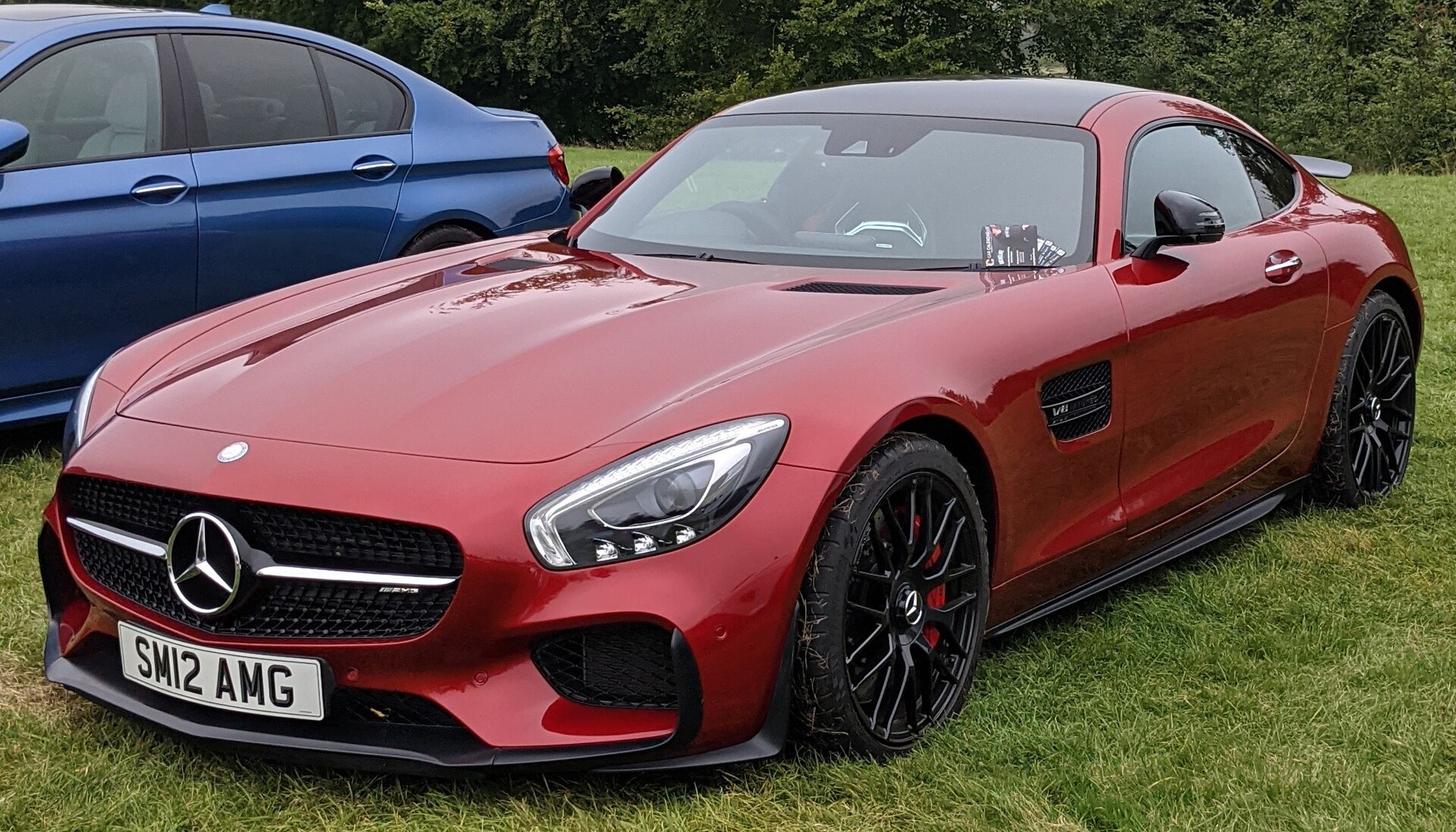
Previous Generation (2016–2023) Used Market Pricing: Where the Better Values Are
If you're not committed to the newest 2024+ generation, the previous-generation AMG GT market offers significantly better value. Production ended in 2023, and used inventory is plentiful, especially in major markets. Here's what you'll actually pay in early 2026:
| Generation | Model Year Range | Variant | Used Market Price (2026) | Notes |
|---|---|---|---|---|
| First Gen | 2016–2019 | GT (Base) | $75,000–$100,000 | 518 hp V8, simplest interior |
| First Gen | 2017–2020 | GT S | $80,000–$110,000 | 585 hp V8, upgraded trim |
| First Gen | 2018–2023 | GT R | $140,000–$180,000 | 585 hp V8, performance updates |
| First Gen | 2018–2023 | GT R Pro | $300,000–$350,000 | 585 hp V8, ultra-limited (only 16 built) |
| First Gen | 2019–2023 | GT Black Series | $550,000–$750,000 (appreciating) | 720 hp V8, only 499 built worldwide |
The most significant discovery in the current used market is that low-mileage AMG GT R and GT Black Series models are actually appreciating. The GT Black Series, limited to 499 units worldwide with only a fraction sold in the US, has become a collectible. Values have climbed from original MSRP of $325,000 to $550,000+ for pristine examples. This is especially true for cars in distinctive colors or with comprehensive service records.
For used-car buyers on a budget, the 2016–2019 GT and GT S models offer tremendous value. At $75,000–$110,000, you get a genuine 500+ hp supercar for less than a new Porsche 911 Carrera. The downside is an older interior design and fewer technology features compared to the newest generation, but the V8 engine and core driving experience remain world-class.
AMG GT 63 S Four-Door: The Practical Supercar Option
The four-door variant is the wildcard in Mercedes-AMG's lineup. Introduced in the previous generation and continued (in redesigned form) in the 2024+ lineup, the four-door GT 63 S offers genuine rear-seat accommodation and trunk space while maintaining supercar performance. For buyers who need to occasionally transport passengers or luggage, this is a game-changer.
New 2024+ AMG GT 63 S Four-Door: $240,000 MSRP. Used previous-generation four-door models from 2019-2023 typically range from $80,000–$130,000 depending on mileage and condition. A well-maintained 2021 or 2022 four-door with 15,000–25,000 miles is currently the best value in the entire AMG GT lineup — you get practicality, performance, and luxury for roughly the price of a new Porsche 911.
Pricing Out Your AMG GT: Options, Packages, and Add-Ons
The MSRP prices above are base models. When you add the options and packages that most buyers actually want, real-world pricing climbs substantially. Here's what a realistic configuration looks like:
| Option Package / Feature | Cost | Relevance |
|---|---|---|
| AMG Aerodynamics Package (carbon fiber) | $6,000 | Exterior upgrade, performance styling |
| Burmester 3D Surround Sound System | $5,000 | Premium audio, highly recommended |
| AMG Night Package (blacked-out trim) | $2,500 | Aesthetic upgrade, darker exterior accents |
| Premium Interior Package (leather upgrade) | $4,000 | Better leather, upgraded trim materials |
| Carbon Fiber Interior Trim | $3,500 | High-visibility upgrade, modern aesthetic |
| Panoramic Sunroof | $2,000 | Optional, reduces headroom slightly |
| Ceramic Brakes (carbon ceramic) | $4,500 | Essential for track use, optional for street |
| Metallic Paint (premium colors) | $1,500–$2,500 | Color selection significantly impacts resale |
| Active Suspension System | $2,200 | Adjustable dampers, improves ride quality |
| Premium Driver Assistance Package | $2,800 | Adaptive cruise, lane keeping, parking assist |
A fully optioned AMG GT 63 with desirable packages totals around $250,000–$280,000 before taxes and delivery. This is important to understand before walking into a dealership — that $205,000 MSRP becomes a much higher actual transaction price with realistic options.

Annual Ownership Costs: Insurance, Maintenance, and Fuel
The purchase price is only the beginning. Running an AMG GT carries real costs that many buyers underestimate. Here's what ownership actually costs per year in 2026:
| Expense Category | Annual Cost Range | Notes |
|---|---|---|
| Insurance | $3,500–$6,000 | Varies by age, location, driving record, and coverage type |
| Routine Maintenance | $1,800–$3,000 | Oil changes, fluid service, inspections. Lower than Italian rivals. |
| Fuel | $2,500–$4,000 | 11–15 mpg combined, 91+ octane required. Spirited driving uses more. |
| Tires (amortized) | $1,500–$2,500 | Replacement every 12K–18K miles. Performance tires are expensive. |
| Brakes (amortized) | $800–$1,500 | Carbon ceramic brakes can cost $8K+ when replacement is needed. |
| Registration & Taxes | $1,000–$3,000 | State-dependent. California and NY are significantly higher. |
| Warranty (optional extended) | $1,200–$2,000 | Mercedes extended warranties provide peace of mind for out-of-pocket work. |
| Total Annual Running Cost | $12,300–$22,000 | Excludes depreciation and major repairs |
Mercedes-AMG service is significantly cheaper than Aston Martin Vantage or Ferrari Roma maintenance, largely because the German manufacturer has a robust service network and uses more standardized parts. A routine oil change at a Mercedes dealer runs $150–$250, compared to $400–$600 at boutique exotic car shops. This advantage compounds over time, making the AMG GT relatively affordable to maintain compared to Italian and British competitors.
New vs. Previous Generation: Which Should You Actually Buy?
The price gap between new 2024+ models and previous-generation cars is substantial, and the decision isn't simple. Here's how to think about it:
Buy New 2024+ If:
- You want the latest technology, infotainment, and design language
- You plan to keep the car for 5+ years and want maximum depreciation protection
- You prefer the new MSR platform's refined handling and suspension dynamics
- You want a warranty (3 years/unlimited miles standard with Mercedes)
- You're choosing the four-door GT 63 S (no previous-gen equivalent exists)
- Budget: $175,000–$280,000 out-the-door after options and taxes
Buy Previous Generation (2016–2023) If:
- You want maximum value and lowest entry price ($75,000–$180,000 range)
- You prefer the simpler, more mechanical feel of the older generation
- You're comfortable with fewer technology features and older interior design
- You want to avoid new-car depreciation cliff (new cars lose 15–20% in year one)
- You're specifically targeting the collectible GT R Pro or GT Black Series (appreciating assets)
- Budget: $80,000–$350,000 depending on variant chosen
The previous-generation AMG GT Black Series is becoming a legitimate collectible. If you're buying primarily as an investment, the Black Series is the only variant trending upward in value. Street-driven examples are appreciating 5–10% annually.

How the AMG GT Compares: Porsche 911 Turbo S vs. Aston Martin Vantage vs. BMW M8
You're not buying an AMG GT in isolation. Here's how it stacks up against the cars you're probably cross-shopping:
| Category | AMG GT 63 | Porsche 911 Turbo S | Aston Martin Vantage | BMW M8 | Maserati MC20 |
|---|---|---|---|---|---|
| Engine | 4.0L TT V8 | 3.7L TT Flat-6 | 5.2L TT V12 | 4.4L TT V8 | 3.0L TT V6 |
| Horsepower | 577 hp | 640 hp | 715 hp | 617 hp | 621 hp |
| 0–60 mph | 3.2s | 2.6s | 3.3s | 3.1s | 2.85s |
| New MSRP | $205,000 | $165,000 | $210,000 | $156,000 | $225,000 |
| 3-Year Depreciation (est.) | ~18% | ~15% | ~28% | ~25% | ~22% |
| Annual Maintenance | $1,800–$3,000 | $1,600–$2,400 | $3,000–$5,000 | $2,500–$4,000 | $3,500–$6,000 |
| Driving Character | Balanced, technical | Precise, predictable | Raw, visceral | Powerful, digital | Mid-engine agile |
| Practicality (Cargo/Passengers) | Good (or 4-seat with 63S) | Good | Adequate | Excellent | Limited |
The Porsche 911 Turbo S is $40,000 cheaper than the AMG GT 63 and is faster. The Aston Martin Vantage costs roughly the same but has a naturally aspirated V12 and more emotional character (though higher maintenance). The Maserati MC20 is more exotic and faster, but significantly more expensive to maintain. For buyers prioritizing value and reliability, the AMG GT's advantage lies in its German engineering, robust warranty, and lower service costs.
2026 Market Dynamics: Pricing Trends and What to Expect
The supercar market in early 2026 shows several clear trends that should inform your buying decision:
New 2024+ models are not appreciating: The new MSR generation launched in 2024 with premium pricing, and early adopters are seeing 15–20% depreciation in the first year. If you're buying new, you're paying a "newness premium" that you'll lose immediately.
Previous-generation GT R models are stable: 2019–2023 GT R coupes have held their value better than anticipated, with prices stabilizing around $150,000–$165,000 for well-maintained examples. This suggests the model has found its floor and may be worth buying now rather than waiting.
GT Black Series is the outlier: As mentioned, the ultra-limited Black Series is actually appreciating. If you can find a clean example under $650,000, it may be a smarter investment than anything else in the portfolio.
Four-door models are undervalued: Previous-generation four-doors are priced significantly below comparable two-seaters, despite being nearly as fast and dramatically more practical. This presents an opportunity for discerning buyers.
Long-Term Depreciation and Resale Value: What You'll Actually Get Back
Understanding depreciation before you buy is critical. Here's what real-world data shows:
A new 2024+ AMG GT 63 purchased for $205,000 in MSRP (likely $230,000+ with options) will depreciate as follows:
- After 1 year: $188,000–$198,000 (8–18% depreciation)
- After 3 years: $160,000–$180,000 (18–28% total depreciation)
- After 5 years: $145,000–$170,000 (20–37% total depreciation)
A previous-generation 2021 AMG GT 63 purchased for $150,000 today will likely remain stable or appreciate slightly, as the model has already absorbed its initial depreciation hit. This is an important distinction: buying "the floor" of a previous generation is significantly smarter financially than buying the peak of a new generation.
Resale value is heavily influenced by specification. Distinctive colors (Magno Abyss Black, AMG GT Silver, Solarbeam Yellow) hold value better than neutral colors. Low mileage (<10,000 miles per year), complete service history, and optional performance packages (ceramic brakes, sport suspension) all command premiums on resale.
Where to Buy an AMG GT: Dealerships vs. Private Market vs. Auction Houses
There are multiple channels to purchase an AMG GT, each with different pricing dynamics:
Mercedes-AMG Dealerships: New cars, full warranty, no surprises. Prices are set, though some negotiation is possible if the dealer has inventory. Best for buyers prioritizing peace of mind and warranty coverage. Expect to pay MSRP or slightly below on current-generation cars.
Used from Mercedes Dealerships: Certified pre-owned (CPO) cars come with warranty and verification that service history is complete. CPO pricing is typically 5–10% above private-party comparable cars, but you reduce risk significantly. This is a reasonable middle ground for used purchases.
Independent Exotic Car Dealers: Specialize in high-end supercars and often have multiple variants in stock. Usually price below MSRP on new cars (especially if model supply is high), but above private-party market on used cars. Quality varies widely — get a pre-purchase inspection regardless.
Private Party Sales: Often the cheapest option, but highest risk. Sellers may not disclose maintenance shortcuts or modification history. Always get a thorough pre-purchase inspection from a Mercedes specialist before committing to a private purchase.
Auction Sites (Bring a Trailer, Cars and Bids): Transparent pricing based on actual market demand. You see all the inspection reports and service history upfront. Final prices often exceed dealer quotes by 5–15% due to competitive bidding, but transparency is the trade-off.
Financing an AMG GT: Rates, Terms, and Loan Options
Most buyers finance their AMG GT purchase, which introduces additional costs beyond the purchase price. Here's what to expect:
Loan Parameters: Lenders typically require 20–30% down for used exotic cars and 15–25% for new cars. Loan terms range from 48 to 72 months, with interest rates between 6–9% depending on credit score, vehicle age, and lender. A $200,000 AMG GT with $50,000 down at 7% for 60 months results in monthly payments of approximately $3,100.
Specialty Exotic Lenders: Traditional banks (Chase, Bank of America) are often cautious with supercars. Specialists like JJ Best Banc, PennyMac, and Woodside Credit Union specialize in exotic vehicles and offer more flexible terms. Interest rates may be 0.5–1.0% higher, but approval odds improve significantly.
Lease vs. Purchase: Mercedes offers lease programs on new AMG GT models. A 36-month lease on an AMG GT 63 typically costs $2,200–$2,800 per month with $5,000–$7,000 down. This avoids depreciation risk but limits mileage (typically 10,000–12,000 miles annually) and carries residual charges if the car has excess wear. For most enthusiasts, financing a purchase (especially of a previous-gen model) is smarter than leasing.
Get Pre-Purchase Inspected Before You Commit
Automonitor connects you with certified Mercedes-AMG specialists who know exactly what to look for. A $600 inspection can save you $15,000+ in hidden problems.
Schedule an Inspection →Total Cost of Ownership: 5-Year Analysis
Here's a realistic 5-year ownership cost estimate for a $200,000 AMG GT 63:
Purchase Cost: $200,000 (assuming financed)
Down Payment (25%): $50,000
Loan Amount: $150,000 at 7% for 60 months = $3,100/month or $186,000 total
Running Costs Over 5 Years: $60,000–$100,000 (insurance, maintenance, fuel, tires, registration)
Depreciation: $200,000 purchase price → $145,000–$170,000 resale = $30,000–$55,000 depreciation
Total 5-Year Cost: $276,000–$341,000 (including depreciation and interest)
Annual Cost (spread): $55,200–$68,200 per year
For comparison, Porsche 911 GT3 ownership runs roughly 15–20% cheaper due to lower purchase price, better depreciation, and cheaper maintenance. Aston Martin Vantage ownership costs 20–30% more due to significantly higher maintenance and service costs. The AMG GT lands in the middle-to-favorable range for supercar ownership costs.
The Final Verdict: Is an AMG GT Worth the Cost?
The Mercedes-AMG GT offers superb value and performance for a car in its segment. New 2024+ models are excellent but expensive and depreciate immediately. Previous-generation cars, especially 2020–2023 examples with moderate mileage, offer the best balance of cost, performance, and practicality.
The GT 63 four-door is a game-changer if you need practicality without sacrificing supercar performance. The GT Black Series, if you can find one, is the only variant worth considering as an investment. For everything else, expect to enjoy the driving experience but understand you're taking a depreciation hit for the privilege of ownership.
If you're considering whether an AMG GT is worth buying, the answer is yes — if you can afford both the purchase price and the $15,000–$20,000 annual running costs without stretching your budget. Get a pre-purchase inspection, choose your variant carefully, and expect to drive one of the finest German supercars ever produced.
Ready to Find Your Mercedes-AMG GT?
Automonitor sources verified AMG GT inventory from 200+ luxury dealers and auction houses. We handle inspections, negotiations, and logistics.
Start Your Search →