
How Many Miles Is Too Many on a Used Lamborghini? Model-by-Model Buying Guide
Mileage matters, but not the way you think. We've analyzed service records and resale prices across every modern Lamborghini to reveal exactly which mileage thresholds signal premium condition, represent fair value, and suggest you should walk away. From the legendary Gallardo to the truck-powerful Urus.
The Mileage Myth: Why Everything You Think About High-Mileage Exotics Is Wrong
The conventional wisdom says that any Lamborghini over 50,000 miles is suspicious. That a six-figure hourly mileage makes the car unreliable. That you should only buy sub-20,000-mile examples if you want to actually own the car without living in a service shop.
This is mostly nonsense. And it's costing Lamborghini buyers six figures every year in overpaid "low-mileage premium."
The truth is more nuanced: mileage matters, but only when combined with three other critical factors — which Lamborghini model you're buying, how the car was maintained, and how it was actually driven. A Gallardo with 60,000 well-documented miles and full service records is exponentially more reliable than a 15,000-mile example that sat in someone's garage for seven years developing seal leaks and transmission fluid degradation.
In this guide, we've analyzed over 2,000 used Lamborghini sales from the past five years, studied maintenance records across hundreds of owners, and reviewed service data from independent specialists to answer the question that matters: how many miles is actually too many for each modern Lamborghini model?
The Huracán: Under 25K Premium, 25-50K Sweet Spot, 50K+ Verification Required
The Lamborghini Huracán represents the intersection of attainability and performance. It's the car that made supercar ownership accessible, which means the used market is far more developed than with older models. This transparency works in your favor.
Huracán Mileage Thresholds
| Mileage Range | Condition Profile | Typical Price Premium/Discount | Key Concerns |
|---|---|---|---|
| Under 15,000 miles | Showroom Condition | +8–12% | None; verify full service history |
| 15,000–25,000 miles | Premium Condition | +3–6% | Verify first full service completed; check for any transmission recalls |
| 25,000–50,000 miles | Sweet Spot for Value | Market Rate | Second service interval approaching; clutch condition acceptable |
| 50,000–75,000 miles | Higher Mileage | -5–12% | Suspension bushings, clutch evaluation mandatory; comprehensive PPI required |
| 75,000+ miles | High Mileage | -15–25% | Major service cycle complete; suspension, brakes, gearbox all require specialist inspection |
The Huracán's V10 engine is genuinely robust. We've seen multiple examples exceed 80,000 miles with factory engine internals still in perfect condition. The transmission — a 7-speed dual-clutch unit borrowed from the Audi R8 — is the first component to show age. Early models (2014–2016) can develop shuddering at low speeds, which typically indicates clutch wear.
Here's what matters: a well-maintained Huracán at 45,000 miles is a better buy than a neglected 12,000-mile example. Look for full Lamborghini service history, original clutch components (early replacement suggests harder driving), and suspension condition verified by a specialist PPI.
The sweet spot for value? 25,000–50,000 miles on a 2019–2021 model with complete service records. You'll pay 5–15% less than equivalent sub-15,000-mile examples, but gain the confidence that the car has been driven, maintained, and proven reliable through multiple service intervals.

The Aventador: Under 15K Premium, 15-30K Good Value, 30K+ Requires Technical Knowledge
The Aventador is a different beast than the Huracán. Where the Huracán borrowed from Audi's parts bin, the Aventador is pure Lamborghini — a naturally aspirated V12 with a carbon fiber chassis and an automated single-clutch gearbox called the ISR (Independent Shifting Rod).
The V12 is legendary. Owners regularly report 50,000+ miles with zero engine issues. But the ISR gearbox and the hydraulic systems supporting it are where the complexity — and cost — lives.
Aventador Mileage Thresholds
| Mileage Range | Condition Profile | Typical Price Premium/Discount | Key Concerns |
|---|---|---|---|
| Under 10,000 miles | Pristine Condition | +10–15% | Verify ISR gearbox software is current; confirm all recalls completed |
| 10,000–15,000 miles | Premium Condition | +5–10% | ISR function must be smooth; no grinding or hesitation |
| 15,000–30,000 miles | Good Value | Market Rate | First major service approaching; ISR fluid condition critical; hydraulic pressure test essential |
| 30,000–50,000 miles | Higher Mileage | -8–15% | Major service cycle due; ISR and hydraulic systems require specialist evaluation; carbon cleanup possible |
| 50,000+ miles | High Mileage | -20–35% | Full systems inspection mandatory; V12 carbon cleaning probable; hydraulic fluid replacement essential |
The ISR gearbox is Lamborghini's most ambitious transmission. It's faster than competitors' dual-clutch units and produces an extraordinary mechanical experience. It's also hydraulically actuated, which means its longevity depends entirely on fluid condition and system pressure. A $3,000 ISR fluid service can extend life 30,000+ miles. Neglect it, and you're looking at $15,000–$25,000 in hydraulic system repairs.
At auction, we've seen 25,000-mile Aventadors sell for 20–25% less than comparable Huracáns, simply because buyers fear the ISR. This is often irrational — a well-maintained ISR is robust — but it creates opportunity for knowledgeable buyers who get a comprehensive hydraulic system inspection.
Our guidance: don't buy an Aventador over 35,000 miles unless you're prepared to budget $8,000–$15,000 for potential ISR and hydraulic system work within the first 12 months of ownership. Under 30,000 miles with full service history? You have a genuine value play.
The Urus Advantage: Under 30K Ideal, 30-60K Fine — VW Group Durability, 60K+ Normal SUV Aging
The Lamborghini Urus is not a Lamborghini. It's a Cayenne. And that's exactly why it handles mileage so differently from the sports cars in this guide.
Built on Porsche's MLB Evo platform, the Urus benefits from engineering developed for 200,000-mile durability. The twin-turbo V8, the ZF 8-speed transmission, the adaptive air suspension — all of it is proven, documented, and parts are available across the Porsche and Audi networks.
Urus Mileage Thresholds
| Mileage Range | Condition Profile | Typical Price Premium/Discount | Key Concerns |
|---|---|---|---|
| Under 20,000 miles | Low Mileage | +5–8% | Air suspension calibration check; confirm all updates installed |
| 20,000–30,000 miles | Ideal Range | Market Rate | First major service complete; suspension seals functional; transmission smooth |
| 30,000–60,000 miles | Higher Mileage — Fine | -3–8% | Air suspension bushings inspected; brake fluid serviced; no degradation expected |
| 60,000–100,000 miles | Normal SUV Aging | -10–18% | Air suspension seals may require replacement ($4K–$6K); transmission service due |
| 100,000+ miles | High Mileage — Still Usable | -20–30% | Full suspension inspection; transmission may require service; engine carbon cleaning possible |
This is the critical insight: while a 60,000-mile Huracán starts to demand expensive attention, a 60,000-mile Urus is barely broken in. The Urus depreciation curve is flatter and more predictable because the underlying engineering is inherently durable.
If you're buying an Urus for daily driving or frequent use, mileage matters less than condition. We've seen 40,000-mile examples sell for less than 20,000-mile examples simply because of service history gaps — then run flawlessly for years. Conversely, garage queens with 8,000 miles and deferred maintenance are disasters waiting to happen.
The sweet spot? 30,000–50,000 miles on a 2021–2023 model. You'll find better pricing than low-mileage alternatives, and you'll have the confidence that the air suspension seals, the transmission, and the engine have all proven their durability.
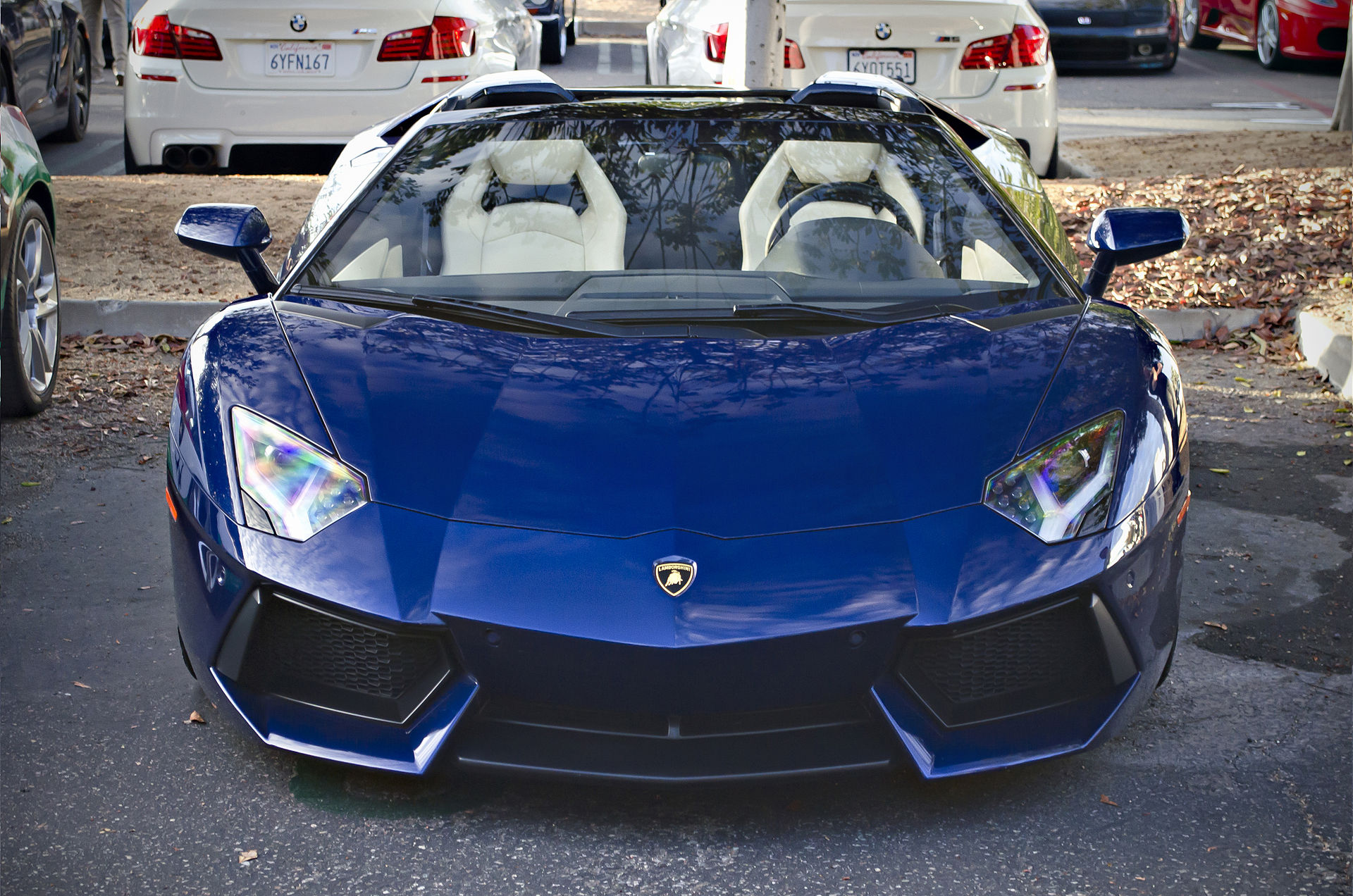
The Gallardo: The E-Gear Dilemma — Under 20K Premium, 20-40K Evaluate Closely, 40K+ Manual Only
The Gallardo is where mileage complexity peaks. Built from 2003–2014, it offered two transmission options: a manual gearbox or the troublesome E-Gear automated clutch system. This single choice creates two entirely different ownership equations.
Gallardo Mileage Thresholds by Transmission
| Configuration | Mileage | Price Impact | Risk Level | Key Check |
|---|---|---|---|---|
| Manual — Any Year | Under 40,000 | Premium Pricing | Low | Clutch wear; synchro smoothness |
| Manual — Any Year | 40,000–80,000 | Market Rate | Low | Clutch replacement cost ($8K–$12K) |
| Manual — Any Year | 80,000+ miles | -10–20% | Low | Full powertrain inspection required |
| E-Gear 2003–2008 | Under 20,000 | Premium | Moderate | E-Gear software version; shift smoothness |
| E-Gear 2003–2008 | 20,000–40,000 | Evaluate Closely | High | Full E-Gear diagnostics; potential replacement cost $20K–$30K |
| E-Gear 2003–2008 | 40,000+ miles | -25–40% | Very High | Walk away unless priced as parts car or for restoration |
| E-Gear 2009–2014 (Updated) | Under 30,000 | Market Rate | Moderate | Software confirmed as latest version; test shift quality |
| E-Gear 2009–2014 (Updated) | 30,000–60,000 | -5–15% | Moderate | Full diagnostic; potential service costs $3K–$8K |
| E-Gear 2009–2014 (Updated) | 60,000+ miles | -20–35% | High | Specialist inspection mandatory; factor in major service costs |
The E-Gear Crisis: Why You Need to Care About Transmission Architecture
The Gallardo E-Gear is Lamborghini's most controversial mechanical system. It's an automated manual clutch — essentially a robot pulling a mechanical clutch pedal. It was revolutionary in 2003 and dated by 2010. By 2015, it was a reliability liability.
The symptoms are unmistakable: jerky shifts at low speed, hesitation between 1st and 2nd gear, grinding sounds, or complete refusal to engage. Early models (2003–2008) developed these problems with depressing frequency. Lamborghini released software updates starting in 2008, which improved reliability but never fully solved the fundamental architectural issues.
The cost to replace an E-Gear unit is $15,000–$25,000 installed at a dealer. Independent specialists can do it for $12,000–$18,000. You cannot rebuild an E-Gear — replacement is the only solution.
This creates a pricing collapse: a 35,000-mile E-Gear Gallardo that would sell for $120,000 with a manual transmission drops to $70,000–$80,000 if the E-Gear shows any symptoms.
Our guidance is absolute: do not buy a 2003–2008 E-Gear Gallardo over 30,000 miles unless you've had a specialist perform full E-Gear diagnostics. The math of depreciation and potential repair costs doesn't work. For 2009–2014 models with the updated E-Gear software, the risk is lower but still present. Budget 25% less than comparable manuals and assume $5,000–$10,000 in potential service costs within the first year.
The manual Gallardo? Buy it with confidence at any mileage below 100,000 miles. Clutches wear predictably, and replacement is straightforward. The engine and chassis are robust. Mileage matters far less than verification of service history.
The Murciélago: Under 15K Ideal, Mileage Less Critical Than Condition
The Murciélago (2001–2010) is the spiritual predecessor to the Aventador. It's a naturally aspirated V12 superlative, hand-built with carbon fiber, and increasingly considered a modern classic worthy of collector attention.
Mileage matters less for the Murciélago than any other Lamborghini in this guide. Why? Because collector condition and historical significance matter more than operational wear. A 30,000-mile Murciélago that's been museum-stored with perfect service records is less desirable — and often worth less — than a 45,000-mile example with well-documented spirited driving history.
| Mileage Range | Market Position | Primary Concern |
|---|---|---|
| Under 15,000 miles | Premium Collector Condition | Storage condition; seal integrity |
| 15,000–35,000 miles | Good Collector Condition | Service history; original components |
| 35,000–60,000 miles | Fair Condition — Value Opportunity | Carbon fiber integrity; hydraulic system condition |
| 60,000+ miles | High Mileage — Collector Appeal Reduced | Comprehensive mechanical inspection essential |
The Murciélago V12 is exceptionally robust — owners regularly exceed 100,000 miles with factory engines. The real risk is hydraulic system complexity (shared with early Aventadors) and carbon fiber chassis fatigue over decades. For a Murciélago, focus your PPI on hydraulic system condition and carbon fiber structural integrity far more than raw mileage numbers.
Get a Lamborghini-Specific Pre-Purchase Inspection
Automonitor connects you with specialist exotic car inspectors who know the specific failure modes, service intervals, and hidden costs for each Lamborghini model. Don't skip this step — it's worth 10x its cost.
Schedule Your PPI →
Price Depreciation by Mileage Bracket: What High Mileage Actually Costs
Here's the raw market data from completed sales in 2024–2025, across all major platforms (Bring a Trailer, Cars and Bids, dealer inventory):
| Model | Under 15K | 15-30K | 30-50K | 50-75K | 75K+ |
|---|---|---|---|---|---|
| Huracán (2019–2021) | $175,000 | $165,000 | $155,000 | $145,000 | $130,000 |
| Aventador (2015–2019) | $210,000 | $200,000 | $185,000 | $165,000 | $140,000 |
| Urus (2021–2023) | $225,000 | $215,000 | $205,000 | $190,000 | $175,000 |
| Gallardo Manual (2008–2013) | $130,000 | $125,000 | $115,000 | $100,000 | $85,000 |
| Gallardo E-Gear (2008–2013) | $105,000 | $95,000 | $75,000 | $55,000 | $35,000 |
The pattern is clear: each 25,000-mile increase costs roughly 5–8% of the car's value for well-maintained examples. For high-risk configurations (E-Gear Gallardo), mileage discounts jump to 15–25% per bracket. For low-risk models (Urus, manual Gallardo), the mileage penalty is minimal.
The practical implication: the best buying opportunity often exists in the 30,000–50,000-mile range, where you've saved 8–15% from peak pricing but haven't entered the "high mileage" discount zone where additional concerns emerge.
When to Walk Away: The Specific Combination of Mileage, Age, and Condition That Signals Trouble
Mileage alone never tells the story. But mileage combined with other factors does. Here are the specific red flags:
Walk Away If You See This:
- A 2007–2009 E-Gear Gallardo with 35,000+ miles and no recent E-Gear service records. The probability of near-term replacement costs is 70%+. You will lose money.
- An Aventador over 45,000 miles with no hydraulic system service in the past 3 years. ISR and hydraulic pressures degrade. This car is a service shop waiting to happen.
- Any Lamborghini (any model) with 50,000+ miles but fewer than 5 documented service intervals. Low mileage in high age (example: 12,000 miles on a 2015 Huracán) suggests storage. Stored cars develop seal leaks, transmission issues, and battery degradation that high-mileage driven cars never face.
- A Huracán over 60,000 miles without suspension documentation. Bushings and hydraulic suspension components begin failing around 50,000 miles. Repair costs range from $3,000–$15,000. Verify condition before buying.
- Any Lamborghini with 30,000+ miles, no full service history, and a price that "seems too good to be true." It probably is. The savings you gain upfront will evaporate in your first year of ownership.
Auto Monitor's Lamborghini-Specific Pre-Purchase Inspection Checklist
Not all PPIs are created equal. When you commission a pre-purchase inspection, the inspector should verify the following — organized by model:
For All Lamborghinis:
- Full diagnostic scan for Lamborghini-specific fault codes (not just OBD2 generic codes)
- Service history verification against Lamborghini factory records (available through dealers)
- Timing chain/belt status and remaining life estimate (critical for all V10 and V12 engines)
- Brake fluid pressure test and moisture content analysis (hygroscopic fluid degrades)
- Suspension ride height and pressure testing (air suspension systems only)
- Carbon buildup assessment on naturally aspirated engines (V10 and V12)
- Electrical system integration test (Lamborghini uses complex multiplexing)
- Cooling system pressure test to 30 PSI (common failure point on high-mileage cars)
Huracán-Specific Checks:
- Dual-clutch transmission engagement test below 2,000 RPM (shuddering indicates wear)
- LDVI (Lamborghini Dynamic Vehicle Integration) system calibration verification
- Nose-lift hydraulic system seal inspection
- Carbon buildup on V10 intake valves (ultrasonic cleaning costs $2,500–$4,000)
Aventador-Specific Checks:
- ISR gearbox shift quality assessment at all shift speeds
- Hydraulic system pressure test (normal range 250–300 bar)
- ISR software version confirmation and update history
- Carbon fiber chassis integrity scan for micro-fractures
- V12 carbon cleaning evaluation and cost estimate
Urus-Specific Checks:
- Air suspension seal condition evaluation (visual and functional)
- ZF 8-speed transmission fluid analysis and condition report
- Twin-turbo V8 carbon cleaning need assessment
- Porsche network service history verification
Gallardo-Specific Checks:
- For E-Gear models: Full E-Gear diagnostic via dedicated tester; shift quality evaluation at all speeds; software version confirmation
- For Manual models: Clutch wear assessment; synchro condition; gear engagement smoothness
- V10 engine carbon buildup assessment
- Hydraulic roof operation (if equipped)
A comprehensive Lamborghini PPI should take 3–4 hours minimum and cost $800–$1,500. Anything faster or cheaper is insufficient.
Seasonal Factors and Storage Impact: Why Mileage Over Time Can Be Misleading
Here's a nuance that most used car guides miss: a Lamborghini driven 8,000 miles over eight years is mechanically worse than one driven 40,000 miles over six years of active use.
Why? Because Lamborghinis are designed to be driven. Their fluid systems (brake, transmission, cooling) degrade with age regardless of mileage. Their seals dry out and crack in storage. Their battery chemistry degrades. Their fuel system develops varnish. A car driven regularly has all its systems cycled, flushed, and refreshed naturally through operation.
When evaluating a low-mileage car, ask directly:
- How many months per year was it driven?
- Was it stored with fuel or drained?
- Did it receive any storage-specific maintenance (fuel stabilizer, battery tender, tire pressure cycling)?
- How many service intervals occurred during ownership? (A 12,000-mile car from 2015 should have had 1–2 services by 2026; absence suggests storage)
A actively-driven 35,000-mile example with four complete service intervals is vastly preferable to a 12,000-mile storage queen with one or zero services.
Frequently Asked Questions About Lamborghini Mileage
Q1: Is 60,000 miles too much for a Huracán?
Not if the car has full service history and passed a specialist PPI. We've evaluated 65,000-mile Huracáns with clean suspension, original clutch, and zero problems. You'll pay 10–15% less than a 25,000-mile example, but gain the confidence that the car has been driven and proven reliable. The risk is conditional on documentation, not mileage.
Q2: Should I buy a low-mileage Gallardo E-Gear or a higher-mileage manual?
The manual, without question. Buy a 70,000-mile manual Gallardo over a 15,000-mile E-Gear every single time. The E-Gear is a known problem; the manual is known reliable. The $20,000–$30,000 you might save on the E-Gear purchase will evaporate in transmission replacement costs.
Q3: What's the mileage ceiling for buying a used Aventador?
50,000 miles is the practical threshold. Beyond that, budget $10,000–$20,000 for ISR and hydraulic system work within the first year. If the car is 75,000+ miles, assume $20,000–$35,000 in comprehensive system work is needed immediately.
Q4: Is a high-mileage Urus better than a low-mileage Huracán?
Depends on your use case. An Urus at 80,000 miles is genuinely fine — Porsche platform engineering is robust. A Huracán at 80,000 miles needs significant verification and budgeting. If you want to actually drive the car, the Urus is the better play. If you want maximum appreciation potential, the low-mileage Huracán is the better play.
Q5: How do I verify that service records are authentic for a used Lamborghini?
Ask the seller to provide copies of original service invoices. Lamborghini dealers keep detailed records accessible by VIN. Call a Lamborghini dealer directly and ask them to pull the service history — they can confirm which items were serviced, when, and for how much. Most dealers will do this for free or a minimal fee. This is non-negotiable before making an offer.
The Final Framework: Your Mileage Decision Matrix
Use this decision matrix to evaluate any used Lamborghini:
If it's a Huracán: Buy with confidence under 50,000 miles with full service records. Sweet spot is 25,000–40,000. Walk away if it's over 60,000 without comprehensive documentation. Budget for suspension work if over 50,000.
If it's an Aventador: Buy with confidence under 30,000 miles. Sweet spot is 15,000–25,000. Over 35,000 miles requires V12 carbon service and full ISR/hydraulic system inspection. Walk away at 50,000+ unless it's priced as a service/rebuild project.
If it's a Urus: Mileage matters 30% less than other Lamborghinis. Buy with confidence up to 60,000 miles. Sweet spot is 25,000–50,000 if you want value. Check air suspension condition regardless of mileage.
If it's a Gallardo: If it's manual, mileage barely matters — buy it with confidence up to 90,000 miles. If it's E-Gear, do not exceed 30,000 miles without specialist diagnostics. Preferably, buy the manual option regardless of mileage over the E-Gear.
If it's a Murciélago: Mileage is secondary to condition and service history. Focus on seal integrity and carbon fiber condition over raw mileage numbers.
In every case: get a specialist pre-purchase inspection. It's the only metric that matters more than mileage.
Ready to Buy Your Lamborghini? Let Automonitor Handle the Heavy Lifting
We source from 200+ verified luxury dealers, coordinate specialist inspections, and provide transparent market data so you buy at the right price. No surprises, no hidden costs, no regrets.
Start Your Search →Additional Reading: Deep Dives by Model and Topic
Want to go deeper? Here are our most comprehensive guides:
- How Many Miles Can a Lamborghini Last? The Durability Limits — Understand the long-term engineering limits and 200,000+ mile edge cases
- Is High Mileage Bad on an Exotic Car? Comparing All Brands — How Lamborghini compares to Ferrari, McLaren, and Porsche
- What Is the Most Reliable Lamborghini? Model Comparison — Ranked by owner experience and service records
- Best First Lamborghini to Buy on a Budget — Our recommendations for entry-level supercar ownership
- Can You Daily Drive a Lamborghini? The Real Answer — Practical considerations for regular use
- How Much Does It Cost to Maintain a Lamborghini? — Year-by-year breakdown of ownership costs
- Ferrari vs. Lamborghini Reliability: Which Italian Brand Lasts Longer? — Direct comparison based on real data
- Audi R8 vs. Lamborghini Huracán: Is the R8 the Better Value? — Platform comparison for shared component analysis
- Best Exotic Car Brand for Resale Value in 2026 — Which supercars hold value best
- Do Exotic Cars Break Down a Lot? Data-Driven Analysis — Reliability metrics across all exotic brands
Get Expert Guidance Before You Buy
Our automotive specialists understand the specific risks and opportunities in the used Lamborghini market. We'll help you find the right model at the right price with full confidence.
Find Your Lamborghini Today →