
How Long Is the Wait for a New Lamborghini?
Thinking about ordering a fresh Lamborghini directly from the factory? Welcome to a world where patience is a luxury. From the end-of-production Huracan to the ultra-rare Revuelto hybrid, current wait times are reaching unprecedented lengths. Here's everything you need to know about ordering timelines, allocation systems, and how to accelerate your delivery.
Lamborghini Wait Times in 2026: The Current Reality
As of early 2026, Lamborghini's order books are overflowing with demand that far exceeds production capacity. The average wait time for a new Lamborghini ranges from 6 months to over 3 years, depending on the model and specification complexity. This isn't speculation—it's the reality that confronts every buyer attempting to order directly from the factory or through an authorized dealer.
Lamborghini's annual production capacity sits at approximately 10,000 units per year. That sounds like a lot until you realize that the global waiting list contains orders for over 25,000 vehicles. The mathematics are simple: at current production rates, there's a two-to-three-year backlog of unfulfilled orders. New customers placing orders today should expect deliveries in 2028 or 2029, depending on model and geographic region.
This supply crunch creates a unique market dynamic. The secondary market for low-mileage, spec'd-out Lamborghinis has become increasingly competitive. Dealers routinely sell allocations without ever taking physical possession of the car. Brokers flip allocation slots for premiums of $50,000 to $150,000 above asking price. Understanding current wait times and allocation systems isn't just academic knowledge—it's essential to making an informed purchase decision.
Current Wait Times by Model: A Detailed Breakdown
| Model | Base MSRP | Current Wait (Months) | Production Status | Key Notes |
|---|---|---|---|---|
| Huracan Tecnica | $258,000 | 4–8 | Final units | Production ending mid-2026; last naturally aspirated V10 |
| Huracan STO | $325,000 | 3–6 | Out of production | Limited to 1,405 units worldwide; allocation-only |
| Urus Performante | $232,000 | 6–10 | Current production | Performance SUV; strong demand from North America |
| Urus SE (Hybrid) | $248,000 | 8–14 | New launch (2025) | First hybrid SUV; Ad Personam options add 3–4 months |
| Revuelto | $575,000 | 24–36+ | New (2024 launch) | Hybrid V12; extreme demand; allocation extremely limited |
The variance in wait times reflects both production capacity and market demand. The Huracan Tecnica, nearing end-of-life, shows shorter wait times simply because Lamborghini is accelerating final production runs. The Revuelto, representing Lamborghini's flagship and technological pinnacle, has wait times that approach three years due to overwhelming global demand and severely limited annual allocation.

The Huracan Final Chapter: 4–8 Month Wait for the Last V10
The Lamborghini Huracan reached the end of its production run in late 2024, but final units continue to roll off the assembly line through early 2026. If you're determined to own a naturally aspirated V10 Lamborghini—the last of its kind before the industry's shift to hybrid and electric powertrains—a 4–8 month wait is currently achievable, though it's tightening monthly.
The final Huracan variants in production are the Tecnica and a limited number of special-edition models. The Tecnica, positioned as the ultimate driver's car, offers a relatively accessible wait time because Lamborghini is prioritizing final production volume. However, specification complexity matters enormously. A Tecnica in Nero Noctis (black) with black leather interior and standard wheels might arrive in 4 months. That same Tecnica with Ad Personam custom paint, bespoke interior materials, and forged carbon fiber wheels could stretch to 8 months or longer.
The order-to-delivery process for a new Huracan typically breaks down as follows: 2–3 weeks for dealer confirmation and order submission to Lamborghini; 4–6 weeks for factory build scheduling; 6–10 weeks for actual assembly; 3–4 weeks for quality control, detailing, and preparation for shipment; and 2–4 weeks for logistics depending on geographic destination. That's roughly 17–29 weeks (4–7 months) of elapsed time before you're taking delivery.
The final Huracan represents not just a car, but the end of an entire era of naturally aspirated V10 production. Every day that passes makes these final units more historically significant.
Urus Wait Times: 6–14 Months Depending on Powertrain
The Lamborghini Urus family represents Lamborghini's most practical offering—a high-performance SUV that doesn't sacrifice supercar credentials. Current wait times vary dramatically based on whether you're ordering the traditional Urus Performante or the new Urus SE hybrid.
The Urus Performante, with its bi-turbo V8 engine and proven platform, carries a 6–10 month wait. This is relatively reasonable in the context of today's exotic car market. Demand is strong, particularly in North America, where the SUV format appeals to buyers who want Lamborghini ownership without the space limitations of a supercar. The Urus Performante's wait time has actually shortened over the past 6 months as Lamborghini ramped production to meet demand.
The new Urus SE, launched in 2025, represents Lamborghini's first hybrid SUV—a plug-in hybrid (PHEV) system combining a V8 engine with electric motors for 657 total horsepower and genuinely usable electric range. Wait times for the Urus SE are currently 8–14 months, reflecting the newness of the platform and demand from environmentally-conscious ultra-luxury buyers. If you can't wait for a new Urus SE, checking the used market for the outgoing standard Urus can yield immediate availability at a discount.
Specification choices significantly impact Urus delivery timelines. Standard specifications and existing color options move faster through the factory. If you opt for Ad Personam customization—custom paint colors, special leather treatments, bespoke interior trim—add an additional 3–4 months to any quoted wait time. Lamborghini's Ad Personam program offers near-unlimited specification possibilities, but that flexibility comes at the cost of time.
The Revuelto: 24–36+ Month Wait for Lamborghini's Holy Grail
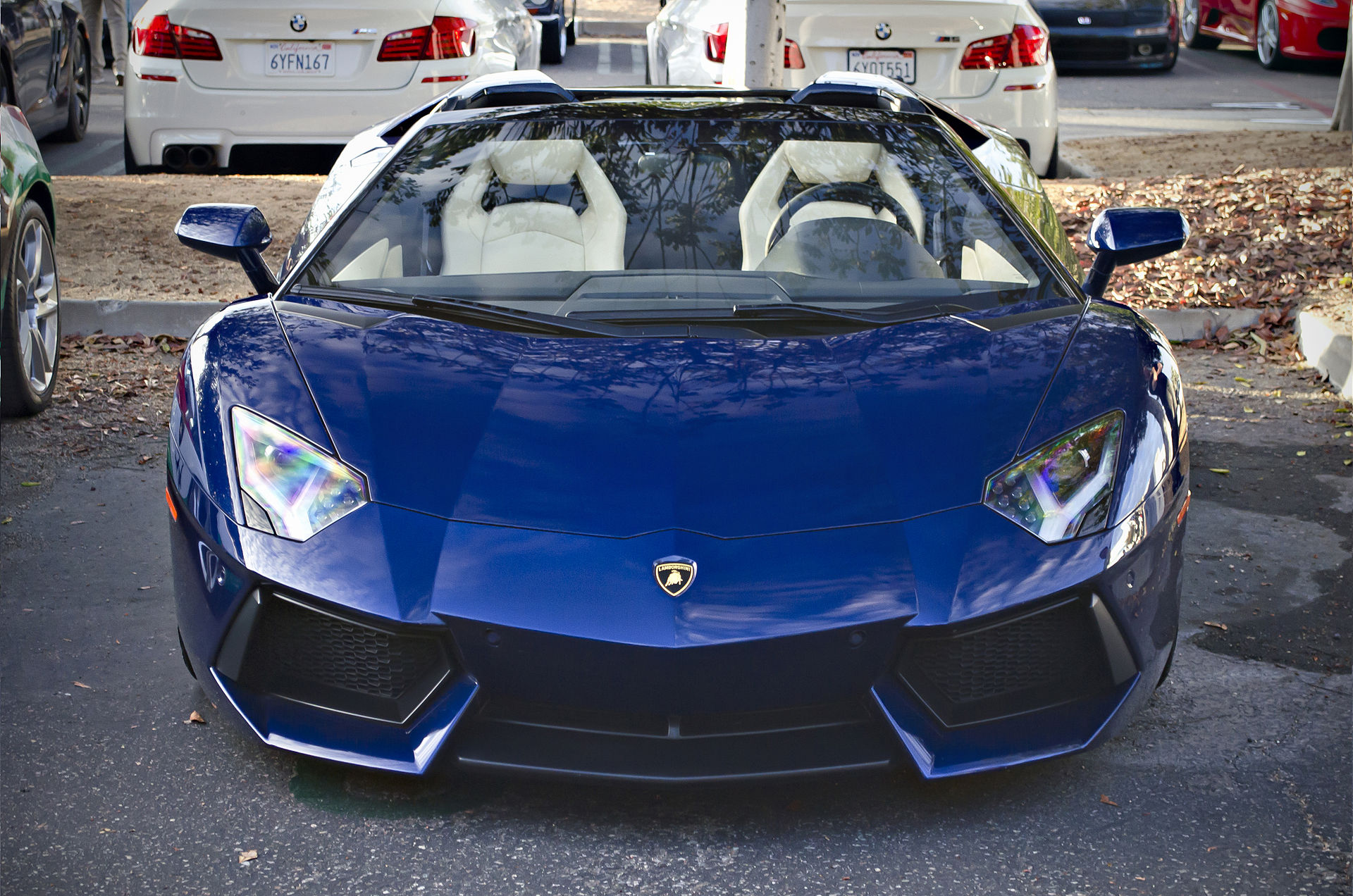
The Lamborghini Revuelto represents the brand's technological and financial apex: a hybrid V12 hypercar delivering 1,001 horsepower, 0–60 mph in 2.5 seconds, and a $575,000 price tag. It's also nearly impossible to buy without a 2–3 year wait and significant luck in the dealer allocation lottery.
Lamborghini currently allocates Revuelto production in strict quotas to authorized dealers, with the global allocation representing roughly 3,000 units over the first production cycle. That's an astonishingly small number for a flagship model when you consider global demand from ultra-high-net-worth buyers. Dealers in major markets—Los Angeles, Miami, New York, London, Dubai, Singapore, Tokyo—receive 2–4 allocations per year. Most other dealers receive zero.
The Revuelto's wait time reflects not just production capacity but also dealer prioritization. Lamborghini reserves significant allocation for what the brand calls "priority customers"—existing Lamborghini owners with brand loyalty, collectors with established relationships with dealers, and ultra-wealthy buyers who have demonstrated serious purchasing intent through deposits and pre-purchases of other Lamborghini models.
If you're a first-time Lamborghini buyer with no relationship to a dealer, ordering a Revuelto today means joining the back of an extremely long queue. Realistic timeline: 24–36 months minimum. Some dealers are quoting 4+ years for new customer orders. The only faster path is the secondary market, where pre-owned Revueltos with low mileage fetch premiums of $100,000–$200,000 above MSRP—essentially paying for the time savings.
What Determines Your Wait Time: Dealer Allocation, Specification Complexity, and Geography
Lamborghini's production scheduling isn't a simple first-come, first-served queue. Multiple factors influence where your order falls in the production schedule and when your car actually arrives.
Dealer Allocation and Priority Status
Lamborghini allocates production slots directly to authorized dealers, not to customers. Your position in the wait list depends entirely on your relationship with the dealer and your status in their internal allocation hierarchy. When you order a supercar through a dealer, you're not communicating directly with the factory—you're depending on the dealer's credibility with Lamborghini's sales team.
Dealers prioritize their own existing customers, buyers with substantial deposits (often 25–50% of the purchase price), and customers willing to order additional vehicles. A customer ordering their third Lamborghini gets different treatment than a first-time buyer ordering a single car. This reality creates an incentive structure that favors loyalty and wealth accumulation within the Lamborghini ecosystem.
Ad Personam Customization and Specification Complexity
Lamborghini's Ad Personam program allows virtually unlimited customization: custom paint colors, bespoke interior materials, personalized stitching patterns, and unique design elements. Each of these customizations adds time to the production schedule because they require either hand-finishing or specialized manufacturing processes that break the standard assembly line flow.
A Tecnica ordered in standard Rosso Corsa (red) with black leather and standard wheels might arrive in 5 months. That same Tecnica with a custom-mixed matte yellow-gold metallic paint, hand-stitched Alcantara interior, and custom-forged 20-inch wheels could extend to 8–9 months. The difference isn't just production time; it's also the complexity of quality control and verification for one-off specifications.
Geographic Market and Regional Production Priority
Lamborghini allocates production based on geographic market demand and regional dealer relationships. The North American market (United States and Canada) represents approximately 25–30% of Lamborghini's global sales but often receives preferential treatment from the Italian factory, partly because of the region's high-margin sales and strong residual values.
European buyers, particularly those in the UK, Germany, and Monaco, often experience slightly shorter wait times due to proximity to the Sant'Agata Bolognese factory and established dealer networks. Asian and Middle Eastern markets typically face longer waits because of logistics complexity and (in some cases) lower production priority despite strong demand in regions like Dubai and Singapore.
Powertrain and Engine Availability
The shift from traditional engines to hybrid and electric powertrains creates production bottlenecks in supply chains. The Urus SE hybrid, for example, depends on specialized battery packs and electronic components that face global supply constraints. A standard Urus Performante with its conventional bi-turbo V8 moves through production faster because that engine has a more mature supply chain.
The Revuelto's hybrid V12 system is the most technologically complex engine-powertrain combination Lamborghini has ever produced. The battery systems, electric motor integration, and hybrid management software all add manufacturing time and complexity. This is a primary driver of the Revuelto's extreme wait times.

How to Reduce Your Wait Time: Practical Strategies That Actually Work
Some buyers are willing to accept longer wait times in exchange for exact specification precision. Others are desperate to accelerate delivery. Here are proven strategies for reducing your Lamborghini wait time:
Accept Standard Specifications
The fastest path to delivery is accepting a "pre-ordered" configuration—a spec that Lamborghini is already assembling for dealers in high-demand colors and configurations. If Lamborghini's factory schedule shows they're producing 50 Tecnicas in Nero Noctis with black interior, and that matches your acceptable color range, you can potentially slot into that production batch rather than waiting for a custom order.
Order During High-Production Periods
Lamborghini increases production volume during specific periods, particularly around major auto shows (Geneva Motor Show, New York Auto Show) and before major holiday sales events. Placing your order in these periods, when the factory is ramping volume, can shave 4–8 weeks off your wait time compared to ordering during slower production periods.
Leverage Existing Dealer Relationships
If you've purchased vehicles from a Lamborghini dealer before (or from affiliated brands like Audi or Porsche), inform the dealer of your existing relationship. This can bump you up the internal priority list. Dealers have discretion in how they allocate production slots among their own customer base, and loyalty is rewarded.
Increase Your Deposit and Demonstrate Commitment
A 25% deposit is standard; a 50% deposit signals serious intent. Some dealers will prioritize orders with larger deposits because it reduces the risk of buyers backing out when they realize the true cost. If you have the cash and the commitment, a substantial deposit can accelerate your position in the queue.
Consider Used or Pre-Owned Alternatives
The used Lamborghini market offers immediate availability for recent models at varying price points. A 2024 Urus Performante with 500 miles might be available now for $240,000 (roughly $8,000 over original MSRP). A new 2026 Urus Performante ordered today won't arrive for 8–10 months at $232,000. If you value immediate possession and can stomach a premium, used is the path forward.
Understanding Lamborghini Production Capacity: Why Supply Remains Constrained
Lamborghini's annual production hovers around 10,000 units per year across all models. This might sound substantial until you understand the market context. Ferrari produces roughly 14,000 units annually. Porsche produces over 300,000. Lamborghini is intentionally limited in volume to maintain exclusivity and maintain pricing power.
The Sant'Agata Bolognese factory, where all Lamborghinis are produced, operates at near-maximum capacity. Expanding production would require significant capital investment in facility expansion, tooling, and workforce development. Lamborghini has historically chosen to keep production limited rather than expand supply, creating the chronic shortages that plague the market today.
The introduction of new models compounds the problem. The Revuelto's launch ate into Huracan production. The Urus SE launch is consuming Urus Performante production slots. Lamborghini's product strategy involves phasing out older models as new ones reach full production, but this transition period creates bottlenecks where the old model's final allocation is diverted to new platforms.
Lamborghini Wait Times vs. Ferrari and Porsche: Comparative Analysis
Lamborghini isn't the only luxury brand facing production constraints. Ferrari's current wait times for new models range from 12–24 months, with certain rare models (like the all-electric Ferrari, when it launches) potentially facing even longer queues. Ferrari's allocation system mirrors Lamborghini's dealer-based approach, with existing customers receiving priority and new buyers facing significant delays.
Porsche offers a different market dynamic. The 911 Turbo S currently has a 6–8 month wait, while GT models face longer queues (12–18 months). However, Porsche's broader product range means customers have more options. If a 911 Turbo S has a long wait, a Cayman GT4 might not. Lamborghini's narrow model range means no fallback options—you either wait for the car you want or buy used.
In terms of wait time ranking: Porsche offers the shortest waits (6–12 months for most models), Lamborghini is in the middle (6 months to 3+ years depending on model), and Ferrari's most exclusive models face waits matching Lamborghini's longest timelines. For hypercar-segment vehicles (Revuelto, Ferrari Purosangue, 911 Turbo S GT3 RS), wait times are genuinely comparable across all three brands.
The Used Lamborghini Alternative: Immediate Availability Without the Wait
If you absolutely cannot wait 18+ months for a new car, the used market offers immediate availability at the cost of a premium over retail pricing. Recent-model Lamborghinis with low mileage (under 1,000 miles) regularly sell at 3–8% above MSRP on dealer lots and auction platforms.
A 2025 Urus SE with 200 miles, ordered and delivered to a previous buyer who is now reselling, might list at $260,000–$265,000 versus the $248,000 MSRP for a new order. You're paying a $12,000–$17,000 premium for immediate delivery. Whether that premium makes sense depends on your timeline and cash position. For buyers who need the car in 6 months for specific reasons, the used premium is often worth it.
The used market also allows you to evaluate specific examples in person before committing, rather than accepting factory delivery of a car you've never driven. This risk reduction has value beyond just the time savings.
Frequently Asked Questions About Lamborghini Wait Times
Can I place a deposit to secure my spot in line?
Yes. Most dealers require a deposit (typically 10–25% of the purchase price) to secure your position in the allocation queue. Larger deposits sometimes move you higher in the priority ranking, though dealers have considerable discretion in how they manage allocations.
What happens if I cancel my order after I've placed a deposit?
Dealer policies vary widely. Some dealers refund deposits in full if you cancel within 30 days. Others apply forfeiture clauses if you cancel after the car enters production (typically after 8–12 weeks). Review the dealer's cancellation policy before placing your deposit, and insist on clear documentation.
Is there any way to skip the wait and buy a new Lamborghini immediately?
Theoretically, yes, if you're willing to buy an existing dealer allocation that hasn't been assigned to a customer yet. Some dealers hold allocations and sell them to highest bidders. You might pay $50,000–$150,000 over MSRP, but you could take delivery in weeks rather than years. This practice exists in gray areas of ethics and brand policy—Lamborghini discourages allocation speculation, but enforcement is difficult.
Do I need to be a Lamborghini owner to order a new car?
No, but it helps significantly. First-time buyers can absolutely order new Lamborghinis, but they'll typically be lower in the dealer's internal priority queue than existing customers. Demonstrating financial capacity through substantial deposits can offset this disadvantage.
Can I order a new Lamborghini online or directly from the factory?
No. All Lamborghini orders must go through authorized dealers. The factory doesn't accept direct orders from consumers. This dealer-intermediation system is a key reason why allocations and wait times are so opaque and variable depending on your dealer relationship.
Do warranty periods start from order date or delivery date?
Warranty periods start from delivery date. If you order a car in January 2026 and it's delivered in September 2026, your warranty begins in September 2026. This is one small advantage of longer waits—you get warranty protection starting from a more recent manufacture date.
Practical Tips for Navigating Your Lamborghini Wait
Track production status regularly. Request monthly updates from your dealer on your vehicle's manufacturing progress. Once your car enters production (roughly 4–6 weeks before delivery), you can track factory build stage, quality control checkpoints, and expected delivery windows with surprising accuracy.
Prepare for specification changes. Depending on your dealer agreement, you might have limited opportunities to change specifications after your order is submitted. If you're not completely certain about colors, interior materials, and performance options, finalize these decisions before the order locks in.
Secure financing early. Don't wait until your car is ready for delivery to arrange financing. Lock in interest rates and loan terms months in advance. Pre-arrange insurance quotes and coverage before delivery as well—exotic car insurance carries significant premiums and requires specialized underwriting.
Plan for logistics and import duties. If you're importing a Lamborghini from Europe to North America, budget 4–6 weeks for shipping and customs clearance. The complete buying process including logistics can extend total time by an additional month.
The Bottom Line: Patience Is the Price of Lamborghini Ownership
Buying a new Lamborghini in 2026 is an exercise in patience. Whether you're waiting 4 months for a final-run Huracan or 3 years for a Revuelto, the reality of constrained production means significant delay. This is the trade-off for owning vehicles that will hold their value, remain exclusive, and represent automotive engineering at the highest level.
If you can't wait, the used market offers alternatives at a premium. If you can be patient and strategic about specification choices and dealer relationships, new car delivery remains achievable on reasonable timelines. The key is understanding the system, managing expectations, and making informed decisions about whether the new car or the used alternative makes more sense for your situation.
Start your Lamborghini buying journey by identifying which model matches your needs and lifestyle. Then assess whether the wait time for a new car aligns with your timeline, or whether the used market and immediate availability makes more sense. Automonitor is here to help navigate both paths—new order management or sourcing from the pre-owned market. The choice is yours, but the wait is real.
Ready to Order Your Lamborghini?
Automonitor handles the dealer relationship, manages your allocation, and keeps you updated through the entire production timeline. We'll help you navigate waiting times and secure the best possible terms.
Start Your Order →