
Buy an Aston Martin DBS Superleggera — 715 HP Coupe Guide
A 715-hp Coupe with a 5.2L Twin-Turbocharged V12 — here's how to buy the right one.
Introduction to the Aston Martin DBS Superleggera
The DBS Superleggera lineage traces back to the iconic DBS that debuted in 1969, reestablishing the nameplate as Aston Martin's most powerful and exclusive model.
The DBS Superleggera is Aston Martin's most extreme road car, combining 715 horsepower with extensive carbon fiber construction that reduces weight to just 3645 pounds. Its aggressive styling and 211 mph top speed make it one of the fastest production cars ever.
Buying an Aston Martin DBS Superleggera is not just a financial decision — it is a statement of intent. Whether you are a seasoned collector adding to a curated stable or a first-time buyer crossing into the British grand tourer segment, the DBS Superleggera demands careful consideration. This guide covers everything from mechanical specifics to market dynamics, ensuring you approach your purchase armed with the knowledge that separates confident buyers from regretful ones.
The current market for the Aston Martin DBS Superleggera presents a nuanced landscape for potential buyers. Produced between 2018-2024, the DBS Superleggera has had time to establish its reputation and for the market to determine its true value. Understanding where this car sits in Aston Martin's broader lineup — and how it compares to competitors like the Ferrari F8 Tributo, Lamborghini Murcielago, McLaren 720S — is essential before committing your capital.
Engine and Performance
At the heart of the Aston Martin DBS Superleggera sits a 5.2L Twin-Turbocharged V12 producing 715 horsepower and 664 lb-ft of torque. These numbers place the DBS Superleggera firmly in British grand tourer territory, but raw specifications only tell part of the story. The way this powertrain delivers its performance — the throttle response, the power curve, the acoustic drama — is what separates an Aston Martin from its competitors.
The DBS Superleggera accelerates from 0 to 60 mph in 3.4 seconds and reaches a top speed of 211 mph, channeling power through a 8-Speed Automatic transmission to a Rear-Wheel Drive drivetrain. The gearbox deserves particular attention: shift quality and calibration vary dramatically between drive modes, transforming the car's character from refined cruiser to focused weapon with the turn of a dial.
Weighing in at 3645 lbs, the DBS Superleggera delivers a power-to-weight ratio that defines its driving character. The chassis and suspension have been calibrated to balance comfort and capability — the DBS Superleggera should be engaging on a spirited back road while remaining refined on a highway cruise. Test-drive the car in both scenarios before purchasing to confirm the balance matches your expectations.
The braking system matches the car's acceleration capability. Whether equipped with standard iron rotors or optional carbon-ceramic brakes, the stopping power is designed to inspire confidence during spirited driving. Carbon-ceramic brakes, where available, offer superior fade resistance and longer service life — typically 50,000 to 80,000 miles under street driving — at the expense of higher replacement costs when they eventually wear. For a car with 715 horsepower, braking performance is not optional but essential.
Design and Aerodynamics
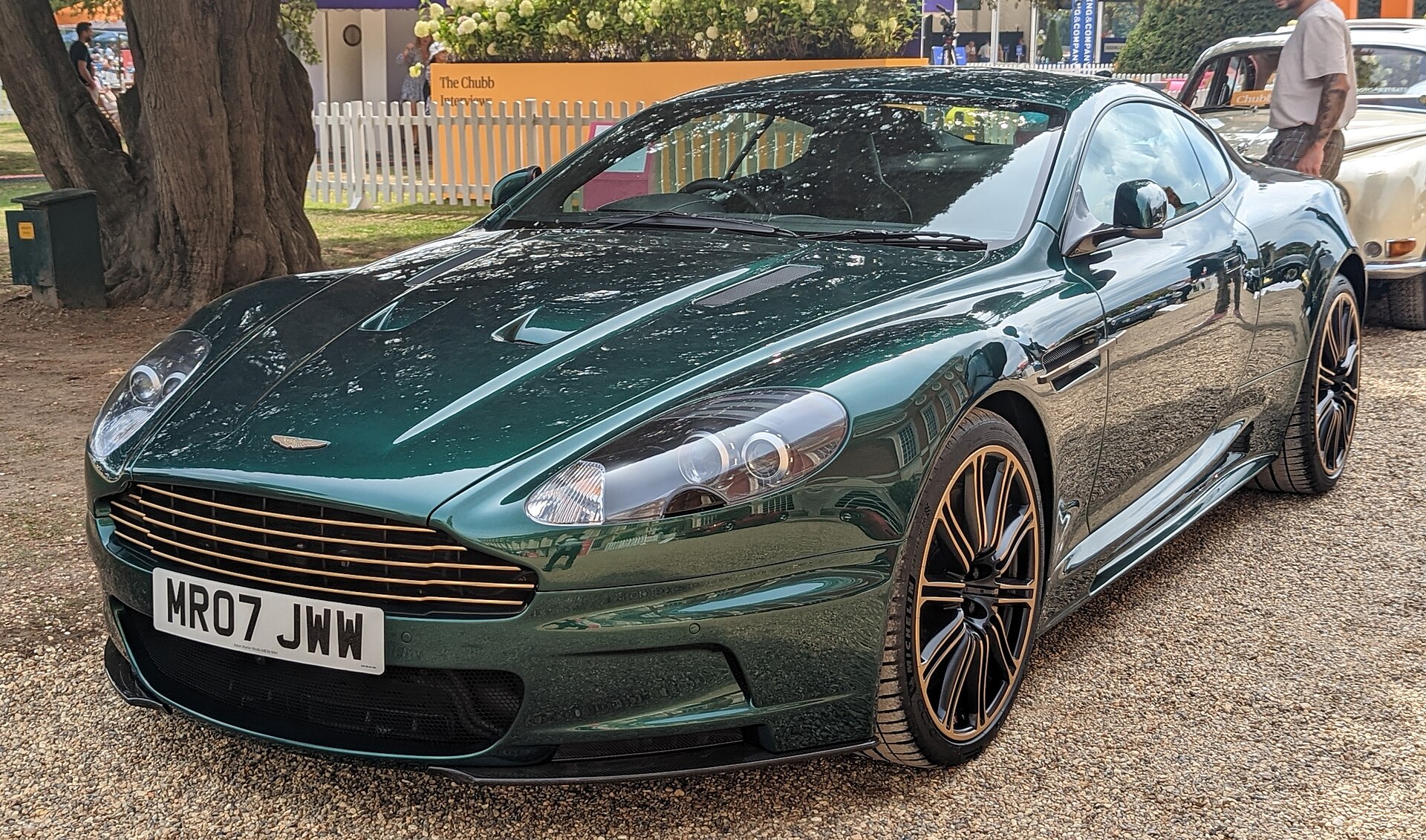
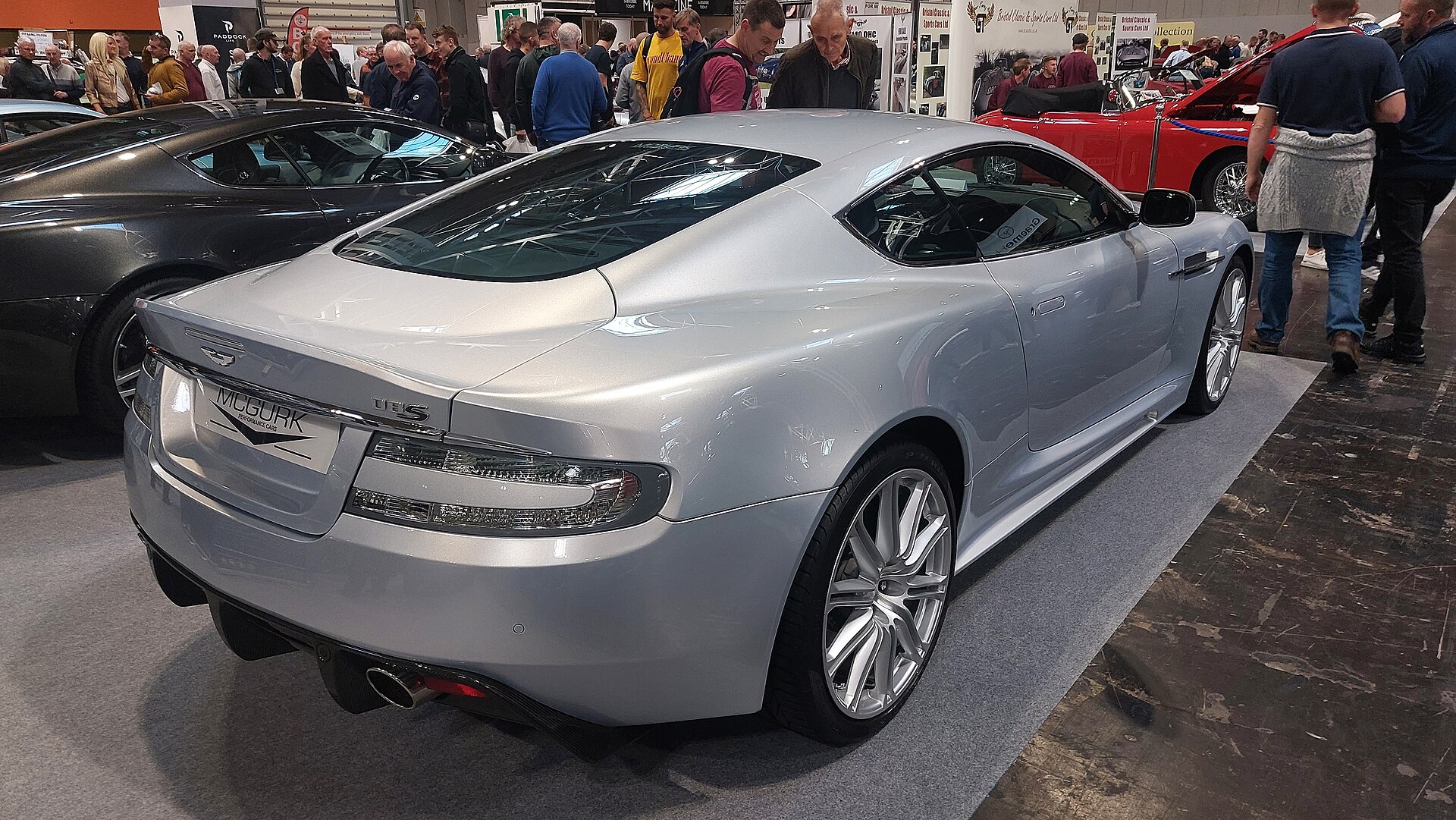
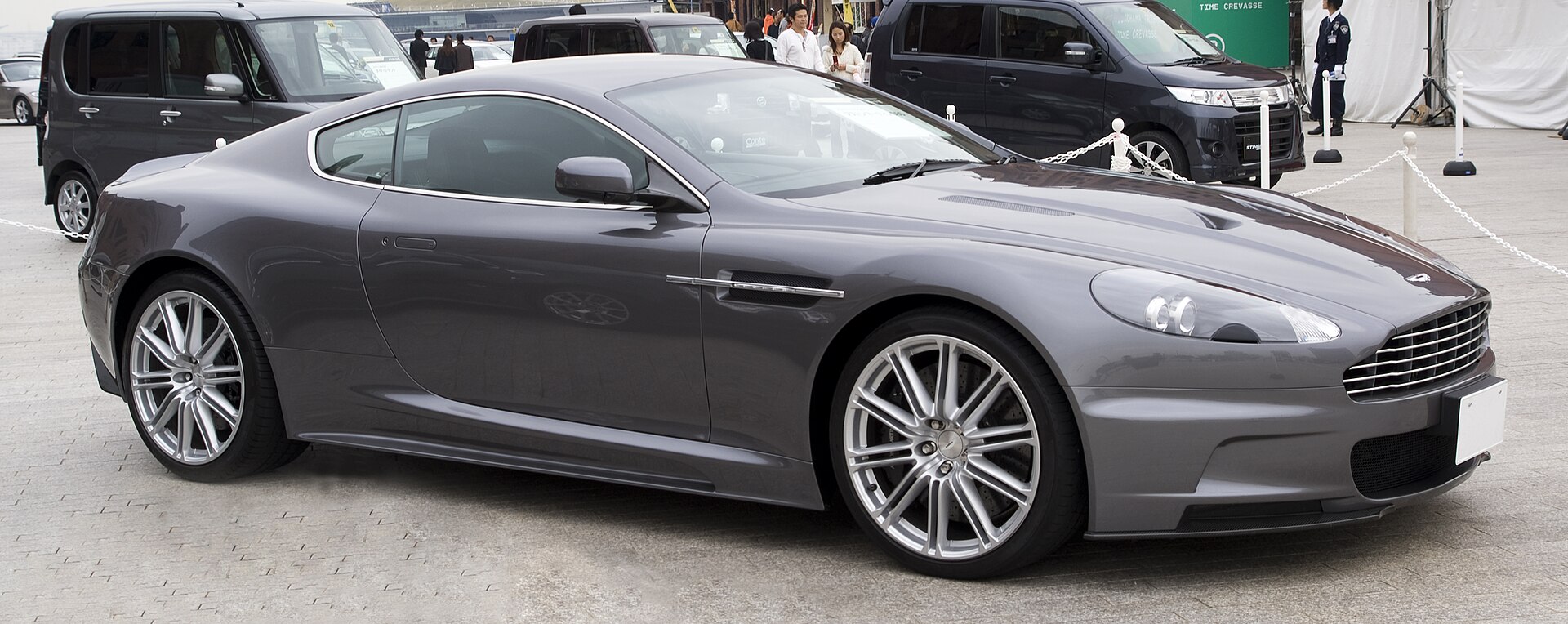
The Aston Martin DBS Superleggera is a 2-seat Coupe whose design language reflects Aston Martin's philosophy — every surface serves both form and function. Air intakes are positioned not just for visual drama but for optimal cooling of engine, brakes, and transmission. The result is a car that looks purposeful from every angle.
Build quality reflects Aston Martin's standards. Materials used in construction — whether aluminum, carbon fiber, high-strength steel, or a combination — are chosen to optimize weight, rigidity, and crash safety. The DBS Superleggera's structural rigidity contributes to its handling precision in ways that are felt but rarely seen: a stiffer structure enables more precise chassis tuning and more communicative feedback through the steering and seat.
Aerodynamic downforce increases progressively with speed, ensuring the DBS Superleggera remains planted at high velocities. The design manages cooling, downforce generation, and drag reduction through intelligent surface shaping rather than aggressive bolt-on appendages — a testament to Aston Martin's engineering depth. Active aerodynamic elements, where equipped, adjust automatically based on speed and driving mode to optimize performance.
The cabin ergonomics center the driver in the experience. Sight lines, control placement, and pedal positioning are all calibrated for driver engagement. The relationship between steering wheel, pedals, and seat creates an intimate cockpit feel that makes the DBS Superleggera feel smaller and more agile than its exterior dimensions suggest. This is a car designed to be driven, not merely occupied.
Interior and Technology
Inside the Aston Martin DBS Superleggera, the cabin seats 2 and centers the driving experience around the pilot. Materials throughout — leather, Alcantara, carbon fiber, machined aluminum — reflect the MSRP of $299,995. Aston Martin's customization program allows buyers to specify virtually every surface to their preference, from stitching color to trim material to seat embossing.
The seats provide excellent lateral support during spirited driving while remaining comfortable for extended journeys. If the DBS Superleggera will serve as a grand tourer or daily driver, seat comfort becomes a critical factor in long-term satisfaction — spend time in the car before committing. Heated, ventilated, and multi-way adjustable seats are available depending on specification.
The infotainment system provides connectivity essentials including navigation, smartphone integration, and audio. Quality and responsiveness vary by model year, so spend time with the interface during your test drive. The digital instrument cluster is configurable and can display engine telemetry, navigation, and trip information depending on the selected drive mode.
Storage practicality varies by body style. A Coupe with 2 seats offers a specific trunk configuration — check that it meets your practical requirements. Some owners use their DBS Superleggera for weekend trips and road tours; others keep it purely for local drives. Understanding your use case determines whether the DBS Superleggera's practical compromises are acceptable or a frustration.
The Driving Experience
In everyday driving — commuting, errands, highway cruising — the DBS Superleggera should deliver enough refinement to make ownership practical. The best cars in the British grand tourer segment manage the remarkable trick of being docile in traffic and transformative on an open road. The DBS Superleggera's 5.2L Twin-Turbocharged V12 provides ample low-end torque for effortless around-town driving, with drive mode settings that soften throttle response and suspension for urban use.
Push beyond the comfort zone and the engineering depth reveals itself. The chassis communicates road surface through steering and seat, the 715-horsepower powertrain responds with urgency to aggressive inputs, and the brakes inspire confidence with consistent feel. This is where the investment in Aston Martin's engineering pays dividends — the difference between a car that merely goes fast and one that makes driving genuinely rewarding.
The acoustic signature of the DBS Superleggera adds an emotional layer no spec sheet can convey. Whether it is the idle burble, the midrange surge, or the redline crescendo, the sound is an integral part of the experience. It is the soundtrack to some of the best driving moments you will ever have, and something you must experience firsthand before deciding.
Daily usability extends beyond driving dynamics. Ground clearance and nose-lift systems (where available) determine whether parking garages and steep driveways are navigable. Visibility, parking cameras, and driver assistance features all contribute to whether the DBS Superleggera can realistically serve as more than a weekend car. If daily use is your intent, evaluate these mundane but critical details during your test drive.
Current Market Prices
The Aston Martin DBS Superleggera had an original MSRP of $299,995. In the current pre-owned market, pricing ranges from $220,000 to $280,000 depending on model year, specification, mileage, condition, and service history. Excellent collector value retention
Specification plays an outsized role in Aston Martin pricing. Factory options, special editions, and desirable color combinations can add significant value — sometimes 10-20% above comparable base-specification examples. Well-optioned cars in traditional colors with complete service histories command premiums that reflect quality and desirability, not just mechanical condition.
Service history is non-negotiable. A Aston Martin DBS Superleggera with complete manufacturer or authorized dealer service records will always command a premium over one with gaps or independent-only history. The documentation trail demonstrates not just that maintenance was performed, but that it was performed correctly by Aston Martin-trained technicians using factory-specified parts.
Geographic pricing differences exist. Cars in traditional British grand tourer markets — major metropolitan areas and regions with strong enthusiast communities — often trade at premiums compared to less active markets. Conversely, buying from a less competitive market and transporting the car can yield savings that exceed shipping costs.
What to Look for When Buying
A pre-purchase inspection by an Aston Martin specialist is absolutely essential, regardless of the car's apparent condition. Budget $500 to $1,200 for a comprehensive PPI that includes electronic diagnostics, visual inspection, compression testing, and thorough review of all service records against manufacturer-required maintenance intervals.
Key items to inspect: brake condition and thickness measurements, suspension component wear, tire condition and age (check DOT date codes — tires older than five years should be replaced regardless of tread depth), all electronic systems including sensors and actuators, and evidence of accident repair including paint depth readings. Known issues specific to the DBS Superleggera include: Extremely expensive and rare parts; Interior can feel cramped for tall drivers; Bird impact safety concerns with exposed carbon fiber. Understanding these model-specific concerns helps focus your inspection on the areas most likely to present problems.
Verify the car's complete history through a vehicle history report and the seller's documentation. Cross-reference service records with mileage at each visit — gaps or inconsistencies are red flags. Look for evidence of modifications: some tasteful upgrades add value, but many reduce it, particularly those that affect emissions compliance or structural integrity. Work with the Aston Martin owner community to learn about model-specific maintenance items and patterns.
The Aston Martin DBS Superleggera competes directly with the Ferrari F8 Tributo, Lamborghini Murcielago, McLaren 720S. Each offers a different philosophy and driving experience. Test-drive competitors to confirm the DBS Superleggera is the right choice for your needs, driving style, and budget. The more informed your comparison, the more confident your final decision will be.
Warranty status and transferability matter. If the car is still under Aston Martin's factory warranty, verify that coverage transfers to subsequent owners and understand what remains covered. For out-of-warranty examples, research extended warranty options from both Aston Martin and reputable third-party providers — the cost of coverage can be a fraction of a single major repair bill.
Ownership Costs
Insurance for the Aston Martin DBS Superleggera typically runs 3000-3600, varying by location, driving record, and coverage level. Specialized exotic car insurers — Hagerty, Chubb, PURE, American Collectors — often provide better coverage and rates than mainstream carriers. Agreed-value policies are recommended to ensure adequate protection for a car at this price point.
Routine maintenance costs 2500-3200 and follows manufacturer intervals. Standard service includes oil and filter changes, brake fluid service, multi-point inspections, and electronic diagnostics. Maintaining authorized dealer service records preserves resale value significantly — the difference can be thousands on a car valued at $220,000 to $280,000.
Fuel economy reflects the car's 715-horsepower capabilities. Premium fuel is required, and consumption varies with driving style — expect 12-20 mpg depending on conditions. For most owners in this segment, fuel costs are a relatively minor proportion of total ownership expense compared to depreciation, insurance, and maintenance.
Tire costs deserve specific mention. Performance tires in the sizes the DBS Superleggera requires typically cost $300-$600 per tire installed, and a set may last 10,000-20,000 miles depending on driving style. Budget for at least one set per year if the car sees regular spirited driving. Staggered setups (different front and rear sizes) prevent rotation and require more frequent rear replacement.
Financing and Insurance Considerations
Financing an Aston Martin DBS Superleggera is available through multiple channels. Aston Martin's captive finance arm typically offers competitive rates, while specialty lenders like Woodside Credit, J.J. Best, and PenFed focus specifically on luxury vehicles. Interest rates currently range from 4.0% to 8.0% depending on credit profile, down payment, and term length.
Balloon payment structures — which reduce monthly payments by deferring a portion of principal — are popular in this segment. However, ensure you understand the terms and have a plan for the balloon payment. For a car valued at $220,000 to $280,000, monthly payments can vary dramatically based on structure, and a poorly planned balloon can force a sale at an inopportune time.
Arrange insurance before taking delivery. Obtain quotes from at least three specialized insurers and compare agreed-value coverage terms, deductibles, and restrictions. Some policies limit annual mileage, require enclosed transport for long distances, or mandate specific storage conditions — violating these terms could void your coverage entirely when you need it most.
Consider the tax implications of your purchase. Sales tax varies by state (0-10%+), and some states offer favorable treatment for collector or classic vehicles. If purchasing across state lines, understand both the selling state's and your home state's tax obligations. Consult with a tax professional familiar with high-value vehicle transactions.
Final Verdict
The Aston Martin DBS Superleggera offers a compelling proposition: 715 horsepower, 3.4-second 0-60, and the engineering credibility that comes from Aston Martin's heritage in the British grand tourer segment. Whether you are drawn to the DBS Superleggera for its 5.2L Twin-Turbocharged V12 powertrain, its design, or the emotional pull of the Aston Martin badge, this is a car that rewards informed buyers and punishes impulsive ones.
The key to a satisfying purchase is thorough preparation: understand the market (current values range from $220,000 to $280,000), inspect meticulously (especially for known issues like extremely expensive and rare parts), budget realistically for annual costs of 3000-3600 in insurance plus 2500-3200 in maintenance, and work with reputable sellers who understand what they have.
At Automonitor, we connect buyers with vetted sellers and real market data to make your Aston Martin DBS Superleggera purchase confident and informed. Whether searching for a specific specification or evaluating multiple options, our platform provides data-driven tools to ensure you find the right car at the right price.
Looking for an Aston Martin Dbs Superleggera?
Automonitor connects you with vetted sellers and real market data so you can buy with confidence. No markup games, no pressure — just the right car at the right price.
Find Your Aston Martin →