Bentley Continental GT vs Mercedes S63 AMG: Luxury Performance Compared
Two of the world's most prestigious grand tourers face off. The Bentley is handcrafted British heritage. The Mercedes is technological German engineering. Each approaches luxury differently — and which one is right for you depends on what you value most.
The Short Answer: It Depends on Your Priorities
The Bentley Continental GT and Mercedes-AMG S63 represent two different approaches to ultra-luxury grand touring. The Continental GT is a statement of handcrafted heritage, a 2-ton expression of British exclusivity that prioritizes presence, craftsmanship, and analog driving feel. The S63 AMG is a masterpiece of German engineering efficiency, a technological tour de force that combines raw horsepower with refined comfort and cutting-edge infotainment.
Neither is objectively "better." The Continental GT appeals to buyers who want their car to announce their arrival before it even moves. The S63 appeals to those who prefer understated precision and technological sophistication. One is a jewel-box; the other is a precision instrument wrapped in luxury.
But there are significant differences in performance, pricing, depreciation, maintenance, and real-world ownership experience that will determine which grand tourer is actually the right choice for your situation. This guide breaks down every critical dimension so you can make an informed decision.
Engine Performance: Power Delivery and Character
Both cars are absurdly powerful, but they deliver that power in fundamentally different ways.
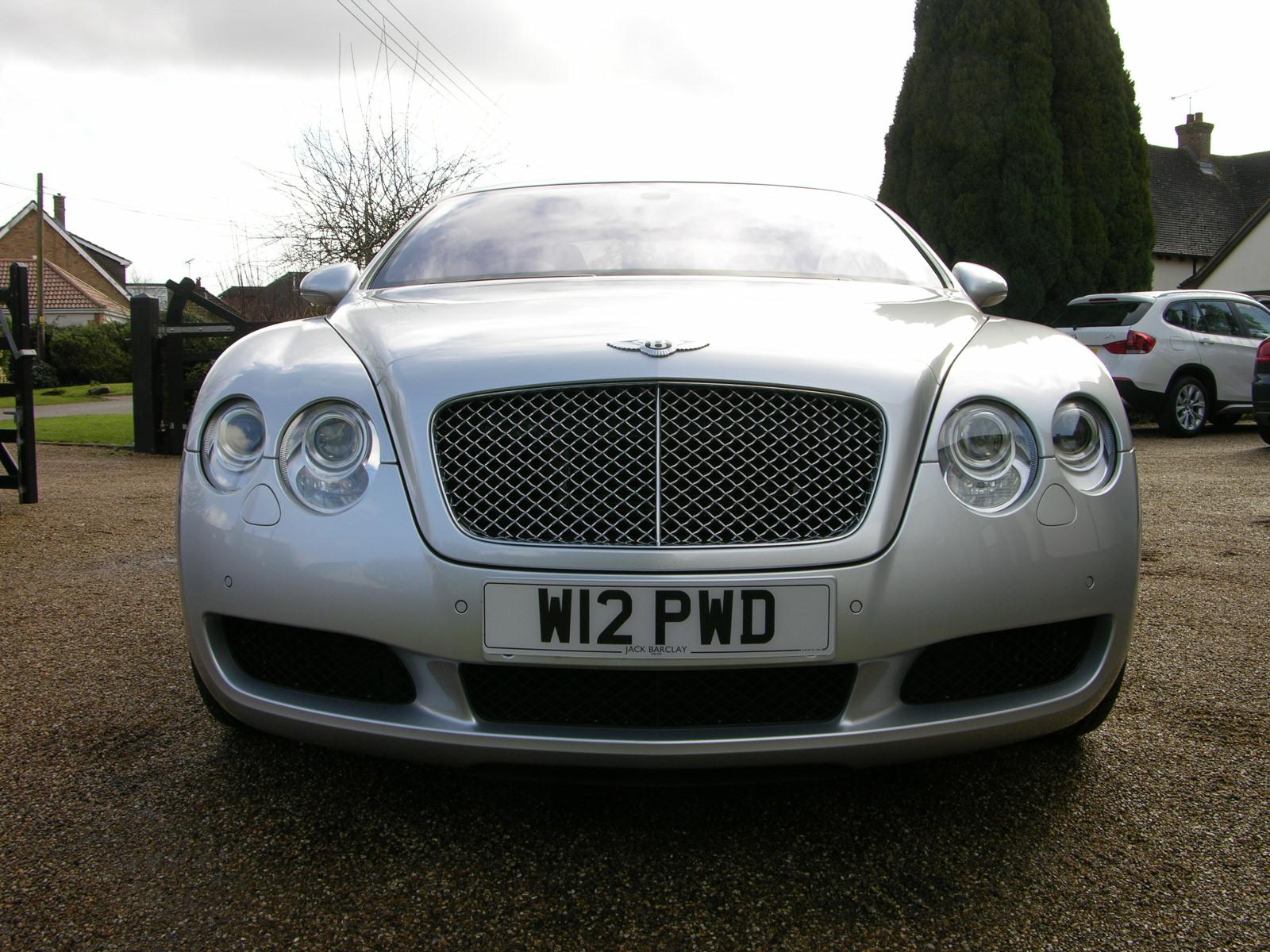
The Bentley Continental GT offers two engine options. The standard engine is a 4.0-liter twin-turbocharged V8 producing 542 horsepower and 568 lb-ft of torque. The premier offering is a 6.0-liter W12 engine, unique to Bentley, producing 626 horsepower and 664 lb-ft of torque. The W12 is a 12-cylinder engine arranged in a narrow V configuration, and it's one of the last naturally-derived engines of its kind in production.
The Mercedes-AMG S63 uses a 4.0-liter twin-turbocharged V8 paired with an electric motor, producing a combined 603 horsepower and 664 lb-ft of torque. The hybrid system adds electric assist during acceleration and enables smooth, silent launches from a standstill.
The W12 Continental GT pulls harder off the line and maintains steady power delivery up the rev range. It's raw, analog, and feels like it's pulling 626 horses through mechanical transmission. The S63, with its hybrid assistance, feels effortlessly quick — electric torque fills in gaps instantly, creating seamless power delivery that feels synthetic by comparison. Both hit 60 mph in the 4.0-4.2 second range.
For drivers who value character and mechanical feel, the Continental GT's W12 is an experience the S63's hybrid system simply can't replicate. For drivers who want the smoothest, most efficient acceleration, the S63 wins. This is a fundamental philosophical difference.
Design Philosophy: Handcrafted vs. Engineered
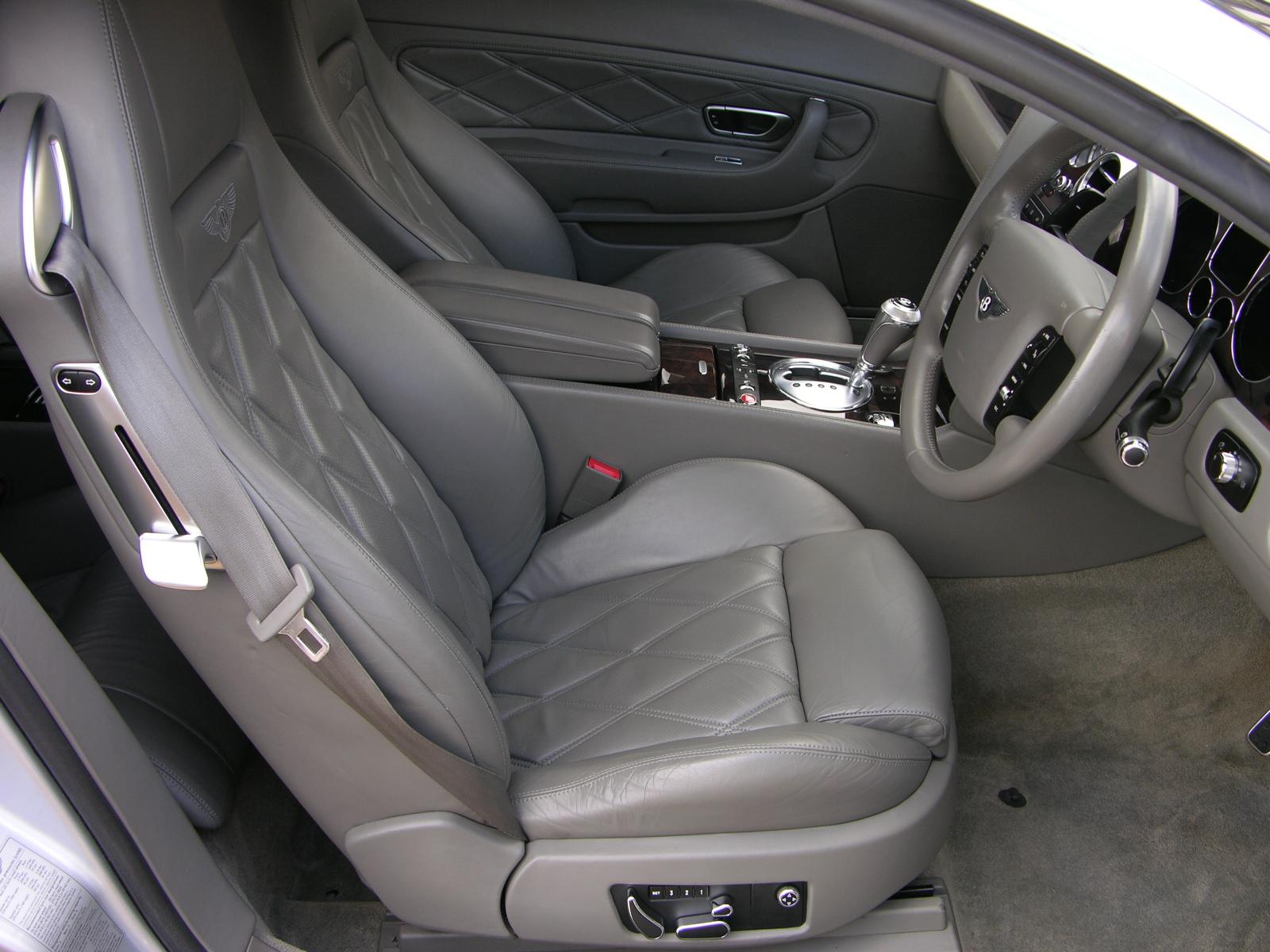
Walk around a Bentley Continental GT, and you immediately understand why it costs as much as a house. Every surface has been painstakingly considered. The diamond-quilted leather interior is hand-stitched. The veneers are laid by craftspeople who have been doing this for decades. The car feels less like a product and more like a work of art.
The Mercedes S63, by contrast, is the result of exhaustive engineering. Every curve is optimized for aerodynamics. Every interior material is chosen for durability and maintainability. The S63 is beautiful in the way a Formula 1 car is beautiful — because every detail serves a functional purpose.
The Continental GT's exterior is imposing: a massive grille, wide haunches, and an unmistakable silhouette that says "I am important." The S63 is elegant: flowing lines, a restrained grille, and a design language that whispers authority rather than shouting it.
Which is better is purely subjective. If you want people to notice your car, the Continental GT delivers presence that few other vehicles can match. If you want a car that conveys quiet confidence and understated power, the S63 is the more sophisticated choice.
Interior Luxury: Handcrafted vs. Tech-Forward
Step into a Bentley Continental GT's cabin, and you're enveloped in materials that cost more per square foot than many luxury apartments. The dashboard is wrapped in hide from a single animal. Stitching patterns are customized to individual specifications. The rotary gear selector rises from the dashboard like it's from a luxury yacht. Wood veneers are cut from trees that have been hand-selected and aged for years.
The technology is present but secondary. The infotainment system is adequate but not cutting-edge. Bentley's philosophy is that technology should fade into the background, enabling you to focus on the driving experience and the materials surrounding you.
The Mercedes S63's interior is equally luxurious but takes a completely different approach. The MBUX infotainment system is state-of-the-art, with multiple displays, voice control that actually works, and integration with your smartphone that borders on prescient. The materials are first-rate, but the emphasis is on functionality, organization, and digital integration.
Mercedes offers a wider variety of customization options and interior configurations. The S63 can be tailored to virtually any preference in leather, stitching, and wood. But the default configuration is purposeful and engineer-driven rather than artisanal.
For buyers who care most about handcrafted luxury and analog feel, the Continental GT is incomparable. For buyers who want luxury that's also maximally connected and technologically advanced, the S63 wins decisively.
Comparing Exotic Cars? We Help Navigate Every Decision
Automonitor's expert analysis covers performance, ownership costs, depreciation, and real-world reliability. Get data-driven guidance before you commit to your purchase.
Get Expert Guidance →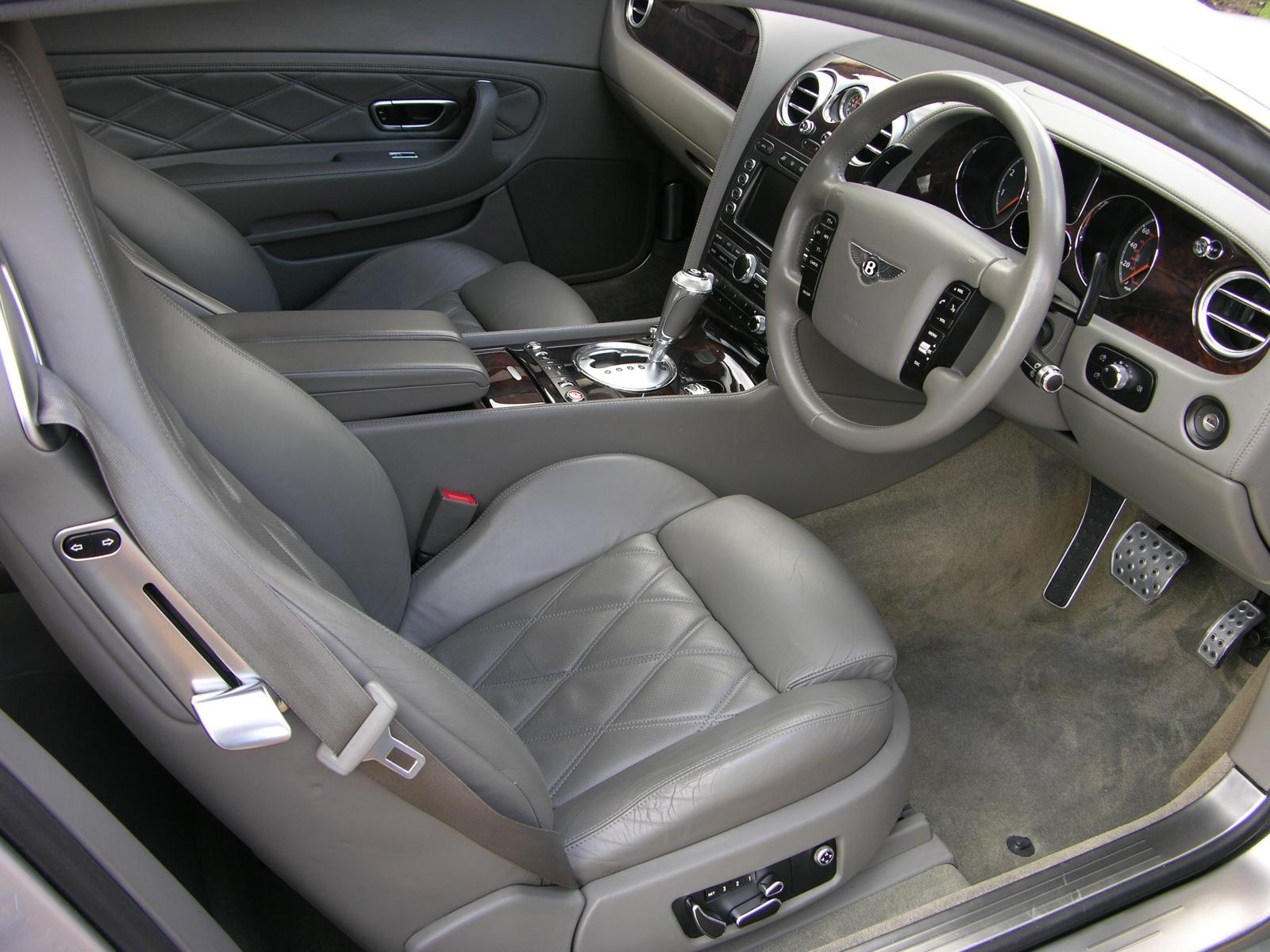
Pricing and Market Value: What These Cars Actually Cost
The Continental GT and S63 occupy different price points, and understanding this difference is crucial for your decision.
| Category | Bentley Continental GT | Mercedes-AMG S63 |
|---|---|---|
| Used Market (2020–2022) | $120K–$200K | $80K–$150K |
| Typical Range (V8) | $140K–$180K | $90K–$130K |
| W12 Continental GT | $180K–$220K | N/A |
| Annual Insurance | $5,000–$8,000 | $4,000–$6,500 |
| Annual Maintenance | $4,000–$7,000 | $3,500–$6,000 |
| Annual Fuel | $3,500–$5,000 | $3,000–$4,500 |
| 5-Year Depreciation | 30–35% | 35–40% |
A used 2021 Bentley Continental GT V8 will run you $140,000–$180,000 depending on mileage and condition. A comparable Mercedes-AMG S63 will be $90,000–$130,000. That's a significant price differential, and it's the result of Bentley's positioning as the ultra-premium brand.
However, the S63 actually depreciates faster than the Continental GT. While both lose roughly 30–40% of their value over five years, the S63's lower base price means you recover more absolute dollars with the Continental GT when you sell.
Running costs are comparable. Both demand premium fuel, both require specialized maintenance at authorized service centers, and both are expensive to insure. The Continental GT actually has slightly higher insurance costs due to its rarity and replacement part expenses.
If budget is your primary constraint, the S63 is the more affordable entry point. If you're choosing between two budgets that can accommodate either car, the Continental GT's better value retention might offset its higher purchase price over a 5-7 year ownership period.
Depreciation: Which Holds Value Better?
This is where the analysis gets interesting. Both cars depreciate significantly, but the Continental GT depreciates slower in percentage terms, which can mean better value recovery for buyers.
A Continental GT purchased at $160,000 might be worth $105,000 after five years — a 34% loss. A S63 purchased at $115,000 might be worth $65,000 after five years — a 43% loss. In absolute terms, you'd recover more money on the Bentley.
However, depreciation patterns vary significantly based on specification, mileage, and maintenance history. The most desirable Continental GT colors (British Racing Green, specific metallic finishes) hold value better than neutral colors. The same applies to the S63.
Both cars are depreciating assets, not investments. The Bentley's prestige and exclusivity provide a marginally better value floor, but neither should be purchased expecting to recover your investment. Buy either car to drive and enjoy it, not to make money when you sell.
Daily Usability: Which Is More Practical?
Here's where the Mercedes S63 gains ground.
The S63 is, at its core, a sedan. It has four doors, reasonable interior room, and a trunk large enough for luggage or golf clubs. It can comfortably fit passengers in the rear, and the climate control system keeps everyone comfortable. You can daily drive a S63 without significant compromise to your lifestyle.
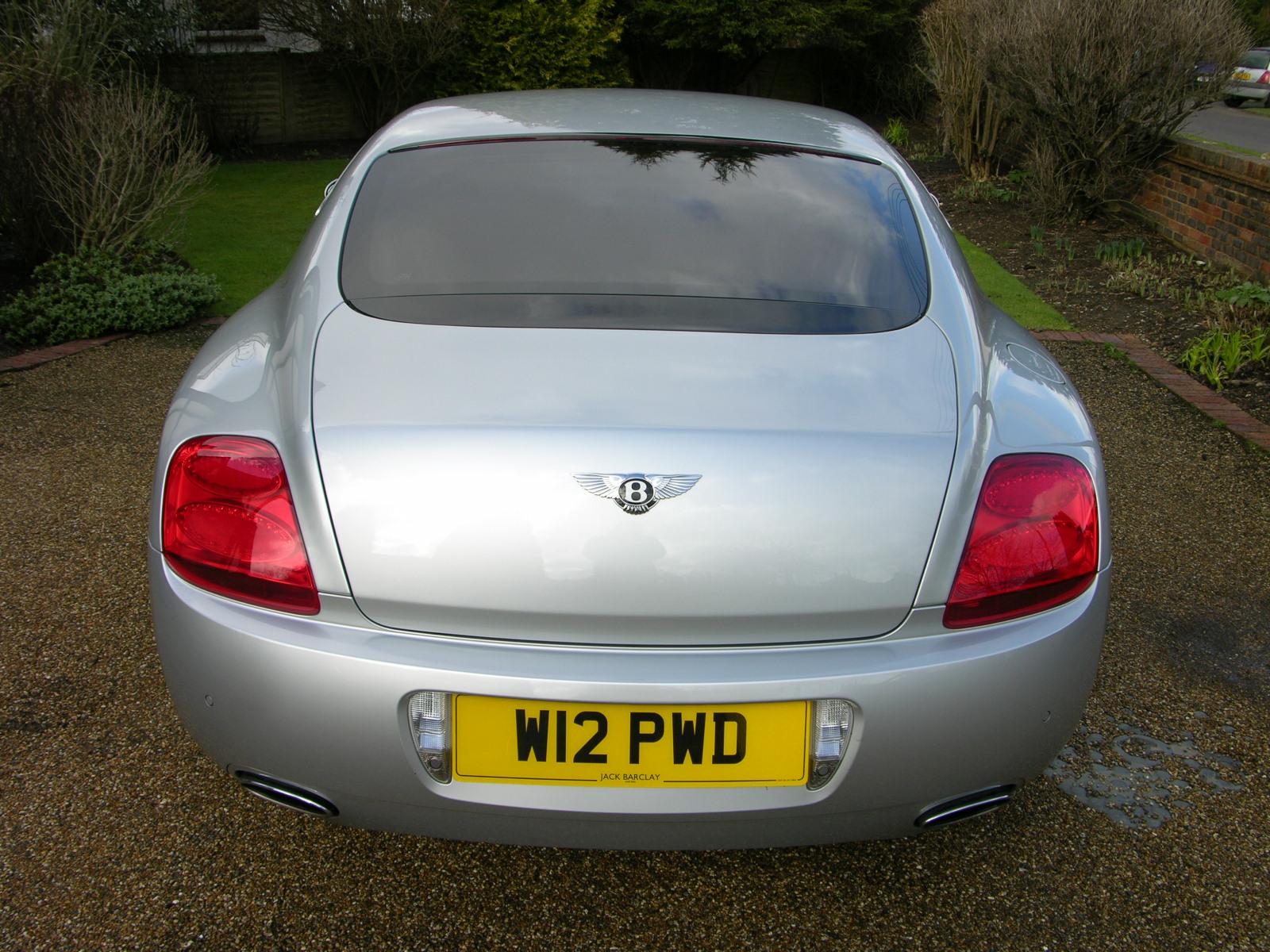
The Continental GT is a two-door grand tourer, and its compromises become apparent in daily use. Getting rear passengers in and out requires opening the front doors first — a significant inconvenience in tight parking spaces. Ground clearance is minimal, making speed bumps a genuine hazard. The automatic transmission can be jerky at low speeds. The steering requires constant correction on highways.
That said, the Continental GT is absolutely capable of long-distance highway driving. The suspension absorbs road imperfections reasonably well, the engine is remarkably smooth at cruise speeds, and the sound system and comfort materials make even long drives tolerable.
For daily commuting and regular use, the S63 is the more sensible choice. For weekend grand touring and occasional use, the Continental GT's compromises are acceptable and arguably part of its charm. Neither is a perfect daily driver, but the S63 is measurably more practical.
Technology and Infotainment: Mercedes Dominates
The Mercedes-AMG S63's MBUX infotainment system is light-years ahead of Bentley's system. The Mercedes offers a central touchscreen with intuitive menu structures, voice control that actually understands natural language, smartphone integration that feels seamless, and over-the-air software updates that continuously add features.
Bentley's infotainment is functional but dated. The menus require multiple clicks, voice control is less capable, and the system can feel sluggish compared to modern standards. Bentley is slowly modernizing this with software updates, but it's not comparable to what Mercedes offers.
For drivers who care about staying connected, using navigation frequently, or want the latest connectivity features, the S63 is clearly superior. For drivers who view infotainment as a distraction and prefer analog controls, the Continental GT's simpler system might actually be preferable.
Modern luxury is increasingly defined by software capability, and this is one area where Mercedes' resources and focus have created a genuine advantage.
Ride Quality and Handling: Comfort vs. Engagement
The Continental GT prioritizes comfort and smoothness. The suspension is tuned to absorb road imperfections, and the steering is light and easy at parking speeds. On the highway, the car feels stable and serene. Push it harder on a mountain road, and it still feels composed, though the weight (nearly 5,000 lbs) becomes apparent.
The S63, being a sedan with independent rear suspension, offers more agile handling than the Continental GT's platform allows. The steering is quicker, the body roll is more controlled, and the overall driving experience feels more athletic. The ride is still supremely comfortable, but there's an underlying firmness that communicates engineering rather than pure isolation.
Neither car is a sports car. Both are grand tourers designed for comfort and long-distance cruising. The Continental GT feels like it's floating on air. The S63 feels like it's precision-engineered to minimize discomfort while maximizing responsiveness.
For buyers who want maximum comfort and isolation from the road, the Continental GT wins. For buyers who want comfort with underlying dynamism, the S63 delivers a better balanced experience.
Maintenance Costs and Reliability: Both Are Expensive
Neither of these cars is cheap to maintain. Both require specialized parts, both require certified technicians, and both will cost you significant money when something goes wrong.
The Continental GT uses Bentley-specific components, and repair costs can be astronomical. A simple repair that costs $500 on a regular car might cost $3,000 at a Bentley dealership. Major repairs — transmission rebuilds, engine work, suspension overhauls — can easily exceed $15,000.
The S63, being based on Mercedes' platform, has more interchangeability with other Mercedes models, which can slightly reduce parts costs. However, AMG-specific components (engines, transmissions, suspension) are still expensive, and labor rates at AMG centers are comparable to Bentley's.
Both cars are generally reliable by exotic car standards. The Mercedes platform, being used across a wider range of vehicles, benefits from larger service networks and more readily available parts. The Bentley's smaller production numbers mean fewer specialists familiar with its specific systems.
In terms of actual ownership, expect to spend $4,000–$7,000 per year on maintenance for the Continental GT and $3,500–$6,000 for the S63, assuming normal service intervals and no major repairs.
Brand Prestige and Perception: British Exclusivity vs. German Engineering
Bentley is the ultimate statement of British luxury. The brand carries historical weight dating back to racing heritage and royal patronage. Owning a Bentley signals that you've arrived at a level of wealth and taste where practicality is irrelevant — you have a Bentley because it's an exquisite expression of luxury, not because it's efficient.
Mercedes-AMG is the statement of German engineering excellence. The badge signals precision, technology, and performance optimization. AMG models are aspirational but slightly more attainable than Bentley — they appeal to successful professionals who appreciate engineering as much as luxury.
The Continental GT will turn more heads. It's rarer, more dramatic, and more obviously expensive. If visibility and presence matter to you, the Bentley wins decisively.
The S63 conveys understated power and technological sophistication. Mercedes buyers are often those who understand cars enough to appreciate the engineering that goes into an AMG model. The S63 appeals to an audience that values competence over spectacle.
Neither brand is "better" — they appeal to different buyer mentalities. The Bentley is a personal statement. The Mercedes is an engineering accomplishment.
Detailed Specifications Comparison
| Specification | Continental GT (W12) | Continental GT (V8) | S63 AMG |
|---|---|---|---|
| Engine | 6.0L W12 | 4.0L Twin-Turbo V8 | 4.0L Twin-Turbo V8 + Electric Motor |
| Horsepower | 626 hp | 542 hp | 603 hp |
| Torque | 664 lb-ft | 568 lb-ft | 664 lb-ft |
| 0–60 mph | 3.8s | 4.1s | 4.0s |
| Top Speed | 208 mph | 198 mph | 186 mph |
| Curb Weight | 4,945 lbs | 4,860 lbs | 4,665 lbs |
| Fuel Economy (combined) | 14 mpg | 17 mpg | 19 mpg |
| Seating | 4 (2+2) | 4 (2+2) | 5 |
| Trunk Space | 14.1 cu ft | 14.1 cu ft | 18.3 cu ft |
Automonitor's Recommendation: How to Choose
Both cars are exceptional grand tourers, and choosing between them comes down to five key questions:
Question 1: Do you prioritize presence and exclusivity? If yes, buy the Continental GT. It's rarer, more dramatic, and commands attention. If you care more about quiet confidence and engineering sophistication, choose the S63.
Question 2: Will you need rear passenger space? The S63 is genuinely usable as a four-seater. The Continental GT's rear seats are cramped and accessed awkwardly. If you regularly transport passengers, the S63 is more practical.
Question 3: How much do you value cutting-edge technology? The S63's MBUX system is measurably superior to Bentley's infotainment. If connectivity and modern interfaces matter, the Mercedes wins. If you view infotainment as a distraction, the Bentley's simpler system might actually appeal to you.
Question 4: What's your comfort preference? The Continental GT prioritizes pure isolation and smoothness. The S63 balances comfort with responsiveness. Neither is uncomfortable, but the Continental GT floats while the S63 dances.
Question 5: What's your total budget including ownership costs? The Continental GT costs more to purchase but depreciates slower and recovers more absolute value. The S63 costs less upfront but depreciates faster. Over 5 years, the total cost difference might actually be smaller than you'd expect.
Our verdict: If this is your first ultra-luxury grand tourer and you value handcrafted exclusivity above all else, buy the Continental GT. You'll own one of the most beautiful and prestigious automobiles ever produced. If you're a second or third luxury car owner who appreciates engineering excellence and wants a car that's practical enough for regular use, the S63 AMG delivers more balanced value.
Need Help Navigating a Luxury Purchase?
Automonitor provides pre-purchase inspections, market analysis, and direct connections with vetted sellers. We've helped hundreds of buyers find the right luxury grand tourer.
Get Your Expert Analysis →Smart Buying Tips for Luxury Grand Tourers
Whether you choose the Bentley or the Mercedes, buying a car in this price range requires diligence:
Get a comprehensive pre-purchase inspection. These cars are complex, and hidden problems can cost tens of thousands to fix. Use a certified inspector familiar with luxury vehicles to identify issues before you commit.
Understand depreciation before you buy. Use market data to understand appreciation and depreciation patterns for your specific vehicle choice. Don't expect to break even.
Research insurance costs upfront. Exotic car insurance for grand tourers can be surprisingly expensive, and rates vary significantly by insurer. Get quotes before you buy.
Factor maintenance into your budget. Maintenance costs for ultra-luxury vehicles are substantial, and unexpected repairs can exceed $10,000. Make sure you have a service budget built into your planning.
Consider financing options carefully. Exotic car financing is available but requires careful structuring. Most lenders require 20–30% down and charge 6–10% interest for vehicles in this category.
Negotiate from data, not emotion. Know the market value before you make an offer using comparable sales data. Emotion is the enemy of good purchasing decisions.
Think about whether you should buy new or used. Used grand tourers often deliver better value than new ones, particularly in the $100K–$200K range where buyer demand is strongest.
Frequently Asked Questions
Is the Bentley Continental GT worth the premium over the Mercedes S63?
The Continental GT costs more upfront but offers handcrafted exclusivity and better value retention. The S63 costs less and is more practical. The answer depends on whether you prioritize presence and craftsmanship (Bentley) or practicality and technology (Mercedes). Both offer extraordinary value in the ultra-luxury segment.
Which car has better reliability?
Both cars are generally reliable by luxury standards, with the Mercedes having a slight edge due to wider service networks and parts availability. The Continental GT's rarity can make finding specialists more challenging. However, most major repairs are roughly equivalent in cost and frequency.
Can I daily drive a Continental GT or S63?
Yes, but the S63 is more practical for daily use due to its four-door sedan configuration, larger trunk, and better visibility. The Continental GT is more comfortable as an occasional-use grand tourer. Neither is an ideal daily driver, but the S63 is the better choice if you need to use it regularly.
What's the difference in fuel economy?
The Continental GT W12 gets approximately 14 mpg combined. The V8 Continental GT gets around 17 mpg. The S63 gets approximately 19 mpg combined due to its hybrid assistance. The difference is meaningful over time, but neither car is purchased for fuel efficiency.
Which car depreciates more?
The S63 depreciates faster in percentage terms (35–40%) due to its lower base price. The Continental GT depreciates about 30–35%. In absolute dollars, you often recover more money on the Bentley, even though the percentage is lower. Both lose significant value and should not be purchased as investments.
The Final Verdict
The Bentley Continental GT and Mercedes-AMG S63 are both exceptional grand tourers that will deliver years of ownership satisfaction. The Continental GT is the more exclusive, more dramatic, more obviously luxurious choice — a rolling work of art that announces your arrival in any room. The S63 is the more balanced, more practical, more technologically advanced choice — a precision instrument wrapped in luxury materials.
Neither is objectively "better." The Continental GT appeals to those who view the car as the ultimate expression of personal taste and exclusivity. The S63 appeals to those who appreciate engineering excellence and want a car that's genuinely usable in daily life.
Make your choice based on what matters most to you: handcrafted heritage or technological mastery, presence or precision, exclusivity or practicality. Either way, you're purchasing one of the world's greatest automobiles, and you'll enjoy the ownership experience immensely.
Ready to Make Your Decision?
Automonitor connects you with vetted sellers, provides expert analysis, and handles all the logistics of buying a luxury grand tourer. Let us help you find the perfect car.
Start Your Search Today →